
Last updated September 23, 2026
Free visual inspection and a written scope of work before any mitigation begins - photos, moisture readings, and drying logs go in your claim file
The scope we write is the scope we bill. Anything new gets shown to you, in writing, before we touch it.
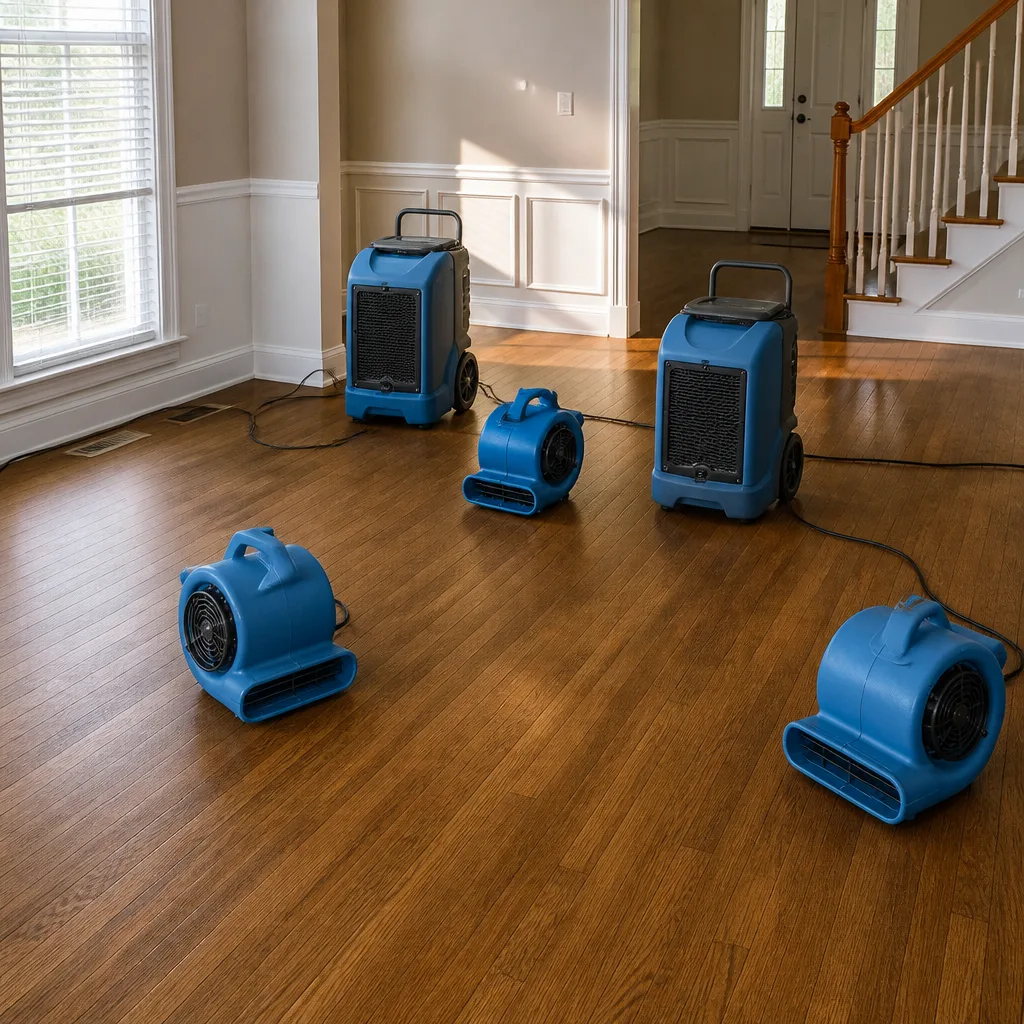

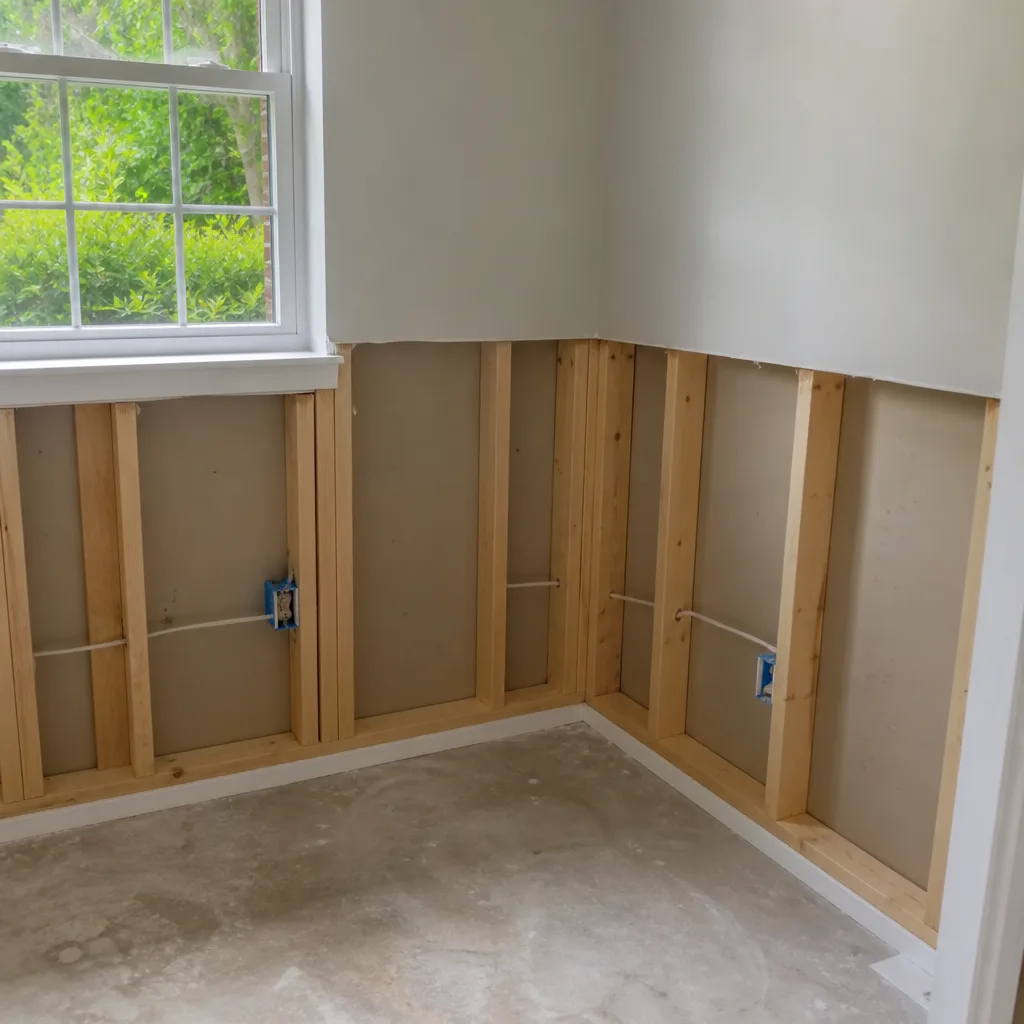



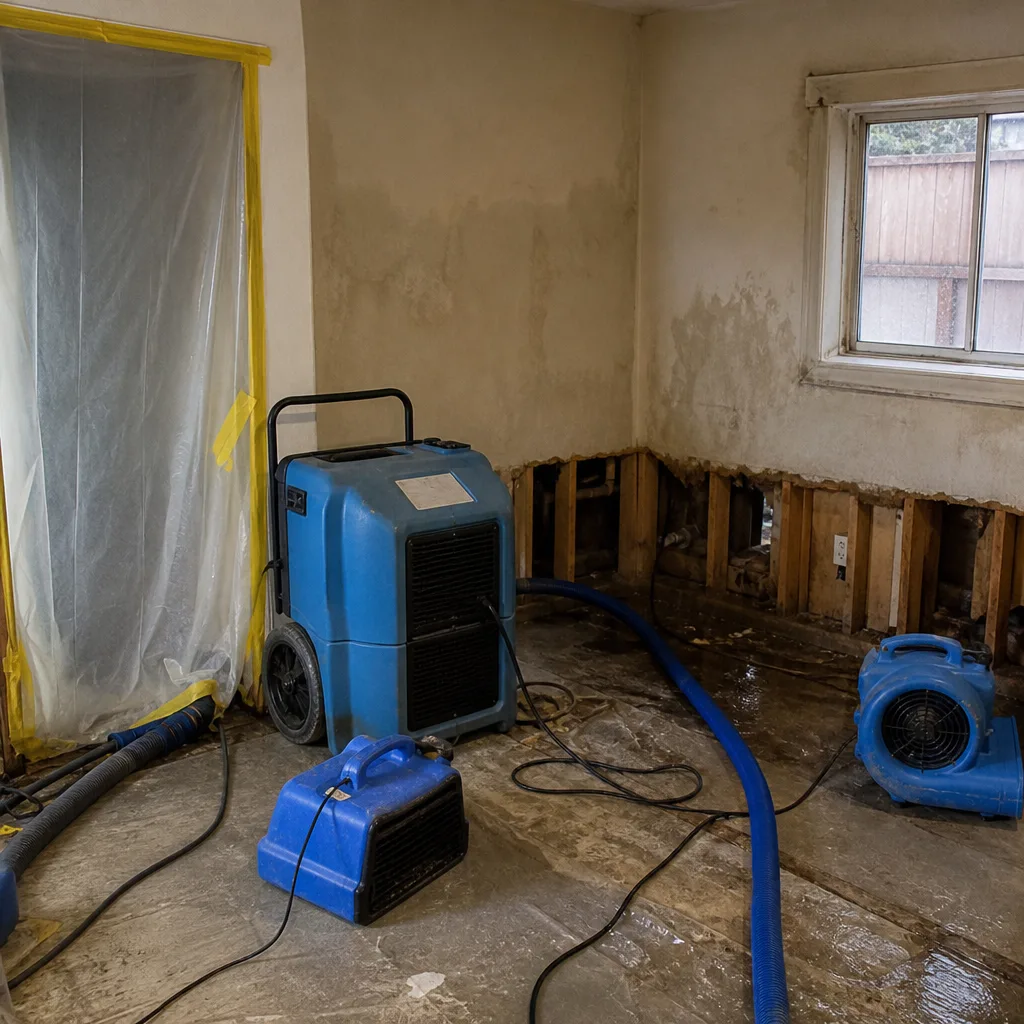 Before
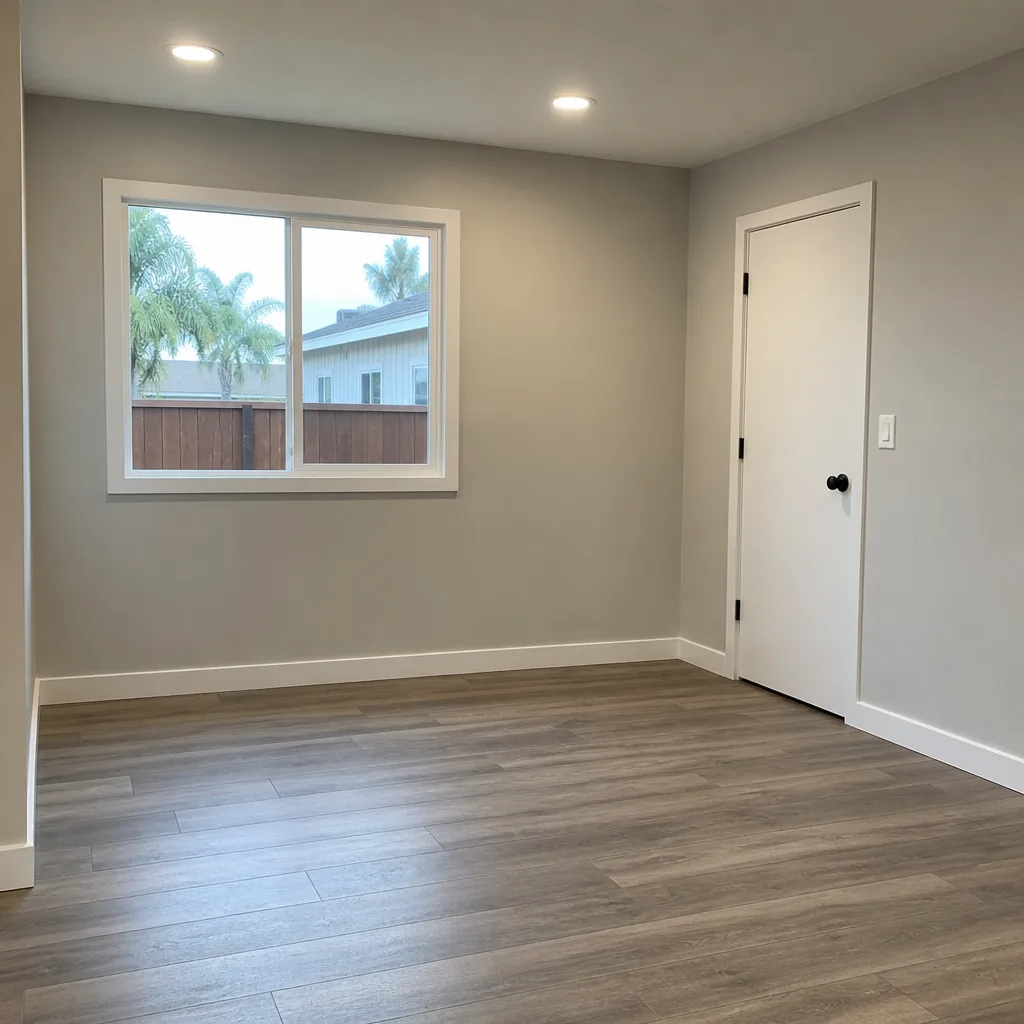 After
After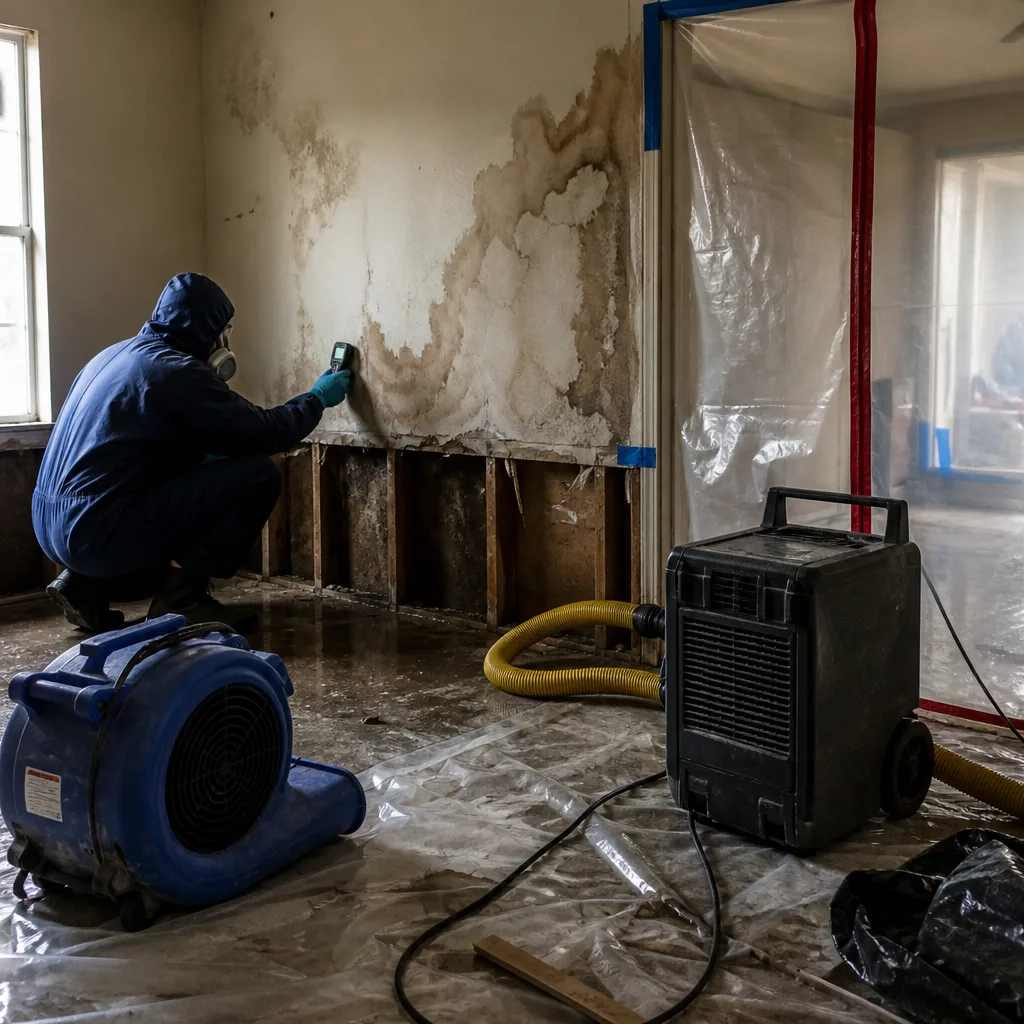 Before
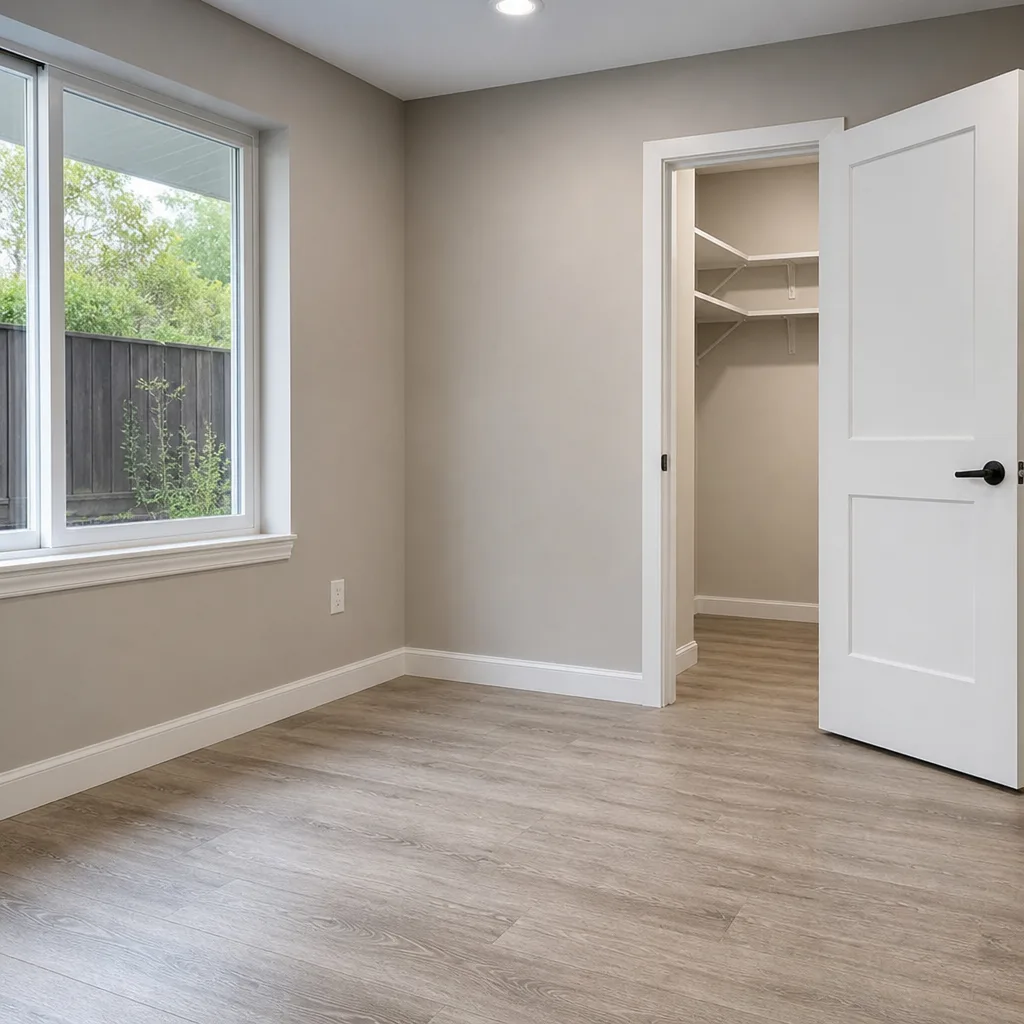 After
After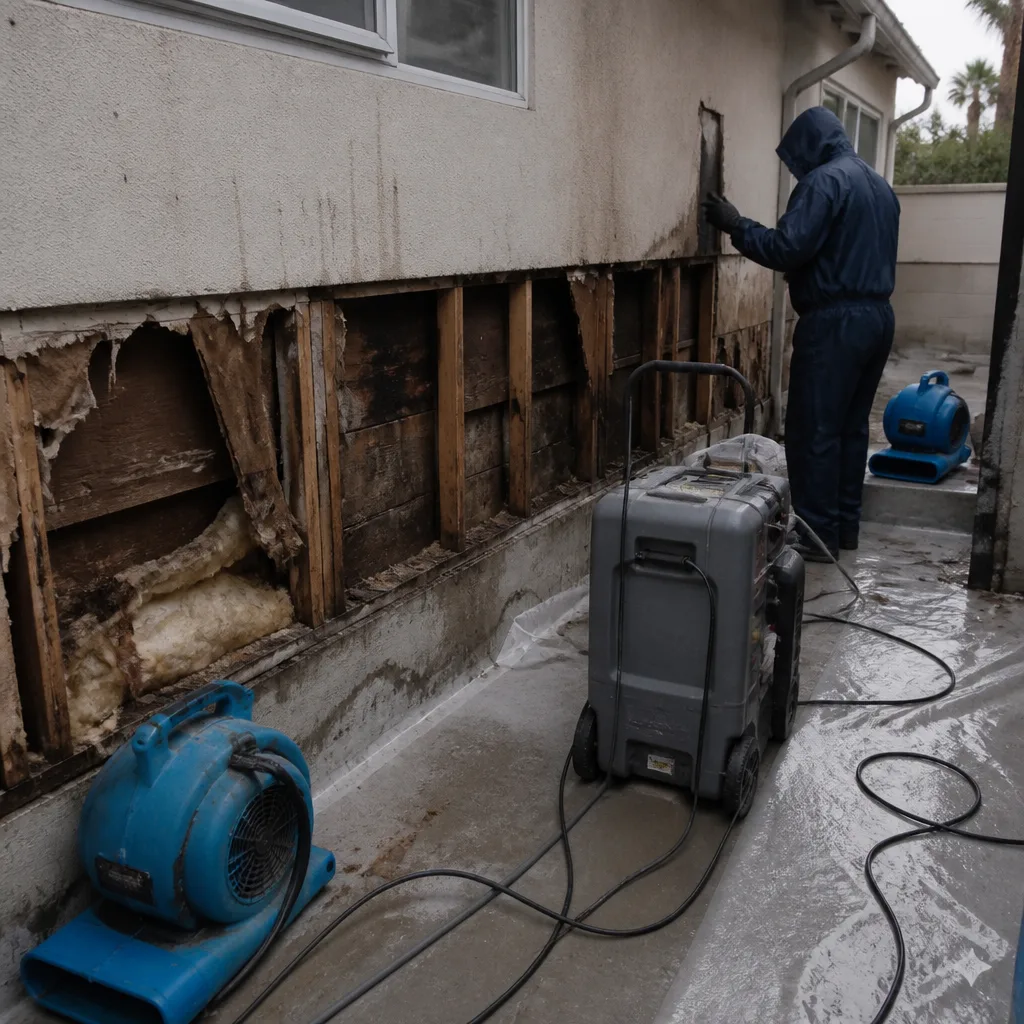 Before
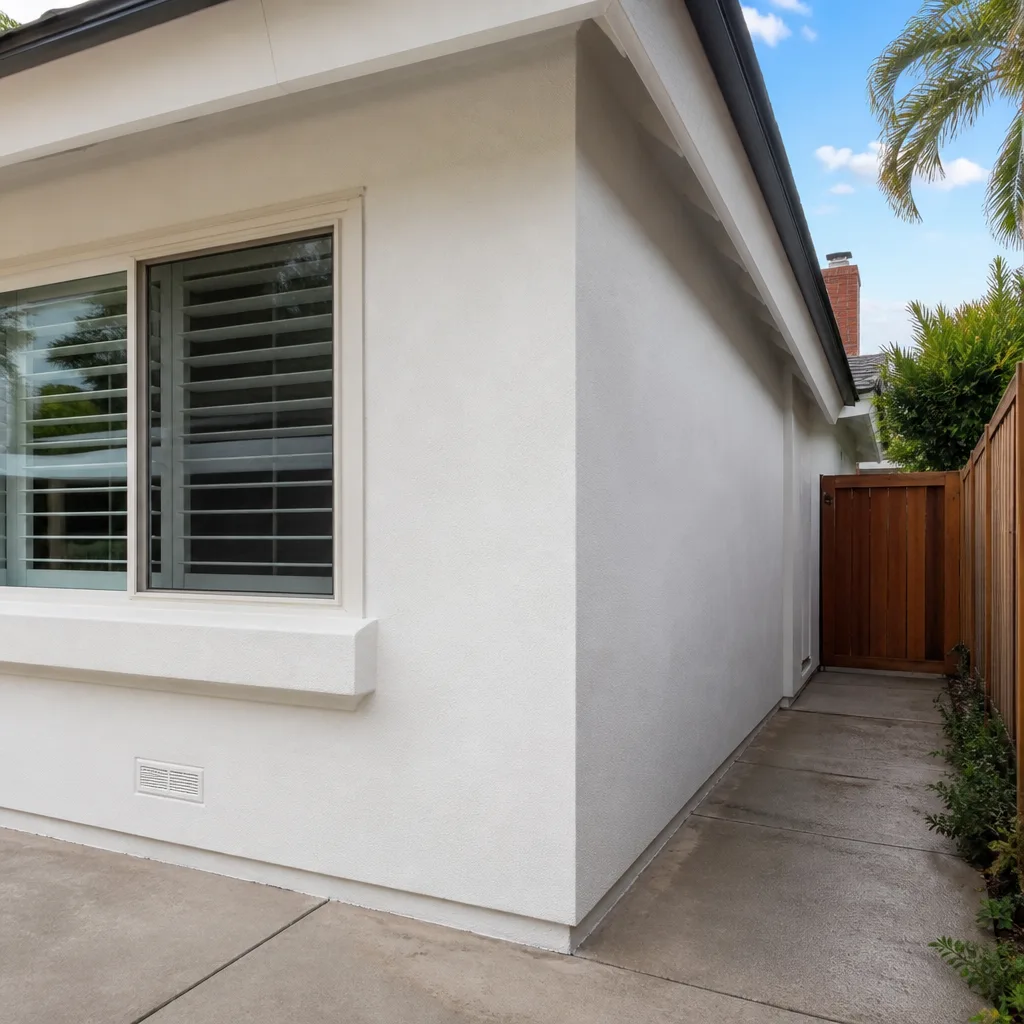 After
AfterSeasonal Damage Restoration Care for San Diego: Year-Round Homeowner’s Guide
June through September in San Diego is marketed as perfect weather, but the marine layer condensation during that stretch is responsible for a measurable share of attic moisture intrusion claims that don’t surface until November, when the ceiling stain finally appears. We’ve restored over 12,000 homes since 2011, and the pattern is consistent: homeowners here plan for earthquakes and wildfires, then miss the four micro-seasons that actually drive water, mold, and fire damage in this market. This guide rebuilds the year around San Diego’s actual weather mechanics, not the calendar you grew up with elsewhere, and complements our The Complete Guide to Damage Restoration in San Diego.
Quick Answer
San Diego homeowners should inspect and document their property four times yearly, aligned to local micro-seasons: Santa Ana fire-then-rain (October-December), winter rain concentration (January-March), dry-heat expansion (April-May), and marine layer condensation (June-September). Each period carries distinct risks: wind-driven roof intrusion, concentrated rainfall overwhelm, material expansion creating gaps, and hidden attic moisture accumulation. A one-page seasonal log with dated photos and moisture meter readings-similar to the framework in our Water Damage Restoration Maintenance Checklist for San Diego Homeowners-creates a pre-loss condition record that supports insurance claims if damage develops.
Table of Contents

- Santa Ana Fire-Then-Rain Season: October-December
- Winter Rain Concentration: January-March
- Dry-Heat Expansion Season: April-May
- Marine Layer Condensation Season: June-September
- The Post-Rain 72-Hour Inspection Protocol
- Building Your One-Page Seasonal Inspection Log
- Common Mistakes to Avoid
- When to Call a Professional
- Frequently Asked Questions
BeforeAfterSanta Ana Fire-Then-Rain Season: October-December
This is San Diego’s most dangerous micro-season, and it’s not close. Santa Ana wind events, typically peaking between mid-October and early December, strip vegetation of residual moisture in 72-hour drying cycles that leave hillsides primed for ignition. Then the first seasonal rain arrives, often within days of a fire event, and water hits hardened, hydrophobic soil that sheens rather than absorbs.
For homeowners, the risk sequence is specific: wind lifts or displaces roof coverings, particularly composite shingles past 15 years and tile roofs with degraded underlayment in coastal zones like La Jolla and Del Mar where salt air accelerates material fatigue. The gaps created don’t leak immediately. They wait. Then the first rain arrives, driven horizontally at 40-plus knots, and water enters through openings that a calm-day inspection would miss.
We’ve documented this pattern repeatedly in Rancho Bernardo and Poway, where canyon wind exposure is highest. In October 2019, a home on Espola Road showed no visible roof damage during a calm inspection. Following a 67-mph Santa Ana event and subsequent rainfall, our moisture mapping traced a leak path from a lifted tile corner to saturated insulation across 340 square feet of attic deck. The homeowner’s insurance initially disputed the claim as “gradual deterioration.” The written scope and photo record we produced, timestamped to the specific wind event, reversed that denial.
Pre-season inspection tasks for October:
- Walk the roof perimeter with binoculars from ground level, or hire a licensed roofing contractor for physical access. Document shingle tab integrity, tile position, and flashing seal at all penetrations. Photo every anomaly with date stamp.
- Clear gutters and downspouts of accumulated summer dust and debris. San Diego’s dry summer leaves a fine particulate layer that dams water during first rain. Check downspout discharge: water must exit 6 feet from foundation per standard practice, critical in hillside areas of Mission Hills and Kensington where lot lines constrain grading.
- Inspect soffit and fascia for gaps that wind-driven rain can penetrate. Seal with paintable exterior caulk rated for 50-year flexibility.
- Trim tree canopy 10 feet from roofline. Eucalyptus and palm debris are particularly problematic; they wedge under tiles and hold moisture against underlayment.
- Test all ground-level drainage paths with a hose. Water should flow away from structure within 10 minutes. Pooling indicates grade failure that winter rain will exploit.
The documentation standard here matters for claims. A photo of intact roof condition dated October 1, paired with post-event photos dated after the first rain, establishes a clear causation timeline. Without it, insurers in San Diego frequently attribute Santa Ana season damage to “maintenance neglect” and apply depreciation penalties.
Winter Rain Concentration: January-March
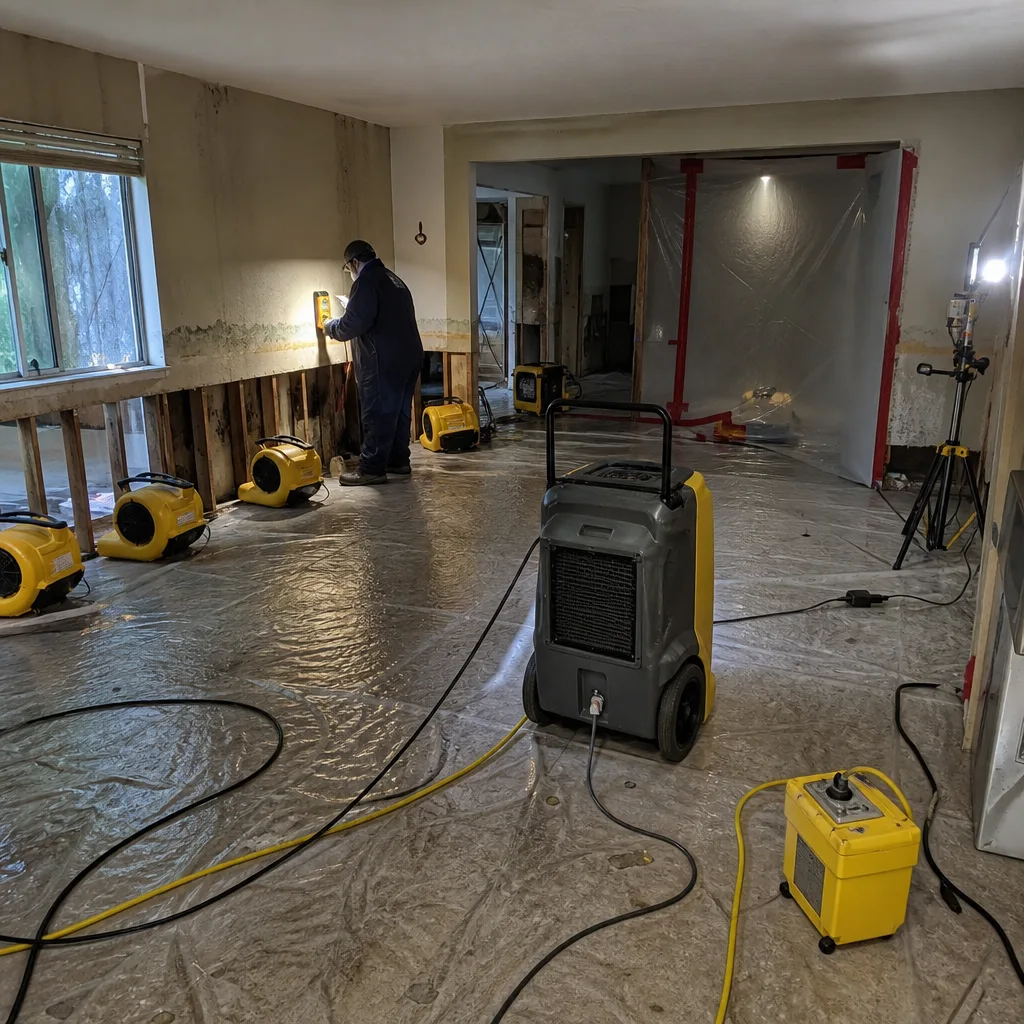
San Diego receives approximately 85% of annual rainfall between January and March, concentrated in atmospheric river events that deliver 2-4 inches in 24 hours. This is not gentle rain. It’s high-volume, sustained precipitation onto surfaces that haven’t seen significant water in eight months. The resulting damage pattern is distinct from northern climates: flash flooding in canyon-adjacent neighborhoods, saturated hillside foundations in areas like Del Cerro and Allied Gardens, and overwhelmed drainage systems in older central San Diego neighborhoods with combined storm-sewer infrastructure.
The critical risk in this period is not the rain itself but the homeowner’s delayed response. San Diego’s mild winter temperatures mean occupants don’t feel cold drafts from leaks. Water enters wall cavities and remains at 60-70°F, the optimal range for mold colonization. By the time visible staining appears, typically 3-6 weeks post-event, the damage scope has expanded significantly.
Our drying logs from January 2023 storms show a consistent pattern in Clairemont and University City homes: water intrusion through failed door thresholds and sliding track seals, driven by wind pressure against elevations facing west or southwest. The entry point is often less than 0.25 square inches. The affected area, once traced with thermal imaging and moisture meters, averages 180 square feet of wall cavity per incident.
Winter monitoring protocol:
- During active rain, check interior walls on the windward elevation every 4 hours for discoloration, bubbling paint, or baseboard swelling. These are late indicators, not early warnings.
- Within 24 hours of rain cessation, inspect attic spaces with a flashlight for sheen on rafters, damp insulation, or drip marks on the attic floor deck. Use a pin-type moisture meter on exposed wood: readings above 16% indicate active drying need.
- Check exterior grade at all foundation points. Saturated soil against stucco or siding wicks moisture inward through capillary action. The threshold for concern is soil contact above the concrete foundation line.
- Document all findings with dated photos and moisture meter readings. This data becomes your pre-mitigation baseline if professional drying is needed.
Water damage restoration in San Diego during this period operates under compressed timelines. Our Water Damage Restoration in San Diego teams deploy psychrometric monitoring, measuring temperature, relative humidity, and vapor pressure differential to establish drying curves that meet IICRC S500 standards. The daily moisture logs we produce, charting each room’s progress against specific grain-per-pound targets, are the documentation that turns restoration invoices into payable claims.
Dry-Heat Expansion Season: April-May
April and May in San Diego are statistically the driest months, with relative humidity frequently below 40% and temperatures climbing from 65°F to 75°F averages. This period lacks the drama of Santa Ana winds or winter storms, which is precisely why homeowners miss it. The damage mechanism is thermal expansion and material fatigue in building envelope components that have cycled through wet-dry-wet conditions since January.
Wood framing in San Diego’s prevalent stucco construction expands across grain as moisture content drops from winter highs of 18-20% to spring lows of 8-10%. This dimensional change, typically 1/8 inch per 6 inches of board width across a full moisture swing, stresses joints, fasteners, and sealant beads. Concurrently, stucco exteriors, which gained moisture through winter rain exposure, begin aggressive surface evaporation. The resulting tensile stress causes hairline cracking, particularly at stress concentrations: window corners, door headers, and deck ledger attachments.
We’ve mapped this pattern in Scripps Ranch and Mira Mesa, where 1990s-era construction with single-coat stucco systems shows systematic cracking at second-story window heads each May. The cracks are 1/32 to 1/16 inch, barely visible from ground level. They don’t leak in dry conditions. They leak in the first June marine layer event, when cool, moist air contacts the warm stucco surface and condensation forms at the crack interface, driven inward by vapor pressure differential, the force that moves moisture from areas of high concentration to low.
April-May inspection focus:
- Walk the exterior with side-lighting, early morning or late afternoon, to raking-light any hairline cracks in stucco. Mark locations with painter’s tape for monitoring.
- Check window and door sealant beads for cohesion loss, the condition where sealant separates from one substrate. Probe gently with a plastic putty knife; proper adhesion resists moderate pressure.
- Inspect roof penetrations, particularly plumbing vents and HVAC curbs, for sealant degradation from UV exposure. San Diego’s solar load is 15-20% above national average; sealant life is proportionally reduced.
- Examine wood decks and railings for fastener pop and board cupping. These indicate moisture-content cycling that compromises the waterproofing membrane below.
- Run irrigation systems through full cycles, checking for spray contact with structure. Spring growth shifts head alignment; water hitting stucco or siding sustains the very moisture cycling that causes expansion damage.
Repair cracks with elastomeric patching compound rated for 400% elongation, not standard spackle. Sealant replacement should use polyurethane or silicone formulations with published movement capability of plus/minus 50%. Document all repairs with date-stamped photos; this establishes maintenance diligence if future claims arise.
Marine Layer Condensation Season: June-September
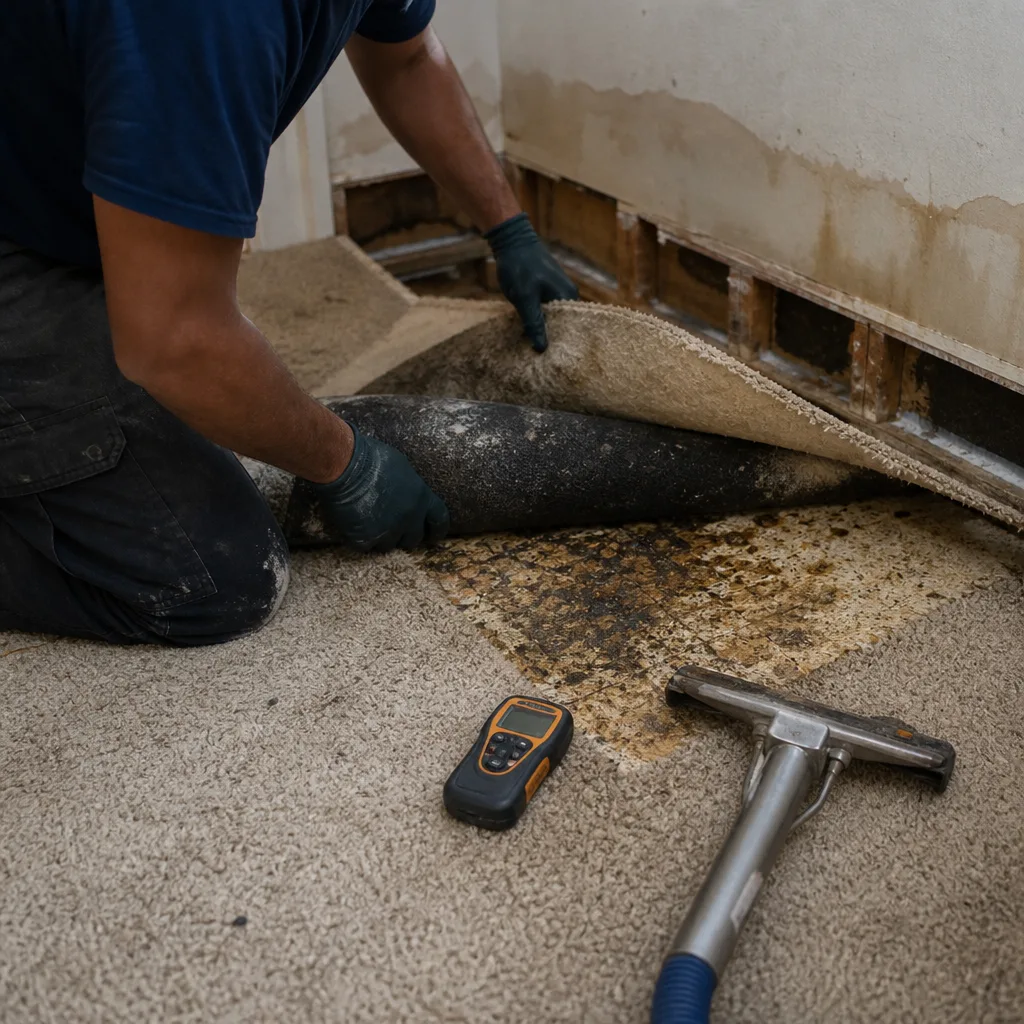
San Diego’s summer is not dry, despite the marketing. The marine layer, a cool, moist air mass from the Pacific, penetrates inland up to 15 miles on typical mornings, persisting until 10 AM to 2 PM depending on inland heating. In neighborhoods from Point Loma through Mission Valley to La Mesa, this means 60-70°F air at 85-95% relative humidity contacting roof surfaces that heated to 120-140°F the previous afternoon. The temperature differential drives condensation on the underside of roof decking, particularly in attics with inadequate ventilation or exhaust fan discharge into the attic space rather than through the roof.
This is the hidden damage season. Condensation produces no immediate staining. It accumulates as adsorbed moisture in wood sheathing, raising moisture content incrementally over weeks. By late August, attic sheathing in poorly ventilated homes routinely tests at 20-24% moisture content, the threshold for mold sporulation on cellulose substrates. The homeowner discovers the problem in November, when cooler temperatures reduce evaporation and the accumulated moisture finally manifests as ceiling discoloration. The insurer classifies it as “long-term moisture” and limits coverage.
We’ve traced this exact timeline in a 2017 restoration in North Park: attic sheathing at 23% moisture content in September, no visible interior signs, ceiling stain appearing November 14 after the first cool snap reduced attic air exchange. The homeowner had no documentation of pre-existing condition. The claim was settled at 40% of mitigation cost due to “gradual” attribution.
June-September monitoring protocol:
- Conduct a baseline moisture survey in mid-June, at marine layer peak. Use a pin-type meter on attic sheathing at six locations: north and south slopes, peak, eave, and two mid-points. Record readings on your inspection log. Acceptable: below 14%. Elevated: 14-18%. Action required: above 18%.
- Verify attic ventilation math: 1 square foot of net free vent area per 150 square feet of attic floor, or 1:300 with balanced soffit-ridge ventilation. Many San Diego homes built 1960-1990 fall short by 30-50%.
- Check bathroom and kitchen exhaust terminations. Ducts must discharge through roof or gable wall, not into attic space. Flex duct in attics sags and traps condensation; rigid metal with proper slope is the repair standard.
- Inspect for recessed can lights in ceiling below attic. Non-IC-rated fixtures create thermal bypasses that concentrate condensation on surrounding sheathing. Upgrade to airtight IC-rated units with sealed housings.
- Monitor for musty odor in living spaces on marine layer mornings. This indicates attic air exchange with conditioned space, typically via bypass paths around chimneys, plumbing chases, or top plates. Smoke pencil testing identifies leakage points.
The moisture meter reading you take in June is your most powerful claims document. It establishes pre-season baseline. A second reading in September shows trend. If September exceeds 18% and you act before visible damage, you’ve demonstrated due diligence and prompt discovery, the two criteria that distinguish covered sudden events from excluded gradual damage.
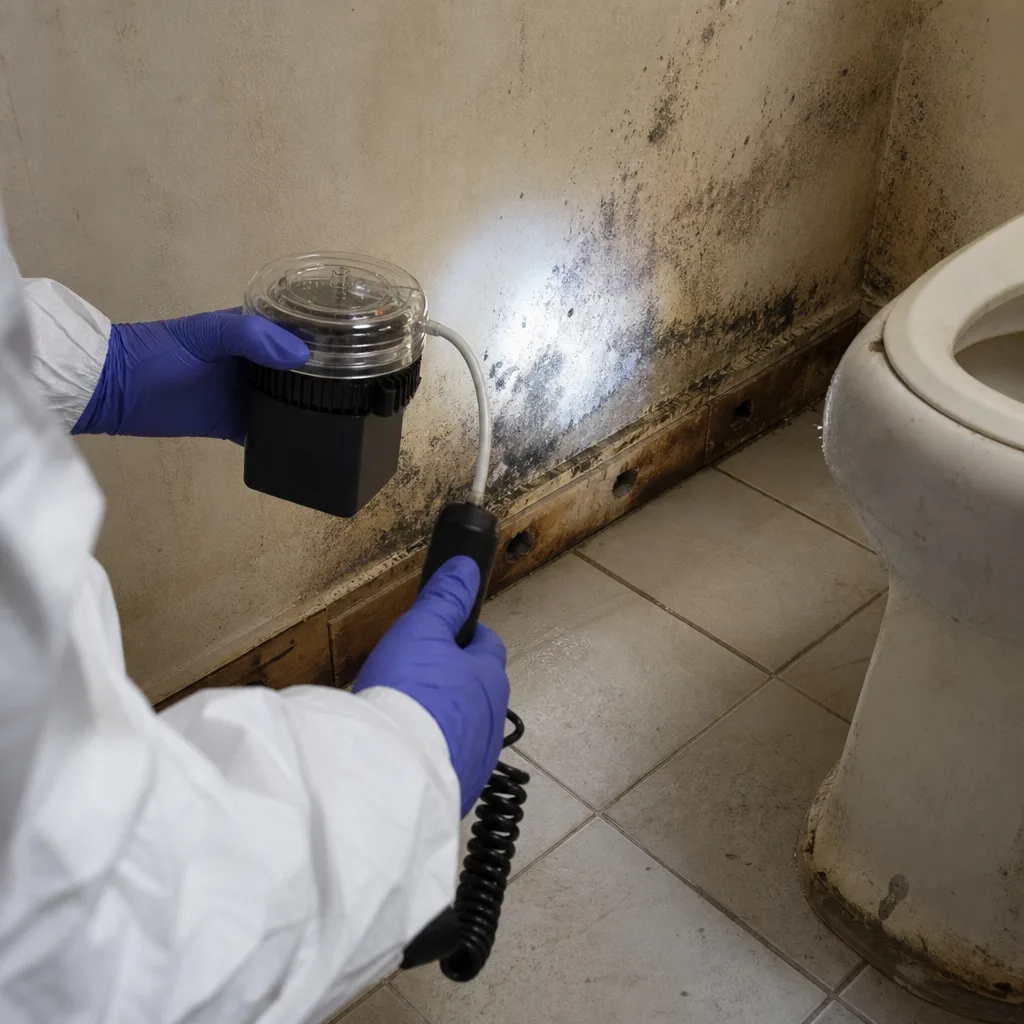
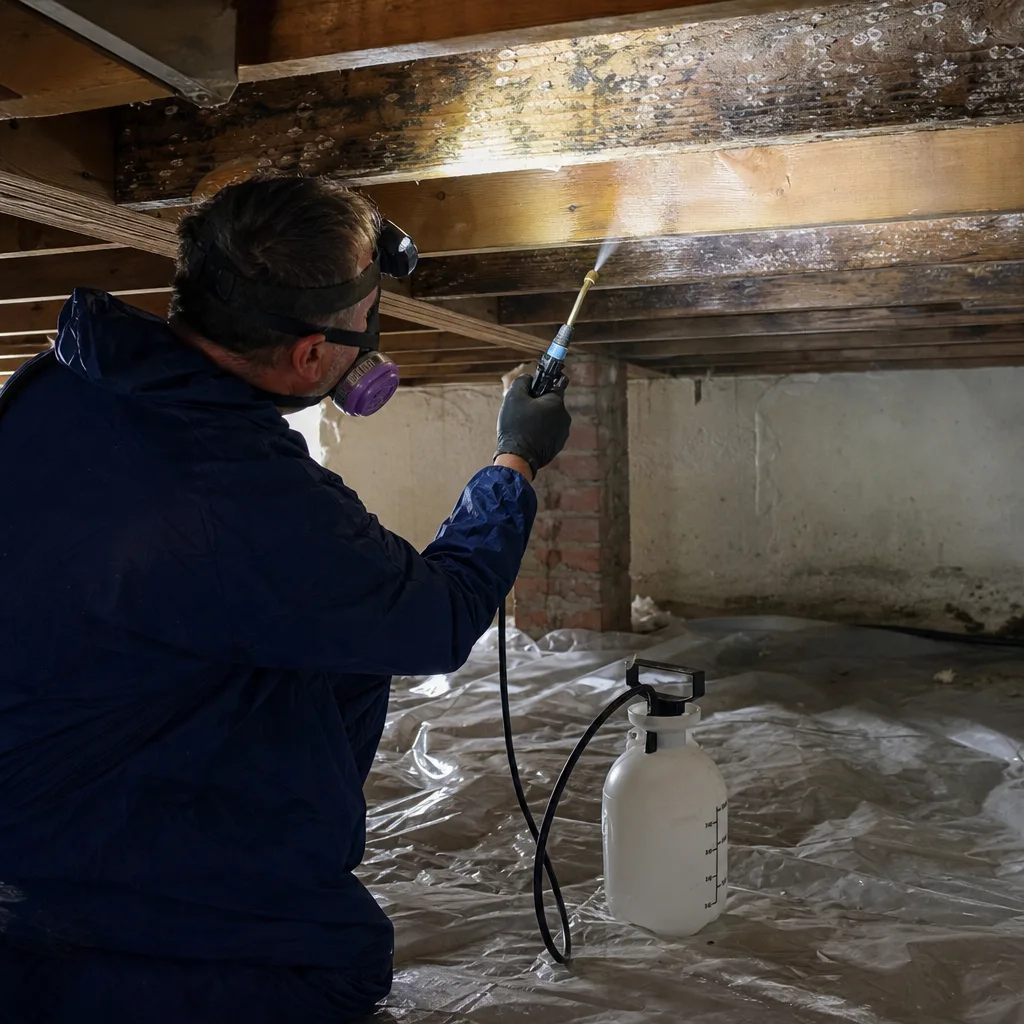
For homes with active mold concern, Mold Remediation in San Diego requires containment, negative air pressure, and HEPA filtration per IICRC S520 standards. Our containment protocols use ZipWall barriers and HEPA-scrubbed negative air machines, with air sampling documentation before and after remediation. The photo record on every visit, standard under The Haven Standard, provides the visual evidence chain that satisfies adjuster review.
The Post-Rain 72-Hour Inspection Protocol
The 72 hours following any significant rain event, defined as 0.5 inches in 24 hours or any amount driven by 25-mph-plus winds, is the critical window for damage identification and documentation. Moisture that remains unaddressed beyond this period begins microbial amplification, the technical term for mold and bacterial growth that complicates restoration and triggers coverage disputes.
This protocol is designed for homeowner execution with minimal tools. It produces documentation formatted for insurance submission if professional mitigation becomes necessary.
Hour 0-24: Exterior assessment
- Photograph all elevations from fixed positions you can replicate. Include date stamp. These establish post-event condition.
- Check ground drainage patterns during active runoff or immediately after cessation. Video of water flow is superior to still photos for demonstrating grade function.
- Inspect roof from ground with binoculars. Look for displaced tiles, debris accumulation, and gutter overflow. Note any new gaps or separations.
- Examine window and door perimeters for water tracks, the discolored paths that indicate wind-driven penetration.
Hour 24-48: Interior assessment
- Check all ceiling surfaces with raking light from a flashlight held at shallow angle. Early water staining appears as slight gloss or texture change before color shift.
- Test suspected areas with pinless moisture meter set to drywall scale. Readings above 1% above baseline indicate elevated moisture. Baseline for San Diego interior drywall in conditioned space is typically 7-10%.
- Inspect baseboards on exterior walls for swelling or paint separation at bottom edge. This indicates sill plate or slab edge moisture.
- Check under-sink cabinets and behind appliances with water connections. Supply line failures during pressure fluctuations from municipal system recovery are common post-storm events.
- Document all findings with dated photos, moisture meter readings, and written notes. Use the format: location, reading, time, observation.
Hour 48-72: Attic and crawl space
- Access attic with flashlight and moisture meter. Inspect sheathing for sheen, drip marks, or insulation compression from water weight.
- Test sheathing moisture at minimum six points. Compare to your seasonal baseline if available. Increase of 4 percentage points or more indicates active intrusion requiring professional assessment.
- In crawl spaces or raised foundations, check vapor barrier integrity and soil moisture. Standing water or saturated soil requires sump evaluation and potential drainage correction.
- Photograph all conditions. If professional mitigation follows, these photos establish pre-mitigation scope and support the written price before work begins that Haven Standard, Clause 1 requires.
The documentation package from this protocol, delivered to your restoration contractor at first contact, accelerates scope development and reduces dispute probability. Our DryMark Restoration San Diego home assessment process begins with review of any homeowner documentation, then supplements with our own thermal imaging, moisture mapping, and psychrometric baseline readings.
Building Your One-Page Seasonal Inspection Log
Insurance claims succeed or fail on documentation. The homeowner who can produce a dated, photo-supported record of pre-loss condition, maintenance activity, and prompt discovery wins disputes that defeat the undocumented. This log is designed for that purpose: one page per quarter, standardized format, minimal time commitment, maximum evidentiary value.
Log format:
| Field | Content Standard |
|---|---|
| Property address | Full address, including unit if applicable |
| Inspection date | MM/DD/YYYY format |
| Inspector | Name of person conducting inspection |
| Micro-season | Santa Ana / Winter Rain / Dry-Heat / Marine Layer |
| Weather last 7 days | Rain Y/N, wind events Y/N, high temp, low temp |
| Roof condition | Visual assessment, any changes from prior |
| Gutter function | Clear / partial obstruction / blocked |
| Exterior envelope | Cracks, sealant condition, water tracks |
| Foundation drainage | Grade function, soil contact, standing water |
| Attic moisture | Meter readings at 6 points, any visible moisture |
| Interior signs | Stains, odors, meter readings on suspect areas |
| Maintenance performed | Specific action, date, contractor if applicable |
| Photos taken | Photo numbers or file names, subject of each |
| Follow-up needed | Specific item, target date, responsible party |
Store completed logs with photo files in cloud storage with date-organized folders. Email a copy to your insurance agent annually with a brief note: “Annual maintenance documentation for [address].” This creates a timestamped record in their system, independent of your own storage.
The Haven Standard, Clause 1, requires a written price before work begins on every job. Your inspection log supports that process by providing the pre-existing condition data that lets us scope accurately without exploratory demolition. The photo record on every visit we make then extends your documentation chain through mitigation completion.
Common Mistakes to Avoid
- Waiting for visible stains before acting. By the time drywall shows discoloration, cavity moisture has typically reached saturation and mold colonization has begun. In San Diego’s mild temperatures, this lag time extends to 4-8 weeks, doubling the affected area.
- Using calendar seasons instead of micro-seasons. Scheduling inspection for “spring” and “fall” misses San Diego’s actual risk windows. April-May expansion damage and June-September condensation accumulate precisely when homeowners assume weather is benign.
- Storing documentation only on paper. Paper logs survive fires and floods poorly. Digital storage with automatic backup is essential. Email copies to yourself for timestamped cloud archive.
- Ignoring marine layer because “it doesn’t rain in summer.” Condensation is not rain. It requires no clouds overhead, only temperature differential and moisture-laden air. Attic ventilation designed for hot-climate drying often fails entirely in marine layer conditions.
- Accepting “gradual damage” claim denials without documentation challenge. Insurers apply this exclusion liberally. A moisture log showing 12% sheathing in June and 22% in September, with no intermediate readings, supports argument for sudden onset at a specific event.
- DIY mold removal without containment. Disturbing visible mold without HEPA containment and negative air pressure disperses spores throughout the structure. This converts a localized remediation into a whole-house project, and insurers may deny the expanded scope as caused by improper owner action.
- Neglecting to document pre-event condition. The single most common reason we see reduced claim payments is absence of baseline documentation. A photo of intact roof in October, paired with post-storm damage, establishes causation. Without it, the burden shifts to the homeowner to disprove gradual deterioration.
When to Call a Professional
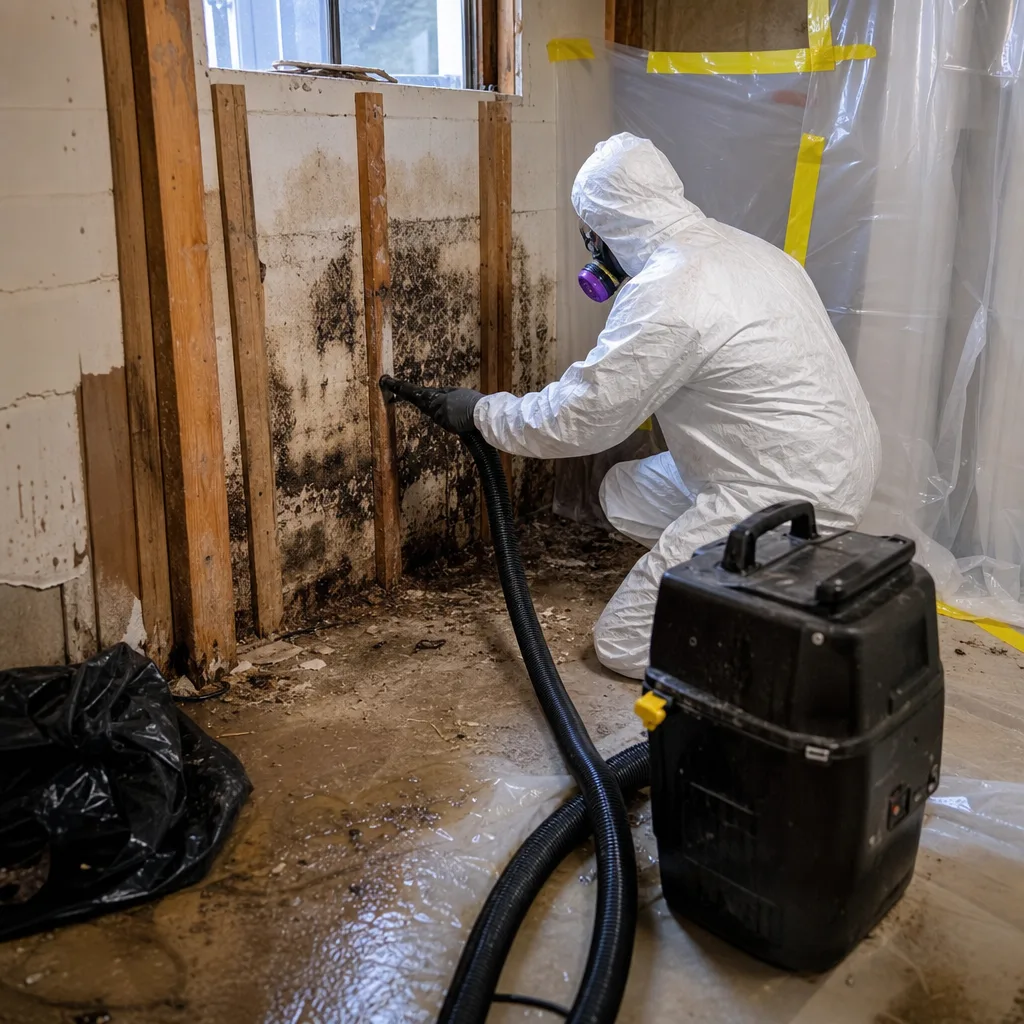
Call for professional assessment when: moisture meter readings exceed 18% on any structural wood; visible mold exceeds 10 square feet; water intrusion follows fire suppression or storm damage; or you detect musty odor without visible source. These thresholds indicate conditions beyond homeowner mitigation capability that require documented, standards-compliant intervention.
DryMark Restoration San Diego offers free estimates in San Diego. Our assessment includes thermal imaging, moisture mapping, and a written scope with price before any work begins, per Haven Standard, Clause 1. For emergency water damage, live phone coverage is available 24 hours a day, 7 days a week with no voicemail on emergency lines. Call (619) 330-9541.
For Fire & Smoke Damage Restoration in San Diego, our documentation protocols address the specific challenges of combined fire-water damage, where suppression moisture complicates soot and odor remediation. Photo records document pre-cleaning condition, progressive cleaning stages, and final verification, supporting both scope justification and adjuster review.
Frequently Asked Questions
Homeowner-conducted seasonal inspection using a basic moisture meter ($40-$80) and digital camera costs nothing beyond tool purchase. Professional pre-season roof inspection runs $150-$300; comprehensive moisture assessment with thermal imaging and written report ranges $250-$450. For detailed pricing context, see our Damage Restoration Cost Breakdown: The San Diego Homeowner’s Reference for 2026. DryMark Restoration San Diego provides free estimates for any damage concern, and our Free Second Opinion on any competitor’s written estimate is available at no charge. Call (619) 330-9541 to schedule.
Coverage depends on demonstrating sudden, accidental conditions rather than long-term moisture. A documented moisture log showing baseline readings below 14% in June and elevated readings above 18% by September, with prompt reporting upon discovery, supports argument for sudden onset. Without documentation, insurers typically apply “gradual deterioration” exclusions. We recommend annual moisture baselining and immediate professional assessment if readings trend upward.
Live person answers every call, 24 hours a day, 7 days a week, with no voicemail trees or next-business-day callbacks while water is still moving. Emergency response teams deploy with documented photo equipment, moisture meters, and professional-grade drying systems from Dri-Eaz, Phoenix, and Injectidry. The written scope and price are delivered before work begins, every time, Haven Standard, Clause 1.
Visible mold exceeding 10 square feet, or any mold resulting from water damage, requires containment and HEPA remediation per IICRC S520. “Cleaning” without containment disperses spores and converts localized growth into whole-house contamination. For spots under 10 square feet with no water damage history, surface treatment with EPA-registered fungicide may suffice. We provide free assessment to distinguish these scenarios with certainty.
Back to Dry Restoration coordinates directly with your insurance adjuster, providing the documented photo record, daily drying logs, and written scope that turn restoration invoices into payable claims. Our documentation-first approach, developed from founder Alicia Brennan’s claims adjuster background, anticipates adjuster questions before they’re asked. You receive copies of all documentation and remain informed, but we handle the technical correspondence.
San Diego’s four micro-seasons require inspection timing that doesn’t match standard calendar seasons. Marine layer condensation in summer, dry-heat expansion in spring, and Santa Ana wind-rain sequences in fall are specific to this climate. Homeowners should also prioritize attic ventilation assessment, as mild temperatures allow moisture accumulation without the freeze-thaw cues that prompt northern homeowners to inspect. The documentation standard is identical: dated photos, moisture readings, written logs.
Calculate net free vent area: 1 square foot per 150 square feet of attic floor, or 1:300 with balanced soffit-ridge ventilation. In marine layer zones within 10 miles of coast, increase by 20% to handle condensation load. Signs of inadequate ventilation include sheathing moisture above 14% in June, musty odor in living spaces on marine layer mornings, and visible mold on rafters or sheathing. Professional assessment with airflow measurement confirms adequacy.
The Bottom Line
San Diego’s damage calendar runs on micro-seasons, not the standard four seasons. Santa Ana wind-rain sequences, winter concentration, dry-heat expansion, and marine layer condensation each create distinct, predictable risks that homeowners can identify and document. The one-page seasonal inspection log, with dated photos and moisture meter readings, transforms from maintenance record to insurance evidence when damage occurs. Prompt discovery, documented baseline, and professional response with written scope and price before work begins, these are the practices that protect both property and claim. Explore more guides & resources for year-round protection. The 365-Day Done Right Promise under The Haven Standard ensures that if it’s not done right, we make it right, with a signed guarantee, not a verbal assurance.
Written by Alicia Brennan, Owner at DryMark Restoration San Diego, serving San Diego since 2011.