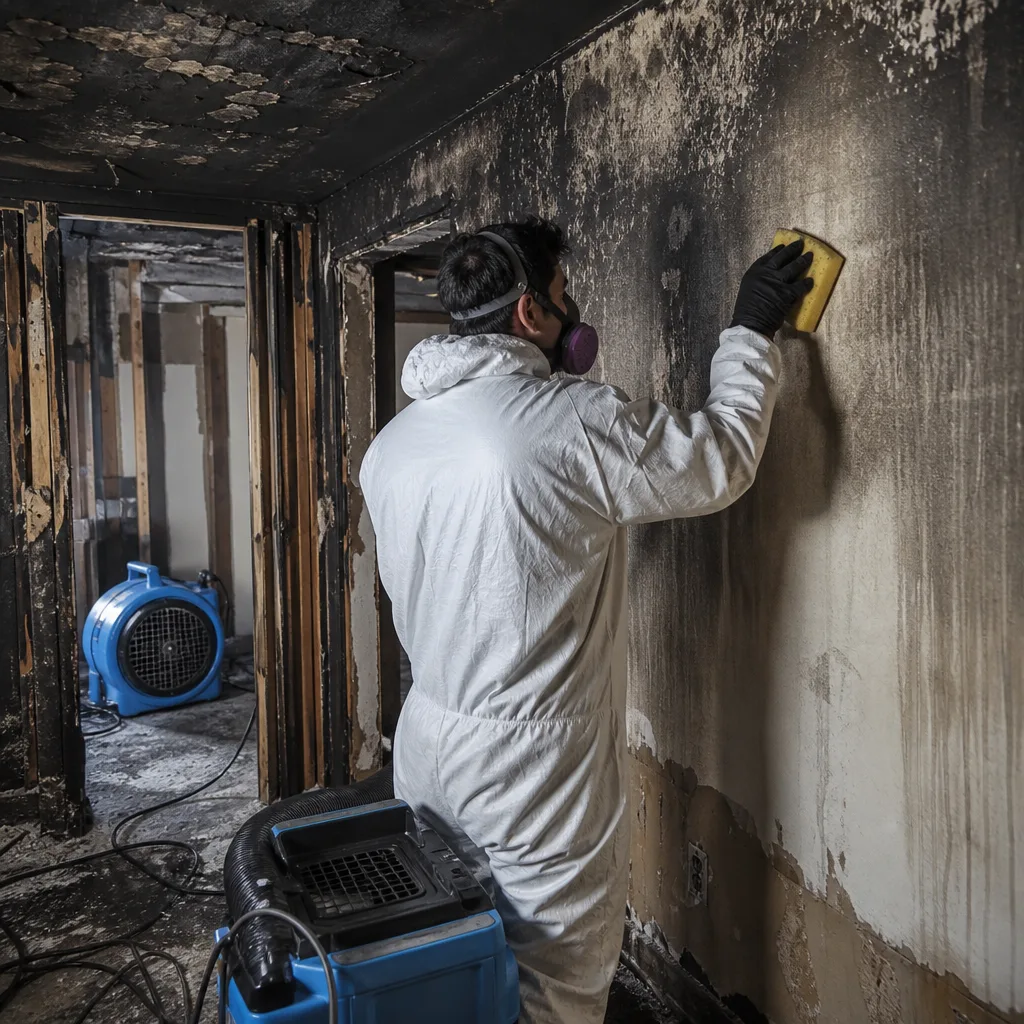
Free visual inspection and a written scope of work before any mitigation begins - photos, moisture readings, and drying logs go in your claim file
The scope we write is the scope we bill. Anything new gets shown to you, in writing, before we touch it.
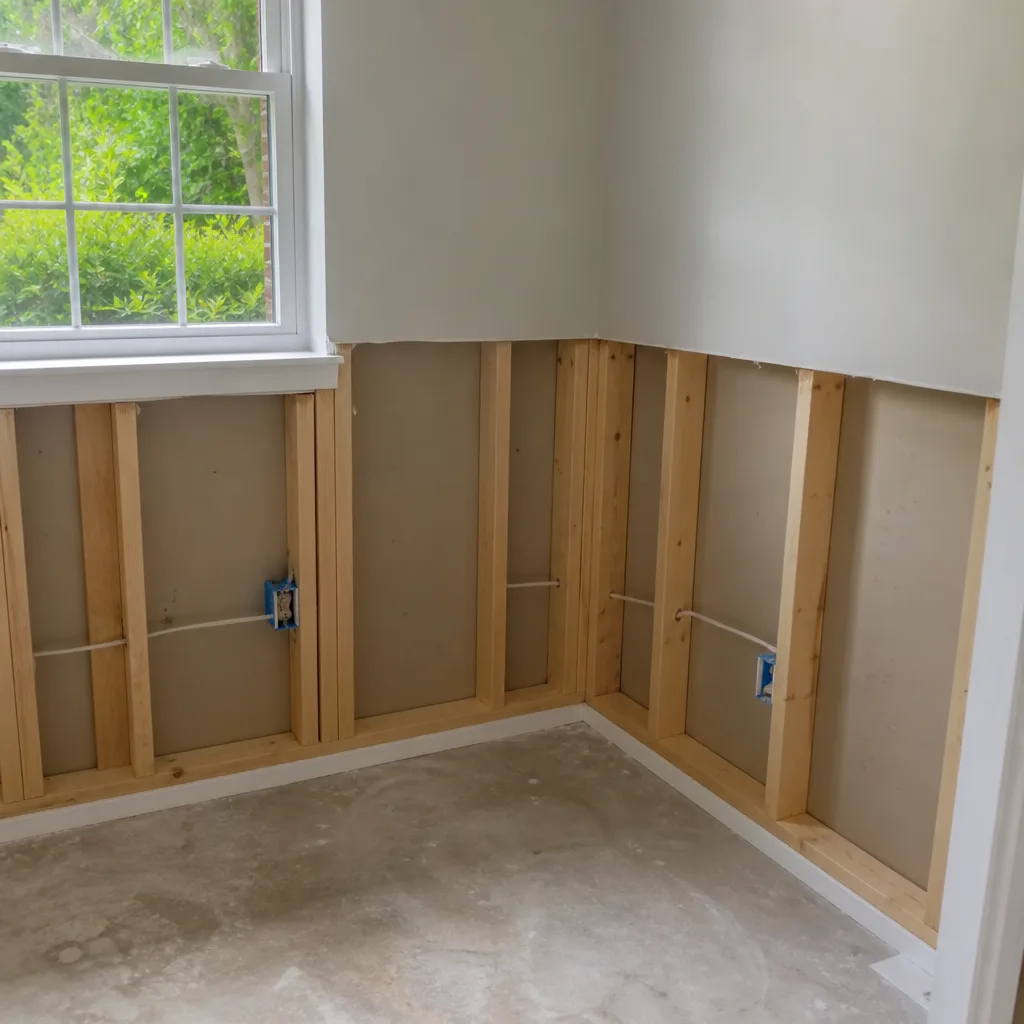
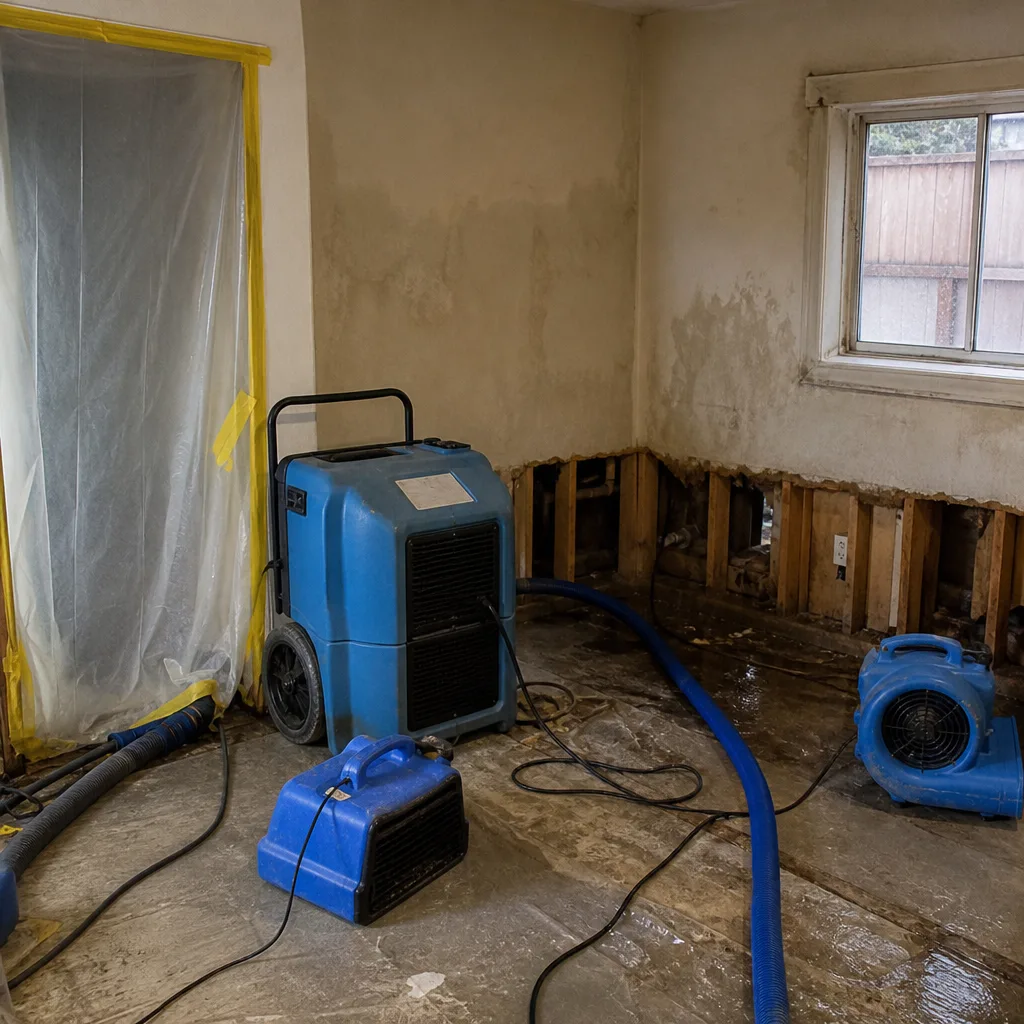 Before
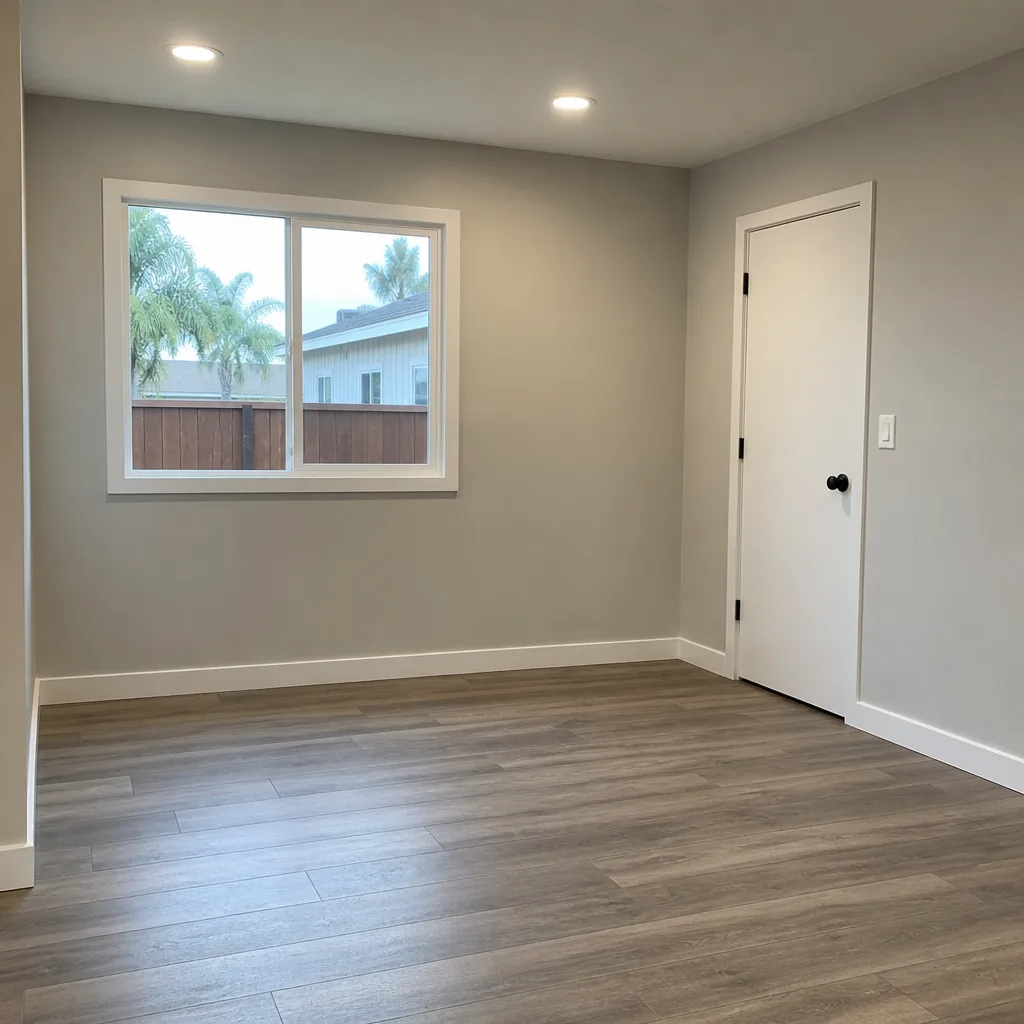 After
After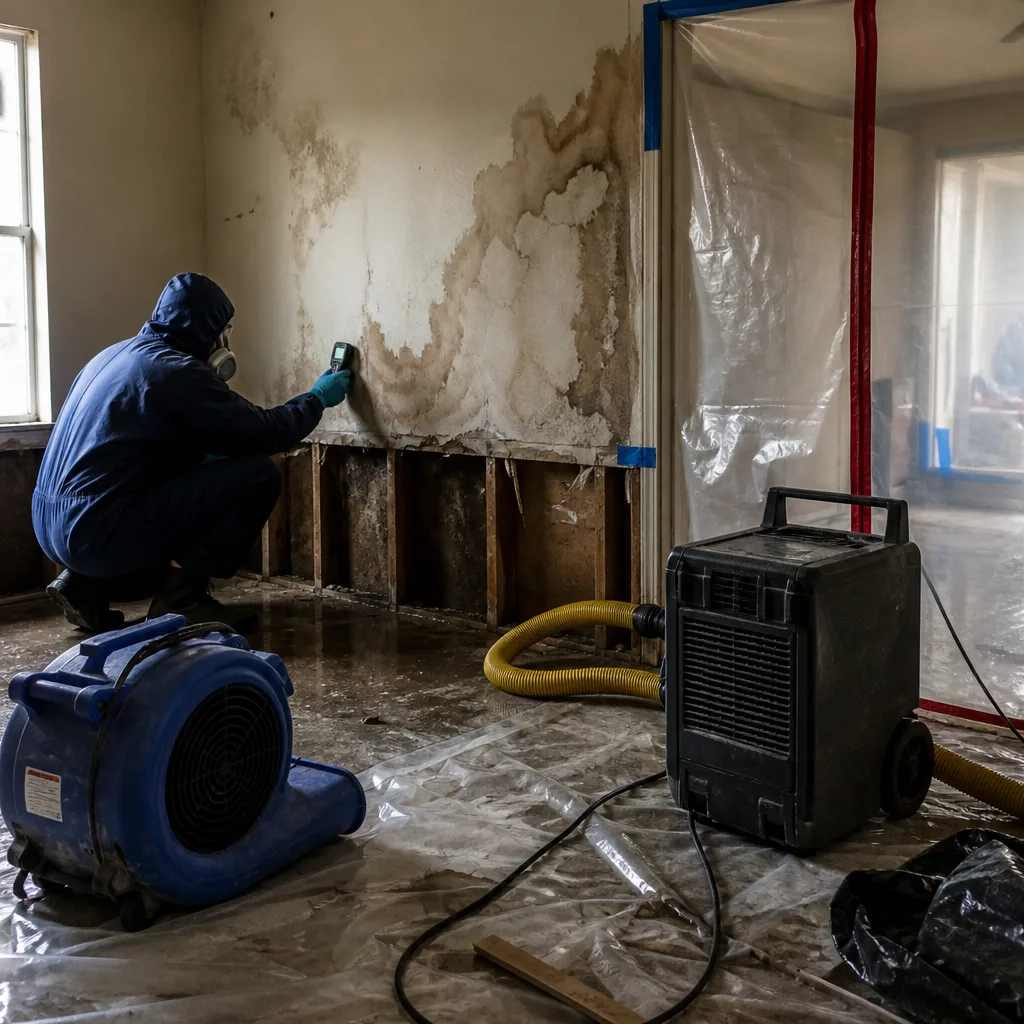 Before
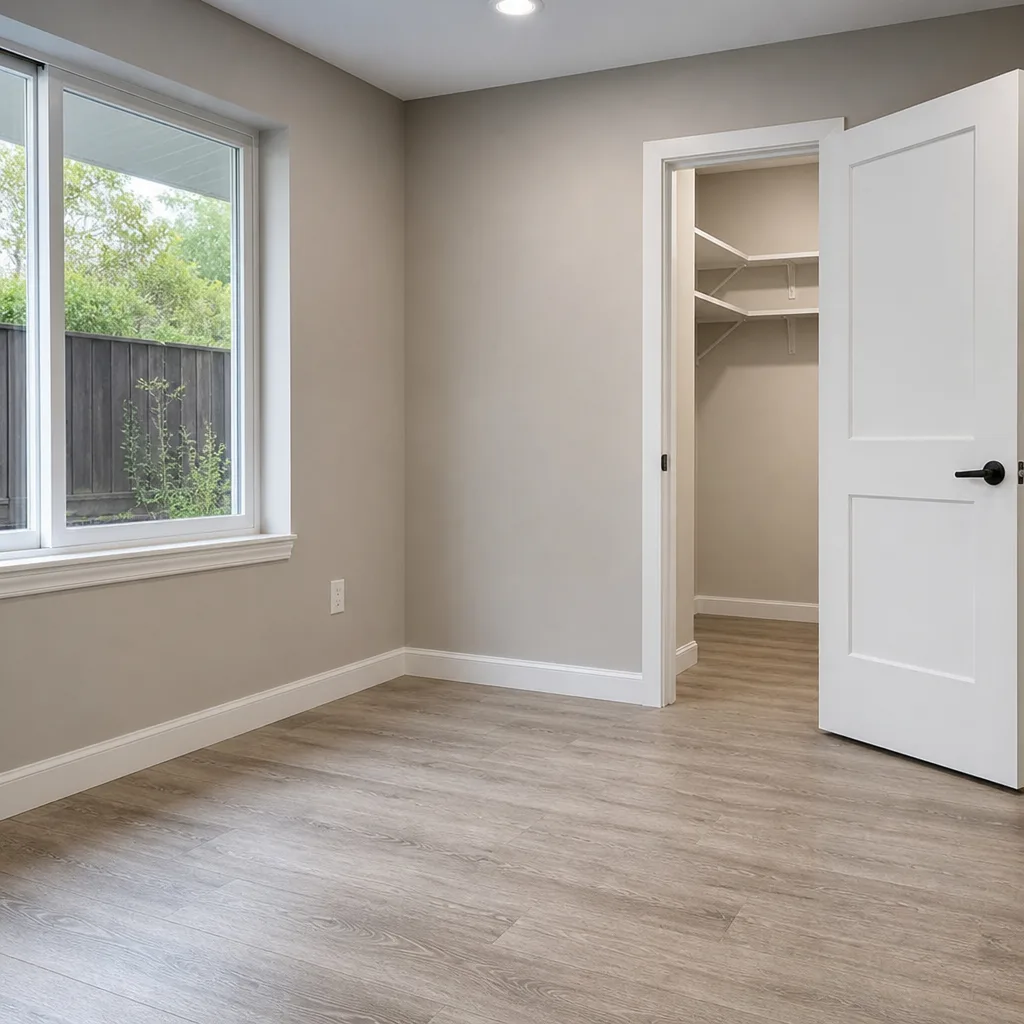 After
After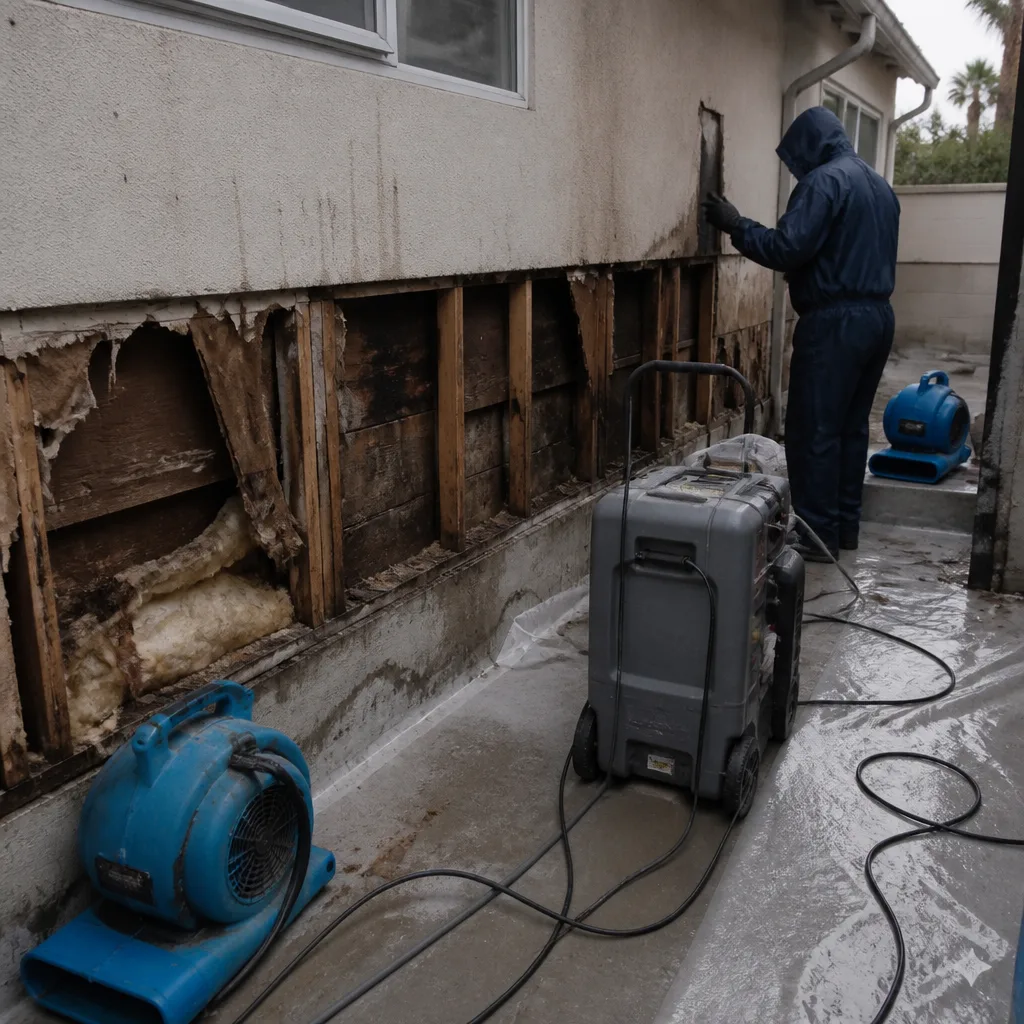 Before
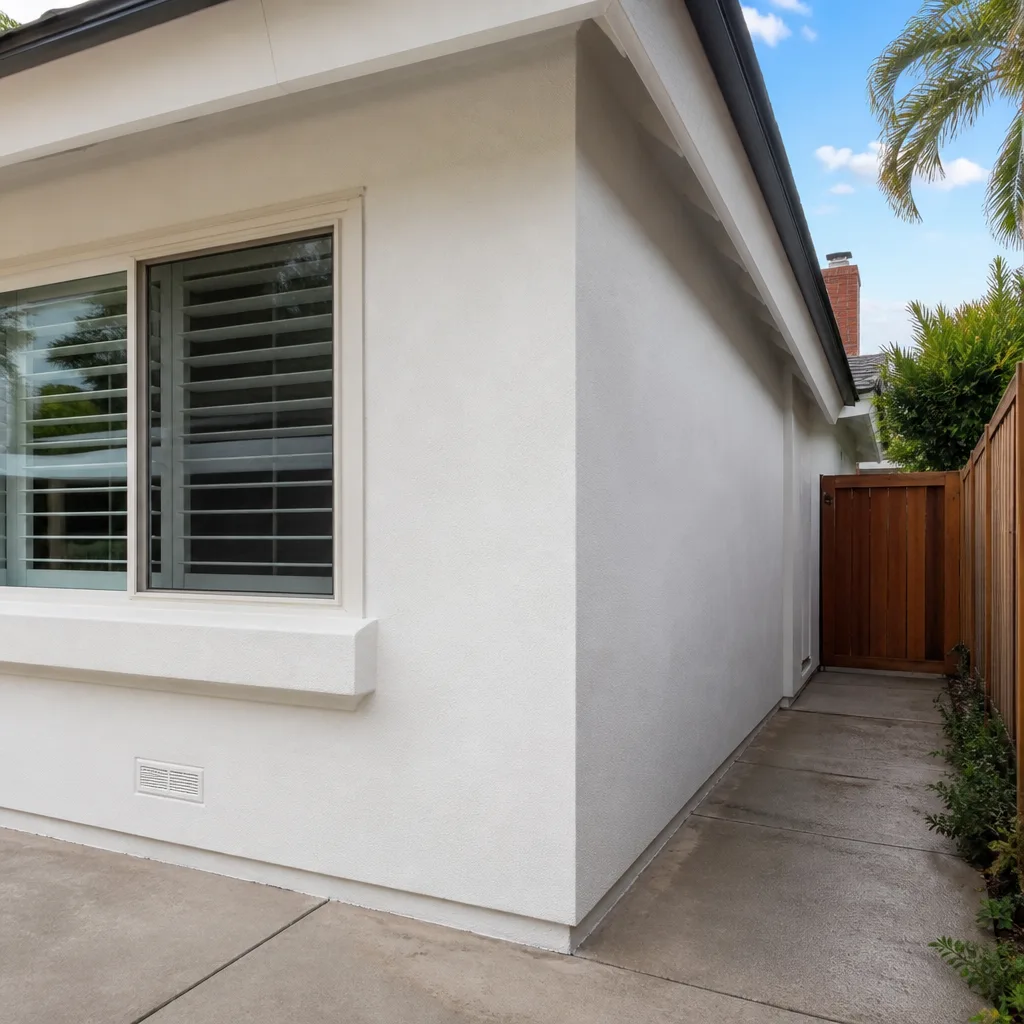 After
After24/7 Emergency Fire & Smoke Damage Restoration in San Diego
Fire and smoke damage restoration in San Diego typically costs $4,200-$18,500 depending on affected square footage, with emergency board-up and stabilization starting at $800-$2,400. Most San Diego homeowners see our crews on-site within 45 minutes of calling (619) 330-9541, and we answer live 24 hours a day, every day, no voicemail trees. The first hour after a fire determines whether smoke residue sets into drywall permanently, whether water from suppression efforts migrates into subfloors, and whether the returning marine layer begins converting soot-laden cavities into mold colonies. We dispatch from our San Diego office with containment materials, HEPA filtration, and moisture mapping equipment already loaded.
Understanding Fire & Smoke Damage Restoration Severity in San Diego Properties
Fire damage in San Diego structures breaks into three severity tiers tied directly to local building stock. Light smoke damage, common in canyon-rim neighborhoods like Allied Gardens where wind-driven embers infiltrate attic vents without structural ignition, produces dry smoke residue on surfaces and requires targeted soot removal with HEPA vacuuming and chem-sponge cleaning. Moderate damage, typical of post-WWII stucco-over-wood-frame homes in Clairemont and La Mesa, involves wet smoke from slower-burning synthetic materials that bonds to porous surfaces and demands thermal fogging, ozone treatment, and often full contents pack-out. Severe damage, seen in Rancho Bernardo and eastern hillside rebuilds after Santa Ana wind-driven fires, compromises structural members, requires engineered assessment, and triggers our full documentation protocol for insurance carriers.
Smoke migration follows pressure differentials and HVAC pathways in ways San Diego homeowners rarely anticipate. In Spanish Colonial and Mission Revival homes with parapeted flat roof sections, smoke collects at ceiling level and seeps through tile-roof failures at the parapet wall, contaminating insulation cavities that appear untouched from below. Our crews map this with thermal imaging and borescopic inspection before writing any scope. The critical variable is time: within 24-72 hours of extinguishment, San Diego’s coastal marine layer pushes relative humidity above 70% in smoke-saturated wall cavities, converting Category 1 or 2 water from suppression into Category 3 conditions and triggering mold colonization on charred cellulose. Moisture mapping is not optional here. It is the difference between a closed claim and a six-month secondary remediation.
Why San Diego Property Owners Choose DryMark Restoration San Diego
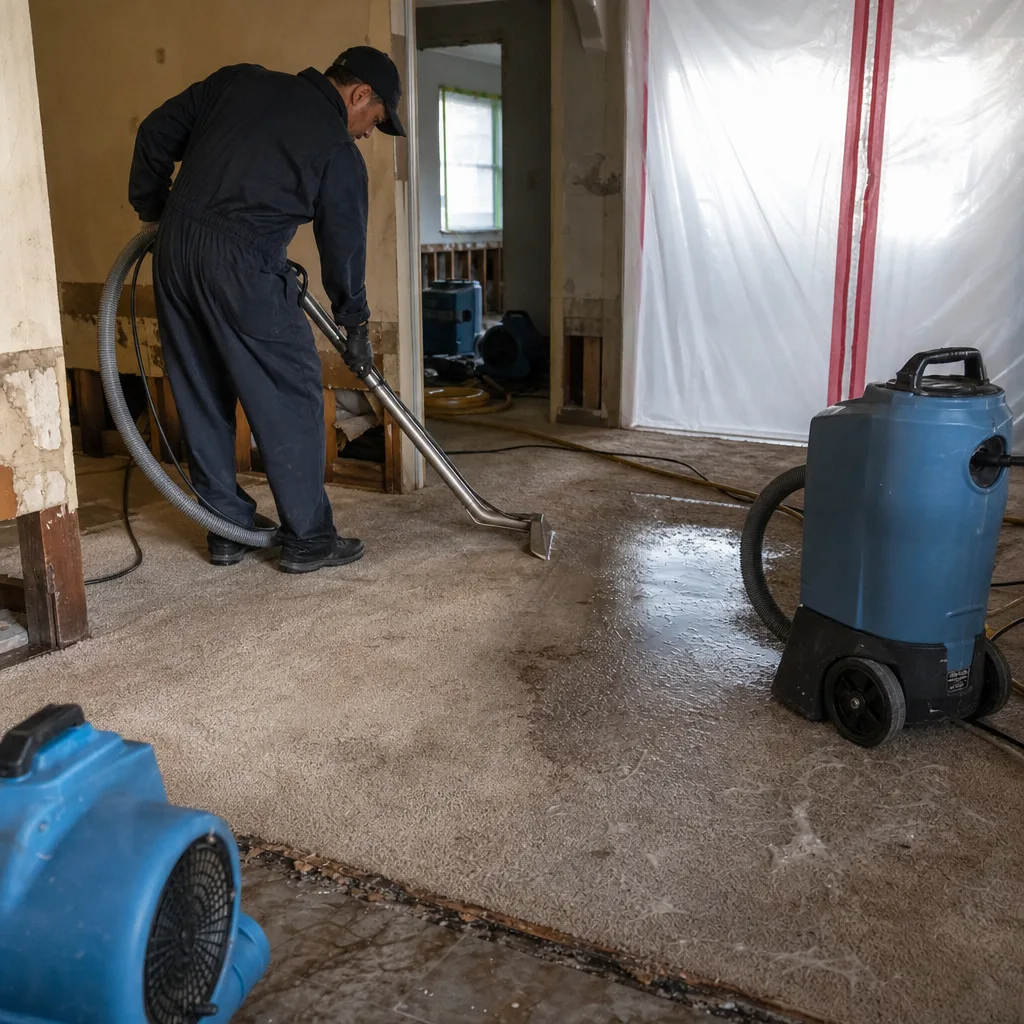
- 45-minute response commitment to any San Diego address, with crews staged for immediate deployment from our metro office.
- 24/7 live answer - a real person picks up every call, never an automated system or next-business-day callback while smoke residue continues etching glass and metal.
- IICRC-certified crews holding FSRT (Fire and Smoke Restoration Technician) and WRT (Water Damage Restoration Technician) certifications, with AMRT (Applied Microbial Remediation Technician) cross-certification for the mold component every San Diego fire job carries.
- Free visual inspection with written scope and line-item pricing delivered before any work begins, per Haven Standard, Clause 1.
- Direct insurance billing with photo-documented estimates, daily drying logs, and adjuster coordination included as standard deliverables.
- One team from board-up to reconstruction - no handoffs between mitigation and rebuild contractors that fragment documentation and delay claims resolution.
BeforeAfterOur Fire & Smoke Damage Restoration Process
1. Inspection & Assessment
We arrive with thermal imaging cameras, moisture meters, and borescopes to map smoke migration and water intrusion in stucco wall cavities, parapet roof assemblies, and HVAC ductwork. Every reading is logged with a timestamp and photo reference before we write the scope.
2. Emergency Board-Up & Tarping
Our crews secure compromised openings with OSB and weather-rated polyethylene, paying particular attention to low-slope tile roof sections and parapet walls where Santa Ana winds will drive debris and rain into the structure. Wind-rated fastening is specified when code requires it.
3. Structural Drying & Dehumidification
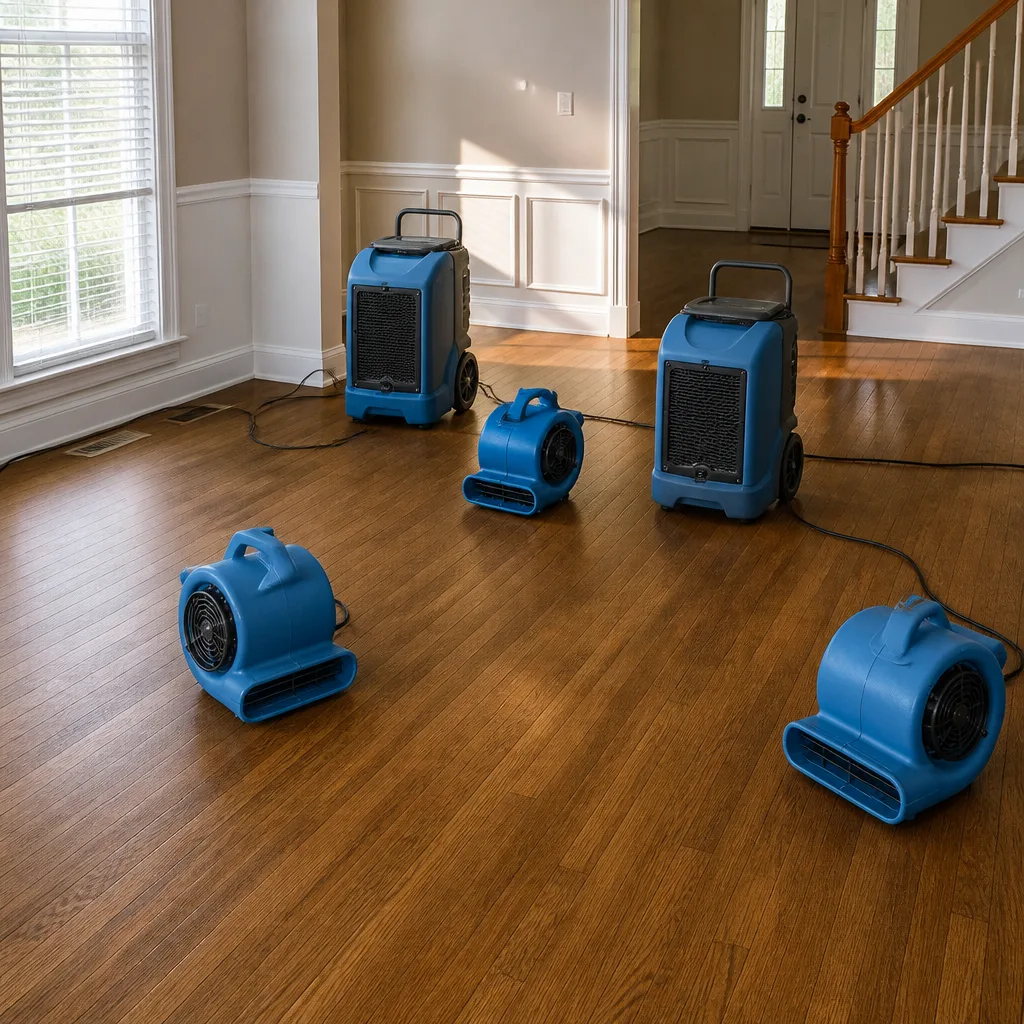
We deploy Dri-Eaz and Phoenix LGR dehumidifiers alongside Injectidry cavity-drying systems to pull moisture from fire-suppression water out of wall assemblies before the marine layer adds its own load. Daily psychrometric readings track vapor pressure differential until materials reach dry standard.
4. Smoke & Soot Removal
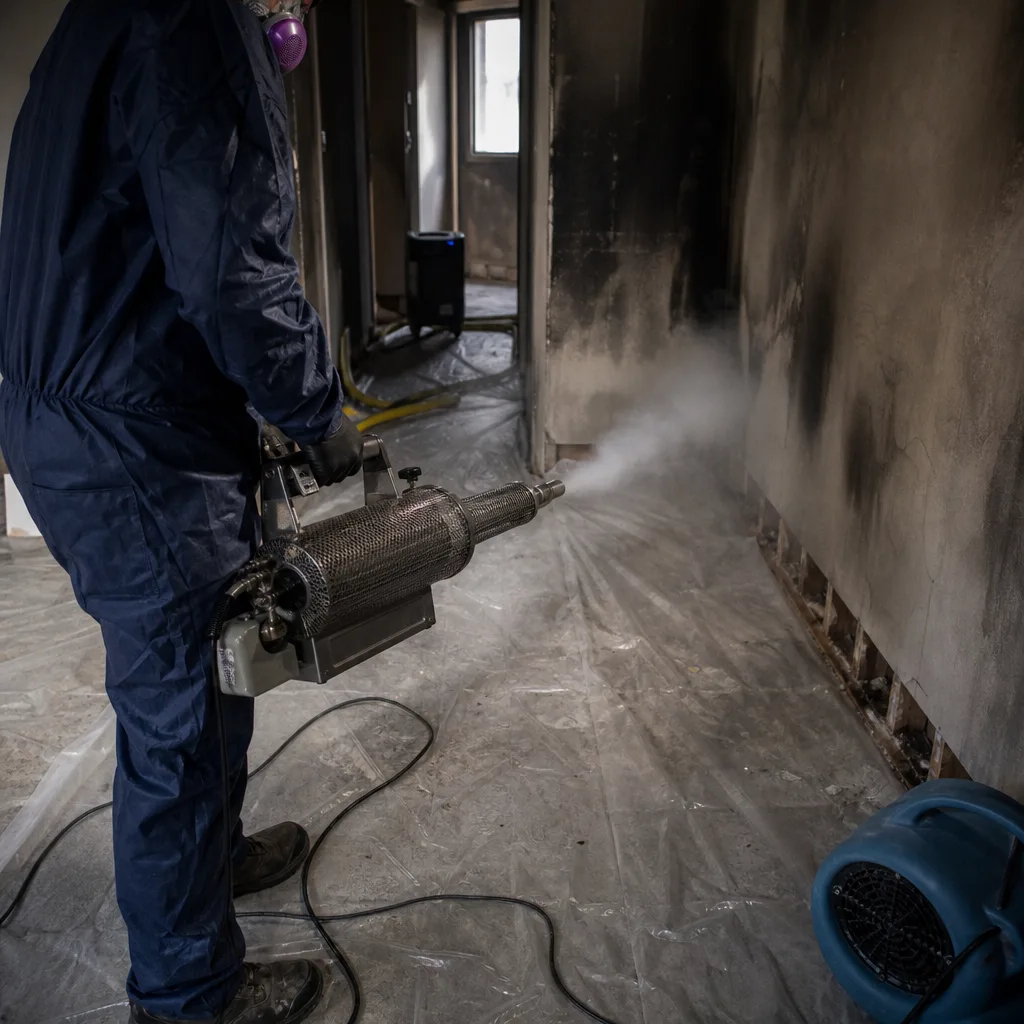
Dry smoke residues receive HEPA vacuuming and dry-cleaning sponges; wet smoke bonded to synthetics demands solvent-based cleaning and ultrasonic treatment for non-porous contents. Soot is chemically classified before we select the removal protocol.
5. Odor Neutralization & Antimicrobial Treatment
Thermal fogging penetrates porous structural materials where smoke odor hides; ozone treatment addresses contents in our controlled chamber. In canyon-rim homes with crawl spaces, we pair this with antimicrobial application to prevent mold colonization in humidity-trapped subfloor cavities.
6. Structural Fire Repair & Rebuild
Charred sheathing, compromised roof decking, and damaged framing are replaced to engineered specifications. Where Santa Ana wind exposure demands it, we specify wind-rated roof-to-wall connections and impact-resistant exterior assemblies, documented for permit and insurance.
Need Emergency Fire & Smoke Damage Restoration in San Diego Now?
Crews minutes away, answering live 24 hours a day. The sooner we start, the less it costs.
Working With Your Insurance Company
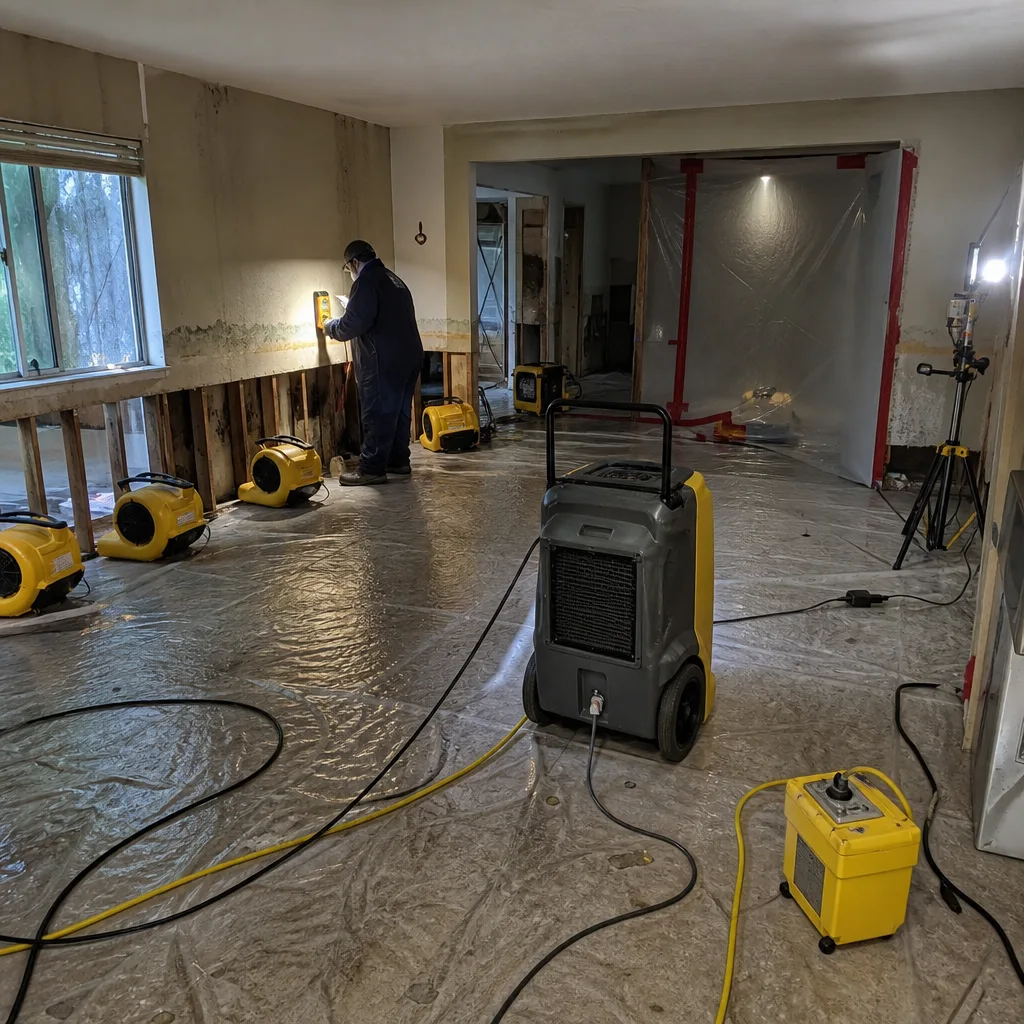
Fire claims live or die on documentation. Our Fire & Smoke Damage Restoration team produces the record that turns a disputed invoice into a paid claim. From the first hour on-site, we photograph every affected room, label each image to the adjuster’s file-naming convention, and correlate moisture readings to specific wall cavities and material layers. Our estimates follow Xactimate or Symbility pricing standards with line-item detail that carriers recognize. We speak directly with your adjuster, submit supplemental documentation when hidden damage emerges during demo, and never proceed beyond the written scope without carrier approval and a signed change order.
What We Provide Your Insurer
- Thorough documentation of the loss
- Photos of all damage, room by room
- Moisture readings and drying logs
- A detailed, line-item scope of work
- Direct coordination with your carrier
Built for San Diego’s Loss Calendar
San Diego’s fire season runs October through November, when Santa Ana winds drop relative humidity below 10% and sustained gusts above 60 mph drive embers across canyon rims into residential neighborhoods. The Cedar Fire in 2003 and Witch Creek Fire in 2007 established the pattern: eastern hillside communities like Rancho Bernardo, Scripps Ranch, and Poway face the highest structural ignition risk, while canyon-adjacent areas including Tierrasanta and Allied Gardens experience smoke infiltration without direct flame contact.
The critical timing window comes after extinguishment, not during the fire. December through March brings El Niño-intensified rain events and the persistent coastal marine layer. Roofs compromised by fire or suppression water face sudden downpours that overwhelm drainage systems left clogged by six dry months. Parapet and low-slope tile roof sections, common in Spanish Colonial and Mission Revival homes throughout Kensington and North Park, fail first. Our crews scope for both fire and water damage on every call during this season, because the second loss type is already developing when we arrive.
Fire & Smoke Damage Restoration Across San Diego’s Neighborhoods
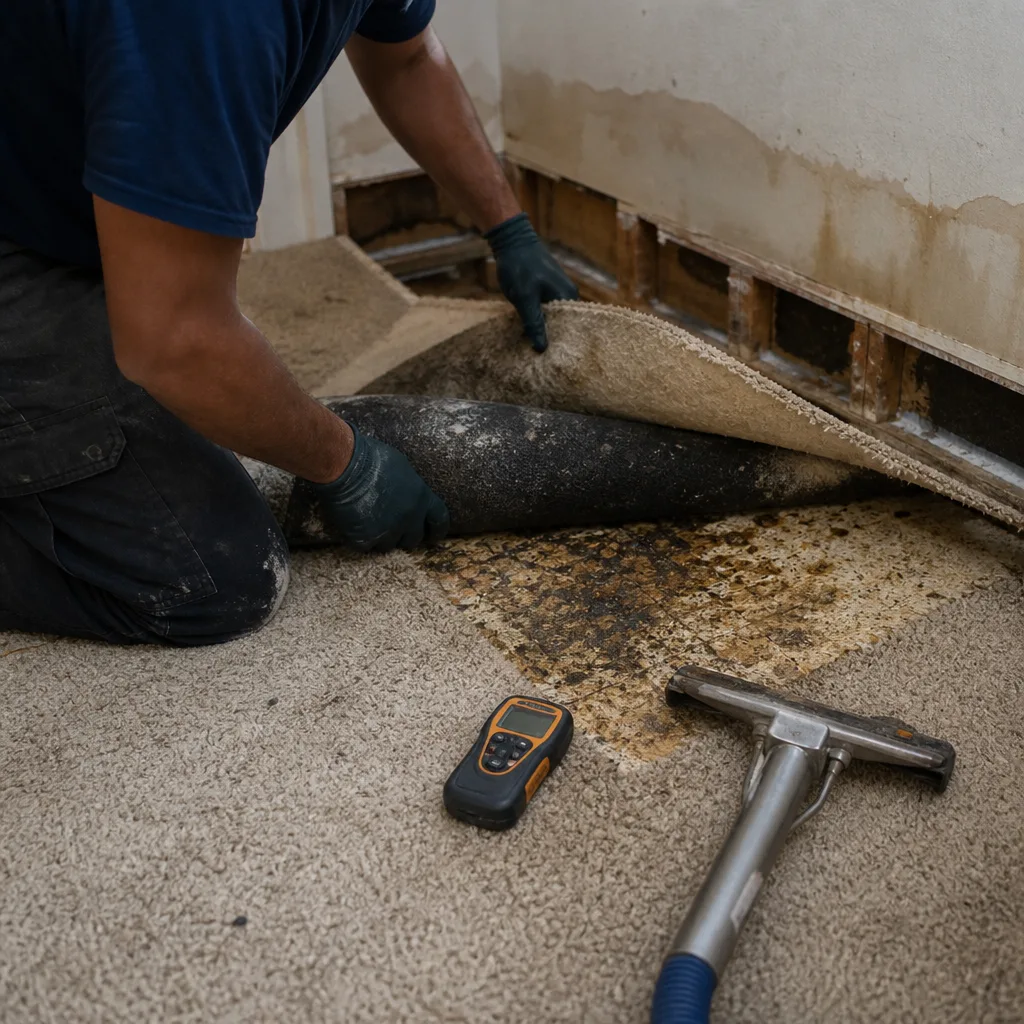
In Rancho Bernardo, post-2007 Witch Creek Fire rebuilds mix with original 1970s stucco-over-wood-frame construction. We find aging stucco cladding with hairline cracks that trapped marine-layer moisture long before any fire event, making moisture mapping mandatory even when the visible damage looks limited to smoke staining.
Scripps Ranch homes from the 2003 Cedar Fire era rebuild period often include upgraded wind-rated roof assemblies, but original tract homes in the lower canyon areas still carry the vulnerabilities of that building stock: unsealed soffit vents, single-layer stucco, and attic insulation that holds smoke odor for months if not removed.
Allied Gardens and Tierrasanta sit along canyon rims where the microclimate traps humidity year-round. Smoke damage jobs here almost always require crawl space inspection; we have found active mold colonies in subfloor cavities with no reported water loss, fed solely by canyon-trapped moisture. Our scopes in these zip codes include antimicrobial treatment as standard, not supplemental.
Kensington and North Park present the Spanish Colonial and Mission Revival inventory: tile roofs with parapeted flat sections, plaster interior walls, and original hardwood that demands specialized restoration rather than replacement. Smoke migrates through these structures along plumbing chases and HVAC returns in patterns that defy simple visual assessment.
Specialized Fire & Smoke Damage Restoration Services We Offer in San Diego
Fire Damage Cleanup
We remove charred debris, classify remaining structural materials as restorable or non-restorable, and document each decision with photo evidence for your adjuster. In San Diego’s post-WWII stucco homes, this includes core sampling of wall cavities where fire may have compromised sheathing without visible exterior damage.
Smoke & Soot Removal
Dry smoke, wet smoke, protein residue, and fuel oil soot each demand distinct cleaning chemistry. Our FSRT-certified technicians identify the residue type before selecting the protocol, then test clean a 1-square-foot sample to confirm efficacy before scaling to the full scope.
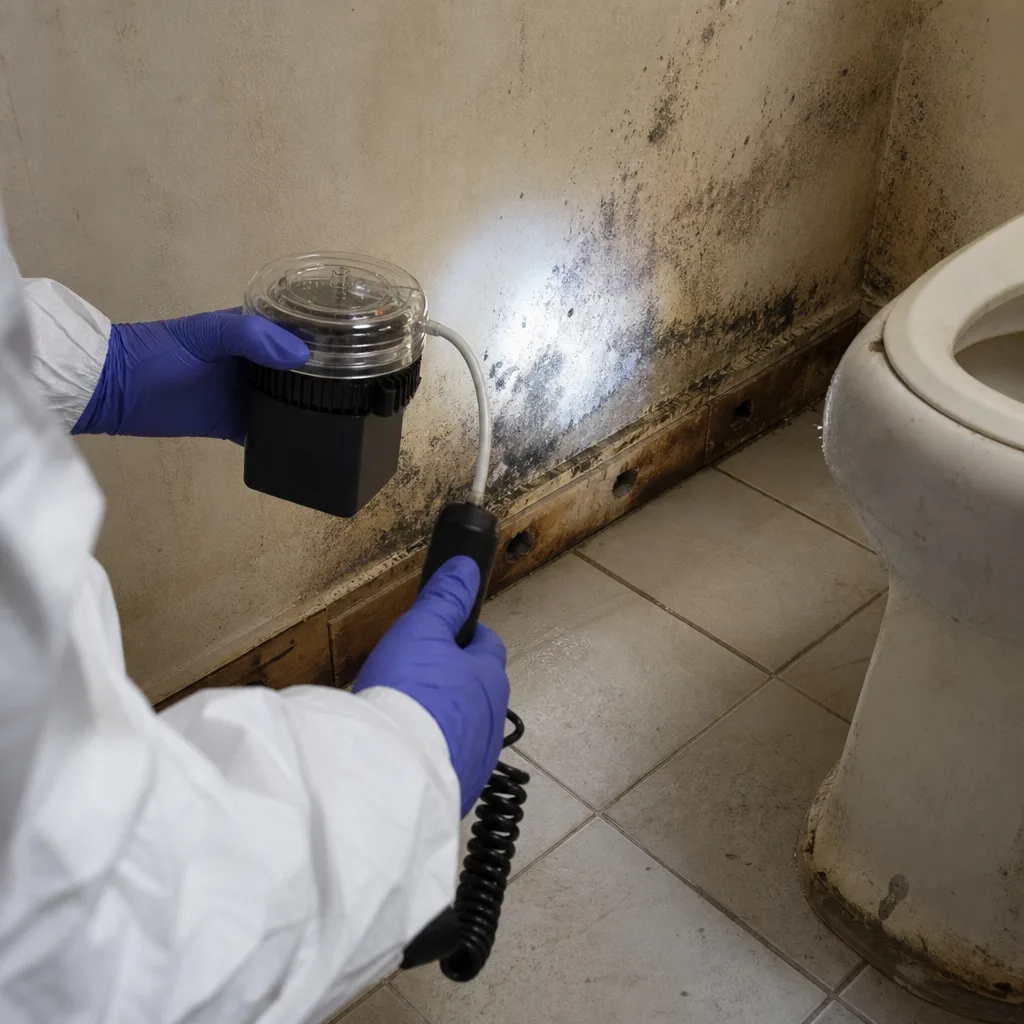
Odor Removal & Deodorization
Masking agents fail in San Diego’s humidity. We use thermal fogging, ozone, and hydroxyl generation to neutralize odor at the molecular level, with source removal of contaminated insulation and HVAC duct lining where necessary. Canyon-rim homes with crawl spaces receive subfloor vapor barrier inspection as part of the odor scope.
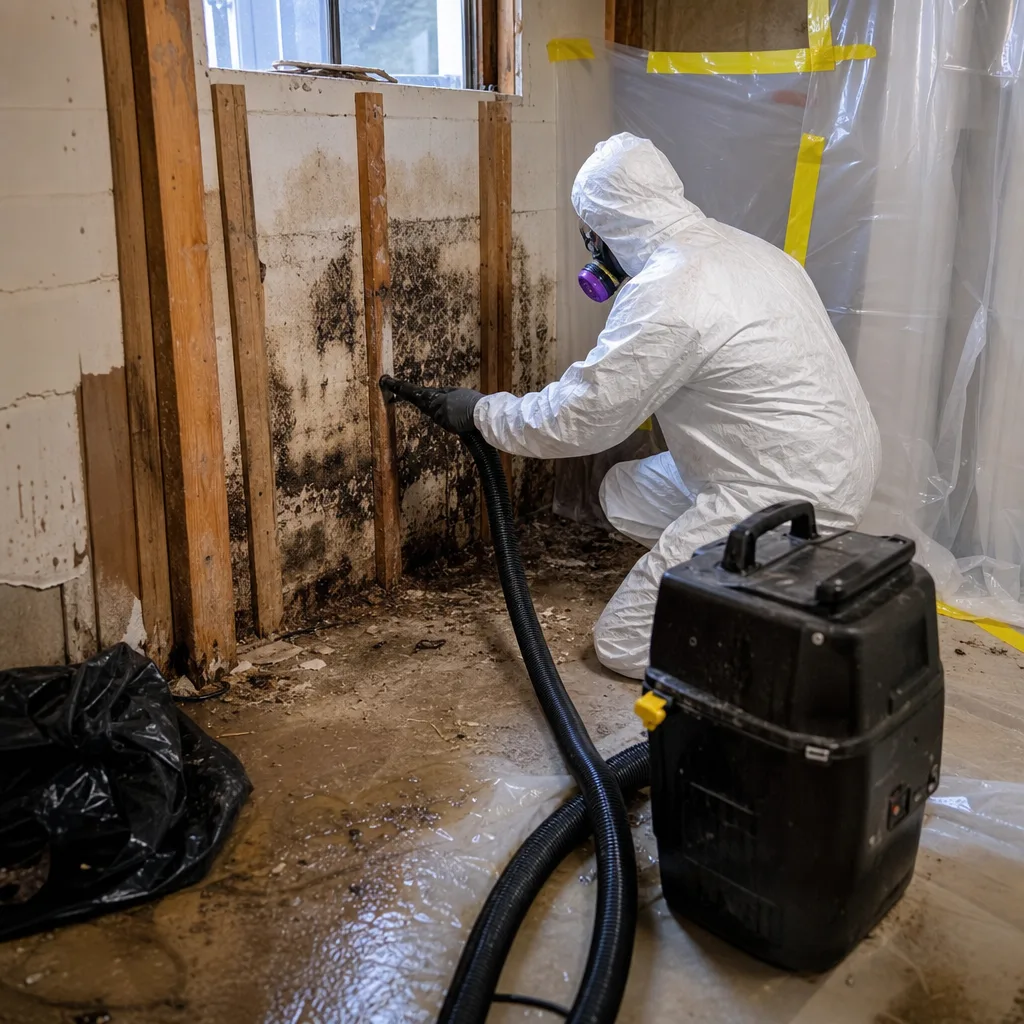
Contents Cleaning & Pack-Out
Salvageable contents are inventoried, photographed, and transported to our controlled cleaning facility for ultrasonic treatment, ozone exposure, and specialized textile restoration. Non-salvageable items are documented for contents replacement valuation with line-item depreciation calculations.
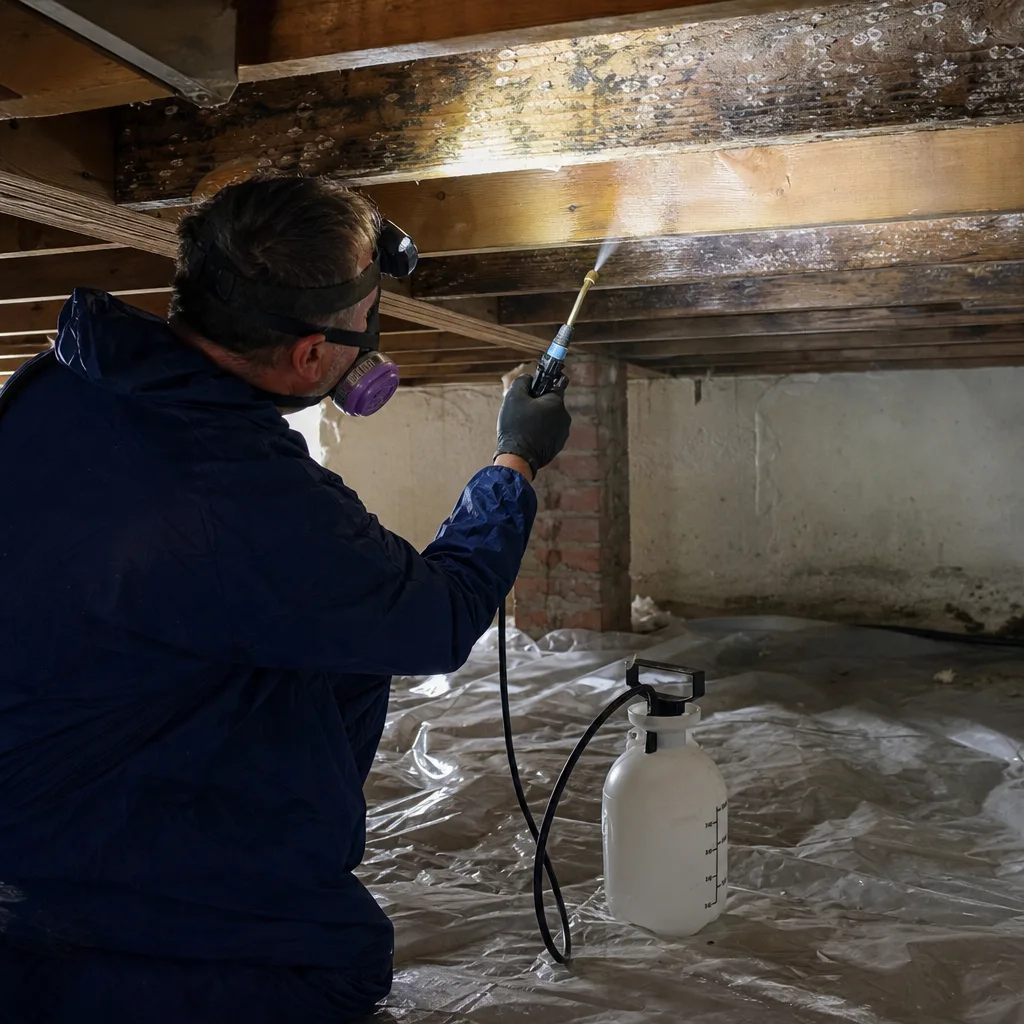
Emergency Board-Up & Tarping
We secure structures with wind-rated fastening where Santa Ana exposure demands it, not just plywood and tarps. Parapet walls and low-slope tile roof sections receive reinforced polyethylene and mechanical fastening engineered to withstand the next wind event, not just the next rain.
What happens when you call
- 1
A real person answersNo phone trees - you reach a local pro.
- 2
You get an upfront price rangeHonest numbers before anyone is dispatched.
- 3
A background-checked tech heads outLicensed & insured, dispatched right away.
- 4
You approve before work beginsNothing starts until you say go.
Fire & Smoke Damage Restoration Costs in San Diego, CA
| Service | Typical Range in San Diego |
|---|---|
| Emergency board-up and tarping | $800 - $2,400 |
| Light smoke damage cleanup (single room, surface residue) | $1,800 - $4,500 |
| Moderate smoke and soot removal (multiple rooms, HVAC contamination) | $4,200 - $9,800 |
| Structural fire repair with drying and mold prevention | $8,500 - $18,500+ |
| Full contents pack-out and cleaning | $2,400 - $6,200 |
| Odor neutralization with thermal fogging/ozone | $1,200 - $3,600 |
What moves the price: affected square footage, smoke residue type, structural compromise requiring engineered assessment, and the moisture-molding component that San Diego’s marine layer adds to every job. Insurance typically covers direct fire and smoke damage plus water damage from suppression efforts; our written scope identifies every line item as covered or non-covered before work begins. Call (619) 330-9541 for a free visual inspection and firm written estimate - Haven Standard, Clause 1, no exceptions.
We Also Serve Cities Near San Diego
Our San Diego crews respond throughout the metro area including Coronado, where salt-air corrosion complicates electrical system assessment after fire damage; National City, with its mix of historic commercial and residential stock; Chula Vista, where canyon-adjacent development mirrors San Diego’s wildland-urban interface risk; and Bonita, with hillside construction and expanded clay soil that shifts foundations and cracks stucco cladding between fire events.
Serving San Diego, CA - Our Local Coverage Area
We’re based in the San Diego area and know this community well. Use the map below to see our service coverage - if you’re nearby, we can almost certainly help.
San Diego Fire & Smoke Damage Restoration Questions, Answered
Why does a San Diego fire job often turn into a mold remediation project?
San Diego’s returning marine layer pushes coastal humidity into smoke-saturated wall cavities within 24-72 hours of extinguishment, converting fire-suppression moisture into active mold conditions behind intact stucco cladding.
Post-WWII stucco-over-wood-frame homes in eastern hillside neighborhoods are especially vulnerable because aging cladding cracks trap that moisture undetected. Our crews run moisture mapping and antimicrobial treatment as standard on every fire job, not as an afterthought. Call (619) 330-9541 for an inspection that catches both problems before the second one starts.
Does my San Diego home need wind-rated reinforcement after a fire?
Homes in Santa Ana-exposed zones, including Rancho Bernardo, Scripps Ranch, and eastern Poway, frequently require wind-rated roof-to-wall connections and impact-resistant exterior assemblies when structural fire repair triggers permit.
We specify these upgrades in our written scope when local code or insurance carrier requirements demand them, documented with engineered drawings for permit submission. The upgrade cost is typically carrier-covered when tied to mandatory code compliance. Call (619) 330-9541 to review your specific address requirements.
How do you handle smoke odor in a canyon-rim home with a crawl space?
Canyon microclimates in Allied Gardens, Tierrasanta, and Kensington trap humidity year-round, so smoke odor that settles in crawl spaces and HVAC returns keeps reactivating when moisture levels rise.
We do not mask odor with foggers alone. Our protocol includes source removal of contaminated insulation, HEPA cleaning of ductwork, subfloor vapor barrier inspection, and antimicrobial treatment of the crawl space envelope. Thermal fogging and ozone address residual odor after the source is gone. Call (619) 330-9541 for a scope that solves the problem permanently.
Can you board up and tarp a San Diego home before the next El Niño rain event?
Yes, and we engineer the temporary protection for wind load, not just water intrusion.
Our board-up protocol specifies reinforced polyethylene and mechanical fastening at parapet walls and low-slope tile roof sections, the failure points we see in Spanish Colonial and Mission Revival homes after every Santa Ana season. We have deployed this protection within hours of extinguishment when the National Weather Service forecasted incoming rain. Call (619) 330-9541 for immediate response.
What does pack-out look like after a smoke damage event in San Diego?
We inventory every item with photo documentation, transport salvageable contents to our controlled facility for ultrasonic cleaning and ozone treatment, and provide you with a detailed list of non-salvageable items with replacement valuation for your adjuster.
Spanish Colonial and Mission Revival homes in Kensington and North Park often contain vintage fixtures and original hardwood that require specialized restoration rather than replacement; we flag these items for custom treatment in the initial inventory. Call (619) 330-9541 to schedule pack-out within the critical first 24 hours.
How fast can your crew actually get to my San Diego address?
We commit to 45 minutes from call to on-site arrival anywhere within San Diego city limits, with crews staged from our metro office.
Live answer 24 hours a day means no delay for voicemail callbacks. The first hour determines whether smoke residue etches glass permanently, whether suppression water migrates to subfloors, and whether the marine layer begins the mold clock. Call (619) 330-9541 - we answer live now.
Will insurance cover full fire and smoke restoration, or just cleanup?
Standard homeowner policies typically cover direct fire damage, smoke damage, water damage from suppression efforts, and mold remediation that results from those covered perils, provided the scope is documented with line-item detail that the carrier recognizes.
We produce Xactimate or Symbility estimates with photo documentation, moisture readings, and drying logs that meet carrier requirements. Our direct adjuster coordination includes supplemental documentation when hidden damage emerges during demo. Call (619) 330-9541 for a free inspection and written scope that your carrier can process without dispute.
What should I do in the first 30 minutes after the fire is out?
Do not enter the structure until the fire department clears it, do not attempt to clean or wipe any surfaces, and call us immediately at (619) 330-9541.
Smoke residue is chemically active and etches finishes within hours; wiping spreads oils and makes professional removal harder. If safe and cleared, open windows only if outdoor humidity is low, because San Diego’s marine layer can accelerate moisture damage in smoke-saturated cavities. Our crew arrives with containment and documentation equipment to preserve your claim and your structure from the first moment.
After the Cedar Fire scar era rebuilds and later the 2007 Witch Creek Fire reached Rancho Bernardo, our crew ran a mitigation scope on a 1970s stucco-over-wood-frame home where charred sheathing met a tile roof that had failed at the parapet. We set containment, ran moisture mapping and Category 3 water readings through the fire-damaged wall cavity, then paired structural drying and dehumidification with antimicrobial treatment before the coastal marine layer could feed a secondary mold colony. The documentation package we produced, including daily psychrometric logs and photo records of each cavity reading, settled the claim in 23 days with no supplement.
That is the work we do. Written price before we start. Photo record on every visit. A 365-Day Done Right Promise backed by The Haven Standard. If you are facing fire or smoke damage in San Diego, call (619) 330-9541 now. We answer live.
Written by Alicia Brennan, Owner at Back to Dry Restoration, serving San Diego since 2011.
Fire & Smoke Damage Restoration in Nearby Areas