
Last updated September 23, 2026
Free visual inspection and a written scope of work before any mitigation begins - photos, moisture readings, and drying logs go in your claim file
The scope we write is the scope we bill. Anything new gets shown to you, in writing, before we touch it.
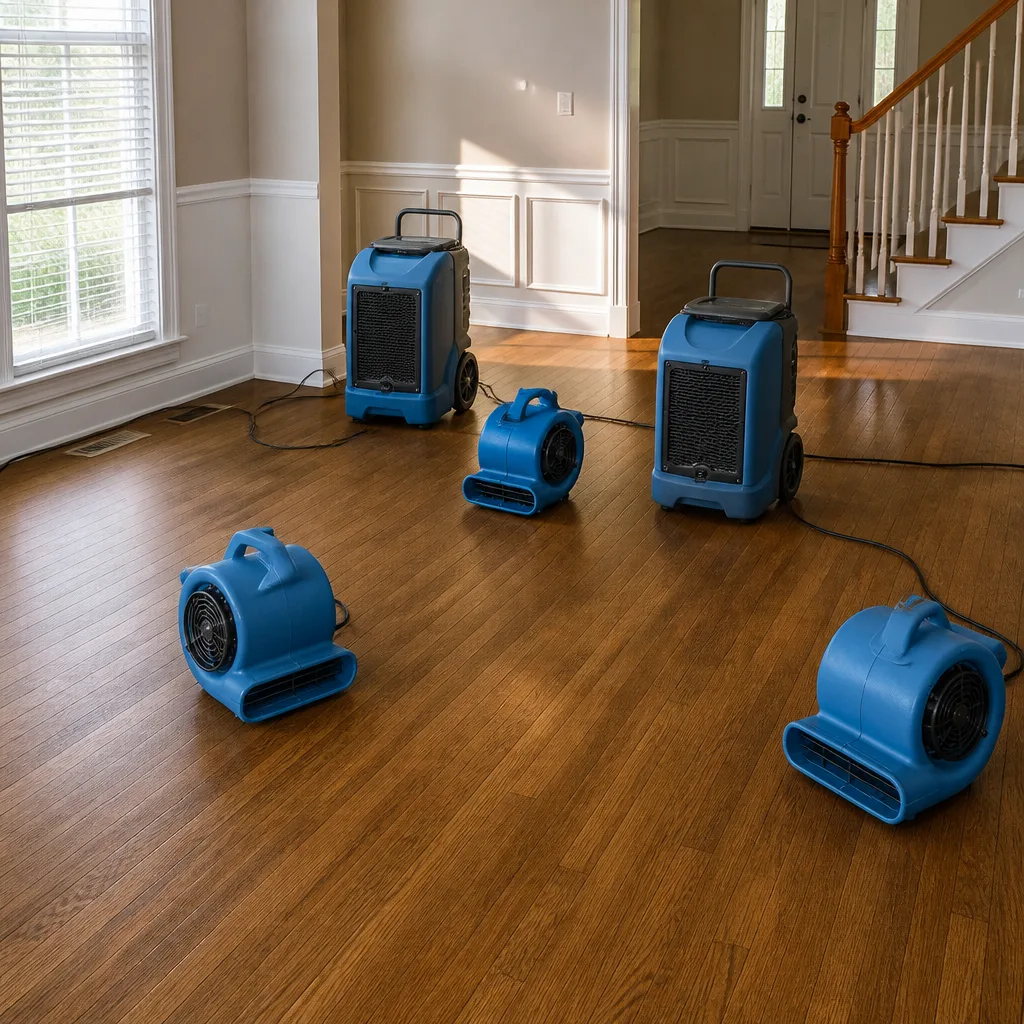

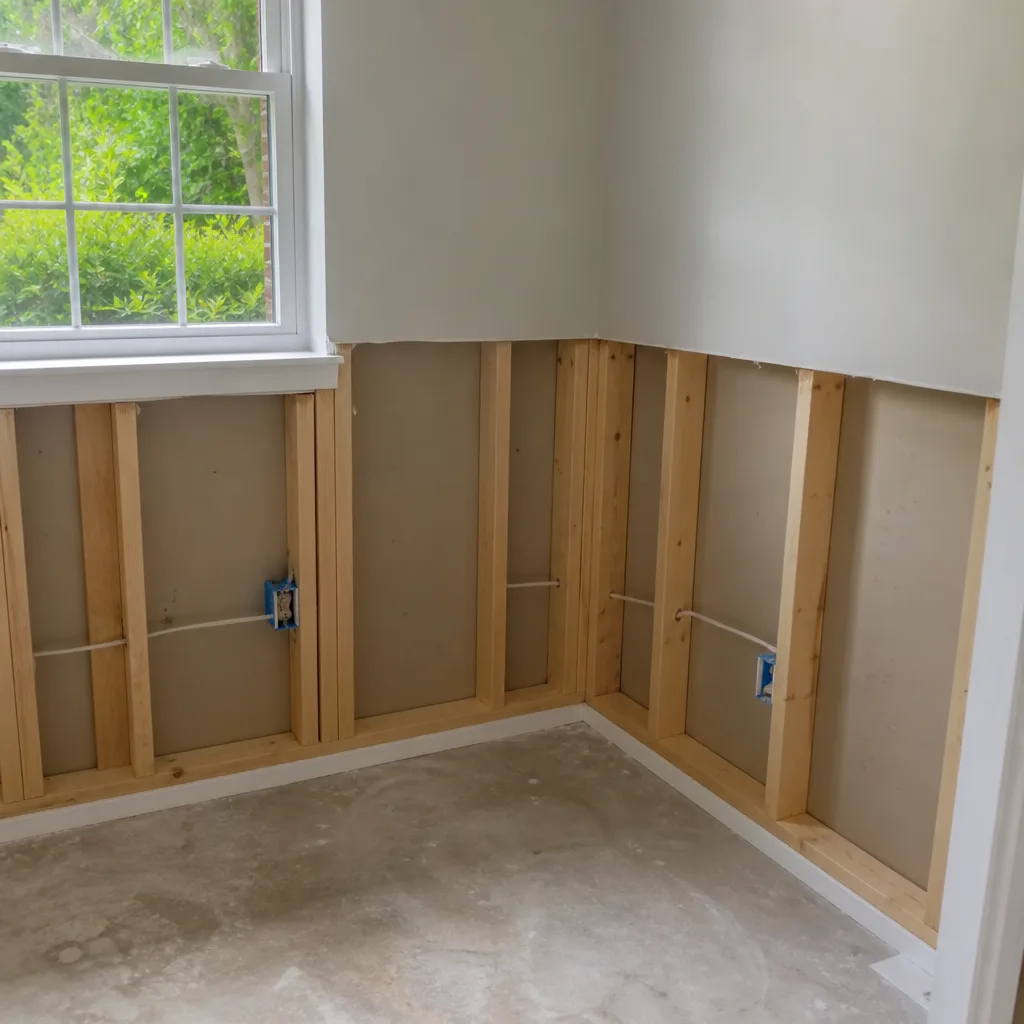

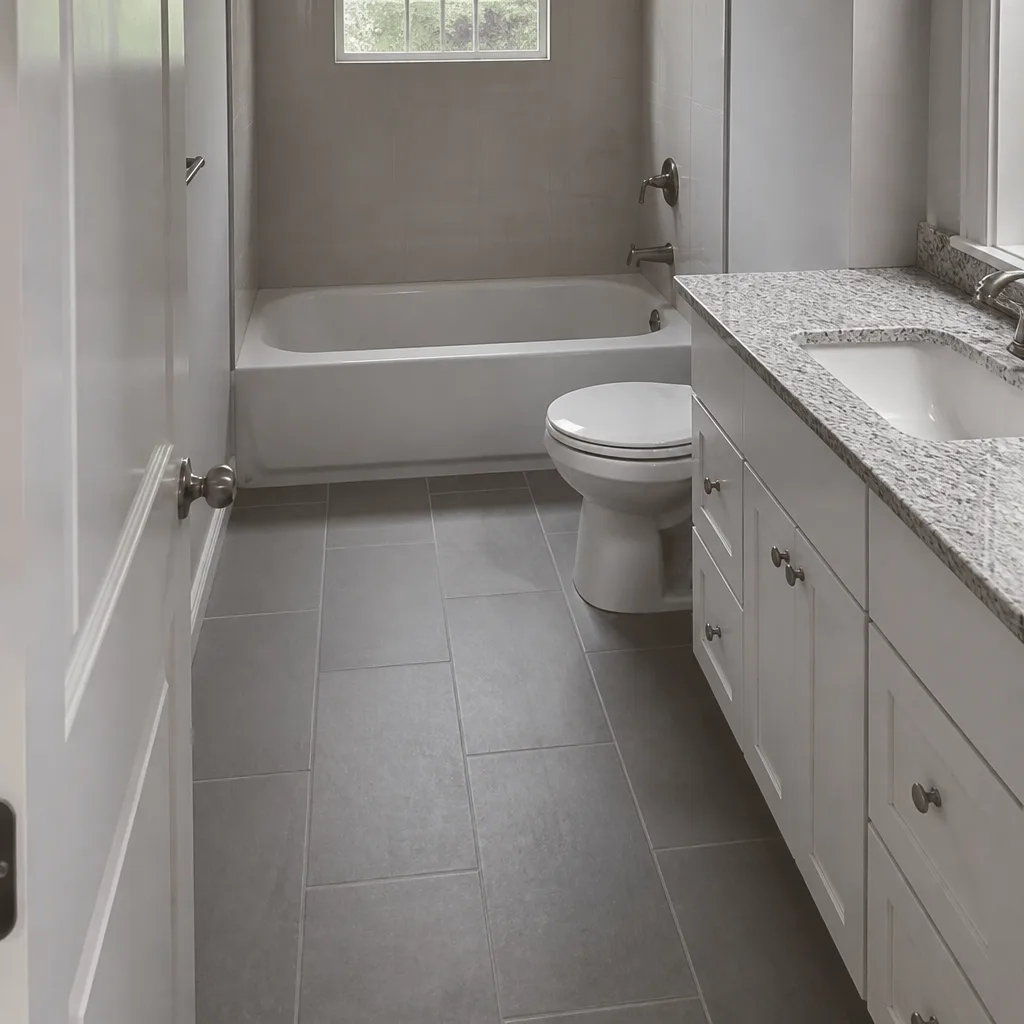

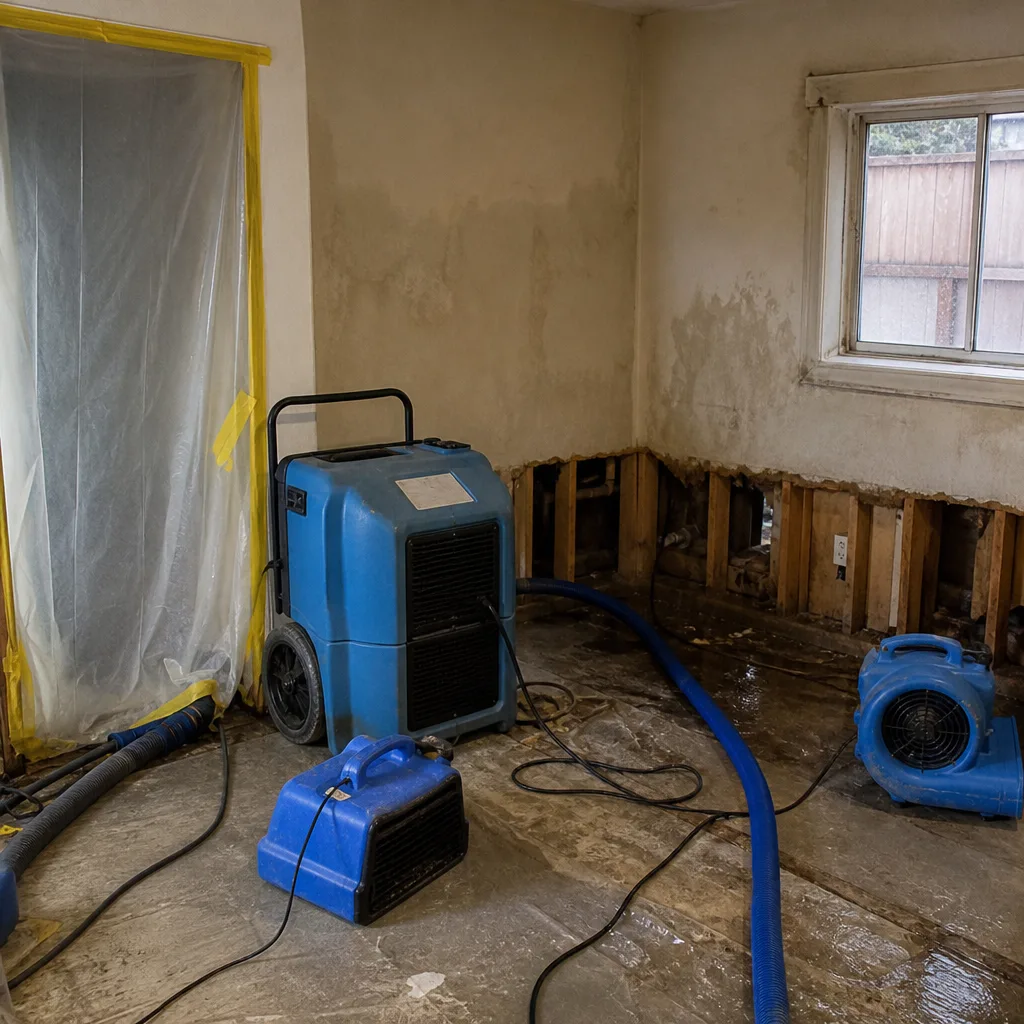 Before
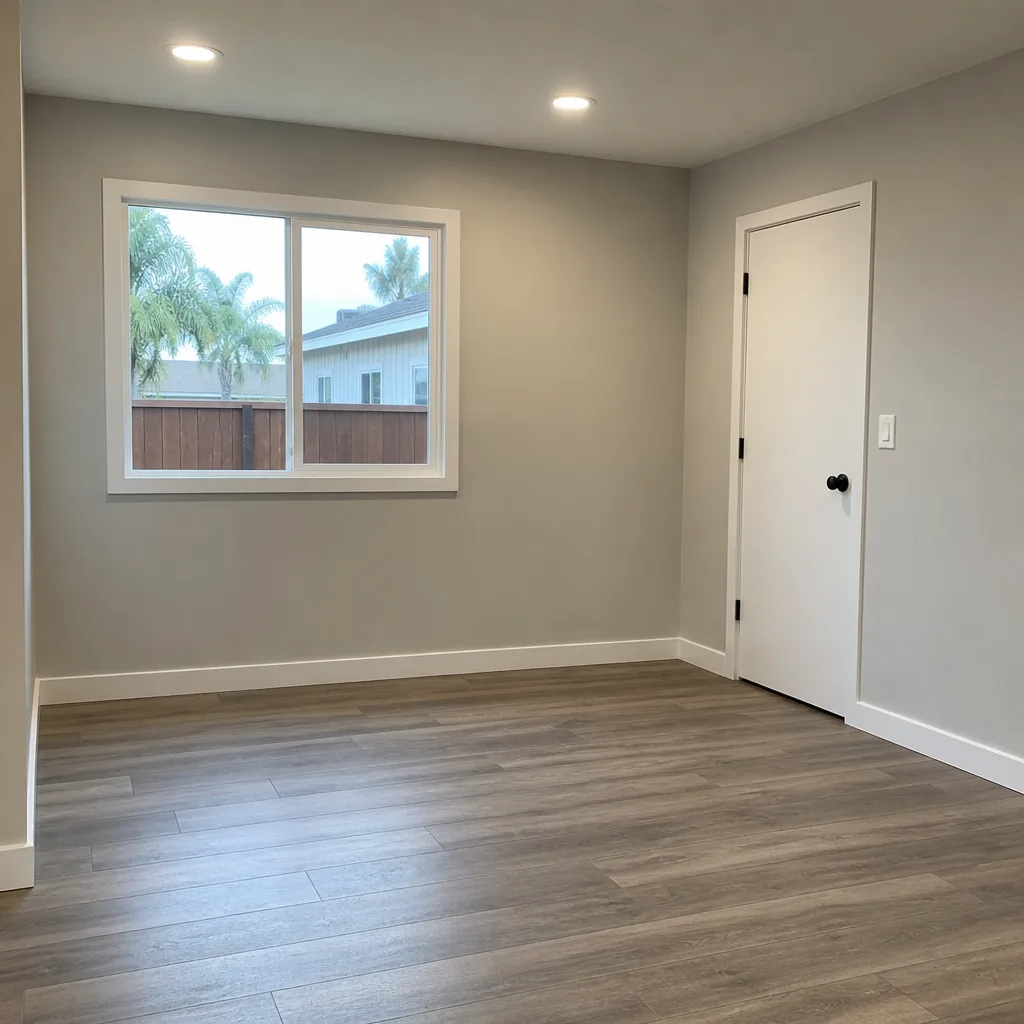 After
After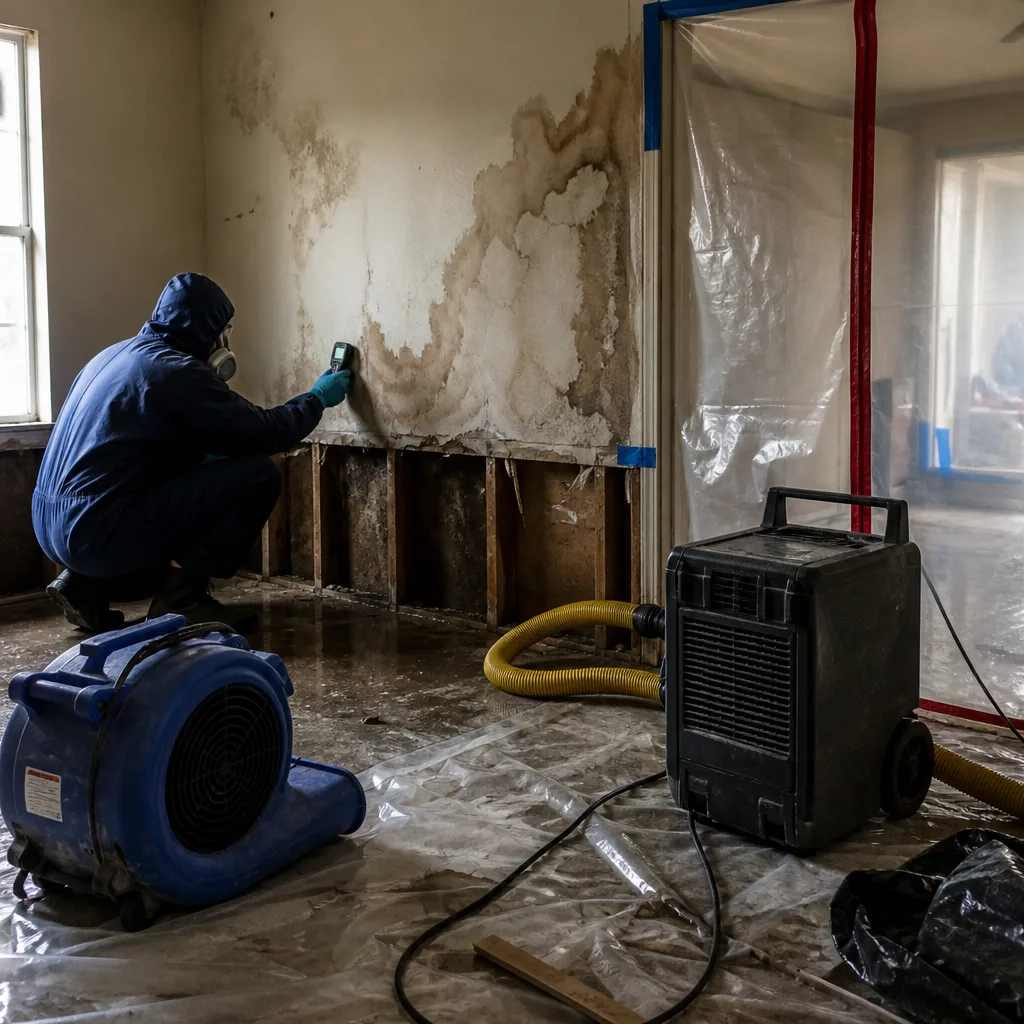 Before
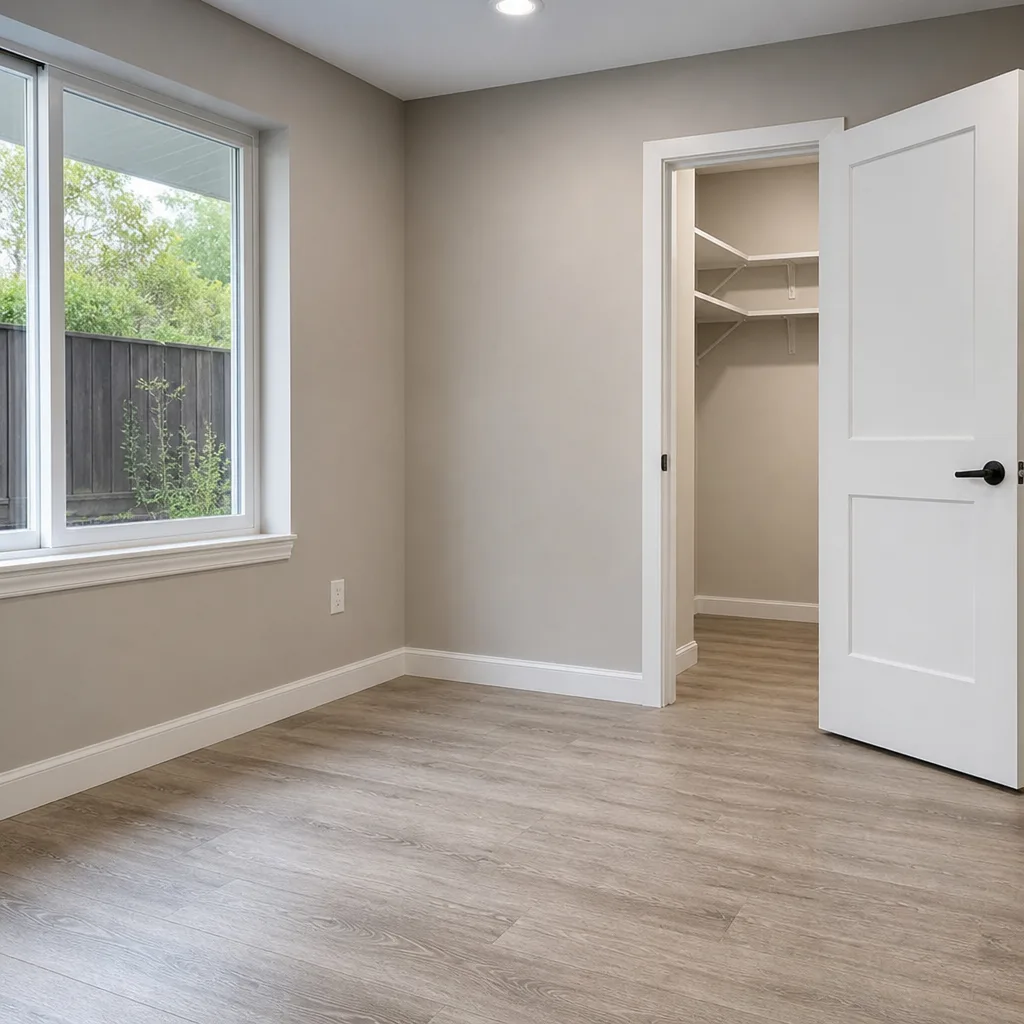 After
After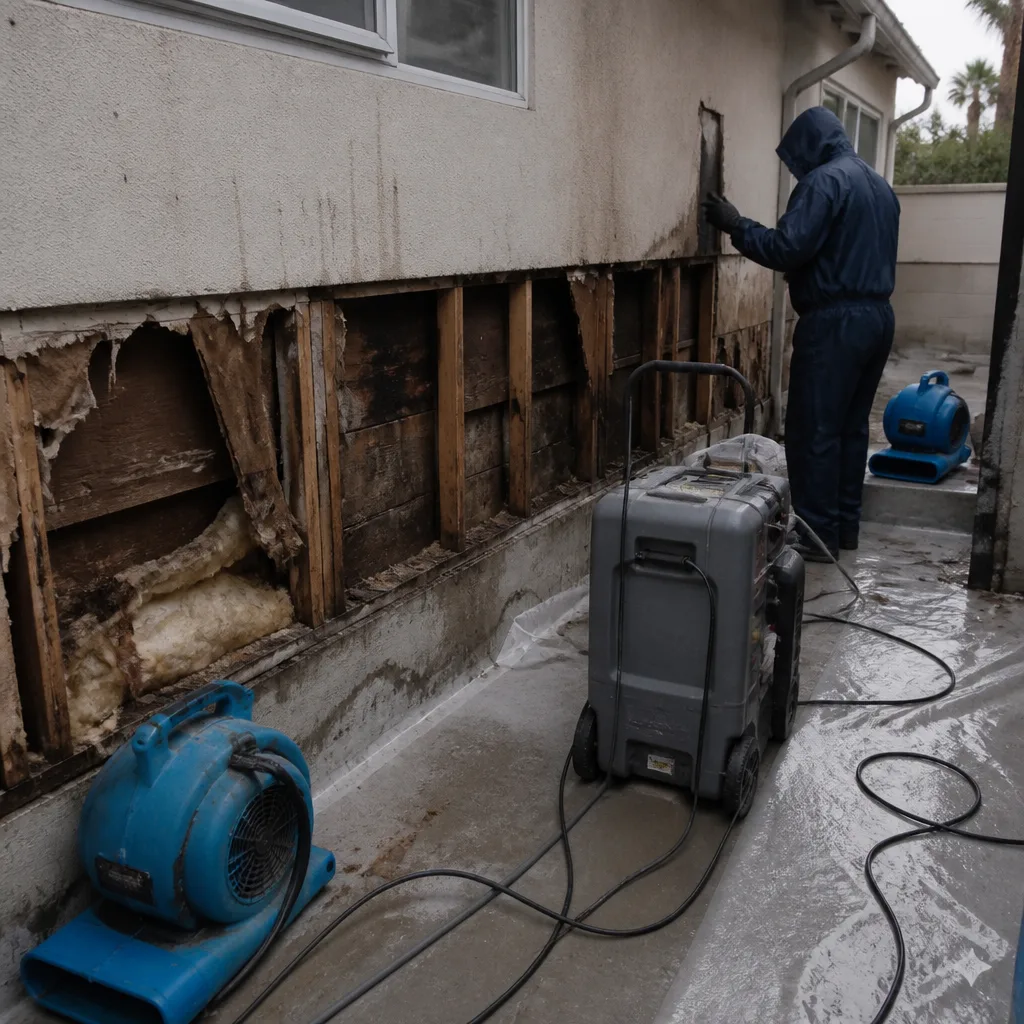 Before
 After
AfterWater Damage Restoration Maintenance Checklist for San Diego Homeowners
San Diego averages fewer than 12 inches of rain per year, yet insurance carriers here process water damage claims at rates comparable to much wetter metros. The reason isn’t volume, it’s timing: infrequent, intense rain hits systems that haven’t been stress-tested in months. Deferred maintenance on flat-roof membranes, clay-pipe drains, and stucco flashing turns a single January storm into a five-figure mitigation job. This guide gives San Diego homeowners inspection tasks tied to measurable thresholds, documentation methods that establish pre-loss condition for claims, and month-by-month timing that matches actual local weather patterns rather than generic seasonal advice. For a deeper dive, see The Complete Guide to Damage Restoration in San Diego.
Quick Answer
A water damage restoration maintenance checklist for San Diego homeowners should include monthly inspections of tankless water heater condensate lines and stucco kick-out flashings, quarterly checks of flat-roof membrane edges and terracotta tile underlayment, and pre-storm verification of cast-iron drain joints before January rain and Santa Ana wind events. Document every finding with dated photos and written notes to establish pre-loss condition. Surface moisture readings above 16% in coastal zones, 14% in inland valleys, or 12% in foothill elevations indicate active water intrusion requiring Water Damage Restoration.
Table of Contents
- Why San Diego Homes Fail Differently
- Month-by-Month Maintenance Calendar
- The Five San Diego-Specific Failure Points
- Moisture Reading Baselines by Microclimate
- How to Document Your Self-Inspection for Claims
- When a Visual Check Isn’t Enough
- Common Mistakes to Avoid
- When to Call a Professional
- Frequently Asked Questions
- The Bottom Line
BeforeAfterWhy San Diego Homes Fail Differently
Restoration work in San Diego doesn’t resemble the chronic moisture management needed in Portland or Miami. Here, the damage pattern is episodic and severe: long dry spells allow small leaks to hide, then concentrated winter rain or a failed plumbing fitting releases stored water into wall cavities all at once.
The city’s housing stock compounds this. Many San Diego neighborhoods, from North Park to Clairemont to La Mesa, built out heavily between 1950 and 1980 with clay sewer pipes, cast-iron drains, and flat-roofed ranch designs that rely on membrane edges and scuppers rather than pitched drainage. These systems age invisibly during drought years. A homeowner in Kensington or Talmadge might not know their cast-iron horizontal drain has developed a pinhole until a holiday houseful of guests overloads it.
Marine layer influence creates a second, subtler pattern. From May through July, overnight humidity above 80% wets exterior stucco and roof surfaces for six to eight hours daily. This isn’t rain damage, but it keeps materials at elevated moisture content, accelerating corrosion at flashing gaps and promoting mold growth in poorly ventilated attics. The June gloom period is when we at DryMark Restoration San Diego home see the highest volume of attic mold calls that started as “just a musty smell.”
Drought-then-deluge cycles add a third variable. After extended dry periods, soil shrinks away from foundation perimeters. When heavy rain finally arrives, water runs down the gap rather than away from the structure. In hillside neighborhoods like Mission Hills, Del Cerro, or parts of Poway, this creates foundation moisture loading that doesn’t match any visible roof or plumbing leak.
These three factors, marine layer corrosion, deferred-maintenance failures, and soil-shrinkage rebound, mean a generic national checklist misses the actual risks. The maintenance tasks below are weighted toward inspection points that catch San Diego’s specific failure modes before they trigger a claim.
Month-by-Month Maintenance Calendar
January: Pre-Storm Roof and Drain Verification
January brings San Diego’s heaviest sustained rain. Before the first storm:
- Walk the roof perimeter (or hire a licensed inspector for slopes above 6:12) and photograph membrane edges, scupper openings, and any lifted seams.
- Run water through each downspout for 60 seconds; note backup or overflow points with dated video.
- Check accessible attic spaces with a moisture meter at the north-facing slope, where marine layer condensation accumulates. Flag readings above your zone baseline (see table below).
- Inspect the water heater pressure relief valve discharge path; January cold snaps stress tank and tankless systems alike.
February: Post-Storm Damage Documentation
After the last January-February storm cycle:
- Photograph any new ceiling stains, baseboard swelling, or exterior efflorescence with a ruler in frame for scale.
- Run bathroom exhaust fans for 30 minutes with the door closed; if mirrors still fog, ventilation is inadequate for marine layer conditions.
- Check garage floor perimeter for new cracks or moisture tracking, especially in homes built on fill soils common in Bay Park and Pacific Beach.
March-April: Transition Inspection
As marine layer frequency decreases:
- Verify that Santa Ana wind-driven rain hasn’t displaced flashing or damaged stucco kick-outs on south and west exposures.
- Inspect irrigation backflow preventers and valve boxes; these are common leak sources that homeowners mistake for plumbing failures.
- Document any changes from January photos in a written log with dates.
May-June: June Gloom Moisture Audit
This is marine layer peak season. The goal is catching condensation-driven mold before it requires Mold Remediation in San Diego:
- Measure attic moisture content at dawn, when overnight humidity peaks. Compare to your zone baseline.
- Run a 24-hour humidity log in the crawl space or lowest floor; sustained readings above 65% indicate inadequate ventilation for coastal conditions.
- Inspect closet interiors on north walls for mildew odor or surface spotting.
- Verify that dryer vents terminate outside and aren’t blocked by lint accumulation that traps moist exhaust.
July-August: Irrigation and Plumbing Stress Test
Peak water demand season:
- Run all zones of the irrigation system while walking the yard; look for saturated spots, geysers, or low-pressure zones indicating line breaks.
- Check water meter with all fixtures off; any movement indicates a leak between meter and structure.
- Inspect visible copper and PEX for green corrosion or UV degradation at exterior penetrations.
September-October: Santa Ana Wind Preparation
These dry, high-velocity winds drive embers and debris, but also force rain horizontally into gaps:
- Re-photograph all flashing, kick-outs, and window sill conditions for comparison to March documentation.
- Clear roof drains and gutters of accumulated dust and debris that can dam water during the first fall rain.
- Test garage door and exterior door weatherstripping; Santa Ana winds will find gaps that gentle onshore flow misses.
November-December: Pre-Winter Systems Check
Final verification before the next January cycle:
- Schedule a licensed plumber to camera-inspect main drains if the home has original clay or cast-iron piping, common in pre-1980 San Diego construction.
- Verify sump pump operation if installed; many San Diego homes lack these, but hillside properties with perimeter drains depend on them.
- Update your photo documentation file with any changes noted during the year.
The Five San Diego-Specific Failure Points
These five locations produce the majority of water damage calls we handle that could have been prevented with targeted inspection. Each includes the specific measurement or observation that separates monitoring from action.
1. Flat-Roof Membrane Edges
San Diego’s mid-century ranch and contemporary designs rely heavily on flat or low-slope roofing. Membrane systems (TPO, PVC, modified bitumen) fail first at perimeter edges and penetration flashings, not in the field. Inspect for:
- Lifted or bubbled edge metal that allows wind-driven rain underneath
- Cracked sealant at HVAC curbs, vents, and skylight frames
- Ponding water 48 hours after rain that indicates inadequate slope or drain blockage
Action threshold: Any lifted edge or ponding deeper than 1/4 inch requires a roofing contractor. Document with photos before and after any temporary mitigation.
2. Terracotta Tile Underlayment
Mission-style terracotta roof tiles are common in San Diego from Rancho Santa Fe to Point Loma. Homeowners inspect the tiles; they miss the felt or synthetic underlayment beneath, which ages faster than the tile itself. Signs of underlayment failure:
- Water stains on rafter tails or soffit vents despite intact visible tile
- Tile that sounds hollow when tapped, indicating broken battens and compromised fastening
- Mortar bedding at ridges that has cracked or washed out
Action threshold: Stains in the attic space below terracotta always warrant a roofing inspection. The tile may outlast two underlayment cycles.
3. Cast-Iron Drain Joints
Pre-1975 San Diego homes frequently have cast-iron horizontal drains that corrode from the inside out. The exterior can look intact while the interior has thinned to paper. Failure indicators:
- Gurgling or slow drainage that doesn’t respond to mechanical cleaning
- Rust-colored water in fixtures during initial flow after sitting
- Visible corrosion at hub joints in accessible crawl spaces
Action threshold: Any cast-iron system over 50 years old should be camera-inspected by a licensed plumber. Replacement with ABS or PVC is typically required, not repair.
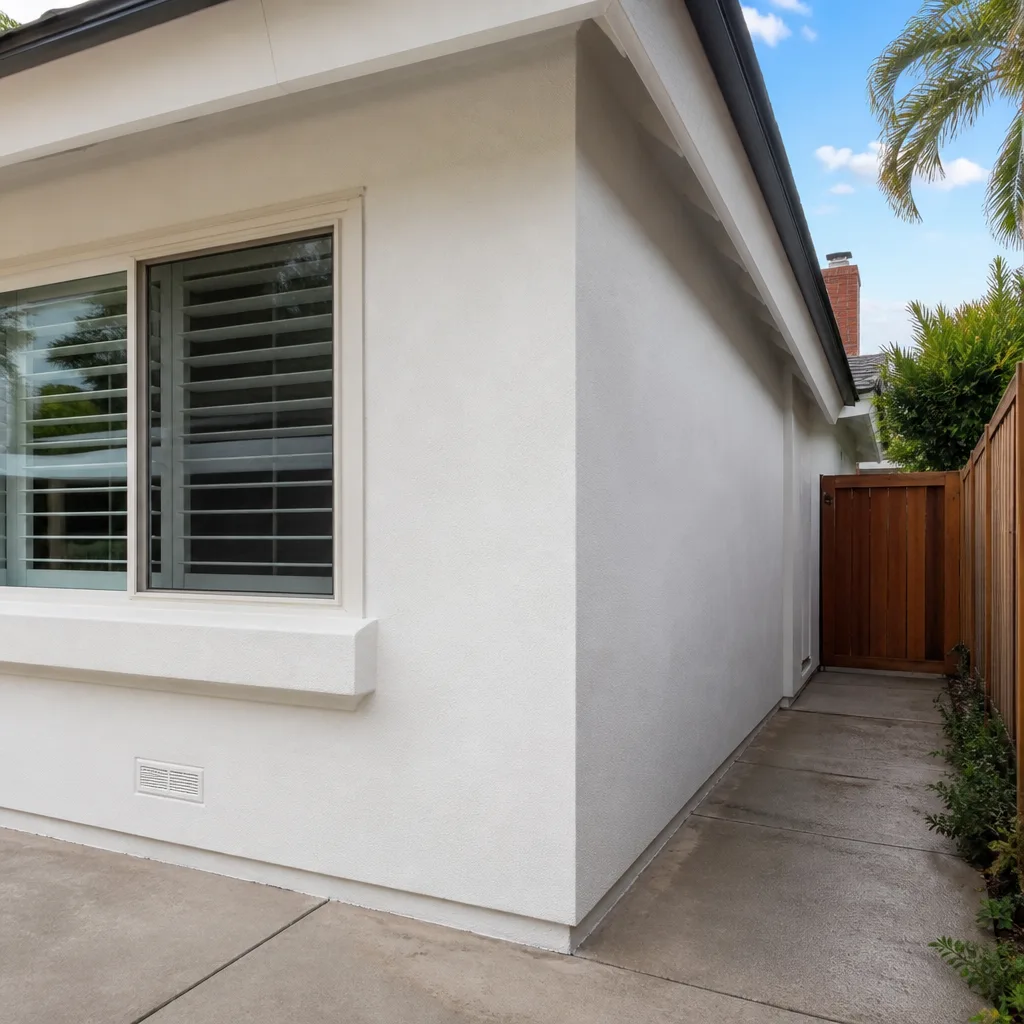
4. Stucco Kick-Out Flashing
San Diego’s stucco exteriors depend on proper flashing at roof-wall intersections. The kick-out diverts water into the gutter rather than behind the stucco. Common failures:
- Missing kick-outs where roof slopes terminate against a wall
- Kick-outs that were caulked over rather than left open to drain
- Stucco that has been patched repeatedly at the same location, indicating chronic moisture
Action threshold: Any visible gap, improper caulking, or recurring patch at a kick-out location requires a stucco contractor. Water behind stucco can destroy sheathing before showing interior signs.
5. Tankless Water Heater Condensate Lines
High-efficiency tankless units are common in San Diego’s newer construction and retrofits. The condensate drain is small, often plastic, and prone to algae growth in our mild climate. Failure mode:
- Unit shutdown with error code indicating condensate blockage
- Moisture or corrosion at the condensate termination point
- Secondary drain pan that contains standing water
Action threshold: Monthly visual check of condensate flow during operation. Any backup or unit shutdown requires immediate attention; these systems can flood quickly when the internal safety overflow activates.
Moisture Reading Baselines by Microclimate
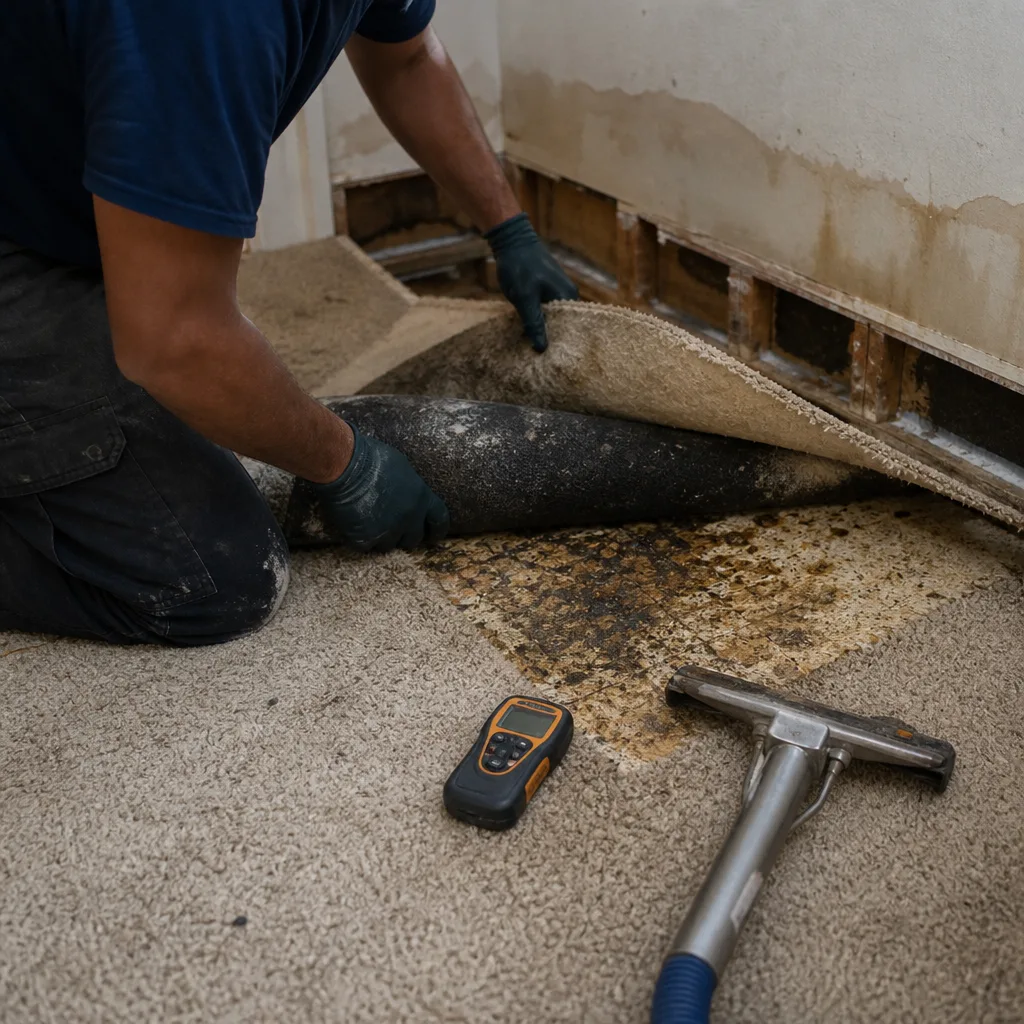
Pinless moisture meters give surface readings in percentage of wood moisture content equivalent. What’s “normal” varies dramatically across San Diego’s microclimates due to marine layer influence, elevation, and temperature swing.
| Zone | Typical Examples | Normal Range | Investigate | Professional Assessment |
|---|---|---|---|---|
| Coastal | Pacific Beach, Ocean Beach, La Jolla, Del Mar | 10-14% | 15-16% | 17%+ |
| Inland Valley | Clairemont, Kearny Mesa, Mira Mesa, Poway | 8-12% | 13-14% | 15%+ |
| Foothills/Mesa | Rancho Bernardo, Del Cerro, San Carlos, Tierrasanta | 6-10% | 11-12% | 13%+ |
| Desert Transition | El Cajon, Santee, Lakeside, eastern Poway | 5-9% | 10-11% | 12%+ |
These baselines assume measurement on interior framing or sheathing with a calibrated pinless meter. Exterior stucco will read higher and isn’t comparable. For reference, the IICRC S500 standard for structural drying defines “dry” as within 4 percentage points of an unaffected reference sample in the same structure, which is why zone-specific baselines matter: a 14% reading in Pacific Beach may be normal, while the same reading in Santee indicates active moisture loading.
Psychrometric data, the measurement of air temperature, relative humidity, and vapor pressure, determines how quickly materials release moisture. San Diego’s coastal zones have higher vapor pressure differentials between indoor and outdoor air during marine layer season, which can actually slow drying of wet materials if ventilation is mismanaged. This is why professional Water Damage Restoration in San Diego uses dehumidification calculated to local conditions, not generic equipment sizing.
How to Document Your Self-Inspection for Claims
The documentation gap is what costs homeowners their claims. An insurer can deny coverage for pre-existing damage, and without dated evidence, the homeowner bears the burden of proving the loss was sudden and accidental. The self-inspection documentation method below creates a defensible pre-loss record.
Required Elements
- Dated photographs with context. Each photo needs a reference object (ruler, coin, or known-size feature) and a written note identifying location, date, and what the image shows. “Master bath ceiling, north side, 2024-01-15, no staining or deformation” is a complete entry.
- Moisture meter readings with instrument model. Record the meter manufacturer and model, the material tested, and the reading. “Delmhorst BD-2100, pinless mode, master bath north wall framing, 11.2%, 2024-01-15.”
- Written condition notes. A sentence describing what you observed, not just what you photographed. “Caulk at tub-shower joint shows minor shrinkage but continuous bead, no gaps visible.”
- Weather data. Note recent rain, Santa Ana events, or marine layer conditions that might affect readings. “72 hours since last measurable rain (0.3 inches per KSAN), marine layer present 4 of last 7 mornings.”
Storage and Access
Keep digital copies in three locations: local device, cloud service with version history, and physical print in a fire-resistant container. The print copy matters because digital files can lose metadata in transfer, and insurers have challenged photo authenticity when EXIF data is missing.
Update the file at each inspection interval. The value is in the sequence: January shows no stain, March shows no stain, May shows 3-inch discoloration. That progression proves the event was not pre-existing.
At DryMark Restoration San Diego, our documentation protocol on every Water Damage Restoration in San Diego job includes a photo record on every visit, producing the drying logs and moisture maps that turn restoration invoices into payable claims. Homeowners who maintain their own pre-loss documentation have significantly faster claim resolution because the adjuster’s scope of work isn’t consumed by coverage disputes.
When a Visual Check Isn’t Enough
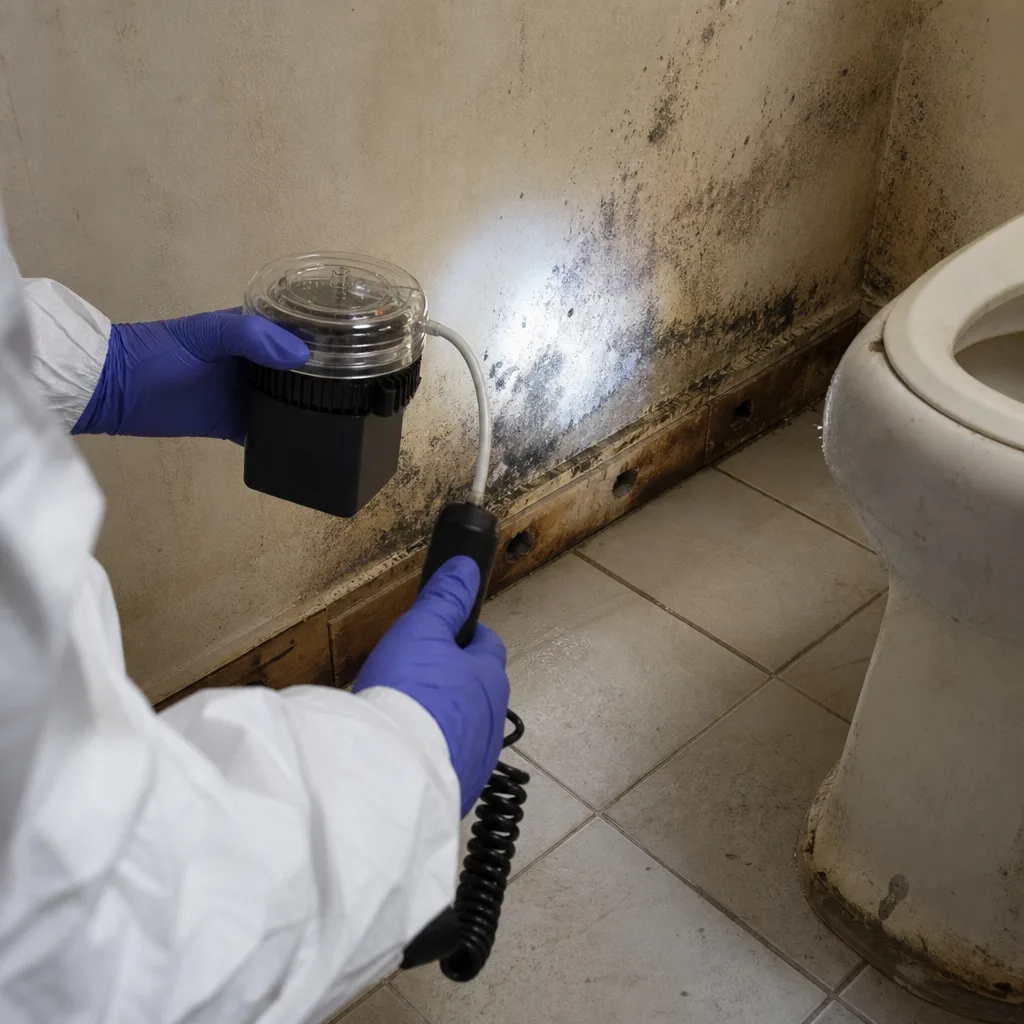
Self-inspection has limits. The threshold below indicates when a licensed contractor’s measurement tools and liability insurance are necessary rather than optional.
Scenarios Reiring Professional Measurement
- Moisture readings at or above the “Professional Assessment” level in the table above. Pinless meters read surface conditions only; elevated readings may conceal much wetter conditions at depth.
- Any water stain that reappears after cleaning or painting. This indicates an active leak, not a historical event.
- Musty odor without visible source. Mold growth begins at 60% relative humidity and can be extensive behind walls before showing surface indicators.
- Sagging or deformed ceiling, wall, or floor. Structural loading from water exceeds safe homeowner assessment; the full extent requires invasive inspection.
- Any electrical fixture, outlet, or panel in a water-affected area. Water and energized circuits create electrocution risk. Do not enter standing water near electrical equipment.
- Crawl space or attic with limited access or vermin activity. These spaces present physical hazards and contamination risks beyond typical homeowner exposure.
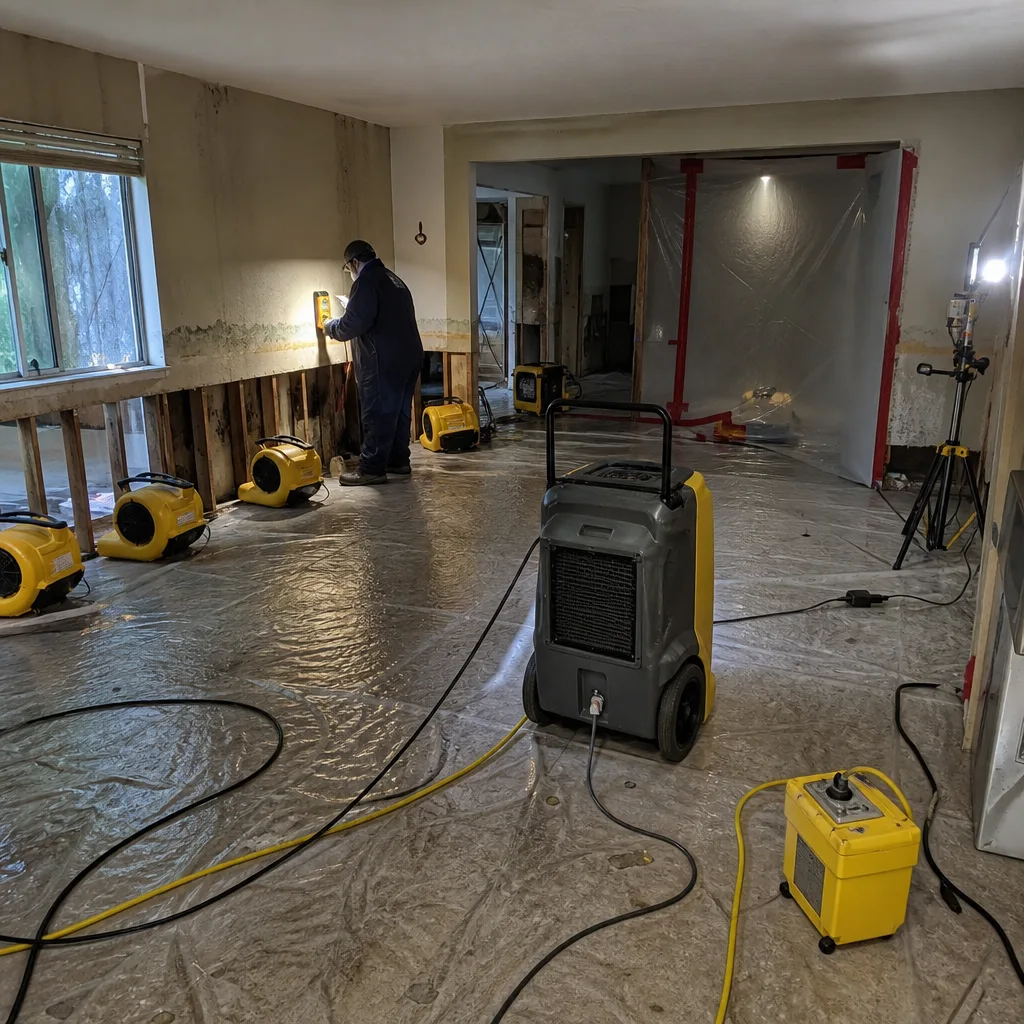
Tertiary drying, the final phase of moisture removal where materials approach equilibrium with ambient conditions, is where most DIY attempts fail. Homeowners stop when surfaces feel dry; professional drying continues until moisture content readings stabilize within the dry standard for 48 hours. This gap, between “feels dry” and “is dry,” is where mold grows and structural damage progresses.
Vapor pressure differential, the force that drives moisture from wet materials into the air, must be actively managed with dehumidification and air movement. In San Diego’s marine layer season, outdoor vapor pressure can exceed indoor, meaning opening windows actually slows drying. Professional equipment from Dri-Eaz and Phoenix calculates this balance and adjusts automatically.
Common Mistakes to Avoid
- Assuming drought means no water risk. San Diego’s dry periods allow small leaks to evaporate before showing stains, masking progressive damage. The January storm that finally reveals the problem isn’t the cause, it’s the trigger.
- Checking only visible plumbing, not drain lines. Cast-iron and clay drains fail silently until backup occurs. Camera inspection is the only reliable method for these materials.
- Using a single moisture reading without zone context. A 14% reading means investigation in Santee but normal conditions in La Jolla. National guidelines without local baselines misdirect action.
- Documenting only problems, not normal conditions. Insurers challenge claims by alleging pre-existing damage. Photos of clean, dry conditions are as valuable as damage documentation.
- Delaying professional assessment for “minor” stains. Water travels horizontally along framing members; the visible stain is rarely the full extent. Early professional measurement with thermal imaging and borescopes limits scope and cost.
- Ignoring condensate from high-efficiency equipment. Tankless water heaters and high-efficiency furnaces produce more condensate than older equipment. The drain lines are small and vulnerable to biological growth in San Diego’s mild climate.
- Applying national checklists without San Diego adaptation. Freeze protection, basement sump systems, and ice dam prevention are irrelevant here. Time spent on these is time not spent on membrane edges, kick-out flashings, and marine layer ventilation.
When to Call a Professional
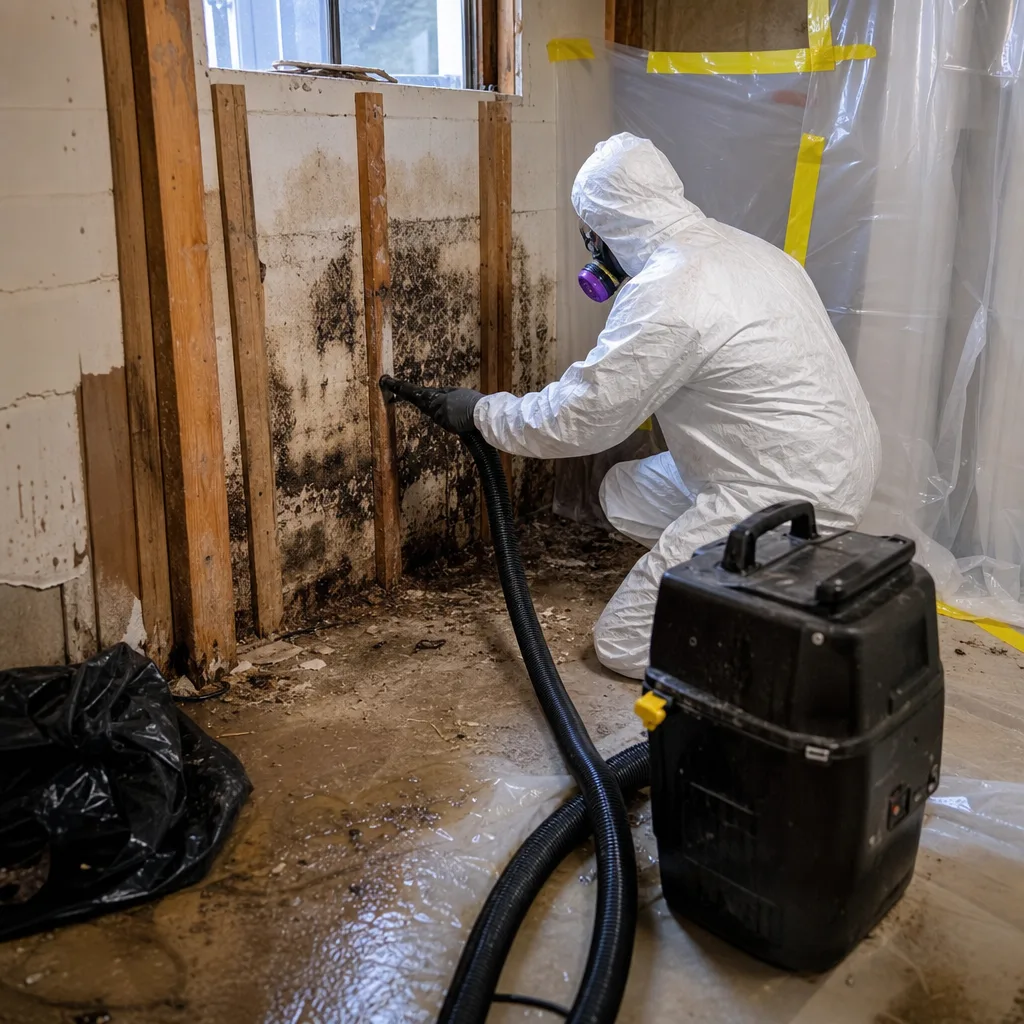
Call a licensed restoration contractor when moisture readings exceed your zone’s professional assessment threshold, when stains recur after surface treatment, when musty odor persists without visible source, or when any electrical component is in a water-affected area. These indicators exceed safe and effective homeowner management.
Document what you’ve observed before calling: dates, photos, meter readings, and any changes over time. This accelerates the professional assessment and supports your claim documentation.
DryMark Restoration San Diego offers free estimates in San Diego. Our assessments include documented moisture readings, thermal imaging, and a written scope with pricing before any work begins, consistent with Haven Standard, Clause 1. For water damage concerns, fire and smoke damage, or mold assessment, call (619) 330-9541. Live phone coverage is available 24 hours a day, 7 days a week with no voicemail on emergency lines.
Frequently Asked Questions
Water damage restoration in San Diego typically ranges from $1,200 for contained Class 1 losses affecting a small area with clean water, to $8,000-$15,000 for Class 3 losses with contaminated water and structural drying requirements. Whole-house flooding with reconstruction can exceed $25,000. The exact cost depends on water category (clean, gray, or black), affected square footage, material types, and whether asbestos or lead testing is required for pre-1980 construction. For detailed pricing factors, see our Damage Restoration Cost Breakdown: The San Diego Homeowner’s Reference for 2026. DryMark Restoration San Diego provides a written price before any work starts on every job, with no scope additions once the crew is inside. Call (619) 330-9541 for a free estimate.
Standard homeowners policies cover sudden and accidental water damage, such as a burst pipe or failed water heater, but exclude damage from long-term maintenance neglect, such as a roof leak that went unaddressed for months. Documentation is the deciding factor: dated photos showing the condition before the event, maintenance records, and a professional assessment that distinguishes sudden failure from gradual deterioration. Our photo-documented assessments and written scopes provide the evidence adjusters need for coverage determination. We also coordinate directly with adjusters on claim documentation.
Emergency water damage response in San Diego is typically available within 60-90 minutes for active flooding situations, with 24-hour live dispatch. Mitigation work, water extraction, and emergency drying setup are same-day services. Reconstruction and rebuild work is scoped, scheduled, and priced in writing, not dispatched as an emergency. For active water intrusion, speed matters: every hour of delay increases the water migration zone and the final restoration cost. DryMark Restoration San Diego maintains live phone coverage 24 hours a day, 7 days a week with no voicemail on emergency lines.
Class 1 clean water losses under 50 square feet on non-porous materials can sometimes be managed by homeowners with proper extraction, air movement, and dehumidification. Any loss involving gray water (dishwasher, washing machine), black water (sewage, ground surface water), or affecting porous materials (drywall, carpet pad, insulation) requires professional handling for health and structural reasons. The critical factor is verification: without moisture meters and thermal imaging, you cannot confirm that wall cavities and subfloors are dry. Our free estimates include measurement that answers this question with data, not guesswork.
The restoration company should document everything the adjuster needs: moisture logs, photo records, drying equipment placement charts, and a written scope with line-item pricing. However, the homeowner remains the policyholder and must authorize all work and payments. At DryMark Restoration San Diego, we provide direct adjuster coordination as a standard service, including photo documentation formatted for claim submission and itemized scopes that match insurance industry standard pricing databases. We do not ask homeowners to negotiate their own coverage; we provide the evidence that makes negotiation unnecessary.
San Diego’s marine layer, present on 100-150 mornings annually, maintains exterior surfaces at 80-100% relative humidity for 6-10 hours. This doesn’t cause immediate water damage, but it elevates baseline moisture content in stucco, wood trim, and roof sheathing, accelerating corrosion at any flashing gap or seal failure. It also means attics and crawl spaces with inadequate ventilation never fully dry during these months. The maintenance impact: inspections in May-June are as important as January storm checks, and ventilation adequacy must be judged against marine layer conditions, not just rain exposure.
The Bottom Line
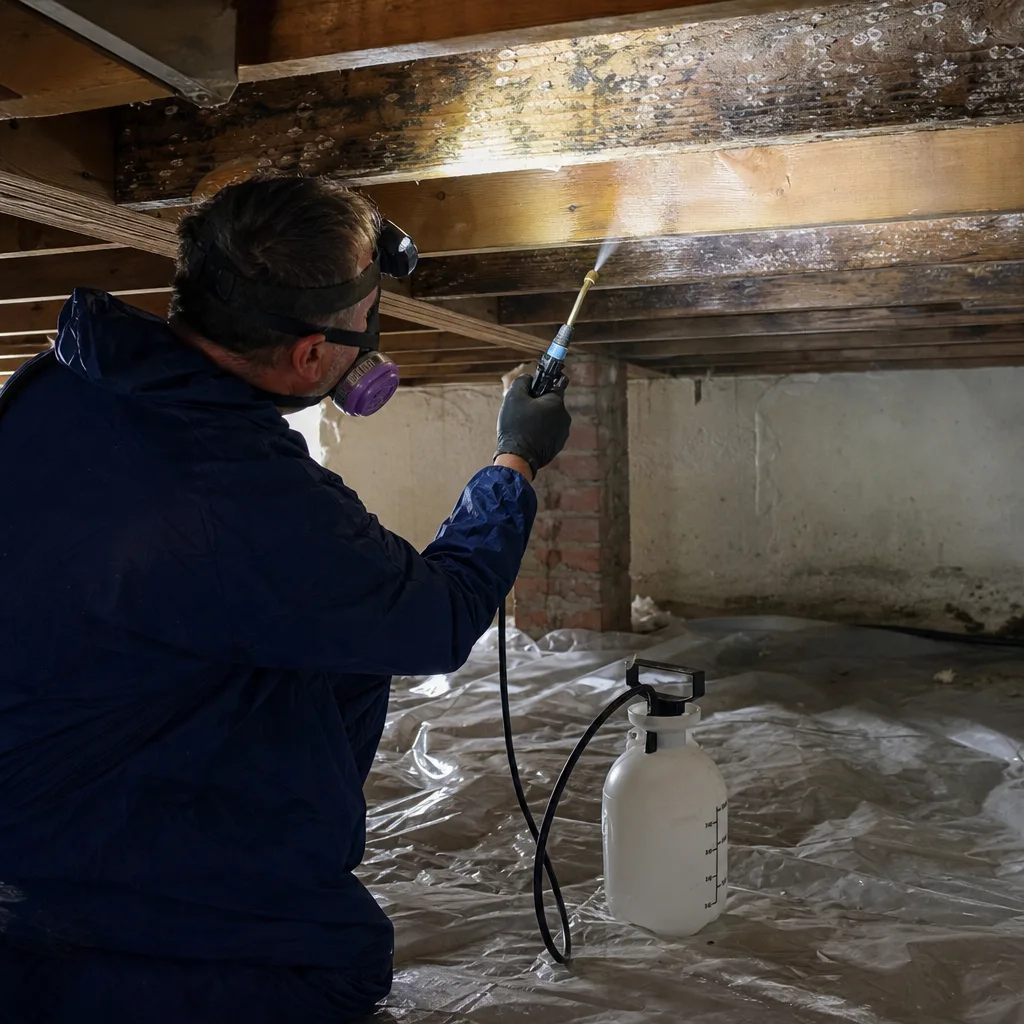
San Diego’s water damage risk isn’t about rainfall volume; it’s about concentrated, infrequent events hitting systems that haven’t been verified in months. A maintenance checklist that works here targets flat-roof membrane edges, terracotta underlayment, cast-iron drain joints, stucco kick-out flashings, and tankless condensate lines with inspection timing tied to January storms, Santa Ana winds, and June gloom. Document every finding with dated photos, meter readings, and written notes to establish pre-loss condition. Know your zone’s moisture baselines so you act on data, not anxiety. And recognize when a finding exceeds safe homeowner assessment, professional measurement with documented evidence protects both your structure and your claim. Explore more guides & resources for year-round maintenance strategies.
Written by Alicia Brennan, Owner at DryMark Restoration San Diego, serving San Diego since 2011.