
Last updated September 23, 2026
Free visual inspection and a written scope of work before any mitigation begins - photos, moisture readings, and drying logs go in your claim file
The scope we write is the scope we bill. Anything new gets shown to you, in writing, before we touch it.
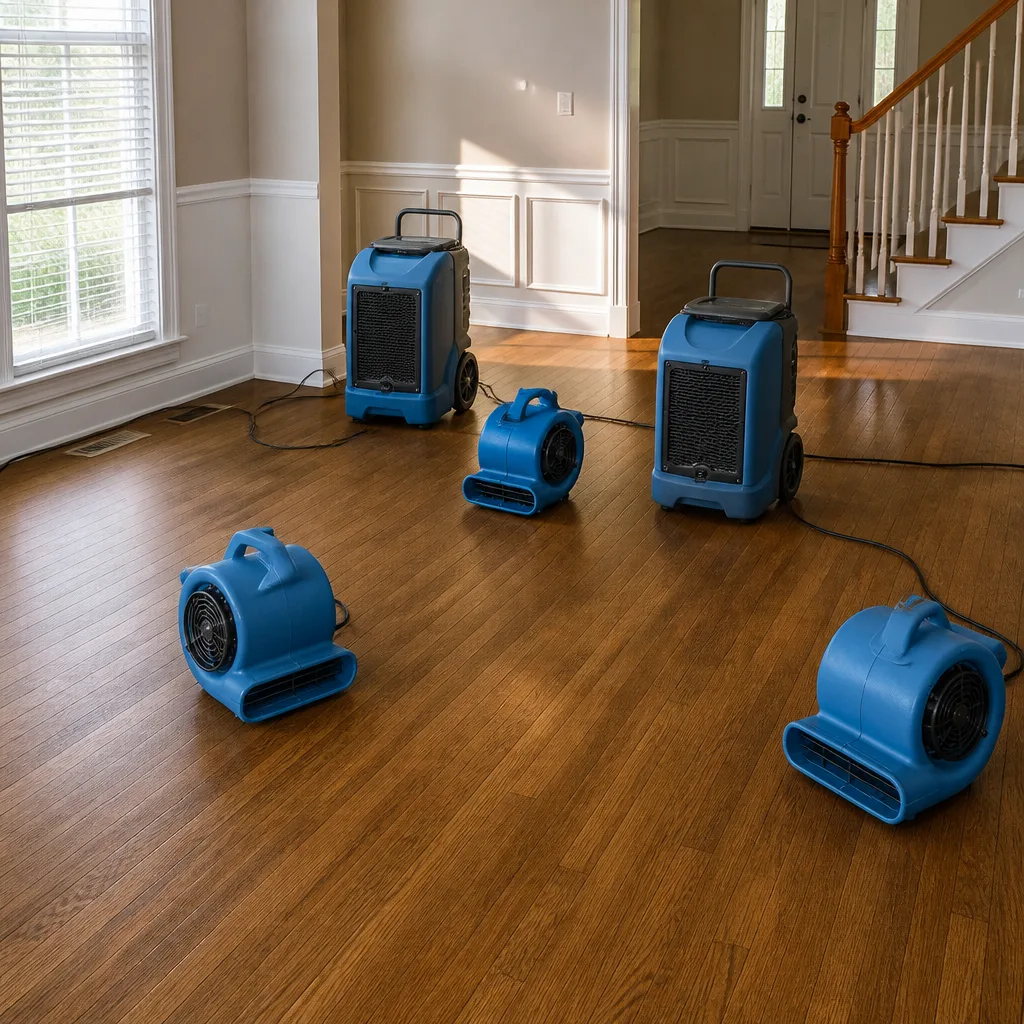
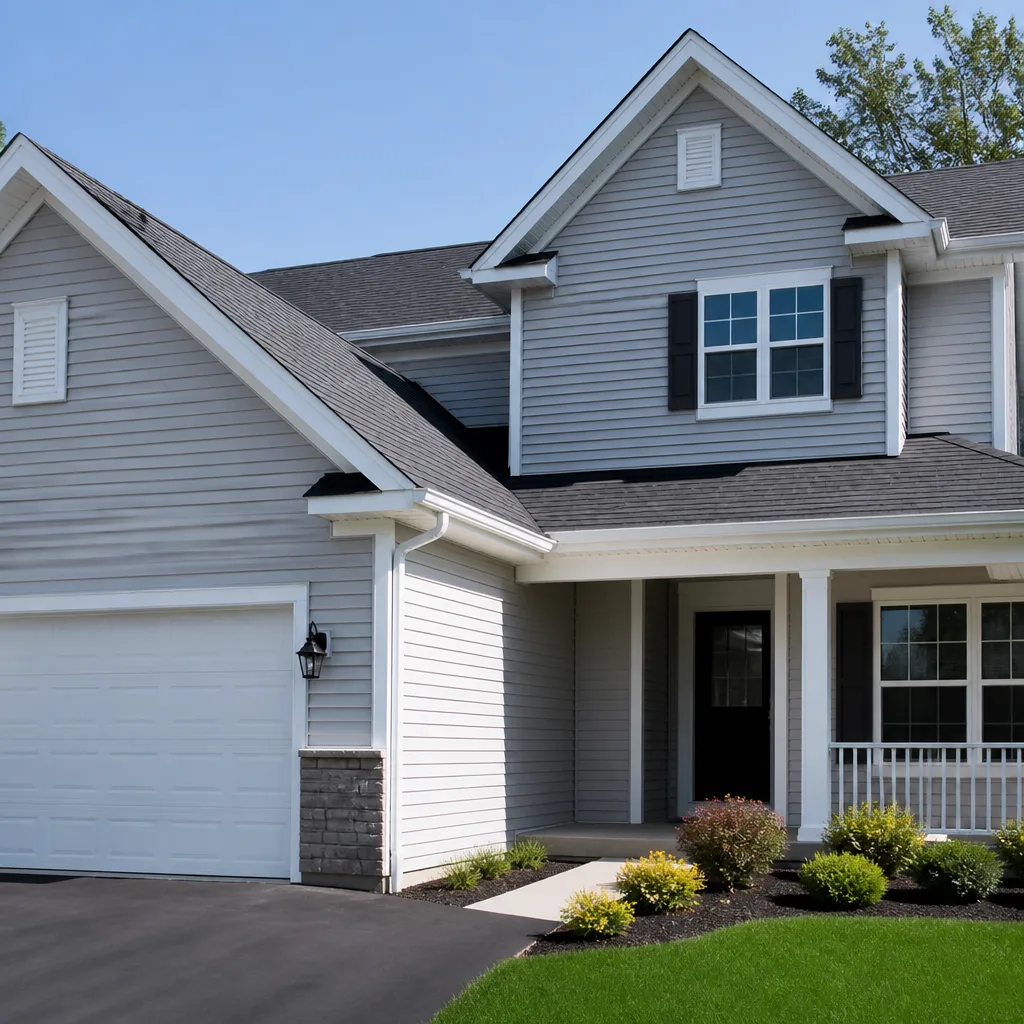
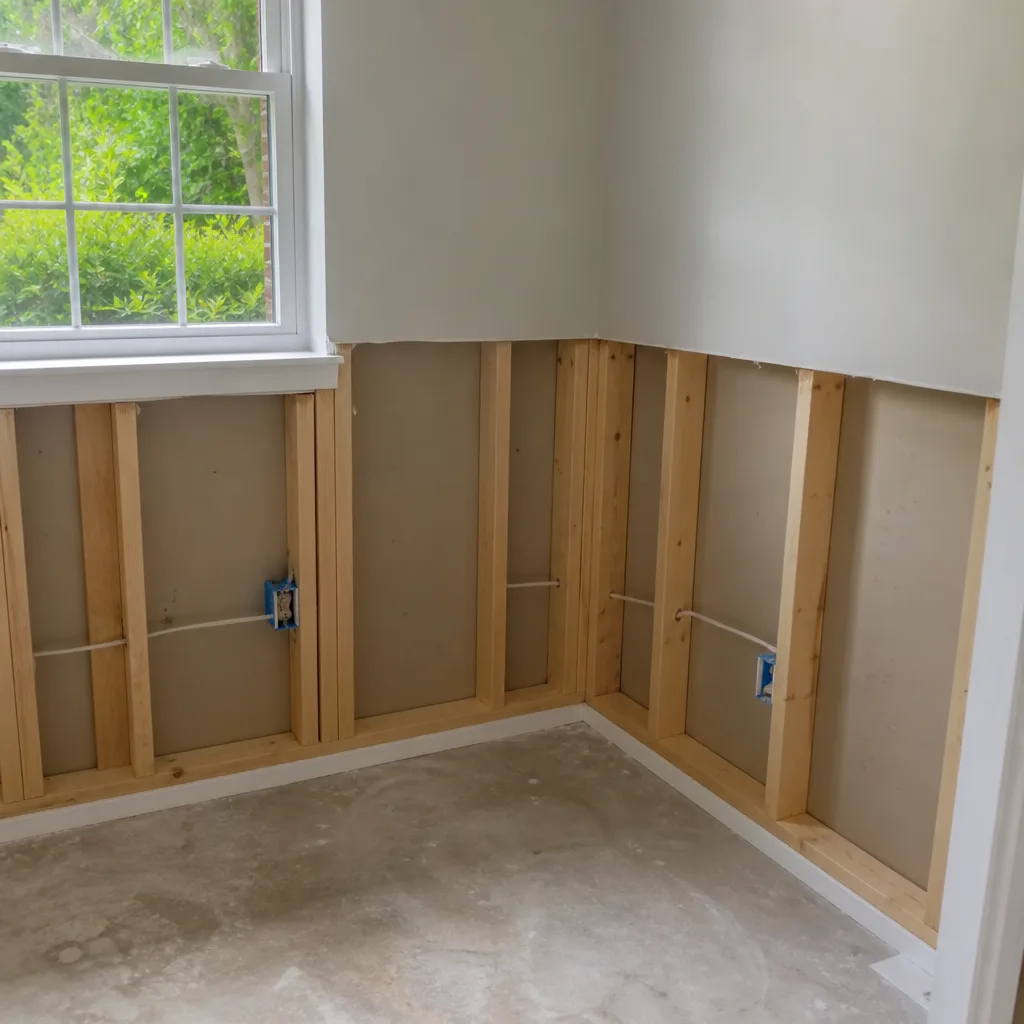
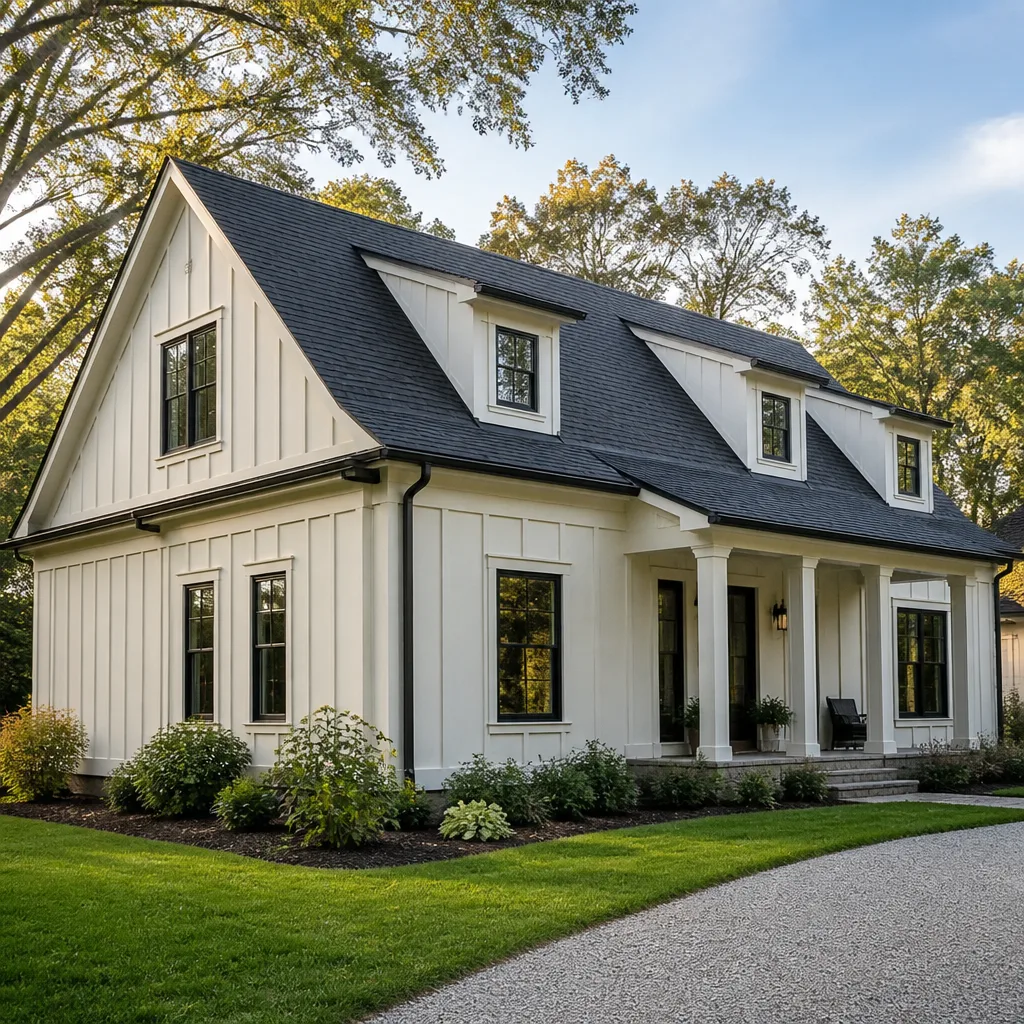
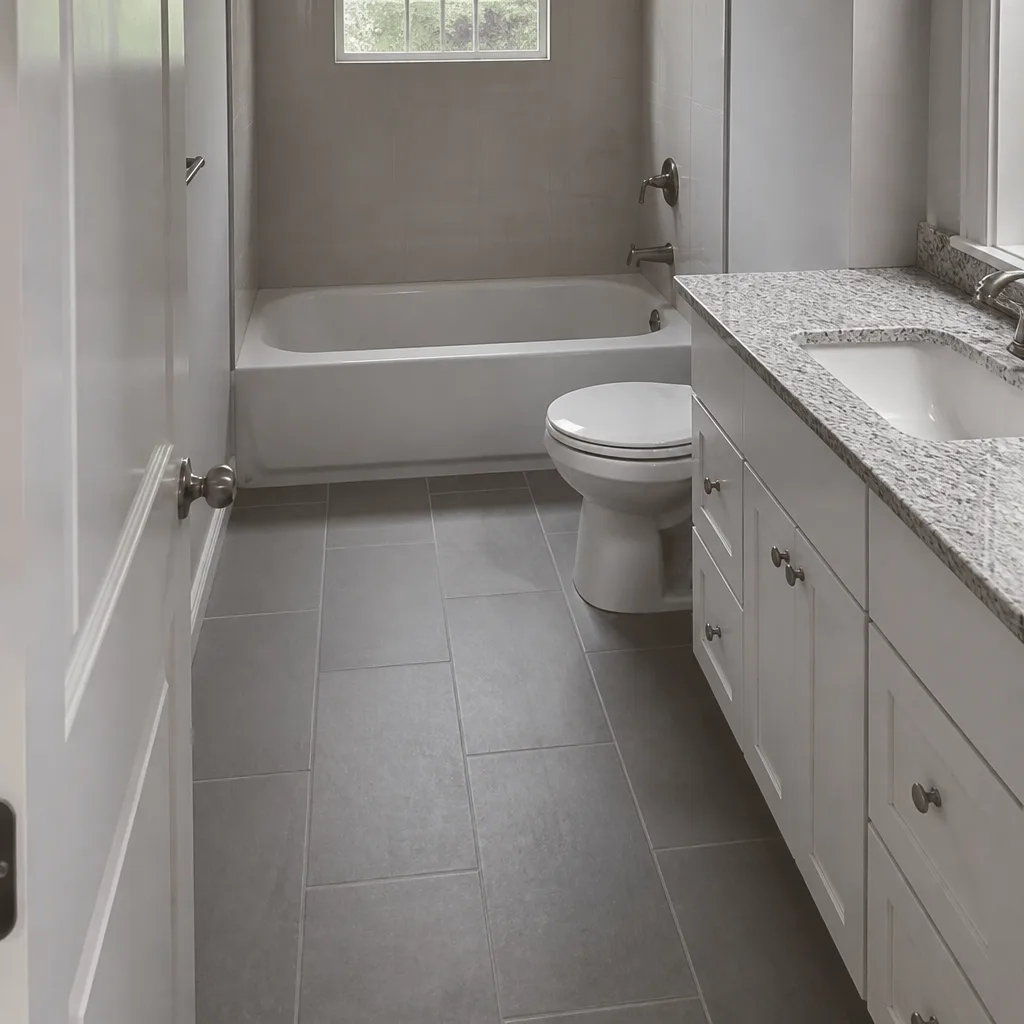
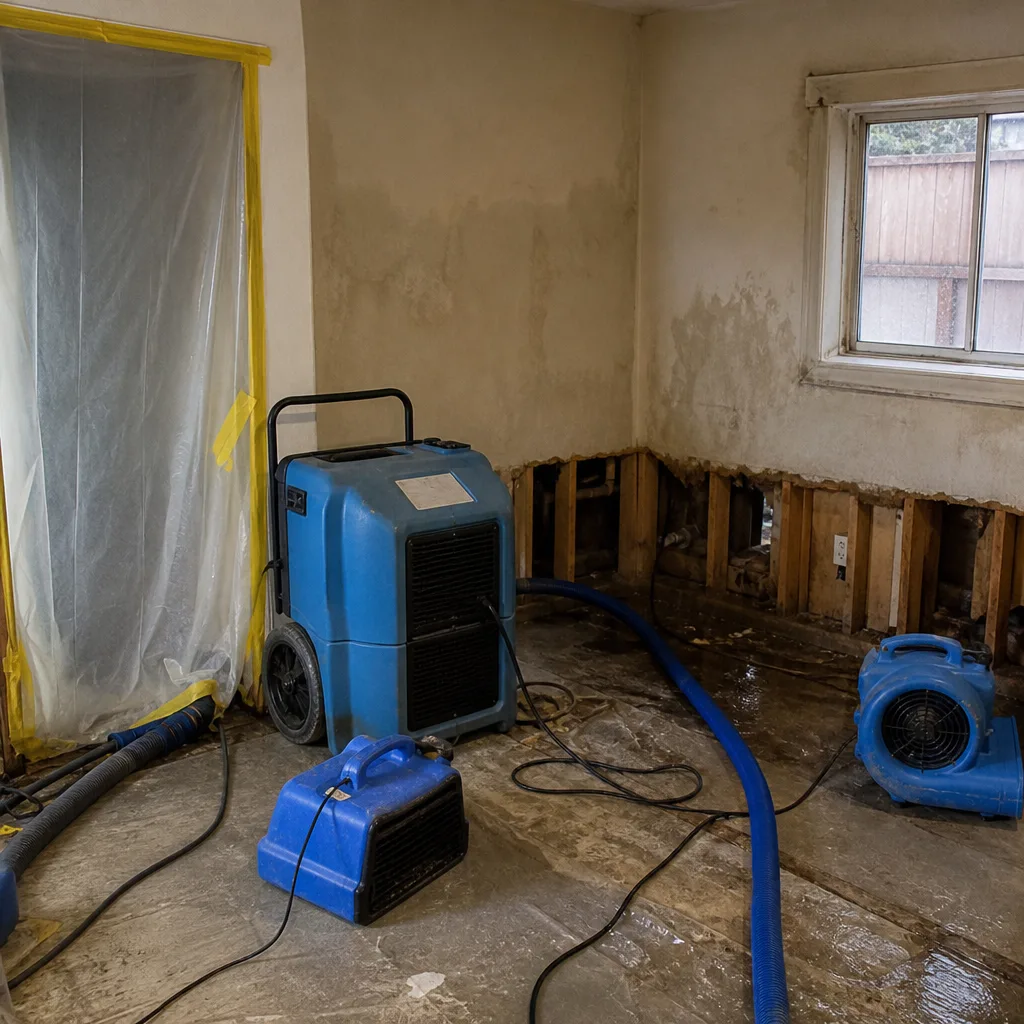 Before
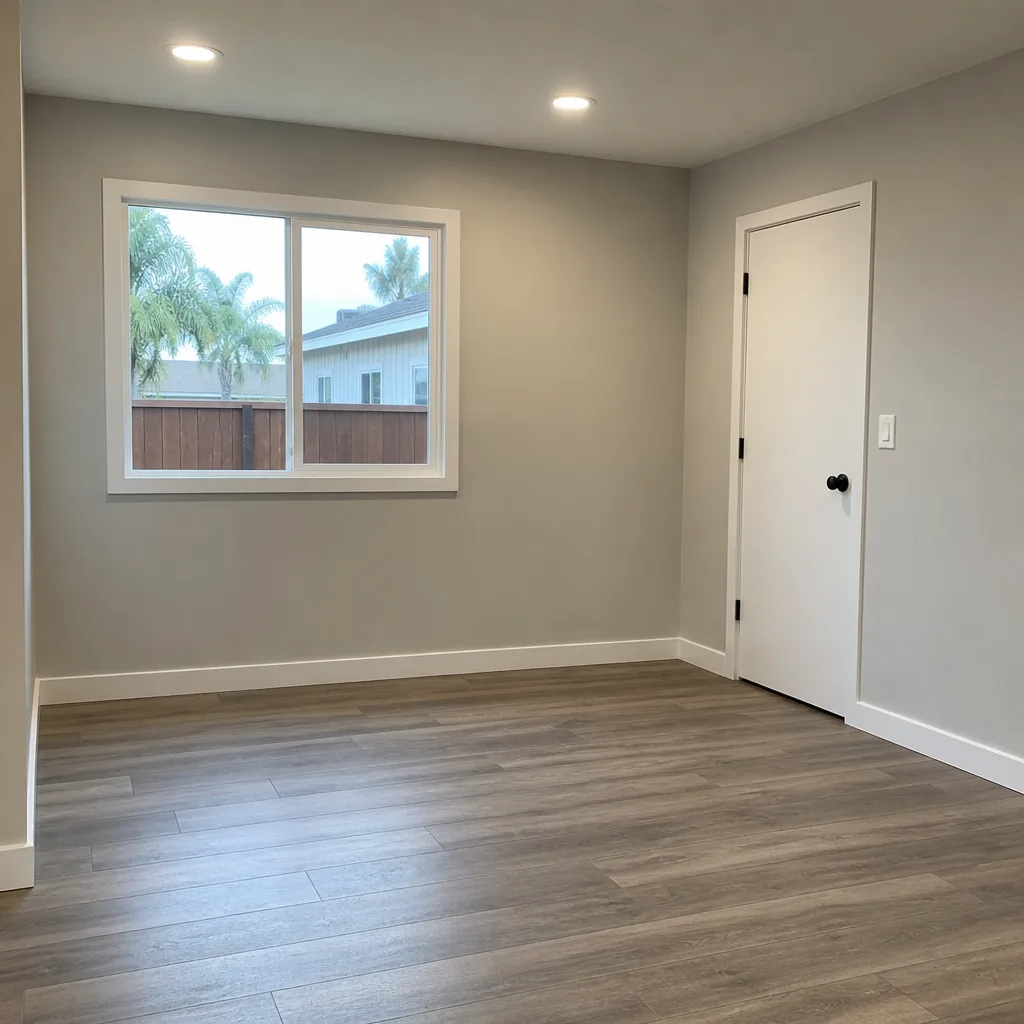 After
After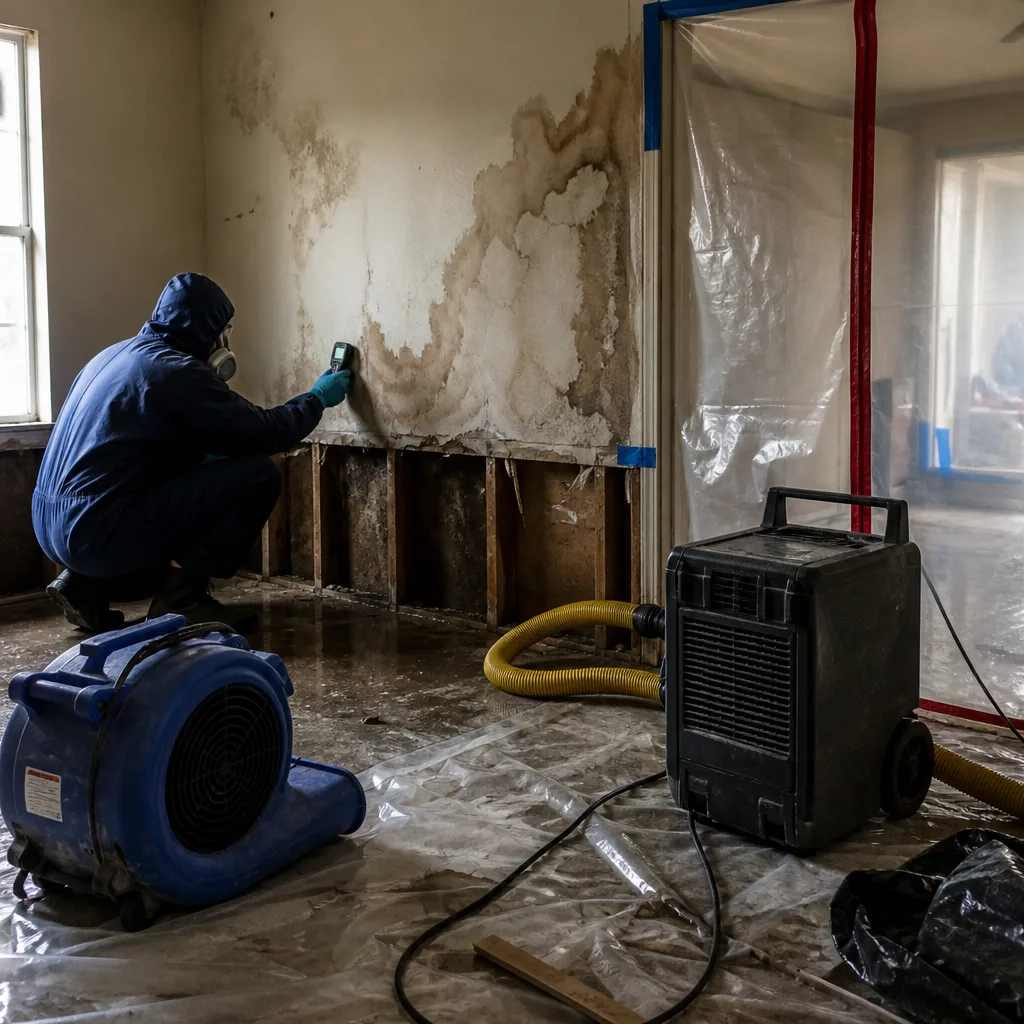 Before
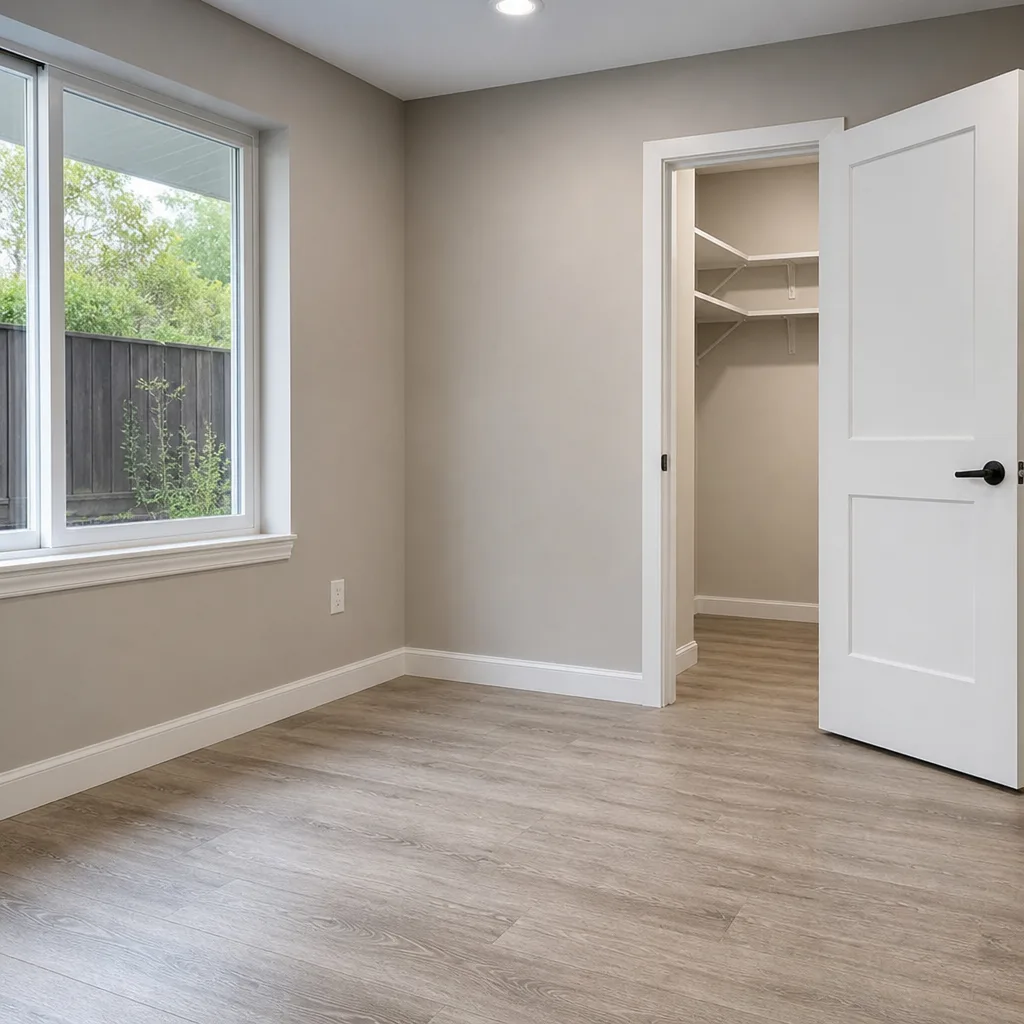 After
After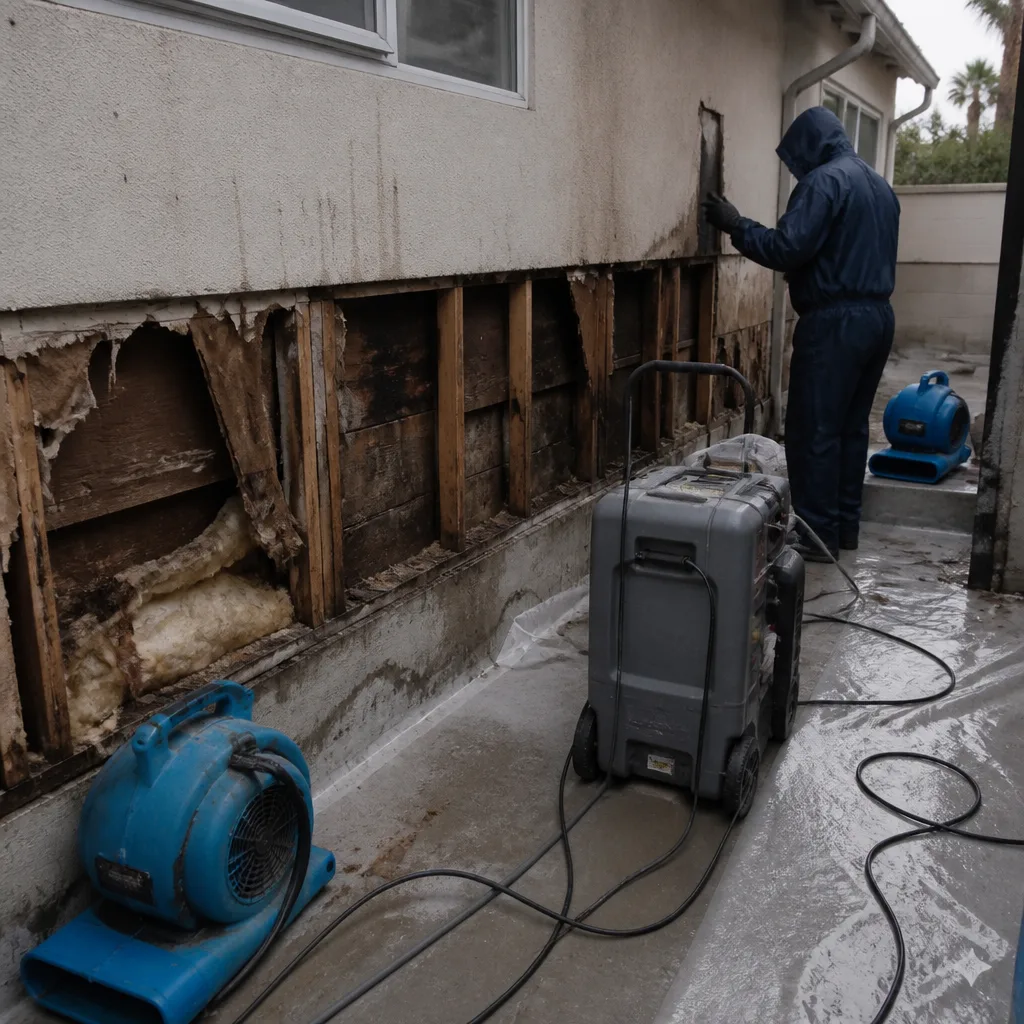 Before
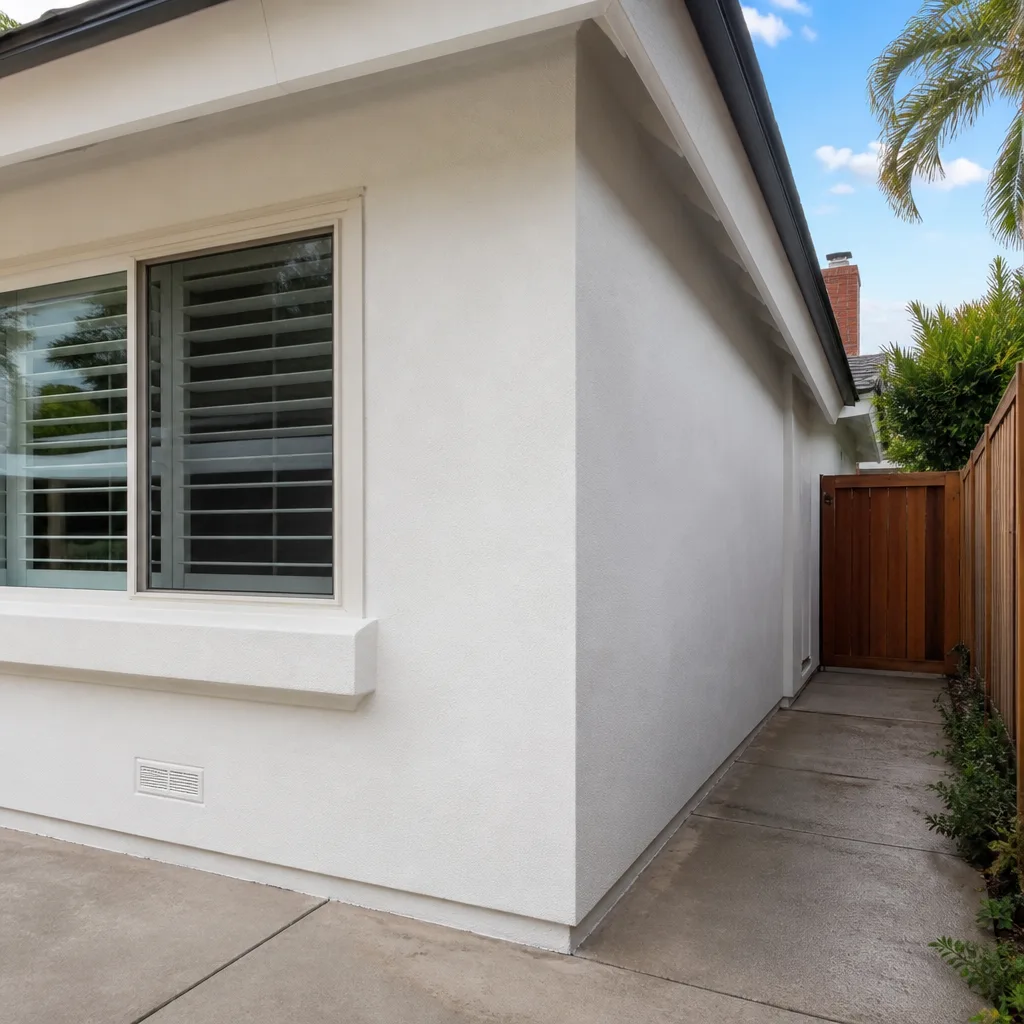 After
AfterDamage Restoration Cost Breakdown: The San Diego Homeowner’s Reference for 2026
In 2025, the average San Diego water damage mitigation invoice was reviewed and reduced by an adjuster by an average of 22%. Not because the work wasn’t done. Because the invoice lacked the room-by-room equipment logs and moisture readings needed to justify each line item. That gap between work performed and work documented is what this guide addresses. You’ll learn what restoration actually costs in San Diego’s 2026 market, broken down by phase and variable, with the specific documentation that keeps each line item attached to your claim rather than your personal checkbook.
Quick Answer
Water damage restoration in San Diego in 2026 typically runs $3,200-$8,500 for a standard single-family mitigation (extraction, drying, and monitoring), with reconstruction adding $45-$125 per square foot depending on finish level. The final invoice depends on five measurable variables: affected square footage, water contamination category, construction type, equipment day count driven by actual moisture readings, and whether a written scope preceded the first fan placement. Jobs without a written scope invoice 30-40% higher than agreed, every time.
Table of Contents
- Why Most Cost Guides Fail the San Diego Homeowner
- Line-Item Cost Structure: What Each Phase Actually Costs
- The Five Variables That Move Your Invoice Up or Down
- How a Written Scope Changes the Final Number
- Xactimate Line Items in Plain Language
- Documentation-Complete vs. Documentation-Deficient: The Dollar Difference
- Common Mistakes to Avoid
- When to Call a Professional
- Frequently Asked Questions
BeforeAfterWhy Most Cost Guides Fail the San Diego Homeowner
Search “water damage restoration cost” and you’ll find the same useless range: $500 to $50,000. That’s not pricing. That’s a disclaimer dressed as information-one reason many homeowners turn to our DIY vs Professional Damage Restoration: The San Diego Homeowner’s Decision Guide.
The problem is category error. Restoration has distinct phases with distinct cost drivers, and blending them into one number erases the variables you actually control. A Category 1 clean water extraction in a Rancho Bernardo ranch house with slab flooring and open access is a completely different job from a Category 3 sewage backup in a La Jolla multi-level with engineered hardwood over crawl space. Both might appear under “water damage” in a generic guide. Both should appear under separate line items in your written scope.
San Diego’s market adds specific wrinkles. Our mild coastal climate means secondary mold growth can establish in 72-96 hours rather than the 24-48 hour window cited for humid climates, but our low overall humidity also means properly deployed dehumidification can achieve dry standard faster once equipment is in place. The difference is psychrometric data: the measurement of temperature, relative humidity, and vapor pressure that determines when a structure is actually dry, not just surface-dry. A technician reading a moisture meter without calculating grains per pound is guessing, and guessing extends drying days, and extended drying days inflate your invoice by $200-$400 per day in equipment and monitoring costs.
Our building stock also shapes costs. San Diego’s pre-1980s neighborhoods, North Park to City Heights, often contain asbestos-containing surfacing materials that trigger additional abatement protocols if disturbed during demo. Post-1990s construction in Scripps Ranch or Carmel Valley frequently uses MDF baseboards and paper-faced gypsum that wick water aggressively and require more extensive material removal. These aren’t footnotes. They’re $1,500-$4,000 line items that appear or disappear based on construction intelligence gathered during the initial assessment.
This guide replaces the useless wide range with phase-specific numbers, the variables that control them, and the documentation that protects them.
Line-Item Cost Structure: What Each Phase Actually Costs
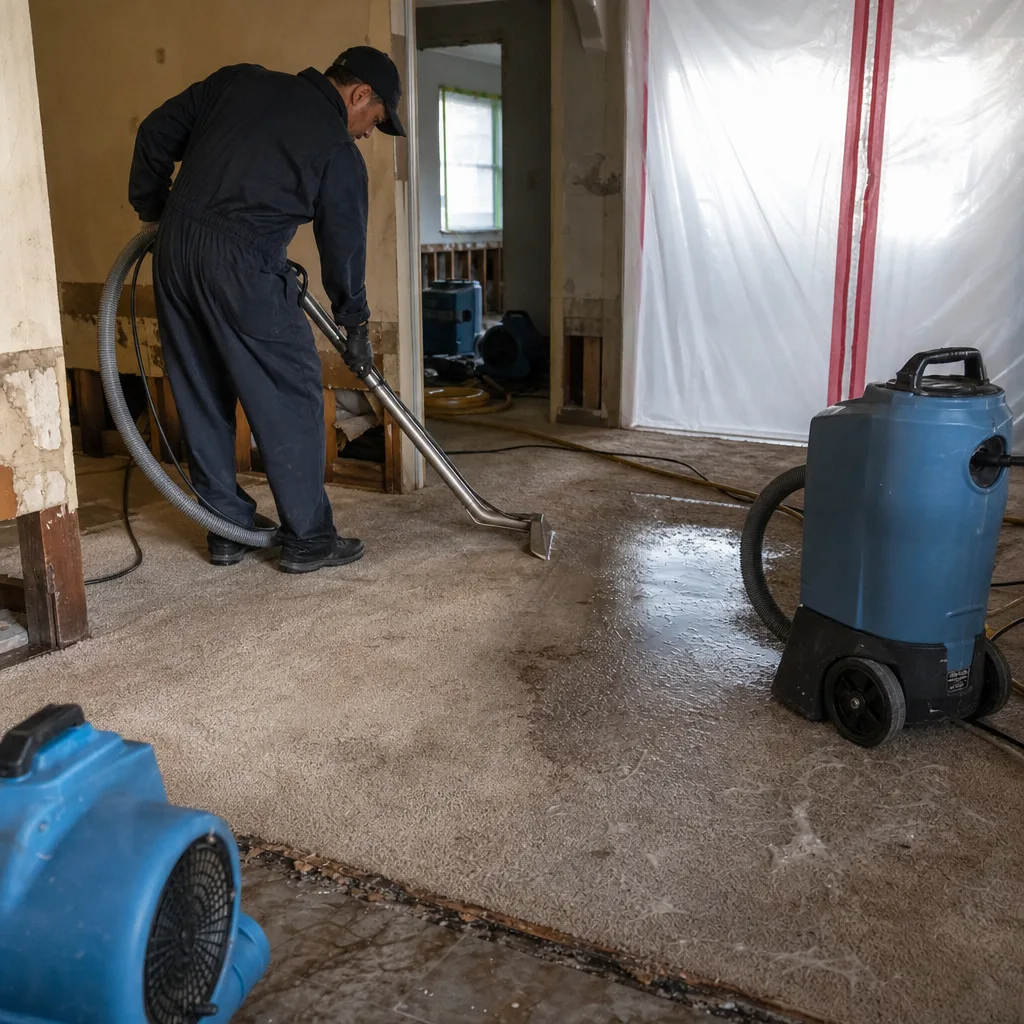
Restoration invoices break into five phases. Each carries its own unit costs, and each is reviewed separately by adjusters. Here’s what San Diego’s 2026 market looks like for a typical single-family residential job.
Phase 1: Water Extraction
This is the emergency response: standing water removal, often within hours of the loss event. Costs depend on volume and access, not time on site.
- Truck-mounted extraction (carpeted areas): $0.85-$1.40 per square foot
- Submersible pump setup (standing water >2 inches): $350-$650 per pump location
- Weighted extraction (pad-saturated carpet): $1.10-$1.75 per square foot
- Hard surface extraction (tile, concrete, slab): $0.55-$0.95 per square foot
Extraction is typically a same-day service. In our experience across San Diego County, from Chula Vista to Oceanside, extraction accounts for 8-15% of total mitigation cost but determines 60% of what follows. Incomplete extraction extends drying days and can convert a Category 1 loss to Category 2 through microbial amplification.
Phase 2: Drying Equipment Deployment
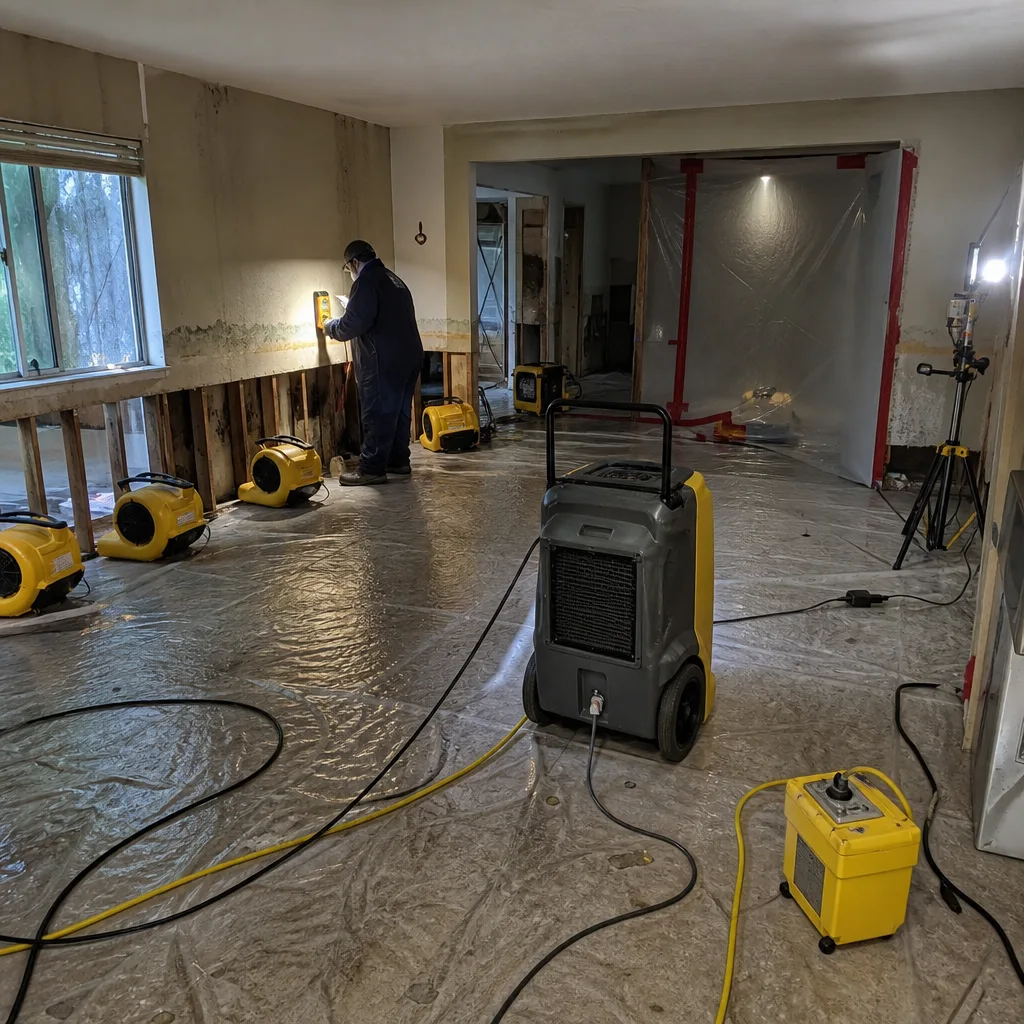
Air movers, dehumidifiers, and specialty drying equipment are billed by the day, with minimum deployment periods.
- Axial air mover (standard room drying): $25-$40 per day
- LGR dehumidifier (low-grain refrigerant, standard residential): $85-$140 per day
- Desiccant dehumidifier (large commercial or sealed environment): $220-$380 per day
- Injectidry hardwood floor drying system: $145-$220 per day
- Air scrubber/negative air machine (during demo or mold concern): $55-$90 per day
Equipment from Dri-Eaz, Phoenix, and XPOWER dominates professional deployment in San Diego. The specific unit matters: an LGR dehumidifier pulling 130 pints per day at 80°F/60% RH costs more per day than a standard refrigerant unit, but reduces drying day count by 30-50% in coastal conditions where standard units struggle to reach low specific humidity.
Phase 3: Daily Monitoring and Documentation
This is where documentation-complete and documentation-deficient files diverge. Every visit must produce: moisture readings per room, equipment inventory, psychrometric data, and photo documentation.
- Standard daily monitoring visit: $175-$285 per visit
- Remote monitoring system (wireless sensors, reduced visit frequency): $85-$145 per day system fee
- Third-party clearance testing (post-drying verification): $450-$750 per test
In San Diego’s 2026 market, we typically see 3-5 monitoring visits for a standard residential loss, or 5-8 days with remote monitoring reducing visit count. The documentation produced, drying logs and photo records, is what keeps these line items attached to your claim.
Phase 4: Controlled Demolition and Debris Removal
Removal of unsalvageable materials, with proper containment and disposal.
- Drywall removal (standard 1/2″ gypsum, up to 4 feet): $2.50-$4.50 per square foot of wall surface
- Insulation removal (blown cellulose or fiberglass batt): $1.85-$3.25 per square foot of ceiling/floor cavity
- Hardwood flooring removal (nailed, standard thickness): $3.50-$5.50 per square foot
- Tile and mortar bed removal: $6.50-$11.00 per square foot
- Contents manipulation and protection (furniture, belongings): $450-$850 per room
San Diego’s older neighborhoods often encounter lead-painted trim or asbestos-containing mastic beneath flooring. These trigger abatement protocols at $35-$65 per square foot, with third-party air monitoring adding $800-$1,500 per project. A written scope identifies these risks before demolition begins. An unscoped job discovers them mid-demo, with change orders and downtime.
Phase 5: Reconstruction and Build-Back
This is not emergency work. Reconstruction is scheduled, scoped, and priced like any remodeling project. Never promise same-day service here.
- Drywall installation and finish (Level 4): $3.50-$6.00 per square foot
- Paint (two coats, standard residential): $2.25-$3.75 per square foot
- Hardwood flooring replacement (mid-grade engineered): $8.50-$14.00 per square foot installed
- Tile flooring (porcelain, standard pattern): $12.00-$19.00 per square foot installed
- Baseboard and trim (paint-grade MDF): $3.50-$5.50 per linear foot
- Electrical fixture replacement (standard outlet/switch): $85-$150 per location
- Plumbing fixture reset (toilet, sink): $225-$425 per fixture
Total reconstruction in San Diego’s 2026 market typically runs $45-$125 per square foot depending on finish level, with coastal properties in Del Mar or Coronado often at the upper end due to material specifications and contractor availability.
The Five Variables That Move Your Invoice Up or Down
Within each phase, five variables determine where you land in the range. Understanding them lets you read a written scope with the same precision an adjuster applies.
1. Affected Square Footage (Not Structure Square Footage)
A 2,400 square foot house with a 400 square foot water-affected zone is a 400 square foot job for extraction and drying. The common error is pricing by structure size, which inflates estimates. Accurate scope measures water migration using thermal imaging and non-penetrating moisture meters, then confirms with penetrating probes at structural members. In San Diego’s slab-on-grade construction, water can migrate 20-30 feet laterally through concrete before appearing at the surface, so the visible wet spot is rarely the full affected area.
2. Water Contamination Category (1, 2, or 3)
Category 1: clean water from supply line. Category 2: gray water with significant contamination (dishwasher, washing machine). Category 3: black water (sewage, seawater intrusion, ground surface water).
Category 2 adds 15-25% to mitigation cost due to antimicrobial application and enhanced PPE/disposal. Category 3 adds 40-70% and typically requires removal of porous materials that Category 1 might salvage. San Diego’s canyon and coastal properties see Category 3 losses from hillside drainage failures and storm surge that inland markets rarely encounter. The category determination must be documented with photo evidence at arrival; it cannot be upgraded later to justify additional demo without adjuster challenge.
3. Construction Type and Access Difficulty
Post-tension slab construction (common in San Diego 1985-2010) prevents standard sub-slab drying and requires alternative strategies. Crawl space access in older Mission Hills or Kensington homes may require confined space entry protocols. High-rise condos in Downtown or Little Italy need elevator scheduling and water containment during transport. Each adds measurable line items: $400-$800 for post-tension drying adaptation, $650-$1,200 for confined space entry with atmospheric monitoring, $350-$600 per day for high-rise logistics.
4. Drying Day Count Driven by Moisture Readings
This is the variable homeowners control least but understand last. Drying continues until structural materials reach established dry standard, typically 12-16% moisture content for wood framing in San Diego’s climate, verified by calibrated moisture meters with species correction.
Each additional drying day adds:
- Equipment rental: $200-$500 per day (depending on count and type)
- Monitoring visit or remote system: $175-$285 per day
- Extended contents manipulation: $150-$300 per day
Proper equipment sizing and placement, documented with daily psychrometric data, minimizes day count. Undersized or poorly positioned equipment extends it. The difference between 4 days and 7 days on a standard residential job is $1,200-$2,400 in preventable cost.
5. Documentation Completeness
This variable doesn’t appear on competitor cost guides because it isn’t a line item. It’s a multiplier that affects whether every other line item gets paid. More on this in the next section.
How a Written Scope Changes the Final Number
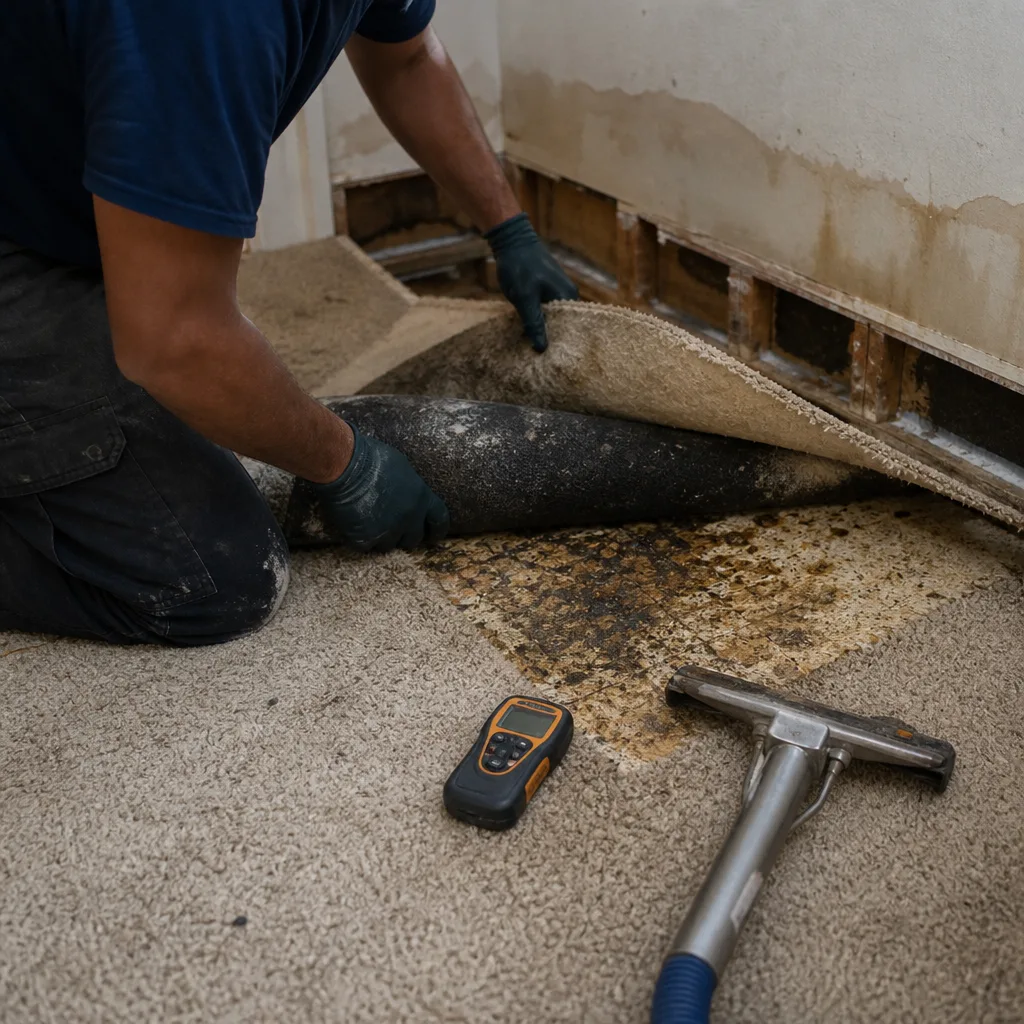
Haven Standard, Clause 1: written price before work begins. This isn’t marketing. It’s the single most effective cost control mechanism in restoration.
Our data from 12,000+ jobs since 2011 shows a consistent pattern. Jobs that begin with a written scope, signed by both parties, invoice within 8% of that scope 94% of the time. Jobs without a written scope, where work begins on verbal authorization or “emergency approval,” invoice 30-40% higher than the initial verbal estimate in 73% of cases.
The mechanism is scope creep. An unscoped job proceeds through these predictable expansions:
- Day 1: Emergency extraction begins on verbal approval. Crew discovers “more extensive than expected” wet areas. Additional equipment deployed without written authorization.
- Day 2-3: Monitoring reveals “structural concern” requiring additional demo. Homeowner approves verbally, under pressure, with water still in the structure.
- Day 4-5: Reconstruction estimate arrives, often from a different division or subcontractor, with no relationship to the mitigation pricing.
- Final invoice: 30-40% above any number the homeowner recalls agreeing to, with disputed items labeled “necessary due to conditions.”
A written scope prevents this by requiring documentation of conditions before work starts. The thermal image showing water migration. The moisture reading at each probe point. The photo of the Category 3 water source. These establish the baseline that controls the ceiling. Change orders are still possible, but they require the same documentation standard, and they require signature.
In San Diego’s insurance market, this distinction has sharpened. California Department of Insurance Bulletin 2024-3 emphasizes policyholder protection from “estimate escalation practices” in property claims. A written scope before work begins is now a regulatory expectation, not merely a best practice. Contractors who cannot produce one are increasingly subject to post-claim scrutiny that delays payment and leaves homeowners in the middle.
Xactimate Line Items in Plain Language
Most San Diego restoration invoices are built in Xactimate, the pricing database used by insurance carriers and contractors. Understanding the line item structure helps you read your scope and challenge discrepancies.
Here are the most common items, what they mean, and which are most frequently challenged in California claims review:
- WTR WALL (Water Damage – Wall): Drying and restoration of wall cavities. Challenged when no moisture readings at studs are documented. Ensure your contractor logs readings at 24-inch intervals, top and bottom plate.
- WTR FLOOR (Water Damage – Floor): Drying of floor systems. Frequently disputed for hardwood when psychrometric data doesn’t show vapor pressure differential sufficient for bound water removal. Injectidry or mat system deployment should be specifically noted.
- DEM (Demolition): Controlled removal of unsalvageable materials. Challenge risk: demo beyond the visibly affected area without thermal imaging documentation. Every square foot of demo should trace to a documented moisture reading or material classification.
- CLN (Cleaning): Antimicrobial application, HEPA vacuuming, surface treatment. Disputed when no product specification or application method is noted. Your scope should name the antimicrobial ( Benefect, Concrobium, etc.) and application method (fog, spray, wipe).
- EQP (Equipment): Daily rental of drying equipment. The most challenged line item category in California. Adjusters reduce or remove equipment days when daily drying logs are absent. Each day must show: equipment count and type, relative humidity, temperature, specific humidity (grains per pound), and moisture content readings at affected materials.
- MTR (Monitoring): Technician visits for progress documentation. Disputed when visits exceed the drying day count without justification, or when no moisture reading trend is shown. A proper log demonstrates declining moisture content; flat or rising readings without equipment adjustment justify challenge.
The line items most frequently reduced in California review, in order: equipment days without drying logs, demo beyond documented moisture boundaries, and antimicrobial application without contamination category justification. Each of these is preventable with documentation discipline.
Documentation-Complete vs. Documentation-Deficient: The Dollar Difference
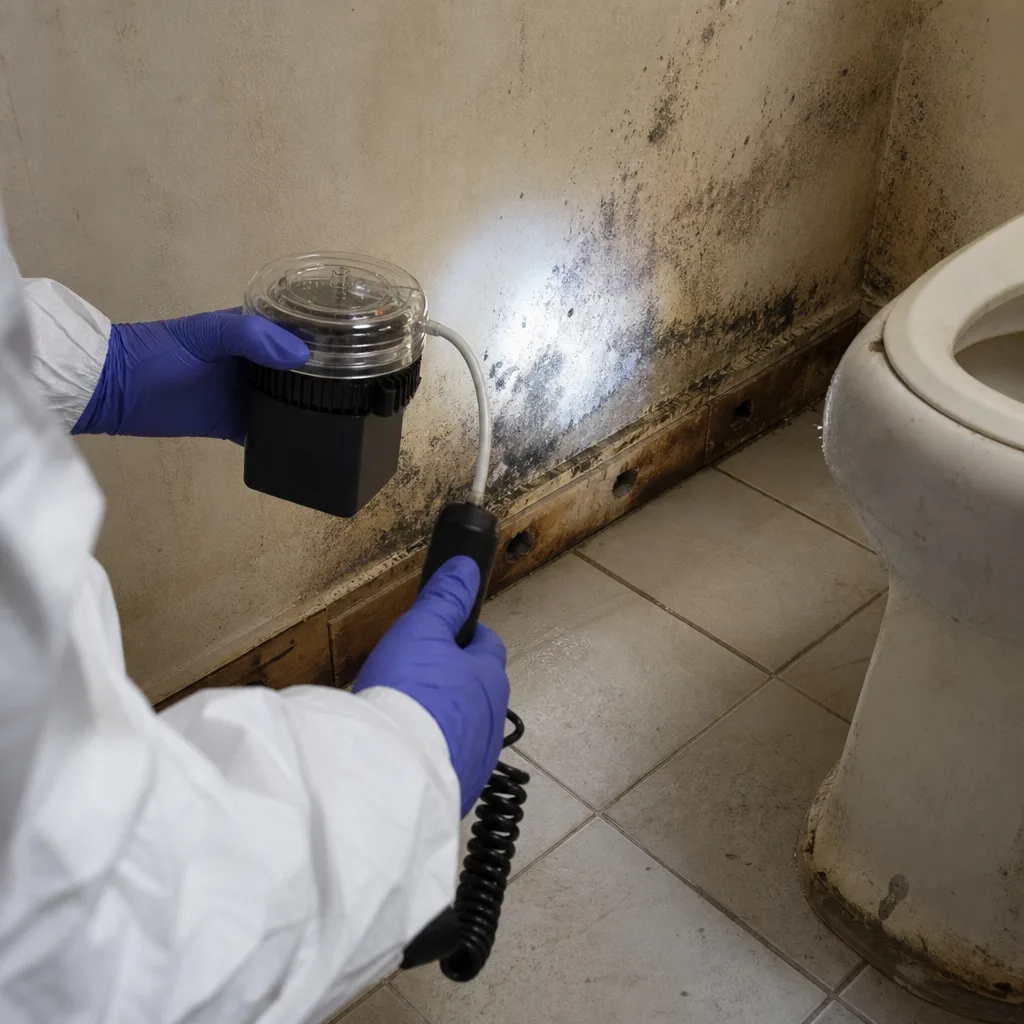
This is where the 22% adjuster reduction becomes personal. Here’s what missing documentation costs in specific dollar amounts, drawn from our review of denied and reduced claims in San Diego County.
Missing Drying Logs: $800-$3,200 Typical Reduction
An invoice shows 5 days of dehumidifier and air mover rental at $340 per day. The adjuster requests daily drying logs. The contractor produces none, or produces logs with only equipment count and no moisture readings. The adjuster reduces equipment days to 3, or removes the line item entirely, citing “unverified necessity.” The homeowner absorbs $680-$1,700, or disputes the reduction and faces 60-90 day payment delay.
Absent Clearance Testing: $450-$1,500 Out of Pocket
Post-mitigation or post-remediation clearance testing (air sampling, surface sampling, or ERMI/HERSTMI-2 dust analysis) is the documentation that proves the job achieved dry standard or acceptable fungal ecology. Without it, the adjuster or property owner has no evidence that additional drying or cleaning wasn’t needed. In mold remediation, clearance is often a policy requirement for coverage continuation. Skipping it to “save money” typically costs the full test amount plus re-treatment if conditions persist.
Unphoto’d Demo: $1,200-$4,500 Typical Challenge
Demolition of 300 square feet of drywall and insulation, invoiced at $3.75 per square foot. The adjuster requests pre-demo and post-demo photos showing the affected area and the completed removal. The contractor has no photos, or has only arrival photos showing standing water with no material removal documentation. The adjuster challenges the square footage, often proposing 150 square feet based on visible evidence. The homeowner faces $562-$2,250 in disputed demo, or accepts the reduction.
No Written Scope: 30-40% Invoice Escalation
As documented above, the absence of a written scope before work begins is the strongest predictor of final invoice exceeding expectation. This isn’t adjuster reduction; it’s contractor escalation. The mechanism is uncontrolled change orders, undocumented equipment additions, and reconstruction pricing disconnected from mitigation scope. The dollar impact is 30-40% above any initial estimate, with no external party to appeal to.
The Documentation-Complete Alternative
A documentation-complete file contains: written scope signed before work begins, with line-item pricing; photo record on every visit, time-stamped and geotagged; daily drying logs with moisture readings, psychrometric data, and equipment inventory; third-party clearance testing where indicated; and a final invoice that references each document by date and page. This file pays at scope 94% of the time, with disputes resolved in days rather than months. For additional guidance, explore our more guides & resources.
At DryMark Restoration San Diego home, we produce this file as standard, not as an upsell. It’s the documentation that turns restoration invoices into payable claims.
Common Mistakes to Avoid
- Approving emergency work without a written scope. The pressure to stop water damage is real, but verbal authorization opens the door to unlimited escalation. Insist on a written scope with line-item pricing before equipment placement, even if extraction is already underway. Haven Standard, Clause 1 exists for this moment.
- Accepting “we’ll bill insurance” as pricing transparency. Insurance billing doesn’t eliminate your deductible, your coverage limits, or your obligation for amounts beyond policy limits. You need the same written scope whether insurance is involved or not.
- Ignoring material age and construction type in scope review. San Diego’s pre-1980s housing stock contains materials that trigger abatement costs 3-5x standard demo. A scope that doesn’t identify construction era hasn’t been written with local knowledge.
- Skipping third-party clearance to save money. This is particularly costly in mold remediation, where post-remediation verification is often a policy condition. The $600-$900 clearance test prevents the $3,000-$8,000 re-treatment when hidden growth is discovered months later.
- Not requesting equipment logs during the job. Daily drying logs should be available on request, not just at invoice. Reviewing them mid-job lets you verify that drying is progressing and that equipment isn’t being retained unnecessarily.
- Confusing mitigation with reconstruction in timeline expectations. Mitigation is emergency work with same-day response. Reconstruction is scheduled work with material lead times, permit requirements, and inspection scheduling. A contractor promising same-day reconstruction is either misinformed or misrepresenting.
- Failing to document pre-existing conditions. Photo documentation of undamaged areas before work begins protects against claims that damage was caused by restoration rather than the loss event. This is standard in our process, but not universal in the market.
When to Call a Professional
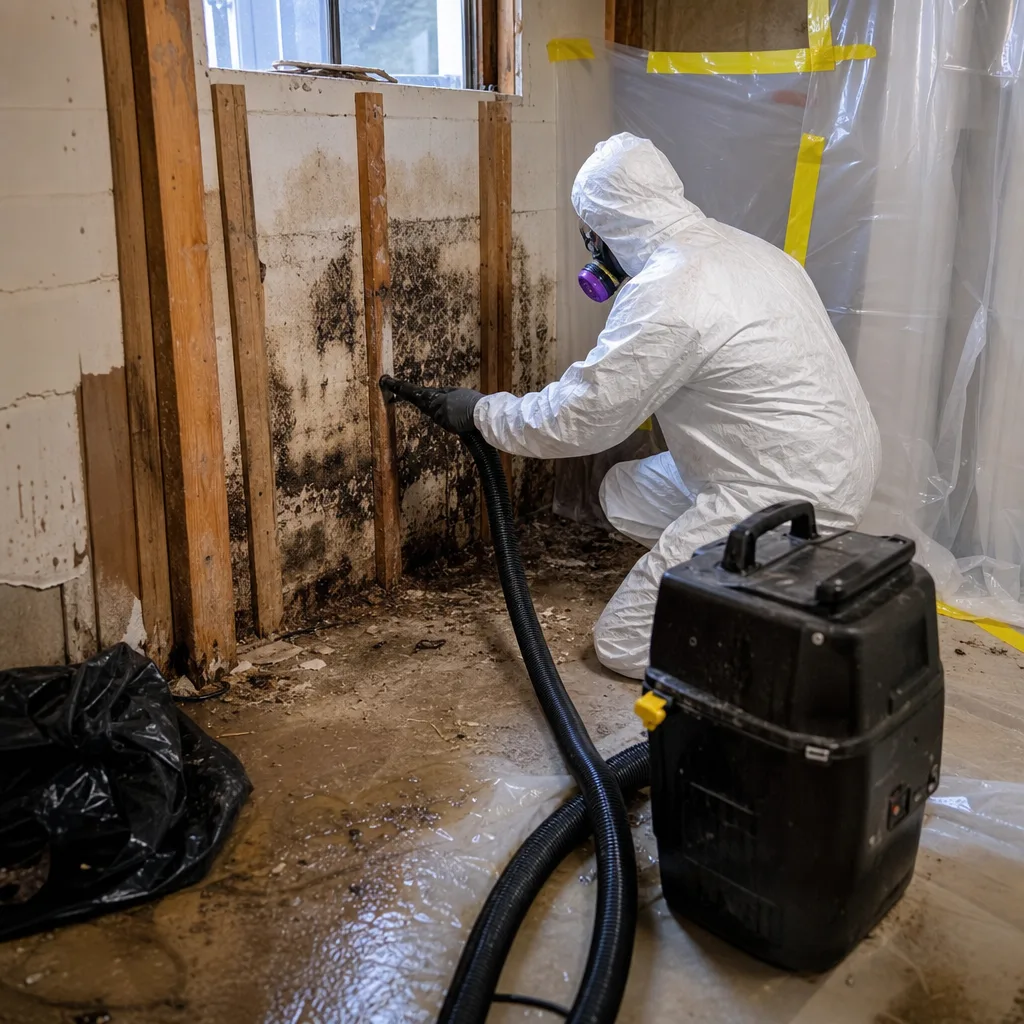
Call when water has affected materials you cannot see through, when the source is Category 2 or 3, when the affected area exceeds 50 square feet, or when mold is visible or suspected. Call when your insurance policy requires professional mitigation for coverage, which is standard in most San Diego homeowner policies for losses beyond minor incidental water.
Call when you need a written scope before work begins, documented photo records on every visit, and a 365-Day Done Right Promise backed by The Haven Standard. Water Damage Restoration in San Diego is our core service, with live phone coverage 24 hours a day, 7 days a week, and no voicemail on emergency lines.
DryMark Restoration San Diego offers free estimates in San Diego. For a written scope with line-item pricing before any work starts, call (619) 330-9541.
Frequently Asked Questions
Standard residential mitigation runs $3,200-$8,500 for extraction, drying, and monitoring, with reconstruction adding $45-$125 per square foot. The final number depends on affected square footage, water category, construction type, drying day count, and whether a written scope preceded work. Call (619) 330-9541 for a written estimate with line-item pricing - estimates are free.
Most San Diego homeowner policies cover sudden and accidental water damage from internal sources, but exclude gradual leaks, flood, and sewer backup unless specifically endorsed. Coverage is increasingly conditional on professional mitigation with documented drying logs. We coordinate directly with adjusters and provide the photo-documented, line-item invoicing that supports claim payment. Bring any competitor’s written estimate for a free second opinion.
Emergency extraction is typically same-day in San Diego County, with response times under 2 hours for most metro locations during normal conditions. Reconstruction is not emergency work and is scheduled after scope approval, permit acquisition where required, and material ordering. Speed language applies to mitigation only. Call (619) 330-9541 for current emergency response availability.
Cleaning addresses surface contamination. Remediation addresses contamination that has penetrated materials or established biological growth. The determination requires moisture readings, material sampling, and contamination category classification, not visual inspection alone. A written scope should document the specific findings that justify each level of response. We provide free second opinions on any competitor’s written estimate if you’re uncertain about the recommended scope.
We do. Our documentation - daily drying logs, photo records, moisture readings, and line-item invoicing - is formatted for direct adjuster submission. We coordinate scope review, supplemental documentation, and payment timing. You remain the policyholder and must authorize all work, but the administrative burden of documentation and negotiation is ours. This is standard on every job, not an additional service.
Different variables: affected square footage, water category, construction type, drying day count, and documentation standard. A lower quote may reflect smaller affected area, Category 1 versus Category 3 water, or a contractor who hasn’t accounted for hidden moisture migration. It may also reflect a contractor who doesn’t produce drying logs, leaving you exposed to adjuster reduction. The meaningful comparison is line-item scope, not bottom-line number. We review competitor estimates at no charge.
A complete file contains: written scope with line-item pricing, signed before work begins; photo record on every visit, time-stamped; daily drying logs with moisture readings and psychrometric data; equipment inventory with deployment and retrieval dates; third-party clearance testing where indicated; and final invoice referencing each document. At DryMark Restoration San Diego, this is standard deliverable, never an upsell. Ask any contractor what specific documents you’ll receive and when - before authorizing work.
The Bottom Line
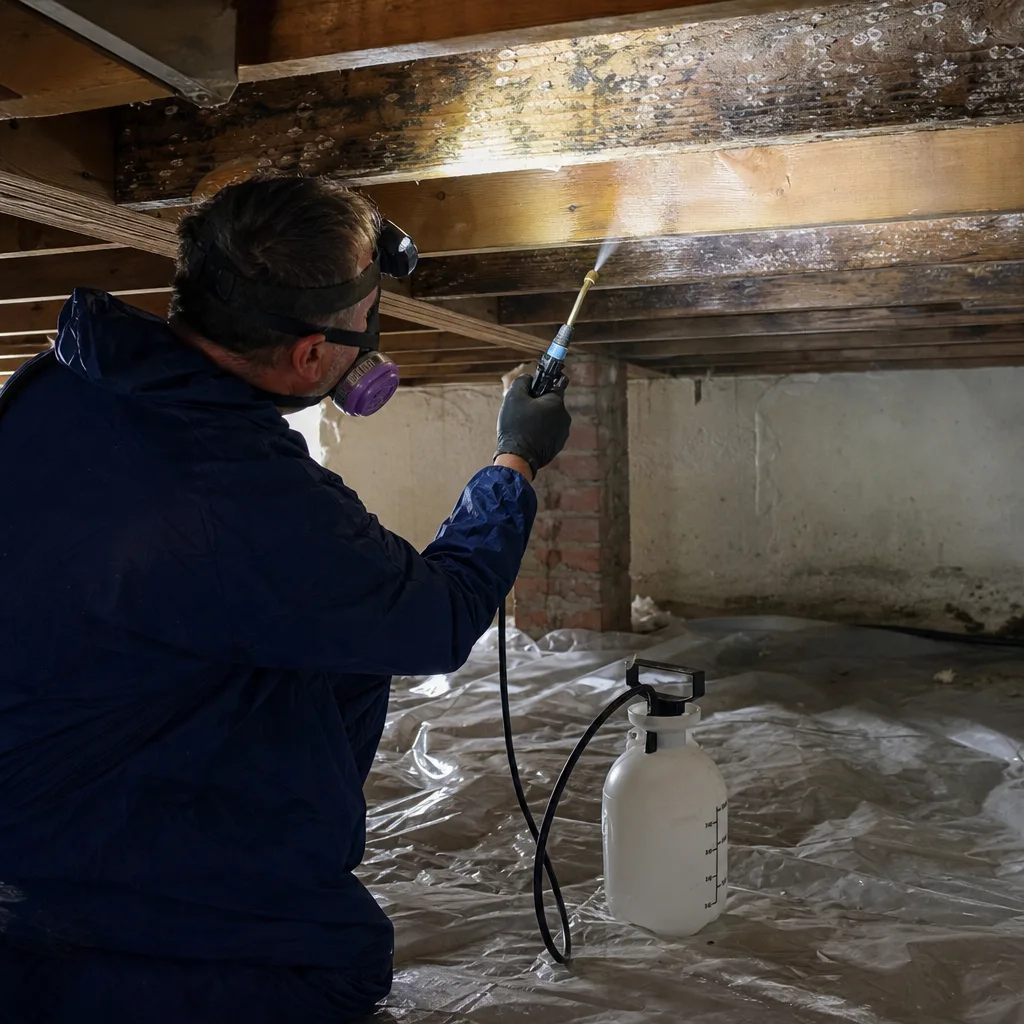
Restoration pricing in San Diego’s 2026 market is knowable, controllable, and defensible when broken into phases and documented line by line. The 22% average adjuster reduction on undocumented invoices is avoidable. The 30-40% escalation on unscoped jobs is preventable. The specific variables - square footage, water category, construction type, drying day count, and documentation completeness - are measurable before work begins and verifiable as work proceeds. A written scope with line-item pricing, delivered before the first fan is placed, is the foundation. Everything else builds from there.
For Mold Remediation in San Diego, Fire & Smoke Damage Restoration in San Diego, or any damage restoration need, the documentation standard remains the same: written price before work begins, photo record on every visit, and a 365-Day Done Right Promise under The Haven Standard.
Written by Alicia Brennan, Owner at DryMark Restoration San Diego, serving San Diego since 2011.