
Last updated September 23, 2026
Free visual inspection and a written scope of work before any mitigation begins - photos, moisture readings, and drying logs go in your claim file
The scope we write is the scope we bill. Anything new gets shown to you, in writing, before we touch it.

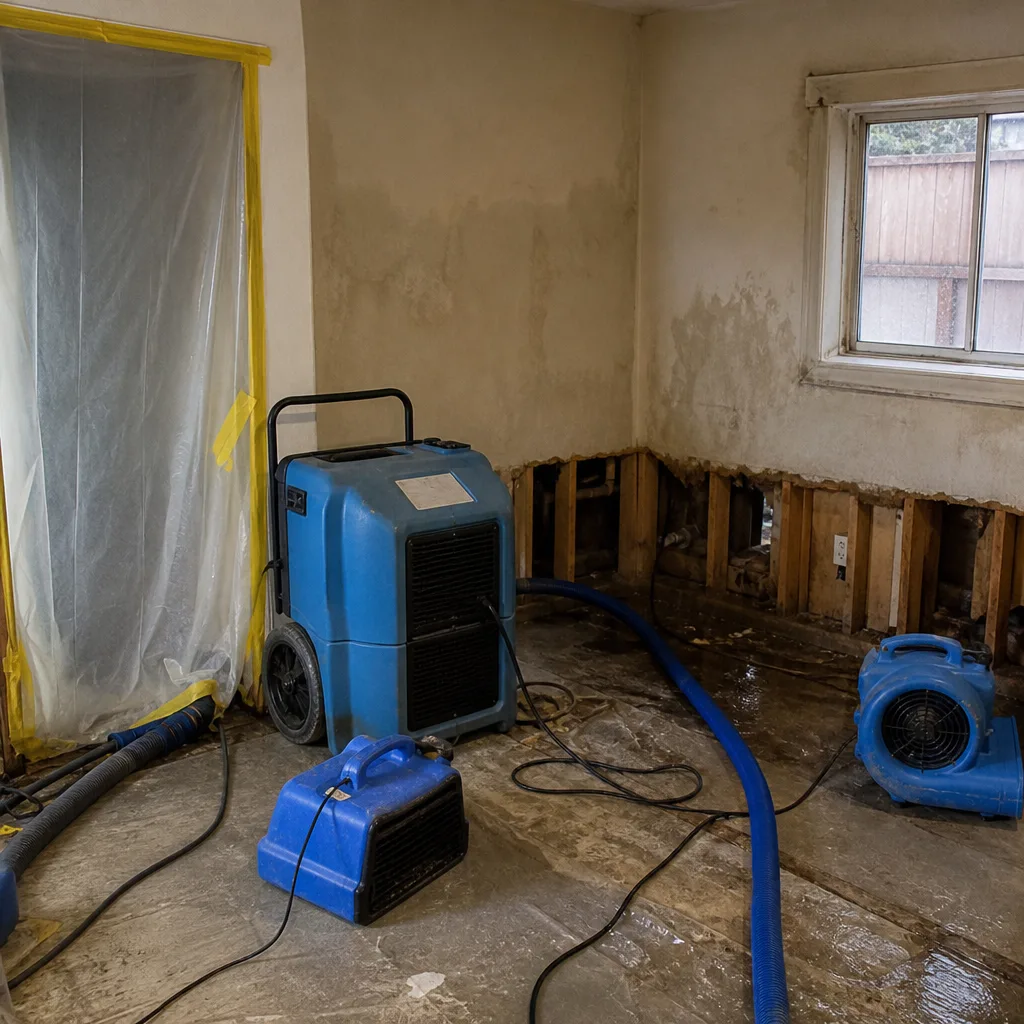 Before
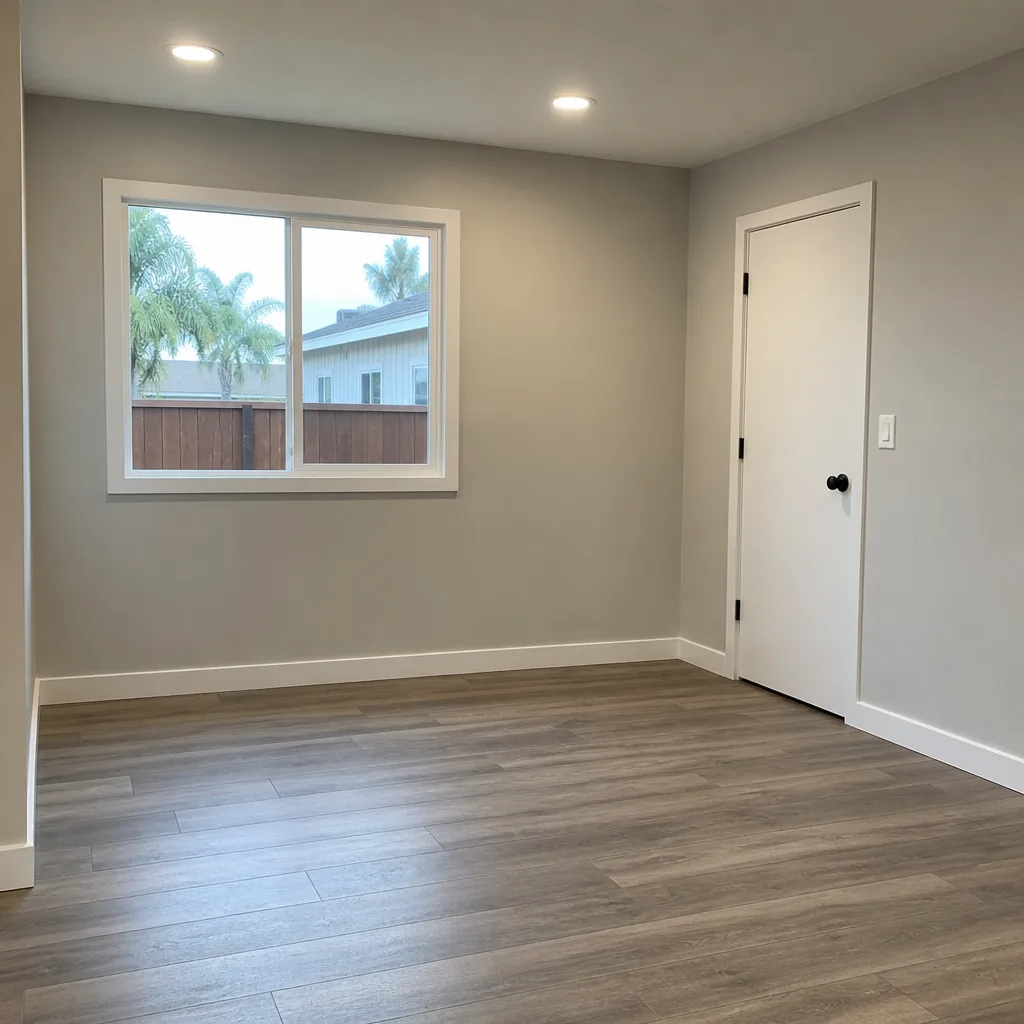 After
After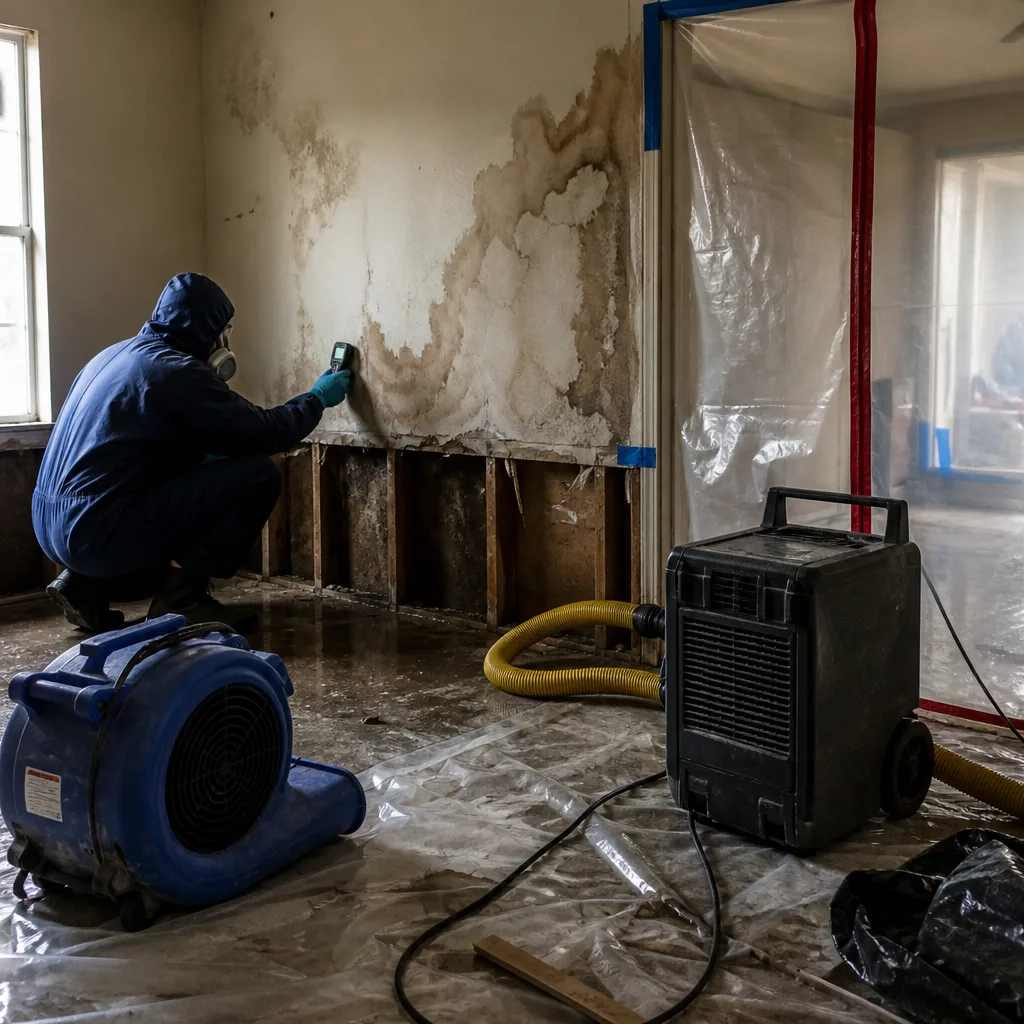 Before
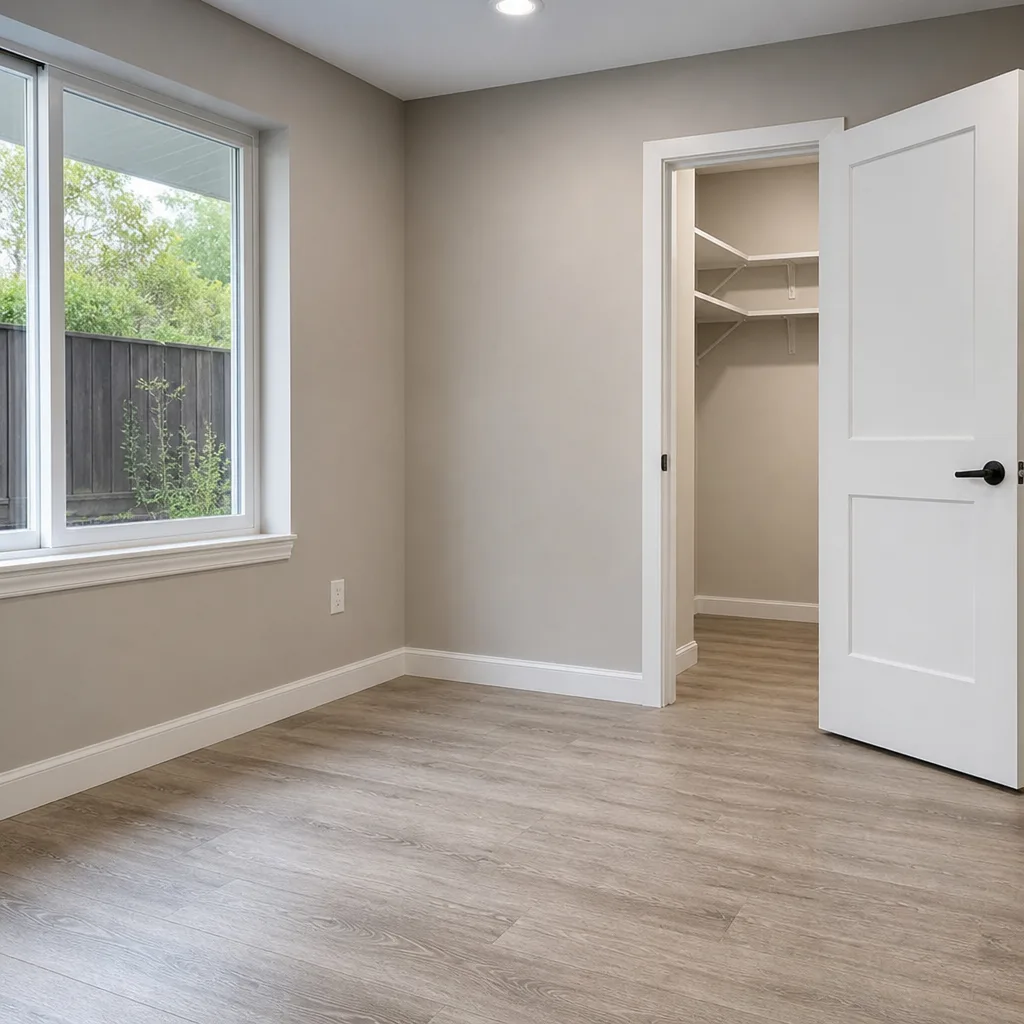 After
After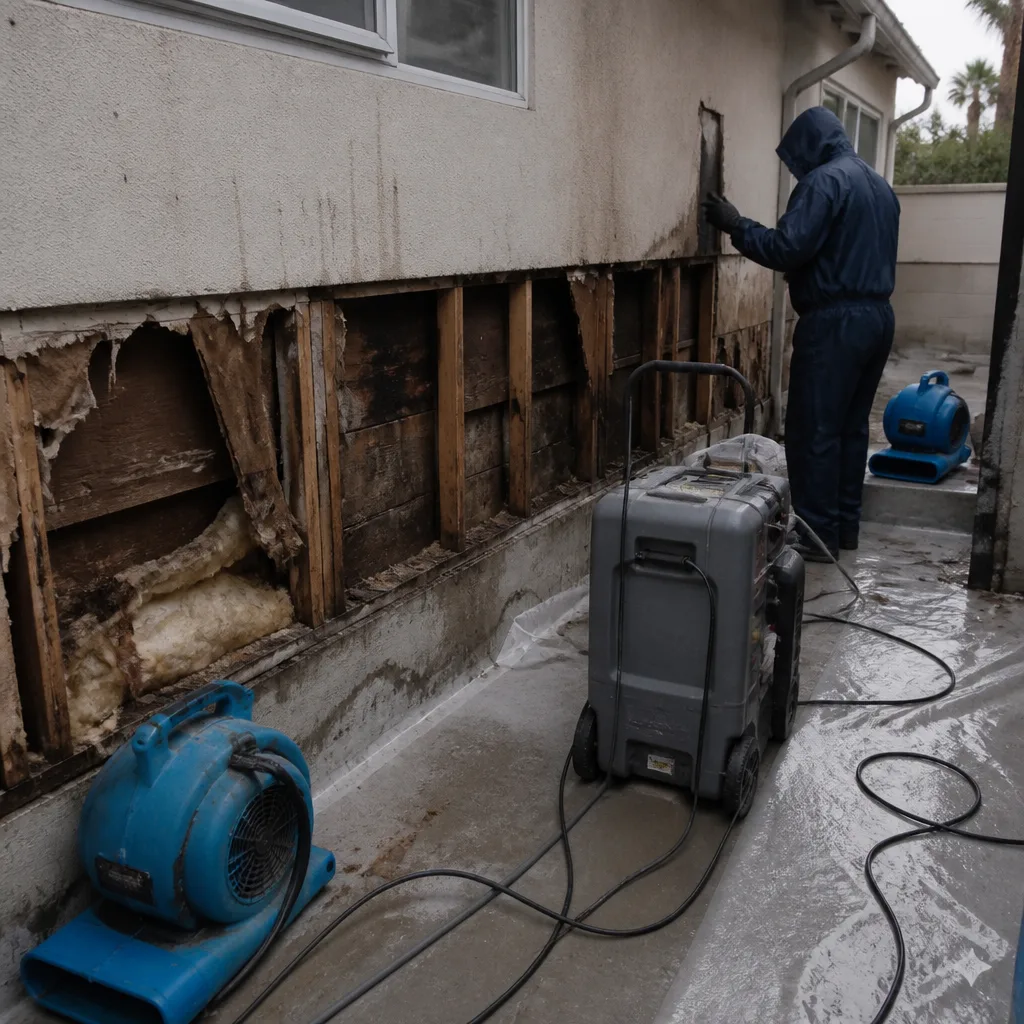 Before
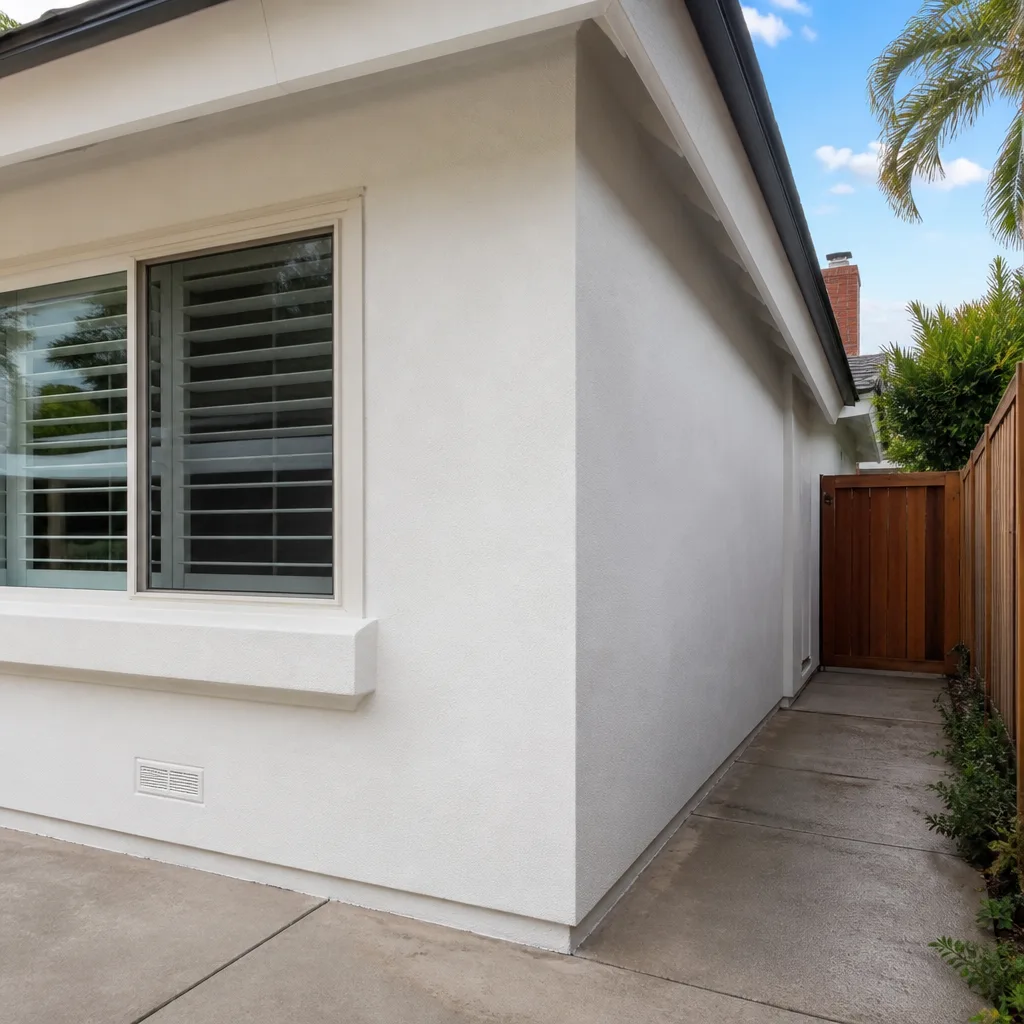 After
AfterDIY vs Professional Damage Restoration: The San Diego Homeowner’s Decision Guide
A San Diego homeowner rented a consumer dehumidifier from a big-box store in Mission Valley, dried what looked like a simple bathroom leak over one weekend, and filed a claim for damaged contents. The insurer denied the contents portion entirely. Why? No moisture log existed showing pre- and post-drying readings. Without documented proof of the original moisture conditions, the adjuster could not establish that the damage occurred during the covered event rather than from pre-existing conditions or incomplete drying. The homeowner saved roughly $400 on equipment rental and transferred a $12,000 loss to their own pocket. In this guide, we’ll show you the exact line where DIY restoration becomes a documentation failure that California insurers won’t forgive, and how to decide correctly before you start. For more guidance on selecting qualified help, see our related resources.
Quick Answer
DIY damage restoration is defensible in San Diego only when the work produces documentation that meets California insurance standards: dated moisture readings, photo evidence with measurement context, and a written scope of materials affected. For Category 2 or 3 water damage, mold exceeding 10 square feet, fire and smoke damage, or any loss you intend to claim, professional restoration is typically required because consumer equipment cannot generate the psychrometric data and drying logs adjusters require to approve payment.
Table of Contents
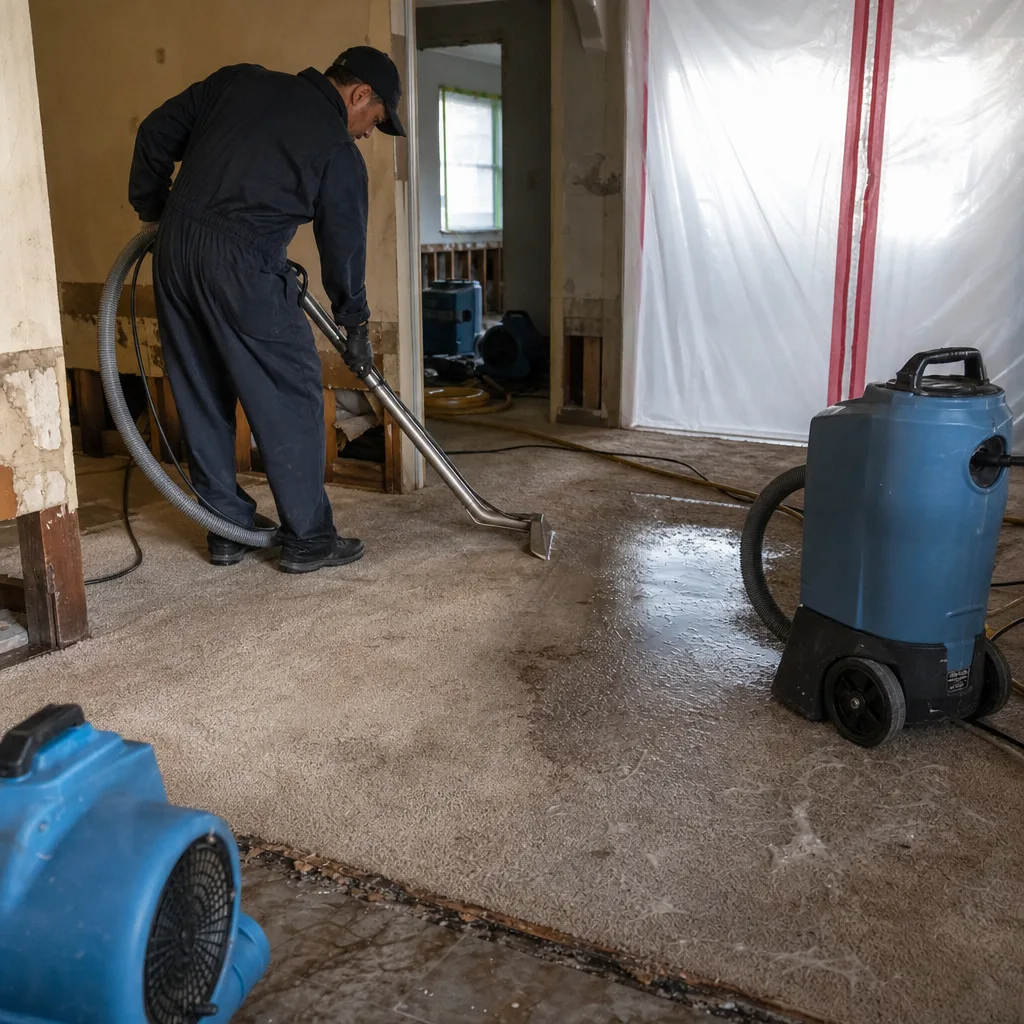
- The Documentation Gap: Why DIY Fails at the Adjuster’s Desk
- Three Restoration Scenarios Where DIY Is Defensible
- Three Scenarios Where DIY Creates Claim Liability
- Consumer vs. Professional Equipment: The Drying Data Difference
- California Mold Law and the Square-Footage Threshold
- The Four-Question Decision Framework
- The Records Your DIY Restoration Must Produce
- Common Mistakes to Avoid
- When to Call a Professional
- Frequently Asked Questions
- The Bottom Line
BeforeAfterThe Documentation Gap: Why DIY Fails at the Adjuster’s Desk
We built DryMark Restoration San Diego home around a problem Alicia Brennan saw repeatedly during her years as a claims adjuster: homeowners who performed reasonable, good-faith restoration work but received partial or full claim denials because they could not produce the documentation their policy required. The work itself wasn’t the issue. The record was.
California insurance policies, and the adjusters who administer them, operate on a simple principle. The burden of proof lies with the policyholder. You must demonstrate that damage occurred during a covered event, that the damage was addressed promptly and completely, and that the costs claimed were both necessary and reasonable. A professional restoration company generates this proof as a byproduct of standard work. A DIY restoration typically does not.
Consider what happens after a water loss in a San Diego home. The adjuster receives your claim and requests documentation. A professional response includes: a moisture content report showing readings at time of arrival (typically 48 hours or less from the loss), daily psychrometric logs tracking temperature, relative humidity, and specific humidity (measured in grains per pound) throughout the drying period, a photo record with measurement context (a moisture meter in frame showing the reading on the affected material), and a written scope detailing exactly what materials were removed, why, and what drying equipment was deployed for how many days.
A typical DIY response? “I rented a dehumidifier and ran it for three days. The carpet felt dry.” The adjuster cannot verify the original moisture conditions, confirm that drying reached completion, or validate that secondary damage did not occur due to incomplete remediation. The claim gets reduced or denied not because the homeowner did poor work, but because the work cannot be verified.
This documentation gap is especially costly in San Diego’s housing market, where median home values in neighborhoods like La Jolla, Del Mar, and Rancho Santa Fe mean that even modest water damage can affect high-end finishes, custom cabinetry, and specialized building systems. A denied or underpaid claim on a $2 million property represents a larger absolute loss than the same percentage reduction on a median-priced home elsewhere in the country.
The Haven Standard, which governs every job we perform, was designed specifically to close this gap. Haven Standard, Clause 1 requires a written price before work begins. But equally important is the documentation protocol that follows: daily moisture logs, photo records on every visit, and a final report that an adjuster can read in five minutes and approve in ten. DIY restoration, by its nature, rarely produces this deliverable.
Three Restoration Scenarios Where DIY Is Defensible
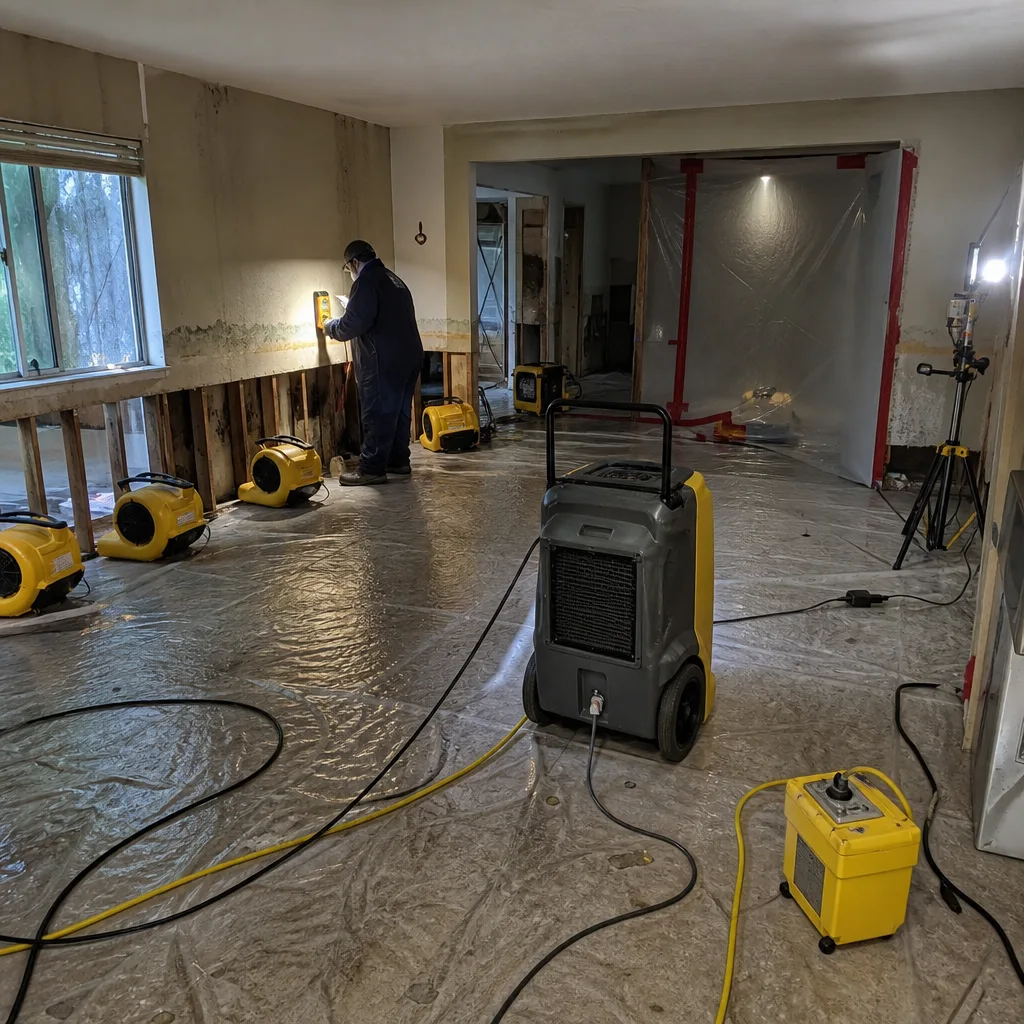
DIY restoration is not universally inadvisable. In specific, narrow circumstances, a homeowner can perform the work, generate adequate documentation, and preserve their claim position. These three scenarios share a common feature: the documentation burden is low, the technical complexity is manageable with consumer tools, and the risk of hidden damage is minimal.
1. Category 1 Water Damage Under 10 Square Feet on Hard Surfaces
Category 1 water, or “clean water,” originates from a sanitary source: a broken supply line, an overflowing sink with no contaminants, or a tub overflow without cleaning products in the water. When this affects less than 10 square feet of hard, non-porous surface - tile, sealed concrete, vinyl plank - the remediation is straightforward. Remove standing water with a wet/dry vacuum. Clean the surface with a detergent solution. Dry with air movement and a consumer dehumidifier. Document with dated photos showing the water source, the affected area, and the dry condition afterward.
The key documentation requirement: photos with a measurement reference. Place a ruler or tape measure in frame. Note the date and time. If you later discover mold or subfloor damage, these photos establish that the original event was minor and properly addressed, protecting you from claims of negligence.
2. Surface-Only Soot Removal After Minor Kitchen Smoke
A small cooking fire that produces light, dry soot on hard surfaces in a single room can sometimes be addressed without professional intervention. Use a dry sponge (chemical sponge) on walls and ceilings. Clean hard surfaces with appropriate cleaners for the material. HEPA-vacuum all surfaces. Document with photos showing soot coverage before cleaning and clean condition after.
Critical caveat: if the fire involved plastics, synthetic materials, or produced oily soot, stop and call a professional. Oily soot requires solvent cleaning that can drive residues deeper if performed incorrectly, and the odor compounds involved will persist and migrate through HVAC systems. In San Diego’s climate, where homes often run air conditioning for extended periods, soot particles can distribute throughout the entire structure via the duct system.
3. Temporary Stabilization Measures Before Professional Arrival
While not full restoration, certain immediate actions are both appropriate and expected by insurers. Shut off the water source. Remove standing water with available tools. Move unaffected contents from the affected area. Place aluminum foil or wood blocks under furniture legs on wet carpet. Document everything with photos before moving anything.
These measures do not replace professional restoration. They reduce the scope of damage and demonstrate to the adjuster that you mitigated your loss promptly, which insurers require under policy conditions. The documentation you generate here - photos with timestamps, notes on actions taken - becomes part of the claim file and supports your position as a responsible policyholder.
Three Scenarios Where DIY Creates Claim Liability
These three categories of damage share a different feature: the documentation requirements exceed consumer capability, the technical complexity creates hidden damage risks, or California law imposes obligations that DIY work cannot satisfy. In each case, self-remediation transfers cost from the contractor’s invoice to the homeowner’s out-of-pocket loss, often without the homeowner realizing the transfer has occurred until the claim is denied.
1. Category 2 or 3 Water Damage
Category 2 water, or “gray water,” contains significant contamination: dishwasher discharge, washing machine overflow, sump pump failures. Category 3, or “black water,” includes sewage, seawater, or rising flood water. Both categories require antimicrobial treatment, controlled demolition of affected porous materials, and specialized drying protocols that consumer equipment cannot execute.
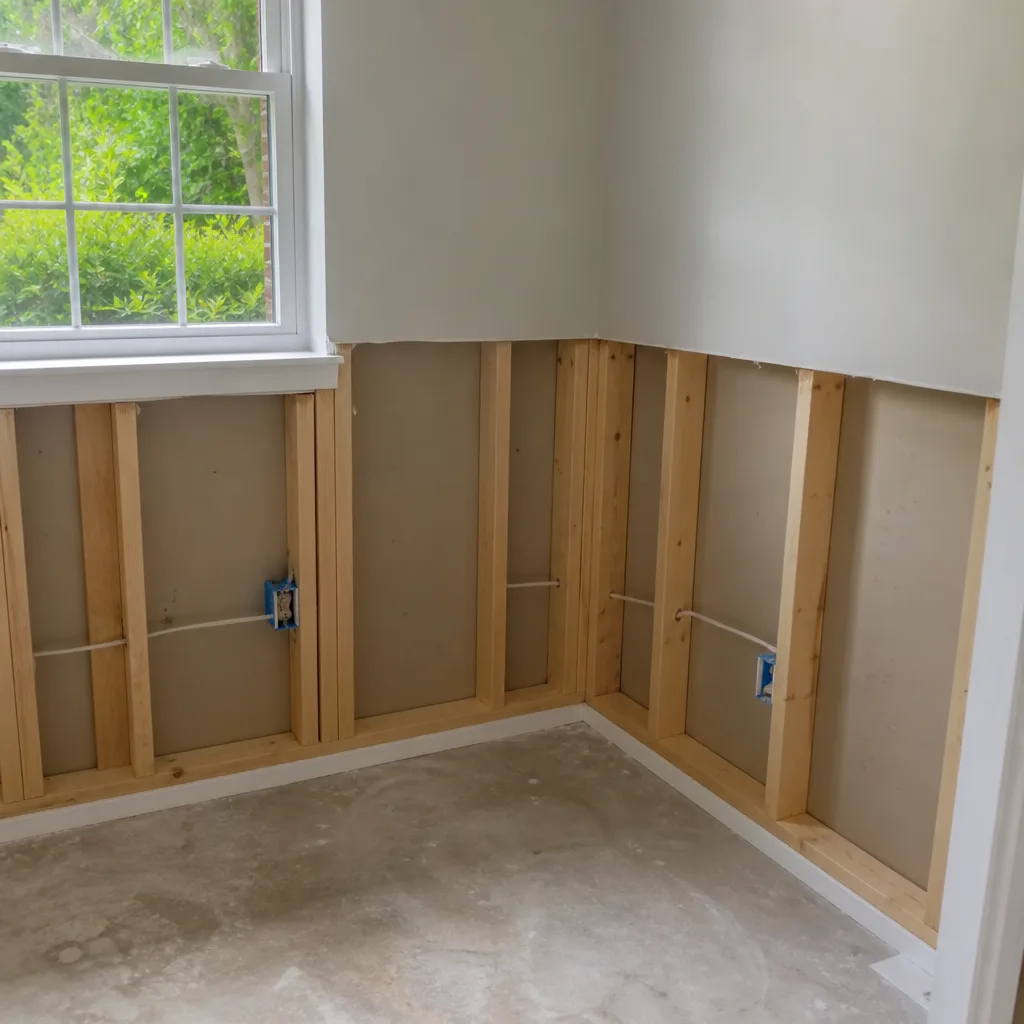
The documentation issue is severe. Adjusters expect to see: material classification by porosity and contamination level, antimicrobial application records with product name and EPA registration number, and verification that drying reached acceptable moisture content levels for the specific material class. A homeowner who removes wet drywall without documenting its condition, classification, and the reason for removal has created a gap the adjuster will exploit to reduce the structural payment.
In San Diego, Category 3 events are more common than many homeowners expect. Aging sewer infrastructure in neighborhoods like North Park and South Park creates backup risks. Storm surge and coastal flooding affect properties from Imperial Beach to Oceanside. The 2023 and 2024 winter storms produced widespread Category 3 losses in low-lying areas where seawater intrusion combined with rainfall. These events require professional Water Damage Restoration in San Diego with the equipment and documentation protocols to produce payable claims.
2. Mold Remediation Exceeding 10 Square Feet
California’s mold disclosure laws create a specific liability trap for DIY remediation. Under the Toxic Mold Protection Act and related regulations, mold growth exceeding 10 square feet in a residential property triggers remediation requirements that, if not properly documented, must be disclosed to future buyers and can affect insurability. Professional remediation with documented clearance testing provides a defensible position. DIY remediation without documentation leaves the homeowner exposed to future claims of inadequate remediation and potential health impacts.
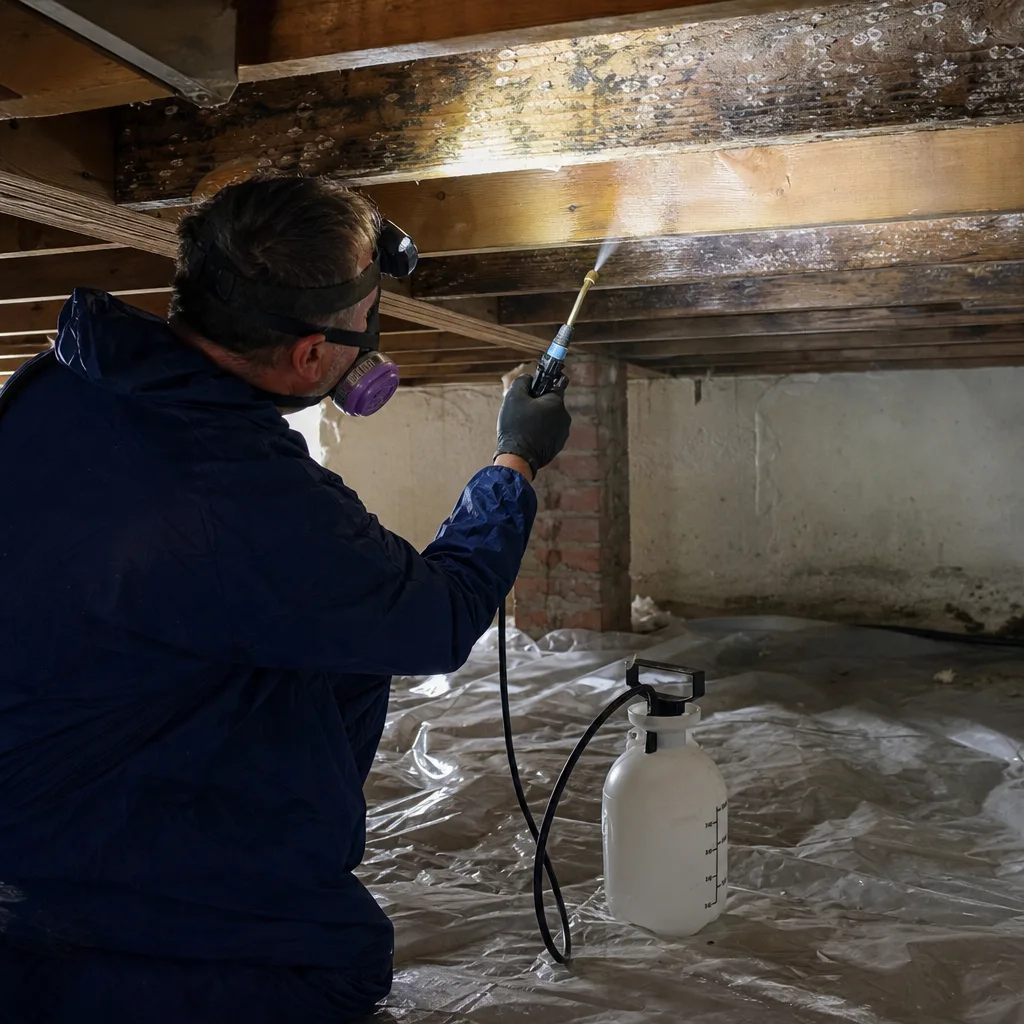
The technical issue compounds the legal one. Mold remediation requires containment, negative air pressure, HEPA filtration, and proper removal and disposal protocols. Consumer equipment cannot establish negative pressure or achieve the air exchange rates required for safe, effective remediation. More critically, without air sampling and surface sampling before and after remediation, there is no documentation that the mold was fully removed and the environment restored to normal fungal ecology.
We’ve reviewed competitor estimates where the scope omitted containment entirely, or where “remediation” consisted of spraying bleach on visible growth. Both approaches fail to address hidden colonization and produce no documentation that would survive adjuster scrutiny. Mold Remediation in San Diego requires professional execution to protect both health and claim value.
3. Fire and Smoke Damage Beyond Surface Soot
Fire damage involves multiple overlapping technical domains: structural assessment, smoke residue classification (dry, wet, protein, or fuel-oil), odor compound neutralization, and HVAC system decontamination. Each requires specific expertise and generates specific documentation.
Smoke residues are classified by their ionization properties and the surfaces they affect. Dry smoke from fast-burning, high-temperature fires produces powdery residues that can be brushed or vacuumed. Wet smoke from slow-burning, low-temperature fires produces sticky, smeary residues that require solvent cleaning and often abrasive techniques. Protein fires from kitchen incidents produce nearly invisible residues with intense odors that require specialized neutralization. A homeowner who misidentifies the residue type and applies incorrect cleaning methods can set the damage permanently and destroy the documentation trail.
The documentation requirements for fire claims are extensive: pre-cleaning condition photos with residue classification, cleaning method documentation by surface and residue type, post-cleaning verification photos, and HVAC inspection and cleaning records if the system was operational during the fire. Professional Fire & Smoke Damage Restoration in San Diego produces this documentation as standard practice. DIY restoration rarely produces any of it.
Consumer vs. Professional Equipment: The Drying Data Difference
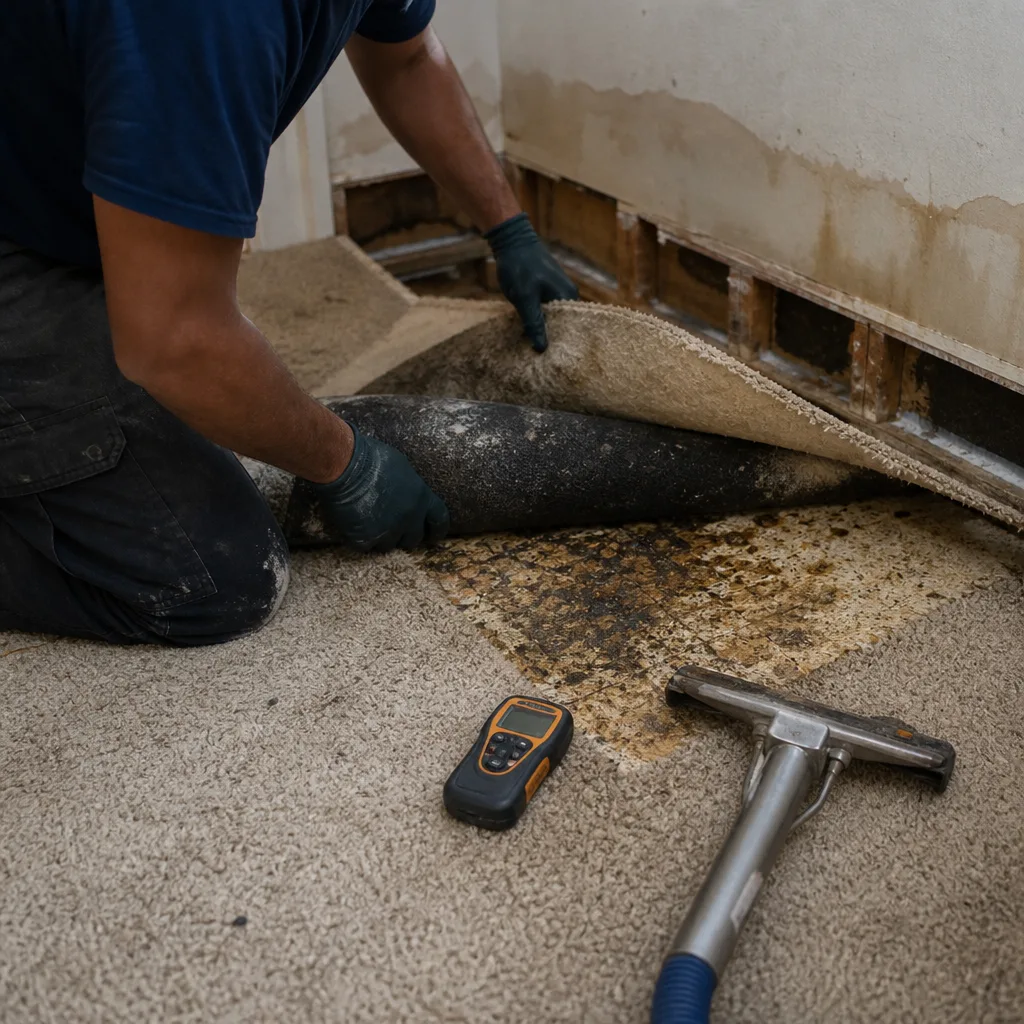
The equipment gap between consumer and professional restoration is not a matter of degree. It is a matter of measurable, documented performance that appears directly on an adjuster’s evaluation.
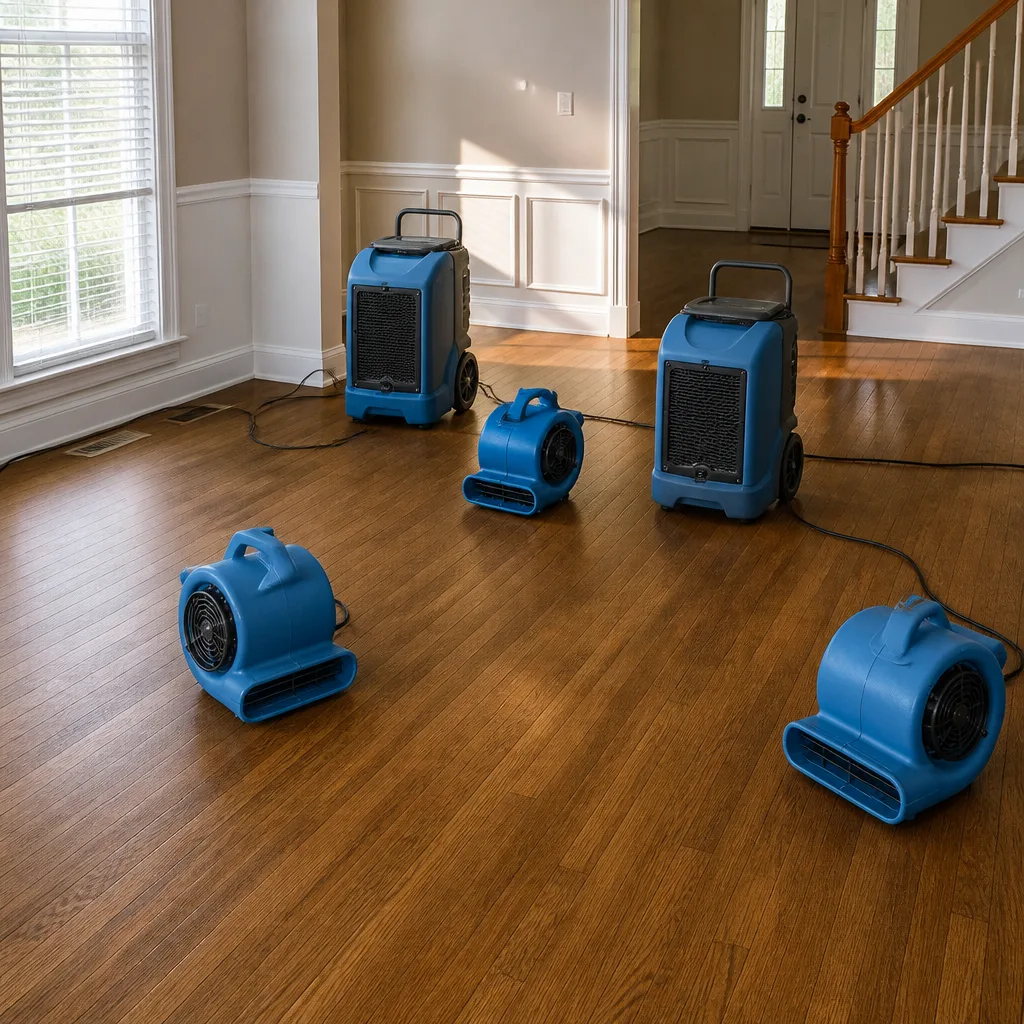
Consumer dehumidifiers, the type available for rental at hardware stores throughout San Diego from Kearny Mesa to Chula Vista, typically extract 30-70 pints per day under optimal conditions. They operate on refrigeration principles with limited air processing capacity. Professional low-grain refrigerant (LGR) dehumidifiers, such as the Phoenix 200 MAX or Dri-Eaz Revolution, extract 100-130 pints per day and maintain performance at lower specific humidity levels - the condition that matters for complete structural drying.
The critical metric is specific humidity, measured in grains per pound (GPP) of air. Consumer dehumidifiers struggle to reduce GPP below 55-60 grains. Professional LGR units routinely achieve 30-40 grains, and desiccant dehumidifiers can reach 10 grains or lower. This difference determines whether drying reaches completion or stops at “surface dry” while moisture remains trapped in wall cavities, subfloors, and insulation.
The equipment deployed on professional jobs includes:
- Phoenix and Dri-Eaz LGR dehumidifiers for primary moisture extraction
- XPOWER and B-Air axial and centrifugal air movers for targeted airflow across wet surfaces
- Injectidry systems for wall cavity and hardwood floor drying without demolition
- Thermal imaging cameras to identify moisture migration paths invisible to visual inspection
- Non-penetrating and penetrating moisture meters for material-specific readings
- Psychrometric data loggers for continuous temperature, RH, and GPP recording
The documentation output from this equipment is what matters for claims. A professional drying log shows: starting GPP and moisture content readings by material, equipment placement with CFM (cubic feet per minute) calculations for the affected volume, daily readings showing progress toward drying goals, and final readings confirming achievement of industry-standard equilibrium moisture content.
An adjuster reviewing a professional file sees a complete drying narrative with verifiable endpoints. A DIY file shows a dehumidifier rental receipt and a statement that “it seemed dry.” The adjuster has no basis to approve structural drying charges, no verification that secondary damage was prevented, and no documentation to defend the claim against audit. The result is predictable: reduced payment or denial.
In San Diego’s coastal climate, where marine layer humidity routinely reaches 80% RH and properties from Pacific Beach to Point Loma experience persistent moisture loading, the equipment gap is especially consequential. Homeowners should consult a Water Damage Restoration Maintenance Checklist for San Diego Homeowners to stay prepared. A consumer dehumidifier running in a humid environment may extract negligible moisture while the structure continues to deteriorate. Professional equipment sized to the specific volume and conditions produces documented results that adjusters recognize and approve.
California Mold Law and the Square-Footage Threshold
California’s approach to mold remediation creates a bright-line test that homeowners should understand before beginning any work. The state’s mold regulations, administered through the Department of Public Health and implemented in local jurisdictions across San Diego County, establish that mold growth affecting less than 10 square feet can be addressed by the property owner or maintenance staff without specialized licensing. Above 10 square feet, the work falls under remediation protocols that, while not always requiring a specific license, create documentation obligations that DIY work rarely satisfies.
The 10-square-foot threshold is not arbitrary. It represents the point at which mold colonization is likely to have extended beyond visible surfaces into wall cavities, HVAC systems, or structural elements. At this scale, proper remediation requires containment barriers, negative air machines, personal protective equipment, and post-remediation verification testing.
More critically for San Diego homeowners, California’s real estate disclosure requirements (Civil Code Section 1102 et seq.) mandate disclosure of mold conditions that affect the property’s value or desirability. A professional remediation with documented clearance testing provides a defensible position that the issue was properly addressed. DIY remediation without documentation leaves the homeowner with no defense against future claims that the mold was not fully remediated, particularly if new growth appears or occupants experience health symptoms.
We’ve encountered this scenario in San Diego’s older housing stock, particularly in neighborhoods like Kensington, Talmadge, and parts of North Park where pre-1970s construction with limited vapor barriers creates chronic moisture conditions. Homeowners who performed visible mold removal without documentation found themselves disclosing “previous mold issues” without proof of proper remediation, reducing sale prices or forcing costly re-remediation by subsequent buyers.
The documentation standard for mold clearance in California typically includes: pre-remediation air sampling showing elevated spore counts, post-remediation air sampling showing return to normal fungal ecology, surface sampling of previously affected areas, and a written report by a qualified professional. DIY remediation cannot produce this documentation, and the absence becomes a liability that persists for years.
The Four-Question Decision Framework
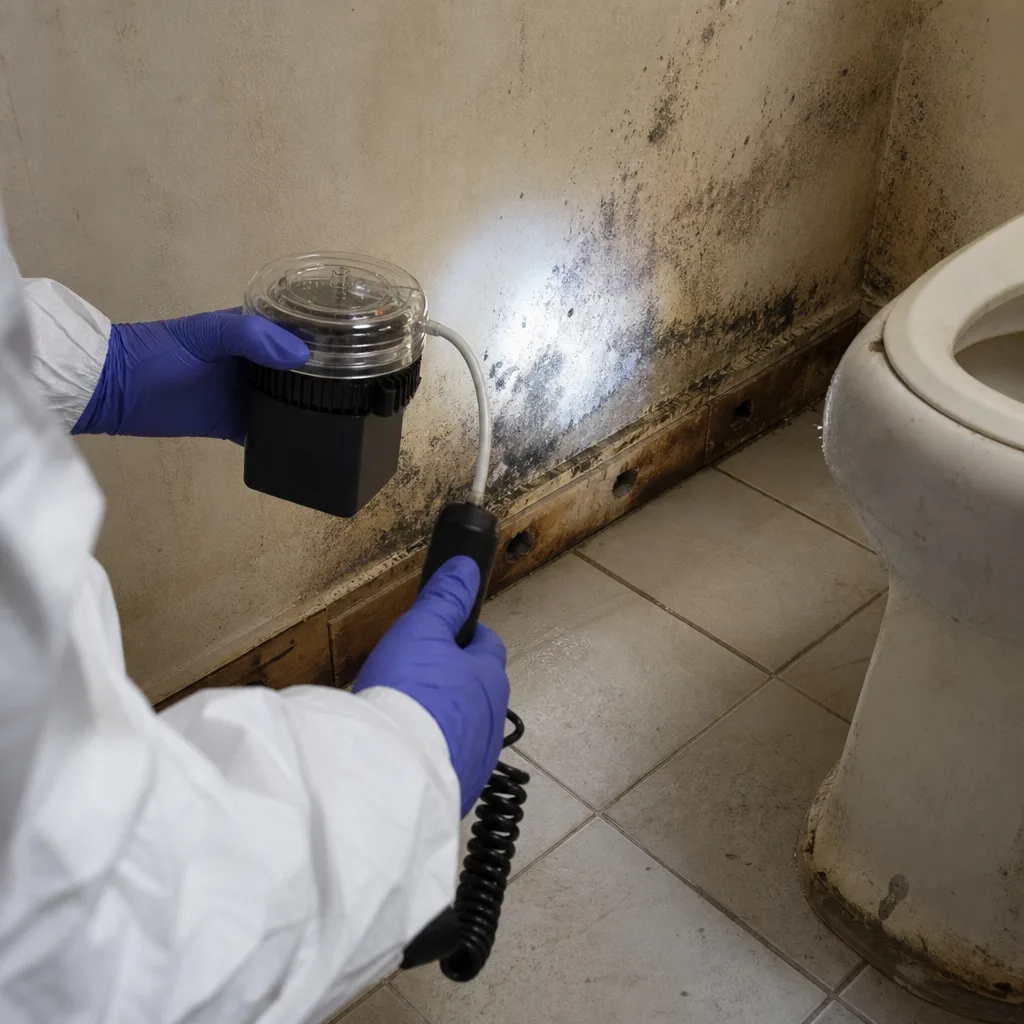
The decision between DIY and professional restoration should not be based on cost anxiety or confidence in one’s handiness. It should be based on four objective factors that determine whether the work can be documented to insurance standards and executed without creating hidden liabilities.
- What is the water category? Category 1 (clean water) on hard surfaces is DIY-defensible with documentation. Category 2 or 3 requires professional antimicrobial protocols and waste disposal documentation that consumers cannot generate.
- What is the affected area and construction type? Under 10 square feet of hard, non-porous surface in modern construction is manageable. Larger areas, porous materials (drywall, carpet, insulation), or older construction with unknown building assemblies require professional assessment. In San Diego’s varied housing stock, a 1950s ranch in Clairemont Mesa may contain plaster and lath with no vapor barrier, while a 2010s build in Carmel Valley has standard drywall with proper moisture management. The same visible damage requires different approaches.
- Is there a claim intent? If you intend to file an insurance claim, professional restoration is strongly advised. The documentation burden is not optional, and the cost of inadequate documentation falls entirely on the homeowner. If no claim is intended and the damage is minor, DIY may be appropriate with proper self-documentation.
- What is the time to professional response? Water damage begins secondary deterioration within 24-48 hours. Mold colonization begins in 48-72 hours. If you cannot secure professional response within this window, temporary DIY stabilization is appropriate, but it must be documented and followed by professional assessment. In San Diego, DryMark Restoration San Diego home provides live phone coverage 24 hours a day, 7 days a week with no voicemail on emergency lines, eliminating the time-to-response concern.
Answer these four questions honestly. If any answer points toward professional involvement, the cost of professional service is typically recovered through proper claim documentation and prevention of secondary damage. The homeowner who saves $500 on DIY and loses $15,000 on an underpaid claim has not saved money.
The Records Your DIY Restoration Must Produce
If you proceed with DIY restoration in a defensible scenario, you must produce records that approximate professional documentation. These records will not match professional quality, but they can provide some protection if generated carefully and completely.
Required documentation:
- Dated moisture readings before and after drying. Purchase or rent a pin-type moisture meter ($50-$150). Record readings on all affected materials before any drying begins, daily during drying, and after you believe drying is complete. Note the meter type, scale used (wood scale vs. drywall scale), and specific locations.
- Photos with measurement context. Every photo must include a measurement reference: a tape measure showing affected dimensions, the moisture meter in frame showing the reading, or a ruler indicating scale. Photos without measurement context are nearly useless for claim purposes.
- Written account of materials removed and why. If you remove any material, document: what was removed, its dimensions, why removal was necessary (moisture content reading, contamination category, structural compromise), and disposal method. Date and sign the account.
- Equipment deployment log. Record: equipment type and model, serial number if available, deployment location, start date/time, and daily runtime. For rental equipment, keep the rental agreement showing equipment specifications.
- Weather conditions during drying. Note outdoor temperature and relative humidity daily. San Diego’s marine layer influence means drying conditions vary significantly by location and season. Pacific Beach in June performs differently than Rancho Bernardo in October.
Even with complete records, understand that DIY documentation carries less weight with adjusters than professional documentation. The moisture meter you purchased at a hardware store has not been calibrated to industry standards. Your readings lack the psychrometric context that professionals provide. Your photos, however careful, lack the systematic coverage and measurement protocols that trained technicians employ.
The Haven Standard requires professional documentation on every job: daily moisture logs with psychrometric data, photo records on every visit with standardized shot lists, written scopes before work begins, and signed completion documentation. This is the standard your DIY documentation competes against. Produce the best approximation you can, but recognize the gap.
Common Mistakes to Avoid
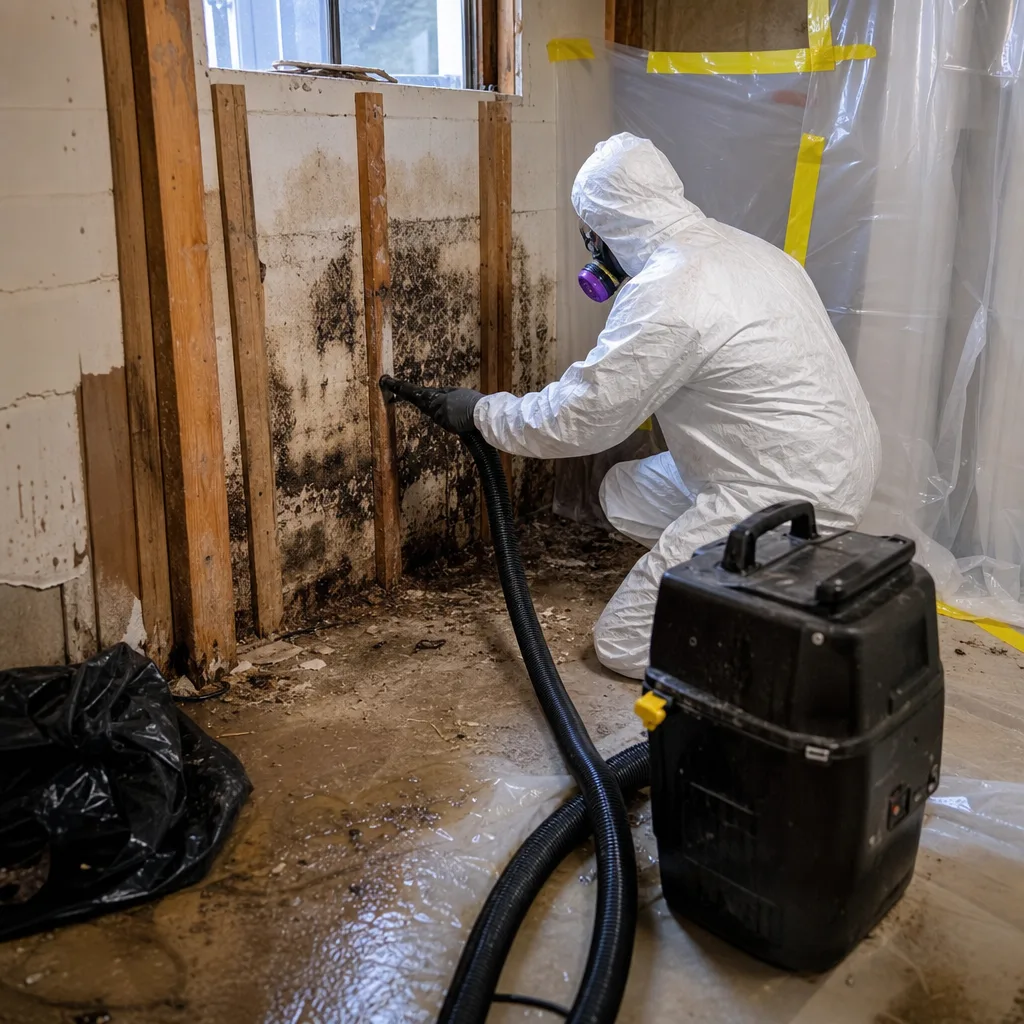
- Renting a consumer dehumidifier and declaring the job done when surfaces feel dry. Moisture meters reveal what touch cannot: wall cavities at 80% moisture content, subfloors wicking water from below, insulation saturated and slowly degrading. Feel is not a measurement.
- Failing to photograph the water source and original damage before any cleanup. Adjusters routinely deny claims where the policyholder “cleaned up too quickly” and destroyed evidence of the loss cause and extent. Document first, then act.
- Using bleach on mold. Bleach does not kill mold on porous surfaces; it bleaches the color while allowing hyphae to continue growing. Worse, the water in bleach solutions can feed further growth. Professional remediation uses antimicrobial products with documented EPA registration and application protocols.
- Ignoring San Diego’s specific humidity patterns. The marine layer keeps relative humidity elevated in coastal zones through early afternoon. Drying that works inland in Santee may fail in La Jolla because the air cannot accept additional moisture. Professional equipment overcomes this; consumer equipment often cannot.
- Assuming insurance will cover DIY work retroactively. Insurers do not reimburse for undocumented labor, and they apply depreciation to equipment rental. The $200 dehumidifier rental is not a $2,000 drying charge. Professional invoices reflect the full scope of proper remediation, including documentation that supports claim approval.
- Not calling for a professional assessment when DIY fails. The most expensive restoration is the one done twice. If DIY drying does not achieve target moisture levels in 72 hours, hidden moisture is almost certainly present. Continuing to run inadequate equipment wastes money and extends damage. Call for assessment before secondary damage becomes the primary cost.
- Discarding damaged materials before adjuster inspection. California insurance regulations and standard policy language require policyholders to protect property from further damage while preserving evidence for insurer inspection. Premature disposal of damaged materials can result in claim reduction or denial for “failure to cooperate.”
When to Call a Professional
Call a professional when: the water category is 2 or 3; the affected area exceeds 10 square feet or includes porous materials; mold is visible on more than a small, isolated patch; fire damage involves structural elements, HVAC systems, or odors that persist after surface cleaning; you intend to file an insurance claim and need documentation that will survive adjuster review; or you have attempted DIY drying for 72 hours without achieving target moisture levels.
DryMark Restoration San Diego offers free estimates in San Diego. Every estimate includes a written price before work begins, every time, with no exceptions - Haven Standard, Clause 1. We provide a free second opinion on any competitor’s written estimate. Our live phone coverage is available 24 hours a day, 7 days a week with no voicemail on emergency lines. Call (619) 330-9541.
Frequently Asked Questions
Professional water damage restoration in San Diego typically ranges from $1,500 for minor Category 1 losses affecting a single room, to $8,000-$15,000 for Category 2 or 3 losses requiring controlled demolition, antimicrobial treatment, and structural drying. Large losses with extensive reconstruction can exceed these ranges. DryMark Restoration San Diego provides a written price before any work starts, every time, with no scope-creep additions once the crew is inside - Haven Standard, Clause 1. Call (619) 330-9541 for an exact quote; estimates are free.
Insurance may reimburse limited DIY expenses - equipment rental, supplies - but typically will not cover undocumented labor or assign professional rates to amateur work. More critically, without professional documentation, insurers often deny or reduce claims for secondary damage that proper restoration would have prevented. The documentation gap costs homeowners far more than the professional service would have. If you’re considering DIY to save money, call us for a free second opinion on any written estimate first.
DryMark Restoration San Diego answers every call with a live person, 24 hours a day, 7 days a week - no voicemail trees, no next-business-day callbacks while water is still moving. Response time depends on your location within San Diego County and current demand, but emergency dispatch is available around the clock. For active water losses, speed of response directly affects the scope and cost of restoration; every hour of delay allows moisture migration into previously dry materials. Call (619) 330-9541 for current availability.
Visible mold on a small, isolated patch in a bathroom with known moisture source may be addressable with cleaning and source correction. Visible mold exceeding 10 square feet, mold with unknown moisture source, or mold in HVAC systems requires professional remediation. California law and insurance practice both treat undocumented mold remediation as a disclosure liability and potential coverage issue. Professional remediation includes containment, negative air, HEPA filtration, and documented clearance testing that protects your claim position and future saleability. Mold Remediation in San Diego requires this documentation to be defensible.
At DryMark Restoration San Diego, we coordinate directly with your adjuster as part of standard service. Our documentation - daily moisture logs, photo records on every visit, written scopes, and equipment deployment records - is formatted specifically for adjuster review. We do not charge extra for adjuster coordination; it is part of producing a payable claim. The Haven Standard requires that our documentation turn a restoration invoice into a claim an insurer will pay without a fight. If your restoration company cannot describe their documentation protocol in these terms, you are likely to face claim friction.
Keep: dated moisture readings before, during, and after drying, with meter type and scale noted; photos with measurement context showing affected dimensions and moisture readings; written account of any materials removed, with dimensions and reason; equipment rental agreements showing specifications and dates; and daily notes on weather conditions and drying progress. Even with complete records, understand that DIY documentation carries less weight than professional documentation. If your loss exceeds $2,000 or you intend to claim, professional service is strongly advised.
Mitigation is emergency work to prevent further damage: water extraction, drying, mold containment, smoke neutralization. Speed matters because damage continues until stabilization. Reconstruction is the repair and rebuilding after mitigation is complete. Reconstruction is scoped, scheduled, and priced in writing like a remodel - never same-day service. At DryMark Restoration San Diego, we separate these phases clearly in our written scopes, with distinct pricing and timelines. The Haven Standard requires that you know exactly what you’re paying for and when, before any work begins.
The Bottom Line
The DIY-versus-professional question in restoration is not about your skill with tools or your tolerance for expense. It is about whether the work you perform can be documented to the standard that California insurers require to approve claims and that California law requires to protect future property value. In three narrow scenarios - small Category 1 losses on hard surfaces, minor surface soot, and temporary stabilization - DIY is defensible with careful self-documentation. In all other scenarios, professional restoration is the lower-cost path when claim recovery and liability protection are included in the calculation.
Since 2011, Back to Dry Restoration has completed 12,000+ homes with a written price before work started and a documented record when the crew left. Every job carries the 365-Day Done Right Promise under The Haven Standard. If you’re uncertain where your situation falls, we offer a free second opinion on any written estimate and free estimates at your property. Documentation is not an upsell here. It is the foundation of everything we do.
Written by Alicia Brennan, Owner at DryMark Restoration San Diego, serving San Diego since 2011.