

Free visual inspection and a written scope of work before any mitigation begins - photos, moisture readings, and drying logs go in your claim file
The scope we write is the scope we bill. Anything new gets shown to you, in writing, before we touch it.
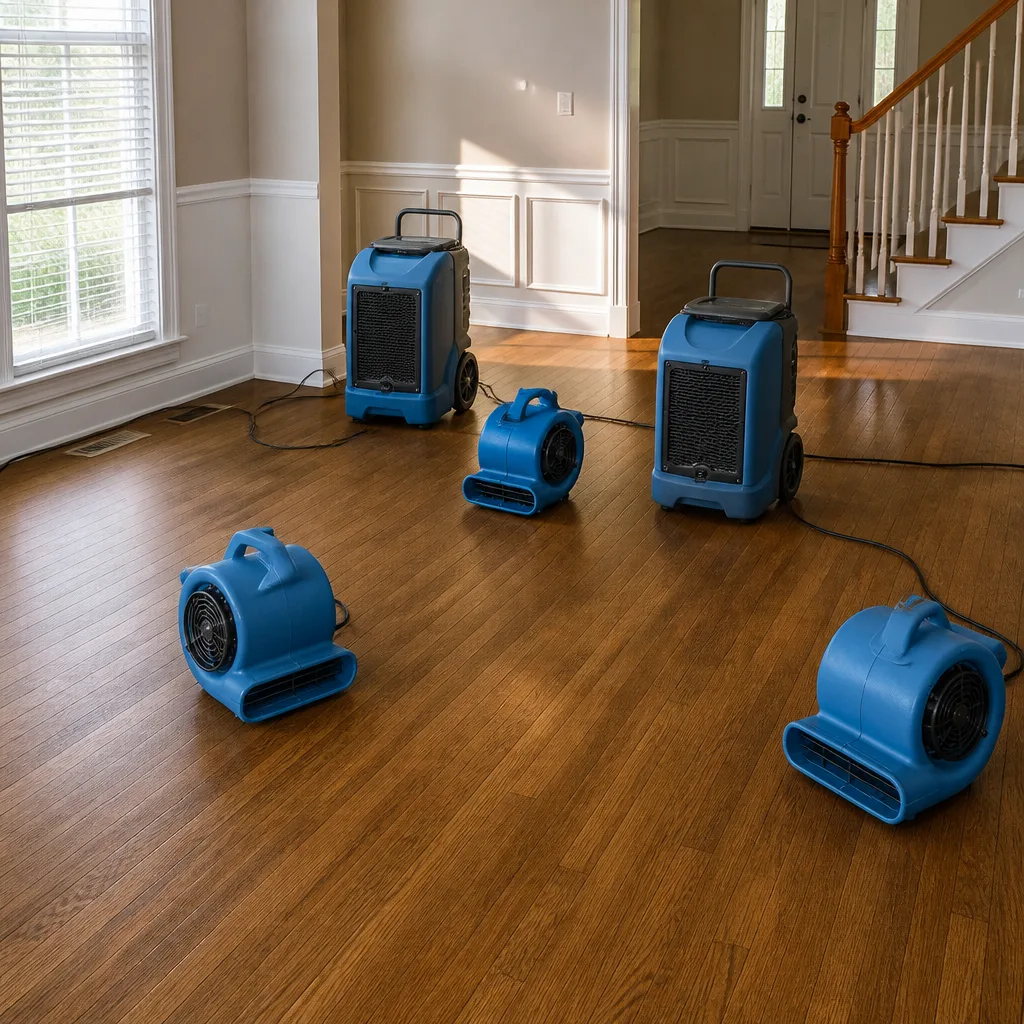
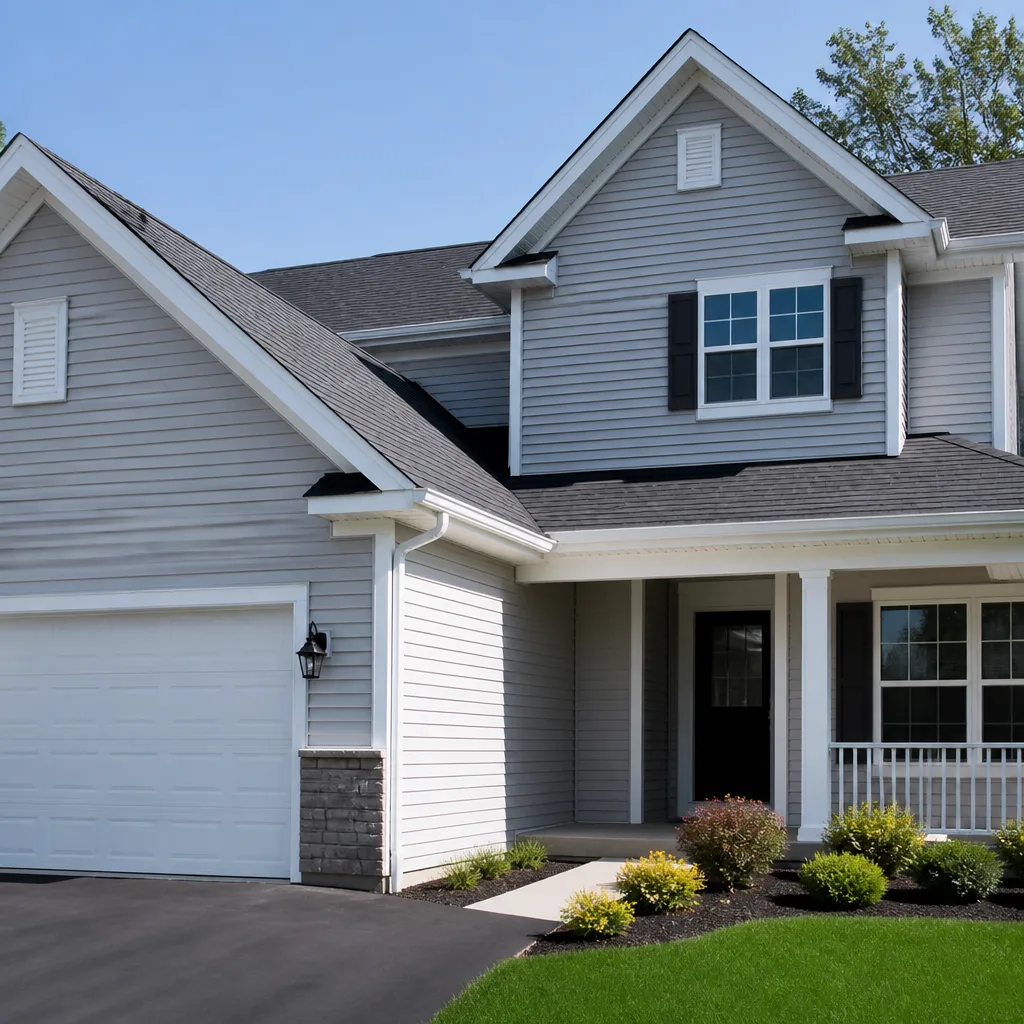
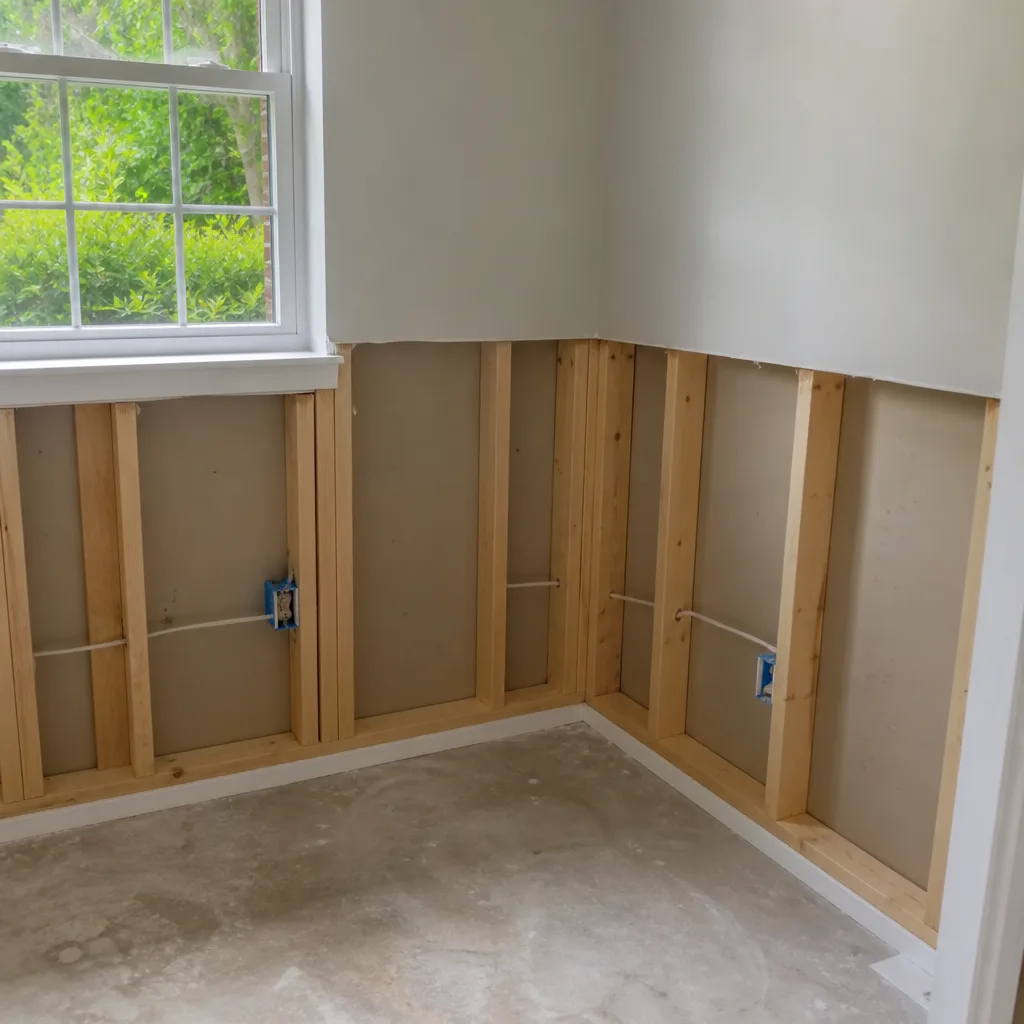

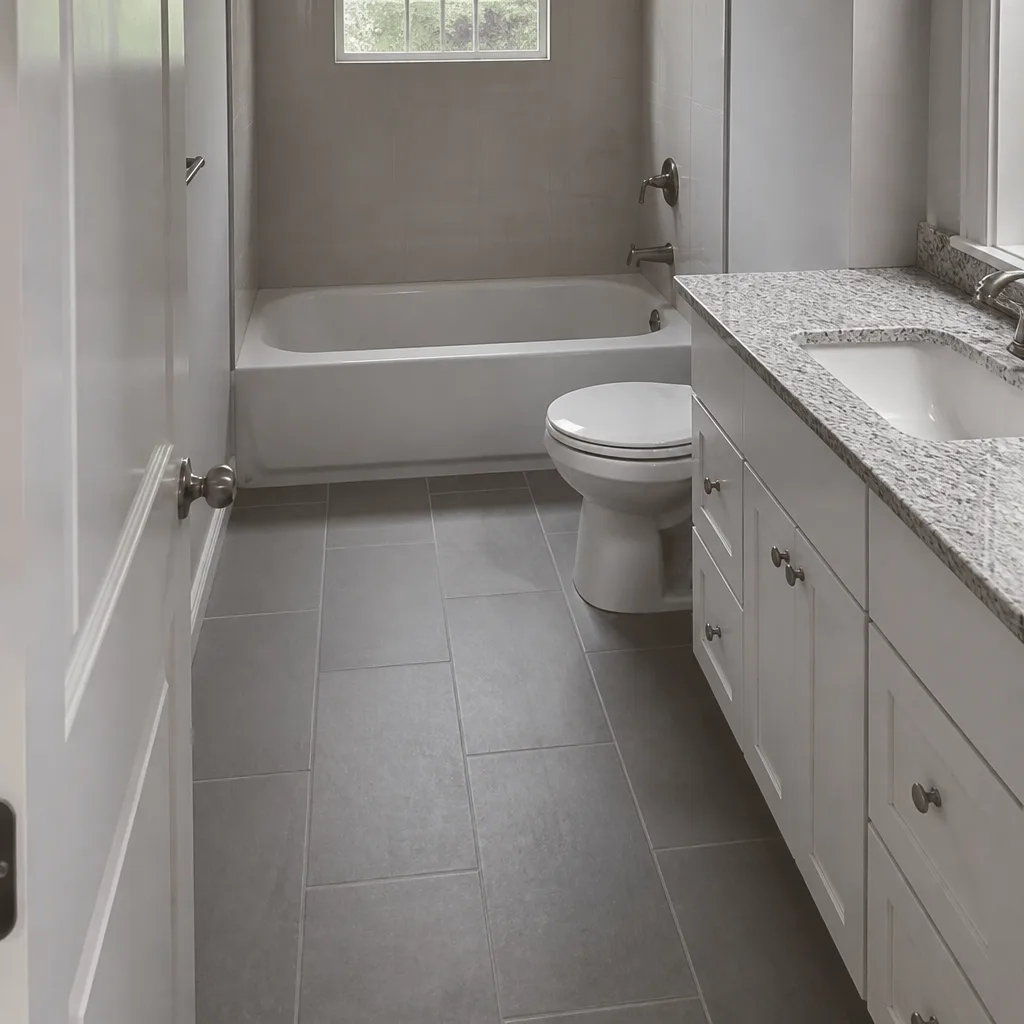
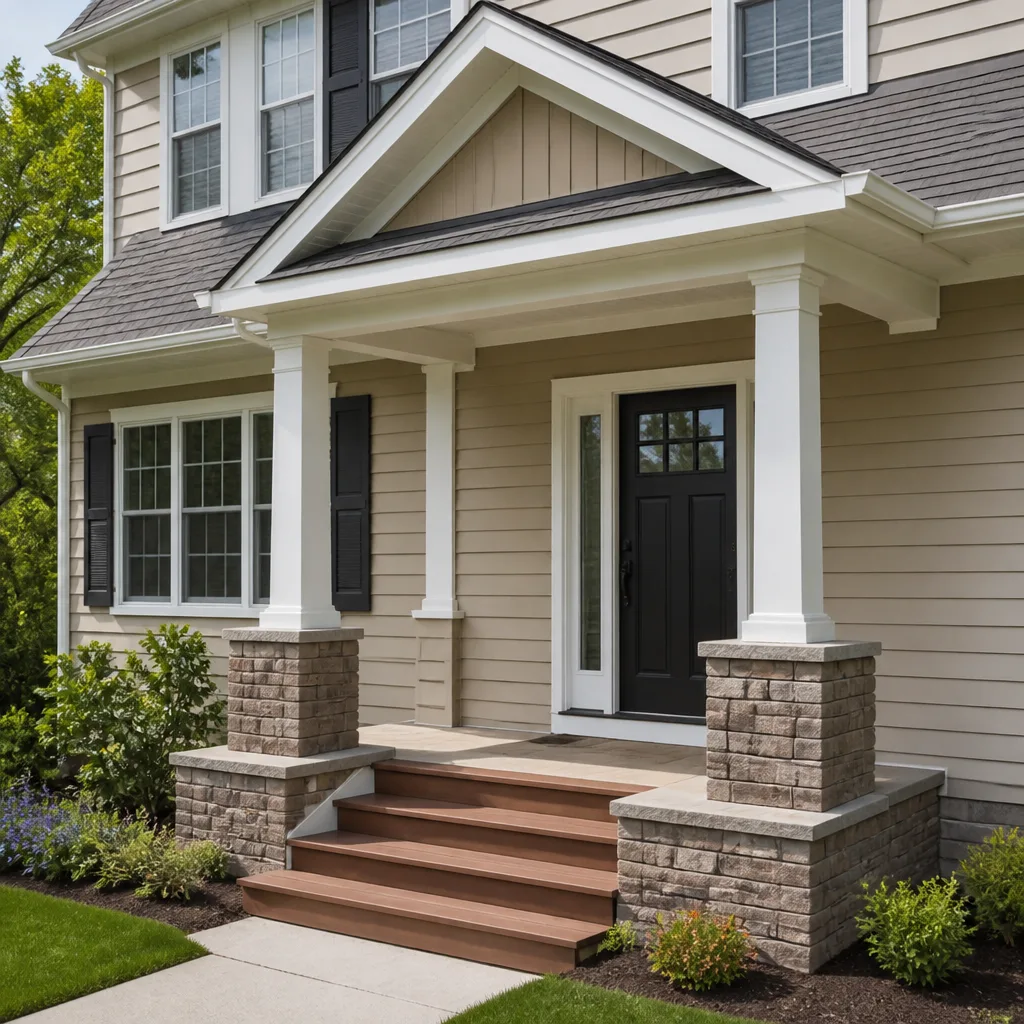
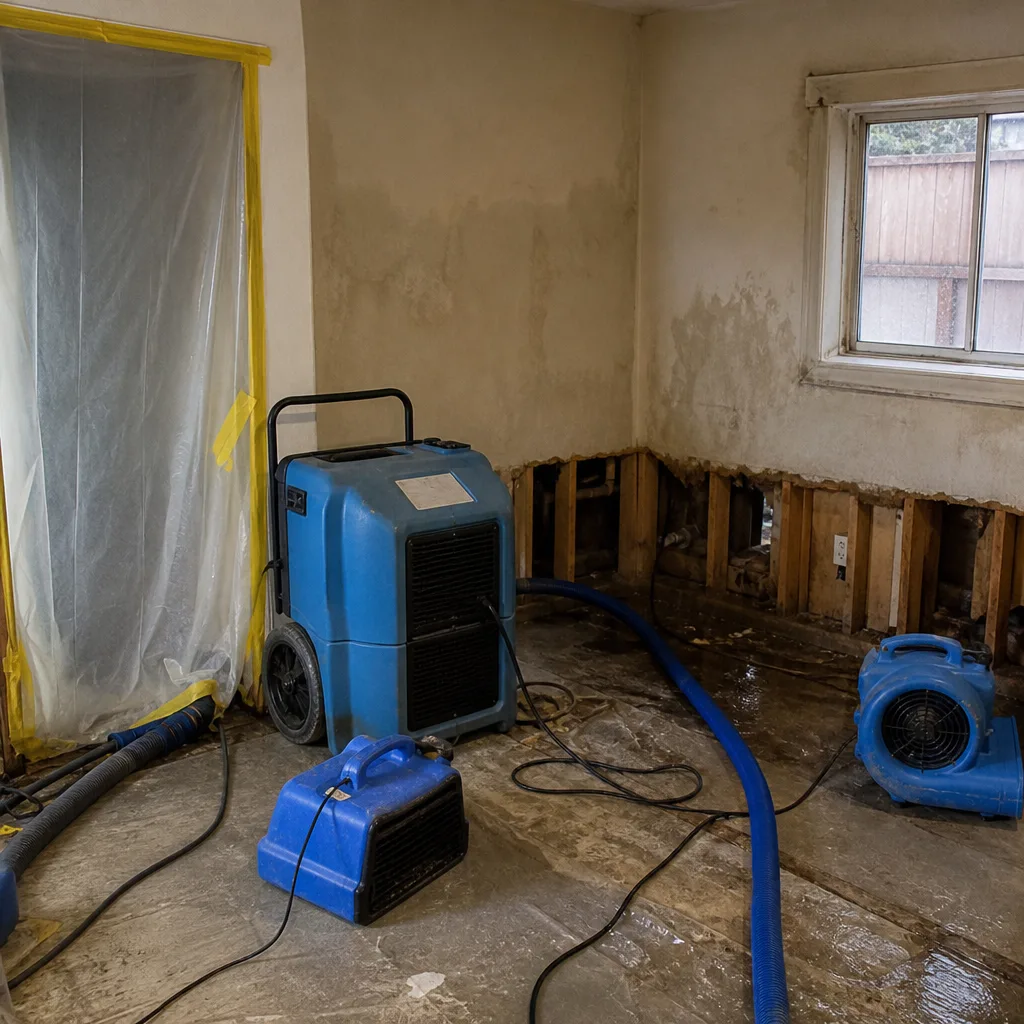 Before
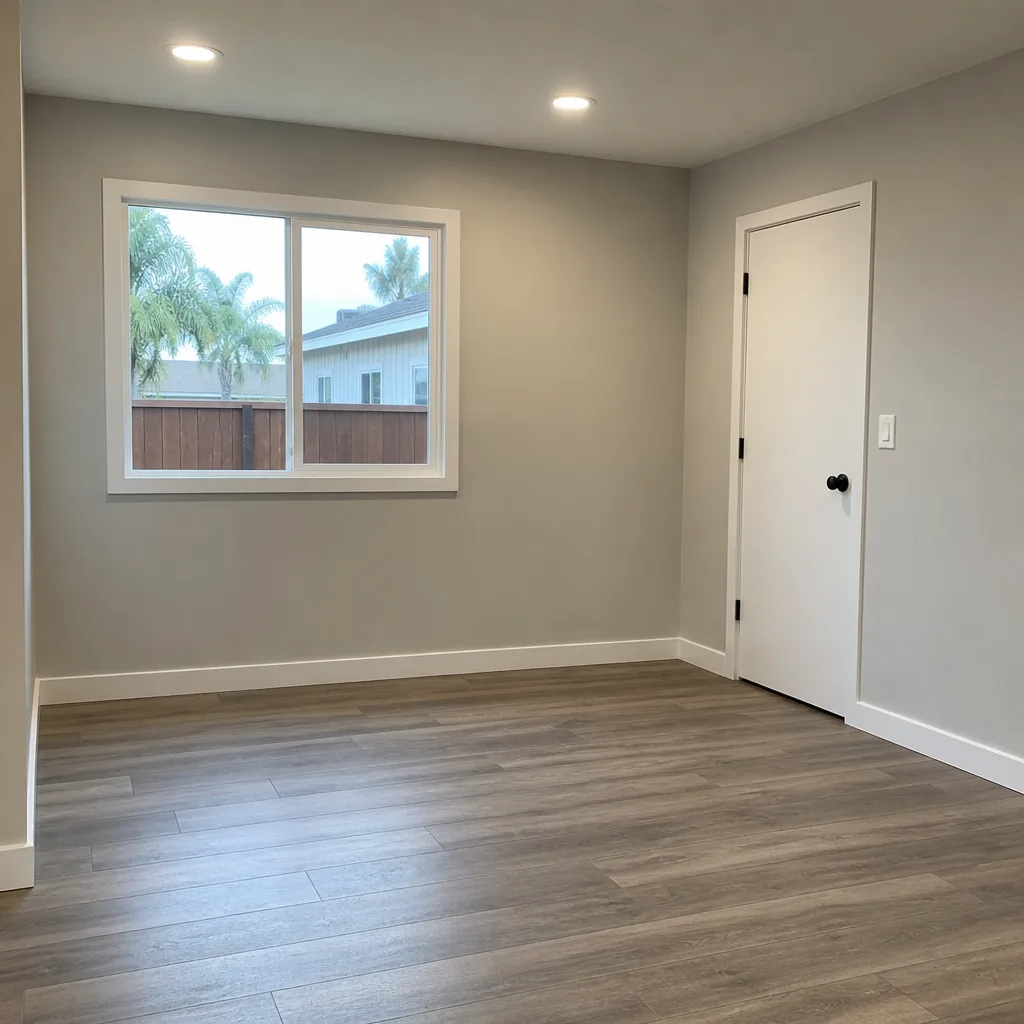 After
After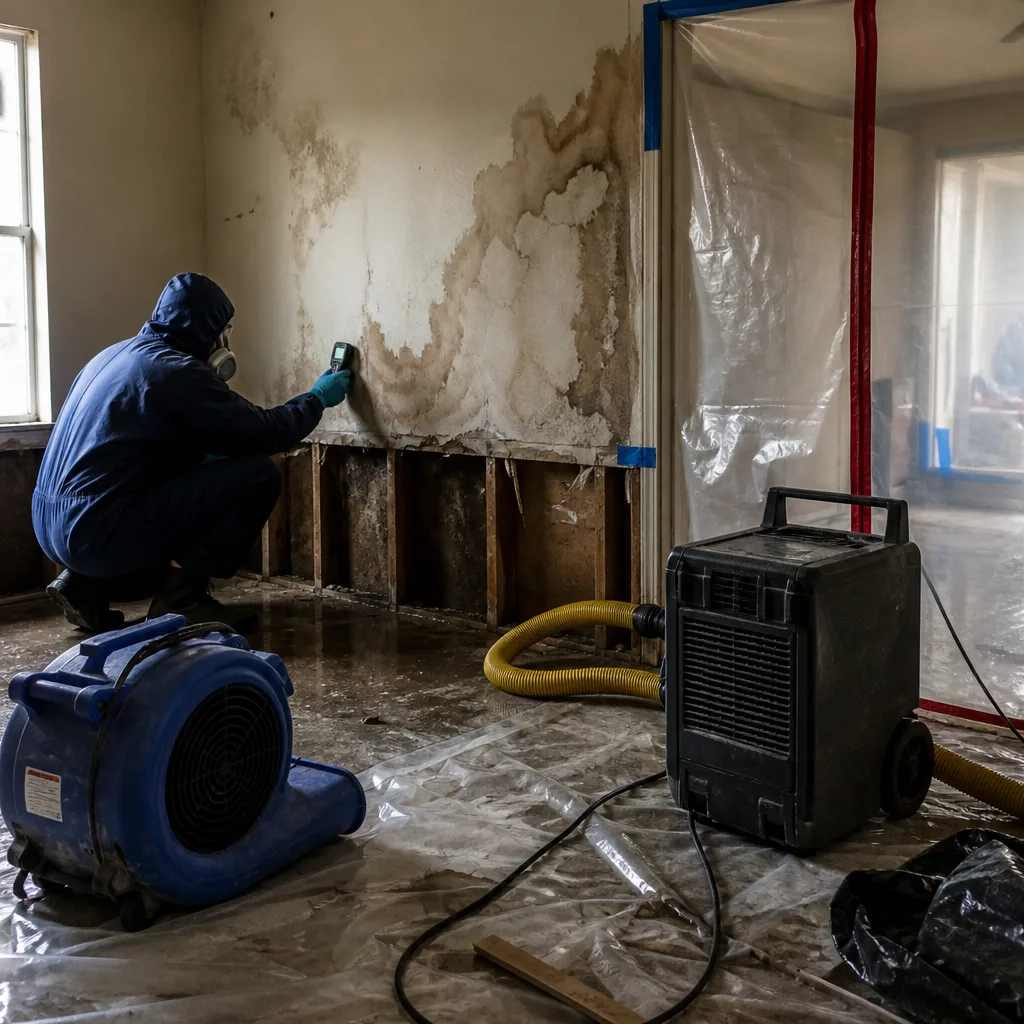 Before
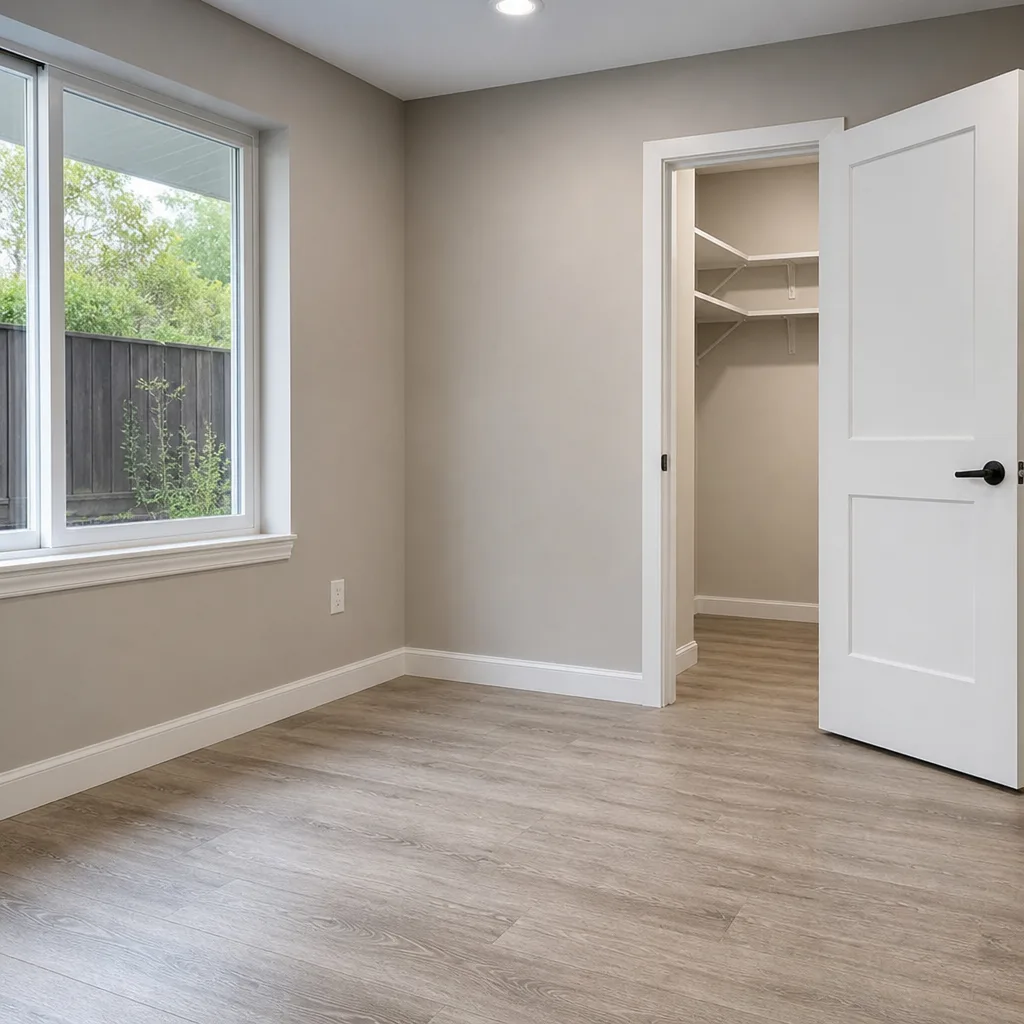 After
After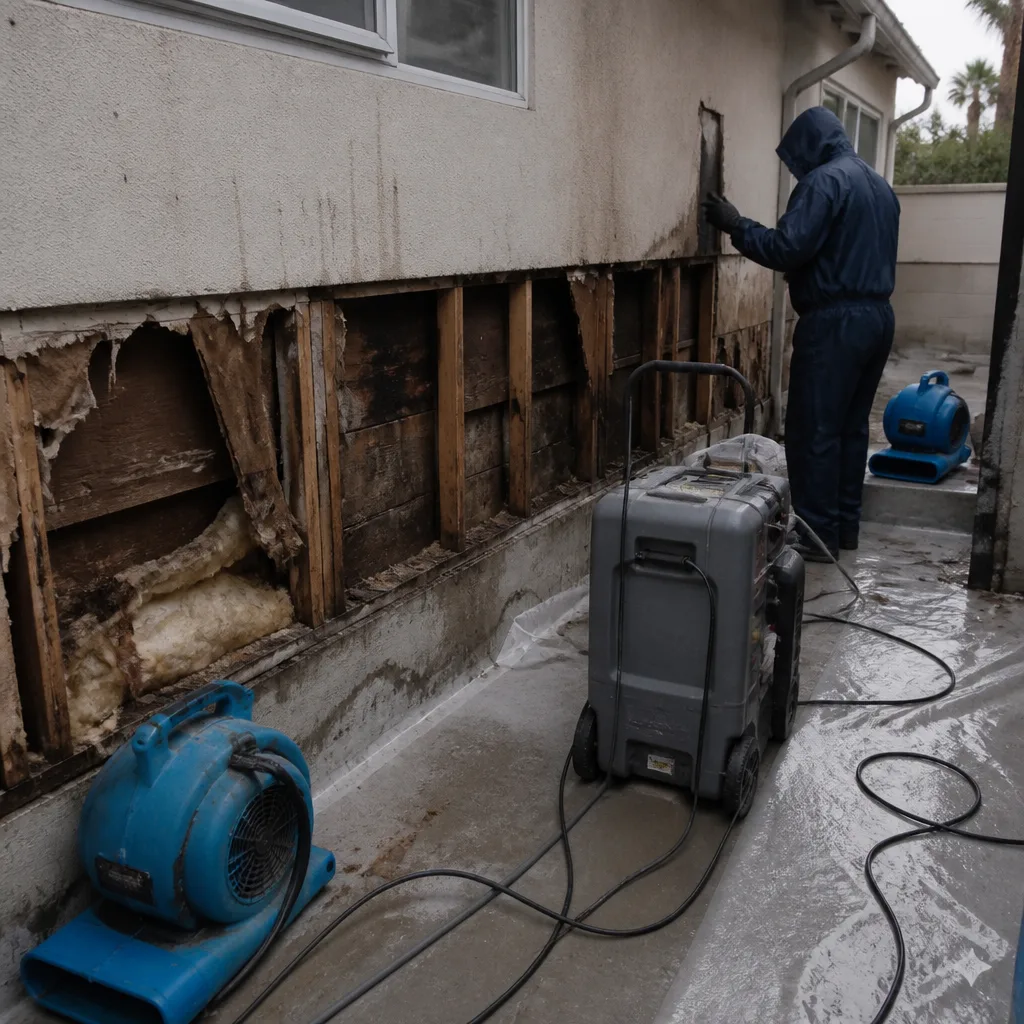 Before
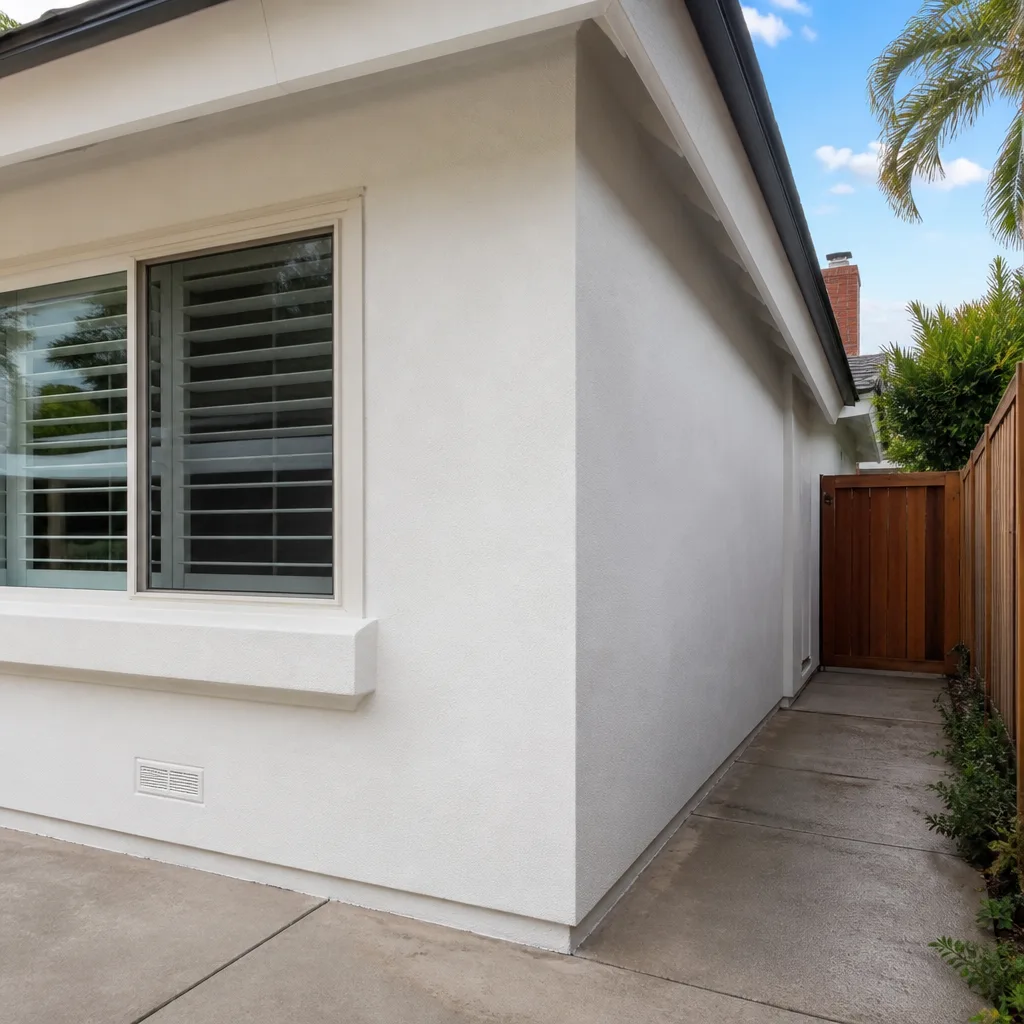 After
After24/7 Emergency Mold Remediation in Spring Valley
Mold remediation in Spring Valley typically costs $1,800-$6,500 depending on affected square footage, contamination level, and whether asbestos abatement is required in pre-1970s homes. Most containment and removal jobs begin within 45 minutes of your call. Call (619) 330-9541 now - we answer live, 24 hours a day, with no voicemail trees while moisture is still spreading.
Spring Valley’s 1950s-1970s ranch and stucco tract homes trap moisture behind walls longer than newer construction, and the Santa Ana winds that whip through our canyons create rapid humidity swings that reactivate dormant colonies. Our crews are already routed through Spring Valley daily - from Bancroft Drive to the Sweetwater River corridor - so we’re minutes away when you need us. We’ll start with a free visual inspection, document everything with photos, and give you a written price before any work begins. Haven Standard, Clause 1.
Understanding Mold Remediation Severity in Spring Valley Properties
Mold contamination breaks into three categories under IICRC S520 standards: Level I covers isolated surface growth under 10 square feet, typically on drywall or baseboards from a small leak. Level II spans 10-100 square feet and requires full containment with negative air pressure and HEPA filtration. Level III exceeds 100 square feet or involves HVAC contamination, demanding full-scale remediation with air scrubbing, sealed egress protocols, and third-party clearance testing.
In Spring Valley, severity escalates faster than the square footage suggests. The post-WWII housing stock here - ranch-style and stucco tract homes built 1950-1975 - used asbestos floor tile, duct insulation, and popcorn ceiling textures as standard materials. When moisture intrusion hits these structures, we can’t simply open walls and remove moldy materials. We test first. If asbestos is present, the County’s Department of Planning & Development Services requires abatement before demolition, turning a straightforward Level II job into a sequenced, multi-phase project with longer permit cycles.
Our crews carry NIOSH-approved respirators, build polyethylene containment barriers rated at 6-mil minimum, and deploy HEPA air scrubbers achieving 99.97% efficiency at 0.3 microns. We document psychrometric data - temperature, relative humidity, and vapor pressure differential - to prove the structure has returned to pre-loss equilibrium before we call the job complete.
Why Spring Valley Property Owners Choose DryMark Restoration San Diego
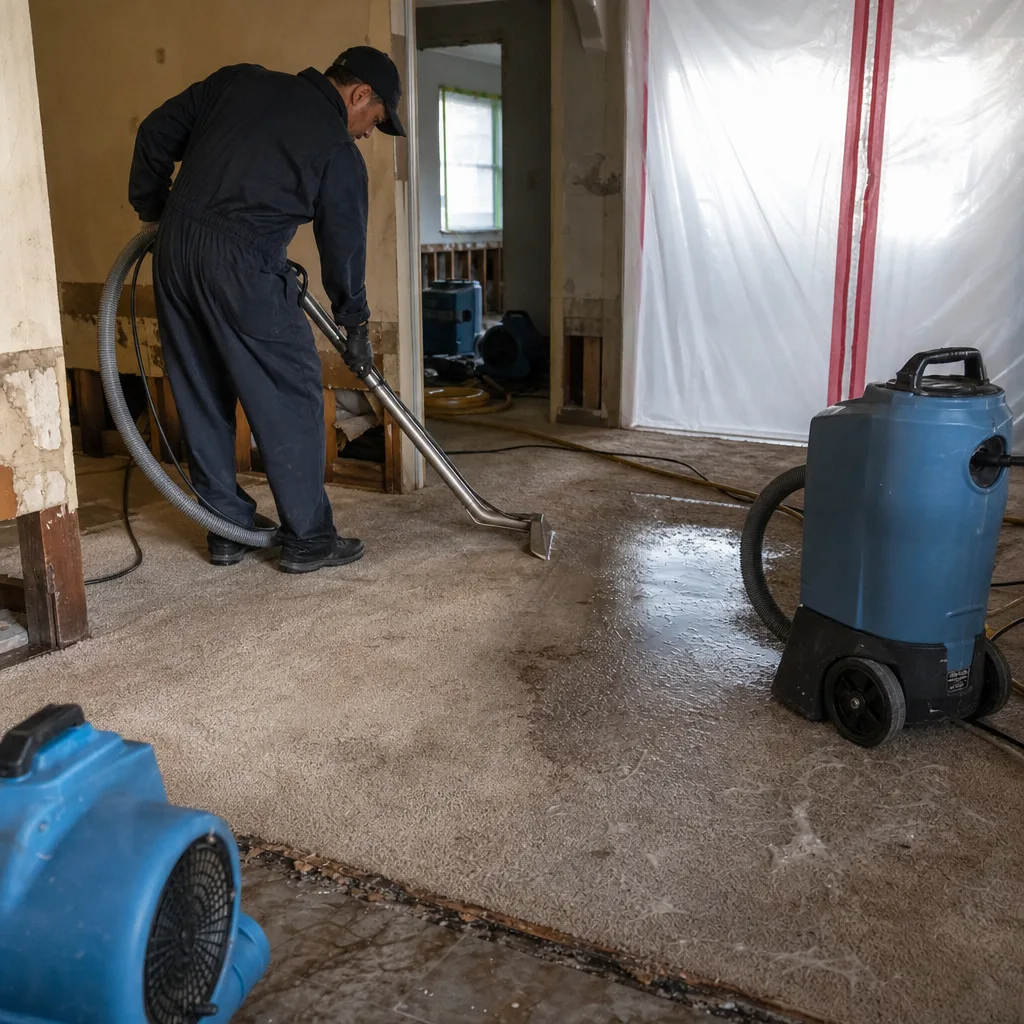
- 45-minute response commitment to Spring Valley addresses, with crews already staged through the Sweetwater corridor.
- 24/7 live answer - a real person, never an automated system, picks up every call to our emergency line.
- IICRC-certified crews holding WRT (Water Damage Restoration Technician), AMRT (Applied Microbial Remediation Technician), and FSRT (Fire & Smoke Restoration Technician) credentials.
- Free visual inspection with moisture mapping and photo documentation before any scope is written.
- Direct insurance billing with adjuster coordination, daily drying logs, and line-item estimates formatted to carrier standards.
- One team from containment to reconstruction - no handoffs between mitigation and rebuild contractors.
BeforeAfterOur Mold Remediation Process
1. Inspection & Assessment
We start with moisture mapping using thermal imaging and penetrating hygrometers to find hidden saturation behind Spring Valley’s stucco exteriors. Surface and air sampling identifies mold species and concentration. We test for asbestos in any home built before 1980, because pulling materials without testing stalls County permits and forces costly re-scopes.
2. Containment & Stabilization
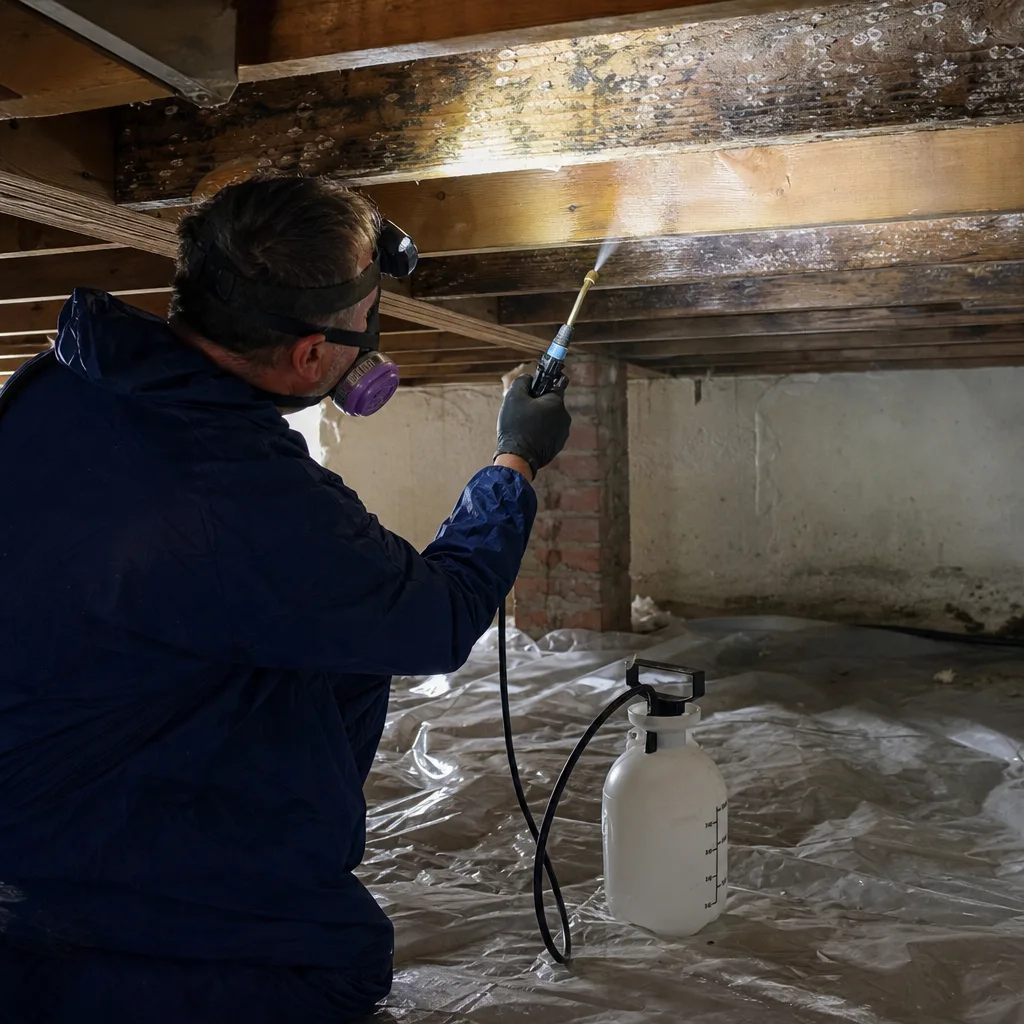
We seal the affected zone with 6-mil polyethylene barriers and establish negative air pressure using HEPA-filtered air scrubbers. This prevents cross-contamination to unaffected rooms, critical in Spring Valley’s open-plan ranch layouts where HVAC ducts can carry spores throughout the structure.
3. Moisture Control & Drying
We deploy Dri-Eaz and Phoenix LGR dehumidifiers alongside axial air movers to drop relative humidity below 60%, the threshold where mold growth halts. Daily moisture logs track specific humidity and vapor pressure differential until readings match the unaffected areas of the home.
4. Removal & Antimicrobial Treatment
Non-salvageable materials come out under containment. We treat exposed framing with EPA-registered antimicrobial solutions and HEPA-vacuum all surfaces. In Spring Valley’s older homes, this phase often follows asbestos abatement clearance from the County inspector.
5. Air Quality Restoration & Clearance Testing
We run HEPA air scrubbers for a minimum 24-hour cycle post-removal, then collect air and surface samples for third-party lab analysis. Clearance testing confirms spore counts have returned to outdoor baseline levels before we remove containment.
6. Repairs & Moisture Prevention
Our reconstruction team replaces drywall, insulation, flooring, and trim to match existing finishes. We install vapor barriers and improved ventilation in crawl spaces and attics, addressing the humidity swings that drive Spring Valley’s recurring mold problems.
Need Emergency Mold Remediation in Spring Valley Now?
Crews minutes away, answering live 24 hours a day. The sooner we start, the less it costs.
Working With Your Insurance Company
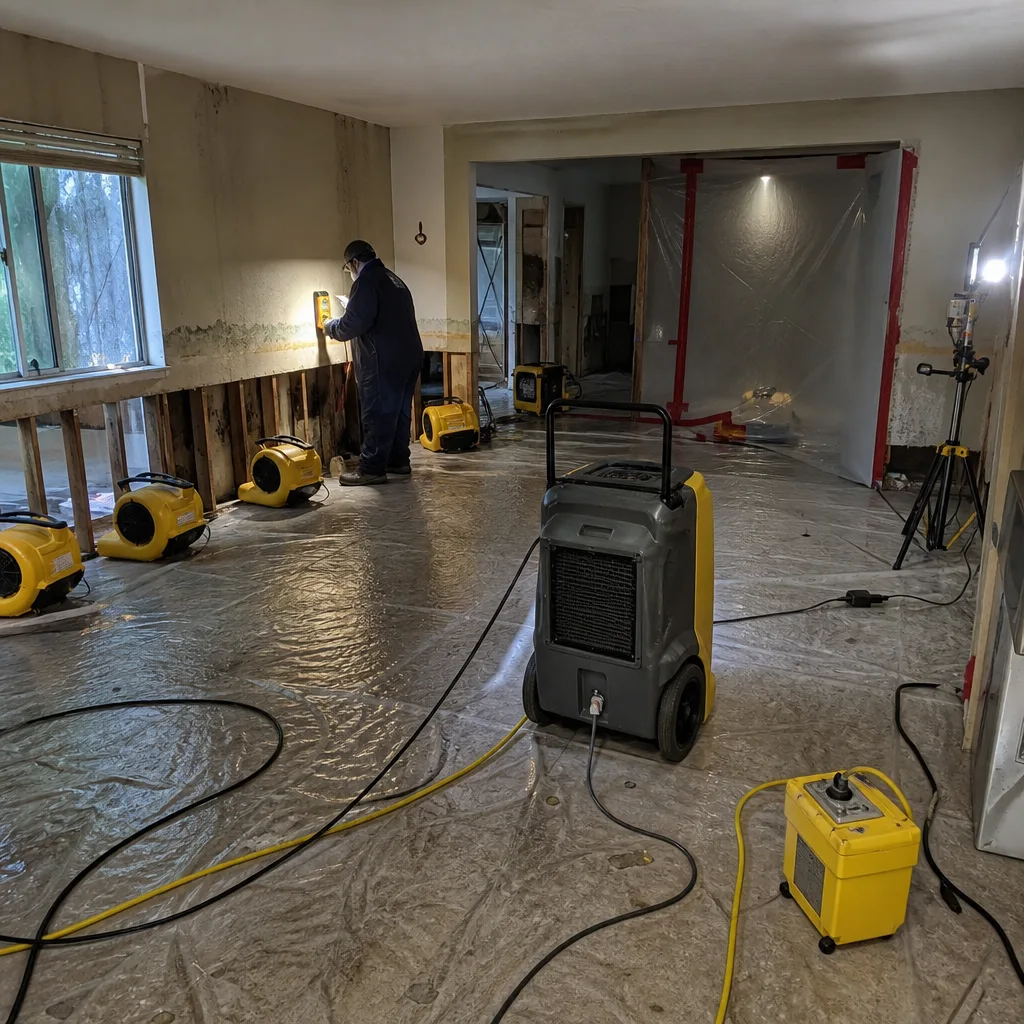
Insurance claims for mold damage live or die on documentation. We know this because our founder, Alicia Brennan, spent years as a claims adjuster watching homeowners lose coverage over incomplete files. Every Mold Remediation job we take in Spring Valley starts with photo documentation in the first hour and ends with a complete claim package.
We write estimates to Xactimate standards, the pricing database most major carriers use. Our project managers speak directly with adjusters, explain why asbestos testing added scope, and provide the moisture readings and drying logs that turn restoration invoices into payable claims. You don’t chase paperwork. We deliver it.
What We Provide Your Insurer
- Thorough documentation of the loss
- Photos of all damage, room by room
- Moisture readings and drying logs
- A detailed, line-item scope of work
- Direct coordination with your carrier
Built for Spring Valley’s Loss Calendar
Spring Valley’s mold season doesn’t follow a simple calendar. January through March brings atmospheric river storms that funnel runoff through Sweetwater River tributaries and steep canyon drainages into low-lying neighborhoods near Bancroft Drive and Jamacha Boulevard. Flash flooding and mud intrusion soak foundations and crawl spaces, with mold growth visible within 72 hours if drying doesn’t start immediately.
June through October delivers the inverse problem: Santa Ana winds drive humidity into single digits, then sudden onshore flow spikes it overnight. These swings stress stucco and drywall, creating condensation behind exterior walls where colonies establish before homeowners smell anything. November and December bring lighter rains but cooler temperatures, slowing evaporation and extending drying times in unventilated crawl spaces.
We schedule more moisture and humidity control inspections in Spring Valley during October and March, the transition months when both water intrusion and humidity spikes peak. Our crews carry extra dehumidification capacity through these windows.
Mold Remediation Across Spring Valley’s Neighborhoods
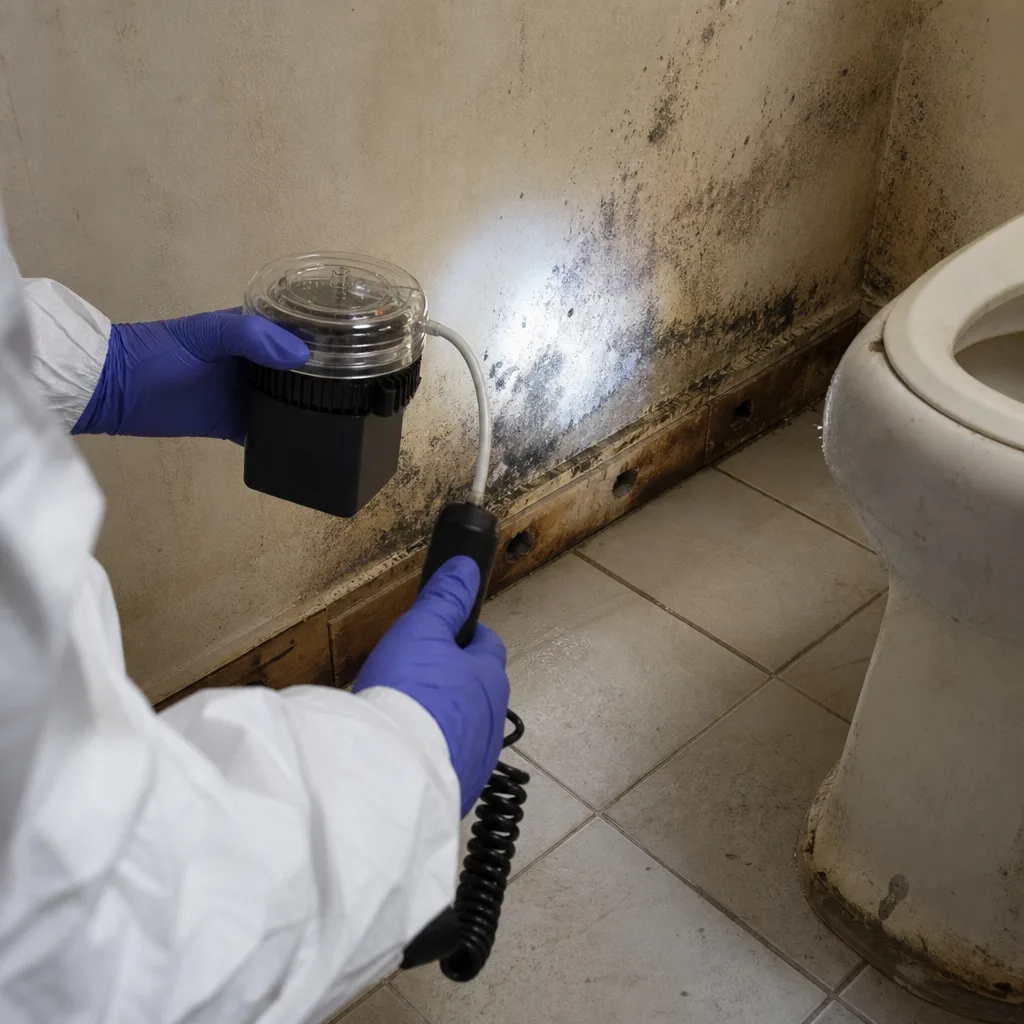
Spring Valley’s geography shapes every job we do here. Near the Sweetwater River corridor, homes on Jamacha Boulevard and Bancroft Drive sit in low-lying drainage paths where atmospheric river runoff pools against foundations. We see repeated crawl space flooding in these areas, with mold colonizing floor joists and subflooring before residents notice musty odors inside. Our response route from the San Diego office puts us on these streets within 20 minutes during peak storm periods.
The canyon-edge properties above Highway 94 present a different profile. These older homes, many with original 1950s septic systems, face Category 3 water intrusion from backup events that carry bacterial contamination alongside mold risk. We sequence antimicrobial treatment before structural drying here, never after. The County’s septic setback requirements add permitting complexity we navigate regularly.
The stucco tract neighborhoods between Campo Road and Sweetwater Road - built in the 1960s and 1970s - represent our highest asbestos-abatement volume. We’ve handled dozens of jobs where popcorn ceiling texture or vinyl-asbestos floor tile delayed demolition until testing cleared. Homeowners here learn quickly why our test-first protocol matters.
Near La Mesa’s border, newer infill construction from the 1990s onward has fewer material concerns but tighter envelopes that trap moisture. We find more attic mold in these homes, where inadequate ventilation meets humid onshore flow.
Specialized Mold Remediation Services We Offer in Spring Valley
Mold Inspection & Testing
We don’t guess. Our inspections combine thermal imaging, moisture mapping, air sampling, and surface swabs analyzed by independent labs. In Spring Valley’s pre-1980s housing stock, we add asbestos and lead testing before any destructive investigation. The written report includes species identification, concentration levels, and a prioritized scope with line-item pricing.
Black Mold Remediation
Stachybotrys chartarum and other toxigenic species require enhanced containment and PPE protocols. We build sealed work chambers with negative air pressure, use N-100 respirators and full Tyvek suits, and dispose of contaminated materials as regulated waste. Spring Valley’s humid crawl spaces and flood-prone foundations create conditions where black mold establishes behind walls long before surface growth appears.
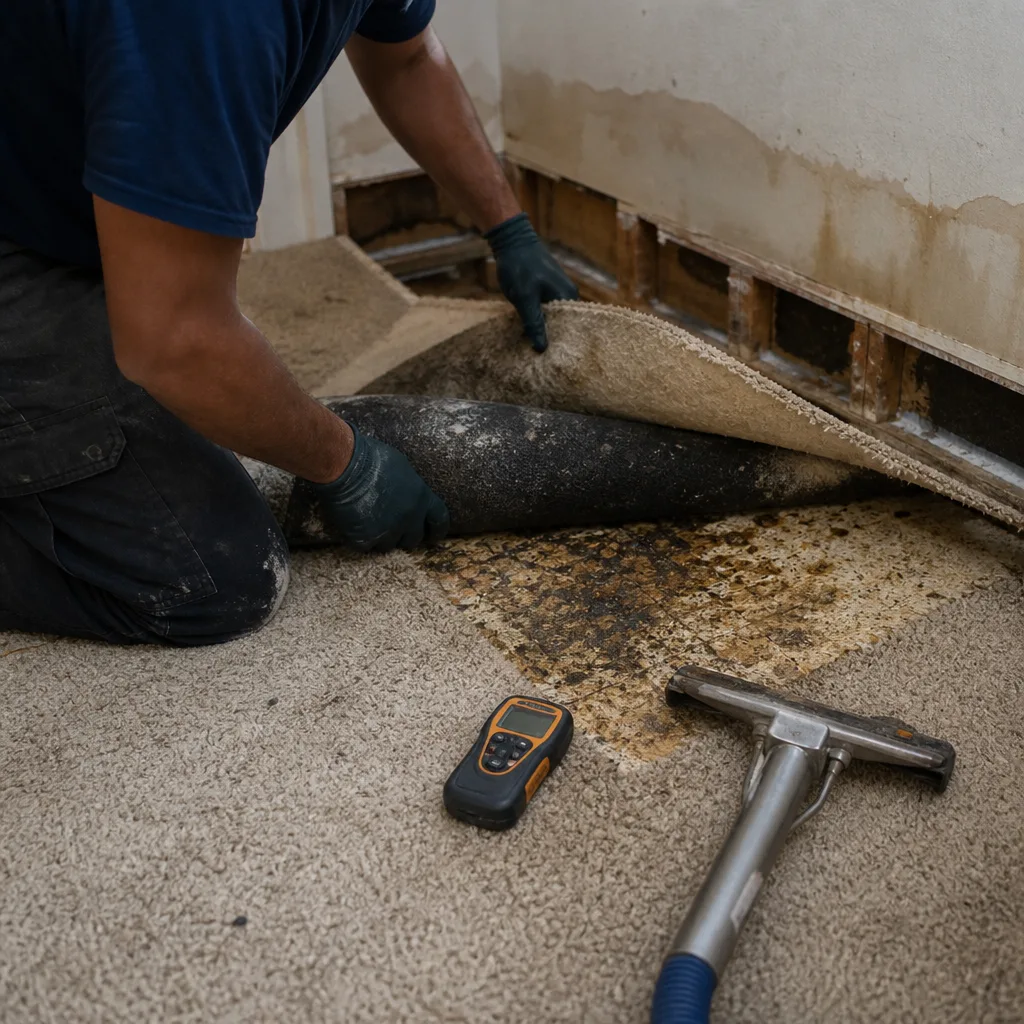
Air Quality Restoration
Post-remediation, we run HEPA air scrubbers and collect third-party clearance samples to confirm spore counts match outdoor baselines. For Spring Valley homes with forced-air heating from the 1960s and 1970s, we inspect ductwork for contamination and recommend cleaning or replacement when sampling indicates spread through the HVAC system.
Crawl Space Treatment
Spring Valley’s older ranch homes sit on crawl spaces with dirt floors and minimal ventilation - ideal conditions for sustained humidity and wood-decay fungi. We install vapor barriers, seal foundation vents seasonally, and deploy permanent dehumidification where moisture readings persist above 20% wood moisture content.
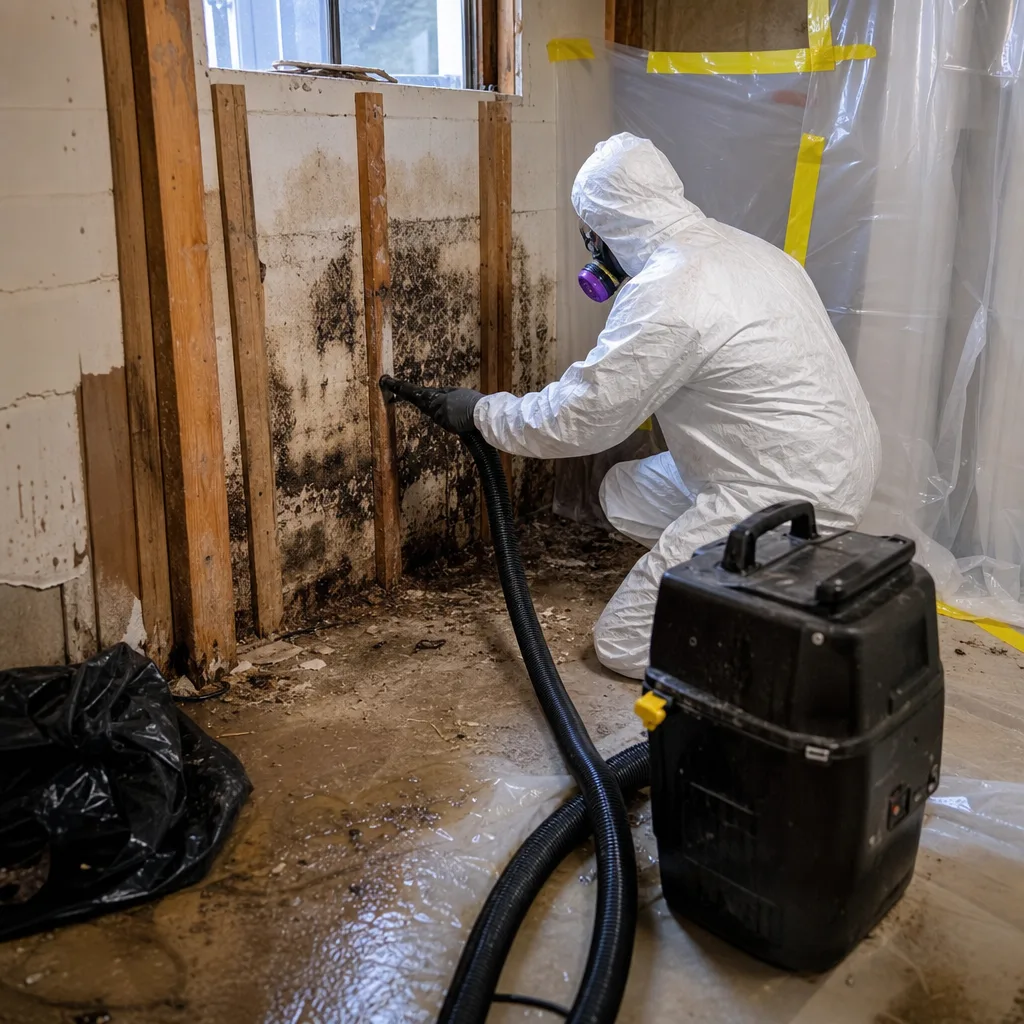
Moisture & Humidity Control
Structural drying isn’t a one-time event in Spring Valley’s climate. We install monitoring equipment that tracks relative humidity and wood moisture content for 30 days post-remediation, with alerts if readings trend back toward colonization thresholds. This is where our daily drying logs prove their value to insurers and homeowners alike.
What happens when you call
- 1
A real person answersNo phone trees - you reach a local pro.
- 2
You get an upfront price rangeHonest numbers before anyone is dispatched.
- 3
A background-checked tech heads outLicensed & insured, dispatched right away.
- 4
You approve before work beginsNothing starts until you say go.
Mold Remediation Costs in Spring Valley, CA
Here’s what Spring Valley homeowners actually pay, based on jobs we’ve completed in the local market:
| Service | Typical Range |
|---|---|
| Level I surface mold removal (under 10 sq ft) | $1,800-$2,800 |
| Level II contained remediation (10-100 sq ft) | $3,200-$5,500 |
| Level III full-scale remediation (100+ sq ft or HVAC) | $5,500-$12,000+ |
| Asbestos testing (required pre-1980 homes) | $400-$800 |
| Asbestos abatement (if required) | $1,500-$4,500 |
| Third-party clearance testing | $350-$600 |
| Crawl space moisture control system | $2,800-$5,200 |
What moves the price: square footage of visible and hidden contamination, whether asbestos abatement adds a phase, and whether the water source was Category 1 (clean supply line) or Category 3 (sewage or floodwater, requiring more intensive sanitization). Insurance typically covers mold remediation when it’s secondary to a covered water loss, but policies vary on mold-specific limits. We review your coverage with you before work starts and coordinate directly with your adjuster.
Every estimate is free. Every price is written before work begins. Haven Standard, Clause 1.
We Also Serve Cities Near Spring Valley
Our crews respond daily throughout the eastern San Diego County corridor. If you’re in Spring Valley or nearby La Mesa, El Cajon, Bonita, or National City, the same 45-minute response commitment and documentation-first protocol applies. Dispatch and scheduling are coordinated from our San Diego office; crews serve your neighborhood locally.
Spring Valley Mold Remediation Questions, Answered
Why does mold remediation in Spring Valley take longer to permit than in La Mesa or El Cajon?
Because Spring Valley is unincorporated San Diego County, all permits and inspections route through the County’s Department of Planning & Development Services rather than a municipal building department. The County has different inspector relationships, longer turnaround cycles, and occasionally divergent code interpretations compared to incorporated cities just across the boundary.
Additionally, the 1950s-1970s homes here routinely contain asbestos materials that require abatement clearance before demolition can proceed. We build this sequencing into every Spring Valley scope so you’re not surprised by delays. Call (619) 330-9541 and we’ll walk you through the timeline for your specific property.
How fast can mold start growing after a Sweetwater River tributary floods my Spring Valley home?
Mold colonization begins 24-72 hours after water intrusion in Spring Valley’s typical indoor conditions, faster in summer when temperatures exceed 85°F. The 1950s-1970s ranch homes here often have minimal wall insulation, so moisture wicks into drywall and framing within hours.
We were called out to a 1960s stucco ranch off Bancroft Drive after a Sweetwater River tributary backed up during an atmospheric river storm and soaked the hallway and two bedrooms. Our techs ran moisture mapping and found elevated moisture readings under the original vinyl-asbestos floor tile, so we flagged it for testing before pulling anything - the County inspector required abatement before we could demo. Once cleared, we set containment, pulled the wet drywall and insulation, treated framing with antimicrobial treatment, and ran Dri-Eaz dehumidification and air movers until drying logs matched the pre-loss condition. Call (619) 330-9541 for immediate response.
Does my Spring Valley home’s age affect how you scope a mold job?
Yes, significantly. Homes built 1950-1975 in Spring Valley almost always contain asbestos floor tile, duct insulation, or popcorn ceiling texture. We test for these materials before any destructive work, because disturbing them without abatement violates County code and creates health hazards.
This testing adds 2-5 business days to the front of a project but prevents mid-job stops that cost far more in time and money. We include testing costs in our written scope so you know the full picture before work starts. Call (619) 330-9541 for a free inspection and age-specific assessment.
What water category do you find most often in Spring Valley mold calls?
Category 3 - grossly contaminated water - appears more frequently in Spring Valley than in coastal San Diego due to two local factors. Canyon-edge properties with original septic systems experience backup events that carry bacterial and fungal contamination. And flash flooding through Sweetwater River tributaries deposits silt and potential chemical contaminants into crawl spaces and ground floors.
Category 3 losses require antimicrobial treatment, more extensive material removal, and stricter clearance documentation. We sequence these steps explicitly in our written scopes. Call (619) 330-9541 if you’ve experienced flooding and aren’t sure what category applies.
How do you stop mold from coming back after a Santa Ana-driven humidity swing in Spring Valley?
We address the moisture source, not just the visible mold. After remediation, we install permanent moisture monitoring and recommend ventilation improvements or dehumidification systems sized to your home’s specific cubic footage and envelope tightness.
For Spring Valley’s Santa Ana pattern - extreme dryness followed by sudden humidity spikes - we focus on preventing the condensation that forms when warm, moist air hits cooler stucco and drywall surfaces. Vapor barriers, sealed crawl spaces, and controlled ventilation stop the cycle. Call (619) 330-9541 for a moisture control assessment.
Will my insurance cover mold remediation in Spring Valley?
Coverage depends on your policy’s mold provisions and whether the mold resulted from a covered water loss. Most standard policies cover mold remediation secondary to sudden, accidental water damage but impose dollar limits on mold-specific claims.
We document every job to insurance standards from hour one - photos, moisture logs, line-item scopes - and coordinate directly with your adjuster to justify the work. Our founder’s background as a claims adjuster means we know what documentation gets claims paid. Call (619) 330-9541 and we’ll review your coverage as part of our free inspection.
How long does a typical mold remediation take in Spring Valley?
Level I jobs finish in 1-2 days. Level II containment and removal projects run 3-5 days, plus 2-5 days for asbestos testing and abatement clearance in pre-1980s homes. Level III full-structure remediation with HVAC involvement can extend to 7-14 days.
Spring Valley’s County permit path adds variability we can’t fully control, so we build realistic timelines into our written scopes and communicate daily progress. Call (619) 330-9541 for a timeline estimate specific to your situation.
Can my family stay in the home during mold remediation?
For Level I isolated surface removal, usually yes with minor containment. For Level II and III projects involving multiple rooms, HVAC contamination, or toxigenic species like Stachybotrys, we recommend temporary relocation during active remediation.
We specify occupancy recommendations in our written scope before work begins, based on contamination level, home layout, and any family health sensitivities. Air scrubbers run continuously during work, but containment limits access to affected zones. Call (619) 330-9541 to discuss your family’s specific needs.
Serving Spring Valley, CA - Our Local Coverage Area
We’re based in the Spring Valley area and know this community well. Use the map below to see our service coverage - if you’re nearby, we can almost certainly help.
Call DryMark Restoration San Diego for Mold Remediation in Spring Valley
Mold in your Spring Valley home won’t wait for permits, and neither should you. We answer live at (619) 330-9541, 24 hours a day, with crews minutes from Bancroft Drive, Jamacha Boulevard, and the Sweetwater corridor. Every job starts with a free visual inspection, a written price before work begins, and a photo-documented record that protects your health and your insurance claim. Haven Standard, Clause 1. The 365-Day Done Right Promise. No exceptions.
Written by Alicia Brennan, Owner at DryMark Restoration San Diego, serving Spring Valley since 2011.