

Free visual inspection and a written scope of work before any mitigation begins - photos, moisture readings, and drying logs go in your claim file
The scope we write is the scope we bill. Anything new gets shown to you, in writing, before we touch it.

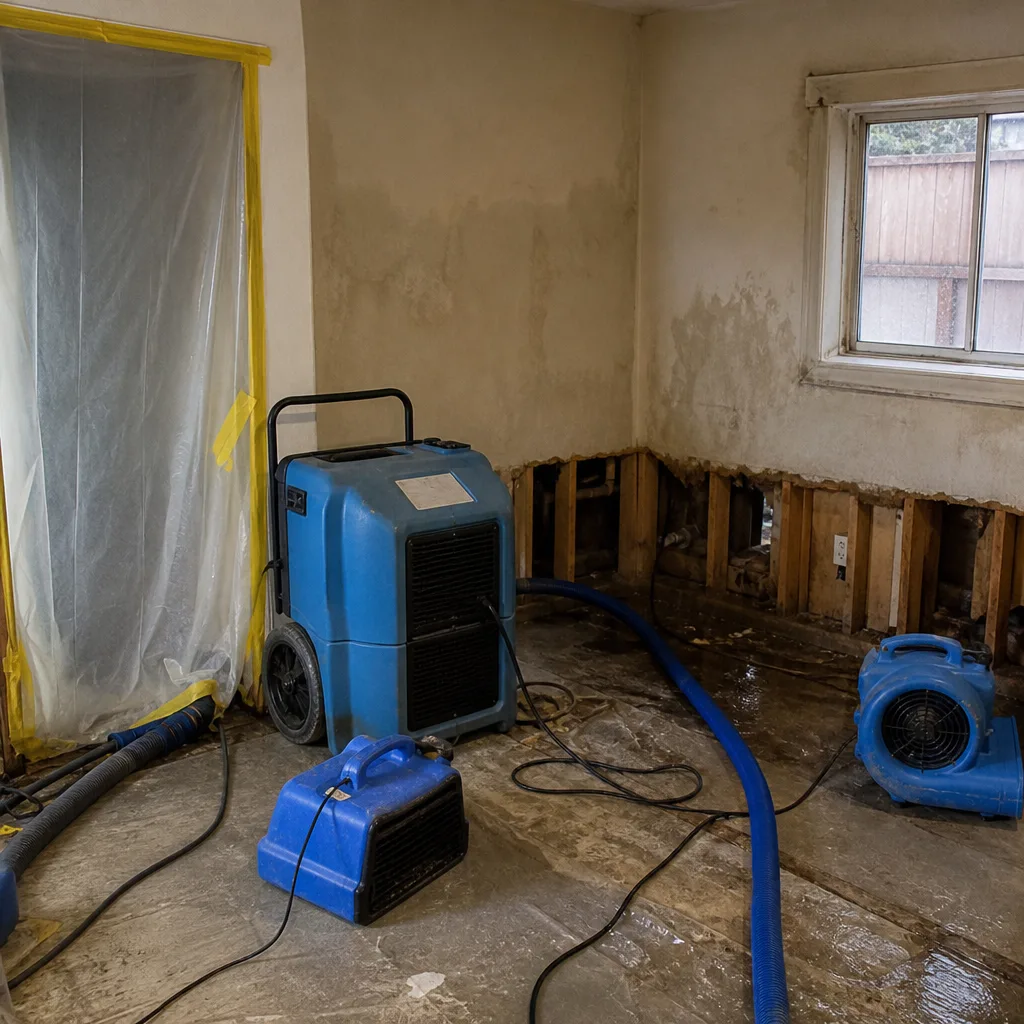 Before
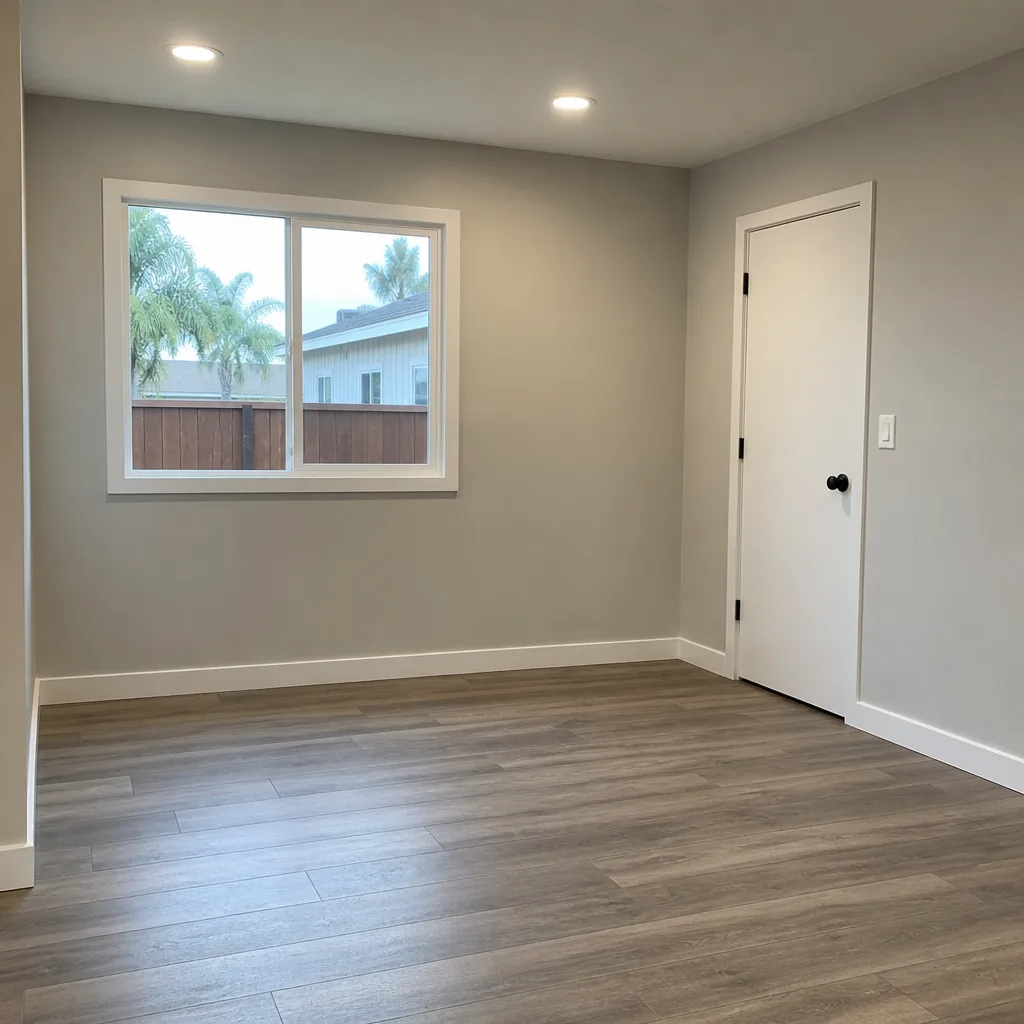 After
After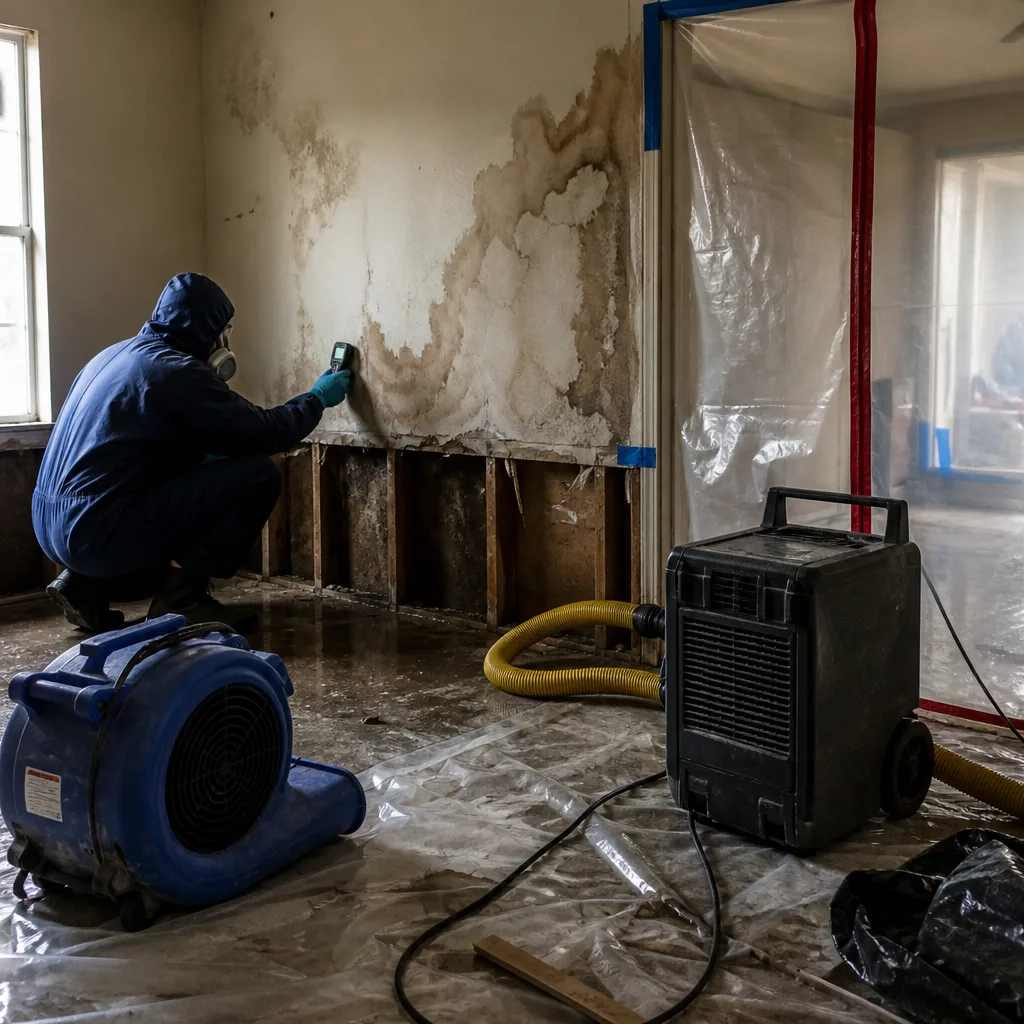 Before
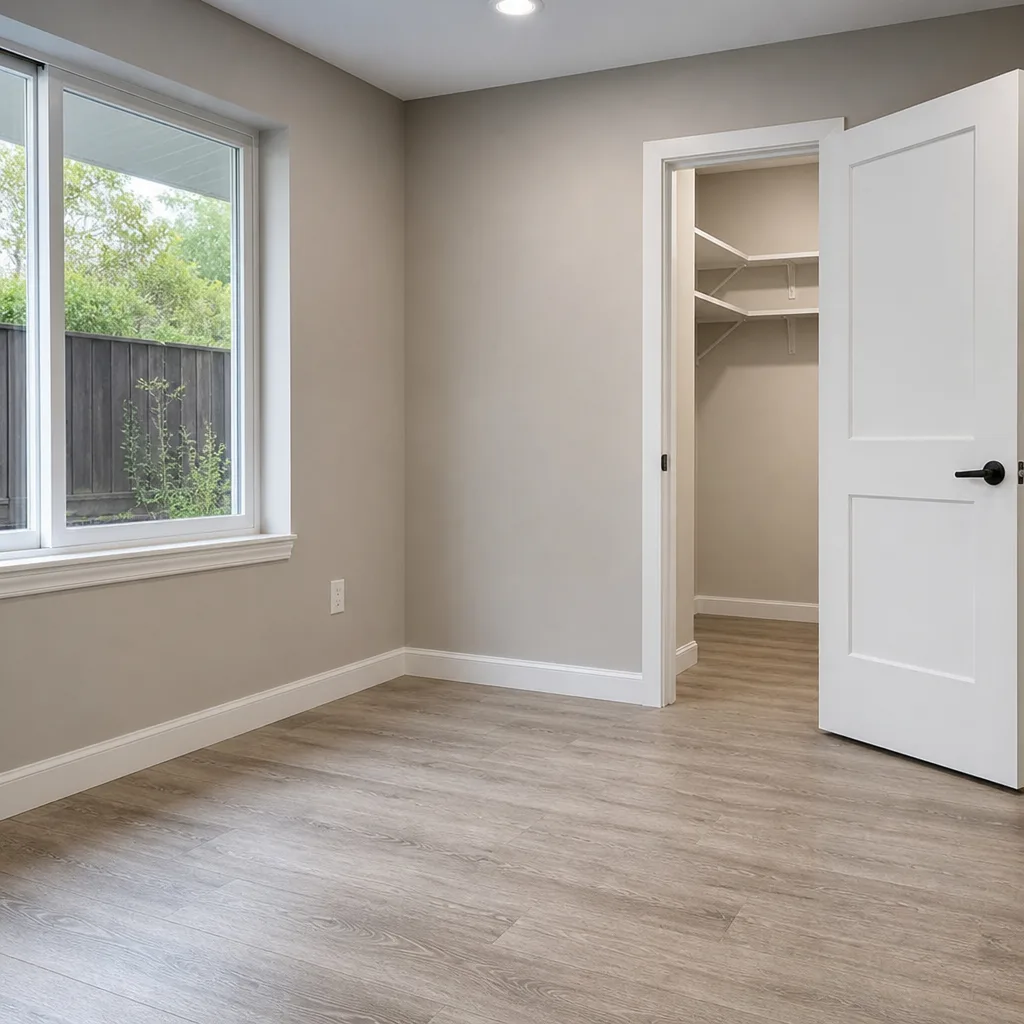 After
After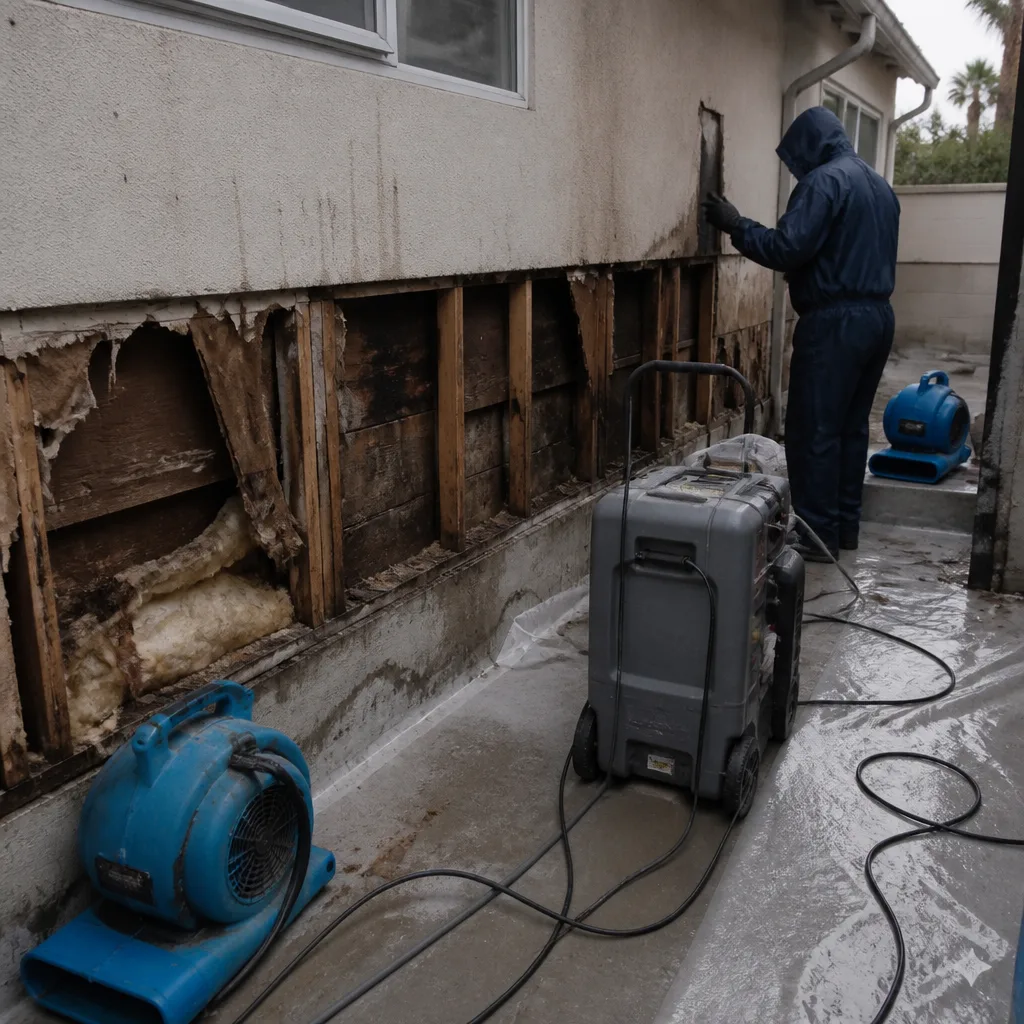 Before
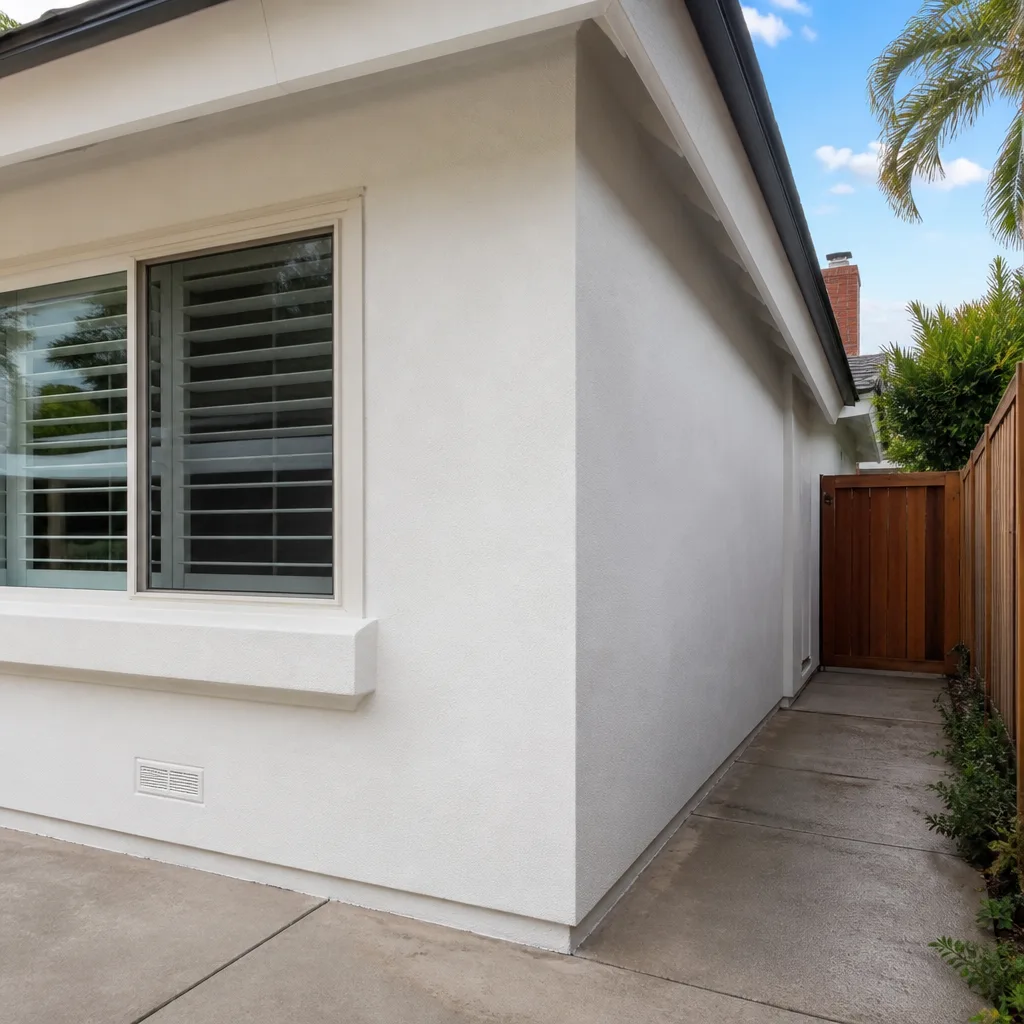 After
After24/7 Emergency Mold Remediation in National City
Mold remediation in National City typically costs $1,800-$4,500 for contained residential jobs, with Category 3 flood-related projects running $3,500-$7,500 due to contaminated-water protocols. Our crews answer live at (619) 330-9541 every hour of every day, and we can have a technician on-site anywhere in National City within 45 minutes. The first hour after water intrusion is when mold spores either stay dormant or begin colonizing, especially in National City’s older bungalows where original plaster and lath hold moisture like a sponge. We do not charge for the initial visual inspection, and we bring a written scope before any equipment runs.
Understanding Mold Remediation Severity in National City Properties
We classify mold jobs by contamination extent, material porosity, and the water category that spawned them. Category 1 clean-water losses from a supply line can often be dried in place with HEPA-contained air scrubbing. Category 2 gray water, maybe from a washing machine, demands removal of porous materials and antimicrobial treatment. Category 3 black water, which is what we see when National City’s storm drains back up against bay levels, means everything porous comes out, negative-air containment goes up before demo starts, and the drying log gets submitted to IICRC standards.
The housing stock here matters. A 1952 bungalow on E Avenue with original redwood shiplap siding and no vapor barrier behaves nothing like a 1990s stucco tract home in Chula Vista. We moisture-map with thermal imaging to find where the marine layer has driven relative humidity into wall cavities months before any visible mold appears. Psychrometric data, vapor pressure differential, tertiary drying, these are not jargon to pad a report. They are the measurements that tell us whether the framing is actually dry or merely feels dry.
Why National City Property Owners Choose DryMark Restoration San Diego
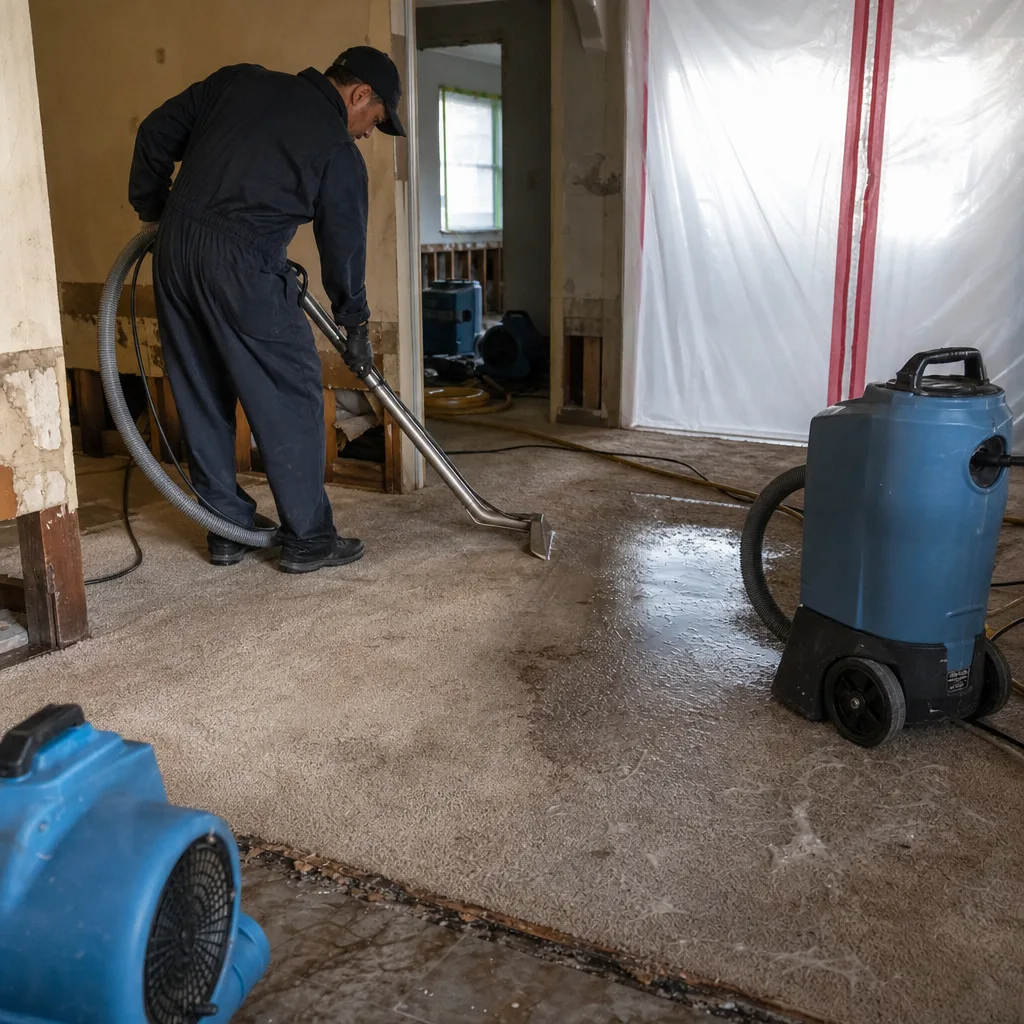
- 45-minute response commitment to any National City address, because mold colonization starts between 24 and 72 hours after water intrusion.
- 24/7 live answer, a real person, never an automated system, never a callback queue while water is still moving through your walls.
- IICRC-certified crews, holding WRT (Water Damage Restoration Technician) and AMRT (Applied Microbial Remediation Technician) certifications, documented on every job file.
- Free visual inspection with moisture mapping, no charge to determine whether you have a problem worth addressing.
- Direct insurance billing, with photo-documented estimates formatted to carrier standards so your claim moves without dispute.
- One team from containment to reconstruction, no handoffs to unknown subcontractors mid-job.
BeforeAfterOur Mold Remediation Process
1. Inspection & Assessment
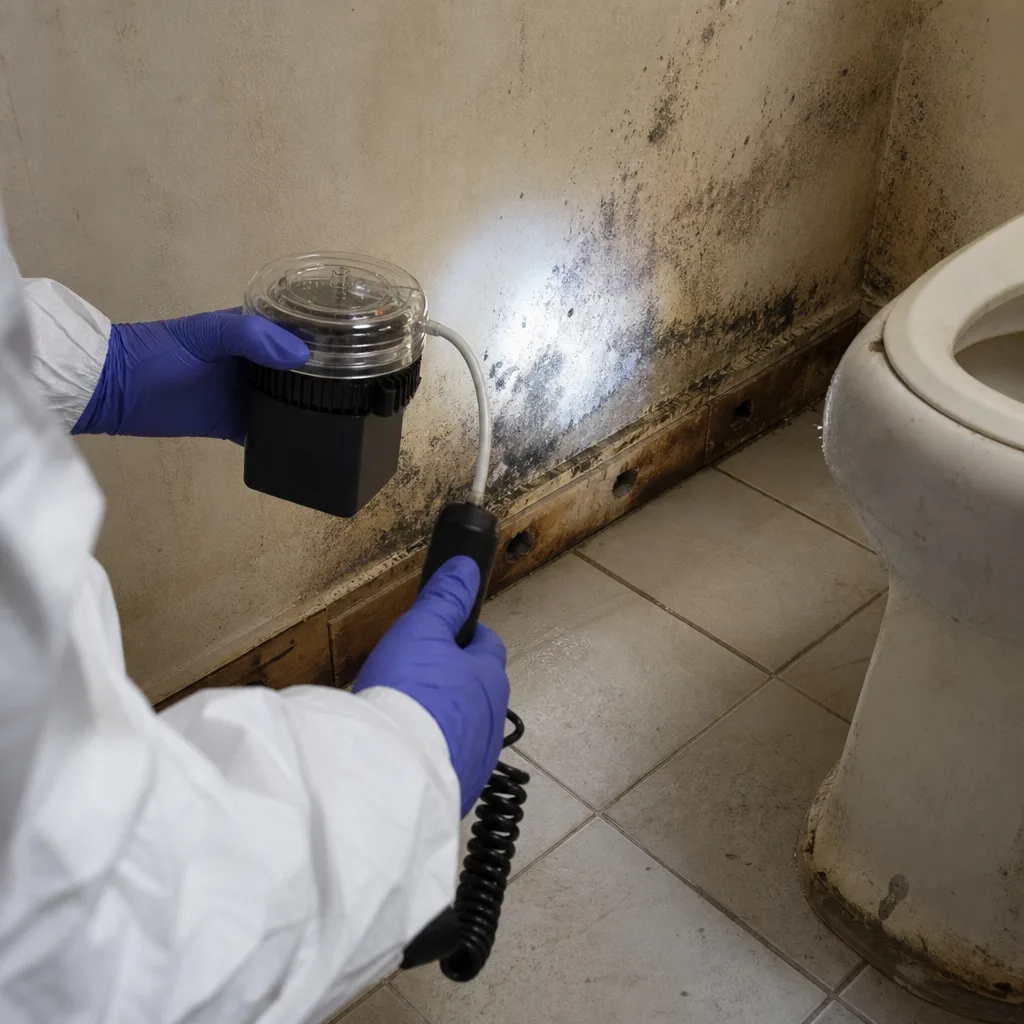
We arrive with thermal imaging cameras, hygrometers, and moisture meters to map the full extent of water intrusion and visible mold. In National City’s post-WWII bungalows, we check crawl spaces first, they are where the real damage hides.
2. Containment & Air Filtration
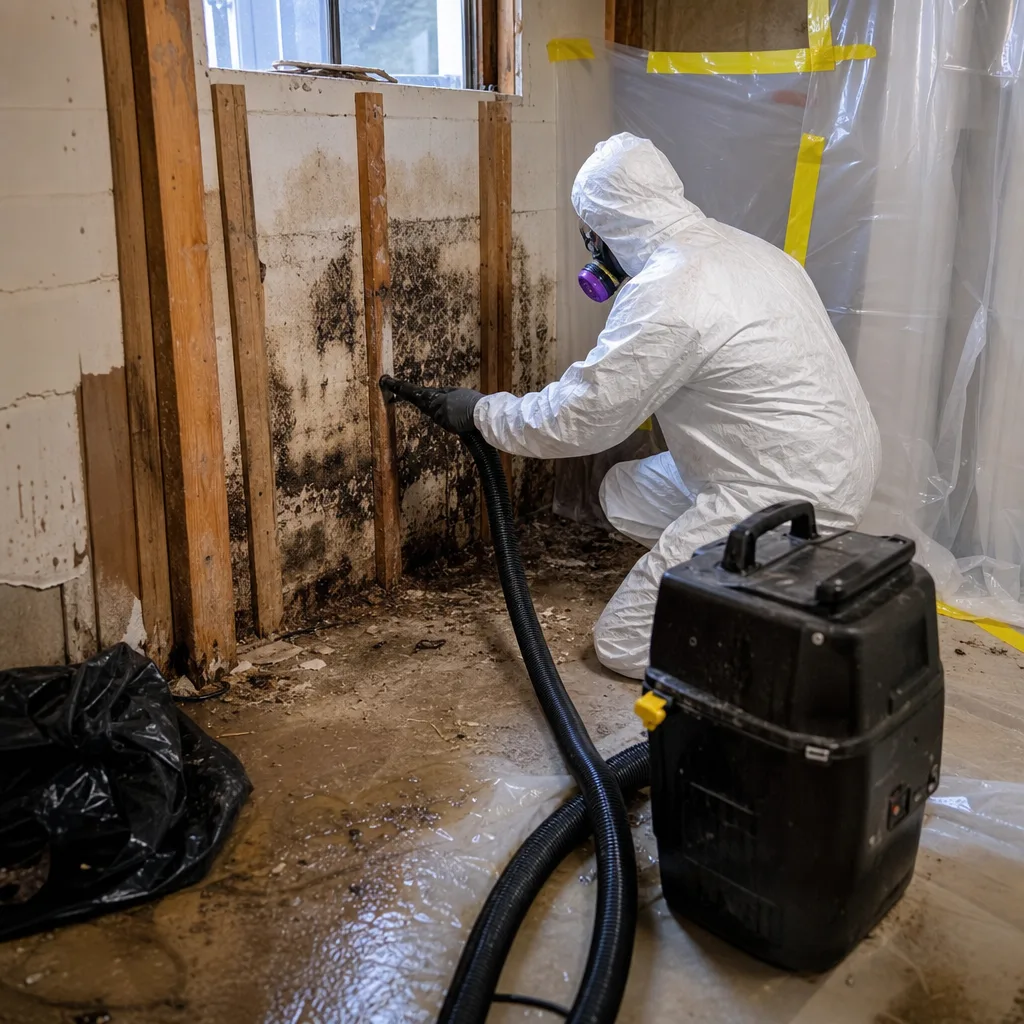
We erect polyethylene containment barriers and run HEPA air scrubbers at negative pressure before removing a single material. This prevents cross-contamination to unaffected rooms, critical in dense National City floor plans where bedrooms sit three feet from the bathroom stack.
3. Material Removal & Disposal
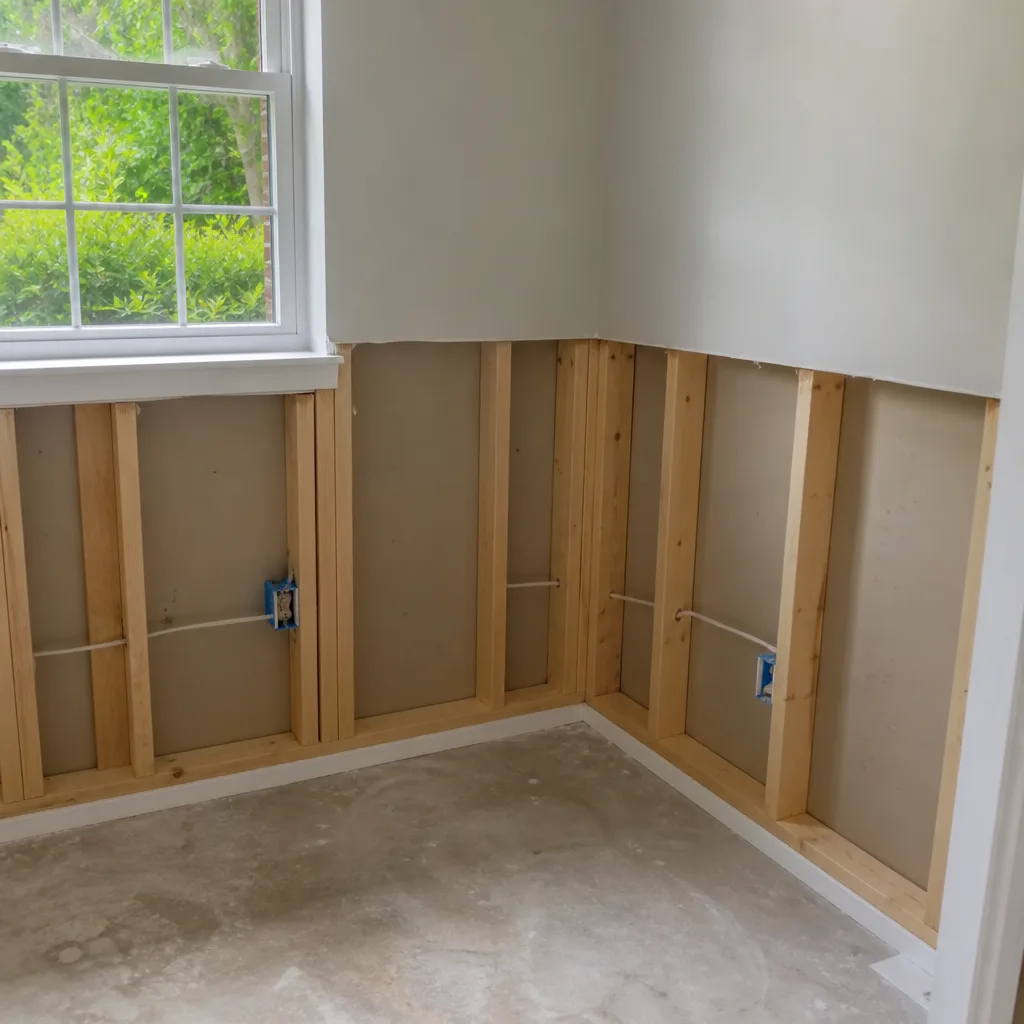
Porous materials contaminated by Category 3 water, drywall, insulation, carpet pad, are bagged within containment and disposed of per California hazardous waste protocols. We test original floor tiles and textured ceilings for asbestos before disturbing them.
4. Structural Drying & Dehumidification
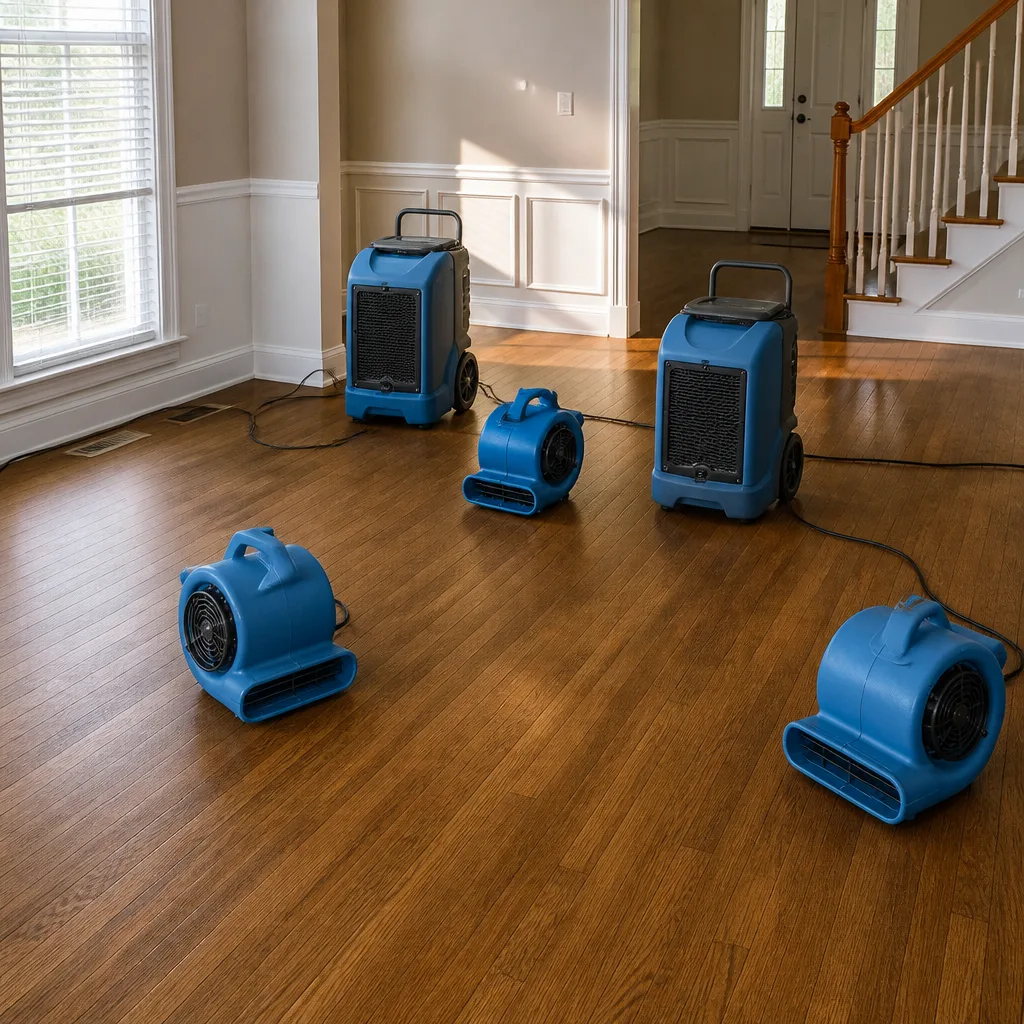
We deploy Dri-Eaz and XPOWER dehumidifiers with calculated air-mover placement to achieve specific humidity ratios. Daily moisture logs track wood moisture content until it drops below 15% MC, the threshold where mold cannot sustain growth.
5. Antimicrobial Treatment & Air Quality Restoration
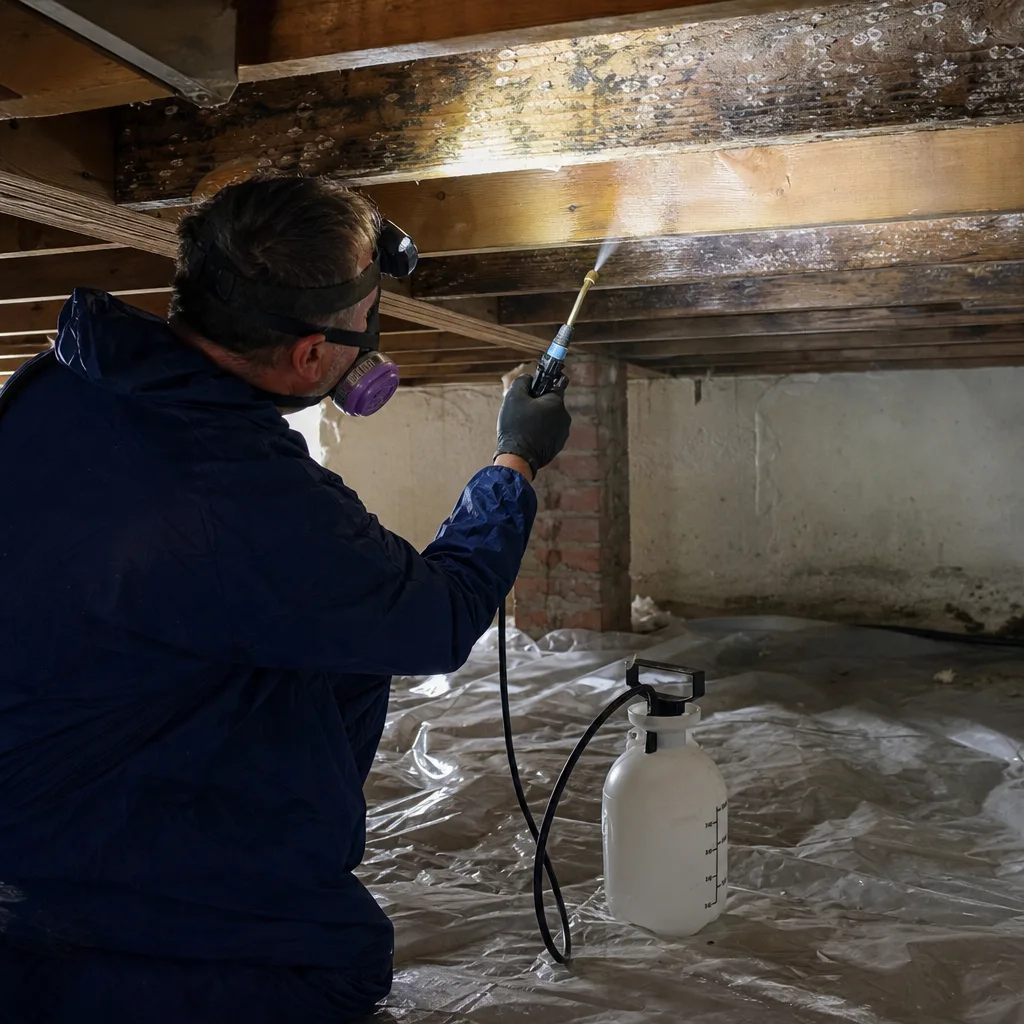
EPA-registered antimicrobials treat remaining structural materials. We run HEPA scrubbers continuously through this phase, then perform clearance sampling to verify spore counts have returned to ambient levels before containment comes down.
6. Repairs & Restoration
Our crew replaces removed materials with new, matching finishes, and we deliver a written completion certificate with photo documentation. The 365-Day Done Right Promise applies to all work performed.
Need Emergency Mold Remediation in National City Now?
Crews minutes away, answering live 24 hours a day. The sooner we start, the less it costs.
Working With Your Insurance Company
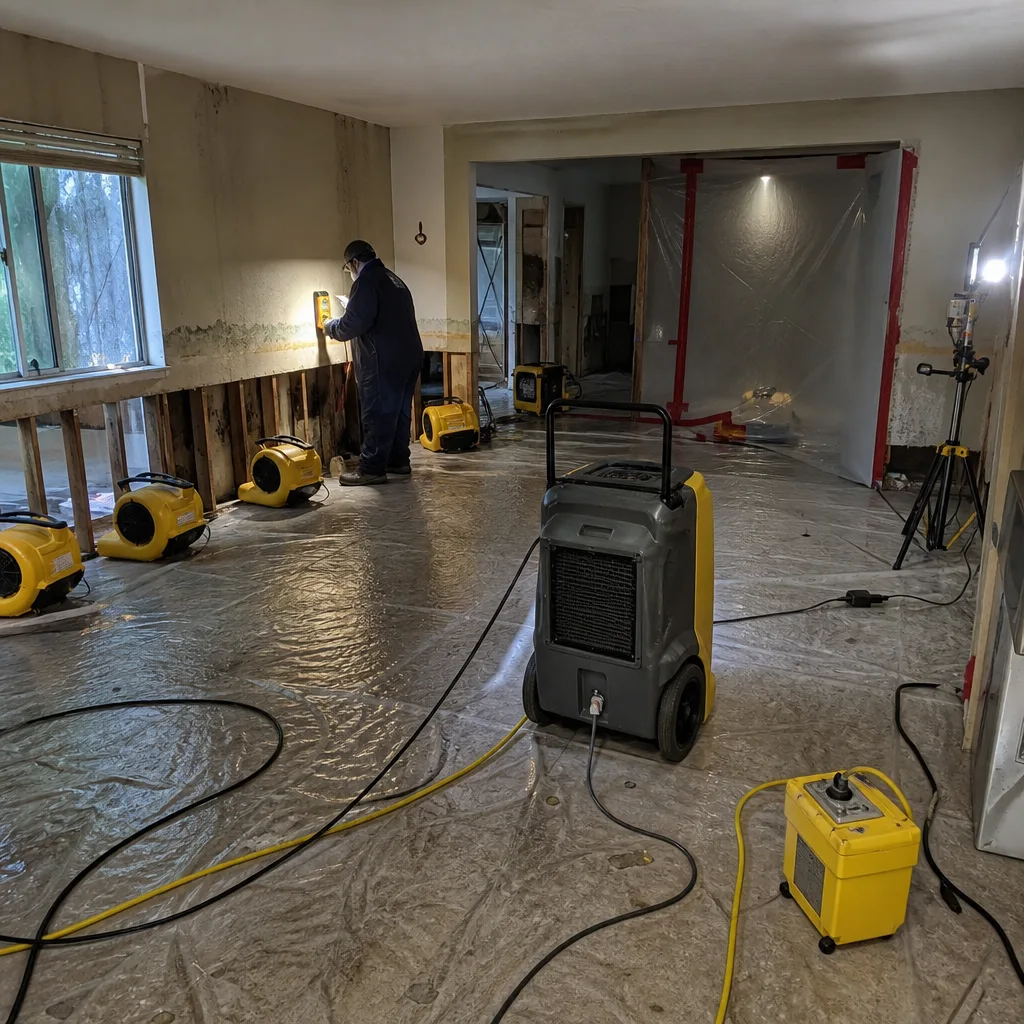
We document from the first hour because we know what adjusters need to approve a claim without back-and-forth. Our estimates follow Xactimate pricing standards, the same software carriers use, and we photograph every room before, during, and after work. Direct adjuster communication is standard, not an upsell. We have handled claims with every major carrier writing policies in National City, and we know which documentation patterns trigger automatic approval versus manual review.
Haven Standard, Clause 1: a written price before any work starts. Your scope is itemized, line by line, with no additions once the crew is inside your home. If the adjuster disputes a line item, we defend it with our photo record and moisture logs.
What We Provide Your Insurer
- Thorough documentation of the loss
- Photos of all damage, room by room
- Moisture readings and drying logs
- A detailed, line-item scope of work
- Direct coordination with your carrier
Built for National City’s Loss Calendar
January through March, the marine layer sits heaviest on National City’s western neighborhoods, and we see crawl space mold calls from homes where humidity has climbed unchecked through winter. April brings the first strong El Niño storms if the cycle is active, and that is when the storm-drain outfall along the bay chokes, sending Category 3 water into ground floors off Highland Avenue and Roosevelt Avenue.
May through October is dry on the surface, but we get calls from homeowners who finally smell something musty and discover six months of slow colonization behind a bathroom vanity where a galvanized supply line has been weeping. November and December storms can repeat the outfall backup pattern, and by then the crawl spaces that never dried from spring are already compromised. We plan our equipment inventory around this calendar, more dehumidifiers and negative-air machines staged for National City from October through April.
Mold Remediation Across National City’s Neighborhoods
The blocks west of Highland Avenue, toward the bay, are where we set up containment most often. FEMA flood zone AE runs through here, and the 1940s cottages on Elm Avenue and F Avenue have crawl spaces that flood in storms and bake in summer humidity. We treat these as combined water damage and mold jobs from arrival, because the water is never clean.
East of Interstate 5, the neighborhoods around Kimball Park and the Paradise Hills corridor edge have slightly newer stock, 1960s ranch homes with better site drainage but the same galvanized plumbing reaching end of life. Mold here tends to start behind water heaters and under kitchen sinks, slow leaks that homeowners miss until the cabinet base swells.
The commercial corridor along National City Boulevard, with its mixed-use buildings from the 1950s and 1960s, presents its own pattern. Flat roofs with original tar-and-gravel membranes pond water, and the HVAC ductwork in these structures often runs through unconditioned ceiling plenums where condensation feeds mold growth above the drop ceiling. We have done full duct and plenum remediation for property managers here who inherited maintenance deferred across decades.
Near the Sweetwater Channel, the terrain drops again, and we see the same outfall-backup risk as the western bayfront. A home on D Avenue near the channel got six inches of sediment-laden water in January 2023, and by the time we arrived the baseboards were already showing Stachybotrys colonization. That job required full gutting of the lower four feet of drywall, with asbestos testing on the original acoustic ceiling tile before we could begin.
Specialized Mold Remediation Services We Offer in National City
Mold Inspection & Testing
We start with a visual inspection and moisture mapping, not a sales pitch. Air and surface sampling goes to a third-party lab when clearance documentation is needed for real estate transactions or insurance claims. In National City, we sample crawl spaces as a matter of course, the marine layer keeps them active year-round.
Mold Removal
Removal follows containment, never precedes it. We bag and seal affected materials within the work zone, then HEPA-vacuum every surface before antimicrobial treatment. For Category 3 water jobs in National City’s flood zones, removal is more extensive and the documentation more detailed.
Black Mold Remediation
Stachybotrys chartarum and other toxigenic species require the same containment and air-scrubbing protocols, with additional PPE for technicians and longer clearance-testing hold times. We do not use scare tactics, but we do not minimize the health risks either, especially in homes with children or immunocompromised residents.
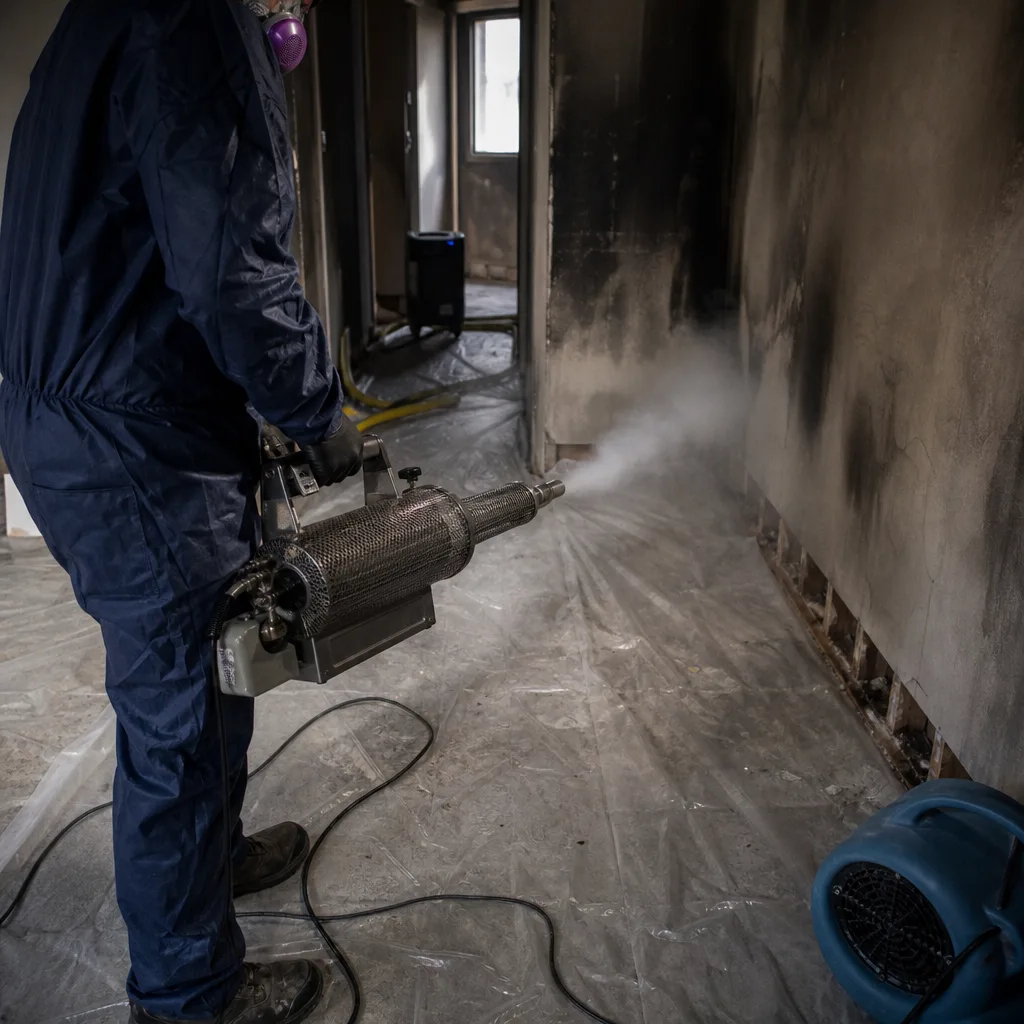
Air Quality Restoration
After remediation, we run HEPA scrubbers for a calculated period based on room volume and contamination level, then test airborne spore counts against outdoor baseline. In National City’s dense housing, where homes share walls and HVAC systems, this step prevents recontamination from adjacent units.
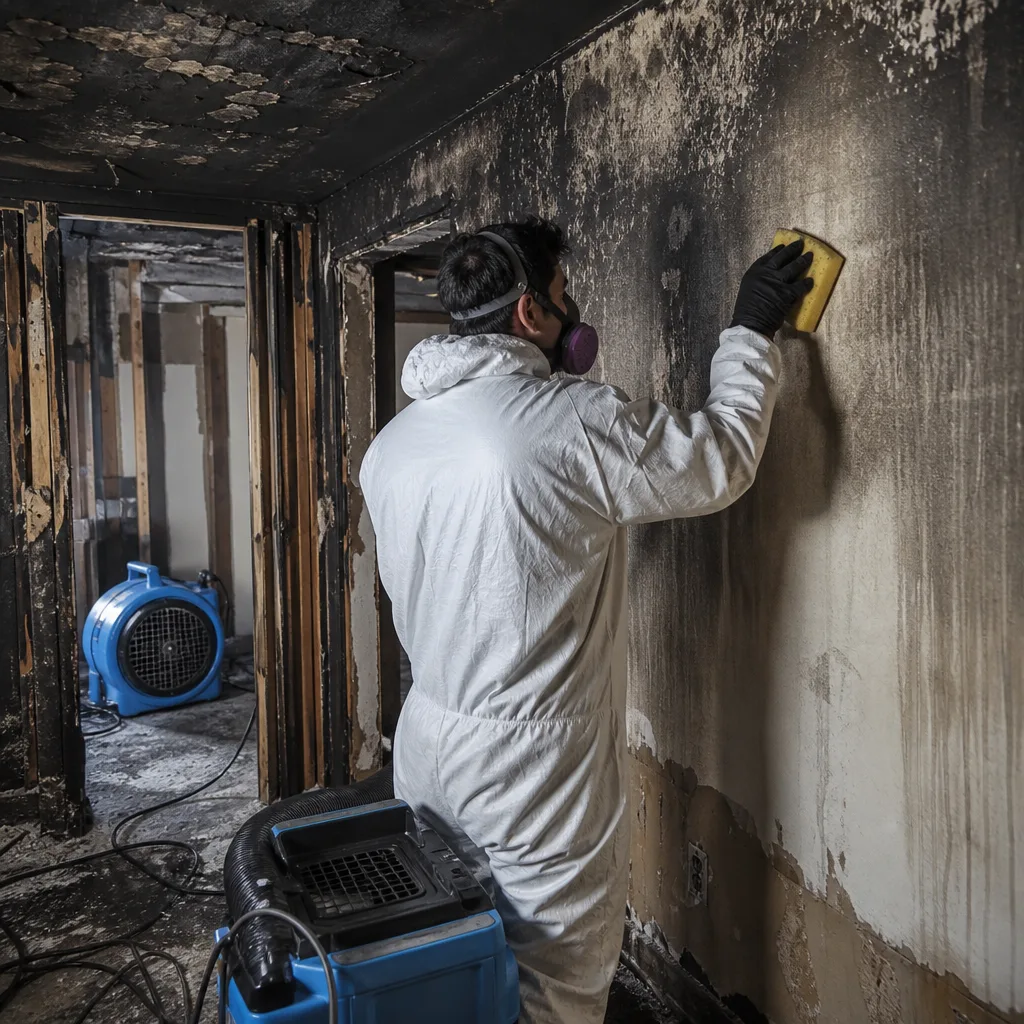
Crawl Space Treatment
This is where National City’s mold problems live longest. We install vapor barriers, seal vents per modern building science, and run dedicated dehumidification to keep relative humidity below 60%. Without this, the mold returns regardless of how clean the living room looks.
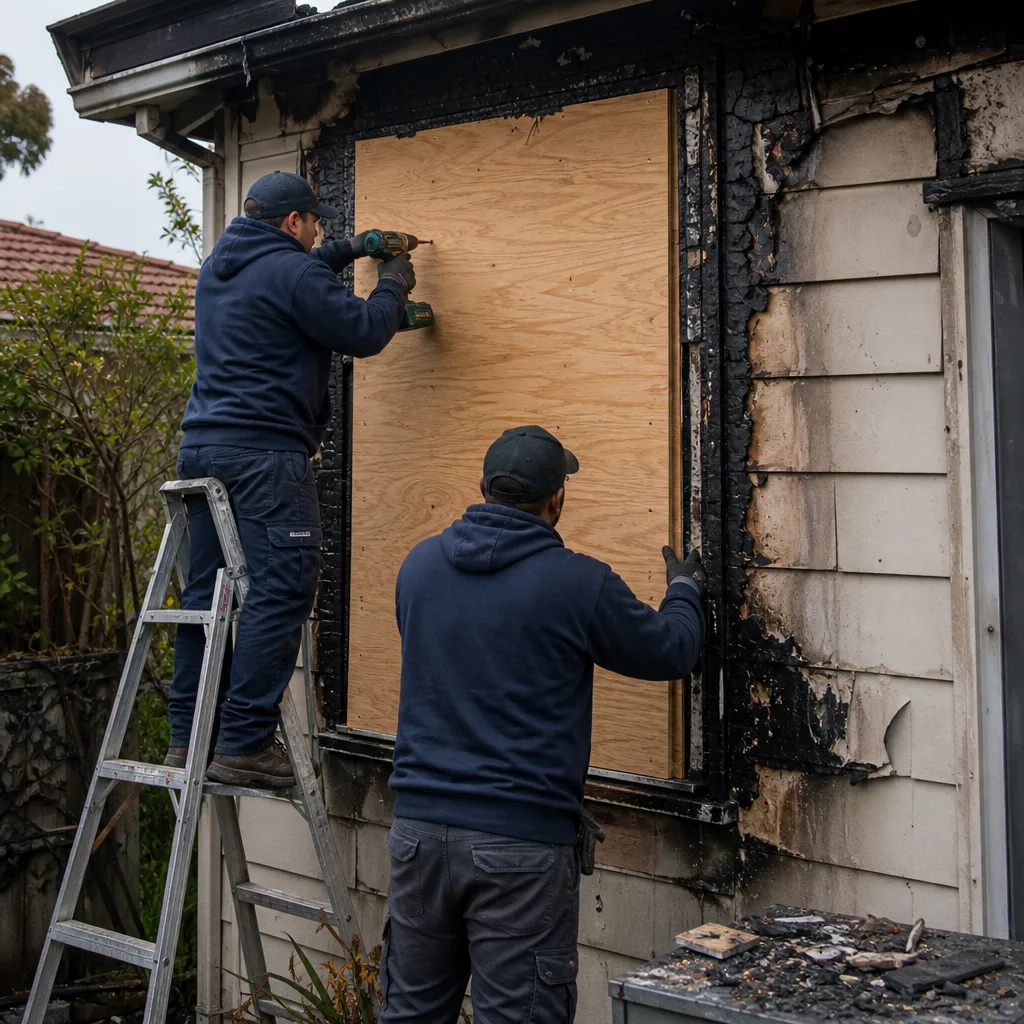
What happens when you call
- 1
A real person answersNo phone trees - you reach a local pro.
- 2
You get an upfront price rangeHonest numbers before anyone is dispatched.
- 3
A background-checked tech heads outLicensed & insured, dispatched right away.
- 4
You approve before work beginsNothing starts until you say go.
Mold Remediation Costs in National City, CA
A contained mold remediation in a single National City bathroom or closet typically runs $1,800-$3,200. Whole-room remediation with Category 1 water origin, including drywall removal and replacement, lands at $3,500-$5,500. Category 3 flood jobs with full gutting, hazmat testing, and crawl space work start at $5,500 and can reach $7,500 or more for larger homes.
What moves the price: square footage affected, whether asbestos or lead testing is required before demo, crawl space accessibility, and whether the water source was clean or contaminated. Insurance covers sudden and accidental water damage and resulting mold in most policies, but gradual leaks and maintenance-related mold are typically excluded. We review your policy language and document the loss origin to support your claim. Call (619) 330-9541 for a free inspection and written scope, Haven Standard, Clause 1.
We Also Serve Cities Near National City
Our crews respond throughout the South Bay from our San Diego office. We regularly handle Mold Remediation in National City and surrounding communities including Chula Vista to the east, Bonita to the southeast, Coronado across the bridge, and San Diego proper to the north. Each city’s building stock and drainage patterns shape how we approach the work.
Serving National City, CA - Our Local Coverage Area
We’re based in the National City area and know this community well. Use the map below to see our service coverage - if you’re nearby, we can almost certainly help.
National City Mold Remediation Questions, Answered
Why does mold show up so fast after a storm flood in west National City?
The marine layer off San Diego Bay keeps relative humidity persistently elevated, and the 1940s-1960s bungalows in this area have minimal subfloor ventilation and original plaster that holds moisture for days. When storm drains back up and deliver bay water into crawl spaces and ground floors, mold colonization can begin within 24 to 48 hours, half the typical timeline for drier inland climates. Call (619) 330-9541 for a free moisture inspection.
Does flood water from the bay change how you handle mold remediation in National City?
Yes. Bay backflow is Category 3 black water under IICRC standards, which means porous materials cannot be dried in place and antimicrobial treatment begins immediately, not after drying. We also test for bay-borne contaminants and sediment that standard clean-water protocols do not address. The drying log and scope reflect this stricter classification. Call (619) 330-9541 for documentation that supports your insurance claim.
What’s different about mold in a crawl space versus a living room in National City?
Crawl spaces in National City’s post-WWII housing stock were built without vapor barriers and with minimal ventilation, so the marine layer keeps relative humidity at mold-sustaining levels year-round. Living room mold usually follows a visible leak and is caught earlier. Crawl space mold grows undetected, often until structural damage or indoor air quality symptoms appear. We treat crawl spaces with dedicated dehumidification and vapor barrier installation, not just surface cleaning. Call (619) 330-9541 for crawl space assessment.
Do you have to test for asbestos before removing moldy materials in these older National City homes?
Yes, if the home was built before 1980 and original materials are present. National City’s naval-boom housing stock includes asbestos-containing floor tiles, pipe insulation, and textured ceilings that must be tested before invasive demolition. Skipping this step stalls the job mid-stream and risks releasing fibers into an active containment. We build testing into our initial scope and timeline. Call (619) 330-9541 for a written plan that includes proper sequencing.
How do you avoid cross-contaminating the rest of the house during mold remediation?
We establish negative-air containment with polyethylene barriers and HEPA air scrubbers before removing any material. Airflow is directed into the work zone, not out of it, and technicians wear protective gear that never leaves the containment. In National City’s dense bungalows, where rooms connect through small hallways, this protocol is especially critical. Post-remediation clearance testing verifies spore counts have returned to ambient before we remove equipment. Call (619) 330-9541 to discuss containment for your specific layout.
How fast can you actually get to National City?
We commit to 45 minutes from call to arrival anywhere in National City, 24 hours a day. Our San Diego office dispatches crews specifically for the South Bay, and we do not route you through a national call center. A live person answers, takes your address, and radios the nearest available team. Call (619) 330-9541 now.
Will my insurance cover mold remediation in National City?
Most homeowners policies cover mold remediation when it results from a sudden and accidental water loss, such as a burst pipe or storm damage. They typically exclude mold from gradual leaks or maintenance issues. We document the water origin, photograph the progression, and format our estimate to carrier standards to support coverage. Direct adjuster communication is included. Call (619) 330-9541 for a free inspection and policy review.
Can we stay in the house during mold remediation?
For contained, single-room jobs with Category 1 or 2 water origin, often yes, with containment barriers sealing the work zone. For Category 3 flood jobs, whole-home remediation, or toxigenic species like Stachybotrys, we recommend temporary relocation until clearance testing passes. We tell you which category applies before work begins, not after. Call (619) 330-9541 for an honest assessment of your situation.
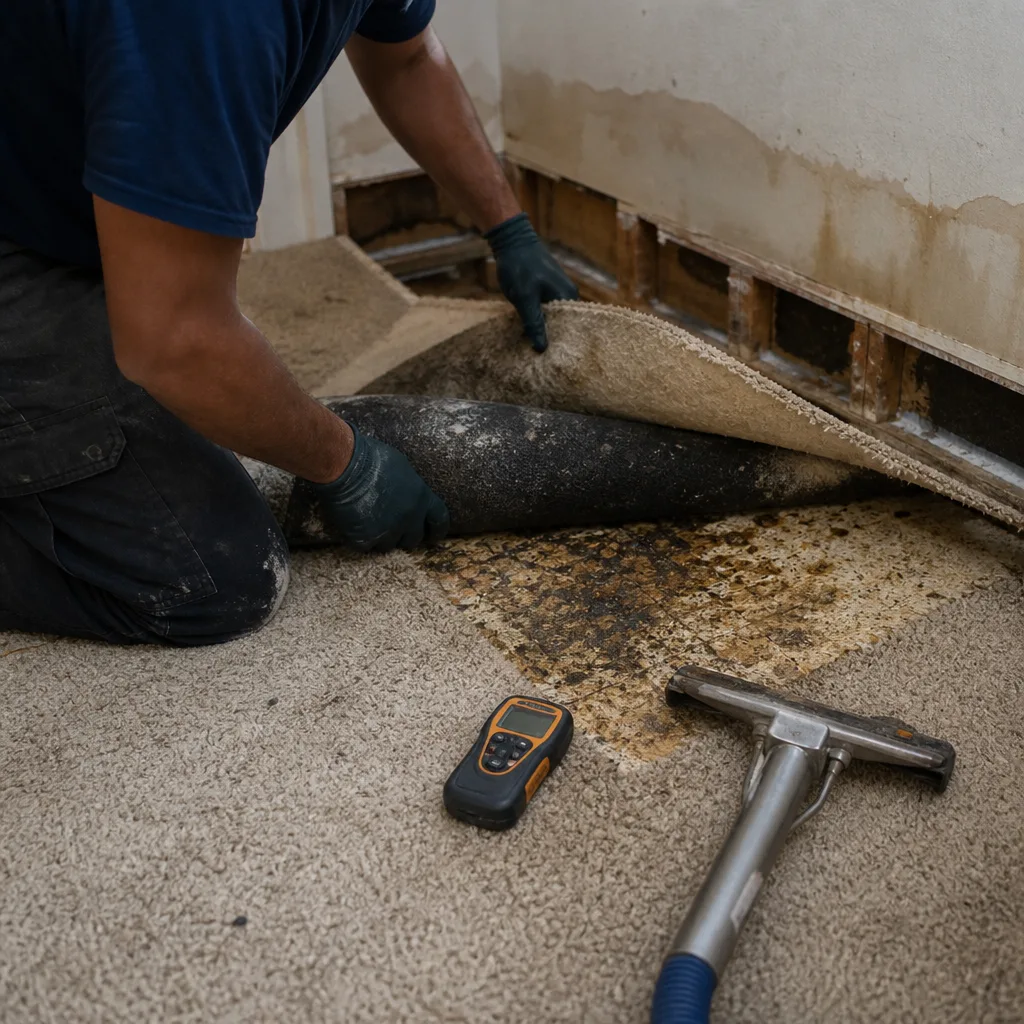
On a 1950s bungalow off Highland Avenue near the bay, our tech pulled a soaking carpet after an El Niño storm and found bay silt tracked eight feet into the room, moisture readings on the original subfloor climbed past 30% while the crawl space sat at 85% RH. We set containment, ran Dri-Eaz dehumidifiers and XPOWER air movers for four days of structural drying, performed antimicrobial treatment on the joists, and logged moisture mapping daily until the framing dropped under 15% MC. The homeowner’s galvanized supply lines were the suspected secondary source, so we flagged the corroded run for a plumber before rebuilding.
Because National City’s western blocks sit just above San Diego Bay in a FEMA flood zone, heavy rain backs the storm-drain outfall up instead of draining it, so mold jobs there often start as Category 3 silt-laden bay water, not a clean supply-line leak. That reclassifies what can be dried in place and forces containment and antimicrobial treatment from the first hour. Contractors who treat this as a standard Category 2 cleanup leave homeowners with recurring mold, denied insurance claims, and the cost of doing the job twice.
Our Mold Remediation team is trained to recognize this pattern immediately. We bring the right equipment, the right documentation, and the right protocol for National City’s specific conditions. Every job is quoted in writing before work begins, documented with a photo record on every visit, and covered by the 365-Day Done Right Promise under The Haven Standard.
Call (619) 330-9541 for a free inspection and written scope. Estimates are free, and we offer a free second opinion on any competitor’s written estimate.
Written by Alicia Brennan, Owner at DryMark Restoration San Diego, serving National City since 2011.
Mold Remediation in Nearby Areas