
Last updated September 23, 2026
Free visual inspection and a written scope of work before any mitigation begins - photos, moisture readings, and drying logs go in your claim file
The scope we write is the scope we bill. Anything new gets shown to you, in writing, before we touch it.
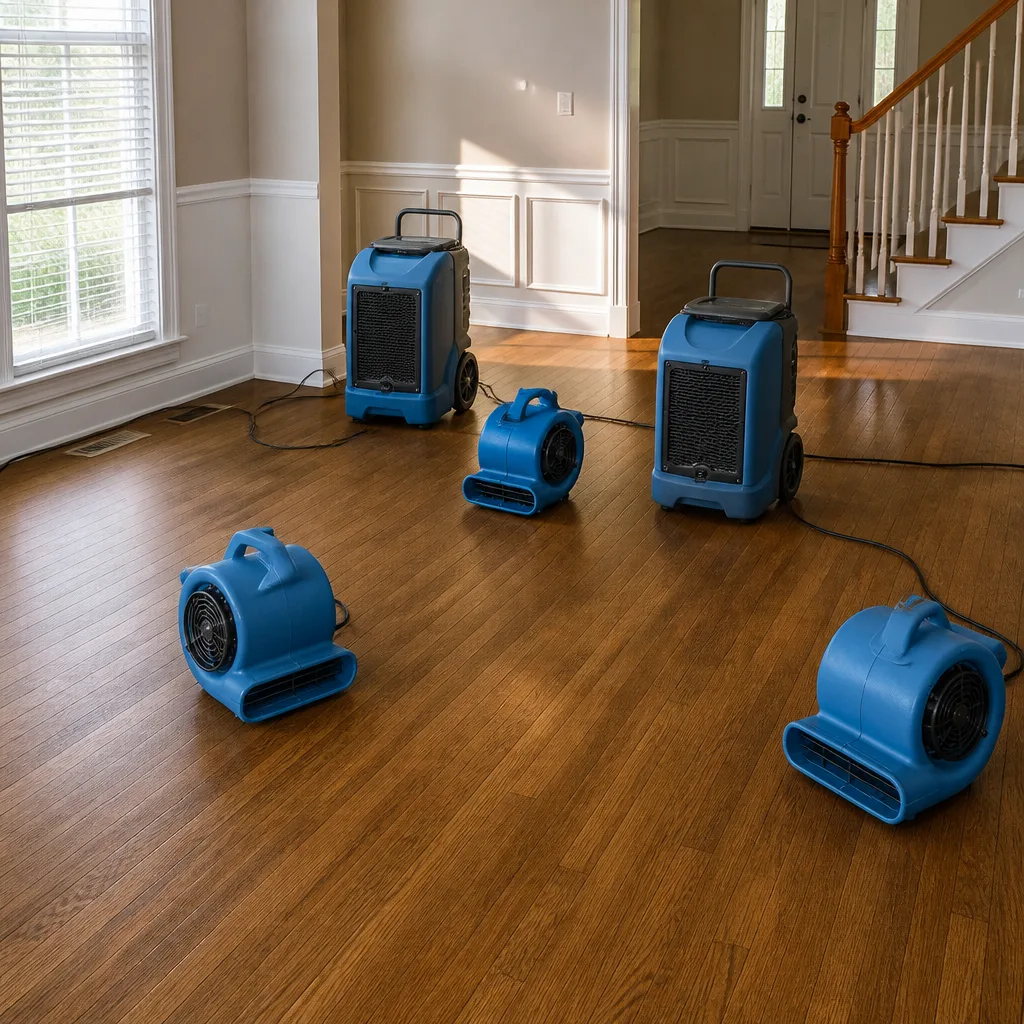
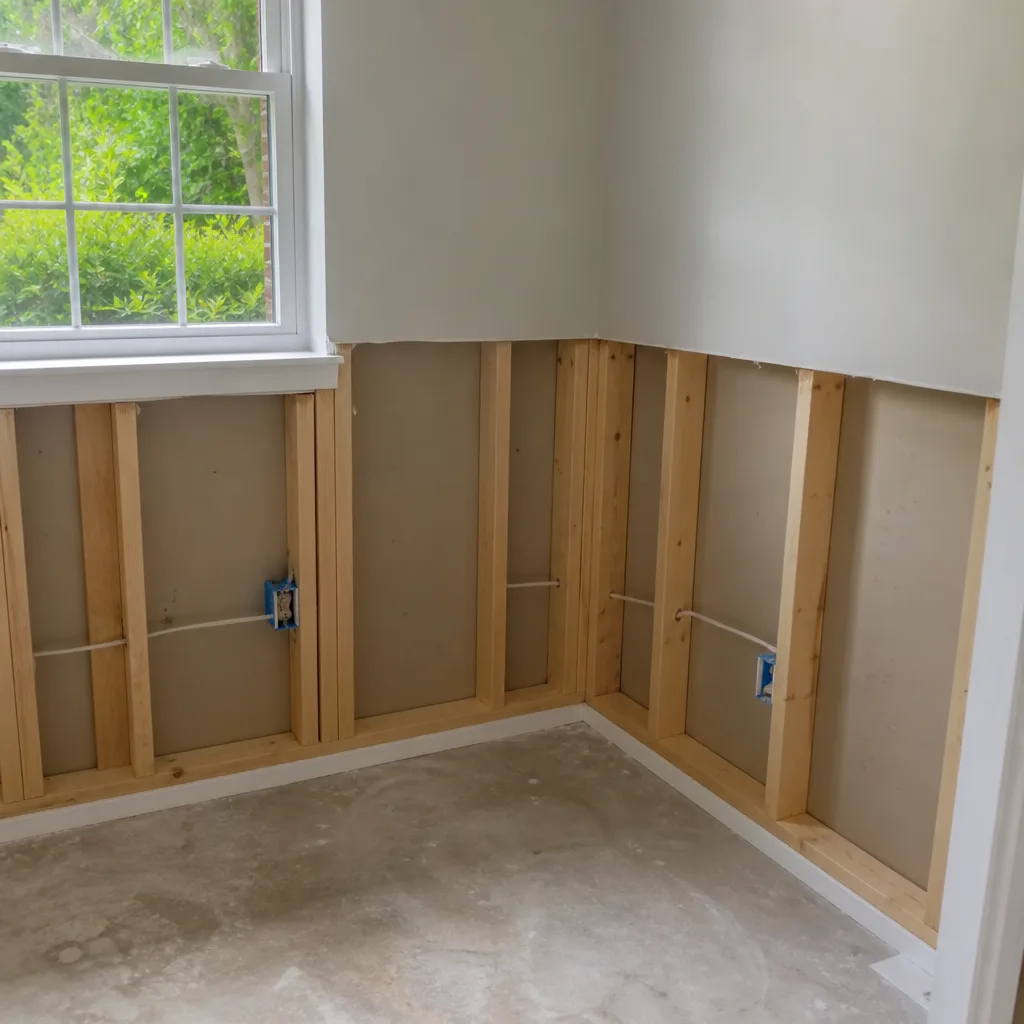

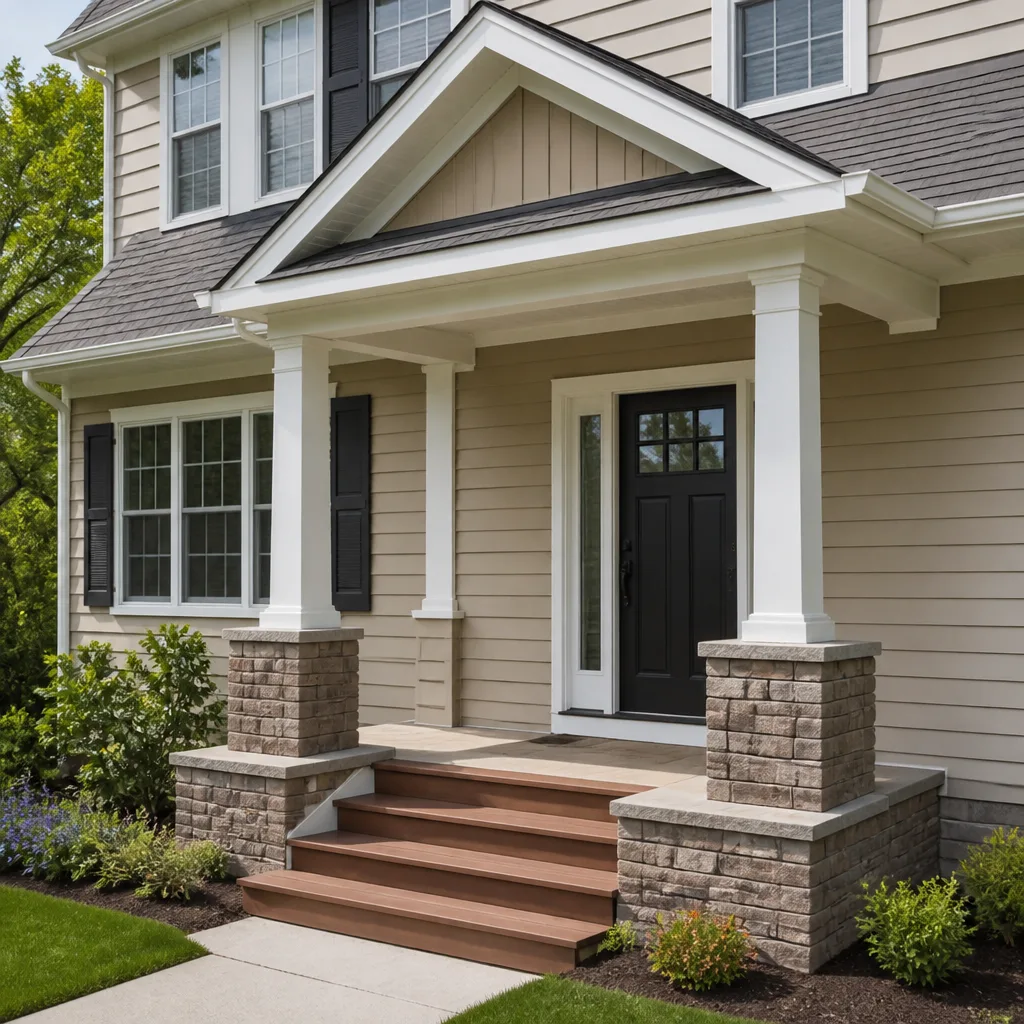
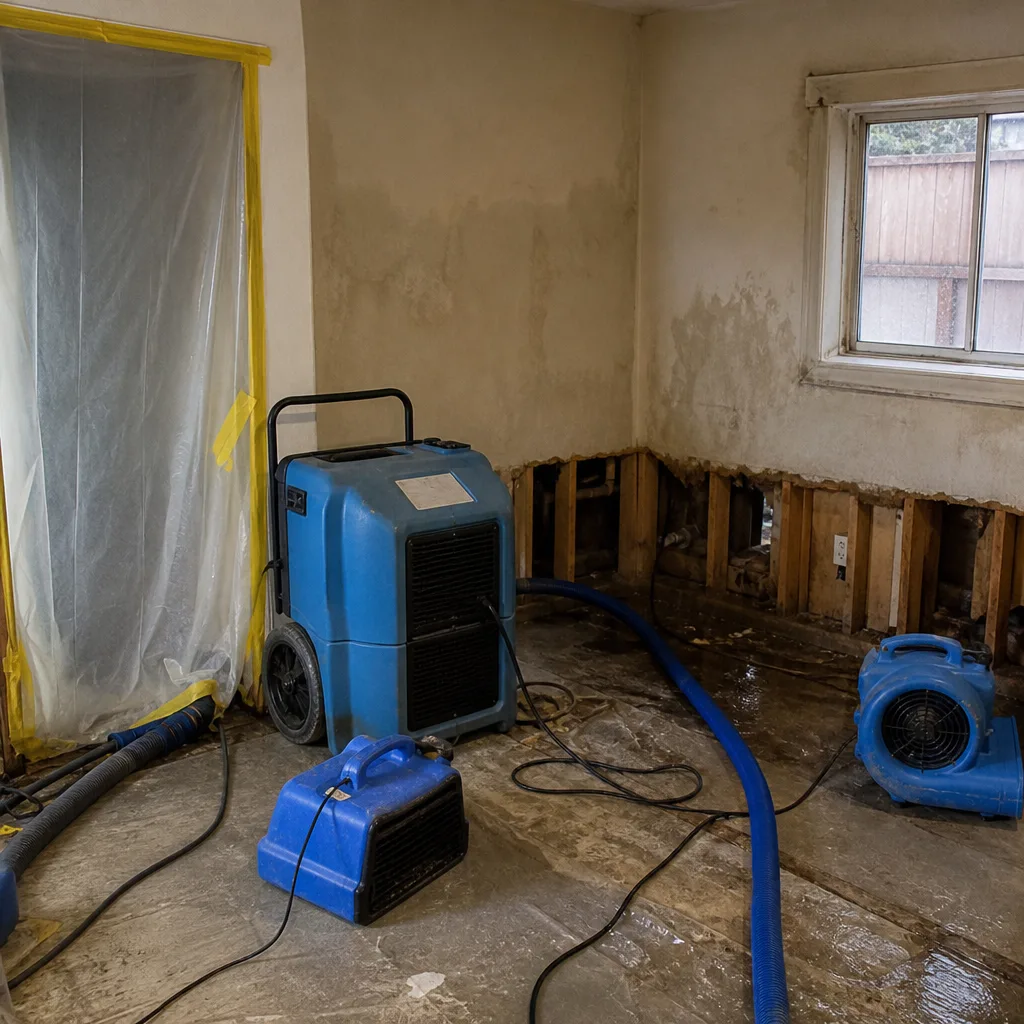 Before
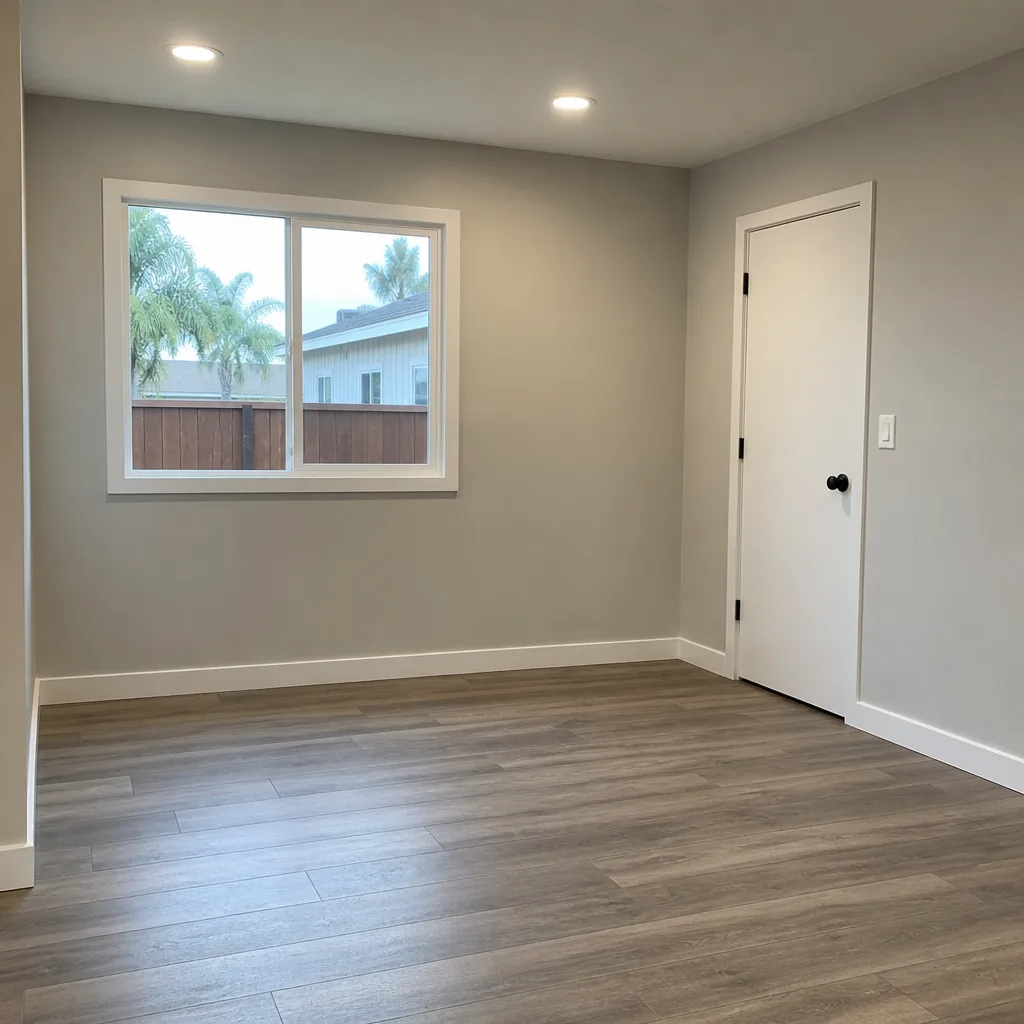 After
After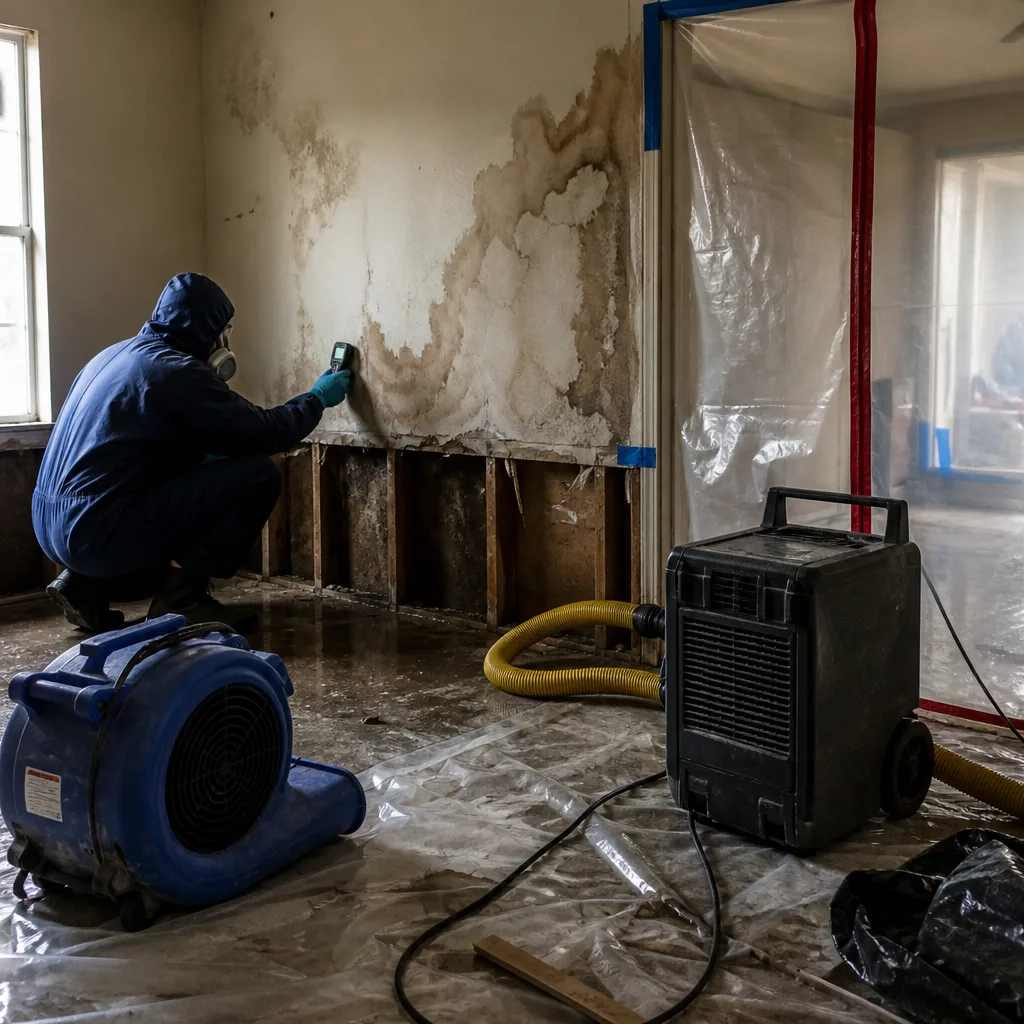 Before
 After
After Before
 After
AfterDamage Restoration Permits, Codes & Inspections in CA: What You Need to Know
A San Diego homeowner discovered during escrow that the drywall replacement after a 2022 pipe burst had been done without a permit. The contractor had called it “like-for-like repair.” The sale was delayed 34 days and cost $6,200 to remediate the permit gap. This happens more often than most restoration companies admit, because the line between “repair” and “alteration” in California building code is specific, counterintuitive, and routinely crossed during water, fire, and mold work. In this guide and our Damage Restoration Warning Signs: A San Diego Homeowner’s Reference Guide, we’ll name exactly which restoration tasks trigger permits, which San Diego jurisdictions enforce stricter-than-state rules, and why the inspection record matters more than your contractor’s photo folder when an insurer or buyer asks questions later.
Quick Answer
California requires permits for restoration work that alters structural, electrical, plumbing, or mechanical systems, or exceeds $1,000 in value for like-for-like replacement in many jurisdictions. In San Diego, unpermitted structural drying, electrical rewiring after fire damage, and mold remediation with containment barriers routinely trigger local amendments stricter than state minimums. The homeowner, not the contractor, bears legal liability for unpermitted work discovered during sale or reinspection.
Table of Contents
- Repair vs. Alteration: The Code Threshold That Determines Everything
- What Actually Requires a Permit During Restoration
- San Diego-Specific Code Amendments and Local Rules
- How Permits Strengthen (Not Complicate) Insurance Claims
- Who Is Legally Liable When Permits Don’t Get Pulled
- What Final Inspection Sign-Off Looks Like and Why It Matters
- Mold Remediation: Disclosure and Documentation Requirements
- Reconstruction: When Restoration Becomes Remodeling Under Code
BeforeAfterRepair vs. Alteration: The Code Threshold That Determines Everything
California Building Code Section 105.2 lists work exempt from permits: “like-for-like” repairs using identical materials, minor finish work, and ordinary maintenance. The trap is in the word “like.” A contractor replaces water-damaged drywall in a Clairemont crawl space after a slab leak. The original drywall was standard 1/2-inch. The contractor installs 5/8-inch mold-resistant board, reasoning it’s better for the damp coastal climate. That’s an upgrade, not a like-for-like repair. In the City of San Diego’s interpretation, that triggers permit requirements if the affected area exceeds certain square footage thresholds.
The California Building Standards Code draws the line at whether the work “changes the use or occupancy” or “alters the structural, electrical, plumbing, or mechanical system.” But local amendments complicate this. San Diego County’s amended Title 24 provisions add a value test: work exceeding $1,000 in materials and labor combined, even if technically “repair,” may require documentation with the local building department depending on the scope and location within the structure.
We’ve reviewed competitor estimates in San Diego where contractors labeled $8,000 electrical panel replacements after fire damage as “emergency repair” to avoid permit delays-one reason we published DIY vs Professional Damage Restoration: The San Diego Homeowner’s Decision Guide. The homeowner saved five days. Two years later, selling the Mission Hills property, they paid $4,800 to retro-permit and re-inspect work that should have been documented from the start. The permit would have cost $380 and added three days.
Three questions determine whether your restoration work crosses from repair to alteration:
- Does the work change material specifications, dimensions, or fastening methods from the original construction?
- Does it affect load-bearing elements, electrical capacity, plumbing routing, or HVAC airflow?
- Does the total project value exceed local thresholds, typically $1,000-$5,000 depending on jurisdiction?
Two “yes” answers means you’re likely in permit territory. One “yes” with high dollar value means you should verify with the specific city or county building department before work begins. San Diego’s coastal communities, from Ocean Beach to La Jolla, have additional environmental review triggers for work affecting ventilation or moisture barriers in marine air zones.
What Actually Requires a Permit During Restoration
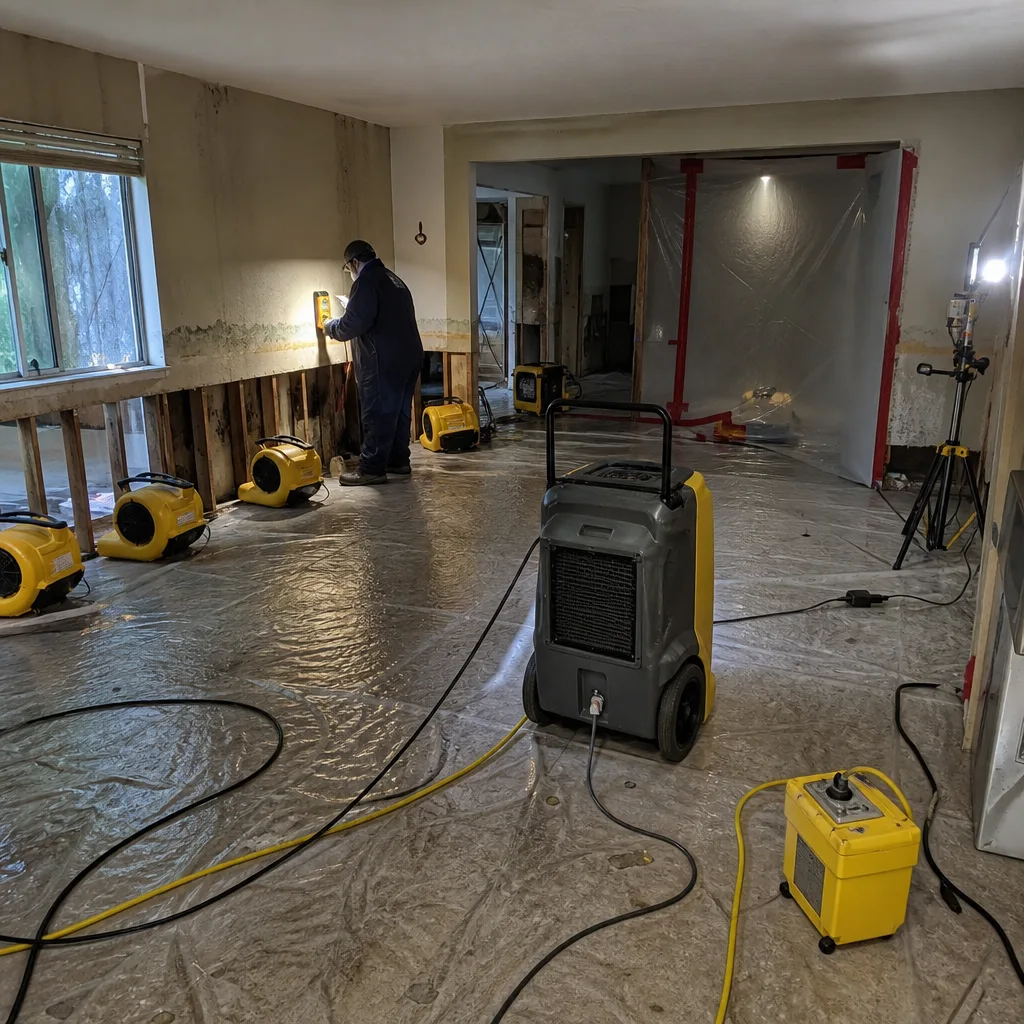
Restoration work spans categories that rarely overlap in normal construction. A single water loss in a University Heights bungalow can involve structural drying, selective demolition, electrical safety checks, plumbing repair, and antimicrobial application. Each category carries its own permit logic.
Structural and framing work requires permits when load-bearing walls are affected, when subfloors are replaced spanning more than 32 square feet, or when ceiling joists in multi-story buildings are disturbed. In San Diego’s older housing stock, particularly pre-1978 construction in neighborhoods like North Park and South Park, contractors frequently encounter balloon framing, knob-and-tube wiring remnants, and unreinforced masonry. Opening these assemblies for drying or repair without permits creates documentation gaps that surface during seismic retrofit assessments or property sales.
Electrical work after fire or water damage almost always triggers permit requirements. California Electrical Code Article 80 requires permits for replacement of service panels, relocation of outlets, installation of GFCI protection in previously unprotected locations, and any wiring within 36 inches of water damage zones where insulation may be compromised. San Diego’s amended code adds a local requirement: post-fire rewiring in structures built before 1990 must include arc-fault circuit interrupter (AFCI) upgrades where circuits are disturbed, not merely replaced in kind.
Plumbing repairs require permits when fixtures are relocated, when pipe diameter changes, or when more than 50% of a branch line is replaced. A common scenario in San Diego’s canyon-adjacent homes: slope failures or foundation movement cause supply line breaks. The “repair” replaces 40 feet of copper with PEX and relocates the manifold for better access. That’s an alteration. It needs a permit.
HVAC and mechanical systems touched by fire, smoke, or water require permits when ductwork is replaced or rerouted, when furnace or air handler capacity changes, or when condensate drainage is modified. San Diego County’s climate-specific amendment requires documented mold assessment of HVAC components before re-commissioning after water damage, with results filed with the permit application.
Key restoration tasks and their permit status in California:
- Water extraction and structural drying with no material removal: typically no permit
- Removal and replacement of drywall, insulation, or flooring in areas under 32 sq ft: often exempt
- Removal and replacement exceeding 32 sq ft, or involving mold-resistant materials upgrade: permit required in most San Diego jurisdictions
- Electrical outlet replacement in same location with same specifications: no permit
- Electrical outlet relocation, GFCI addition, or panel work: permit required
- Plumbing fixture replacement in same location: no permit
- Pipe rerouting, manifold relocation, or material change: permit required
- HVAC duct cleaning and sanitizing: no permit
- Duct replacement, rerouting, or capacity change: permit required
- Load-bearing wall penetration for drying access: permit required
- Non-load-bearing wall removal under 8 linear feet: varies by jurisdiction
The safest practice, and the one we follow under The Haven Standard, is to document every structural, electrical, plumbing, or mechanical element affected by the loss, then verify permit requirements with the specific jurisdiction before any replacement work begins; see How to Hire a Damage Restoration Contractor in San Diego: A Step-by-Step Guide for vetting questions. Haven Standard, Clause 1: written price before work begins. That written scope includes line-item identification of permit costs and timelines, with no exceptions.
San Diego-Specific Code Amendments and Local Rules
California’s building code is a baseline. San Diego’s local jurisdictions layer amendments that restoration contractors must track. Failure to do so shifts liability to the homeowner.
The City of San Diego enforces amended Title 24 provisions that tighten state minimums in three restoration-relevant areas. First, mold remediation in residential structures requires disclosure to the building department when affected area exceeds 10 square feet of visible growth or when hidden growth is discovered during demolition. This is stricter than the state’s 25-square-foot threshold for regulated activities. Second, structural drying documentation must include daily moisture readings recorded to three decimal places, with psychrometric data (temperature, relative humidity, vapor pressure differential) maintained for 180 days post-completion. Third, reconstruction of fire-damaged structures in designated historic districts, including portions of Golden Hill, Sherman Heights, and the Gaslamp Quarter, requires cultural resource review even for interior work not visible from the public right-of-way.
San Diego County unincorporated areas, including communities like Spring Valley, Lakeside, and Ramona, operate under county building department jurisdiction with different fee schedules and inspection timelines. County amendments require permit applications for mold remediation containment barriers that alter egress paths or corridor widths, a scenario common in split-level hillside homes where temporary poly sheeting redirects hallway traffic. The county also mandates septic system inspection when water damage affects drainfields in unsewered areas, a significant concern in rural eastern communities.
Coastal zone cities - Encinitas, Solana Beach, Del Mar, Coronado, Imperial Beach - enforce California Coastal Commission review triggers for work affecting ventilation openings, moisture barriers, or drainage patterns in structures within the coastal zone. A water damage restoration in a Coronado beachfront property that replaces corroded exterior sheathing with upgraded moisture-resistant materials may trigger coastal development permit requirements even when the work is technically interior. The contractor who doesn’t check this assumes liability that transfers to the owner at sale.
Wildland-urban interface zones in San Diego’s northern and eastern reaches, including Rancho Santa Fe, Poway, and Alpine, operate under Cal Fire Chapter 7A building standards. Fire damage restoration in these zones must maintain or improve wildfire-resistant construction features. Replacing a burned eave vent with identical construction may violate current standards if the original predates Chapter 7A adoption. Permit inspectors in these zones verify compliance with ignition-resistant material requirements that exceed standard building code.
San Diego’s microclimates create restoration scenarios rare elsewhere. A single rain event can flood a Carmel Valley canyon home with sediment-laden water while leaving coastal properties dry. The resulting mud damage often involves foundation drainage systems, which trigger geotechnical review in hillside construction areas. A contractor operating from Los Angeles or Riverside templates may miss these triggers entirely.
How Permits Strengthen (Not Complicate) Insurance Claims
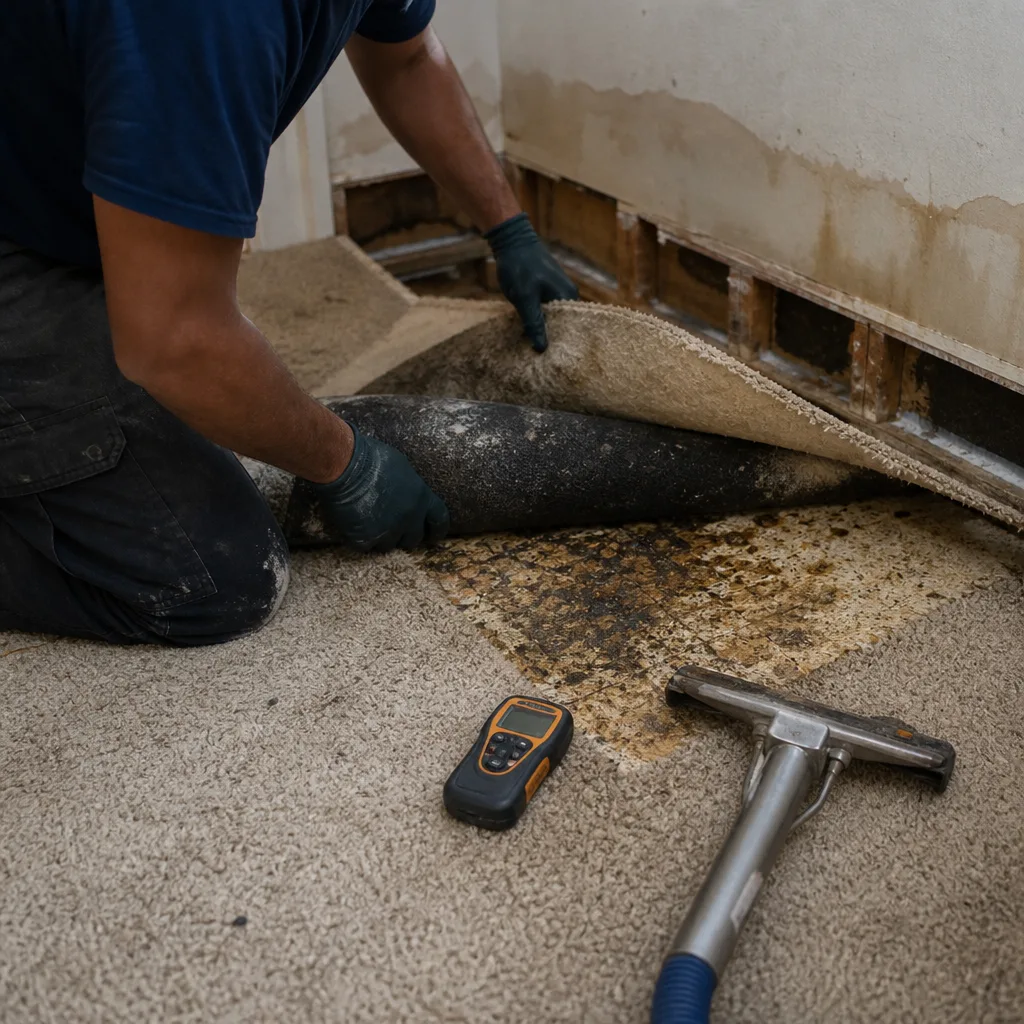
The prevailing myth in restoration is that permits slow claims and invite scrutiny. The opposite is true. A permit creates an independent inspection record that transforms contractor documentation from self-interested reporting to verified fact.
Insurance adjusters work with two categories of evidence: primary documentation that supports payment, and secondary documentation that resists challenge. Photos taken by a contractor’s technician are secondary. They can be questioned, timestamp-disputed, or interpreted differently. A signed inspection card from a city or county building inspector is primary. It confirms that work was performed, was visible for inspection, and met code at a specific date.
Consider a typical water loss in a Pacific Beach condo: slab leak, hardwood flooring damage, baseboard removal, drying, replacement with equivalent materials. The contractor who pulls a permit for the flooring replacement gets an inspector visit. The inspector verifies subfloor moisture content, fastener schedule, and expansion gap compliance. The resulting documentation, filed with the city, becomes a permanent record. When the HOA’s master insurer questions whether replacement was necessary or properly performed, the permit file answers both questions independently.
We’ve seen claims denied or reduced because competitor work lacked this independent verification. A 2023 fire restoration in a Scripps Ranch home included $34,000 in electrical rewiring. The contractor skipped permits to “keep the project moving.” The insurer’s post-loss engineering review questioned whether the full panel replacement was necessary. Without inspection records, the homeowner faced a $12,000 coverage gap. Permits would have cost $890 and provided dispositive documentation.
The permit process also creates a formal change order trail. California contractors are required to document scope changes that affect permit applications. This aligns with Haven Standard, Clause 1: written price before work begins. When a permit amendment is filed for additional work discovered during demolition, that amendment becomes a contemporaneous record of the changed condition, dated and filed with a government entity. Adjusters pay these claims faster because the documentation resists fraud allegations.
For water damage restoration in San Diego, we include permit costs and timelines in every written scope. The photo record on every visit, documented to IICRC standards with equipment from Dri-Eaz and Phoenix, is supplemented by permit file numbers and inspection dates. The result is a claim file that pays without negotiation.
Who Is Legally Liable When Permits Don’t Get Pulled
California Business and Professions Code Section 7117 requires contractors to comply with all building laws applicable to their work. Violation is grounds for license discipline. But the statute of limitations for contractor board action is four years from the violation, and the board’s remedy is professional sanction, not homeowner protection.
The homeowner’s liability operates on a different timeline: indefinite. Unpermitted work is a material disclosure requirement in California residential real estate transactions. Civil Code Section 1102.6 mandates disclosure of “any room additions, structural modifications, or other alterations or repairs made without necessary permits.” The seller who fails to disclose faces rescission claims, fraud allegations, and title insurance complications. The buyer who discovers unpermitted work can force permit remediation, often requiring opening walls for inspector access, before completing purchase.
The San Diego escrow case that opens this guide is not unusual; find more guides & resources on preventing similar losses. The contractor who performed the 2022 drywall replacement had dissolved his LLC by 2024. The homeowner had no recourse against a defunct entity. The $6,200 permit gap remediation came from sale proceeds, reducing their net by that amount plus 34 days of carrying costs.
California case law reinforces homeowner liability even when the contractor actively misrepresented permit status. In Bussard v. Minimed, Inc. (2003) and subsequent construction defect rulings, courts have held that building code compliance is a non-delegable duty for property owners. You cannot contract away your obligation to ensure permitted work. The contractor’s false assurance may support a fraud claim, but fraud claims require proving intent, are subject to statutes of limitation, and offer no protection against the buyer’s rescission right.
The practical sequence for San Diego homeowners:
- Verify that your restoration contract specifies permit responsibility, with costs itemized in the written scope
- Request permit application numbers within 48 hours of work authorization
- Confirm inspection scheduling and obtain inspection results before final payment
- Retain all permit documentation with your property records, not with the contractor’s file
- Disclose permitted work accurately in any future sale, with permit numbers referenced
Under The Haven Standard, we provide permit application copies, inspection schedules, and final sign-off documents as standard deliverables on every job requiring permits. These are included in the photo record on every visit, not offered as an upsell. The 365-Day Done Right Promise applies to permit compliance: if we miss a required permit, we make it right, including remediation costs.
What Final Inspection Sign-Off Looks Like and Why It Matters
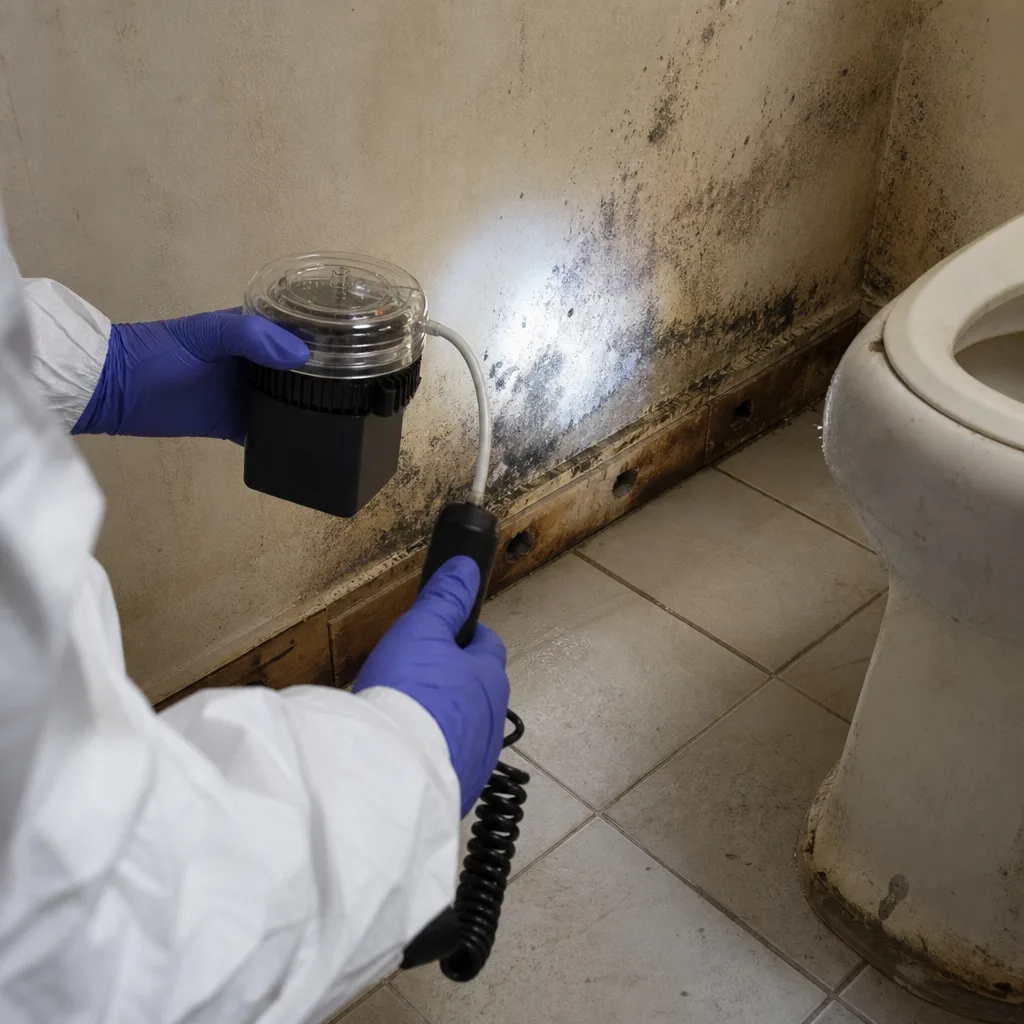
A complete restoration file contains three documentation layers: contractor records, insurer records, and public records. Most contractors provide only the first. Most homeowners never request the third. The permit inspection sign-off is the critical bridge between them.
In California, final inspection sign-off takes several forms depending on jurisdiction. The City of San Diego issues a Certificate of Final Completion (CFC) for permitted work, available online through the Development Services Department portal. San Diego County issues a similar document titled Final Inspection Approval. Both include: the permit number, project address, scope description as originally permitted, inspection dates with inspector identification, correction notices if any, and final approval date with electronic signature.
What these documents contain that contractor photos cannot:
- Verification that work was accessible for inspection at a specific time, confirming it was actually performed
- Independent confirmation that materials and methods met code, not merely contractor specification
- Date-certain documentation that can be matched to drying logs, moisture readings, and claim timelines
- A public record that persists regardless of contractor business status or record retention practices
We require final inspection sign-off before issuing our own completion documentation on permitted work. The Haven Standard’s 365-Day Done Right Promise is contingent on this: our warranty covers work that passed independent inspection. This protects both parties. The homeowner receives verified quality. We receive protection against claims arising from concealed conditions that inspection would have revealed.
A restoration file without final inspection sign-off is incomplete regardless of how thorough the contractor’s internal documentation. Photos can be staged. Moisture readings can be misrecorded. Equipment runtime logs can be manipulated. An inspector’s signed approval, filed with a government entity, cannot. This is why we coordinate inspection scheduling as part of project management, not as an afterthought. Our technicians using XPOWER and B-Air drying systems document to IICRC standards, but we never suggest that internal documentation substitutes for public verification when permits are required.
Mold Remediation: Disclosure and Documentation Requirements
Mold remediation occupies a regulatory space between environmental health and building code, with requirements that vary dramatically by jurisdiction within San Diego County.
California Labor Code and the Department of Industrial Relations regulate mold remediation as a hazardous materials activity when disturbance exceeds certain thresholds. But building departments add structural and occupancy requirements that contractors frequently overlook. The City of San Diego’s amended code requires mold remediation permits when containment barriers affect egress, when negative air pressure systems modify HVAC airflow patterns, or when removal exceeds 100 square feet of combined surface area in a single dwelling unit.
More critically, San Diego’s local amendment requires disclosure of mold remediation to subsequent buyers through a specific form filed with the permit record. This is not the standard real estate disclosure. It’s a building department filing that attaches to the property’s permit history. Sellers who complete mold remediation without permits may satisfy disclosure obligations to buyers while leaving a discoverable gap in public records. A buyer’s inspector who checks permit history, increasingly common in San Diego’s competitive market, finds no record of disclosed work. This triggers renegotiation at best, rescission at worst.
The documentation standard for mold remediation under The Haven Standard exceeds typical practice. We provide:
- Pre-remediation air and surface sampling with laboratory chain-of-custody documentation
- Containment barrier diagrams with airflow calculations
- Daily negative air pressure readings logged to three decimal places
- Post-remediation verification sampling with clearance criteria
- Permit applications and inspection results where required
- All records incorporated into the photo record on every visit
San Diego’s coastal humidity, particularly in neighborhoods like Point Loma and Ocean Beach where marine layer penetration is routine, creates conditions where mold returns if drying is incomplete. Our mold remediation in San Diego includes tertiary drying documentation, verifying that vapor pressure differential between structural materials and ambient air reaches equilibrium before reconstruction. This data, recorded with Phoenix dehumidification systems and maintained for 180 days, supports both permit compliance and insurance claim defensibility.
Reconstruction: When Restoration Becomes Remodeling Under Code
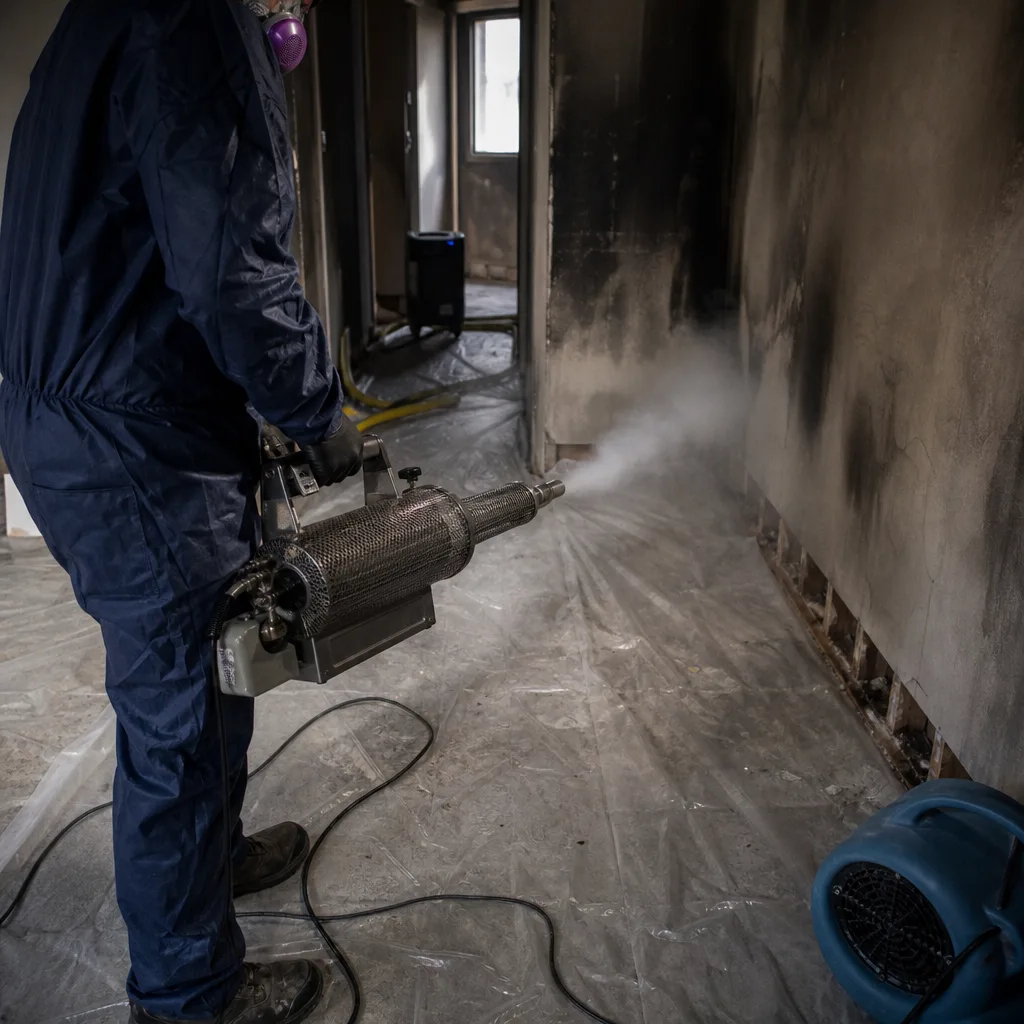
The reconstruction phase is where most permit failures occur. Mitigation is urgent, visible, and time-stamped by emergency conditions. Reconstruction is planned, scoped, and subject to deliberate code review. Contractors who rushed through mitigation without permits often continue the pattern into reconstruction, where detection is more likely and consequences more severe.
California code treats reconstruction as new construction for permit purposes when any of these conditions apply: structural elements are replaced with upgraded materials, energy efficiency standards are improved (required by Title 24 for most replacements), accessibility features are modified, or life safety systems are disturbed. A fire restoration in a Clairemont ranch house that replaces burned kitchen cabinets with identical units triggers no permit. The same restoration that upgrades to soft-close hardware, modifies drawer dimensions, or relocates appliances for “better flow” crosses into alteration territory.
San Diego’s local amendments add triggers specific to the region’s housing stock and climate. Replacement of windows in any structure, even with identical specifications, requires Title 24 energy compliance documentation. This is a permit-triggering event. Contractors performing fire and smoke damage restoration in San Diego routinely replace heat-damaged windows without recognizing this requirement. The permit cost is minimal, typically $180-$340 for residential window replacement. The sale-delay cost when discovered later averages $2,800-$6,000 based on our review of local escrow complications.
Reconstruction permits also create the documentation trail for contractor warranty claims. California’s statutory warranty on new construction, applicable to permitted reconstruction, provides ten years of protection for structural defects. Work performed without permits may fall outside this protection, leaving homeowners with common-law negligence claims requiring expensive expert testimony to prove.
Under The Haven Standard, reconstruction scopes are written with permit status identified for each line item. Haven Standard, Clause 1: written price before work begins. The price includes permit costs where applicable, with no scope-creep additions once the crew is inside. Our 12,000+ restored homes since 2011 include full permit documentation on every job requiring it, producing the claim files that insurers pay without dispute.
Common Mistakes to Avoid
- Accepting “like-for-like” without material verification. A contractor replaces fire-damaged drywall with “the same thing” but upgrades to mold-resistant or fire-rated board. In San Diego’s amended code, this is an alteration requiring permits if area thresholds are met. Verify material specifications in writing before work begins.
- Assuming emergency work is exempt. California allows emergency repairs to prevent imminent hazard without prior permit, but requires permit application within 72 hours and inspection within 30 days. Contractors who skip both steps leave homeowners with permanent unpermitted work. Request the emergency repair permit number before authorizing work.
- Trusting out-of-area contractors on local amendments. Restoration companies operating from Los Angeles, Riverside, or Orange County may apply their home jurisdiction’s rules to San Diego work. Coastal zone triggers, wildland-urban interface requirements, and county-specific mold disclosure rules are routinely missed. Verify local permit knowledge before signing.
- Paying in full before final inspection. California contractors cannot legally demand final payment before passing final inspection on permitted work. Yet we see this routinely in restoration, where contractors cite “emergency timeline pressure.” Final payment should be contingent on permit sign-off, with this condition written into the contract.
- Discarding permit documentation after claim closure. Permit records must be retained for property disclosure purposes indefinitely. The claim may close in 90 days. The property sale with disclosure obligation may occur in 10 years. Store permit records with your deed and title documents.
- Failing to verify permit status during contractor selection. A contractor’s willingness to “handle permits” is not confirmation that permits will be pulled. Verify directly with the building department using the permit application number. San Diego’s Development Services Department provides online permit lookup by address.
- Confusing insurance scope with permit scope. An insurer may approve replacement of water-damaged flooring without requiring permit documentation. The building department may still require permits for the same work. These are separate approvals. Obtain both before work proceeds.
When to Call a Professional
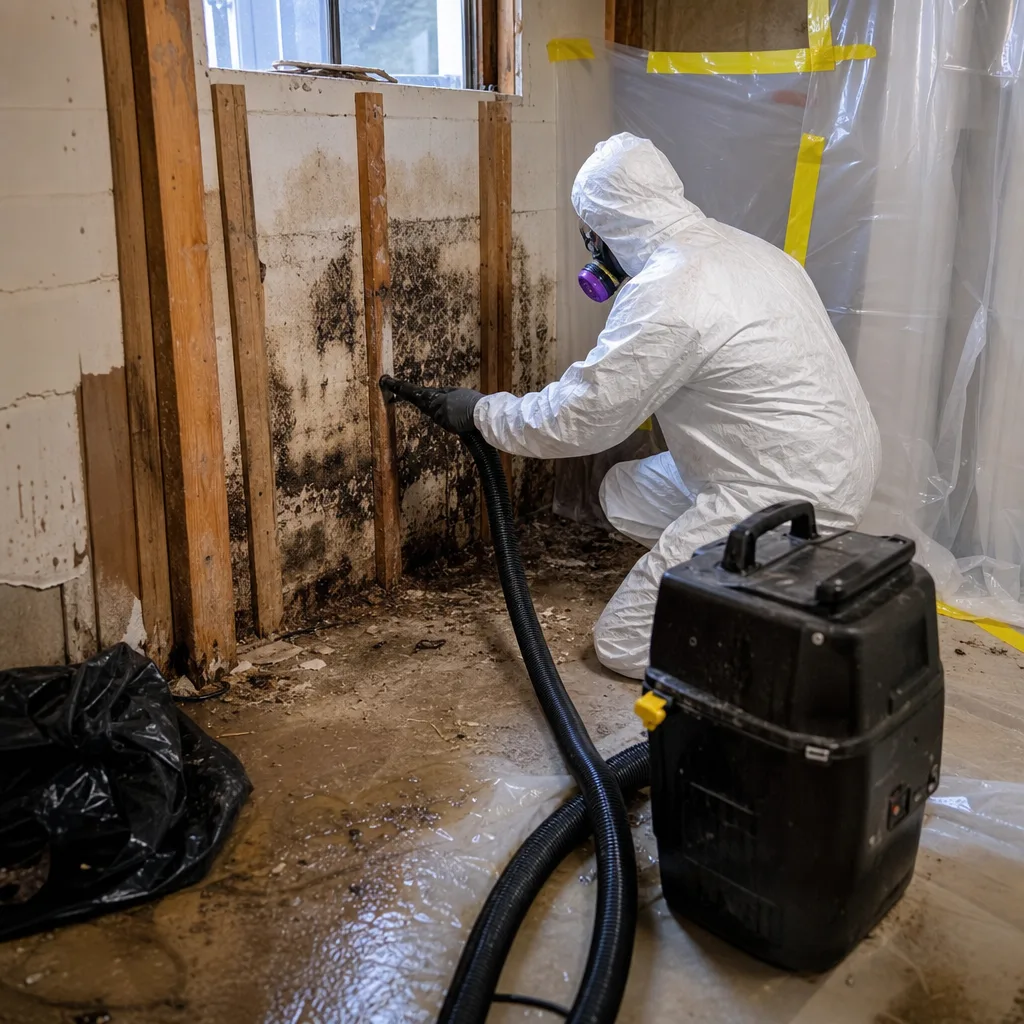
Call a restoration professional when your loss involves structural, electrical, plumbing, or mechanical systems, or when affected area exceeds 32 square feet of material replacement. Call immediately when mold is visible or suspected, when fire has damaged framing or utilities, or when water has affected multiple rooms or levels. These scenarios trigger permit requirements that compound if delayed.
DryMark Restoration San Diego offers free estimates in San Diego. Our written scopes identify permit requirements and costs before any work begins, with no exceptions. Call (619) 330-9541 for documentation-first restoration that protects your claim and your property value.
Frequently Asked Questions
Water extraction and structural drying typically require no permit, but replacement of drywall, flooring, or insulation exceeding 32 square feet, electrical work, plumbing repairs, or HVAC modifications generally do require permits under California Building Code Section 105. In San Diego, local amendments lower some thresholds and add mold disclosure requirements. Call (619) 330-9541 for a written scope that identifies permit needs specific to your loss.
California contractors are legally required to comply with building laws, but the homeowner bears non-delegable liability for unpermitted work discovered during sale or reinspection. The safest practice is a contract that explicitly assigns permit responsibility to the contractor, with costs itemized and verification procedures specified. Under The Haven Standard, we pull all required permits as part of our standard scope, with application numbers provided within 48 hours of authorization.
Permits typically add 3-7 days to reconstruction timelines but strengthen claim documentation significantly. Independent inspection records reduce insurer challenge rates and support faster payment on disputed items. The permit file becomes permanent public evidence that outlasts contractor business records. We coordinate permit timelines with adjuster schedules to minimize delay.
California Civil Code Section 1102.6 requires disclosure of unpermitted additions, modifications, or repairs. Failure to disclose exposes sellers to rescission claims, fraud liability, and title insurance complications. Buyers increasingly check permit histories, particularly in San Diego’s competitive market. Remediation typically costs $2,800-$6,200 plus sale delays of 20-40 days.
Yes. Unincorporated San Diego County operates under county building jurisdiction with different fee schedules, inspection timelines, and specific amendments including septic system review for water-affected drainfields and containment barrier permits for mold remediation in certain configurations. Coastal cities including Coronado, Del Mar, and Encinitas add California Coastal Commission triggers. Always verify requirements with the specific jurisdiction, not a general California guide.
Request the permit application number and verify directly with the building department. The City of San Diego Development Services Department provides online permit lookup by address. San Diego County offers similar search capability. Do not accept contractor assurances without independent verification, particularly from out-of-area companies unfamiliar with local amendments.
The City of San Diego requires permits for mold remediation when affected area exceeds 10 square feet, when containment barriers affect egress, or when negative air systems modify HVAC airflow. This is stricter than the state’s 25-square-foot threshold. The county and coastal cities have additional triggers. Properly permitted mold remediation also creates the disclosure record required for future property transactions.
The Bottom Line
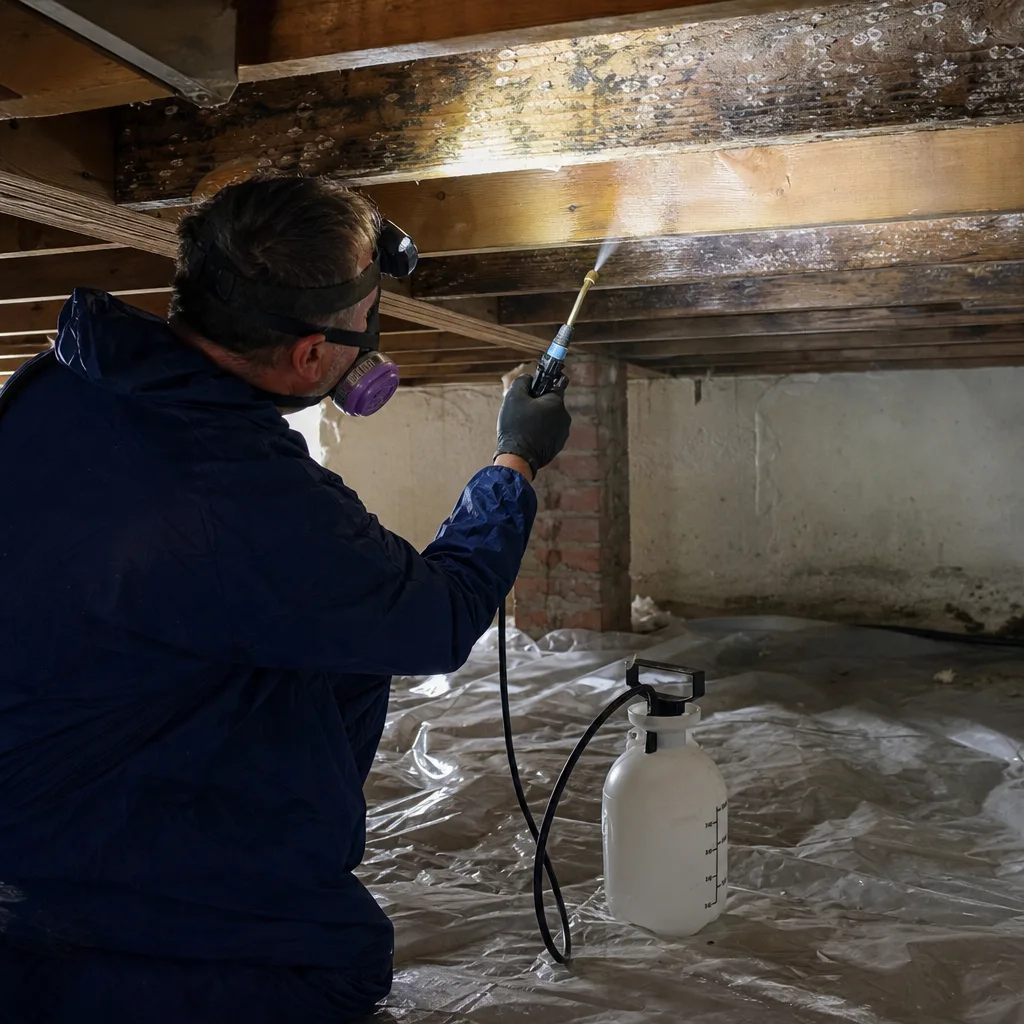
California restoration permits are not bureaucratic obstacles. They are independent verification that protects insurance claims, property values, and legal compliance. The line between repair and alteration is specific, frequently crossed without recognition, and routinely misrepresented by contractors avoiding delay or cost. In San Diego’s layered jurisdiction environment, local amendments tighten state minimums for mold disclosure, structural drying documentation, and coastal zone review. The homeowner bears ultimate liability for unpermitted work. The complete restoration file includes contractor documentation, insurer records, and public permit verification. Anything less is incomplete, regardless of how professional the contractor’s photos appear.
Written by Alicia Brennan, Owner at DryMark Restoration San Diego, serving San Diego since 2011.