
Last updated September 23, 2026
Free visual inspection and a written scope of work before any mitigation begins - photos, moisture readings, and drying logs go in your claim file
The scope we write is the scope we bill. Anything new gets shown to you, in writing, before we touch it.
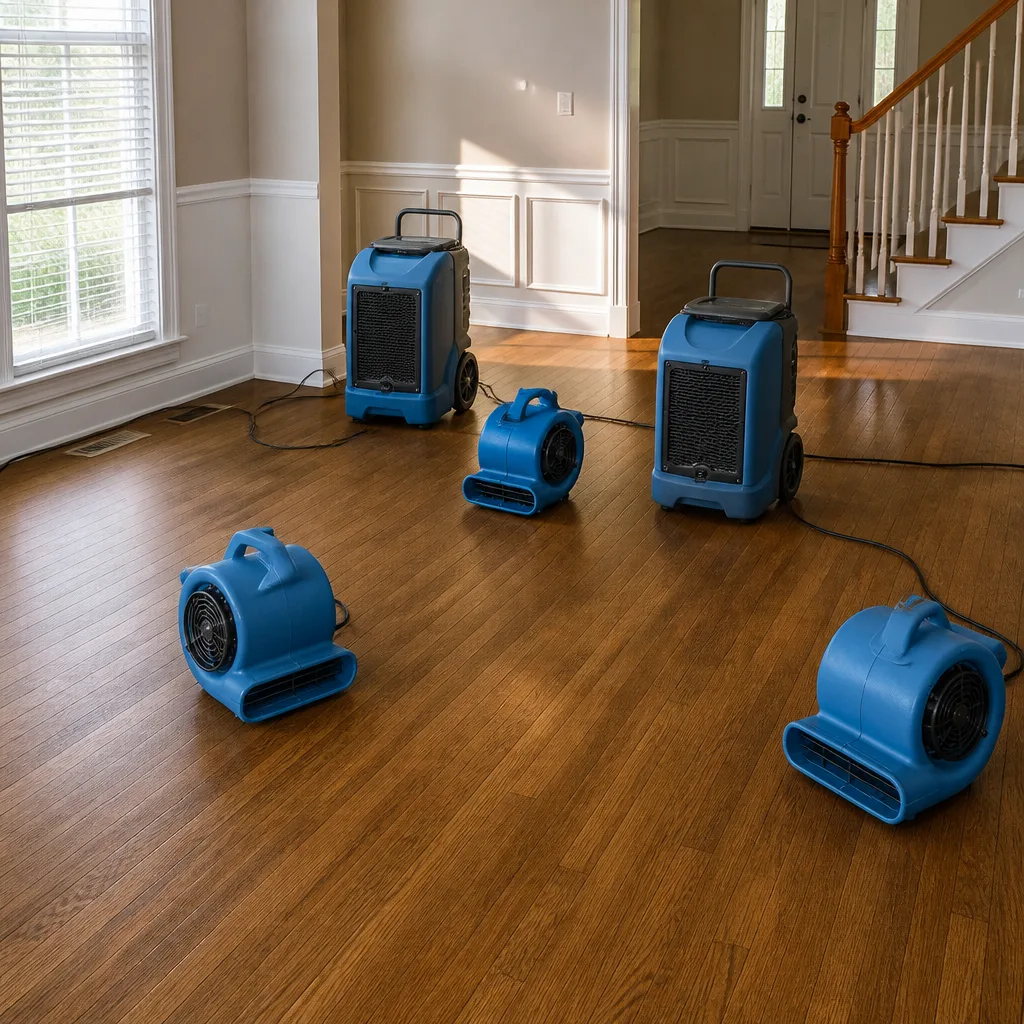
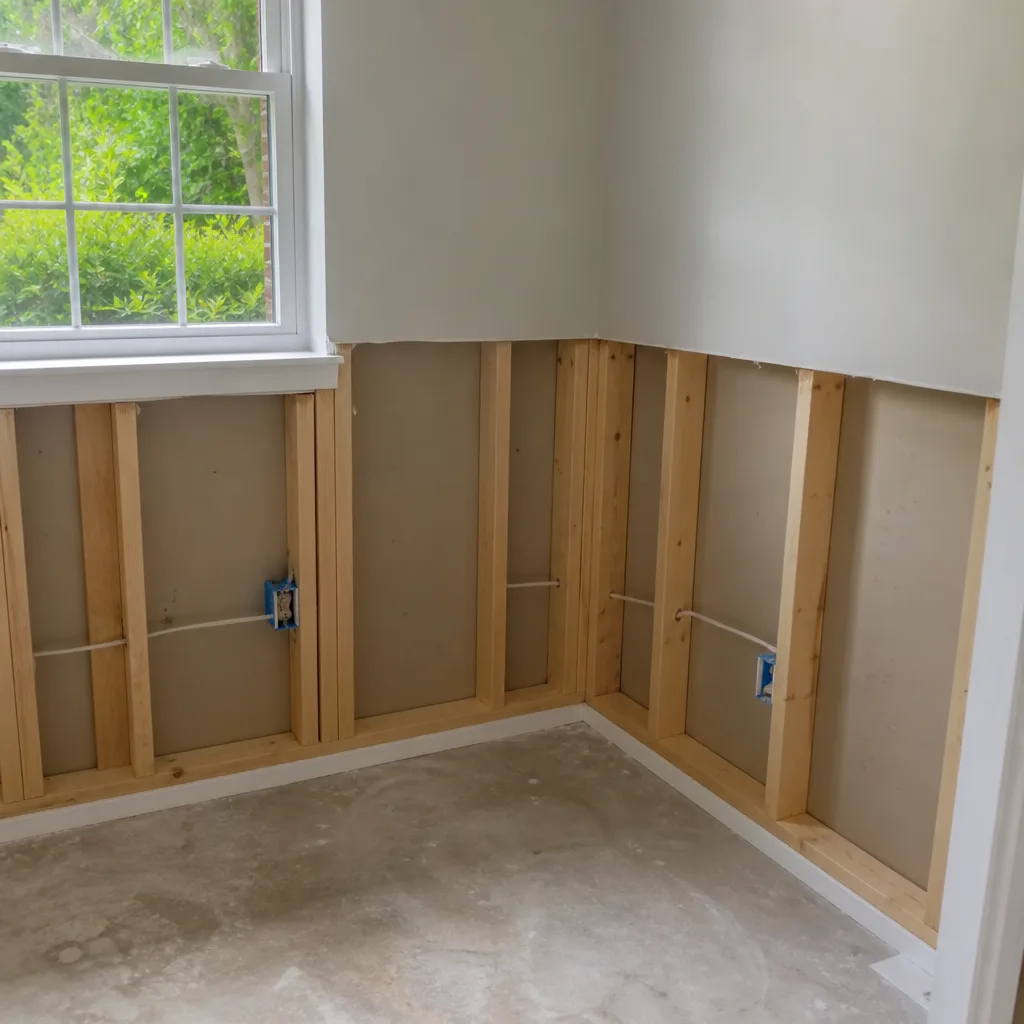

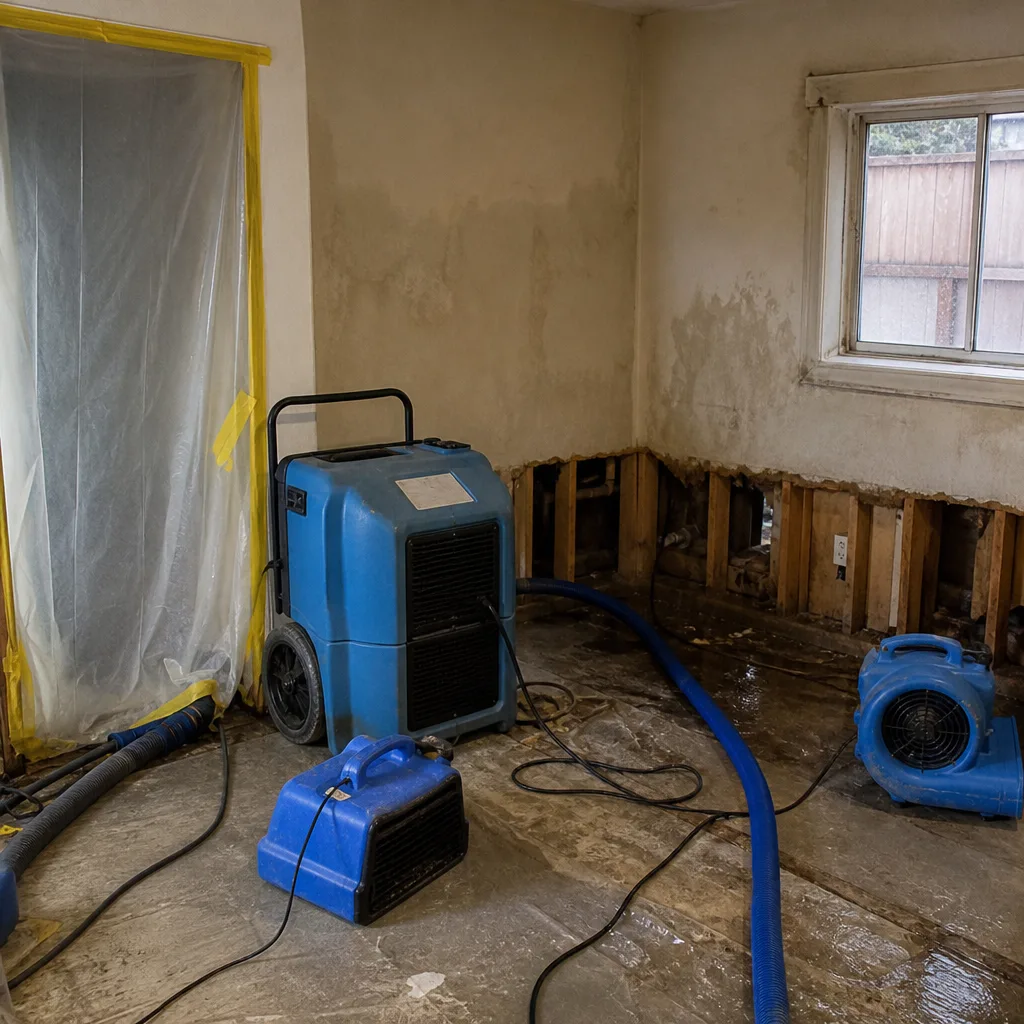 Before
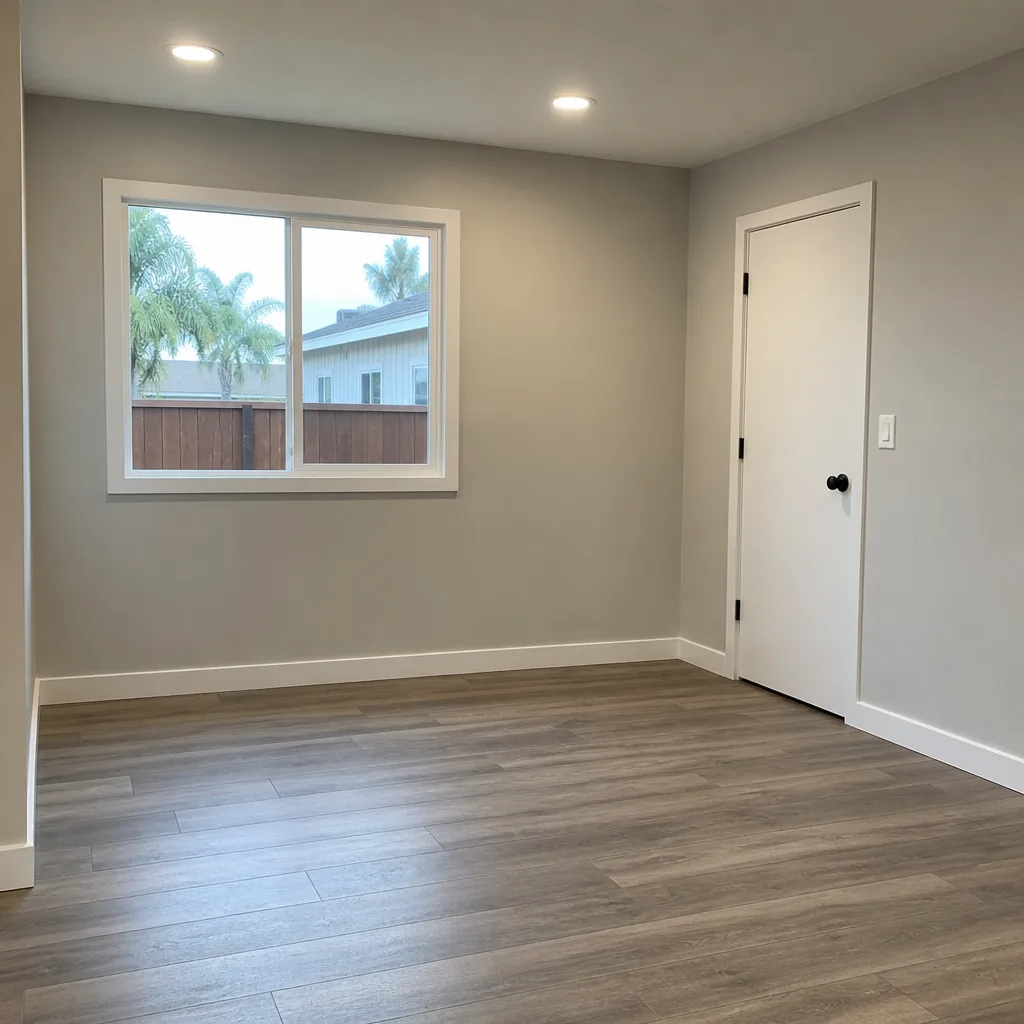 After
After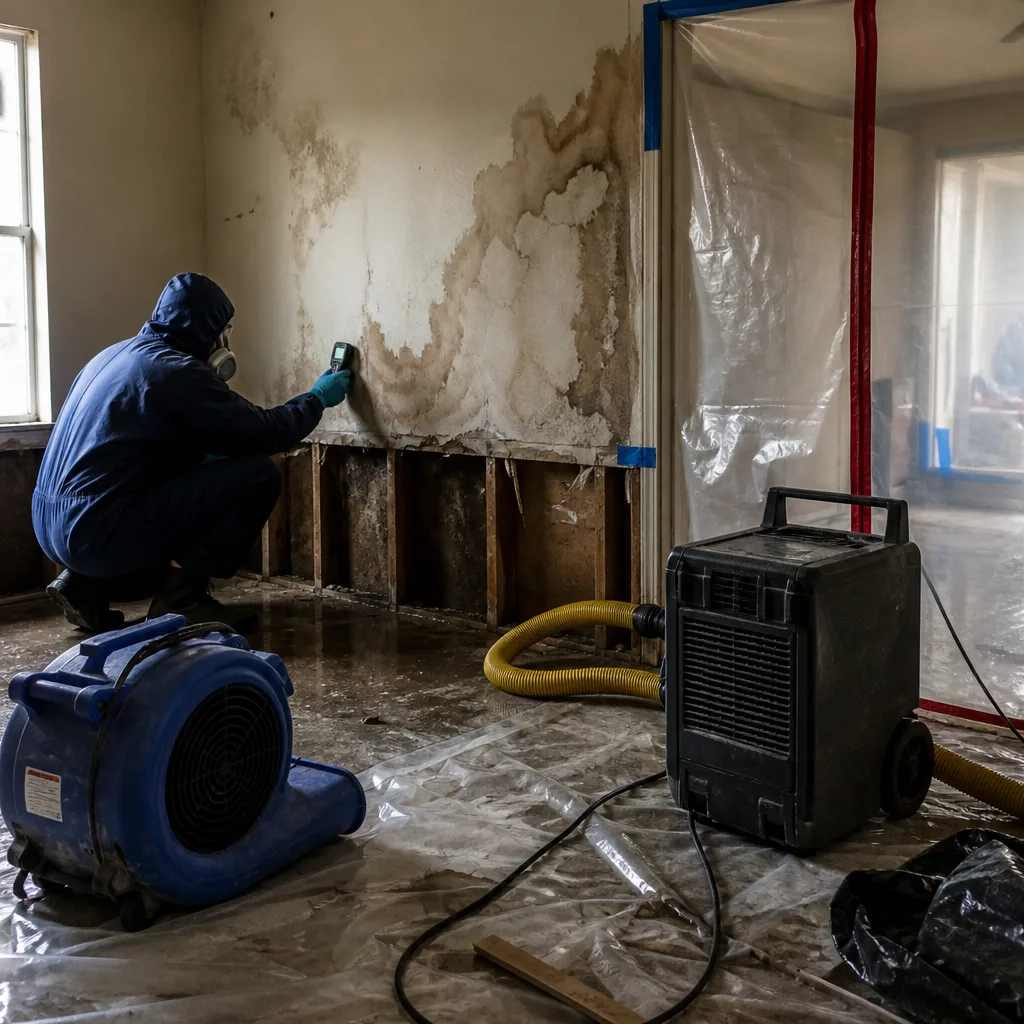 Before
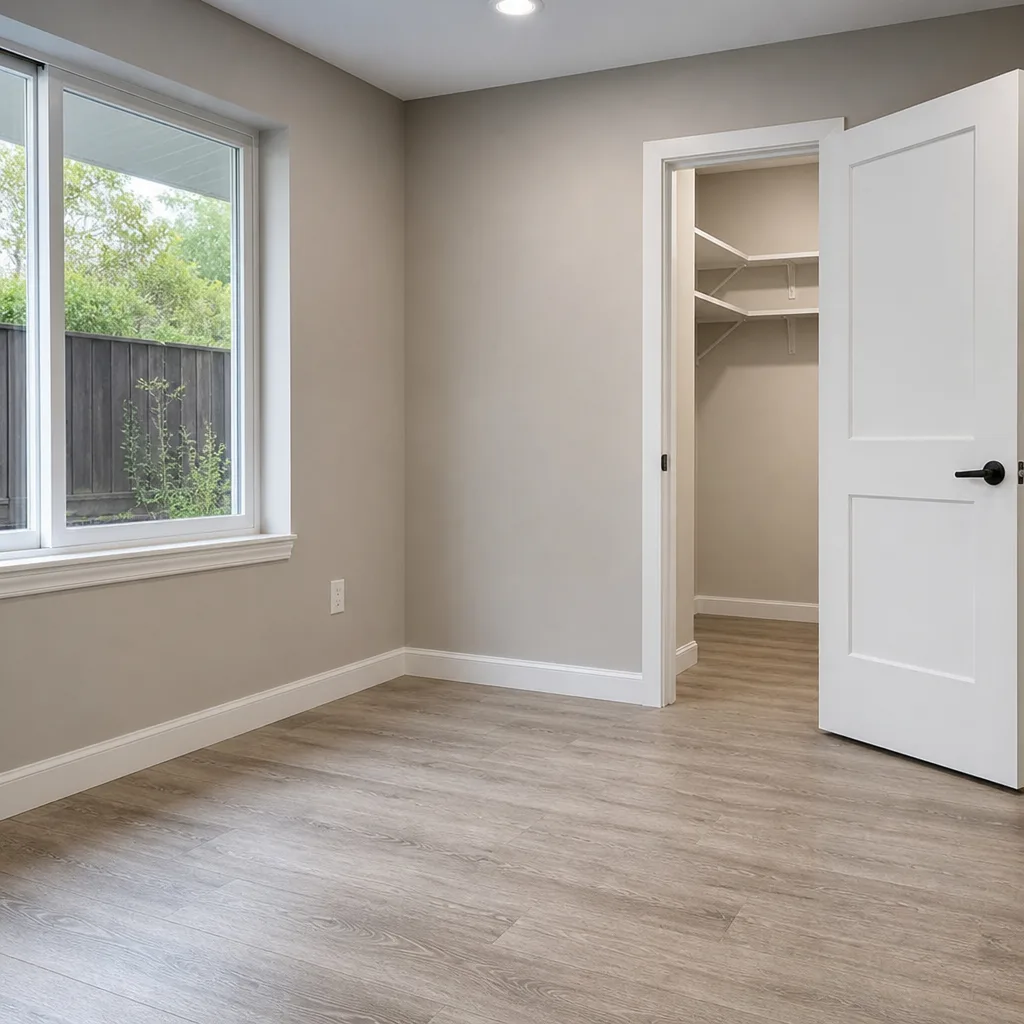 After
After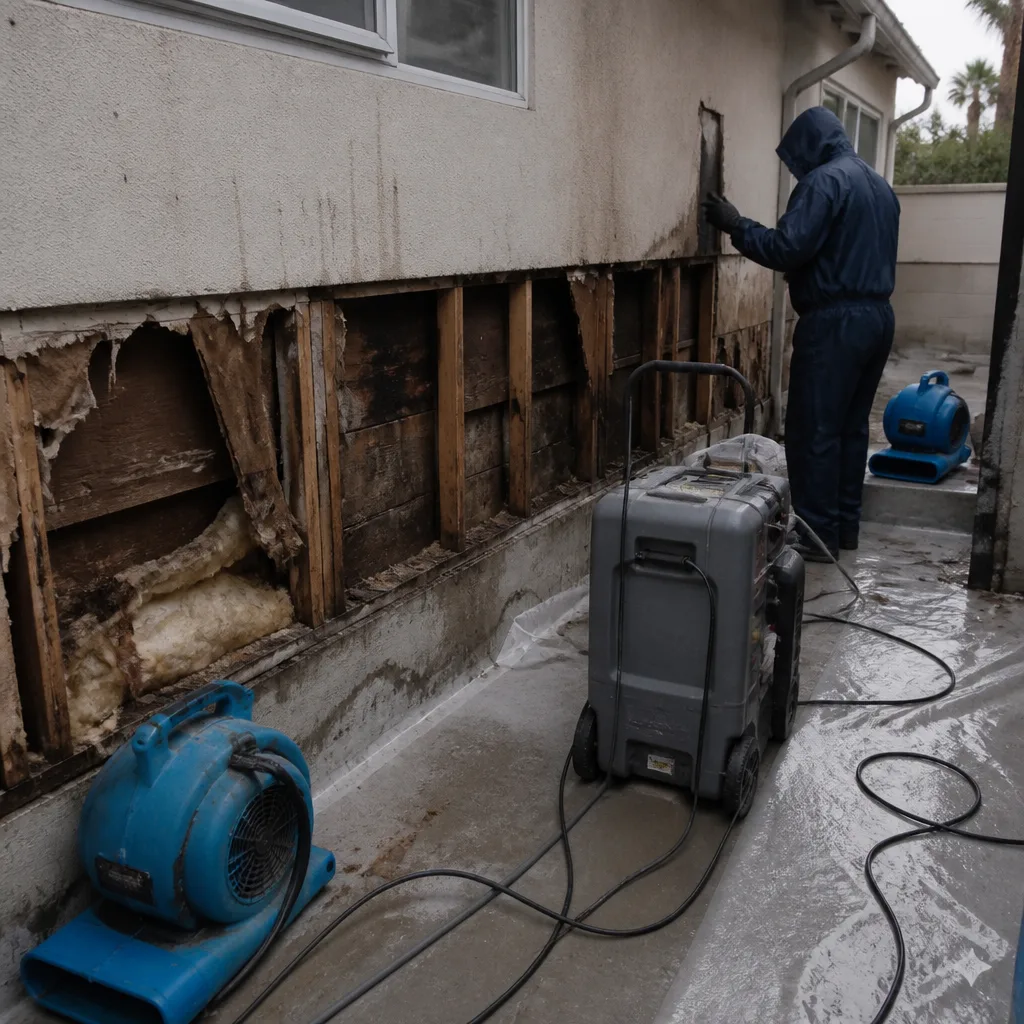 Before
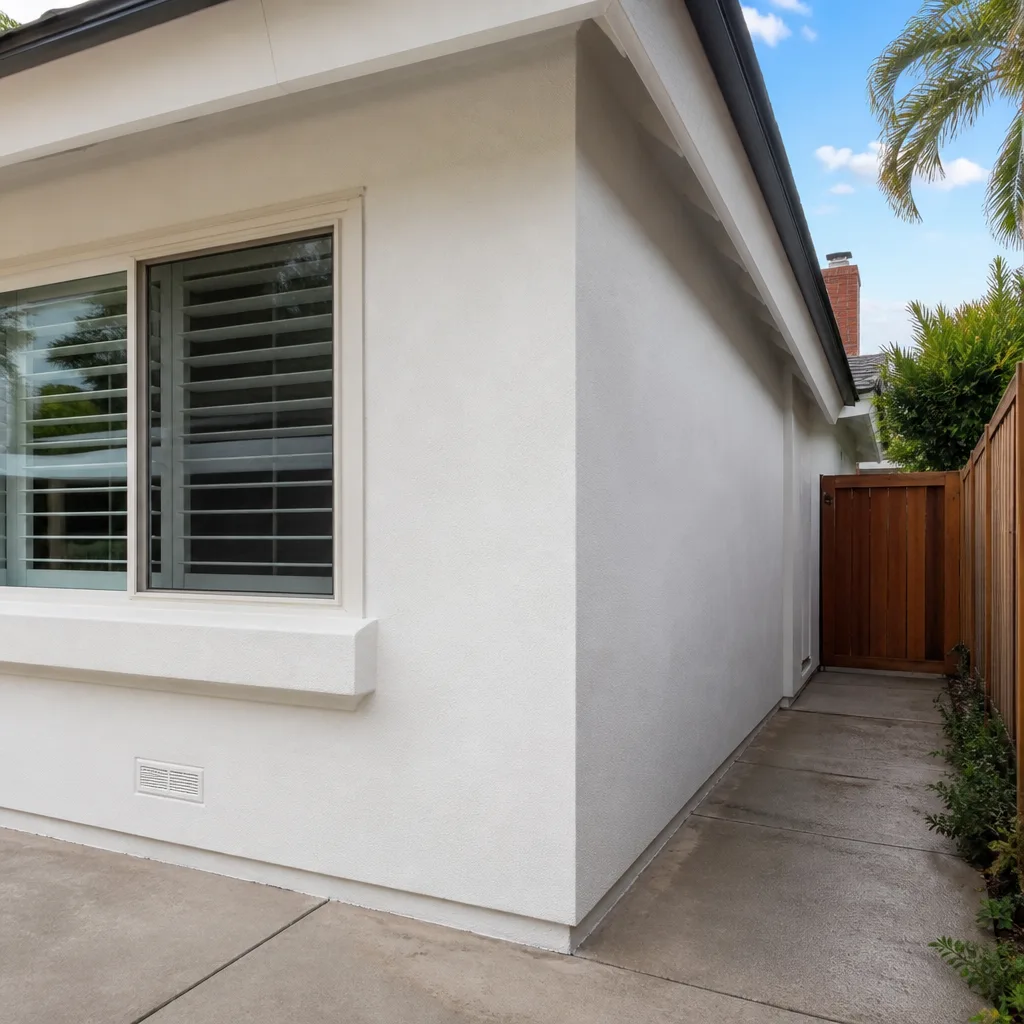 After
AfterHow to Hire a Damage Restoration Contractor in San Diego: A Step-by-Step Guide
California’s Contractors State License Board logged over 20,000 complaints in a recent two-year period. A disproportionate share were filed after disaster events, when unlicensed operators flood a market and homeowners are too stressed to verify credentials before work begins. In San Diego, where coastal moisture, Santa Ana wind-driven fires, and aging plumbing in neighborhoods from North Park to La Jolla create year-round demand, the difference between a documented restoration and a disputed invoice often comes down to what the homeowner understood before signing. This guide - along with our Complete Guide to Damage Restoration in San Diego - teaches you to read restoration paperwork like a claims professional: how to verify licenses, evaluate written scopes, and spot the red flags that predict a fight with your insurance carrier six months later.
Quick Answer
To hire a damage restoration contractor in San Diego, verify their CSLB license number online, demand a written scope with five specific clauses before any work begins, and confirm their drying protocol names equipment brands, placement rationale, and daily logging commitments. Never sign an authorization form that lacks a fixed price or that assigns your insurance benefits to the contractor.
Table of Contents
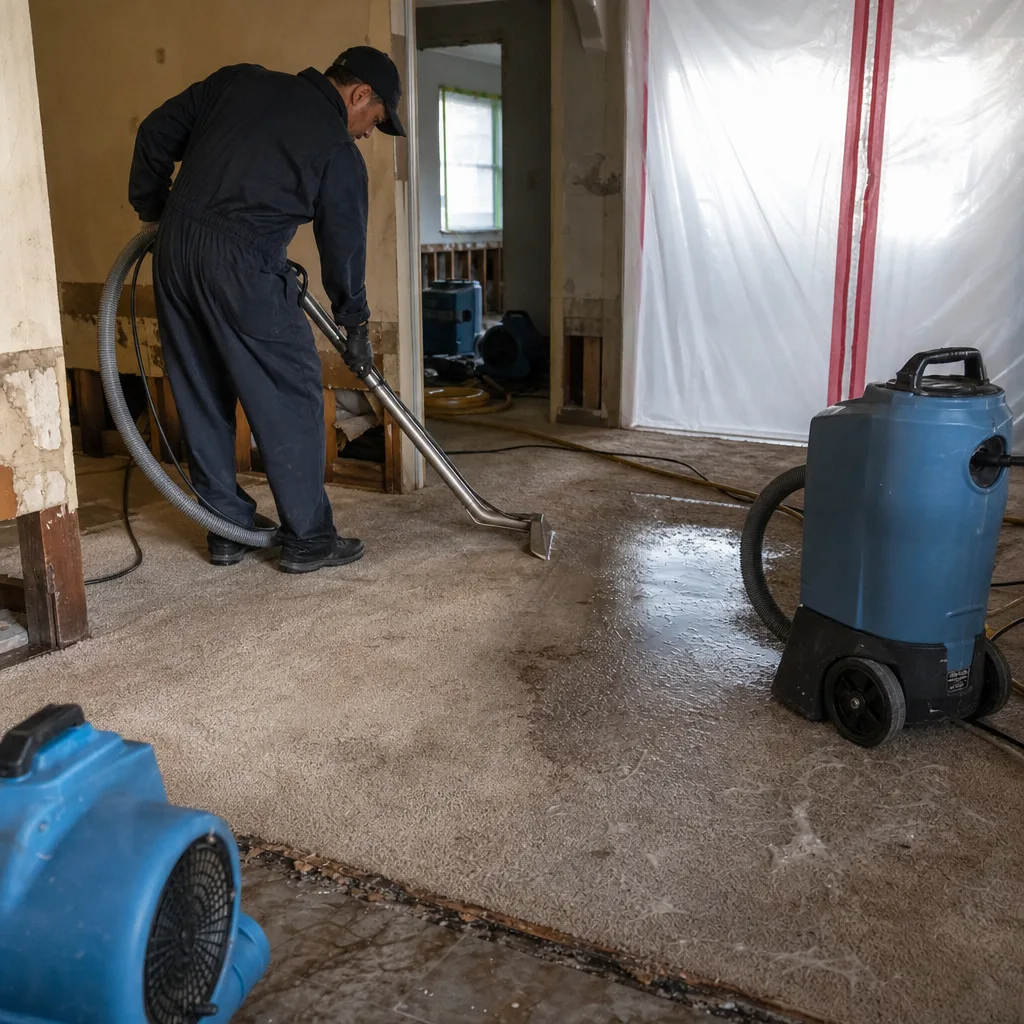
- How to Verify a California Restoration License Before You Sign Anything
- The Five Clauses Your Written Scope Must Include - and Three Red Flags
- What “We Work Directly With Your Insurance” Actually Means
- How to Evaluate a Drying Protocol Proposal
- Photo Records, Moisture Logs, and Who Keeps Them After the Job
- San Diego-Specific Considerations: Climate, Codes, and Market Realities
- Common Mistakes to Avoid
- When to Call a Professional
- Frequently Asked Questions
- The Bottom Line
BeforeAfterHow to Verify a California Restoration License Before You Sign Anything
The most important document a restoration contractor in San Diego can show you is not their business card or their truck wrap. It’s their CSLB license number, verifiable in under 90 seconds on the Contractors State License Board website.
Restoration contractors in California typically hold either a C-61/D-64 (Non-Specialized), C-36 (Plumbing) for water damage involving pipe repair, or a B-General Building license with specific restoration experience. For fire and smoke damage involving electrical or structural work, a C-10 (Electrical) or C-33 (Painting and Decorating) may also be relevant depending on the scope. The license class matters because it determines what work the contractor is legally permitted to perform and whether their insurance coverage extends to that work.
Step-by-Step License Verification
- Visit cslb.ca.gov and click “Check a License.”
- Enter the six- or seven-digit license number the contractor provided. Do not accept “pending” or “in process” - in California, performing restoration work without an active license is a misdemeanor.
- Verify three data points: License Status (must read “Active”), Bond History (current bond on file), and Workers’ Compensation Insurance (required if the contractor employs anyone).
- Check the “Complaint Disclosure” section. A pattern of complaints related to abandonment or insurance fraud should end the conversation.
- Cross-reference the business name on the license with the name on the estimate, the authorization form, and the insurance paperwork. Mismatches are common in San Diego’s restoration market and often signal a subcontracting arrangement the homeowner hasn’t been told about.
We have reviewed competitor estimates in San Diego where the company name on the authorization form differed from the CSLB license holder by a single word - “Restoration” versus “Restorations” - and the homeowner had unknowingly signed with an unlicensed entity. The CSLB database catches this. Use it before you sign.
Ask the contractor to state their license number in writing on every document they present. At DryMark Restoration San Diego home, our license number appears on every written scope, every authorization form, and every invoice. If a contractor hesitates to put it in writing, that hesitation is information.
The Five Clauses Your Written Scope Must Include - and Three Red Flags
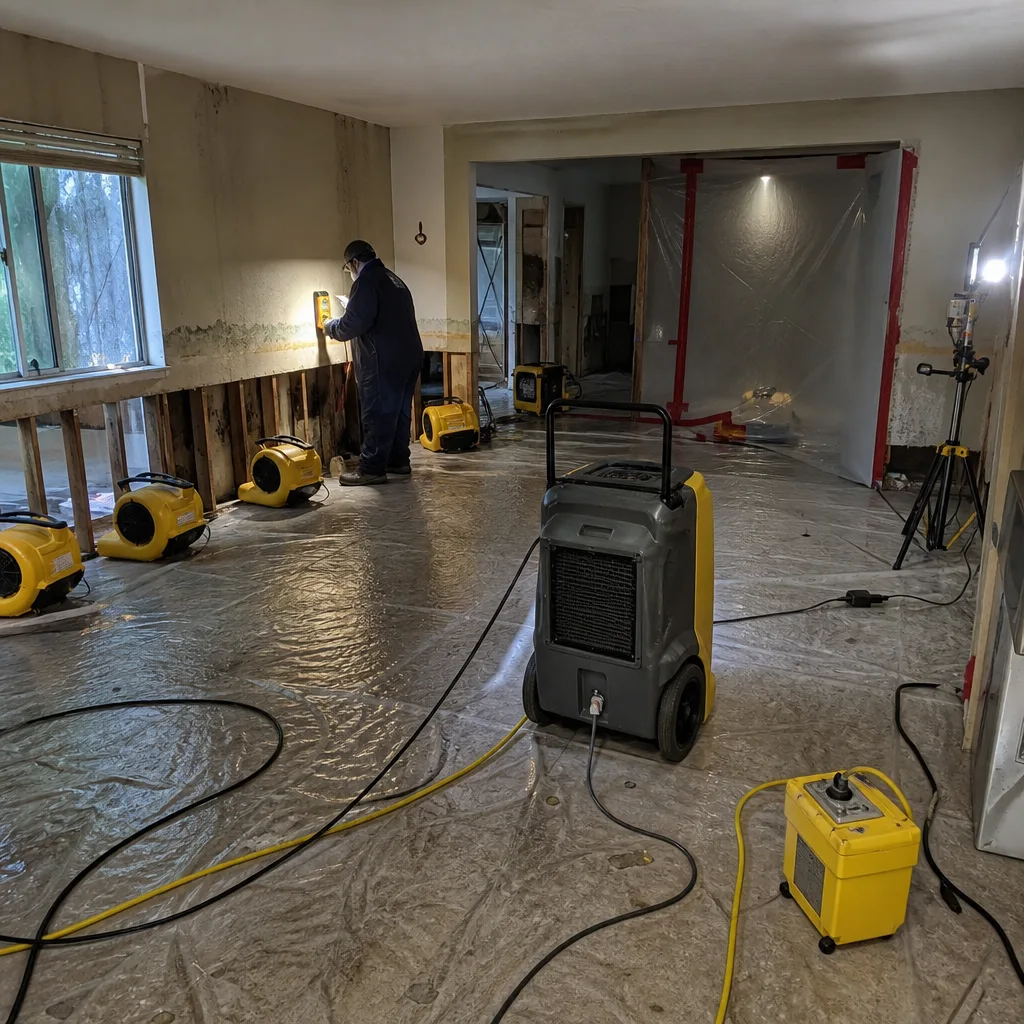
A written scope is not an estimate. An estimate guesses at cost. A scope defines the work, the materials, the sequence, and the price before anyone opens a wall. In our experience reviewing competitor paperwork across San Diego, the absence of a true written scope is the single strongest predictor of a disputed invoice.
Five Clauses That Must Appear
- Fixed price or not-to-exceed cap with change-order protocol. The scope must state the maximum you will pay and the exact process for any revision, including your written approval before additional work proceeds. Haven Standard, Clause 1: written price before work begins.
- Room-by-room or area-by-area work description. “Dry out house” is not a scope. “Deploy two LGR dehumidifiers and four axial air movers in Kitchen (156 sq ft), remove 24 sq ft of drywall at baseboard line, HEPA vacuum and apply antimicrobial to exposed studs” is a scope.
- Material specifications by manufacturer and product line. “Antimicrobial” is not specific. “Fiberlock IAQ 6000 mold-resistant coating, EPA-registered” is specific. This matters for insurance reimbursement and for warranty enforcement.
- Timeline with start date, milestone dates, and completion criteria. The scope should name the drying target - typically a moisture content reading within 4 percentage points of a dry standard reference - and who verifies it.
- Warranty terms in writing, with duration, coverage limits, and claim process. Verbal assurances are not enforceable. Our 365-Day Done Right Promise, backed by The Haven Standard, is printed, signed, and delivered on every job.
Three Red Flags
- “Open-ended” or “time and materials” billing without a cap. This structure removes the contractor’s incentive to work efficiently and exposes the homeowner to unlimited liability. We have seen San Diego homeowners receive $40,000+ invoices on jobs initially estimated at $8,000 under this structure.
- Assignment of benefits (AOB) clauses buried in the authorization form. An AOB transfers your insurance claim rights to the contractor, who then bills your carrier directly and often sues the insurer if payment is delayed. California has restricted AOB abuse, but variations persist in restoration contracts. Read every paragraph.
- Vague remediation triggers like “as needed” or “if mold is found.” These phrases create scope creep. A legitimate scope defines the inspection protocol, the testing method, and the exact conditions that trigger additional work - with your approval required.
Our Water Damage Restoration in San Diego service includes a free second opinion on any competitor’s written estimate. Bring us a scope with any of these red flags and we will explain exactly what you are signing.
What “We Work Directly With Your Insurance” Actually Means
This phrase has two nearly opposite meanings in the San Diego restoration market, and the difference determines whether you retain control of your claim or surrender it.
Meaning one: Direct billing with documentation support. The contractor produces itemized invoices, photo documentation, moisture logs, and material specifications that satisfy your carrier’s documentation requirements. You review and approve everything. The contractor may submit directly to your insurer for convenience, but you retain all claim rights and the insurer pays you or pays the contractor at your direction. This is legitimate and efficient.
Meaning two: Assignment of benefits with independent negotiation. The contractor takes over your claim, negotiates with your adjuster without your involvement, and may litigate against your insurer if payment is disputed. You lose visibility into the settlement and may face a lien on your property if the contractor’s demand exceeds your policy limits or the insurer’s offer.
To determine which version a contractor offers, ask three questions:
- “Will I see and approve every invoice before it is submitted to my insurance?”
- “Will my name remain the claimant of record, or will the claim be assigned to your company?”
- “If my insurer disputes a charge, who bears the risk - me or you?”
The honest answers should be: Yes, your name, and the contractor bears the risk of their own billing decisions. At DryMark Restoration San Diego, we document every job to IICRC, RIA, and IFA standards specifically so our invoices are payable without dispute. We do not litigate against our customers’ insurers because we do not need to.
Photo documentation and direct adjuster coordination are standard on every job, not upsells. Our daily drying logs, delivered in a format carriers recognize, turn restoration invoices into claims that process cleanly.
How to Evaluate a Drying Protocol Proposal
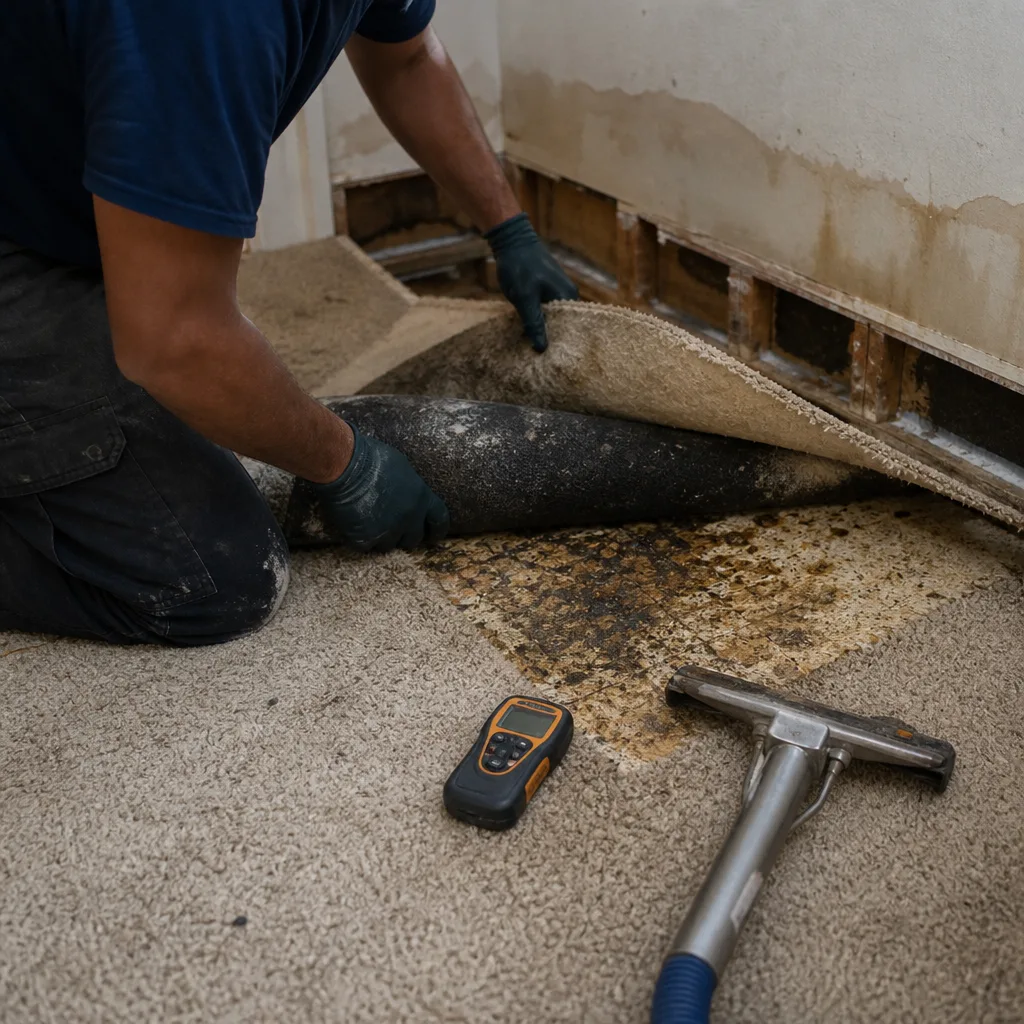
A drying protocol is the technical heart of any water damage restoration. It should read like a prescription, not a suggestion. Here’s what to look for.
Equipment Specifications
The protocol must name specific equipment types, not generic categories. Low-grain refrigerant (LGR) dehumidifiers, such as Dri-Eaz Revolution or Phoenix 200 MAX models, achieve lower specific humidity than conventional refrigerant units and are necessary in San Diego’s coastal climate where ambient moisture slows evaporation. Desiccant dehumidifiers may be specified for hardwood drying or for structures with vapor barriers that trap moisture.
Air movers should be specified by type - axial for broad surface drying, centrifugal for focused airflow into wall cavities - and by count relative to affected square footage. A typical ratio is one air mover per 50-70 square feet of affected space, adjusted for ceiling height and material permeability.
Placement Rationale
The protocol should explain why equipment is placed where it is. “Dehumidifier in northeast corner to establish vapor pressure differential across affected zone” tells you the contractor understands psychrometrics - the study of air moisture relationships. “Dehumidifier in room” tells you they do not.
Vapor pressure differential is the engine of drying. Moisture moves from areas of high vapor pressure to low vapor pressure. Proper equipment placement creates a controlled gradient that pulls moisture from wet materials into the air, then removes it. Without this rationale, equipment is decorative.
Daily Logging Commitments
Ask to see a sample daily drying log before work begins. A legitimate log records:
- Temperature and relative humidity at multiple points
- Specific humidity or vapor pressure readings
- Moisture content readings for affected materials, with meter type and calibration date
- Equipment inventory by serial number, with runtime hours
- Technician name and license number
- Photo documentation with timestamp
These logs are not internal documents. They are your evidence if an insurer questions whether drying was performed to standard. At DryMark Restoration San Diego, every customer receives their complete drying log and photo record at job completion. We have seen San Diego homeowners save thousands in disputed claims by producing this documentation.
Our Mold Remediation in San Diego service applies the same documentation standard: written protocol, daily logs, photo record, signed completion certificate.
Photo Records, Moisture Logs, and Who Keeps Them After the Job
Documentation is only useful if you can access it when you need it. The need typically arises months after the job closes: an insurer requests additional evidence, a buyer’s inspector finds a discrepancy, or a warranty claim requires proof of original condition.
What to Ask Before Work Begins
- Photo frequency: Will photos be taken daily, at each equipment check, or only at setup and teardown? Daily documentation catches changes that matter - a water stain spreading, a floor cupping, a microbial bloom appearing at day three.
- Photo content: Will photos show wide room context, close-up detail of affected materials, equipment placement with serial numbers visible, and moisture meter readings with the display in frame? Each category serves a different evidentiary purpose.
- Moisture log format: Is the log a structured spreadsheet with meter calibration dates, or handwritten notes? Structured data is auditable; handwritten notes are not.
- Record retention: How long will the contractor retain records, and in what format? Seven years is standard for tax and warranty purposes. Will you receive a complete copy at job close, or must you request records later?
- Access protocol: If you need records two years later, what is the process? Is there a fee?
In San Diego’s real estate market, where coastal properties change hands frequently and disclosure requirements are strict, incomplete documentation can stall a sale. We have been called by homeowners whose original restoration contractor closed shop, taking their records with them. The Haven Standard requires seven-year retention and immediate customer access.
Our documented photo record on every visit is included as standard, never an upsell. You receive the complete file at completion, and we maintain backup for seven years.
San Diego-Specific Considerations: Climate, Codes, and Market Realities
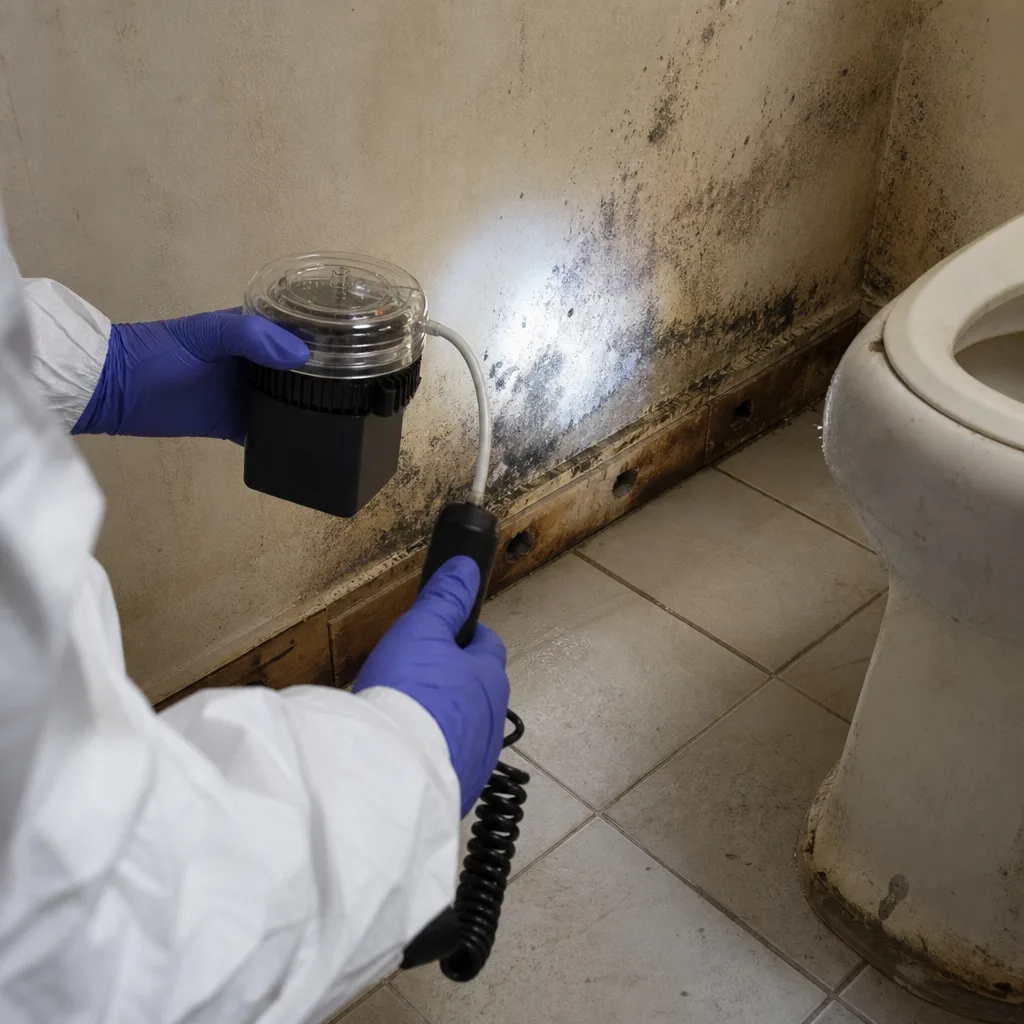
San Diego’s restoration market has characteristics that should inform your hiring decision.
Coastal moisture and salt air. Properties within two miles of the Pacific - from Pacific Beach to Point Loma to Coronado - face elevated ambient humidity that extends drying timelines. A protocol written for inland conditions will underperform here. Contractors should adjust equipment specifications and drying targets for marine climate zones.
Santa Ana wind events. These hot, dry winds create sudden fire risk and, after fires, unique smoke damage patterns. Smoke driven by Santa Ana conditions penetrates deeper into structures than typical residential fires, and restoration protocols must account for tertiary smoke - odor particles that have bonded with surfaces at the molecular level and require specialized thermal fogging or ozone treatment.
Aging infrastructure in established neighborhoods. North Park, South Park, Golden Hill, and similar areas built primarily between 1910 and 1960 have galvanized steel plumbing at end of life, clay sewer laterals vulnerable to root intrusion, and original stucco systems that trap moisture when the weep screed is compromised. Restoration work in these neighborhoods often reveals code issues - unpermitted additions, outdated electrical, asbestos-containing materials - that must be addressed before reconstruction.
Permit requirements. The City of San Diego requires permits for structural repairs, electrical work, plumbing modifications, and roof replacement. A restoration contractor who proposes to “handle everything” without discussing permit requirements is either uninformed or planning to perform unpermitted work. Either way, you bear the liability.
Market saturation and operator quality. San Diego’s restoration market includes established firms with documented training and transient operators who appear after major events. The CSLB complaint data shows post-disaster spikes in unlicensed activity. Verification is not paranoia; it is due diligence.
Our Fire & Smoke Damage Restoration in San Diego service includes assessment for Santa Ana-driven smoke penetration and documentation of all permit requirements before reconstruction begins.
Common Mistakes to Avoid
- Signing an authorization form under pressure. In Rancho Bernardo and Scripps Ranch, where wildfire evacuation creates compressed decision windows, homeowners often sign documents they haven’t read. California law gives you three business days to cancel most home solicitation contracts - but emergency authorizations often waive this right. Read before you sign, or photograph every page and review before the crew begins.
- Assuming “certified” means licensed. IICRC certification is valuable training, but it is not a state license. A technician can be IICRC-certified and legally prohibited from performing restoration work in California. Verify both.
- Accepting verbal price ranges. “Probably between five and eight thousand” is not a written price. Haven Standard, Clause 1 exists because verbal ranges become $12,000 invoices with no documented change order.
- Neglecting to verify insurance coverage. Ask for a certificate of insurance naming you as additional insured for the project duration. General liability and workers’ compensation are minimums; pollution liability matters for mold and sewage work.
- Failing to document pre-existing conditions. Before any work begins, photograph every room, every surface, every personal item. Restoration work is disruptive; disputes over what was damaged by the event versus by the contractor are common.
- Choosing based on response speed alone. Speed matters for water mitigation - every hour of delay increases damage. But speed without documentation produces invoices that insurers reject. The contractor who arrives in 30 minutes with a clipboard and a camera is preferable to the one who arrives in 15 minutes with neither.
- Ignoring the reconstruction phase. Some contractors specialize in mitigation (drying, cleanup) and subcontract reconstruction (rebuild, finish). If your contractor does not perform reconstruction, understand who will, how they are selected, and whether their work is covered by the same warranty.
When to Call a Professional
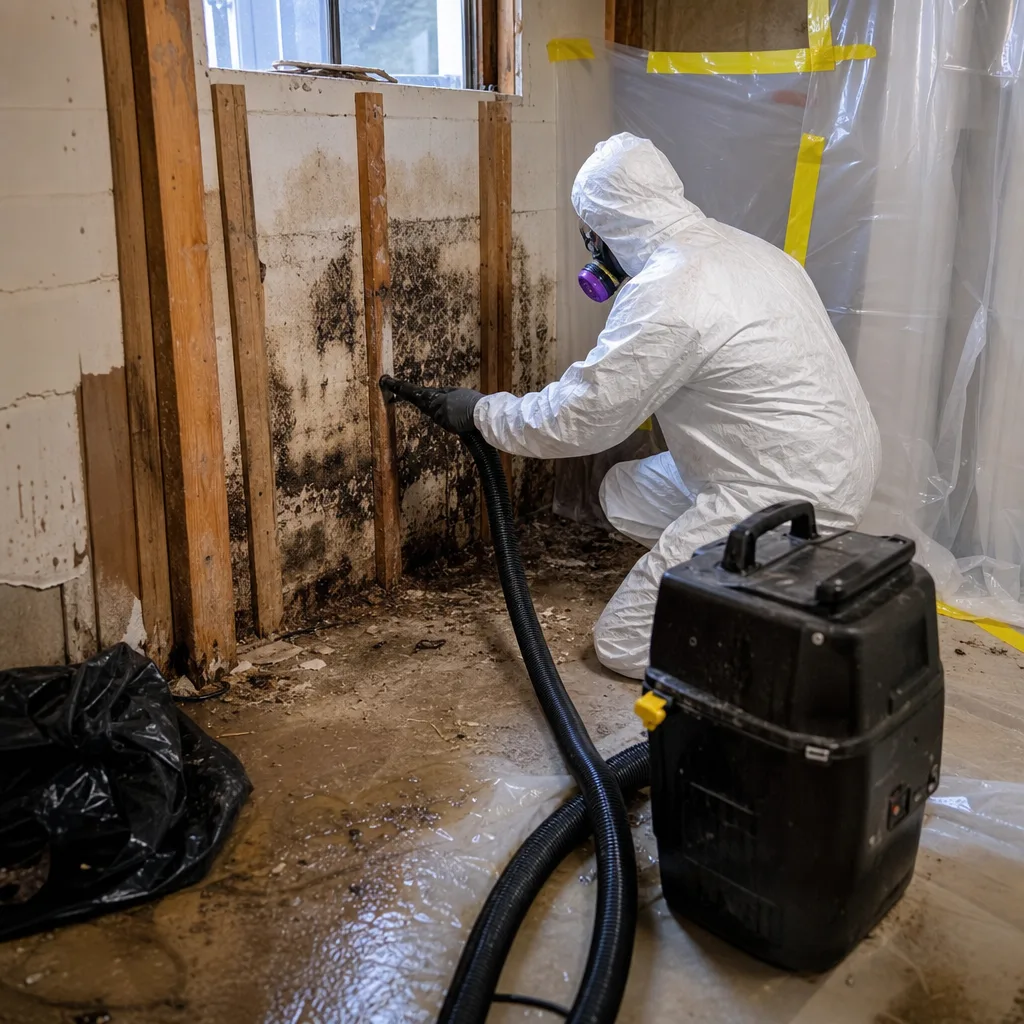
Call a professional restoration contractor when water has affected more than a single small area, when mold is visible or suspected, when fire or smoke damage extends beyond a contained cooking incident, or when sewage or biohazard contamination is present. These scenarios involve health hazards, structural risks, or insurance complexities that exceed DIY capacity.
Specifically: standing water in a crawl space, water that has wicked into drywall or insulation, any musty odor after a leak, soot or smoke residue on multiple surfaces, or any Category 3 water source (sewage backup, seawater intrusion, or water that has passed through building materials). In San Diego, where slab foundations are common and plumbing runs through concrete, even “minor” leaks can create hidden moisture pockets that foster mold in 48-72 hours.
DryMark Restoration San Diego offers free estimates in San Diego - call (619) 330-9541. Our live person answers every call, 24 hours a day, 7 days a week, with no voicemail on emergency lines. Every job is quoted in writing before work begins, documented with a photo record on every visit, and covered by the 365-Day Done Right Promise.
Frequently Asked Questions
Water damage restoration in San Diego typically ranges from $3,500 for contained Class 1 losses affecting a single room, to $15,000-$25,000 for Class 3 or 4 losses with significant demolition and drying requirements. Factors include affected square footage, material permeability (hardwood versus tile versus carpet), and whether mold remediation is required. Call (619) 330-9541 for a written estimate - estimates are free and include a documented scope with fixed pricing under Haven Standard, Clause 1.
Most San Diego homeowners policies cover sudden and accidental water damage, but coverage varies by cause of loss, policy endorsements, and your deductible. Coverage for sewer backup typically requires a separate endorsement. We document every job to IICRC and carrier standards so your claim processes cleanly, and we coordinate directly with your adjuster - with you retaining full claim control. Call (619) 330-9541 and we will review your policy documentation with you.
For active water damage in San Diego, legitimate contractors with 24/7 live dispatch typically arrive within 60-90 minutes during normal demand periods. Post-disaster surge conditions - after regional flooding or wildfire - may extend this. Speed matters for mitigation: mold begins forming in 48-72 hours, and structural materials degrade progressively. However, speed should never replace documentation. The crew that arrives with equipment and a camera is the correct choice.
DIY cleaning is appropriate only for Category 1 water (clean source, no contaminants) affecting less than 10 square feet of non-porous surface, with no wicking into walls or subfloor. Everything else - Category 2 or 3 water, any porous material involvement, any suspected mold, any fire or smoke damage - requires professional restoration. In San Diego’s climate, “minor” moisture left in wall cavities commonly produces hidden mold that is discovered during a future home sale inspection.
You retain that choice. A legitimate contractor provides documentation that supports your claim; they do not take over your claim without explicit written authorization. Be wary of any contractor who asks you to sign an assignment of benefits or who discourages your direct communication with your adjuster. At DryMark Restoration San Diego, we produce the evidence; you maintain the relationship with your carrier.
California’s Contractors State License Board accepts complaints at cslb.ca.gov, and the three-day right of cancellation may still apply depending on how and when the contract was signed. Document everything: save all paperwork, photograph current conditions, and do not allow additional work until you understand your rights. DryMark Restoration San Diego offers a Free Second Opinion on any competitor’s written estimate - bring us your scope and we will explain exactly what you signed and what options remain. Call (619) 330-9541.
The Bottom Line
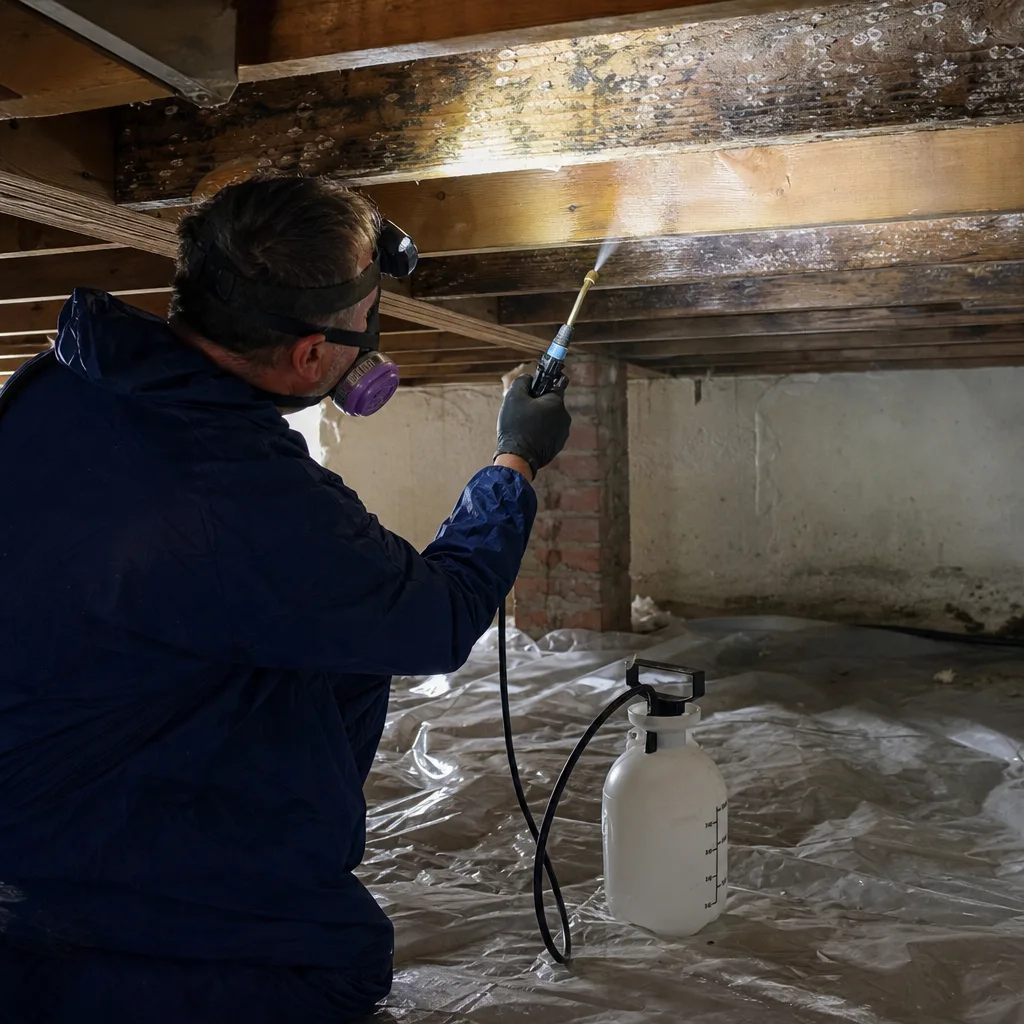
Hiring a damage restoration contractor in San Diego is a document-literacy exercise; for more guides & resources, see our blog. The contractor who shows you a verified license, a written scope with fixed pricing, equipment specifications by brand and model, a daily drying log format, and a written warranty before any work begins is demonstrating competence. The contractor who asks for your trust without producing these documents is asking for something else entirely.
Verify first. Read everything. Photograph your property before work starts. And remember that the paperwork produced during restoration determines whether your insurance claim is paid, whether your warranty is enforceable, and whether your home’s next buyer will have questions you can answer.
Written by Alicia Brennan, Owner at DryMark Restoration San Diego, serving San Diego since 2011.