Free visual inspection and a written scope of work before any mitigation begins - photos, moisture readings, and drying logs go in your claim file
The scope we write is the scope we bill. Anything new gets shown to you, in writing, before we touch it.

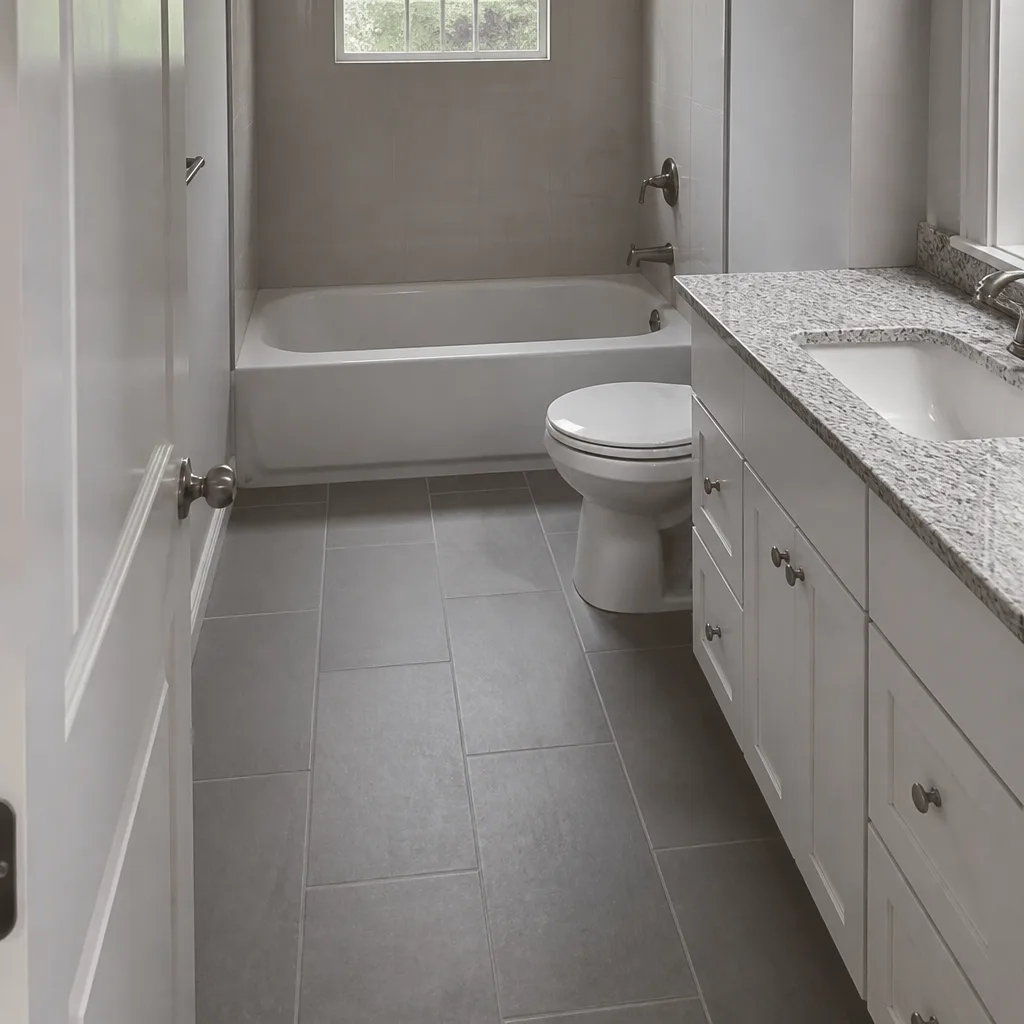
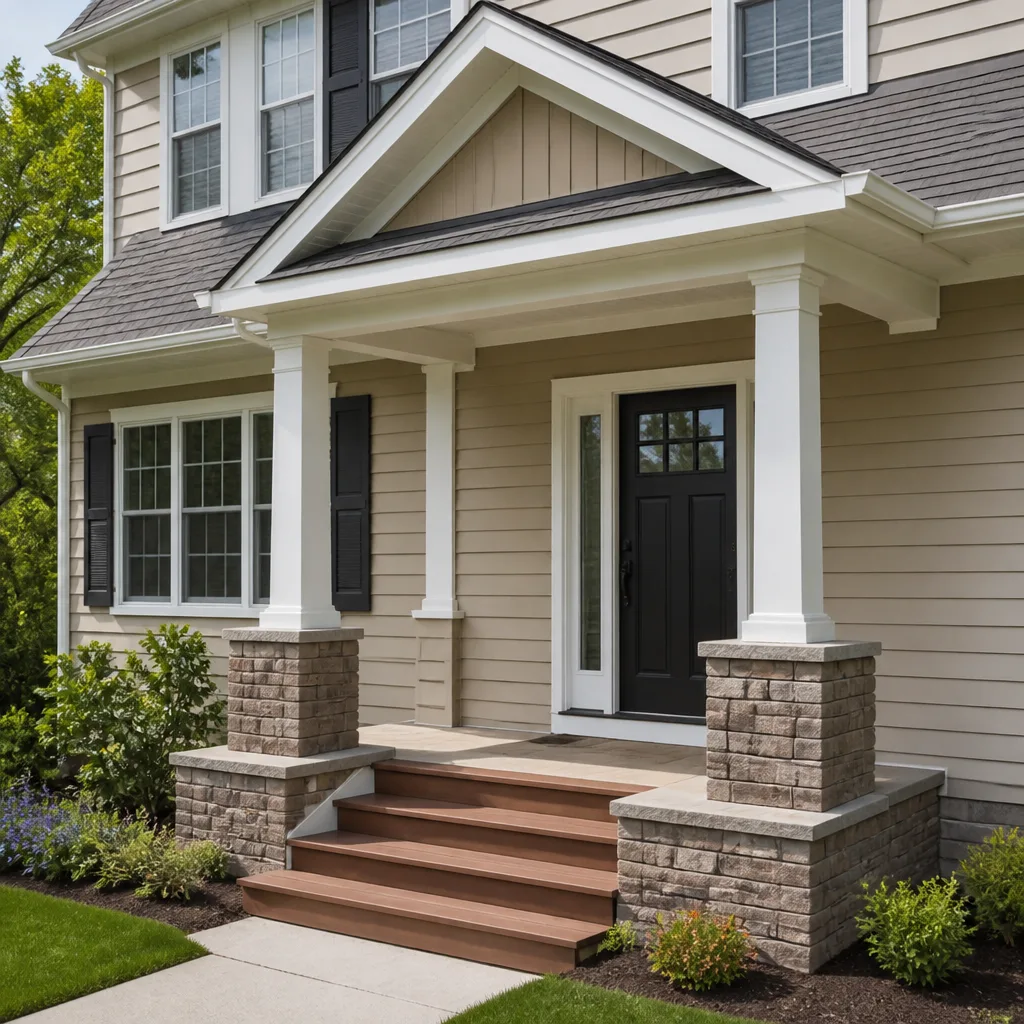
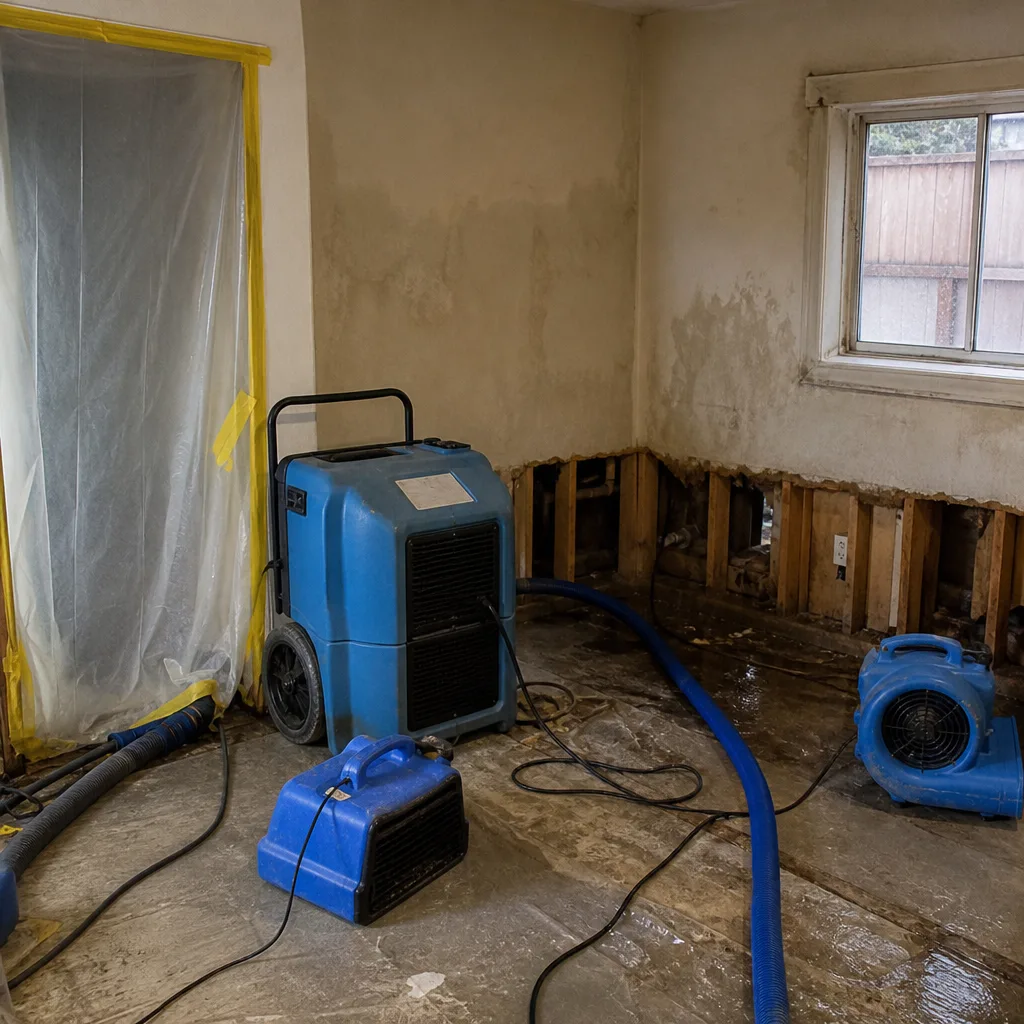 Before
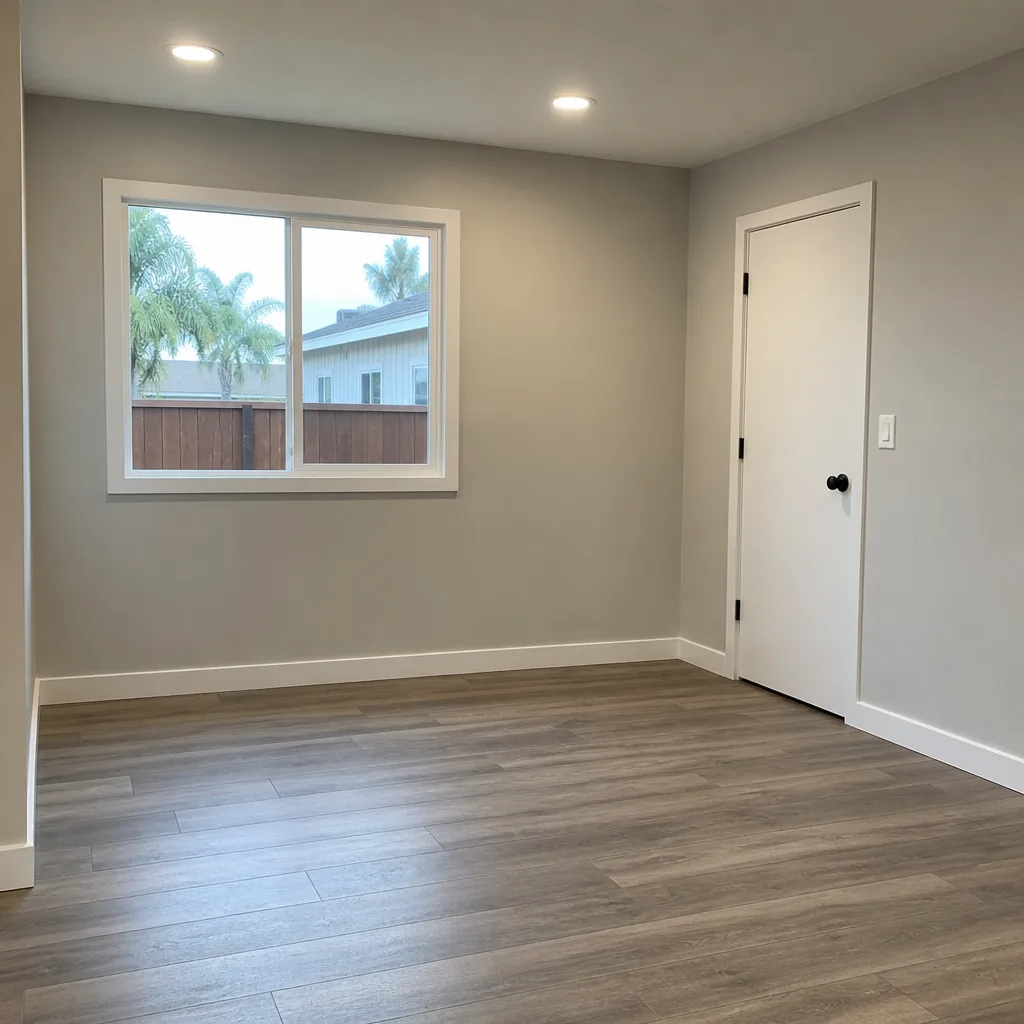 After
After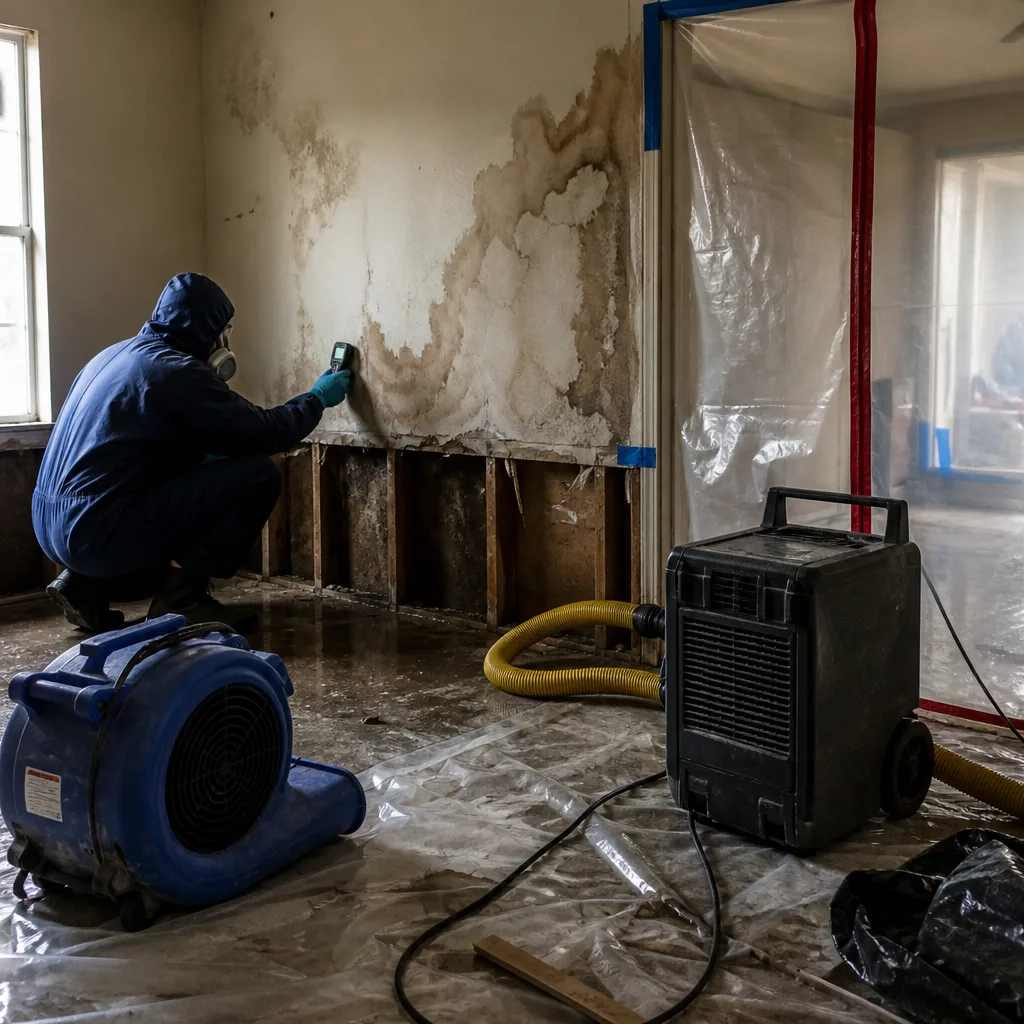 Before
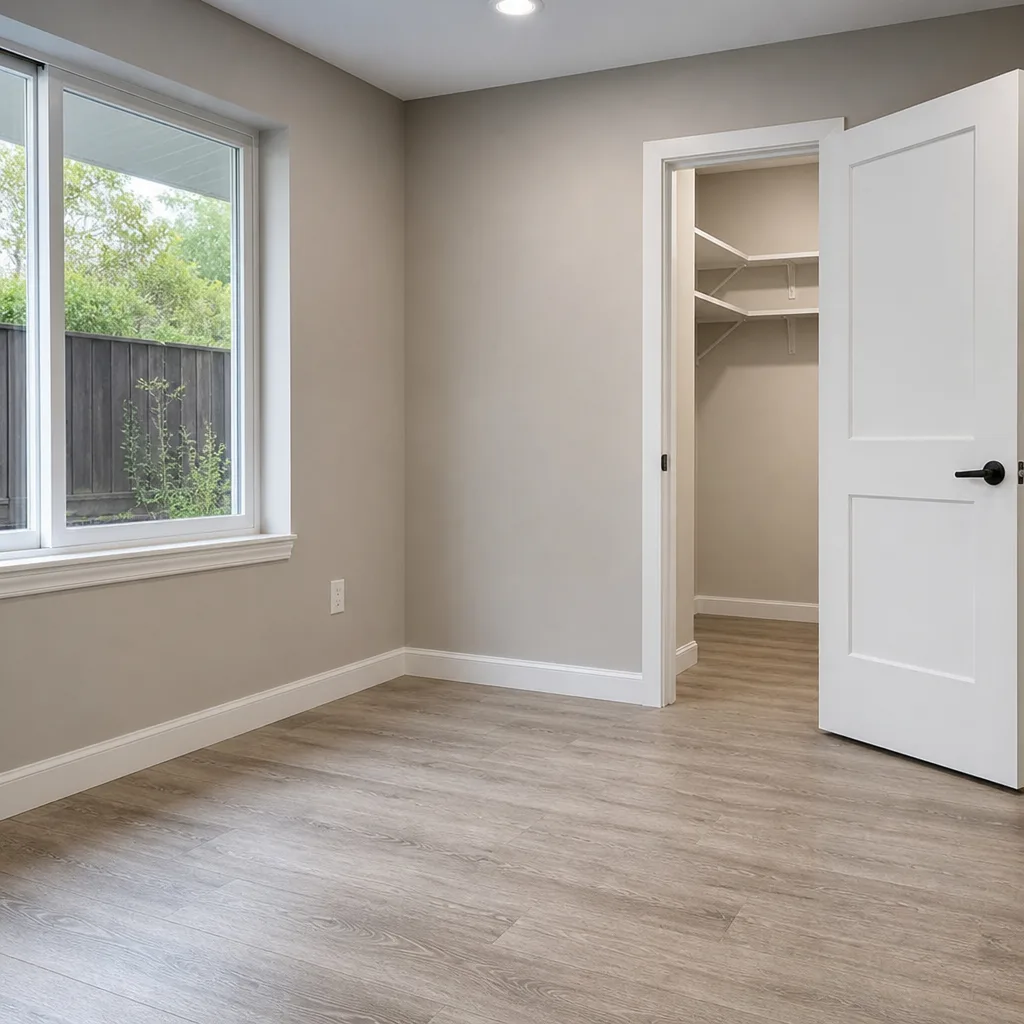 After
After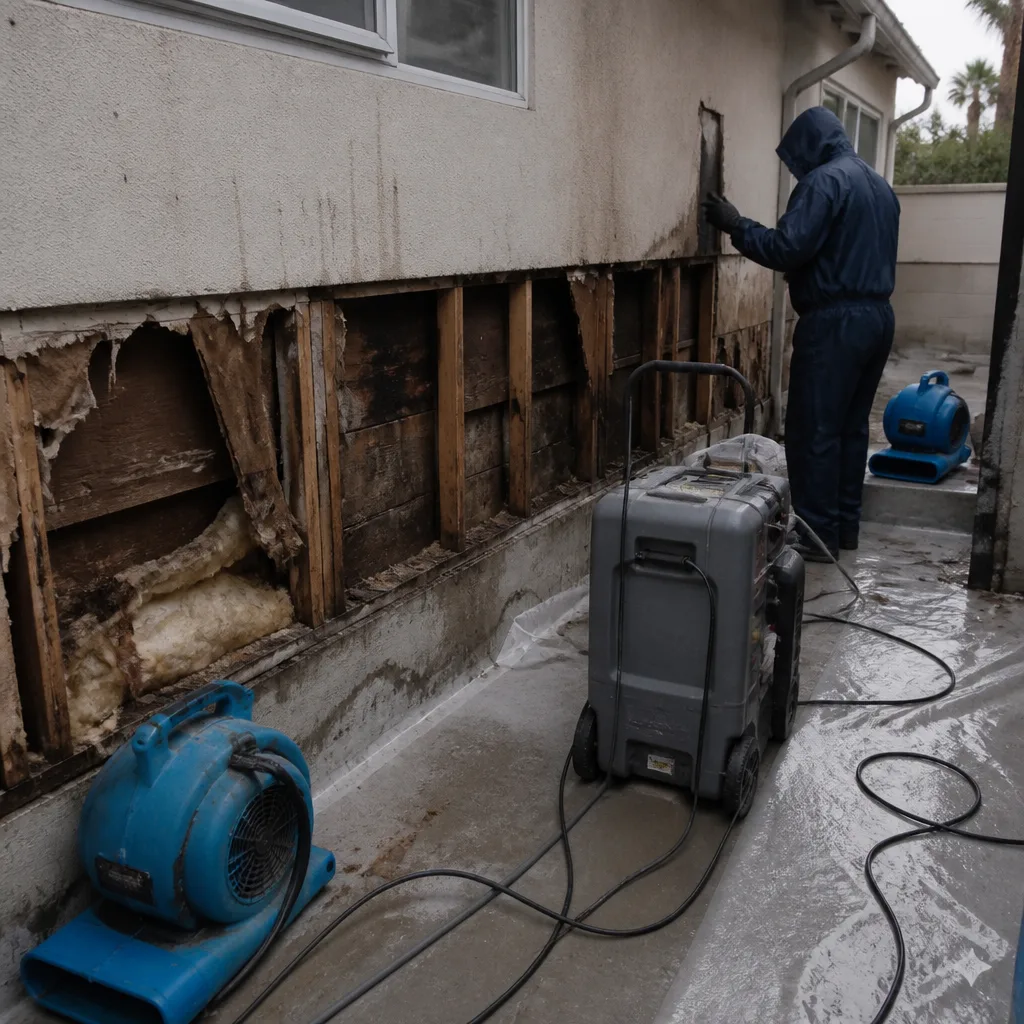 Before
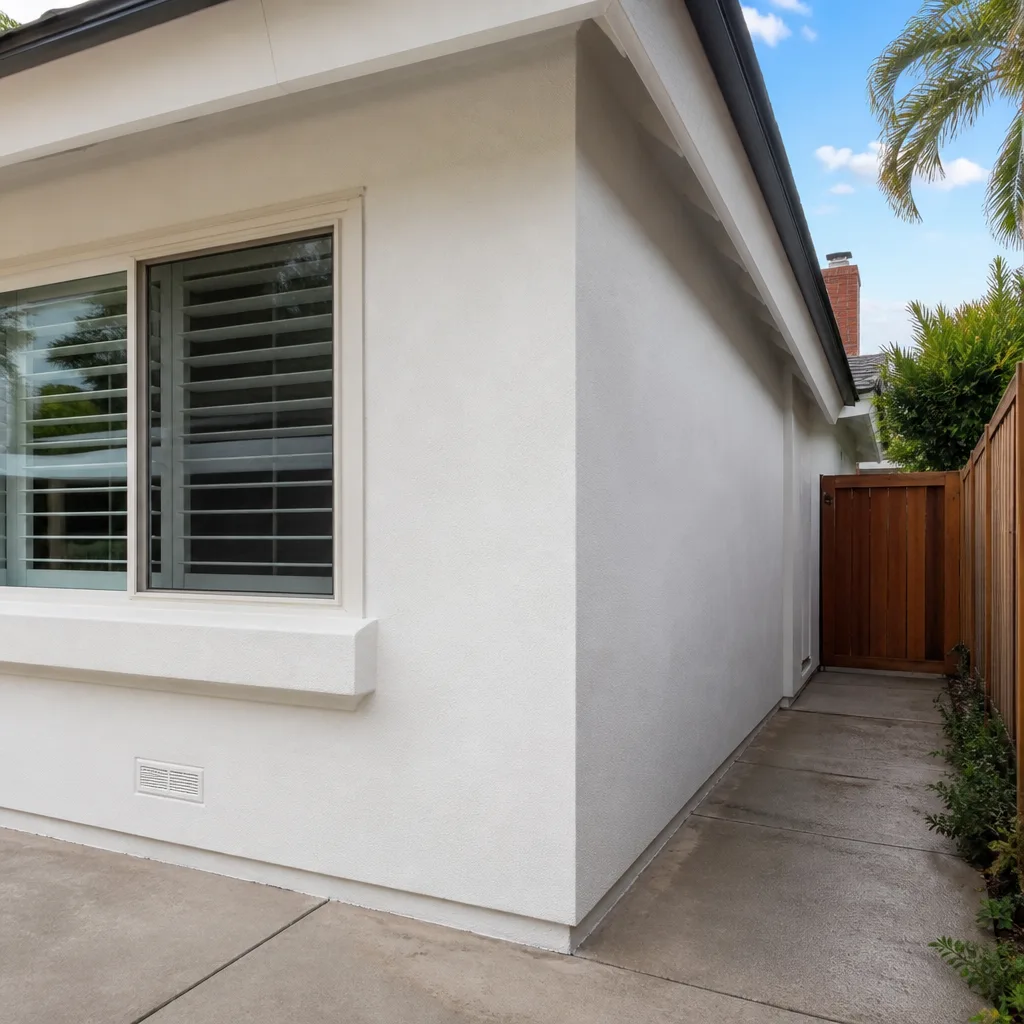 After
After24/7 Emergency Mold Remediation in Lakeside
Mold remediation in Lakeside typically costs $1,800-$6,500 depending on affected square footage and contamination level, and our crews can be on-site within 45 minutes of your call. Call (619) 330-9541 now - we answer live, 24 hours a day, with no voicemail trees. The first 48 hours after water intrusion are critical in Lakeside’s warm inland climate; mold colonies establish on damp cellulose surfaces in as little as 24 to 72 hours, and every hour of delay expands the containment perimeter and the final restoration invoice. We provide a free visual inspection, document moisture readings with thermal imaging, and deliver a written price before any work begins - Haven Standard, Clause 1.
Understanding Mold Remediation Severity in Lakeside Properties
We classify mold contamination by three factors: affected square footage, material porosity, and the water category that initiated growth. Category 1 water - a clean supply line - may allow limited drying-in-place of semi-porous materials. Category 3 water, which is what we see after post-fire debris flows in Lakeside, requires removal of all porous materials regardless of visible mold, per IICRC S520 standards.
Lakeside’s housing stock complicates this calculus. The 1950s-1970s ranch homes that dominate neighborhoods off Winter Gardens Boulevard and along the San Diego River corridor were built with wood siding, original shake or composition roofing, and minimal vapor barriers. These materials absorb and hold moisture in wall cavities and attic insulation long after surface readings suggest dryness. We’ve mapped hidden moisture in Lakeside crawlspaces where the top of the joist reads 12% wood moisture content and the bottom reads 22% - a 10-point differential that signals active colonization in progress.
Tertiary drying, the final phase of structural drying where we chase bound water out of dense materials, takes longer in these older homes. Vapor pressure differential - the force that drives moisture from wet materials into drier air - must be maintained with precise psychrometric data: temperature, relative humidity, and specific humidity logged daily. Without this documentation, insurers deny secondary damage claims. We produce it as standard.
Why Lakeside Property Owners Choose DryMark Restoration San Diego
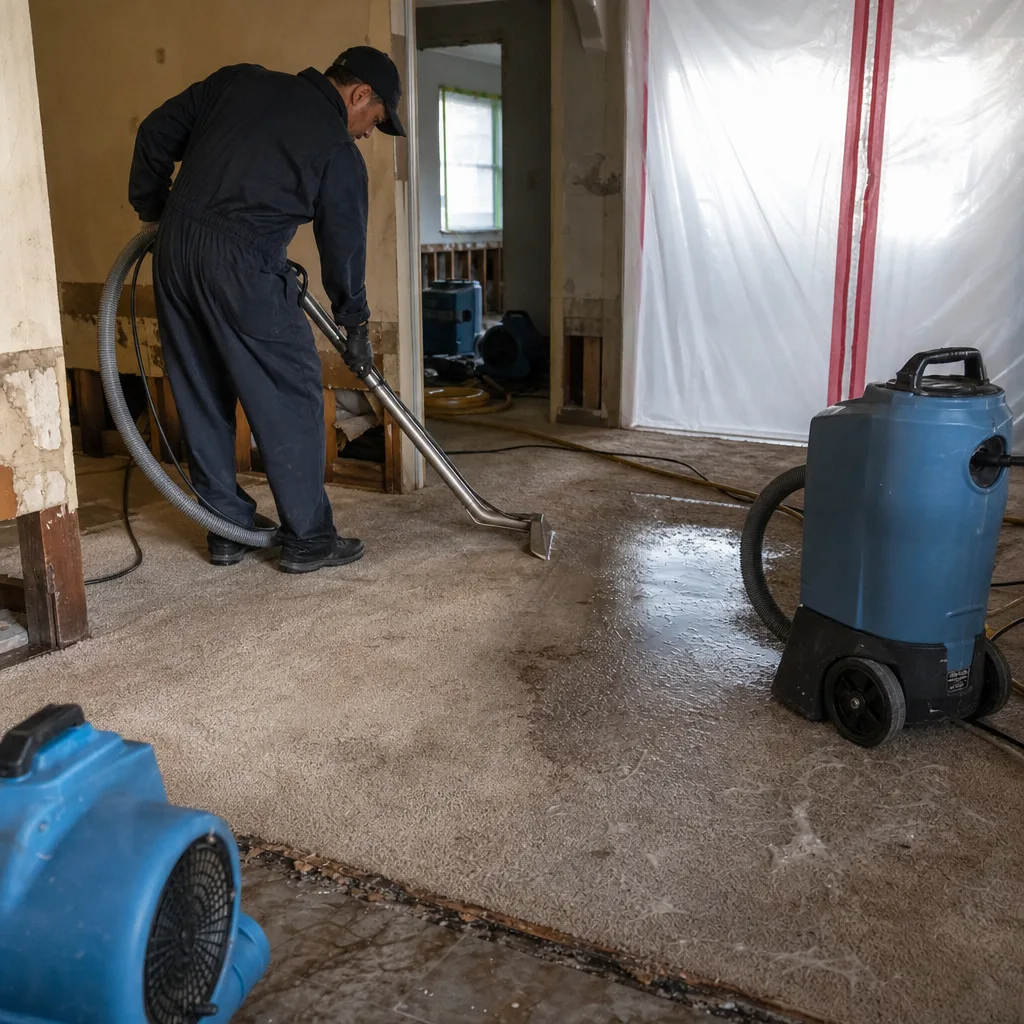
- 45-minute response commitment to Lakeside properties, with dispatch coordinated from our San Diego office and crews already positioned in East County.
- 24/7 live answer - a real person, never an automated system, on every call, every hour, including holidays.
- IICRC-certified crews holding WRT (Water Damage Restoration Technician), AMRT (Applied Microbial Remediation Technician), and FSRT (Fire & Smoke Restoration Technician) certifications - the full credential stack for Lakeside’s compound fire-then-flood losses.
- Free visual inspection with moisture mapping, thermal imaging, and a written scope delivered before any work begins.
- Direct insurance billing with photo-documented drying logs and room-by-room moisture readings that turn restoration invoices into payable claims.
- One team from extraction to reconstruction - no handoffs between mitigation and rebuild contractors that delay completion and fragment documentation.
BeforeAfterOur Mold Remediation Process
1. Inspection & Assessment
We map moisture with FLIR thermal imaging, probe wood framing with Delmhorst pin meters, and measure ambient conditions with hygrometers. In Lakeside’s older ranch homes, we pay particular attention to wall cavities behind original wood siding and attic insulation above shake underlayment - areas where post-fire moisture hides for weeks.
2. Containment & Air Filtration
We establish polyethylene containment barriers and run HEPA air scrubbers at negative pressure to prevent cross-contamination. For black mold remediation following Category 3 water intrusion, we maintain 4 air changes per hour inside the containment zone.
3. Structural Drying & Dehumidification
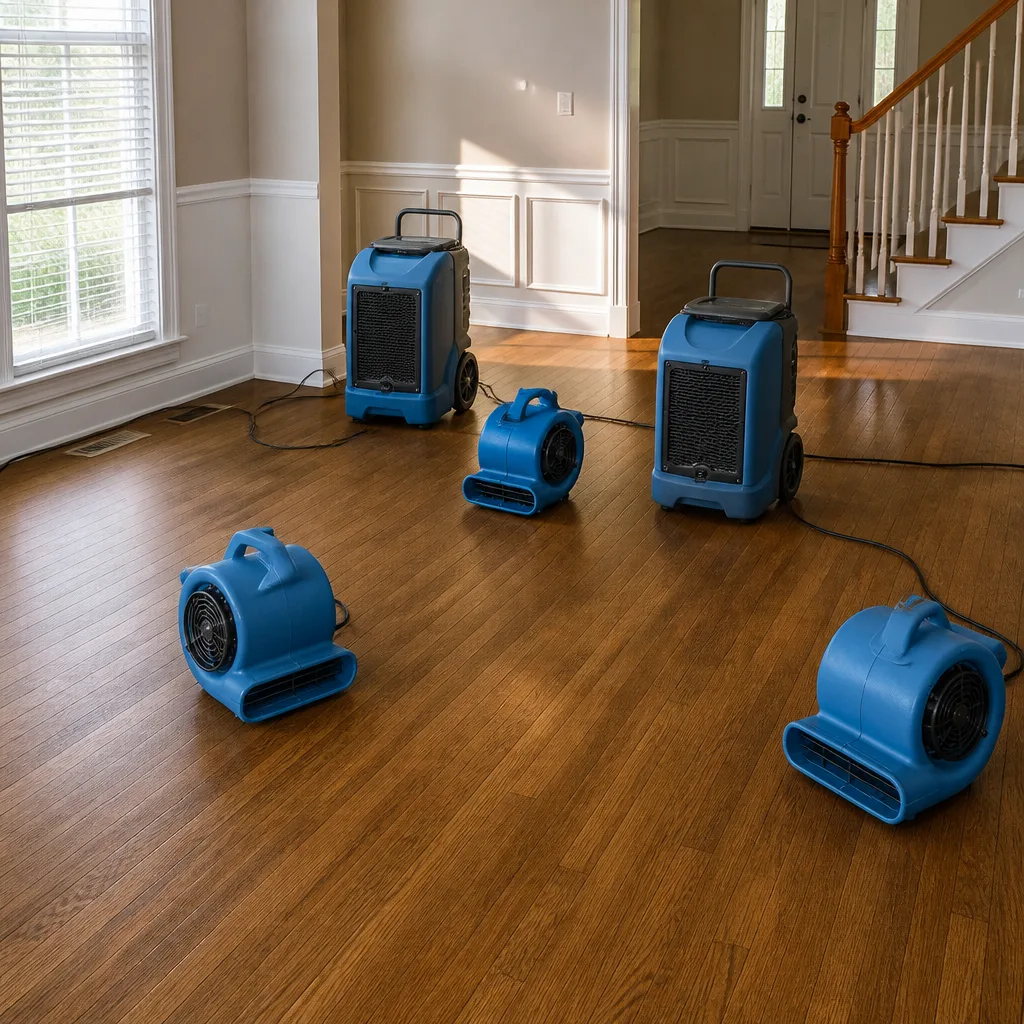
We deploy Dri-Eaz and Phoenix LGR dehumidifiers with B-Air and XPOWER air movers, positioning equipment per psychrometric calculations. Daily moisture logs track specific humidity and vapor pressure differential until all materials reach dry standard - typically 12-16% wood moisture content in Lakeside’s inland climate.
4. Cleaning & Sanitization
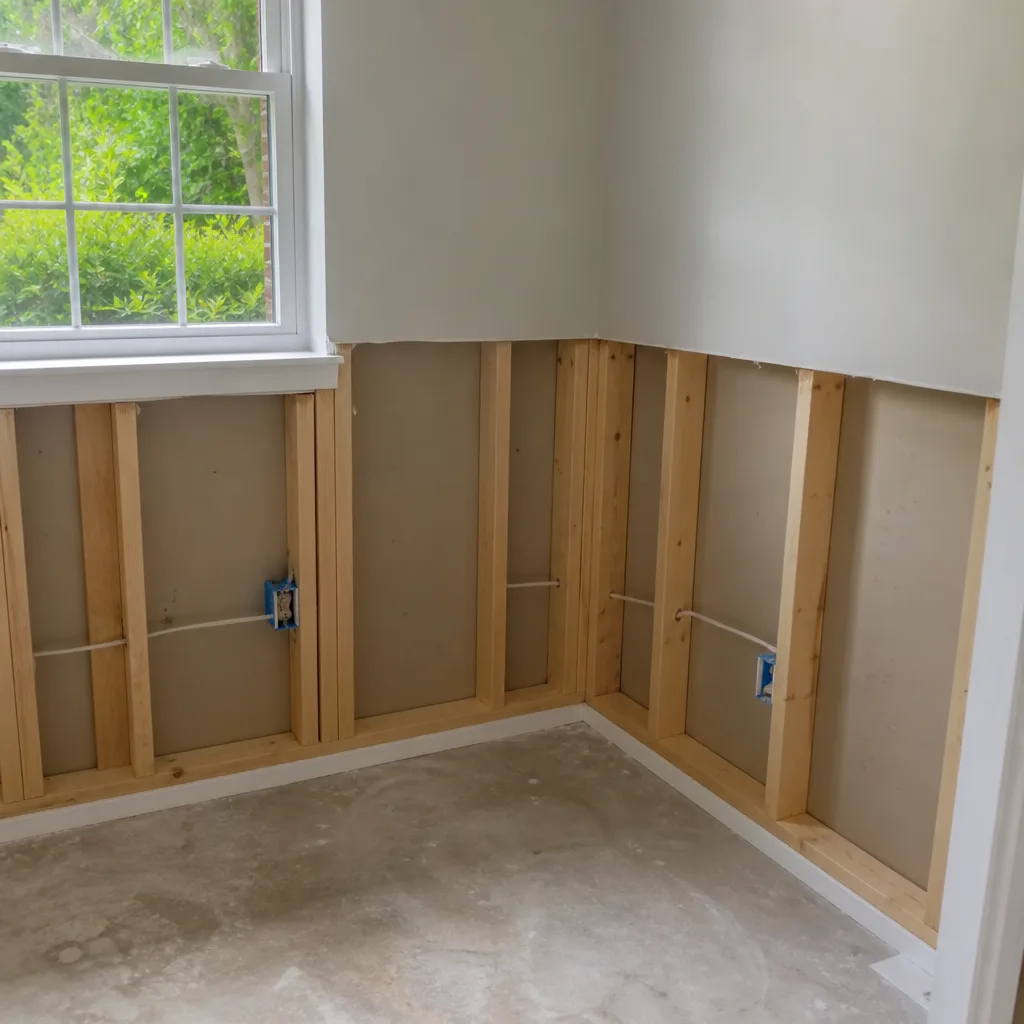
Non-porous materials receive HEPA vacuuming and antimicrobial treatment. Porous materials contaminated by Category 3 water - including drywall, insulation, and carpet pad - are removed and documented for adjuster review. We do not attempt to dry these in place; Haven Standard, Clause 1 applies to scope integrity, not just pricing.
5. Crawl Space Treatment & Moisture Control
Lakeside crawlspaces receive specialized attention: vapor barrier installation, foundation vent sealing where hydrophobic hillside drainage is the source, and dehumidification sizing for the specific cubic footage. Without addressing the water source - burned, compacted soil funneling runoff toward the foundation - mold returns within one wet season.
6. Repairs, Restoration & Clearance
We rebuild with moisture-resistant materials where code allows, deliver a photo record of pre-loss condition and completed work, and coordinate third-party clearance testing when required. Every job carries the 365-Day Done Right Promise under The Haven Standard.
Need Emergency Mold Remediation in Lakeside Now?
Crews minutes away, answering live 24 hours a day. The sooner we start, the less it costs.
Working With Your Insurance Company
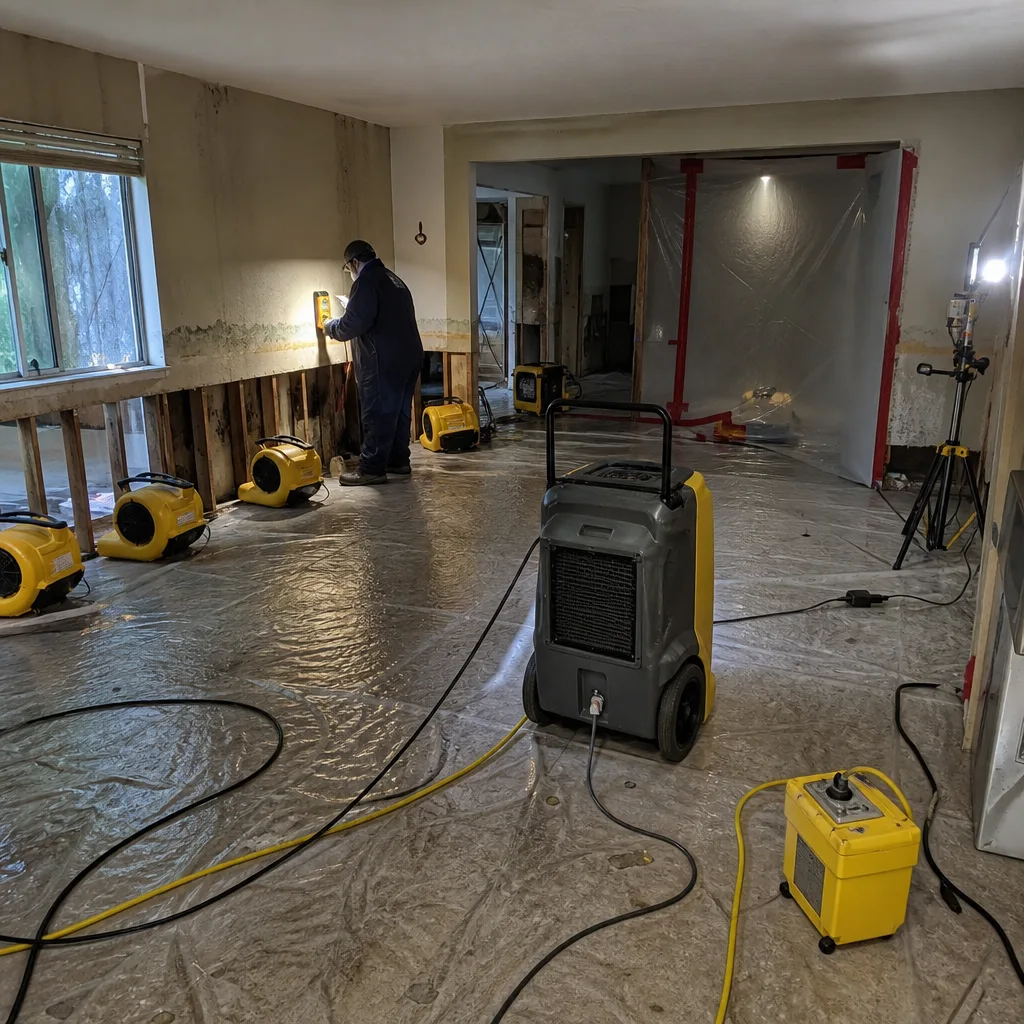
We begin documentation the moment we arrive. Every photo is geotagged, time-stamped, and uploaded to your claim file before we leave the site. Our estimates follow Xactimate pricing, the industry standard that adjusters recognize and process without dispute. We speak directly with your adjuster, explain moisture readings in terms carriers understand, and defend our scope when questioned.
The single biggest cause of denied mold claims is insufficient documentation of the water loss that preceded it. We solve this by treating the initial call as the start of the claim file, not the restoration job. Our Mold Remediation team has handled hundreds of Lakeside claims; we know what documentation gets paid and what gets rejected.
What We Provide Your Insurer
- Thorough documentation of the loss
- Photos of all damage, room by room
- Moisture readings and drying logs
- A detailed, line-item scope of work
- Direct coordination with your carrier
Built for Lakeside’s Loss Calendar
Lakeside’s mold season doesn’t follow the coastal pattern. September through November brings Santa Ana wind events that drive wildfire risk to catastrophic levels; the 2003 Cedar Fire proved what these valleys can produce. Burned hillsides then sit hydrophobic - water-repellent - through winter, shedding rainfall as sheet runoff instead of absorption. January through March, that runoff funnels mud and ash through foundation vents and into crawlspaces.
By April, we’re responding to calls from homeowners who thought their property escaped fire damage entirely. The mold they find grew from Category 3 water they never saw enter. Summer brings monsoonal moisture and the year’s highest relative humidity, which keeps crawlspaces damp enough for established colonies to sporulate. A Lakeside property that needed fire restoration in October may need our Lakeside mold crew by May. Same year. Same address.
Mold Remediation Across Lakeside’s Neighborhoods
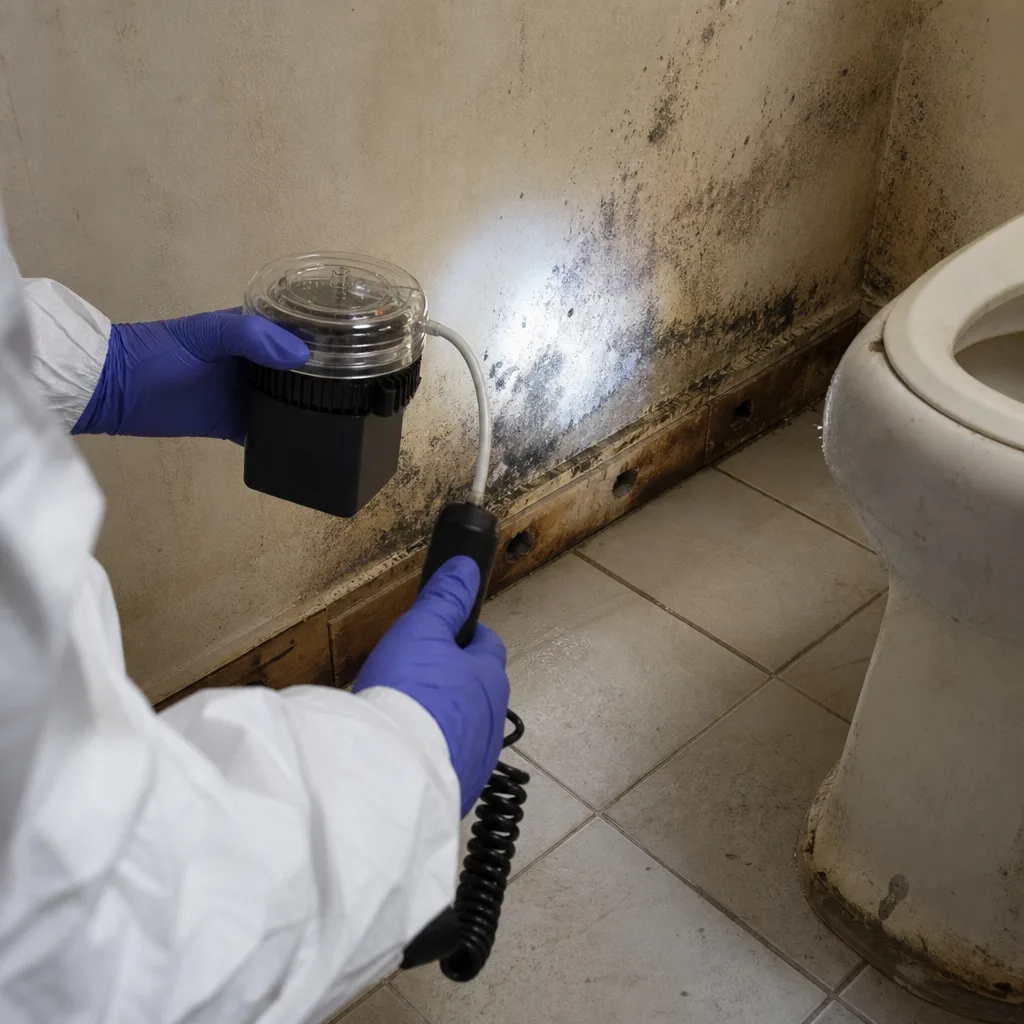
Off Winter Gardens Boulevard, the 1960s ranch tracts sit on larger parcels with mature landscaping that holds moisture against foundations. We’ve treated crawlspaces here where irrigation runoff compounded post-fire drainage, creating year-round damp conditions that standard vapor barriers couldn’t manage. The solution was exterior grading correction combined with sealed-crawl dehumidification - a scope that only makes sense when you’ve mapped the full moisture pathway.
Properties near the San Diego River corridor, particularly between Channel Road and Mapleview Street, face flash-flood exposure that overrides typical drainage patterns. After heavy rain years, we see mold colonization in slab-on-grade homes where water found expansion joints and wicked into wall bottom plates. These jobs require injectidry systems to force dry air through wall cavities without demolition - equipment we deploy from our Dri-Eaz and Injectidry inventory.
In the hills above Lake Jennings, newer construction on burned-over lots presents a different problem: tight building envelopes with inadequate mechanical ventilation trap humidity from construction moisture and occupant loads. We specify humidity control systems sized for the specific cubic footage and envelope tightness. One-size-fits-all dehumidifiers fail here; the equipment must match the building science.
The semi-rural parcels along Wildcat Canyon Road and toward Harbison Canyon include outbuildings, horse facilities, and manufactured homes that add scope complexity. Adjuster documentation must separate primary dwelling from accessory structures, and remediation protocols differ for manufactured home subfloors versus conventional framing. Our crews know the distinction and scope accordingly.
Specialized Mold Remediation Services We Offer in Lakeside
Mold Inspection & Testing
We begin with moisture mapping and air sampling, not guesswork. In Lakeside’s post-fire environment, we test for both mold spores and combustion particulates - ash and char that can mask as mold in visual inspection and complicate air quality interpretation. Lab results guide our remediation protocol, not assumptions.
Mold Removal
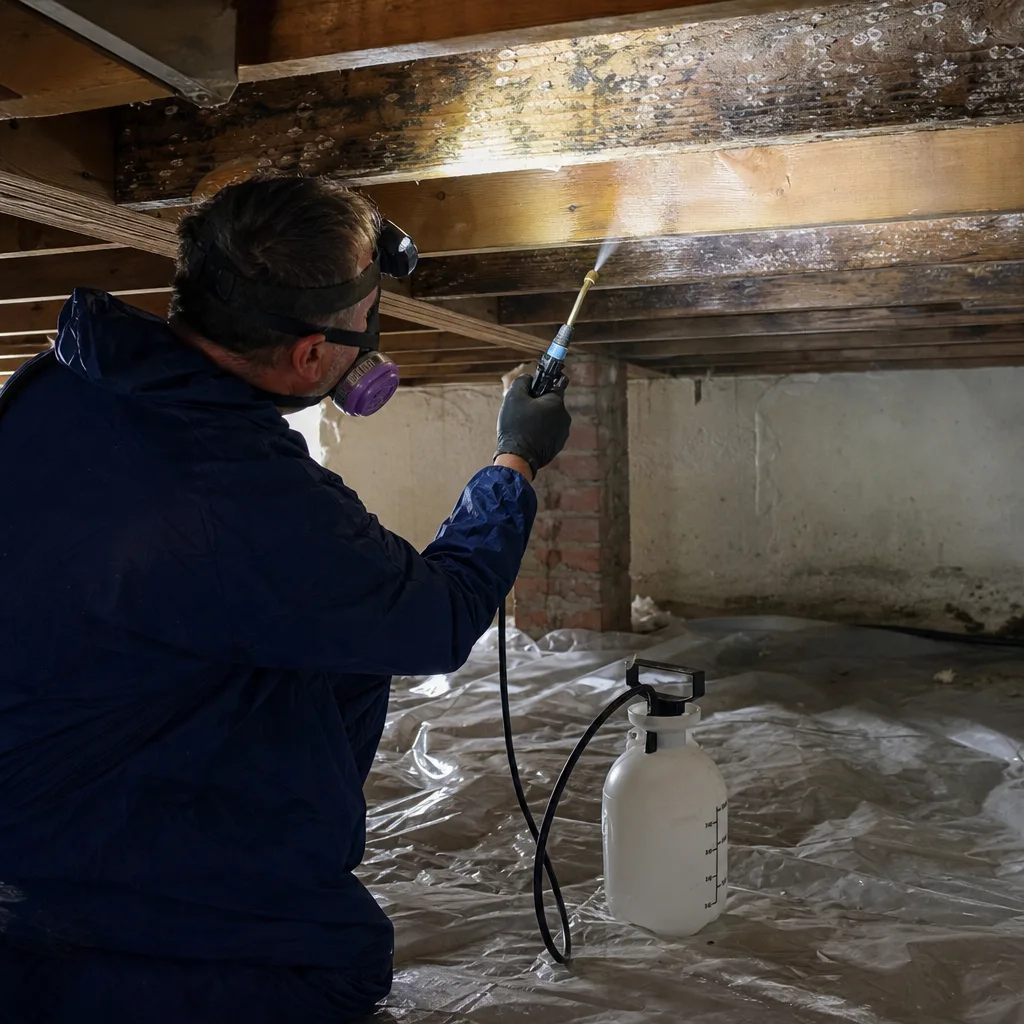
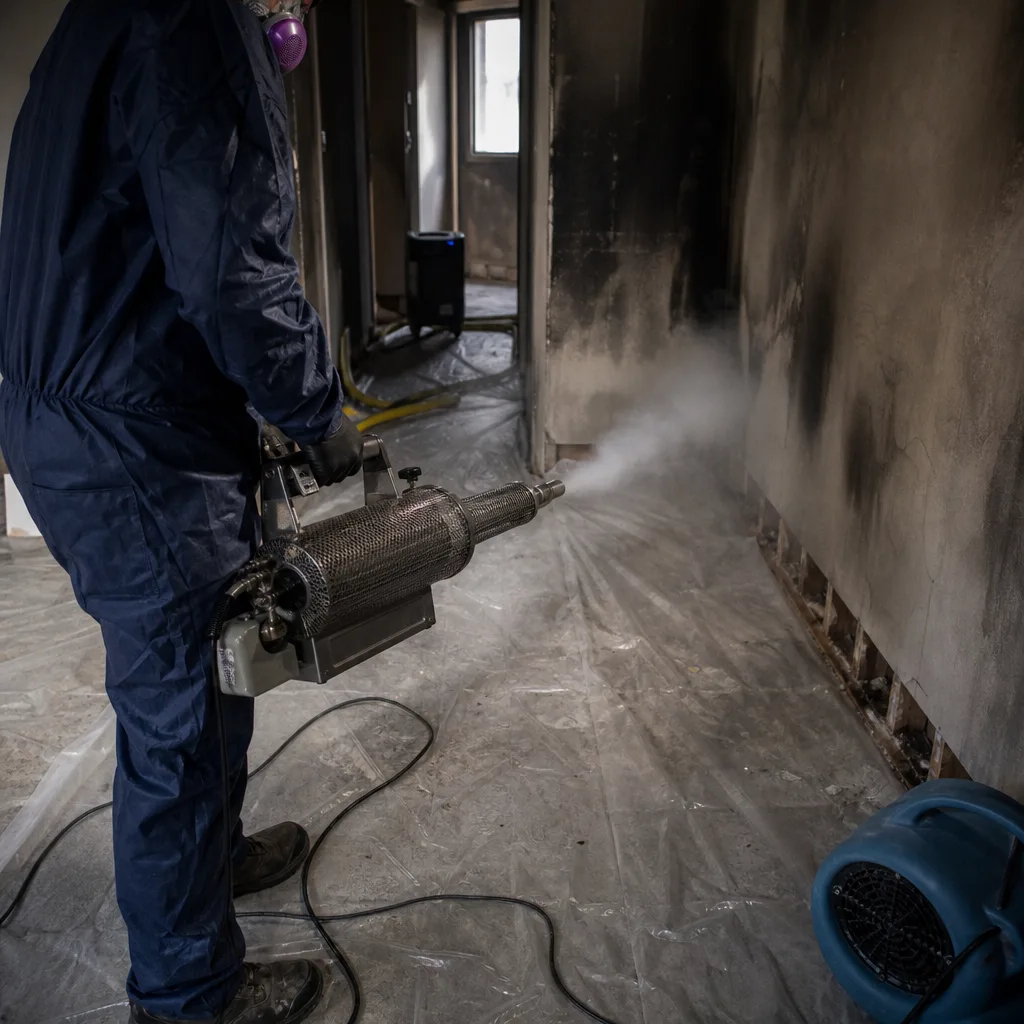
Removal follows containment, never precedes it. We HEPA-vacuum non-porous surfaces, remove porous materials contaminated by Category 3 water, and apply antimicrobial treatments registered for the specific substrate. Every removal action is photo-documented for the adjuster file.
Black Mold Remediation
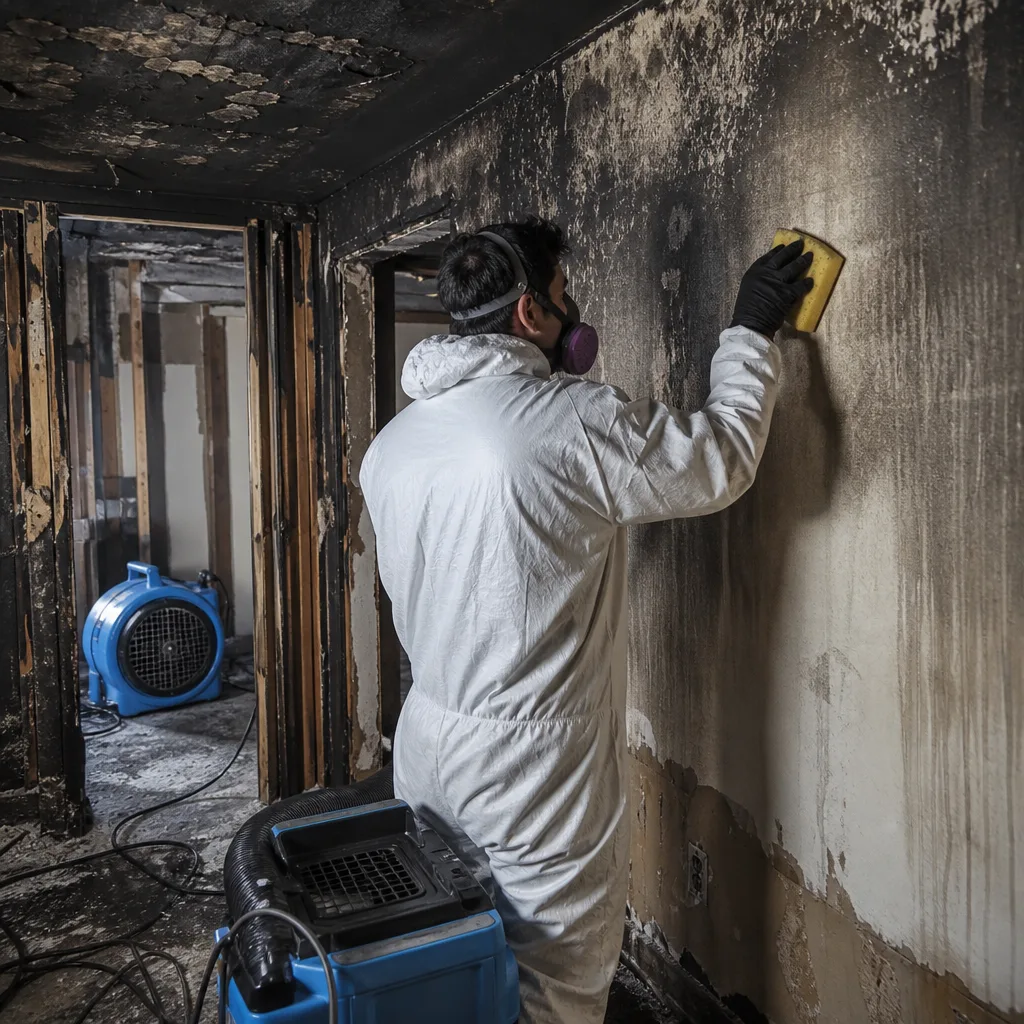
Stachybotrys chartarum and similar toxigenic species require full containment, negative air pressure, and personnel protective equipment. In Lakeside, we most often encounter black mold in crawlspaces after post-fire debris flows - Category 3 water with organic loading from ash and soil that accelerates colonization. These jobs are never “cleaning”; they are controlled demolition with engineered exposure controls.
Air Quality Restoration
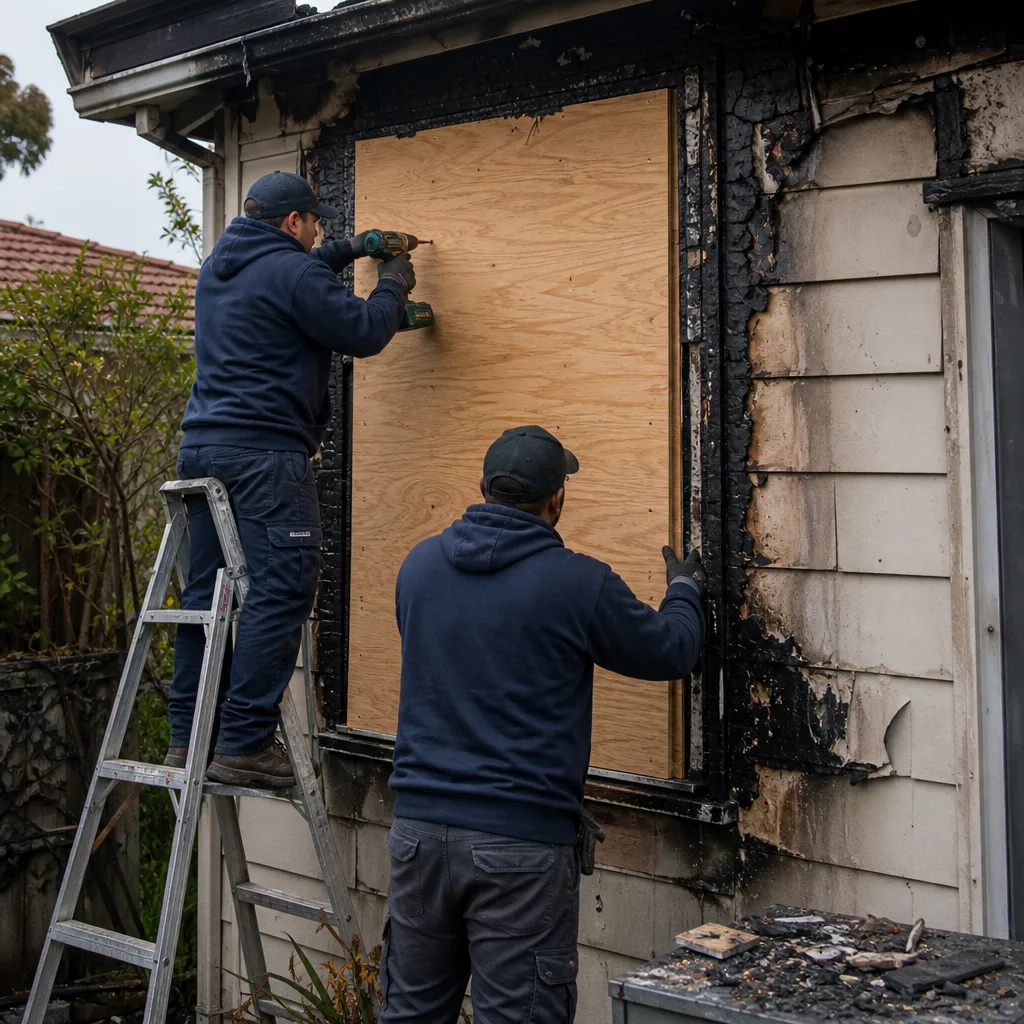
After remediation, we verify air quality with post-remediation sampling comparing indoor spore counts to outdoor baseline. In Lakeside’s fire-prone environment, we also document combustion particulate clearance - a second metric that standard mold contractors often miss but that insurers increasingly require.
Crawl Space Treatment
This is where Lakeside properties most often fail. We install sealed-crawl systems with dehumidification, repair foundation vent screening against debris entry, and specify exterior drainage improvements where hydrophobic hillside soil is the source. Without this last step, the next rain event re-wets the same joists within 24 to 48 hours.
What happens when you call
- 1
A real person answersNo phone trees - you reach a local pro.
- 2
You get an upfront price rangeHonest numbers before anyone is dispatched.
- 3
A background-checked tech heads outLicensed & insured, dispatched right away.
- 4
You approve before work beginsNothing starts until you say go.
Mold Remediation Costs in Lakeside, CA
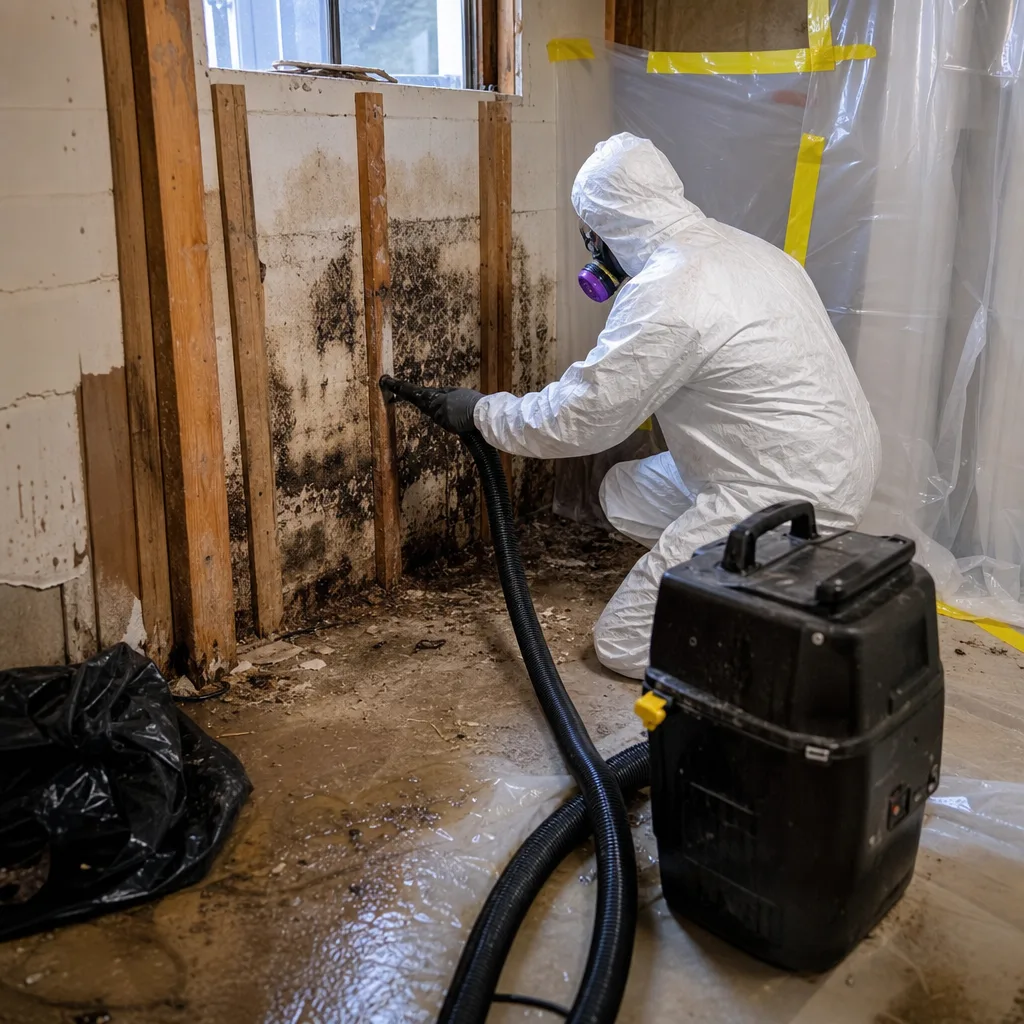
A typical mold inspection with moisture mapping in Lakeside runs $250-$450. Contained mold removal in a single bathroom or closet runs $1,800-$3,200. Crawlspace remediation with vapor barrier replacement and dehumidification installation runs $3,500-$6,500. Whole-house remediation following Category 3 water intrusion can exceed $8,000, with reconstruction additional.
What moves the price: square footage of containment, Category 1 versus Category 3 water source, accessibility of affected areas, and whether the HVAC system requires cleaning. Insurance typically covers mold remediation when it results from a covered water loss - the post-fire debris flow that entered through foundation vents, for instance - but may exclude long-term maintenance-related moisture. We review your policy language and document the loss origin to support coverage.
Our free visual inspection includes moisture readings and a written scope with firm pricing. Haven Standard, Clause 1: no work begins before you have that written price in hand. Call (619) 330-9541 for an exact quote - estimates are free.
We Also Serve Cities Near Lakeside
Our crews respond throughout East County: Santee to the west, El Cajon to the south, La Mesa to the southwest, and Spring Valley to the immediate west. Each shares Lakeside’s inland climate and wildfire exposure, though Lakeside’s compound fire-then-flood pattern is the most pronounced in the region.
Serving Lakeside, CA - Our Local Coverage Area
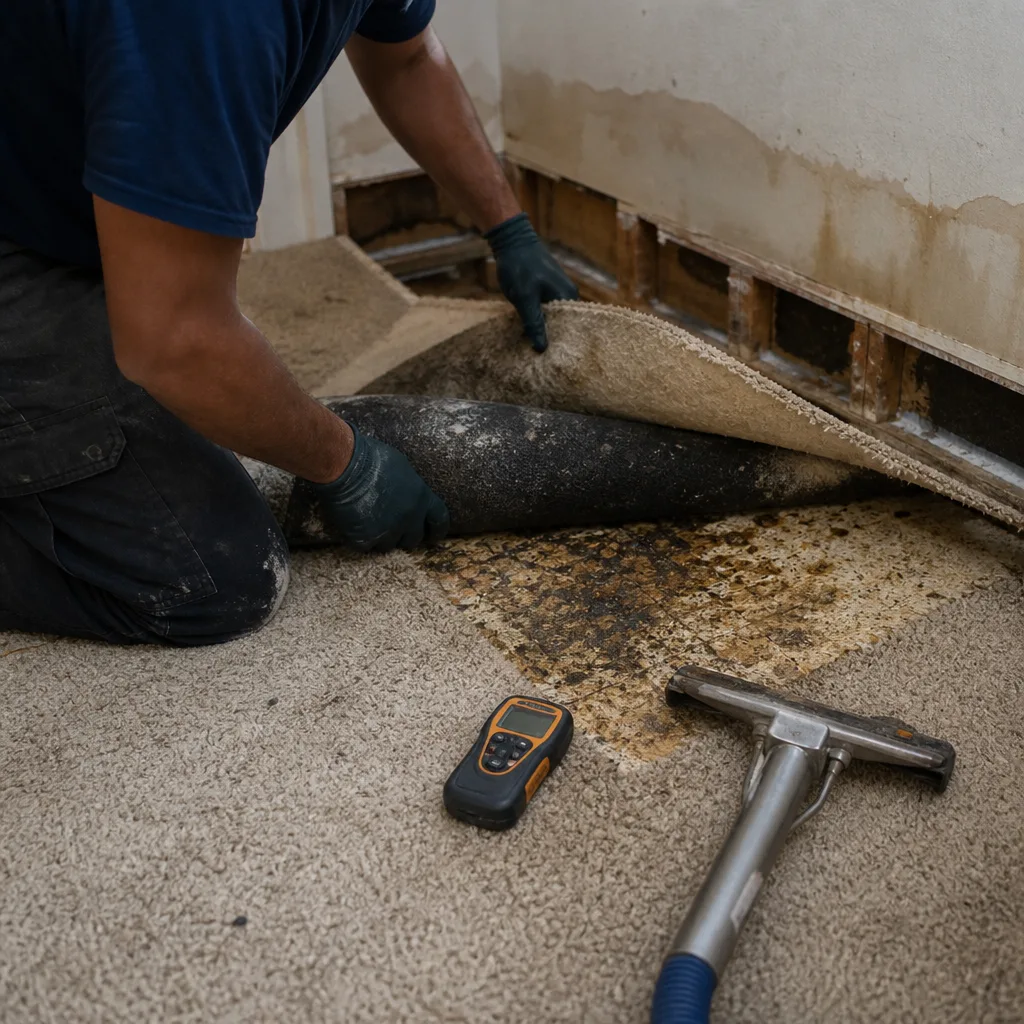
We’re based in the Lakeside area and know this community well. Use the map below to see our service coverage - if you’re nearby, we can almost certainly help.
Lakeside Mold Remediation Questions, Answered
Why does mold show up in Lakeside homes after a wildfire even if the fire never touched the house?
Fine ash and smoke particulate driven by Santa Ana winds infiltrate attics and wall cavities through vents, soffits, and gaps in wood siding. When winter rains hit burned, hydrophobic hillsides, the runoff carries mud and organic debris through foundation vents and into crawlspaces - Category 3 water that initiates mold growth in framing that was already particulate-laden from smoke intrusion. The fire doesn’t need to touch the structure to create the conditions for post-fire mold. Call (619) 330-9541 for moisture mapping if you’ve had any smoke exposure followed by water intrusion.
How fast does mold grow in a wet Lakeside crawlspace after a debris flow?
Mold colonizes damp cellulose materials in 24 to 72 hours under optimal temperature and humidity conditions - conditions that Lakeside’s warm inland climate provides year-round. After a debris flow, crawlspaces often remain wet for weeks because the water source (hydrophobic hillside drainage) continues with every subsequent rain. We’ve returned to Lakeside properties where the initial contractor dried surface moisture but missed bound water in joists, only to find full colonization at 30 days. The window for prevention closes fast; the window for control stays open longer with proper equipment. Call (619) 330-9541 for immediate assessment.
What makes the water from post-fire hillside runoff different from a normal plumbing leak?
Post-fire runoff is Category 3 water - black water - per IICRC definitions. It contains ash, char, soil, and organic matter from burned vegetation, plus whatever the flow path picked up: pesticides, petroleum residues, structural debris. This contamination means porous materials cannot be dried in place; they must be removed. It also means antimicrobial treatment requirements are more stringent, and personnel protective equipment is mandatory. A plumbing leak from a supply line is Category 1; the same volume of water from a debris flow is Category 3. The remediation protocol differs completely. Call (619) 330-9541 for proper classification and scope.
Do Lakeside’s older 1950s-70s ranch homes need different mold remediation than newer construction?
Yes. Original wood siding lacks the drainage planes and vapor barriers of modern construction, so wall cavities hold moisture longer. Original shake roofing underlayment degrades and allows attic moisture accumulation. Framing lumber from this era was often green (high moisture content at installation) and more susceptible to fungal colonization. We adjust our drying protocols for these assemblies: longer drying times, more aggressive vapor pressure differential management, and lower thresholds for material removal when Category 3 water is involved. Call (619) 330-9541 for a scope specific to your home’s construction era.
Can a Lakeside property need both fire/smoke cleanup and mold remediation in the same year?
Absolutely. This is Lakeside’s signature loss pattern and the reason our crews hold both FSRT and AMRT certifications. The Santa Ana winds that drive fall wildfires also drive smoke into structures. The hydrophobic soil that results from those fires drives winter debris flows. A single property can need smoke/ash remediation in October and Category 3 mold remediation by March. We document both losses as separate claim events with separate causation, which matters for coverage limits and deductibles. Call (619) 330-9541 if you’ve had any fire exposure - we’ll inspect for the moisture conditions that precede mold.
How do I know if my mold problem is a cleaning job or full remediation?
Surface mold on non-porous materials in a small, contained area with a Category 1 water source may be addressable with cleaning. Anything involving Category 3 water, porous materials, HVAC contamination, or square footage exceeding 10 square feet requires full remediation per IICRC S520. In Lakeside, post-fire debris flow almost always pushes the job into full remediation territory. We make this determination during our free visual inspection with moisture mapping, not by visual guess. Call (619) 330-9541 for classification.
Will my insurance cover mold remediation in Lakeside?
Coverage depends on causation. Mold resulting from a sudden, accidental water loss - the debris flow through foundation vents after a wildfire, for instance - is typically covered as part of the water damage claim. Mold from long-term maintenance issues - a leaking irrigation line against the foundation over months - is typically excluded. We document causation from the first hour, photograph the water pathway, and produce moisture readings that establish timeline. This documentation is what turns a coverage question into a covered claim. Call (619) 330-9541 and we’ll review your policy language with you.
What should I do in the first 30 minutes after finding mold in my Lakeside home?
Do not disturb the area - agitation releases spores and expands contamination. Turn off HVAC if the system serves the affected zone. Note when you first observed moisture or damage; timeline matters for coverage. Then call (619) 330-9541. We answer live, dispatch within 45 minutes, and begin documentation before any work starts. The first 30 minutes sets the trajectory for the entire claim.
Written by Alicia Brennan, Owner at Back to Dry Restoration, serving Lakeside since 2011.
Mold Remediation in Nearby Areas