
Free visual inspection and a written scope of work before any mitigation begins - photos, moisture readings, and drying logs go in your claim file
The scope we write is the scope we bill. Anything new gets shown to you, in writing, before we touch it.
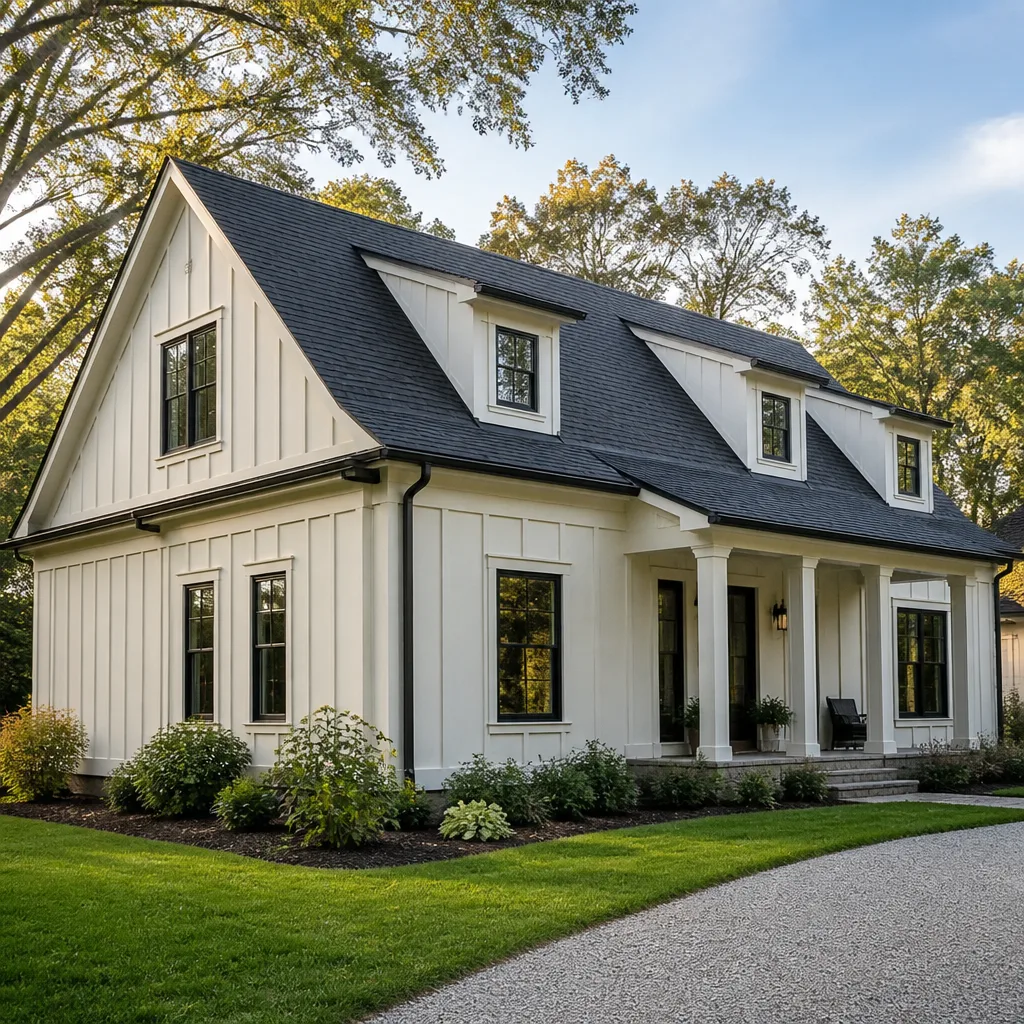
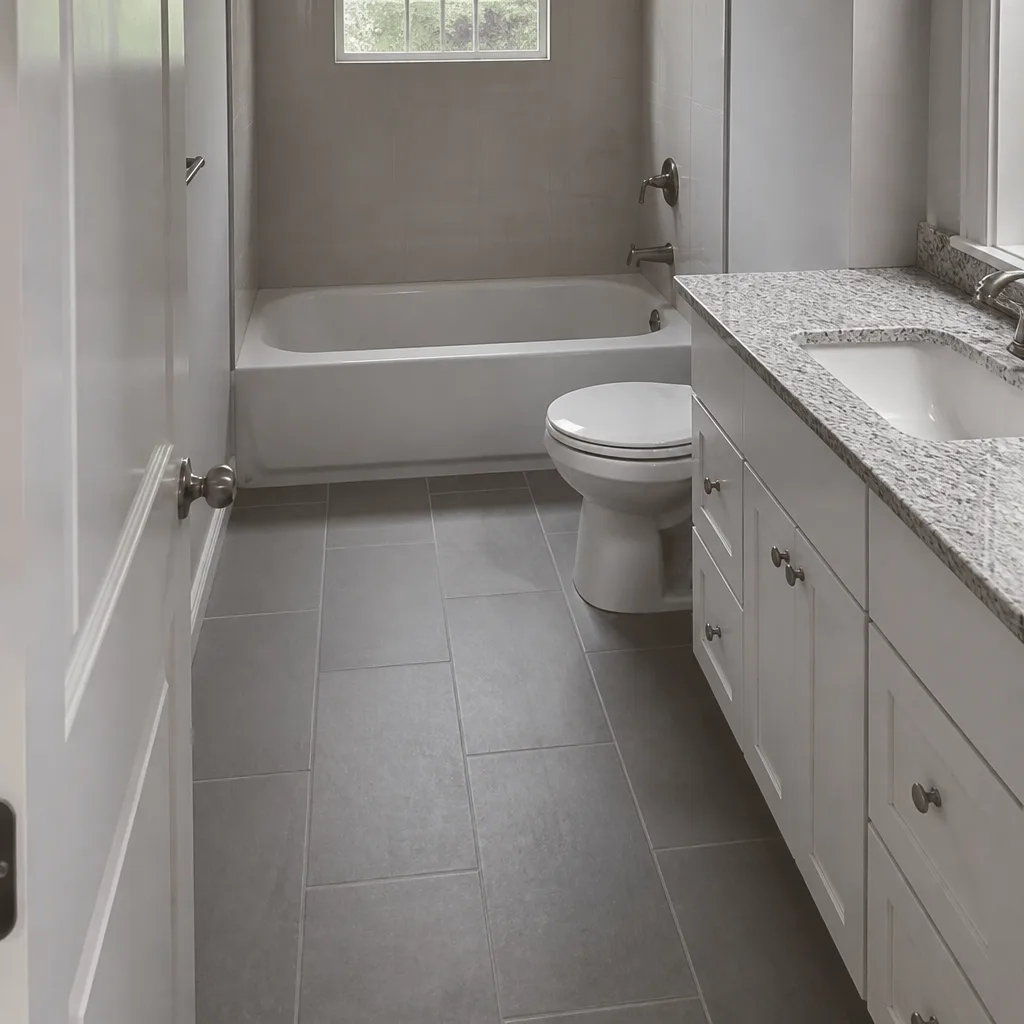
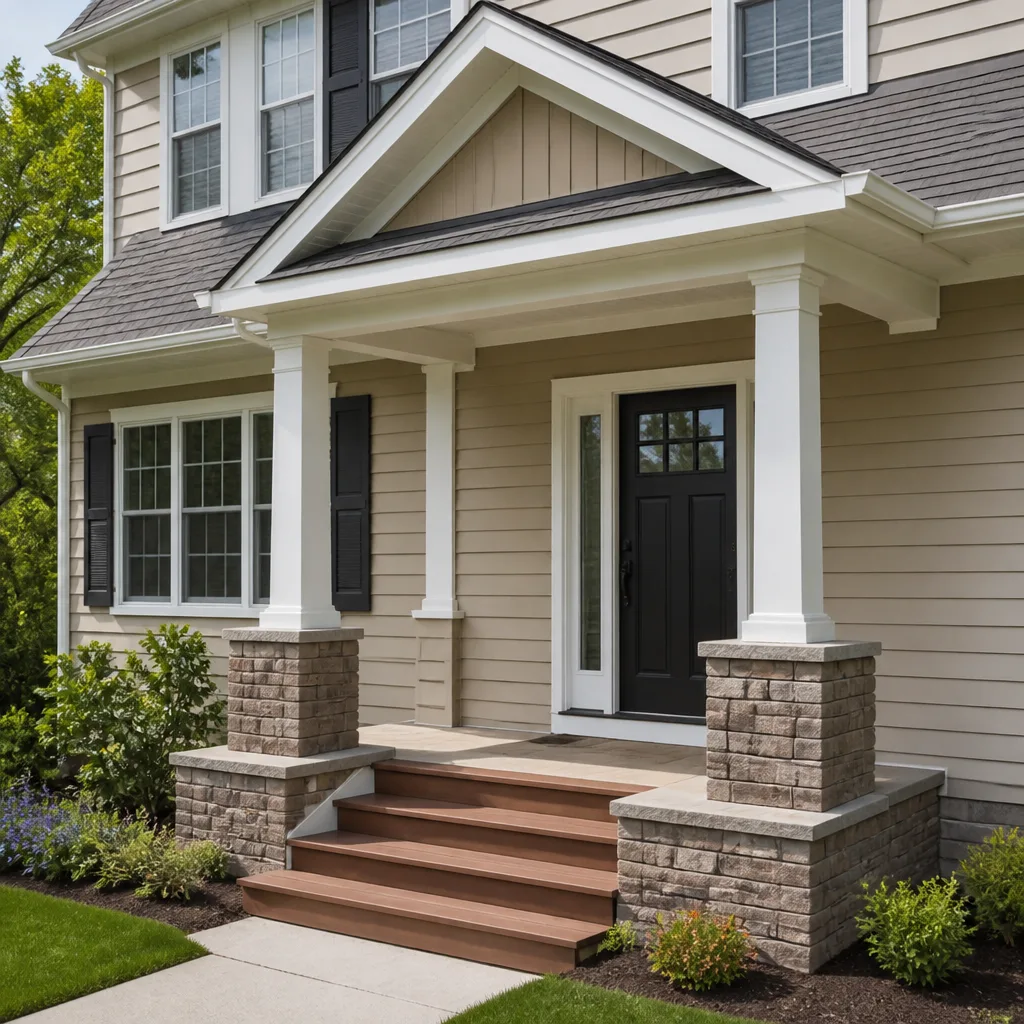
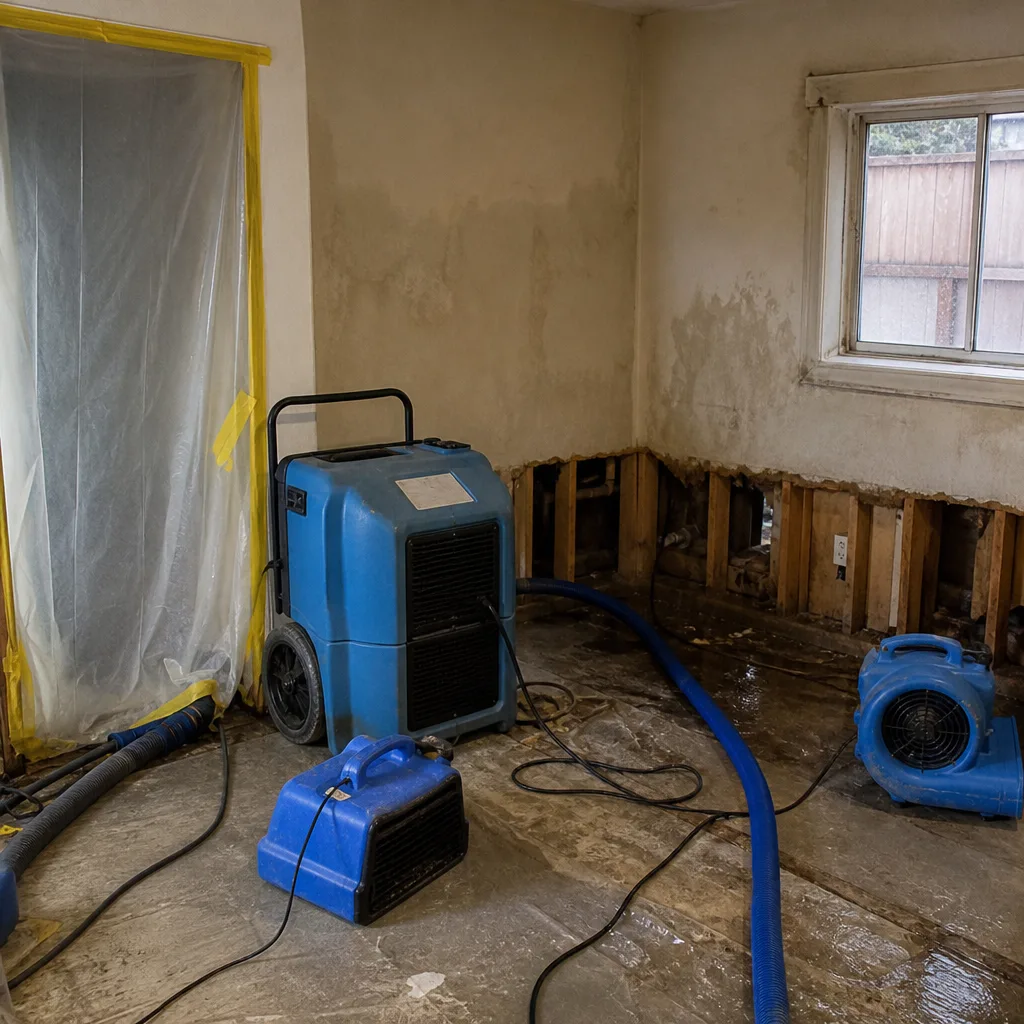 Before
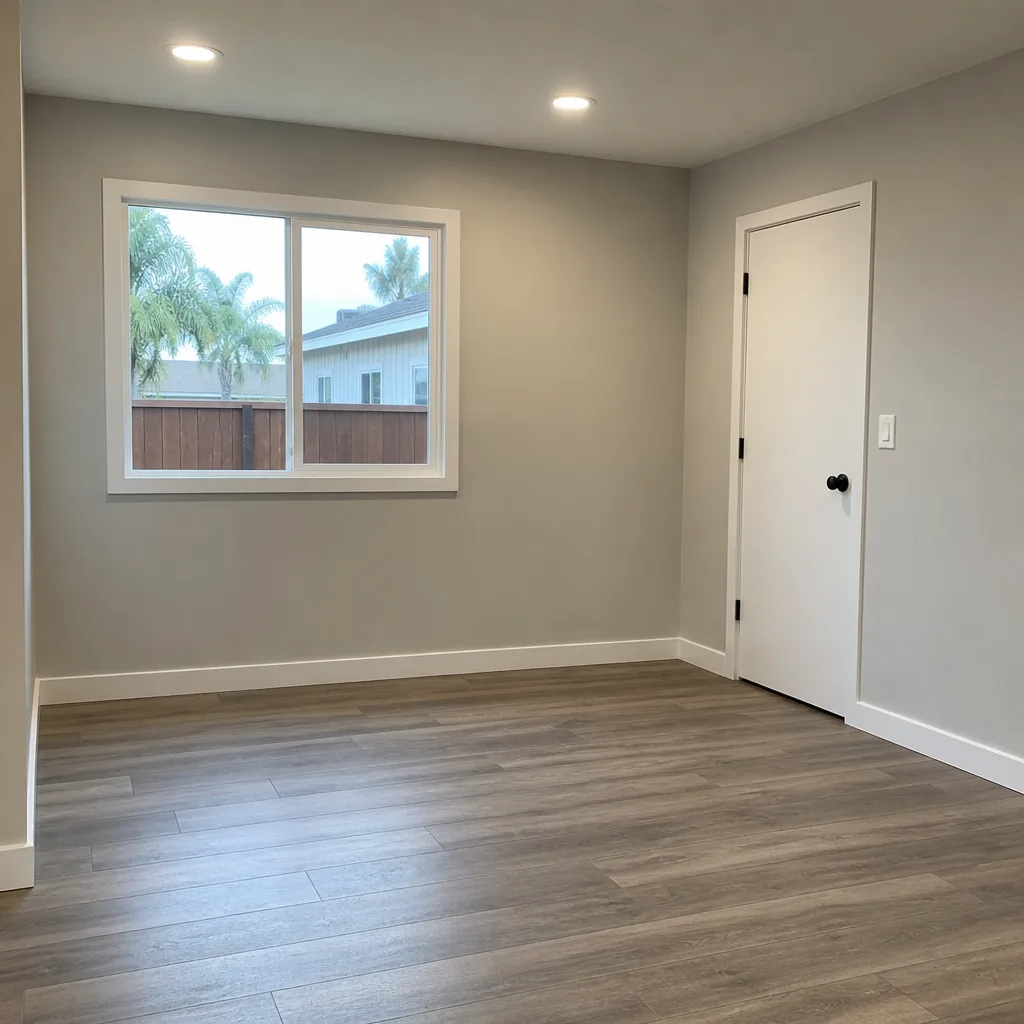 After
After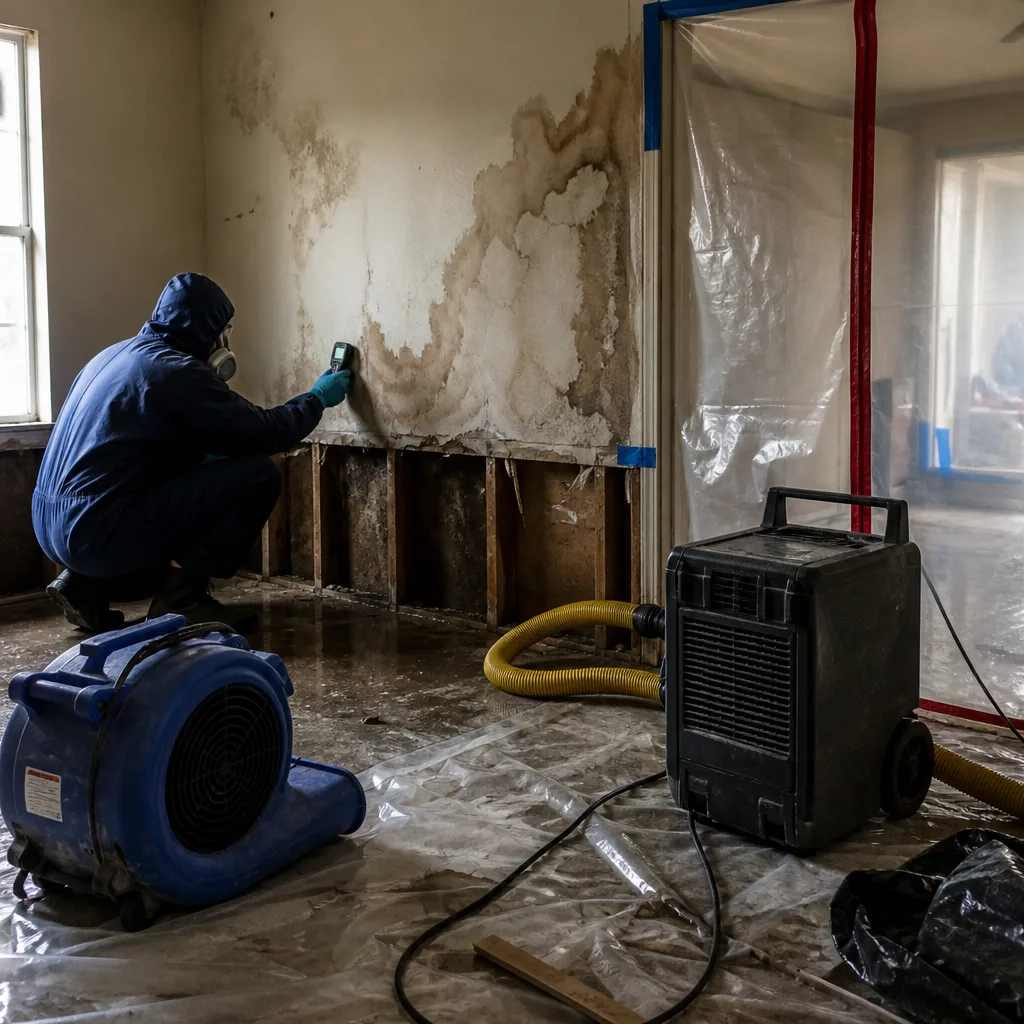 Before
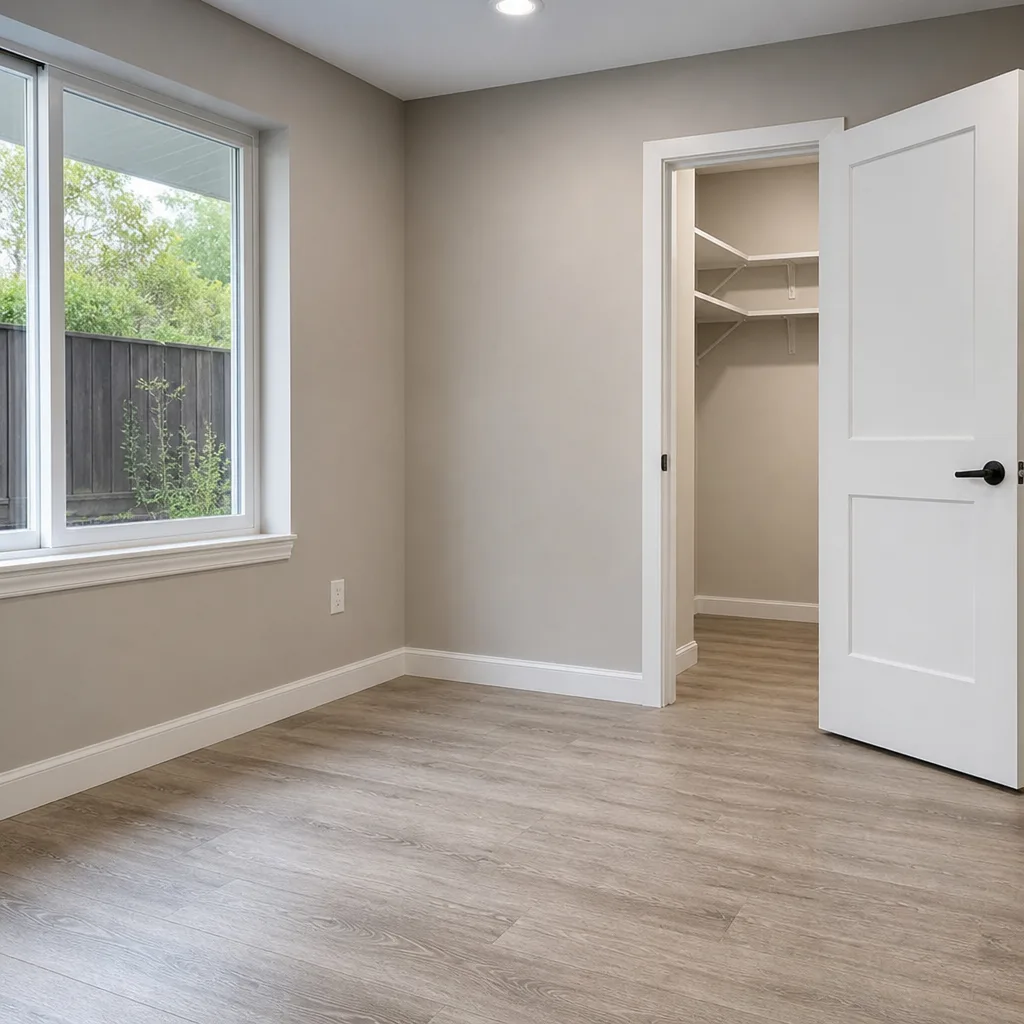 After
After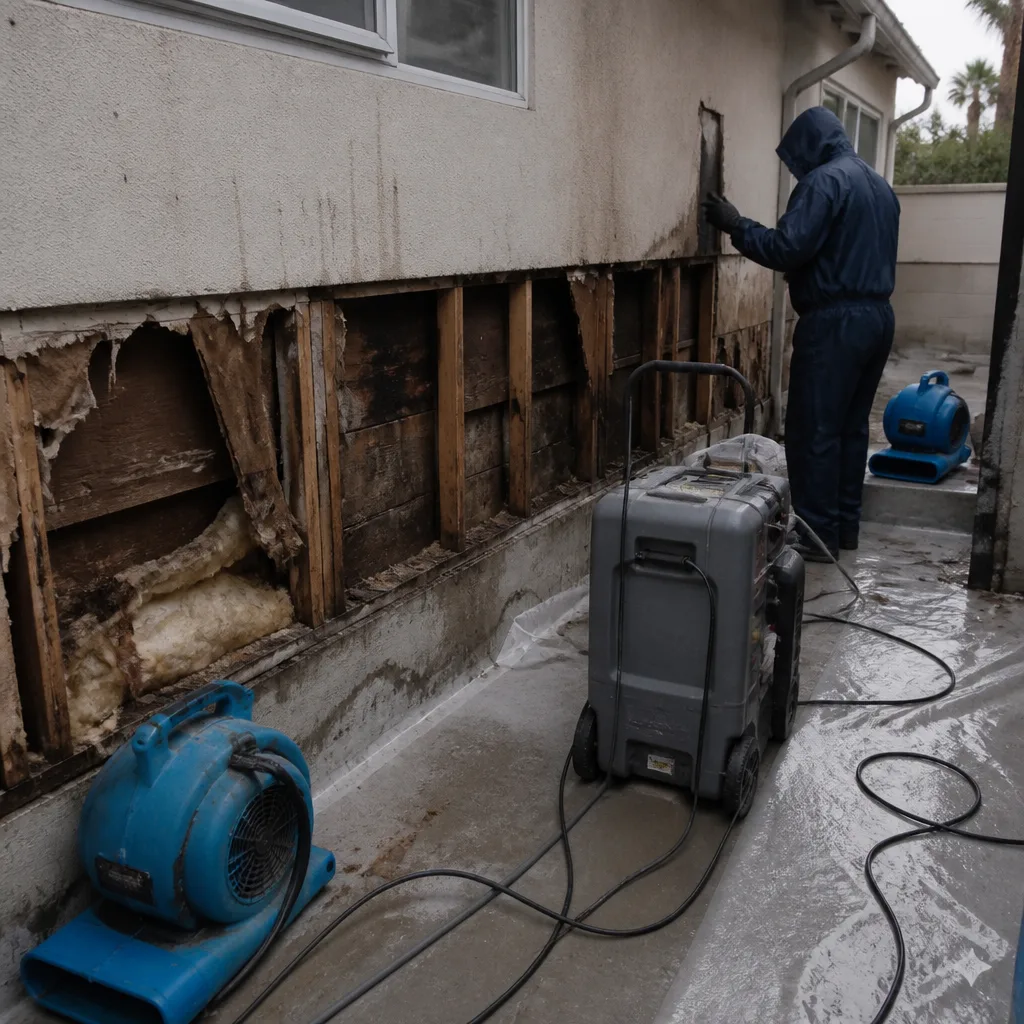 Before
 After
After24/7 Emergency Water Damage Restoration in Lakeside
Water damage restoration in Lakeside typically runs $2,800-$7,500 for a standard residential mitigation, with emergency extraction starting at $1,200 and full structural drying adding $1,600-$4,200 depending on square footage and contamination level. Call (619) 330-9541 now - a live person answers, 24 hours a day, and our crews are dispatched from our San Diego office to Lakeside properties with a 45-minute response commitment. The first hour determines whether a $3,000 extraction stays a $3,000 extraction or becomes a $12,000 rebuild; water migrates horizontally through Lakeside’s older ranch-style wall cavities and vertically into attics through compromised fire-damaged soffits faster than most property owners expect.
Understanding Water Damage Restoration Severity in Lakeside Properties
Water damage classification follows IICRC protocol: Category 1 is clean supply-line water, Category 2 carries significant contamination from appliances or sump failures, and Category 3 is grossly contaminated - sewage, seawater, or in Lakeside’s distinct case, post-wildfire mud and ash-laden runoff that qualifies as black water due to chemical and particulate load. Our crews moisture-map every affected area with thermal imaging and pinless meters, then establish a drying chamber with vapor pressure differential control - the measured difference between moisture in the air and moisture in wet materials that tells us when actual drying is happening versus mere air circulation.
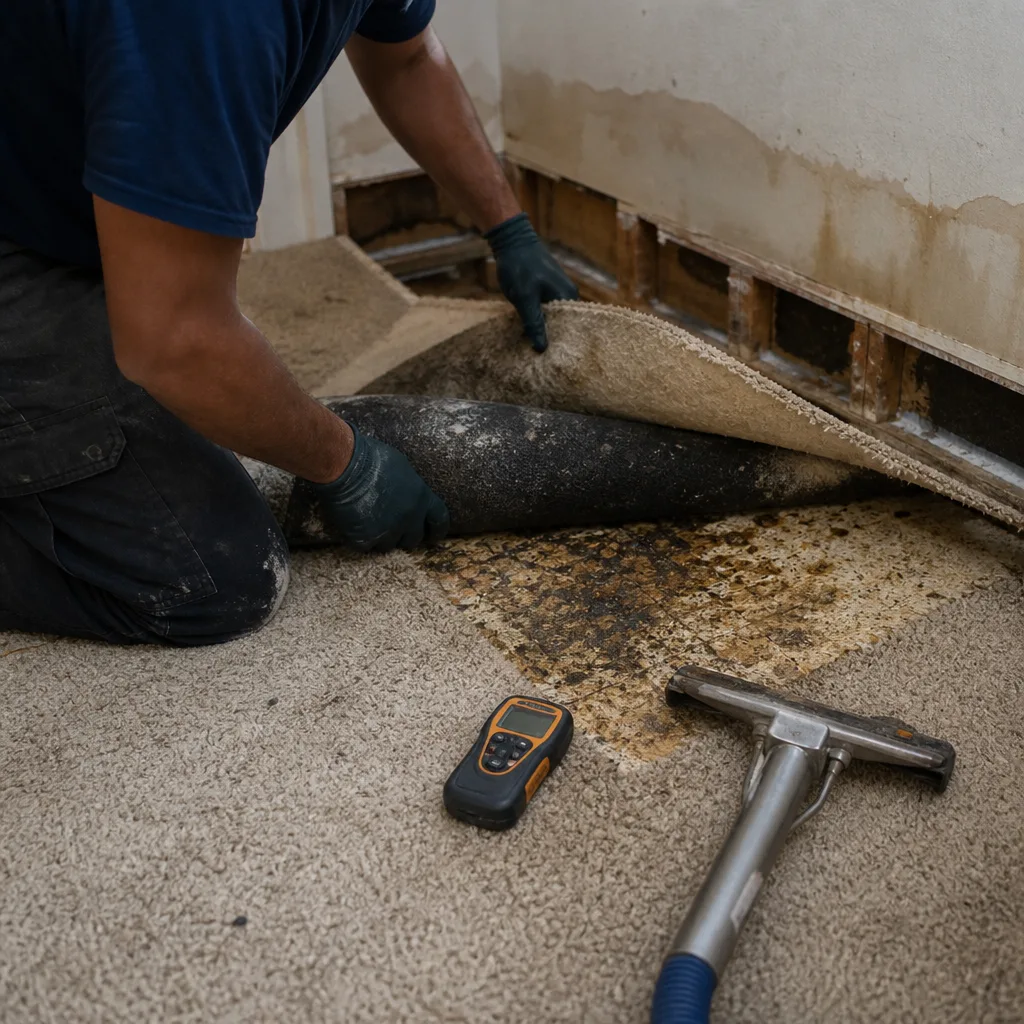
Lakeside’s housing stock complicates this work. The mid-century ranch homes built from the 1950s through 1970s on larger rural parcels typically feature wood siding, composition or shake roofing, and attached wooden decks - materials with high moisture absorption rates and no modern vapor barriers. Many sit on raised foundations with crawlspace access points vulnerable to hillside runoff. When the Cedar Fire burn scar or subsequent wildfires strip surrounding chaparral, hydrophobic soil repels water rather than absorbing it, funneling debris-laden flow directly toward these older foundations. Our moisture readings in Lakeside crawlspaces routinely show 28-35% wood moisture content (structural dry is 12-16%) in framing that appeared merely “damp” to the owner. We document every reading, every photo, every day - the drying logs that turn restoration invoices into payable claims.
Why Lakeside Property Owners Choose DryMark Restoration San Diego
- 45-minute response commitment to Lakeside addresses - our San Diego dispatch coordinates crews who know the rural service drives and gated parcel access common in East County.
- 24/7 live answer on emergency lines: a real person, never an automated system or voicemail tree, because water doesn’t wait for business hours and neither do we.
- IICRC-certified crews holding WRT (Water Damage Restoration Technician), FSRT (Fire & Smoke Restoration Technician), and AMRT (Applied Microbial Remediation Technician) credentials - the full certification stack for Lakeside’s compound fire-then-flood losses.
- Free visual inspection with moisture mapping and photo documentation before any work is proposed or priced.
- Direct insurance billing with adjuster coordination from day one - we speak the language of claims because our company was built by a former adjuster who saw too many homeowners lose coverage over documentation gaps.
- One team from extraction through reconstruction - no handoffs between mitigation and rebuild contractors, no disputed scope gaps, no finger-pointing when something doesn’t line up.
BeforeAfterOur Water Damage Restoration Process
1. Inspection & Assessment
We arrive with thermal imaging cameras, pin and pinless moisture meters, and hygrometers to map the full extent of migration - not just what you can see. In Lakeside’s older ranches, we pay particular attention to crawlspace access points and wall cavities behind wood siding where post-fire runoff collects. Every reading is logged, every affected square foot is photographed, and a written scope is delivered before any equipment runs.
2. Extraction & Stabilization
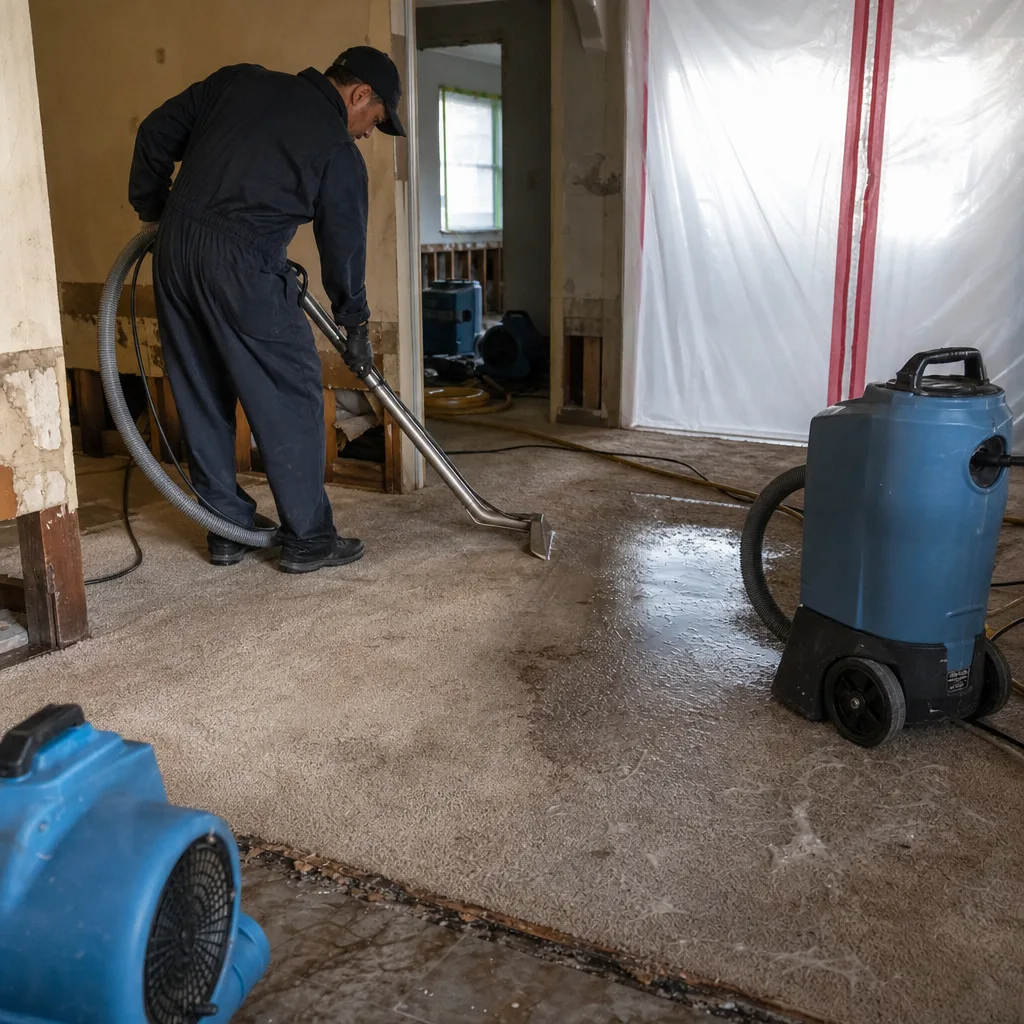
Standing water is removed with truck-mounted extraction systems and portable submersible pumps. For Category 3 mud intrusion - common after burn-scar storms - we remove contaminated soil and debris along with the water, then apply antimicrobial treatment to all affected framing. Our Water Damage Restoration crews carry the full extraction capacity for rural properties with outbuildings and horse facilities, not just the main residence.
3. Structural Drying & Dehumidification
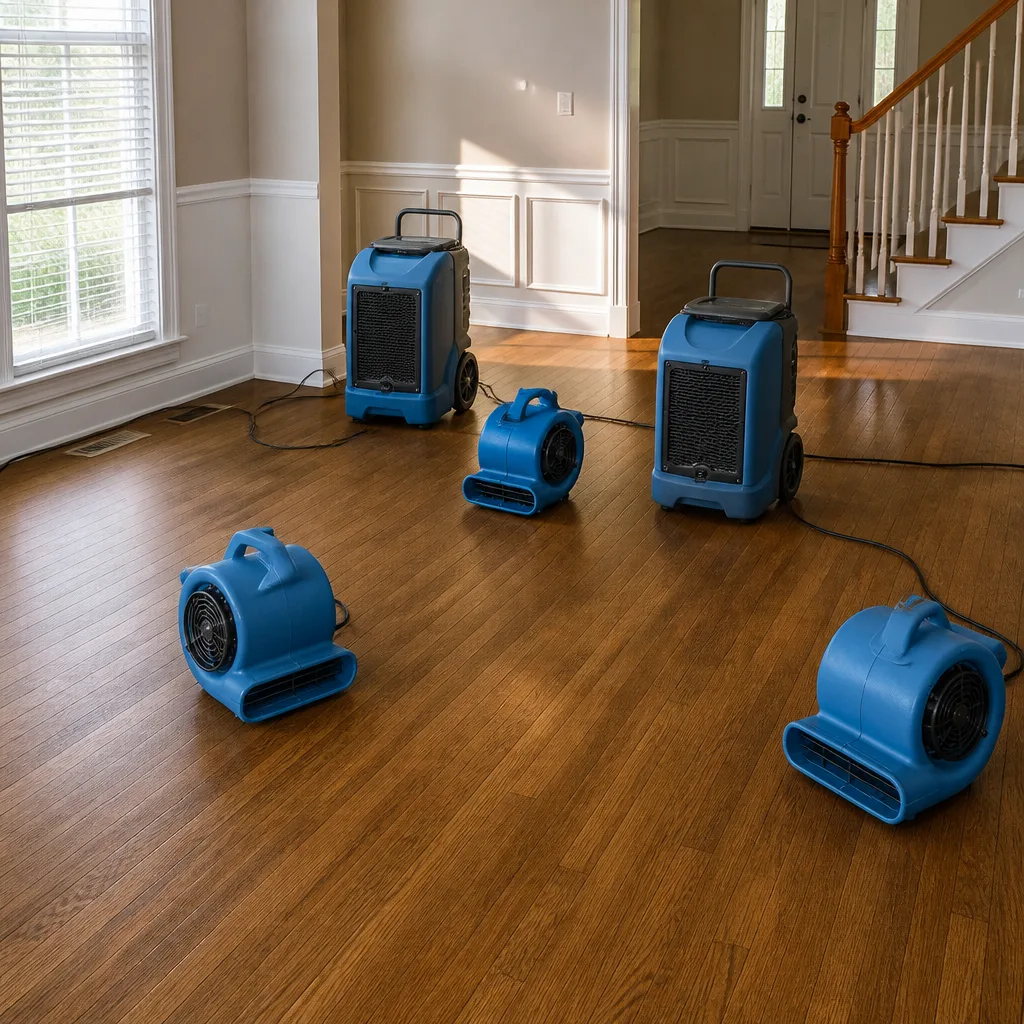
We deploy Dri-Eaz and Phoenix LGR dehumidifiers alongside XPOWER and B-Air air movers positioned for optimal airflow patterns. In Lakeside’s wood-sided ranches, we calculate specific humidity ratios and monitor vapor pressure differential daily - the psychrometric data that proves drying is progressing to insurers. Tertiary drying with Injectidry systems addresses trapped moisture in wall cavities and hardwood floors without demolition.
4. Cleaning & Sanitization
All affected surfaces receive HEPA vacuuming and antimicrobial treatment appropriate to water category. For post-wildfire Category 3 events, this includes soot and ash particulate removal before standard water mitigation sanitization - a critical sequencing step missed by contractors who don’t understand compound damage.
5. Smoke & Fire Damage Isolation
When prior fire damage exists in attics or wall cavities, we establish containment with negative air pressure and HEPA scrubbers before water mitigation proceeds. This prevents soot redistribution during drying airflow. Our FSRT-certified technicians coordinate with WRT crews so fire and water scopes are integrated, not sequential afterthoughts.
6. Repairs & Restoration
We rebuild to pre-loss condition with the same crew who performed mitigation - no gaps in scope, no disputed transitions. Wood siding is matched, crawlspace access is sealed against future intrusion, and all work is documented with final moisture readings and photos. The 365-Day Done Right Promise under The Haven Standard applies to everything we touch.
Need Emergency Water Damage Restoration in Lakeside Now?
Crews minutes away, answering live 24 hours a day. The sooner we start, the less it costs.
Working With Your Insurance Company
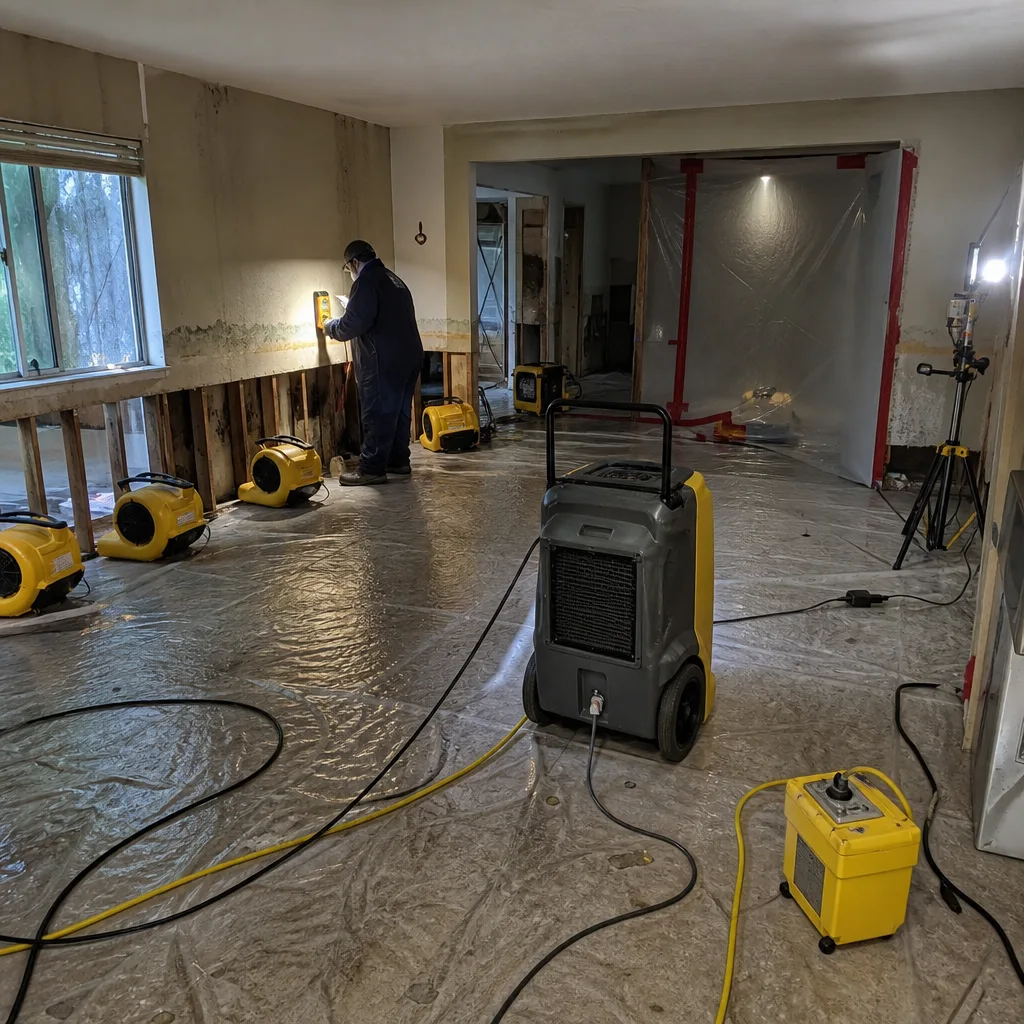
Insurance claims succeed or fail on documentation. From the moment we arrive, we build the file an adjuster needs: dated photos of every room, moisture readings with equipment serial numbers, daily drying logs with psychrometric data, and a line-item scope written to Xactimate standards. We coordinate directly with your carrier, attend adjuster meetings on request, and provide the photo record and written price before work begins that Haven Standard, Clause 1 requires. Our founder built this company after watching homeowners lose tens of thousands in uncovered mitigation because the contractor’s documentation wouldn’t survive a desk review. That doesn’t happen on our jobs.
What We Provide Your Insurer
- Thorough documentation of the loss
- Photos of all damage, room by room
- Moisture readings and drying logs
- A detailed, line-item scope of work
- Direct coordination with your carrier
Built for Lakeside’s Loss Calendar
Lakeside’s water damage calendar is inseparable from its fire calendar. October through January brings Santa Ana wind events that drive extreme fire risk; the Cedar Fire corridor has burned repeatedly, most recently in 2003 with 273,000 acres consumed. Then January through March delivers the winter storms that hit those burn scars. Hydrophobic soil - literally water-repelling after intense heat - sheets runoff toward homes rather than absorbing it. The San Diego River corridor through central Lakeside adds flash-flood exposure, particularly where tributary channels narrow.
Spring brings moderate rain and the first growth on burned slopes, still unstable. By late summer, monsoonal thunderstorms can trigger debris flows on older burn scars before full vegetation recovery. This means Lakeside properties face elevated water damage risk in wet years regardless of current fire activity - the legacy of past fires creates ongoing flood exposure. Our crews carry both WRT and FSRT certification because the same property often needs both skill sets. We scope for compound damage even when the current call is “just” water, because missing prior smoke contamination in an attic cavity compromises every drying decision that follows.
Water Damage Restoration Across Lakeside’s Neighborhoods
Winter Gardens, along the San Diego River corridor, sees the most concentrated flash-flood exposure - properties here took debris flow during the 2003 Cedar Fire aftermath and remain vulnerable in heavy rain years. Our crews know the access routes and the specific foundation types common to this older neighborhood. The Eucalyptus Hills area, with its larger rural parcels and horse properties, presents scope challenges: main residence plus detached workshops, barns, and outbuildings that all need moisture mapping when runoff crosses a parcel. We’ve restored properties on Winter Gardens Boulevard where the crawlspace, main living area, and a detached garage all required separate drying chambers.
Lakeside Farms and the surrounding semi-rural tracts feature mid-century ranches on quarter-acre to multi-acre lots, many with original wood siding and raised foundations. The longer service drives and gated access common here mean response time depends on local knowledge - our dispatch coordinates with crews who’ve worked these roads before. Along Highway 67 and the corridor toward Santee, newer construction mixes with older stock, but even 1990s builds in Lakeside often sit on terrain with post-fire runoff exposure. We don’t assume foundation type or water category by address; we measure and document on every arrival.
Specialized Water Damage Restoration Services We Offer in Lakeside
Emergency Water Extraction
Standing water removal within the first hours of discovery - critical in Lakeside’s wood-framed ranches where absorption rates exceed modern construction. Truck-mounted extraction for main structures, portable systems for outbuildings and limited-access crawlspaces. We extract Category 3 mud and debris along with water when burn-scar runoff is involved.
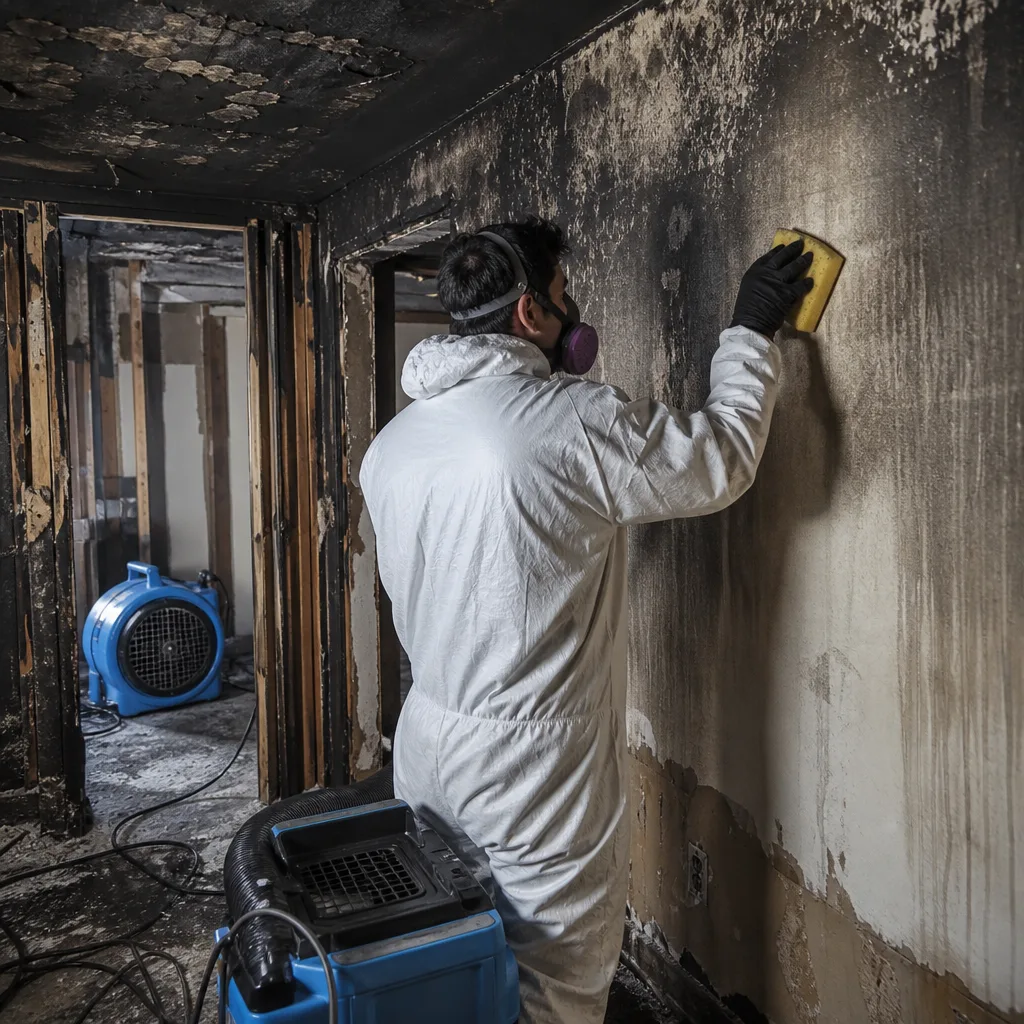
Structural Drying & Dehumidification
Controlled drying with documented psychrometric data - specific humidity, temperature, and vapor pressure differential logged daily. Dri-Eaz and Phoenix dehumidifiers sized to affected cubic footage, with Injectidry systems for cavity drying without demolition. In Lakeside’s older homes, we often find wall cavities with no vapor barrier; our drying protocols account for this rather than assuming modern construction standards.
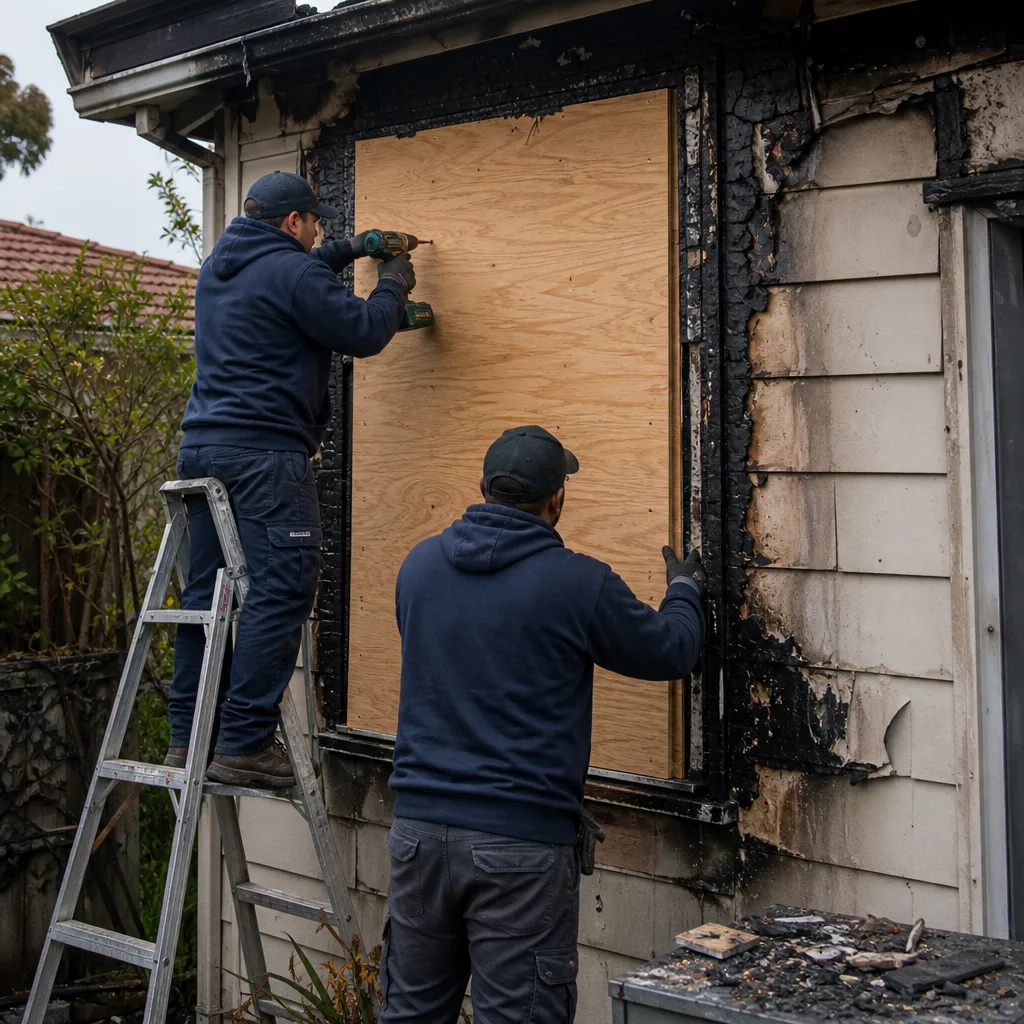
Flood Cleanup
Post-wildfire debris flow and flash-flood response, including mud removal, contaminated soil disposal, and antimicrobial treatment of affected framing. We coordinate with county debris-clearance operations when applicable and document everything for insurance. The compound fire-then-flood sequence that defines Lakeside losses requires flood cleanup that addresses ash and chemical contamination, not just water and sediment.
Burst Pipe Restoration
Supply-line and sewer-line rupture response, including isolation, extraction, and full drying. Lakeside’s older copper and galvanized systems, plus the freeze risk in unconditioned outbuildings during rare cold snaps, create pipe failure patterns distinct from coastal cities.
Basement Water Removal
While true basements are rare in Lakeside, many properties have daylight basements or converted under-house areas on sloped lots. We extract and dry these with the same documentation protocols as full basements, accounting for the unique access and ventilation challenges of hillside construction.
What happens when you call
- 1
A real person answersNo phone trees - you reach a local pro.
- 2
You get an upfront price rangeHonest numbers before anyone is dispatched.
- 3
A background-checked tech heads outLicensed & insured, dispatched right away.
- 4
You approve before work beginsNothing starts until you say go.
Water Damage Restoration Costs in Lakeside, CA
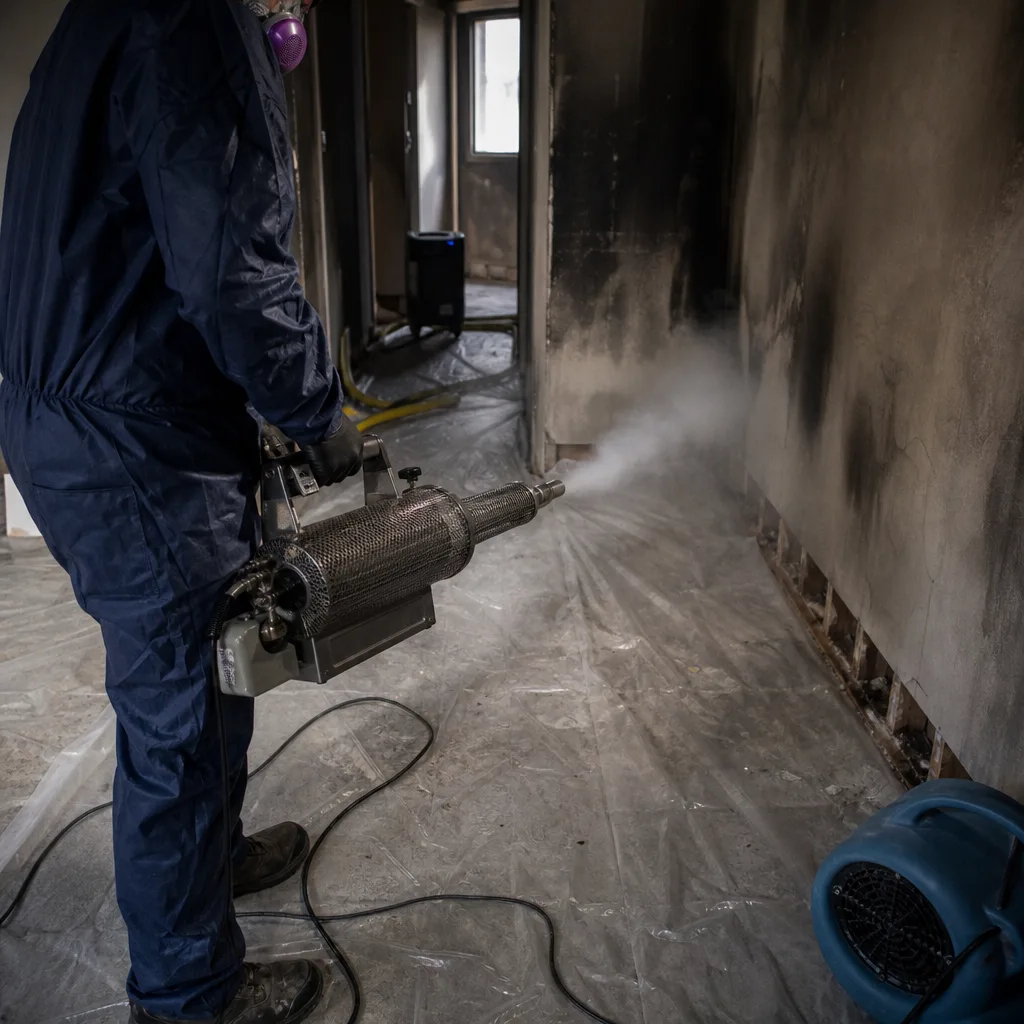
Emergency water extraction in Lakeside typically runs $1,200-$2,800 for a standard residential call, with structural drying adding $1,600-$4,200 depending on affected square footage, contamination category, and equipment days required. Category 3 post-fire mud intrusion with debris removal starts higher - $3,500-$6,500 for crawlspace and foundation work - due to soil disposal and antimicrobial treatment requirements. Full reconstruction of drywall, flooring, and finish materials is scoped separately after mitigation completes.
What moves the price: affected square footage (including detached structures many contractors miss), water category (Category 3 requires PPE, disposal, and longer drying), and whether prior fire damage requires containment before water work proceeds. Insurance typically covers sudden and accidental water damage, including post-wildfire debris flow when the policy includes flood or earth-movement provisions; we review your coverage and document accordingly. Every job starts with a free visual inspection and written price before work begins - Haven Standard, Clause 1. No exceptions. Call (619) 330-9541 for your exact scope.
We Also Serve Cities Near Lakeside
Our Water Damage Restoration in Lakeside crews also respond to properties in Santee, El Cajon, La Mesa, and Spring Valley - the full East County corridor with the same 45-minute commitment, live answer, and documentation-first approach.
Serving Lakeside, CA - Our Local Coverage Area
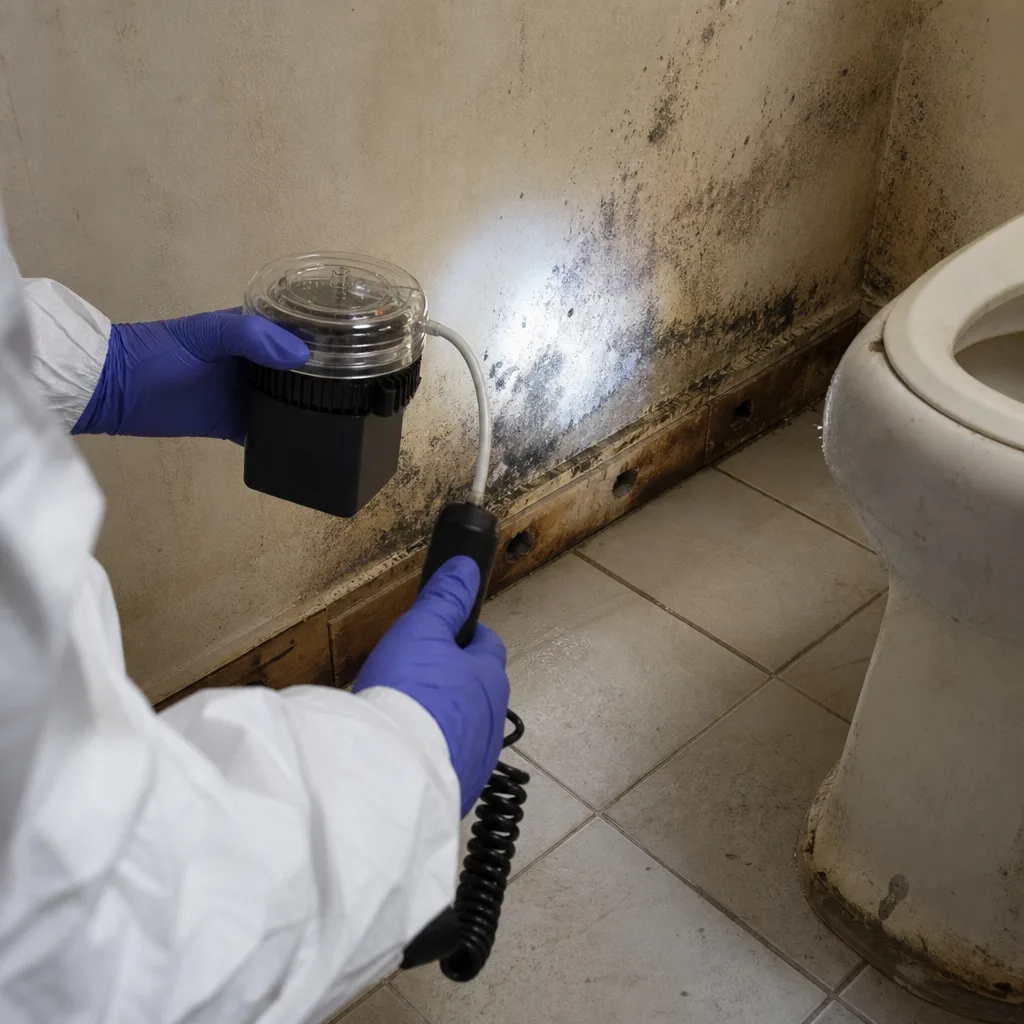
We’re based in the Lakeside area and know this community well. Use the map below to see our service coverage - if you’re nearby, we can almost certainly help.
Lakeside Water Damage Restoration Questions, Answered
Why does Lakeside see water damage after a wildfire?
Burned chaparral creates hydrophobic soil that repels water rather than absorbing it, funneling runoff and debris directly toward homes during the following wet season. The same Santa Ana winds that spread fires also strip vegetation, leaving slopes exposed. Our crews routinely mitigate Category 3 water damage in properties that burned the prior fall - compound damage that coastal contractors rarely encounter. Call (619) 330-9541 if your property is in a burn scar area.
How fast does mold start after water damage in Lakeside’s inland heat?
In Lakeside’s warm inland climate, mold colonization can begin within 24-48 hours of water intrusion, faster than coastal areas with marine temperature moderation. Wood-sided ranches from the 1950s-1970s offer ample organic material and often lack modern vapor barriers. Our drying protocols target below 16% wood moisture content within 72 hours to prevent secondary microbial growth, with daily readings logged to IICRC standards. Call (619) 330-9541 for immediate response.
Do you scope fire and smoke damage on the same job as water work?
Yes - and in Lakeside, we often must. After a fall Santa Ana event charred the slope behind a mid-century ranch on Winter Gardens Boulevard, the first winter storm pushed muddy runoff through the crawlspace access and soaked the wall cavity behind the wood siding. Our techs moisture-mapped the framing, set Dri-Eaz air movers and Phoenix dehumidifiers for structural drying, and ran antimicrobial treatment on the wet framing before rebuilding - capturing drying logs the whole way. The homeowner wanted it resolved in one trip, and we scoped the fire/smoke and Category 3 water work together so nothing was left half-done. Call (619) 330-9541 for compound damage assessment.
What does a Lakeside water damage restoration job actually include?
Full mitigation: moisture mapping, extraction, structural drying with documented psychrometric data, cleaning and sanitization, and repairs to pre-loss condition. For Lakeside properties, this specifically includes crawlspace inspection for Category 3 mud intrusion, attic assessment for prior smoke contamination, and moisture readings in all detached structures on the parcel. Every step is photographed, logged, and delivered in a written file. Call (619) 330-9541 for a free visual inspection and written scope.
Can you dry a wood-sided 1950s-70s ranch without tearing it apart?
Often yes, depending on contamination level and moisture penetration depth. We use Injectidry cavity-drying systems and controlled vapor pressure differential to draw moisture from wall cavities without removing drywall. Wood siding has higher permeability than stucco, which actually aids drying when properly managed. However, Category 3 contamination or structural saturation may require selective removal - we document why and scope rebuild before cutting anything. Call (619) 330-9541 for an assessment of your specific property.
How fast can you actually get to my Lakeside property?
45 minutes from dispatch confirmation, coordinated from our San Diego office with crews who know Lakeside’s rural access roads, gated parcels, and longer service drives. Live answer 24 hours a day - no voicemail, no callbacks tomorrow while water migrates. Call (619) 330-9541 now; the first hour determines whether this stays a mitigation or becomes a rebuild.
Will my insurance cover water damage restoration in Lakeside?
Sudden and accidental water damage is typically covered under standard homeowners policies; post-wildfire debris flow coverage depends on your flood or earth-movement provisions. We review your policy, document to carrier standards from hour one, and coordinate directly with adjusters. Our documentation package - photos, moisture logs, drying records, line-item scope - is built specifically to survive desk review and get claims paid. Call (619) 330-9541 and we’ll walk through your coverage specifics.
What should I do in the first 30 minutes after discovering water damage?
Stop the source if safely possible, turn off electricity to affected areas if water is near outlets or panels, and call (619) 330-9541 for live dispatch. Do not enter standing water if electrical hazard exists, and do not attempt DIY extraction on Category 3 contamination - the health risk from post-fire runoff or sewage requires professional PPE and disposal. Move small valuables if safe, then document with your own photos while waiting for our crew. We’ll take it from there with full documentation.
Ready for your free visual inspection and written price? Call (619) 330-9541 - a live person answers, 24 hours a day, and our crews are minutes from Lakeside properties with the documentation, equipment, and compound-damage expertise this terrain demands.
Written by Alicia Brennan, Owner at Back to Dry Restoration, serving Lakeside and East County since 2011.