

Free visual inspection and a written scope of work before any mitigation begins - photos, moisture readings, and drying logs go in your claim file
The scope we write is the scope we bill. Anything new gets shown to you, in writing, before we touch it.
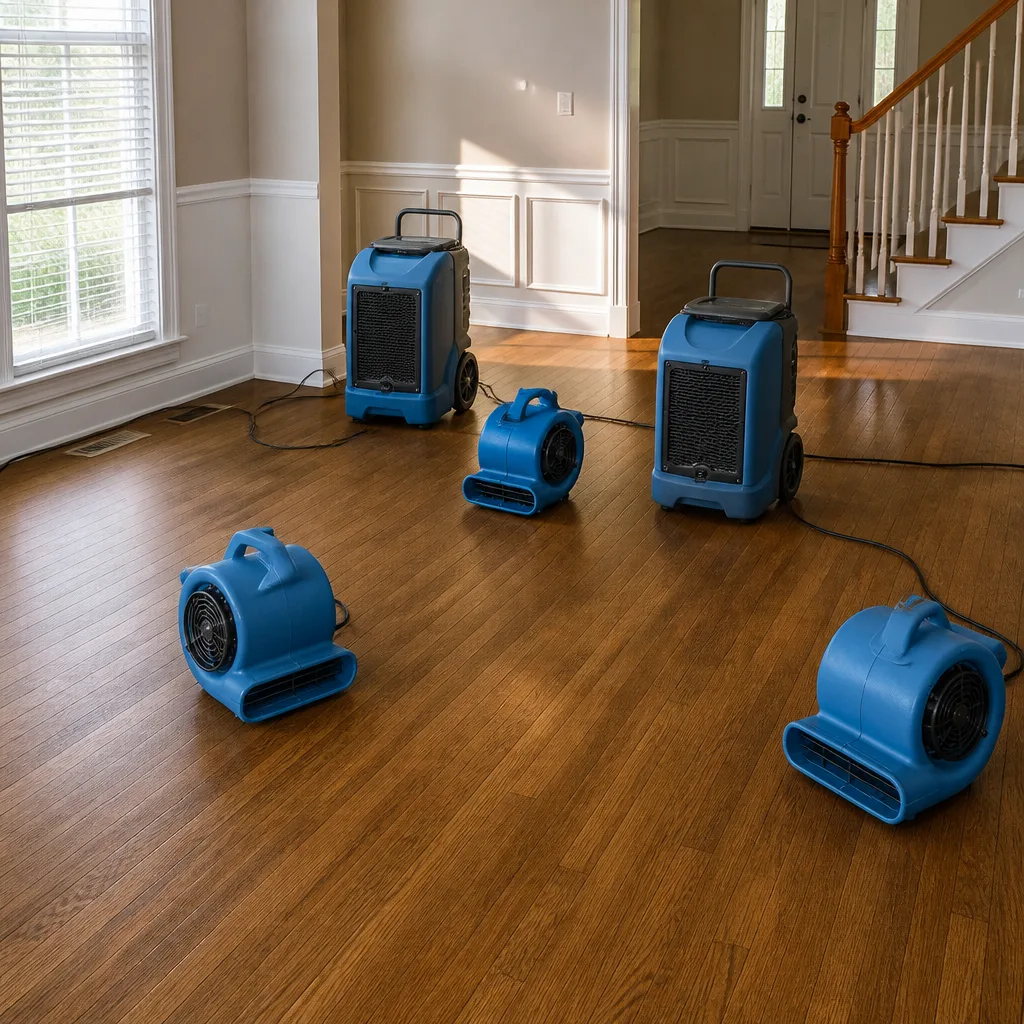
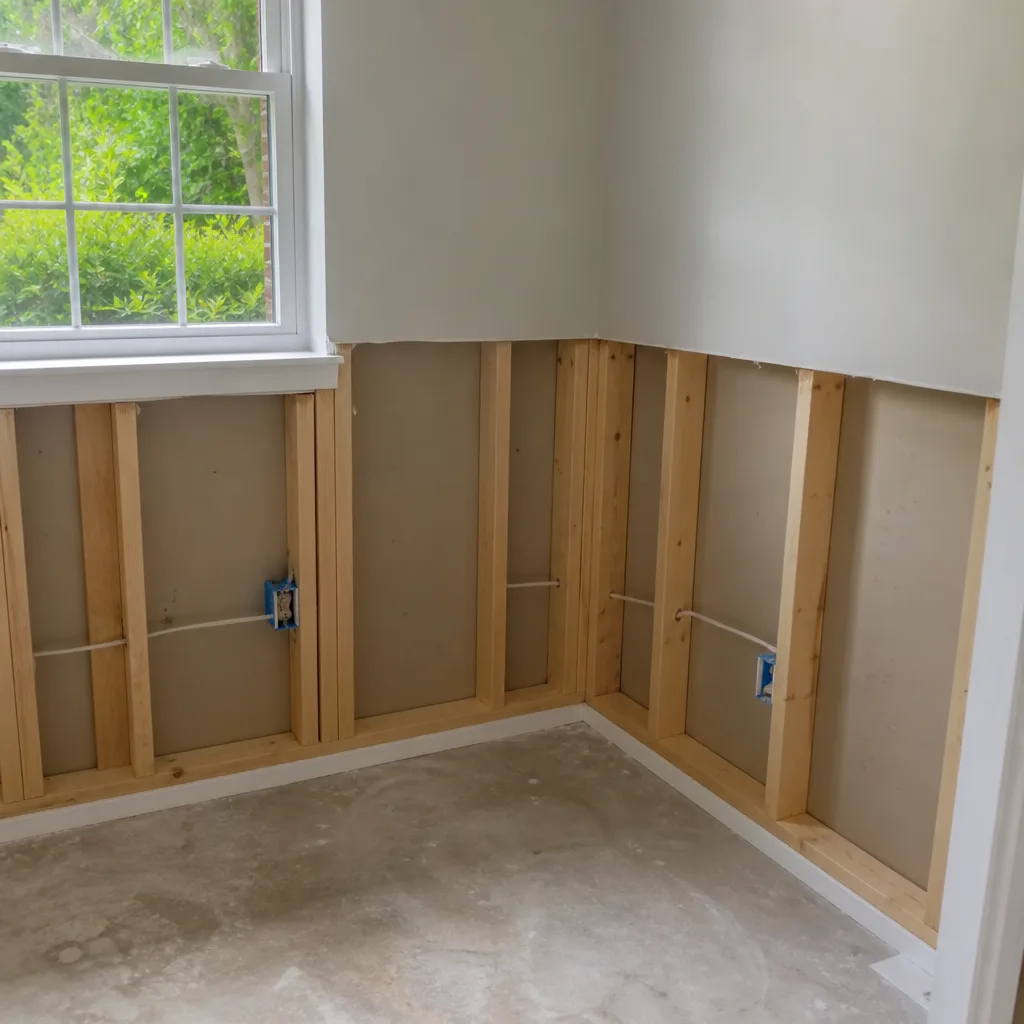

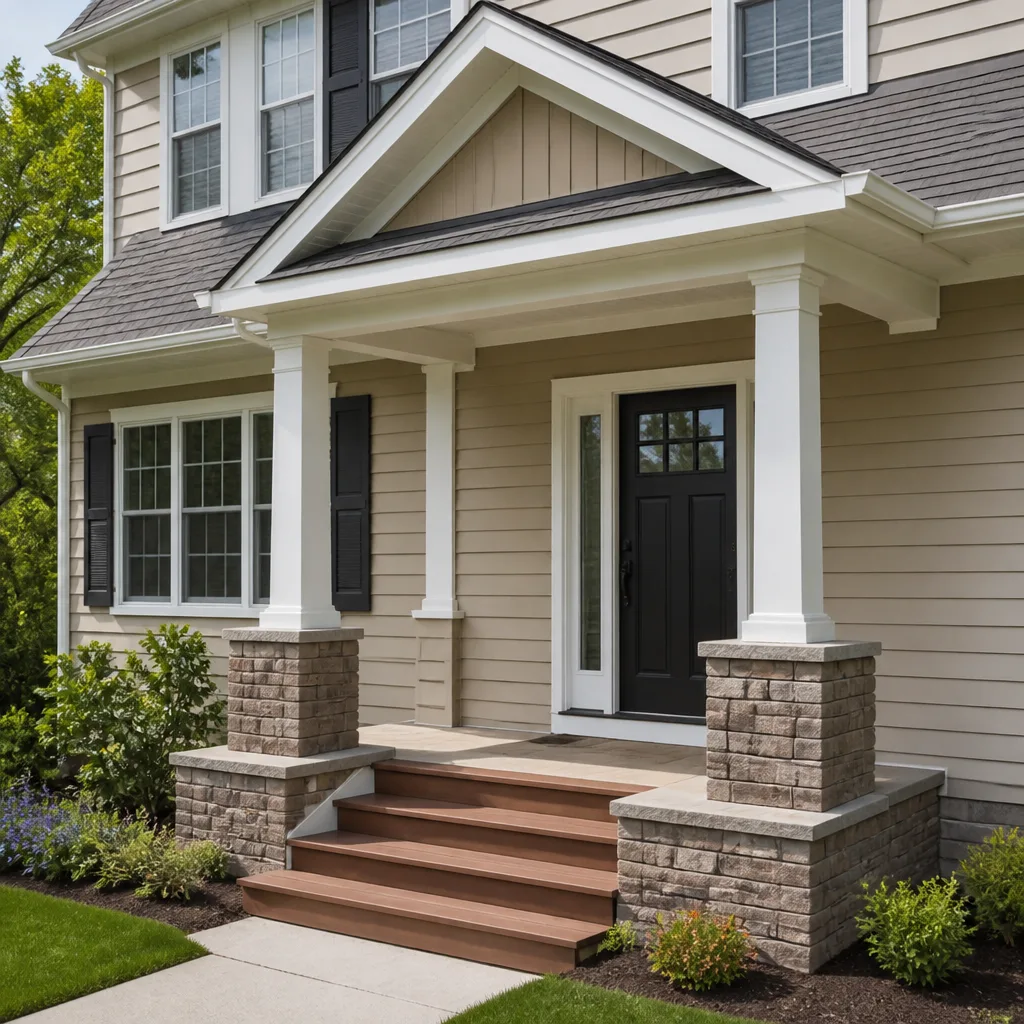
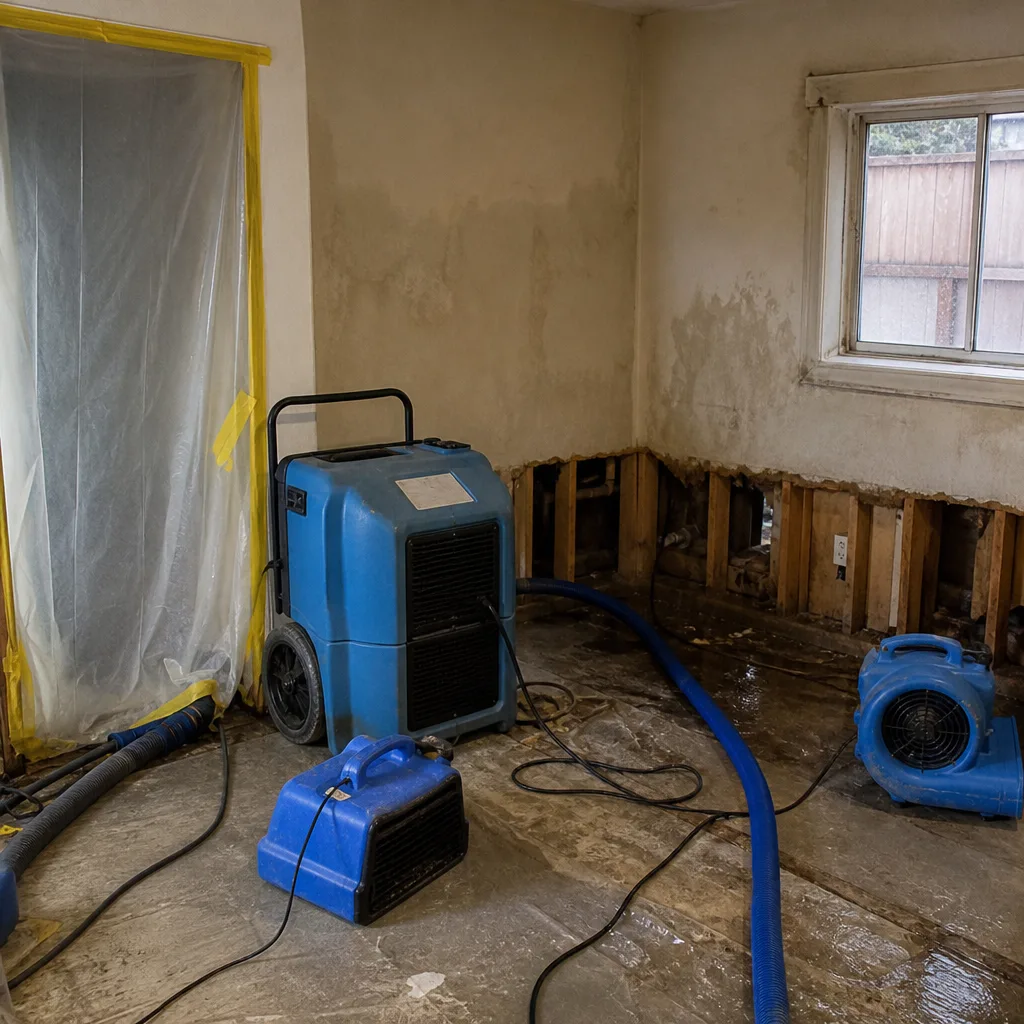 Before
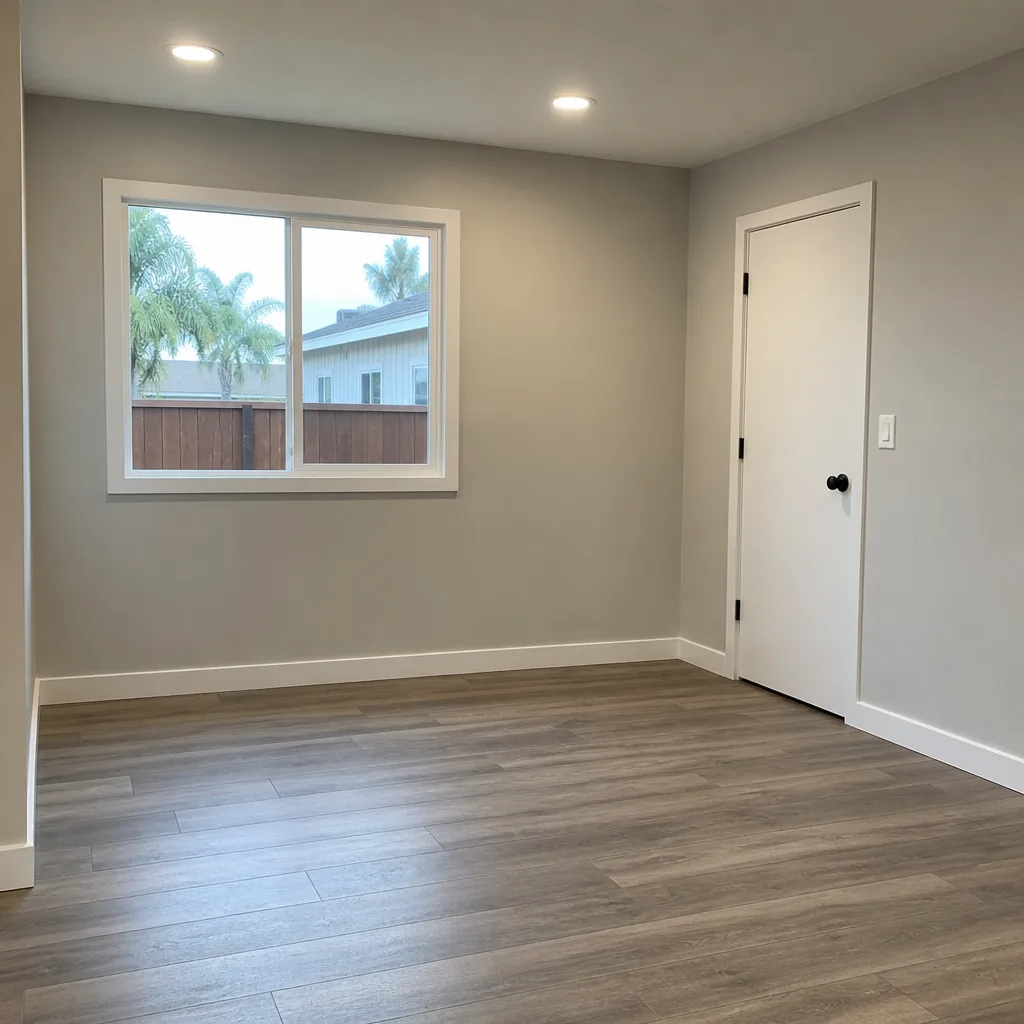 After
After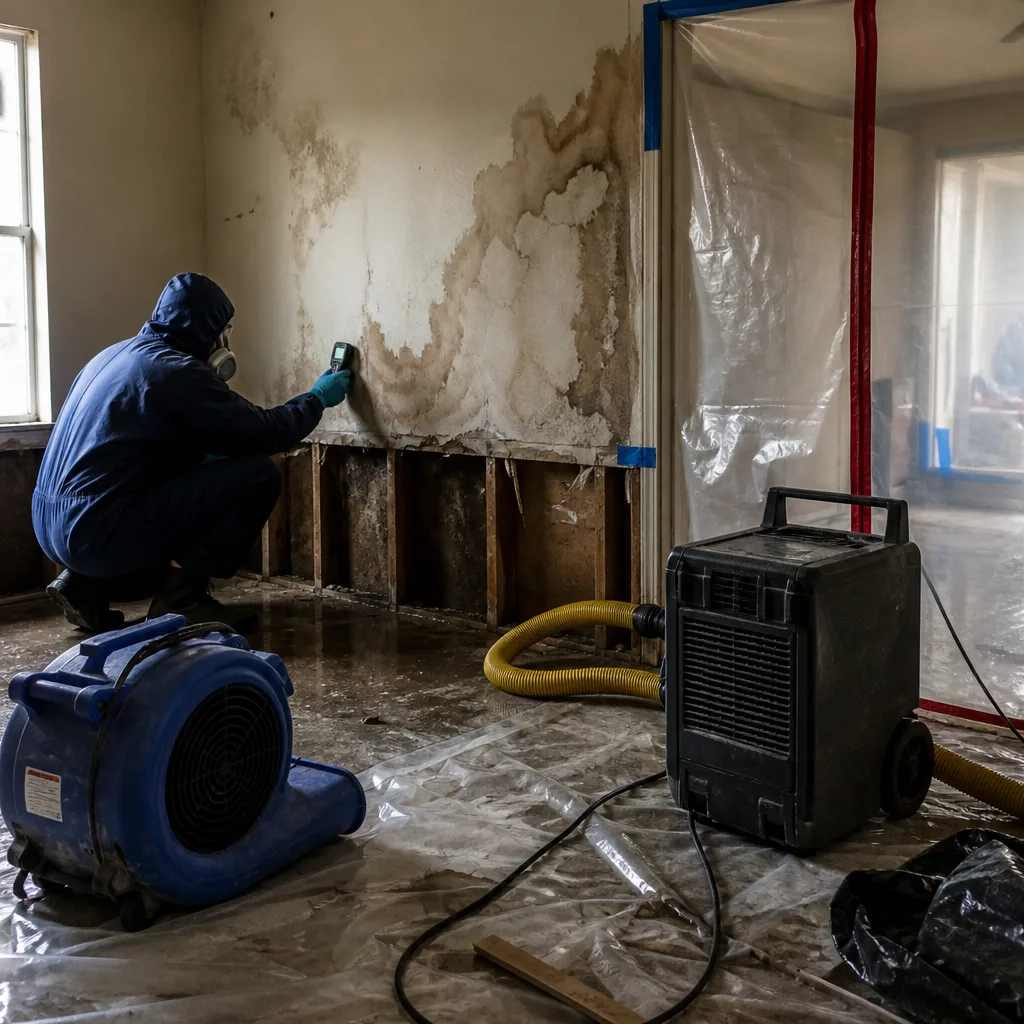 Before
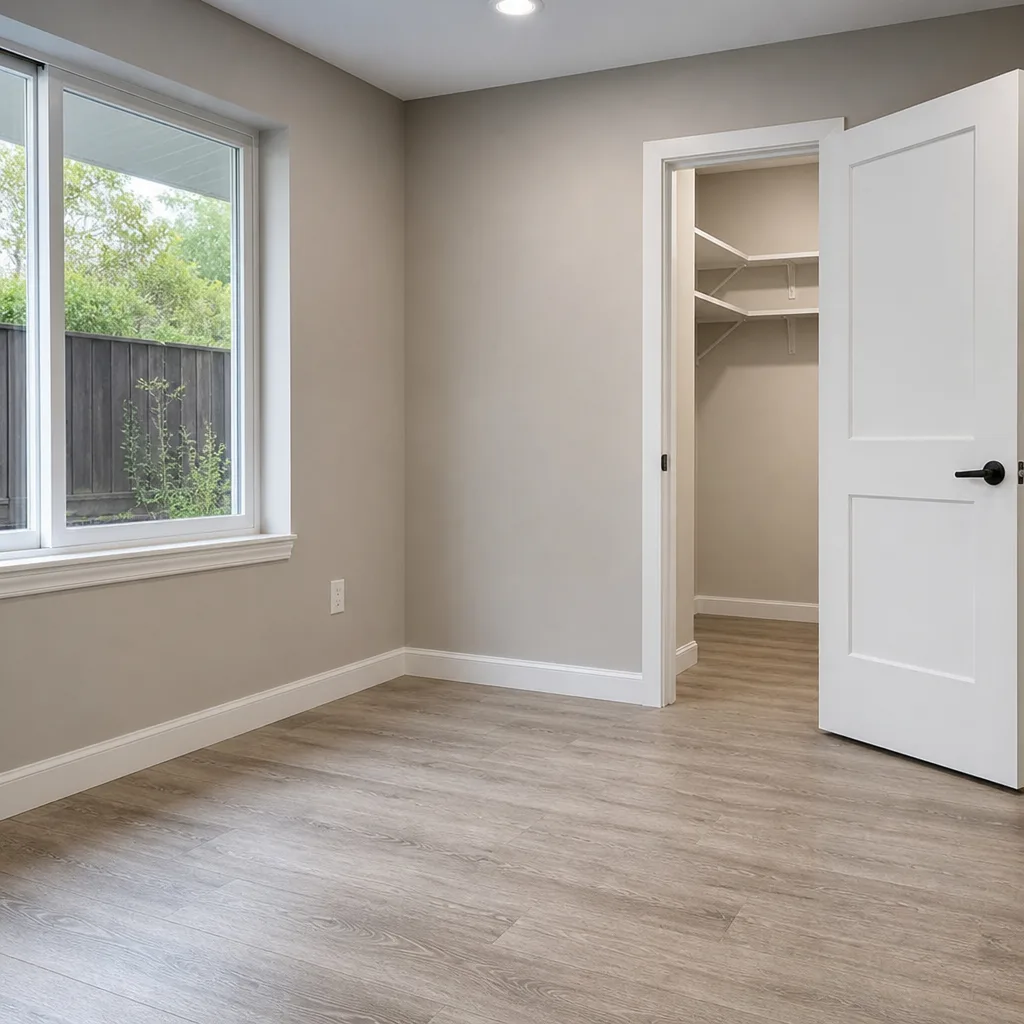 After
After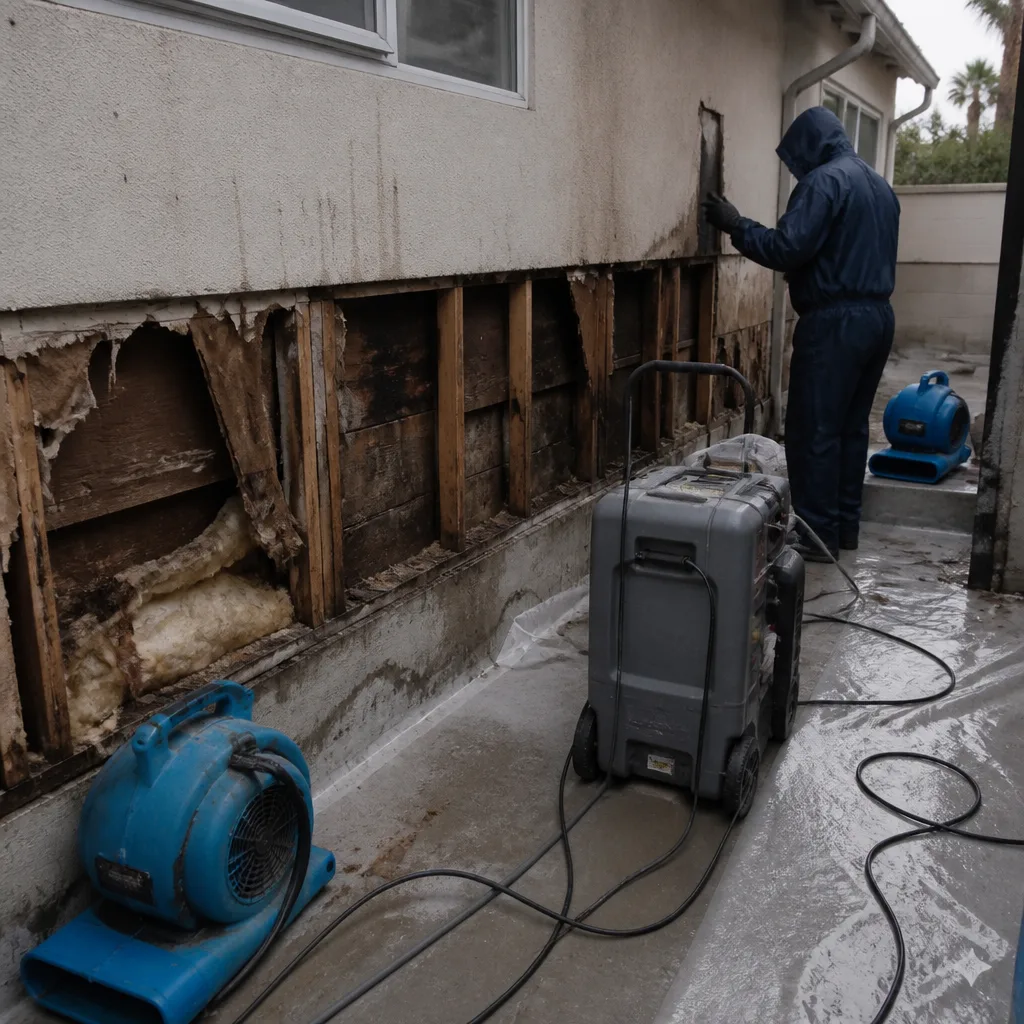 Before
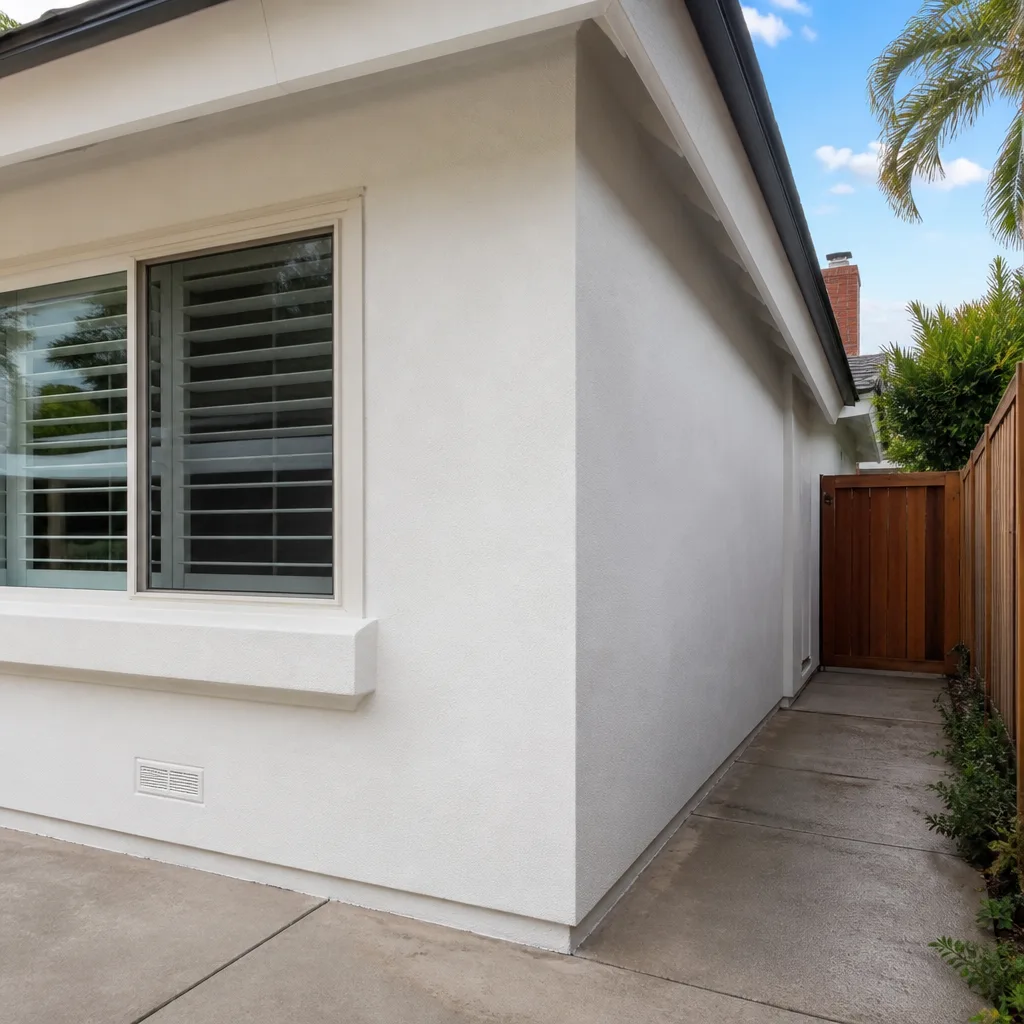 After
After24/7 Emergency Mold Remediation in Chula Vista
Mold remediation in Chula Vista typically costs $1,800-$6,500 depending on affected square footage and whether the source was a Category 1 supply line or Category 3 sewage backup. Most jobs begin same-day. Call (619) 330-9541 now and a live person will answer, 24 hours a day, no voicemail trees. Crews dispatch throughout Chula Vista within 45 minutes of your call. We provide a free visual inspection on arrival, document moisture readings with calibrated hygrometers, and deliver a written scope and price before any containment or removal begins. The first hour matters because active mold colonies release spores at exponential rates once disturbed; early containment limits the spread and protects unaffected rooms from cross-contamination.
Understanding Mold Remediation Severity in Chula Vista Properties
Mold severity in Chula Vista falls into three practical categories that determine containment strategy, equipment deployment, and whether occupants can remain in place during work. Limited contamination, under 10 square feet of visible growth on a non-porous surface, requires localized containment with a single HEPA air scrubber and surface remediation. Moderate contamination, 10-100 square feet or growth behind baseboards in a single room, demands full containment with negative air pressure, multiple HEPA scrubbers, and removal of porous materials like drywall and insulation. Major contamination, exceeding 100 square feet or involving HVAC systems, requires whole-area isolation, third-party air quality testing, and often temporary relocation of occupants.
Chula Vista’s housing stock drives these severity patterns in distinct ways. Western neighborhoods along Third Avenue and near the bay contain 1950s-1970s wood-framed stucco bungalows with aging galvanized plumbing and minimal wall-cavity ventilation; mold here typically colonizes slowly behind failing bathroom tile or kitchen backsplashes, discovered only when walls are opened for unrelated repairs. Eastern Chula Vista’s Otay Ranch, Eastlake, and Rolling Hills Ranch subdivisions present the opposite pattern: slab leaks in 2000s-era tract homes wick moisture up interior walls rapidly, and the stucco-over-wood-frame construction common to California’s construction-defect litigation era traps vapor at window flanges and slab perimeters, creating hidden colonies that spread before visible signs appear.
Why Chula Vista Property Owners Choose DryMark Restoration San Diego
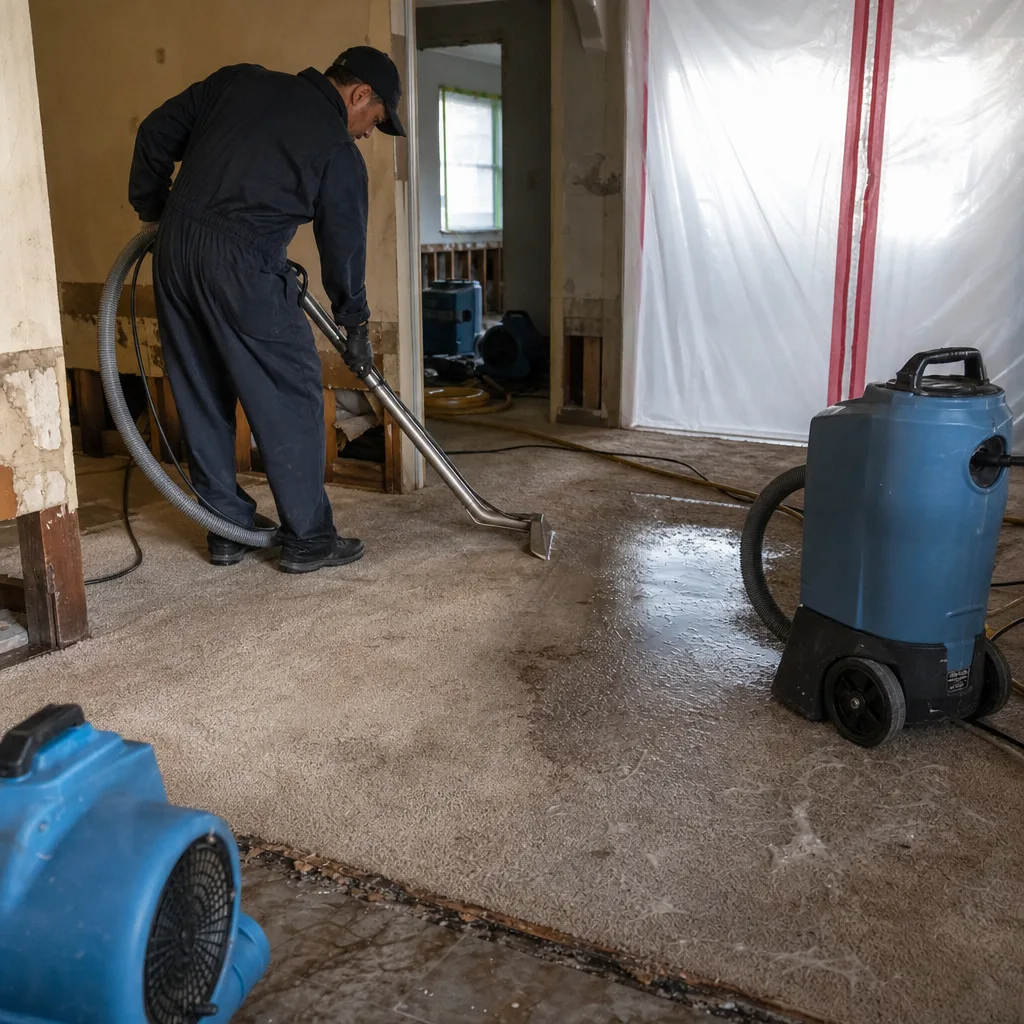
- 45-minute response commitment to any Chula Vista address, from the Third Avenue corridor to the eastern mesa.
- 24/7 live answer - a real person, never an automated system or callback queue, on every call to (619) 330-9541.
- IICRC-certified crews holding AMRT (Applied Microbial Remediation Technician) and WRT (Water Damage Restoration Technician) credentials, with license numbers documented on every job file.
- Free visual inspection and moisture mapping on arrival, with readings logged to the drying record before work is proposed.
- Direct insurance billing and adjuster coordination, with photo documentation and line-item scopes formatted to carrier standards.
- One team from containment through reconstruction, eliminating handoff gaps that delay ARB approval in HOA-governed neighborhoods.
BeforeAfterOur Mold Remediation Process
Inspection & Assessment
We map moisture with thermal imaging and penetrating hygrometers, identify the water source, classify the contamination area, and photograph every surface before anything is disturbed. In Chula Vista’s HOA communities, we simultaneously pull the ARB material specifications so reconstruction planning starts on day one.
Containment & Air Filtration
We erect polyethylene containment barriers and run HEPA air scrubbers at negative pressure to isolate the work zone. In occupied Otay Ranch and Eastlake homes, we seal HVAC returns to prevent spore migration through ductwork common to these tract floor plans.
Source Elimination & Material Removal
We stop the moisture intrusion, then remove non-salvageable porous materials - drywall, insulation, baseboards, carpet pad - bagged and disposed per local biohazard protocols. Semi-porous materials like wood framing are HEPA-vacuumed and treated with antimicrobial agents.
Drying & Dehumidification
We deploy commercial dehumidifiers and air movers, and for wall cavities in stucco construction, we use Injectidry systems to deliver controlled airflow behind intact wall surfaces without compromising exterior stucco that must pass ARB inspection.
Antimicrobial Treatment & Air Quality Restoration
We apply EPA-registered antimicrobial agents to all affected framing and subfloors, then run HEPA scrubbers continuously until third-party clearance testing confirms airborne spore counts at or below outdoor baseline levels for the Chula Vista area.
Repairs & ARB-Compliant Reconstruction
We rebuild using ARB-approved stucco patches, paint colors, door styles, and trim profiles, file the HOA completion notice, and deliver final moisture logs and photo documentation with the 365-Day Done Right Promise signed under The Haven Standard.
Need Emergency Mold Remediation in Chula Vista Now?
Crews minutes away, answering live 24 hours a day. The sooner we start, the less it costs.
Working With Your Insurance Company
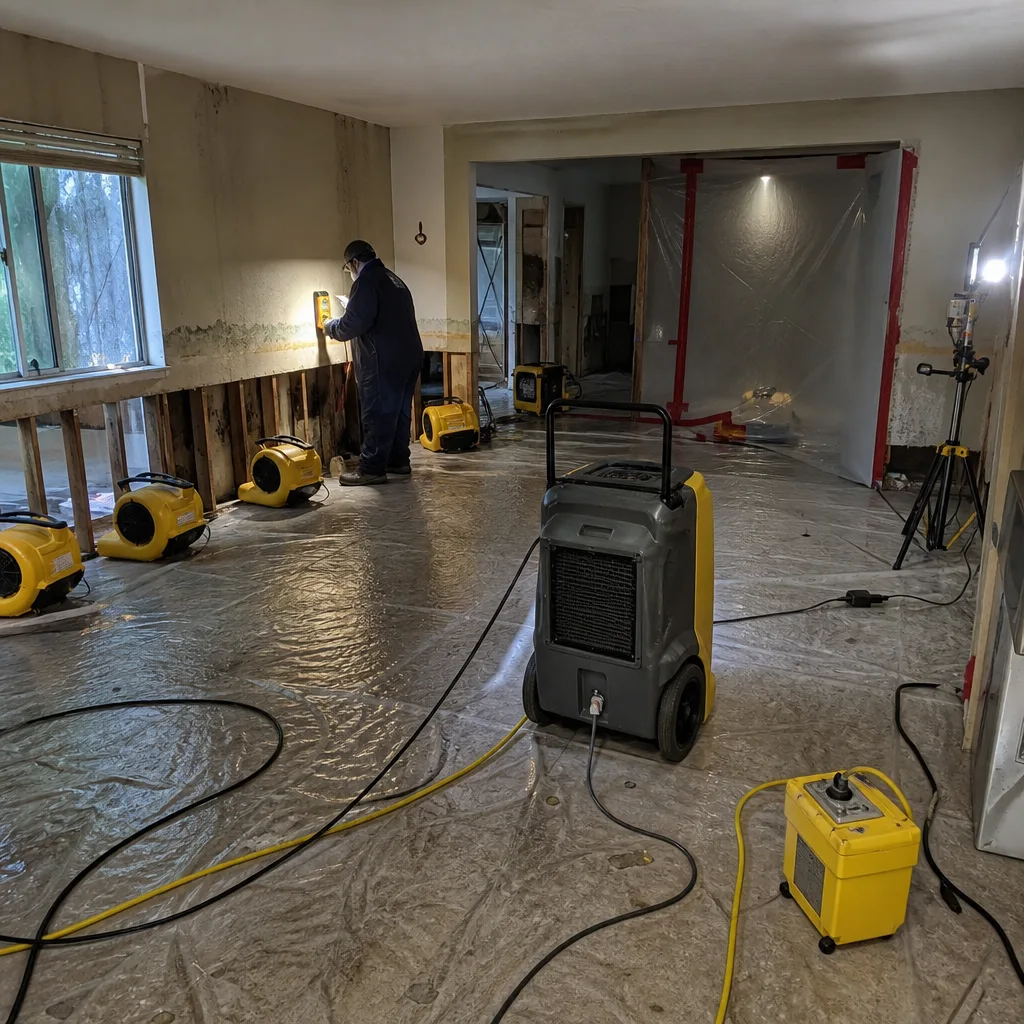
Every mold claim in Chula Vista begins with documentation that meets or exceeds carrier requirements. We photograph all visible damage room by room, record moisture readings at multiple depths and elevations, and produce a line-item scope of work with unit pricing before any remediation begins. This documentation package, assembled under The Haven Standard, is the same format Alicia Brennan developed as a former claims adjuster to close the documentation gap that delays or denies homeowner claims.
We communicate directly with your adjuster, provide supplemental documentation when hidden damage is discovered, and coordinate payment so you are not carrying out-of-pocket costs for covered work. Our daily drying logs, maintained to IICRC and RIA standards, convert restoration invoices into payable claims with minimal back-and-forth.
What We Provide Your Insurer
- Thorough documentation of the loss
- Photos of all damage, room by room
- Moisture readings and drying logs
- A detailed, line-item scope of work
- Direct coordination with your carrier
Built for Chula Vista’s Loss Calendar
Chula Vista’s mold season does not follow a simple calendar; it follows plumbing failure patterns and marine-layer behavior. January through March brings the region’s highest rainfall, and aging supply lines in western Chula Vista’s mid-century homes fail under thermal stress when cold snaps follow warm Santa Ana periods. The resulting slow leaks inside walls often go undetected until spring, when homeowners open windows and notice musty odors or see staining behind furniture.
May through October, the marine layer penetrates inland from San Diego Bay, keeping relative humidity elevated in poorly ventilated western homes even when skies are clear. Eastern Chula Vista faces different pressures: Santa Ana wind events heighten fire risk across the Otay River watershed, and post-fire rain events cause debris-laden flooding and mud intrusion into tightly packed Otay Ranch subdivisions. The resulting Category 3 water damage, if not fully remediated, becomes a mold substrate within 48-72 hours. November and December see slab leaks spike as clay-heavy Otay Mesa soils contract after dry months, cracking under-slab plumbing that was already stressed.
Mold Remediation Across Chula Vista’s Neighborhoods
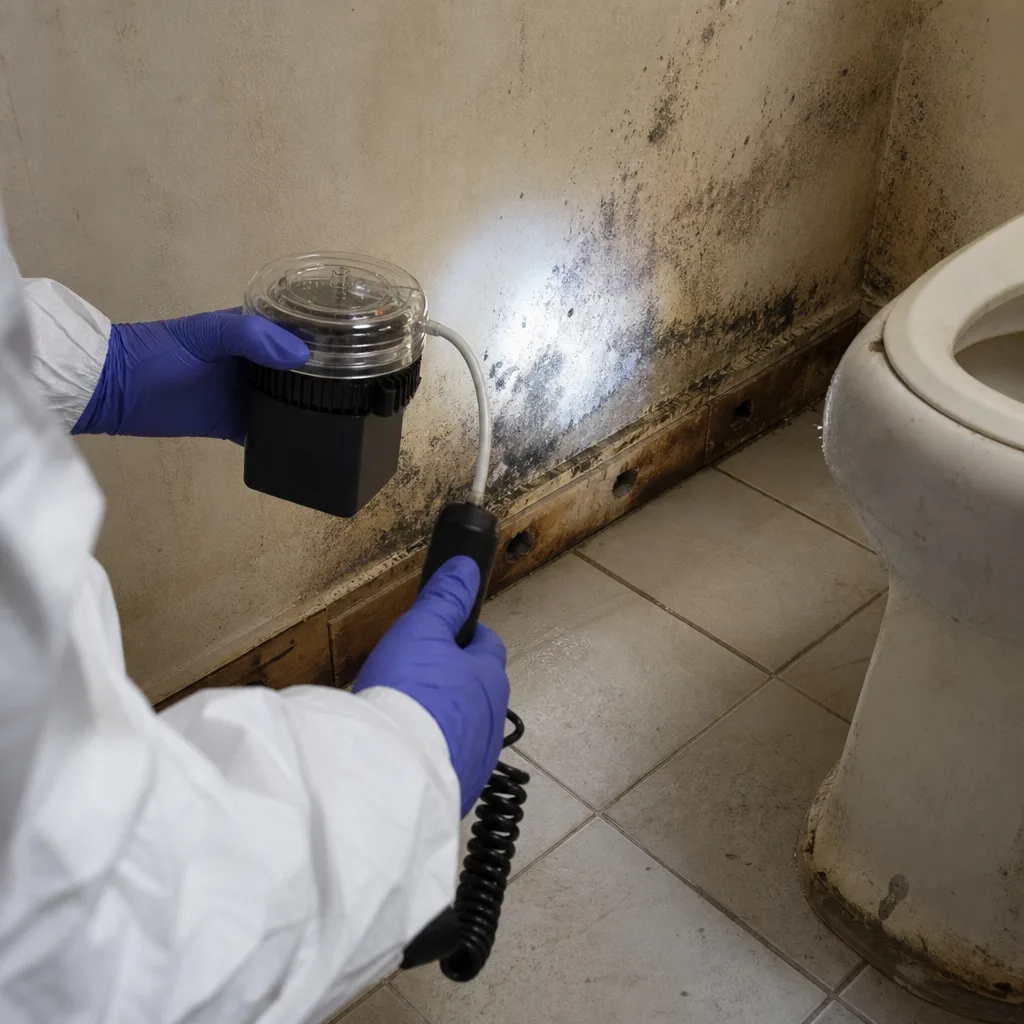
Third Avenue corridor and western Chula Vista bay-adjacent homes, built 1945-1975, present mold cases rooted in corroded galvanized plumbing and single-pane windows that condense marine moisture against interior plaster. We inspect these properties with particular attention to bathroom and kitchen wall cavities where decades of slow leaks have compromised lath-and-plaster or early drywall. The hard South Bay water accelerates pipe corrosion, so we often find multiple pinhole leaks in a single wall.
Otay Ranch, Eastlake, and Rolling Hills Ranch require a completely different workflow. These master-planned communities, among California’s largest concentrations of late-1990s through 2000s tract development, sit on Otay Mesa’s expansive clay-heavy soils that shift seasonally and crack under-slab supply and drain lines. Every job here must account for the Otay Ranch Master Community Association’s claim protocols and ARB processes. We file HOA notices on day one, even while emergency mitigation is still running, because contractors who skip this step risk stop-work orders and fines that delay cleanup by weeks.
National City-adjacent pockets near the Sweetwater River channel experience periodic groundwater rise and foundation seepage, particularly in older homes with compromised perimeter drains. Bonita’s hillside properties face mold from irrigation runoff and inadequate exterior drainage that saturates crawl spaces. Coronado’s island humidity, while outside our primary Chula Vista dispatch zone, informs our understanding of marine-climate mold behavior across the South Bay.
Specialized Mold Remediation Services We Offer in Chula Vista
Mold Inspection & Testing
We begin with a free visual inspection and moisture mapping, then recommend third-party air sampling when contamination is hidden or occupants report health symptoms. In Chula Vista’s stucco tract homes, we focus testing on wall cavities behind plumbing fixtures and window flanges where construction-era moisture intrusion left legacy vulnerabilities.
Mold Removal
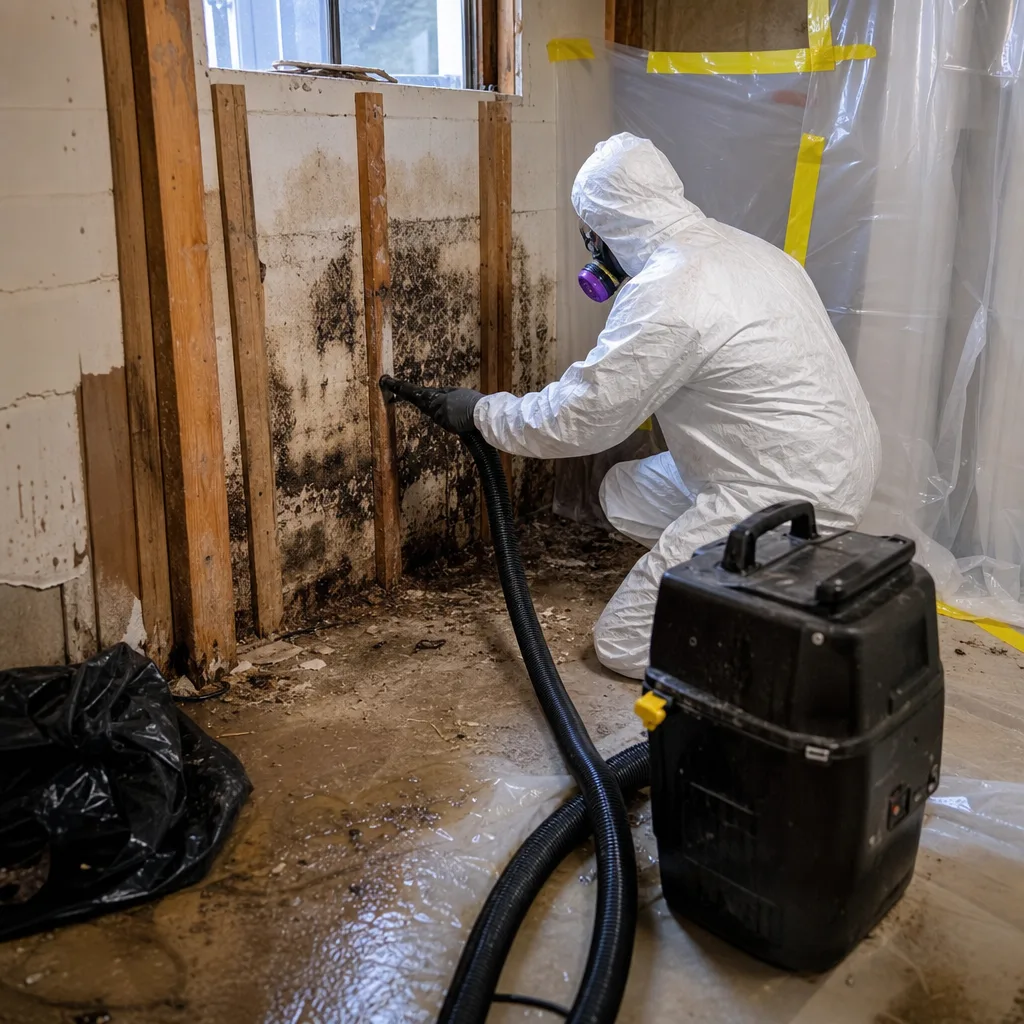
Our AMRT-certified crews remove visible growth and contaminated porous materials under containment, with all waste disposed per San Diego County biohazard protocols. In Otay Ranch and Eastlake, we coordinate removal timing with HOA dumpster placement rules to avoid curbside violations.
Black Mold Remediation
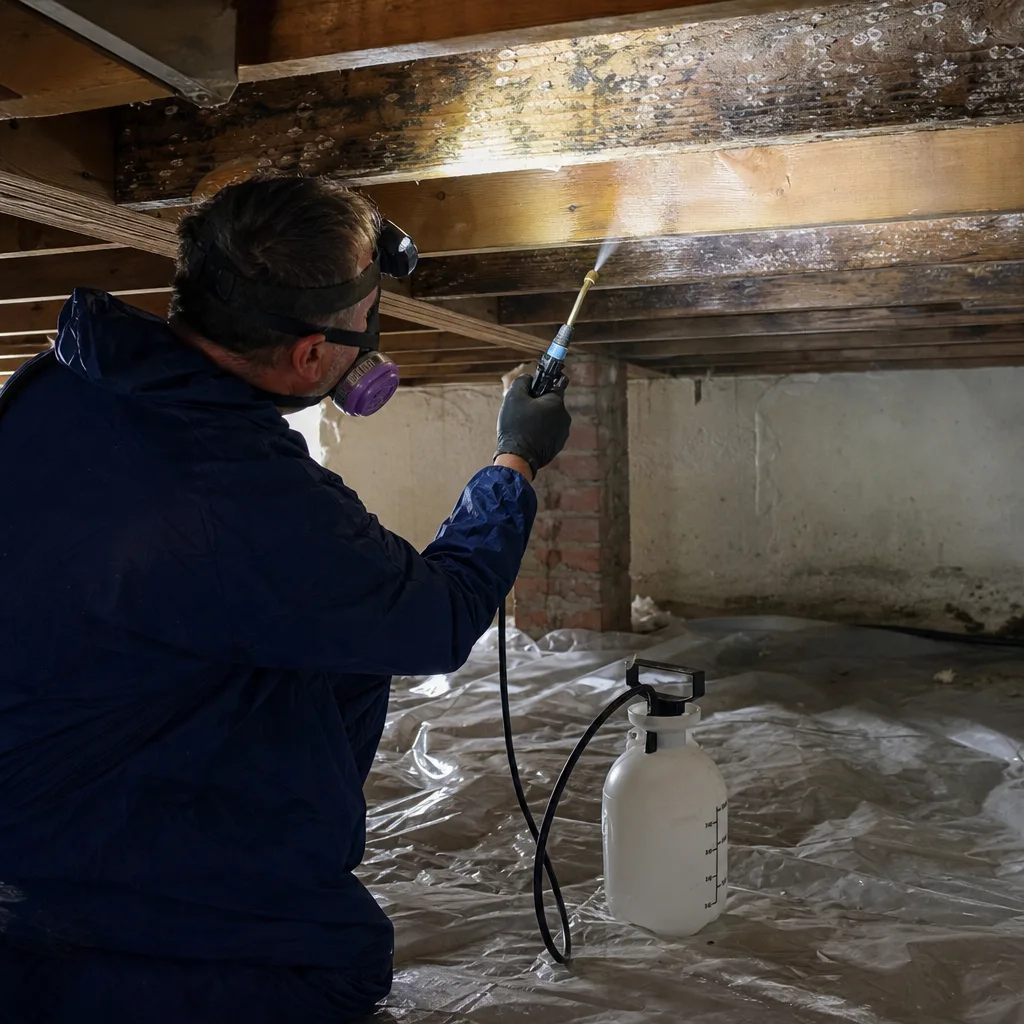
Stachybotrys chartarum and other toxigenic species require enhanced containment, full-face respirator protocols, and extended HEPA scrubbing. We treat these cases with the same documentation rigor as any other, with third-party clearance testing mandatory before containment is removed.
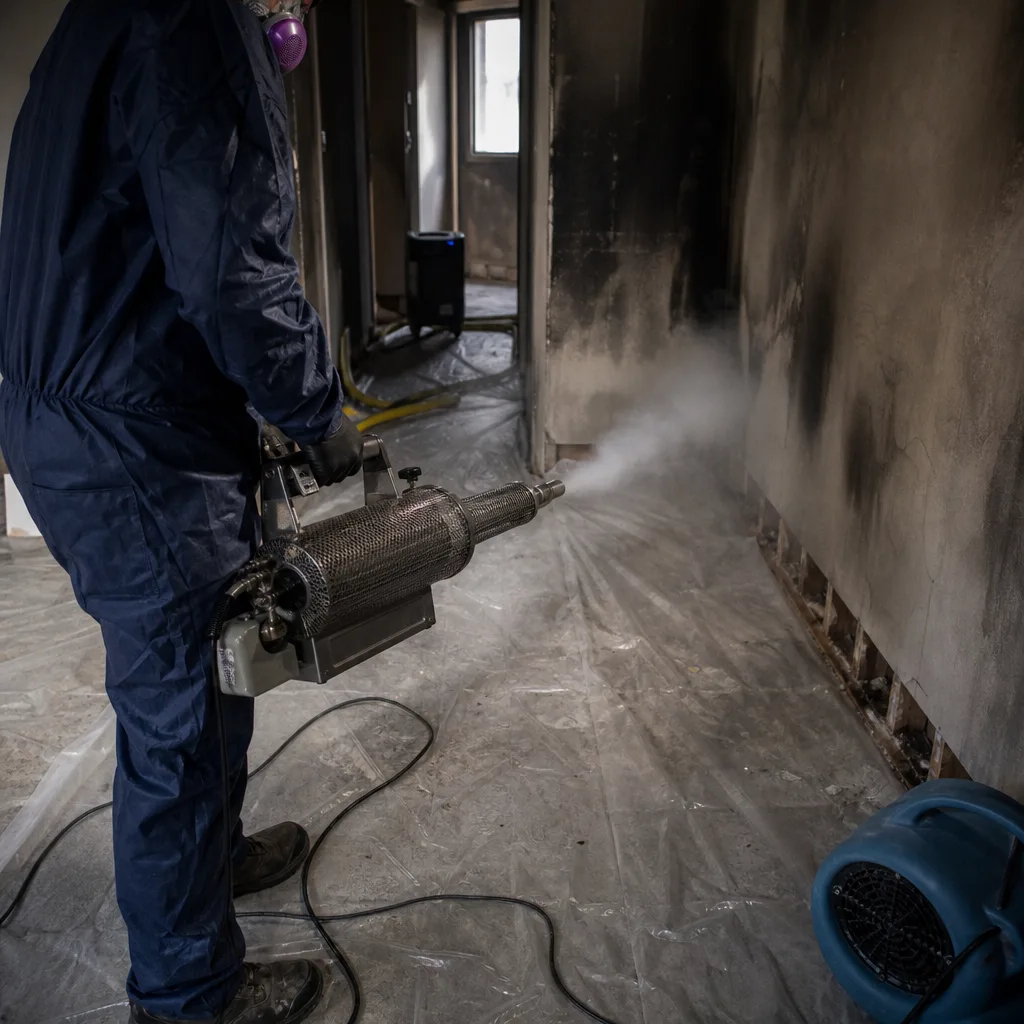
Air Quality Restoration
After physical remediation, we run HEPA air scrubbers and often deploy carbon filtration to address mycotoxin odors. Final air sampling compares indoor spore counts to outdoor baseline for the Chula Vista area, not arbitrary national standards.
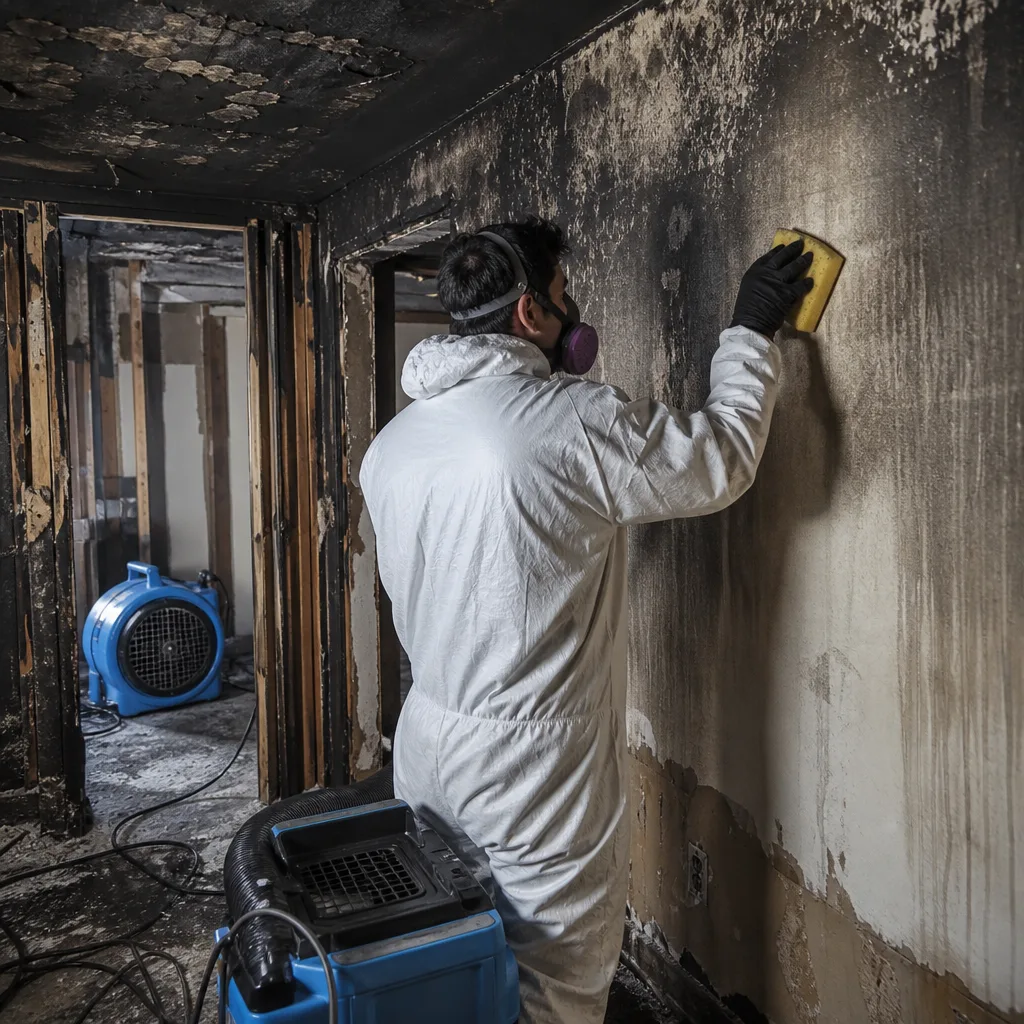
Crawl Space Treatment
Chula Vista’s older western homes and some Bonita-adjacent properties have ventilated crawl spaces that trap marine-layer moisture. We install vapor barriers, dehumidify to specified relative humidity, and treat framing with antimicrobial agents.
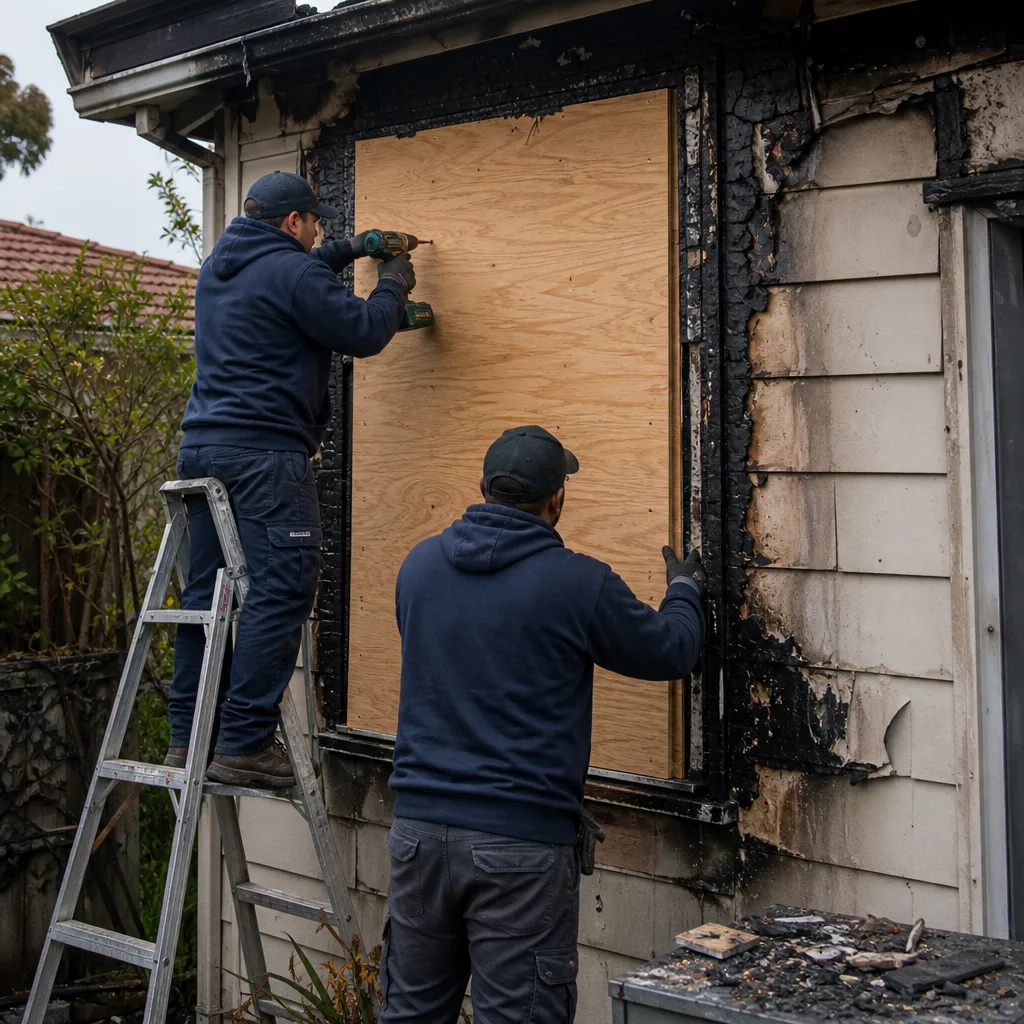
Moisture & Humidity Control
We identify and eliminate the water source - slab leak, stucco penetration, failed window flange, or condensation - then specify permanent humidity control. For Third Avenue corridor homes, this often means bathroom exhaust fan upgrades; for Otay Ranch properties, it means addressing the stucco detail that failed originally.
What happens when you call
- 1
A real person answersNo phone trees - you reach a local pro.
- 2
You get an upfront price rangeHonest numbers before anyone is dispatched.
- 3
A background-checked tech heads outLicensed & insured, dispatched right away.
- 4
You approve before work beginsNothing starts until you say go.
Mold Remediation Costs in Chula Vista, CA
Typical mold remediation in Chula Vista runs $1,800 for limited containment of a single bathroom or closet, $3,200-$4,800 for moderate contamination in a bedroom or hallway with material removal and drying, and $5,500-$6,500+ for whole-room or multi-room jobs involving HVAC contamination or Category 3 water origin. These ranges reflect Chula Vista’s labor market and disposal costs; they run slightly below downtown San Diego and slightly above inland Imperial County markets.
What moves the price: affected square footage, whether the water source was clean (Category 1) or contaminated (Category 2 or 3), accessibility of the colony (attic and crawl space work adds labor), and whether ARB-compliant reconstruction materials cost more than standard equivalents. Insurance typically covers mold remediation when the water damage was sudden and accidental, not from long-term neglect; we review your policy language and document the loss origin to support coverage.
Every job starts with a free visual inspection and written scope. Haven Standard, Clause 1: the price is delivered before work begins, with no additions once the crew is inside. Bring a competitor’s written estimate and we will review it at no charge.
We Also Serve Cities Near Chula Vista
Our crews respond throughout the South Bay from dispatch coordination in San Diego, including National City’s older commercial and residential stock, Bonita’s hillside and equestrian properties, Coronado’s island residences, and the full range of San Diego neighborhoods. Each area receives the same documentation-first approach and written-price guarantee.
Serving Chula Vista, CA - Our Local Coverage Area
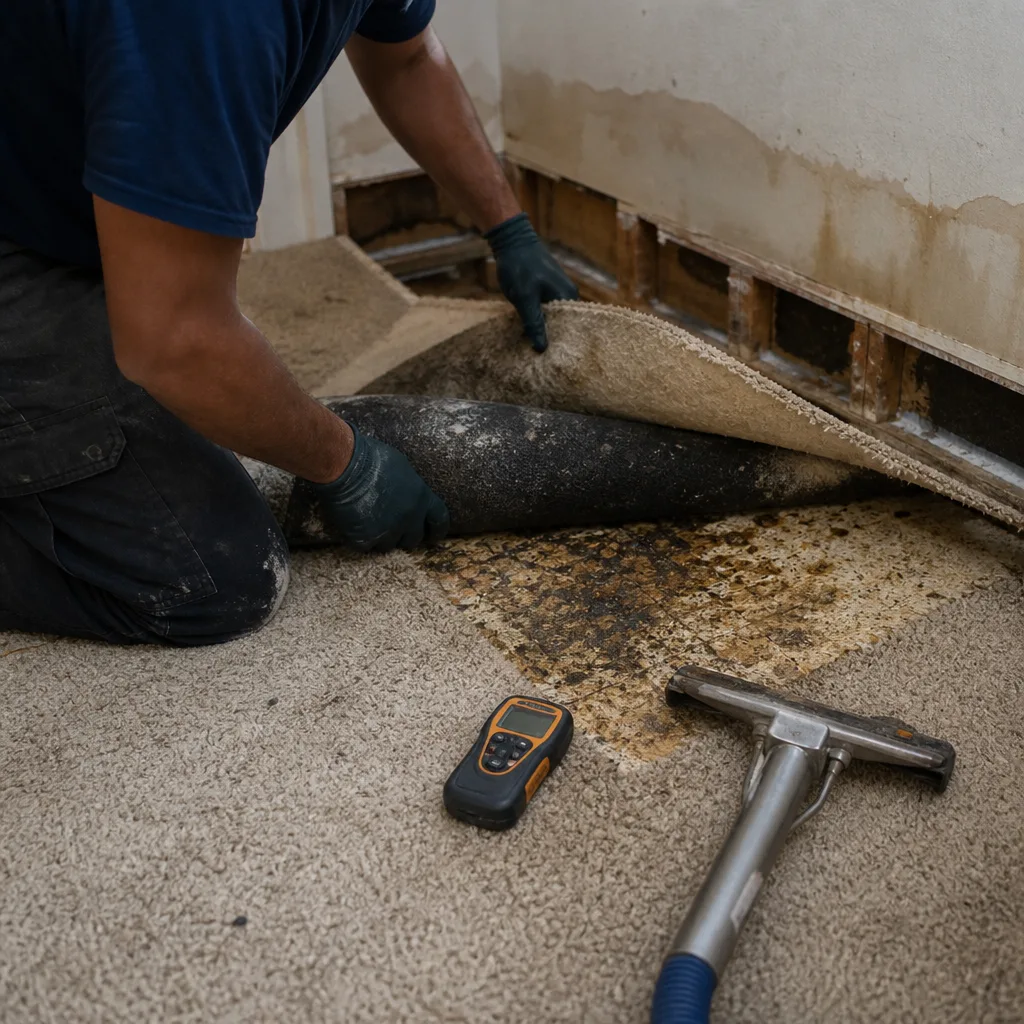
We’re based in the Chula Vista area and know this community well. Use the map below to see our service coverage - if you’re nearby, we can almost certainly help.
Chula Vista Mold Remediation Questions, Answered
Does mold remediation in an Otay Ranch HOA home require architectural review approval before we start?
Remediation itself does not require ARB approval, but reconstruction does, and starting rebuild without it can trigger stop-work orders. We file the HOA notice and begin pulling ARB material specifications on day one, even while containment and removal are still underway, so reconstruction proceeds without delay. Call (619) 330-9541 to discuss your property’s specific ARB timeline.
Why is mold so common in Eastlake and Rolling Hills Ranch tract homes after a slab leak?
These 2000s-era stucco-over-wood-frame homes were part of California’s major construction-defect litigation wave, with known moisture-intrusion vulnerabilities at stucco penetrations, window flanges, and slab perimeters. When a slab leak wicks moisture up interior walls, the same construction details that failed originally now trap vapor inside cavities, accelerating mold colonization behind intact drywall. We address both the active leak and the original penetration point to prevent recurrence.
How do you handle Category 2 or Category 3 water in a Chula Vista mold job?
Category 2 (gray water, such as dishwasher or washing machine discharge) and Category 3 (black water, including sewage or flood-driven mud intrusion) require removal of all affected porous materials - no salvage attempt on carpet, pad, drywall, or insulation. We treat the remaining structure with antimicrobial agents, extend drying time, and require more stringent clearance testing before reconstruction. Documentation of water classification is included in every insurance submission.
Do you use Injectidry or other specialty drying equipment on stucco wall cavities in Chula Vista homes?
Yes. Injectidry systems deliver controlled, low-temperature airflow into wall cavities through small access points, drying the interior structure without removing exterior stucco that must pass ARB inspection. This preserves the original envelope and avoids the patch-matching delays that stall reconstruction in HOA communities. We also deploy Phoenix and Dri-Eaz dehumidifiers for open-area drying.
What causes mold in older mid-century homes near Third Avenue and the bay?
Three factors converge: corroded galvanized or early copper plumbing in hard South Bay water, single-pane windows that condense marine moisture against interior surfaces, and minimal wall-cavity ventilation in 1950s-1970s construction. The marine layer keeps baseline humidity elevated even in dry months, so slow leaks never fully dry. We inspect these properties with particular attention to bathroom and kitchen wall cavities where decades of intermittent wetting have compromised substrates.
How fast can your crew actually get to my Chula Vista home?
We commit to 45 minutes from call to arrival anywhere in Chula Vista, 24 hours a day, 7 days a week. A live person answers every call to (619) 330-9541; no voicemail, no callback queues. Crews carry containment materials, HEPA scrubbers, and moisture detection equipment on every truck.
Will my insurance cover mold remediation, or is this out of pocket?
Insurance covers mold remediation when the underlying water damage was sudden and accidental - a burst pipe, appliance failure, or storm intrusion - and was reported promptly. Long-term neglect or unresolved maintenance issues are typically excluded. We review your policy language, document the loss origin with photos and moisture readings, and coordinate directly with your adjuster to establish coverage before work begins.
Can my family stay in the home during mold remediation?
For limited contamination under 10 square feet in a single room, occupants often remain with the work zone sealed. For moderate or major contamination, or when toxigenic species are suspected, we recommend temporary relocation until clearance testing is complete. We coordinate with your insurance on additional living expense coverage when displacement is medically or procedurally necessary.
Written by Alicia Brennan, Owner at Back to Dry Restoration, serving Chula Vista since 2011.
Mold Remediation in Nearby Areas