
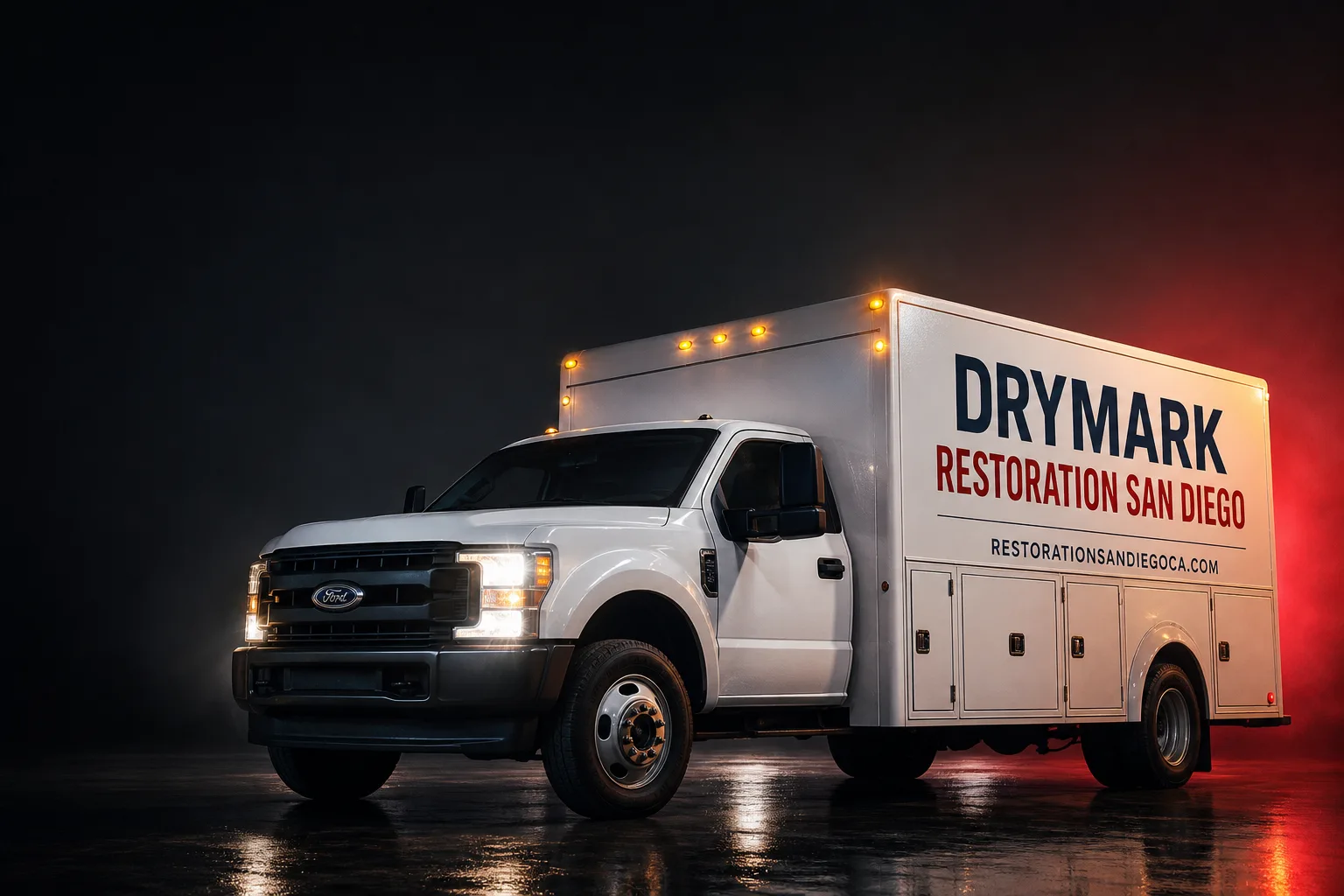
Free visual inspection and a written scope of work before any mitigation begins - photos, moisture readings, and drying logs go in your claim file
The scope we write is the scope we bill. Anything new gets shown to you, in writing, before we touch it.

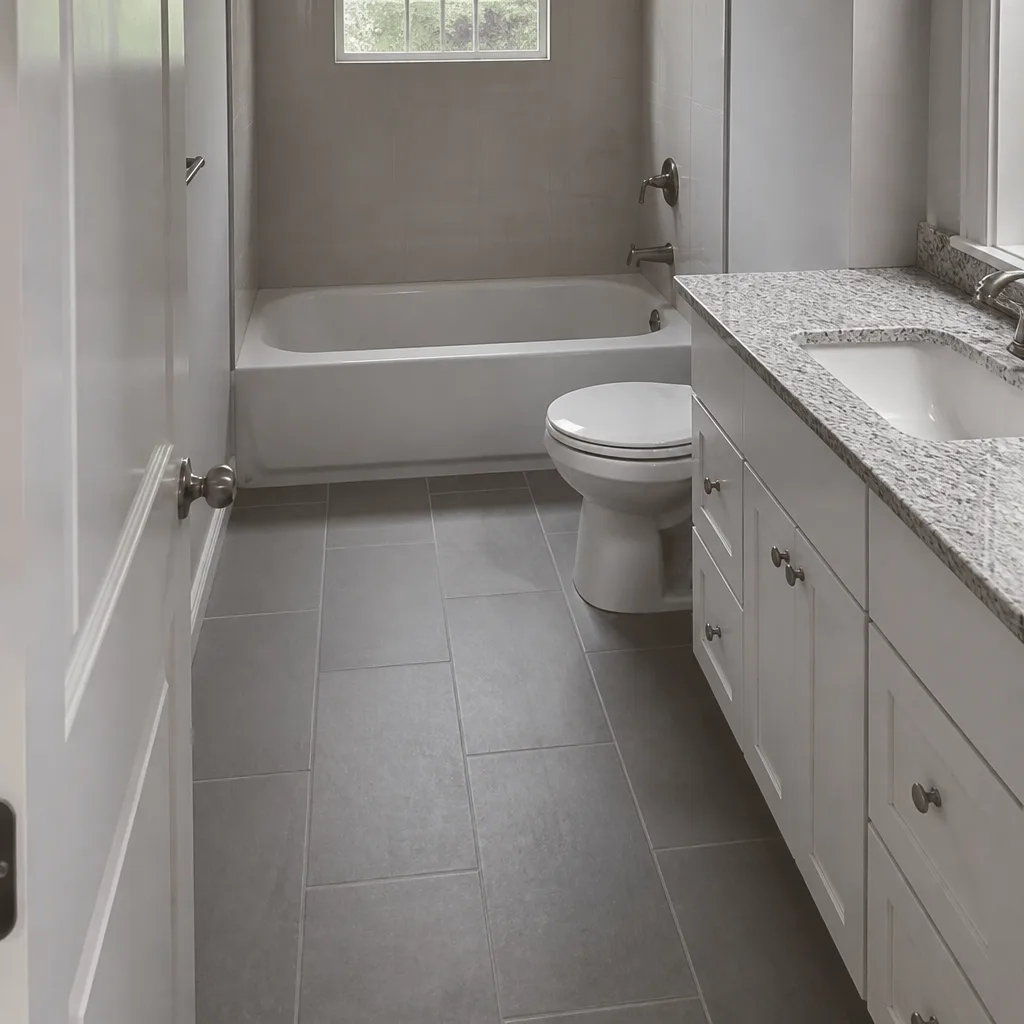
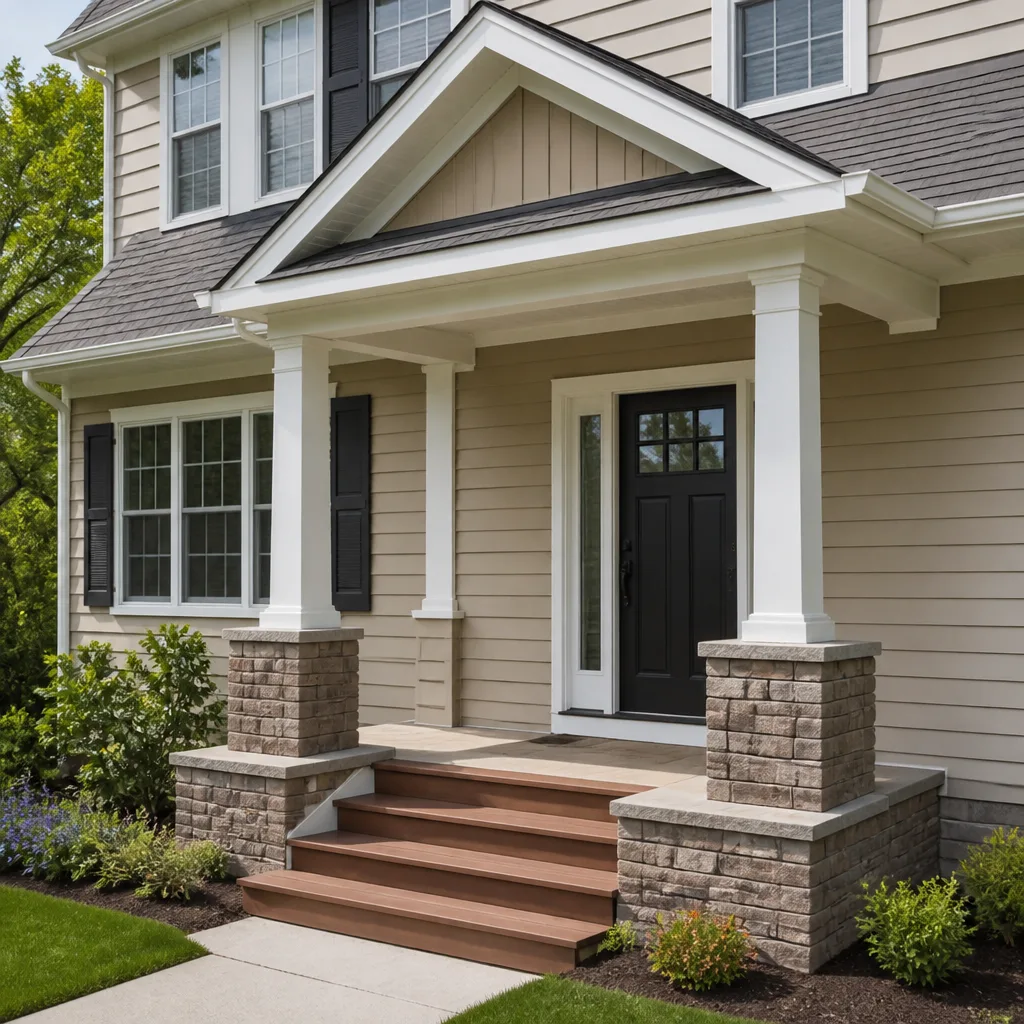
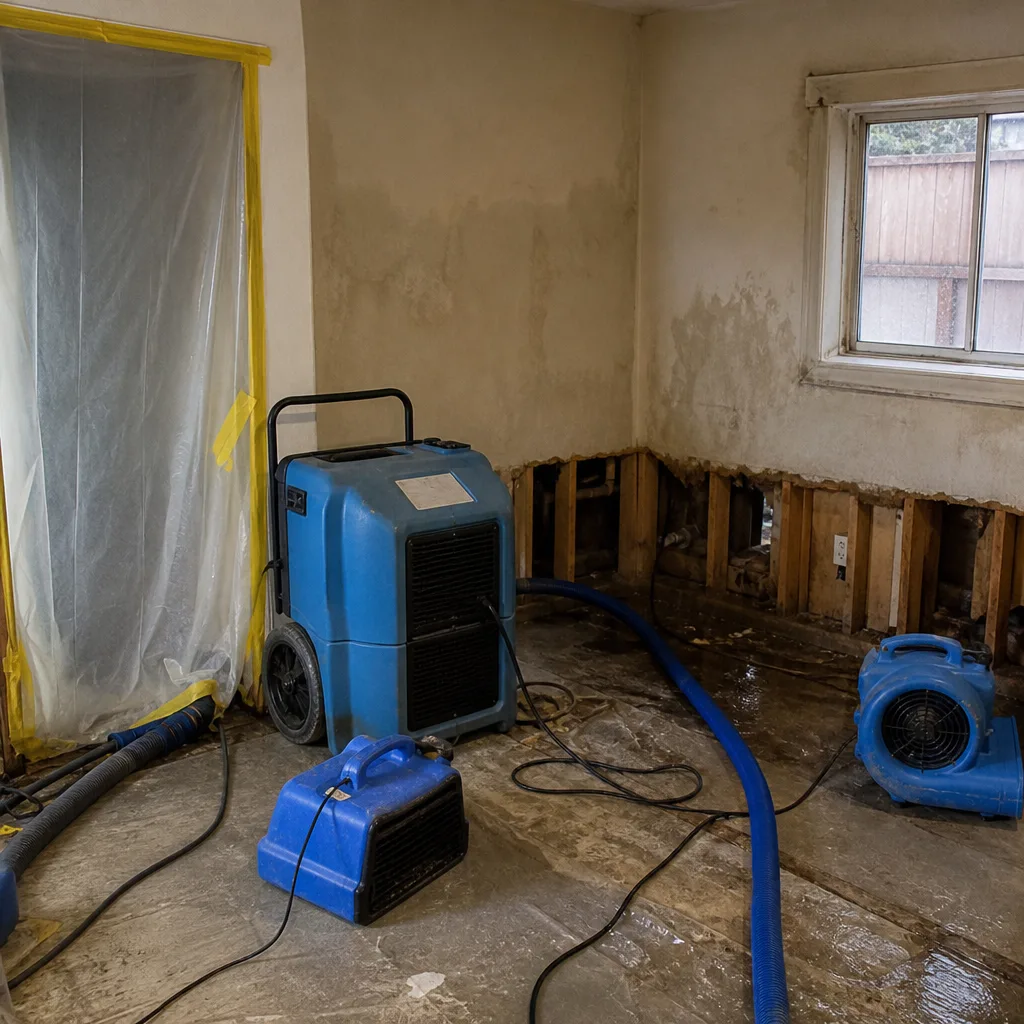 Before
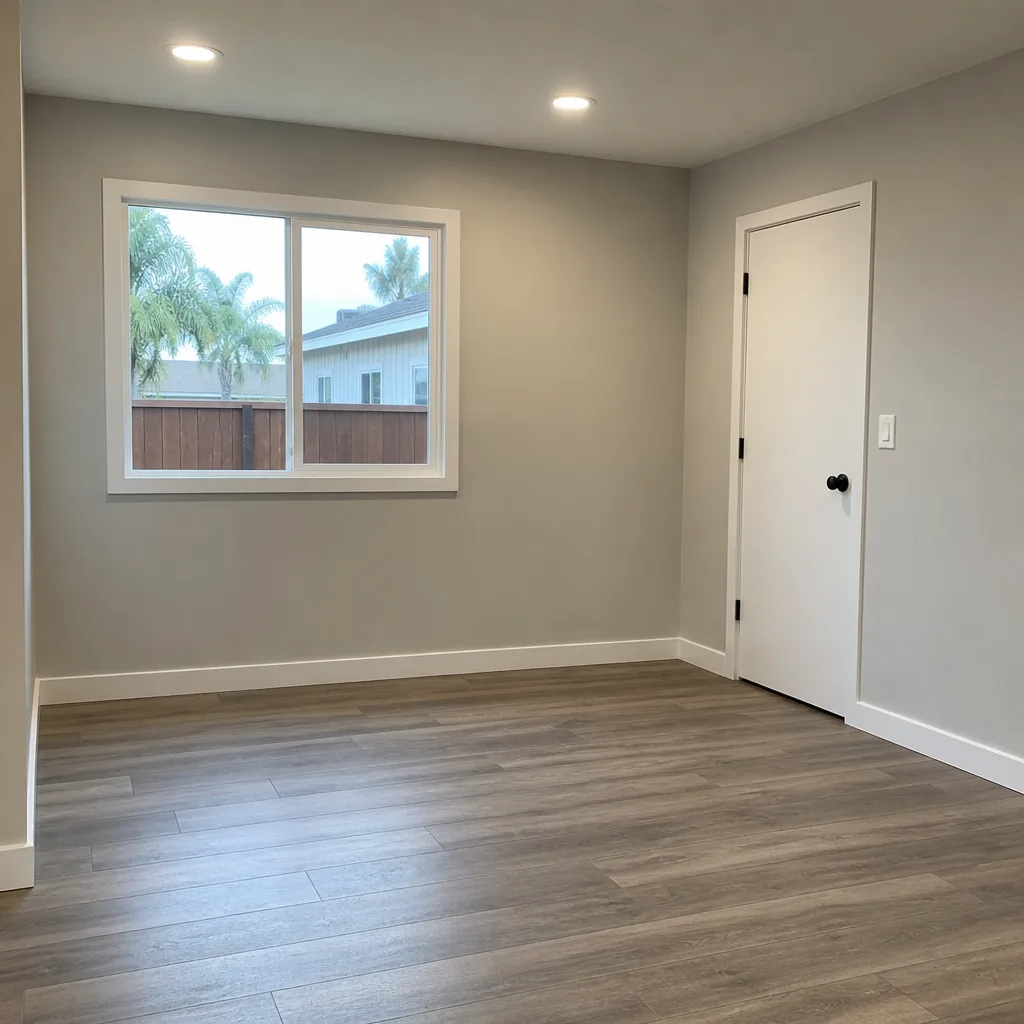 After
After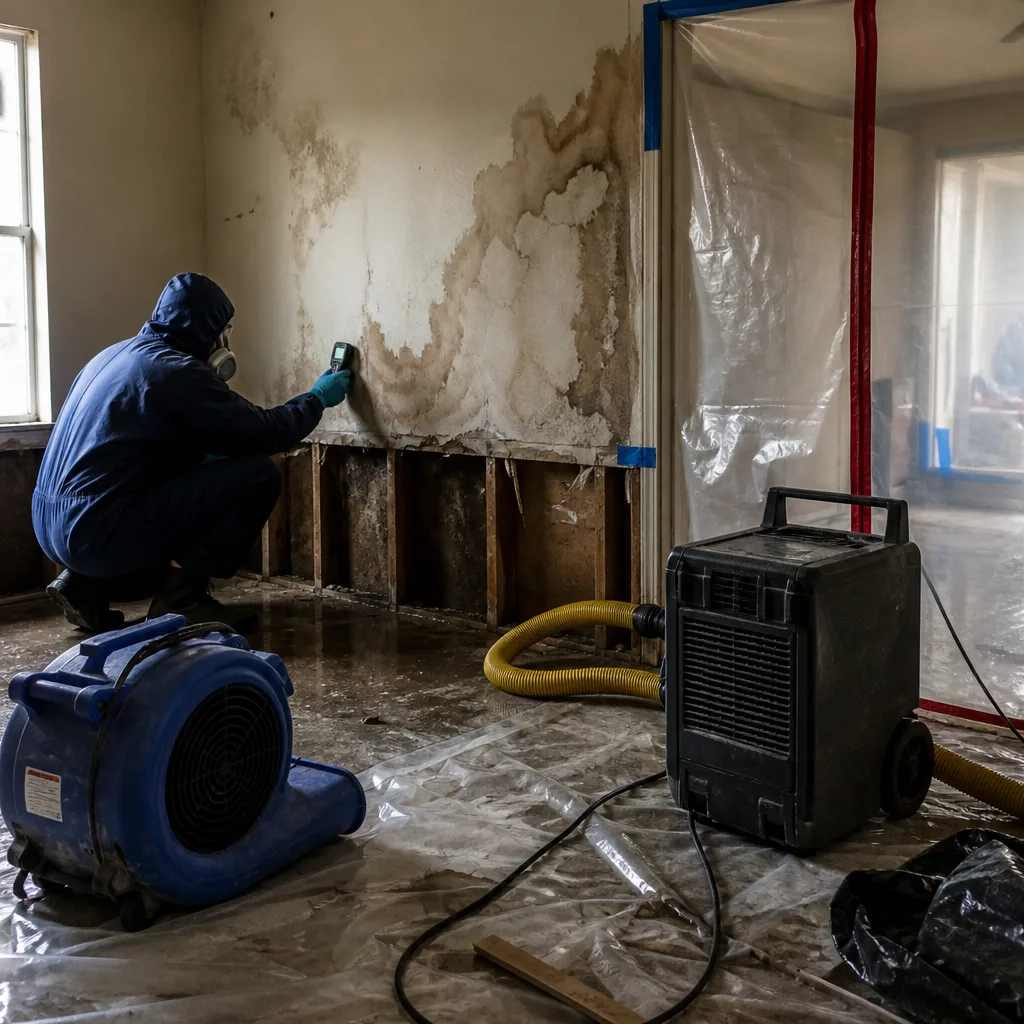 Before
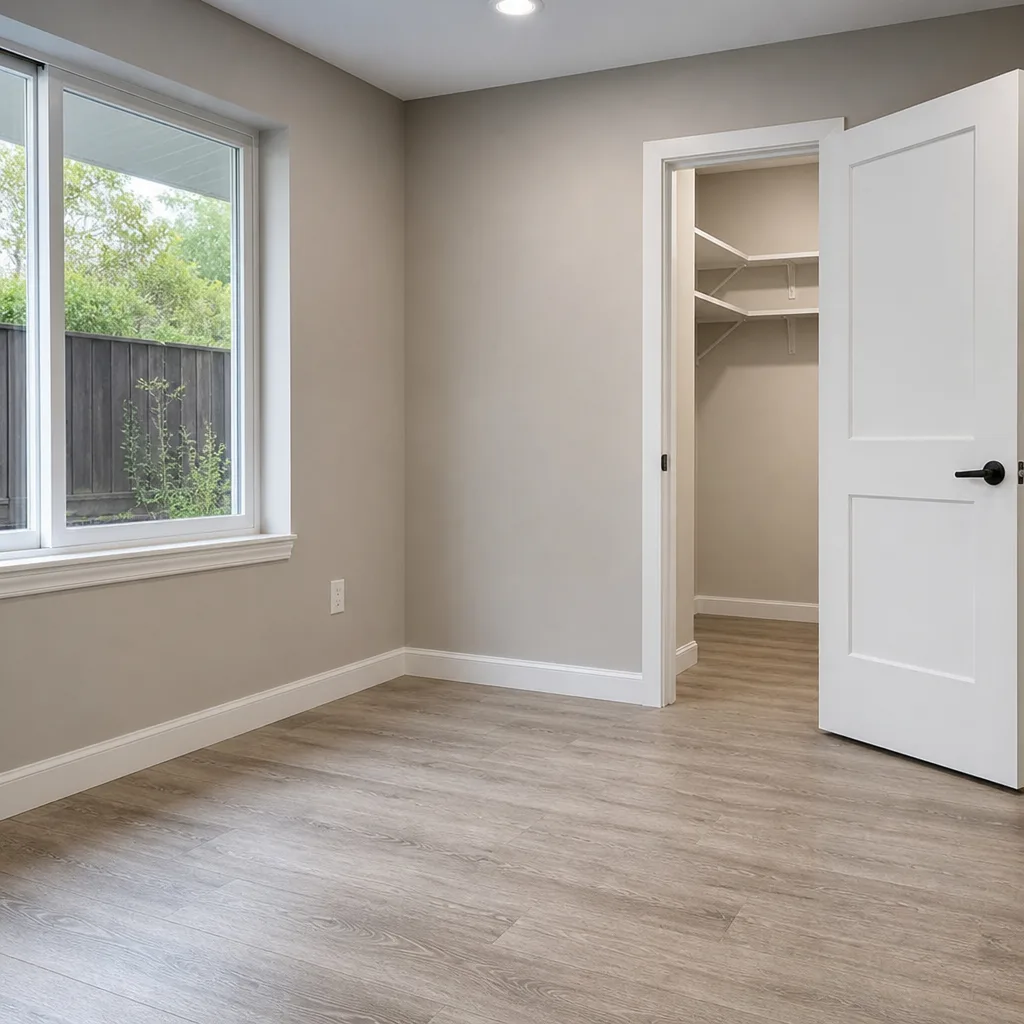 After
After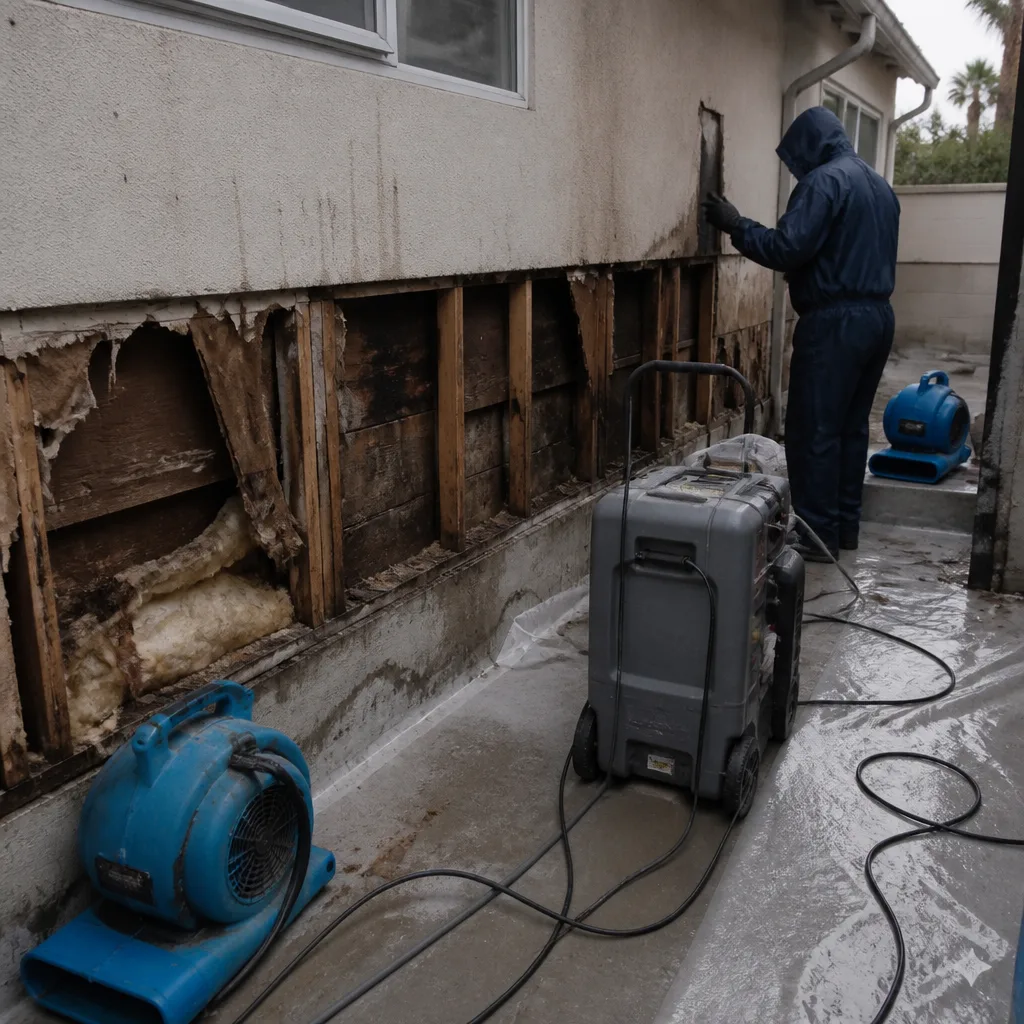 Before
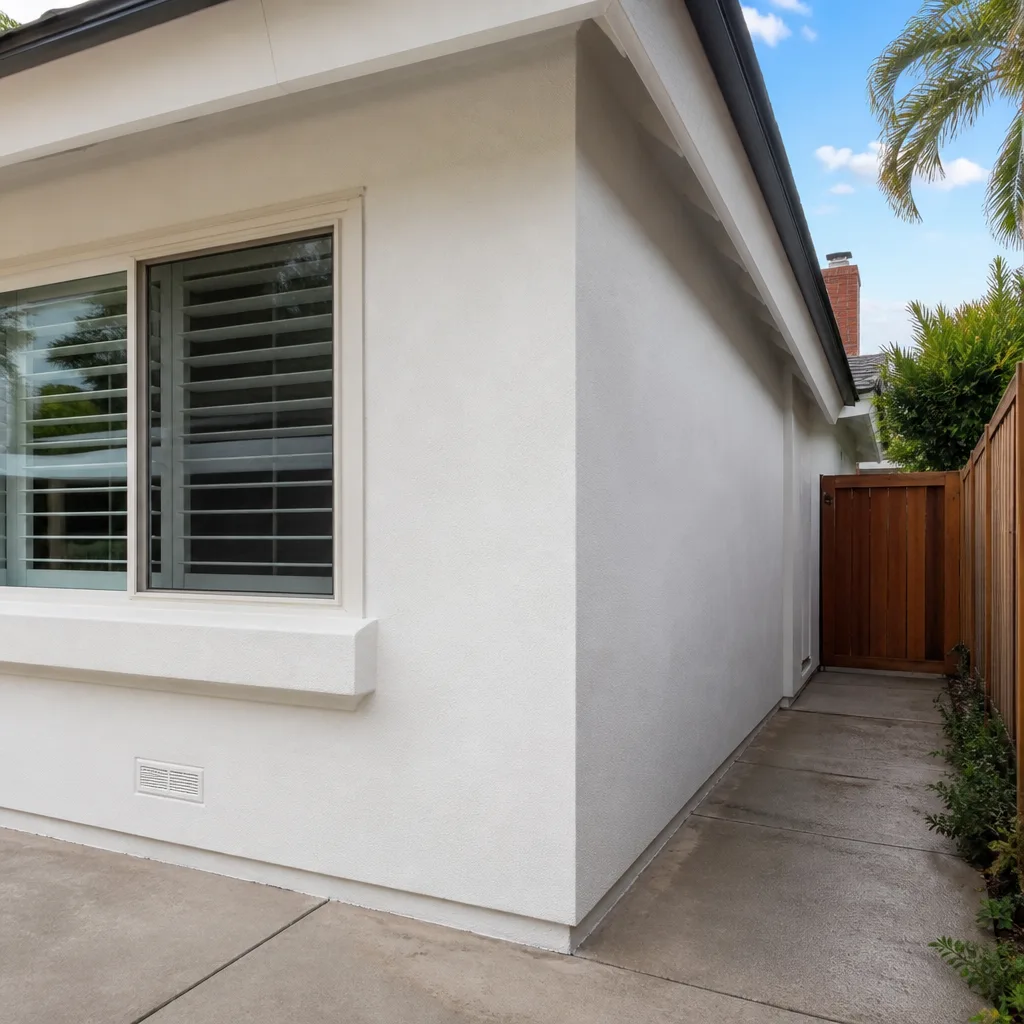 After
After24/7 Emergency Water Damage Restoration in San Diego
Water damage in San Diego moves fast, and so do we. Call (619) 330-9541 any time, day or night, and a live person answers. No voicemail trees, no callbacks tomorrow while water keeps spreading through your subfloor. Our crews dispatch from our San Diego office to anywhere in the metro area, typically arriving within 45 minutes of your call.
The first hour determines how much of your structure we can save. Water wicks upward in drywall at roughly one inch per hour, and Category 1 clean water degrades to Category 2 in 24-48 hours once it picks up contaminants from building materials. Our Water Damage Restoration team starts with a free visual inspection, documents everything with photos, and gives you a written price before any equipment runs. That’s Haven Standard, Clause 1. No exceptions.
Understanding Water Damage Restoration Severity in San Diego Properties
Water damage classification follows IICRC S500 standards: Category 1 is clean water from a supply line, Category 2 is significantly contaminated (dishwasher discharge, sump pump failure), and Category 3 is grossly contaminated sewage or floodwater requiring full PPE and antimicrobial treatment. In San Diego’s post-WWII housing stock, the real complication is how quickly Category 1 becomes Category 2 inside aging wall cavities.
Those stucco-over-wood-frame tract homes built from the 1950s through 1970s in Clairemont, El Cajon, and La Mesa? Their hairline stucco cracks let moisture seep into wall cavities where cellulose insulation, paper-faced drywall, and untreated studs create ideal microbial growth conditions. Moisture mapping with thermal imaging reveals what the eye cannot: vapor pressure differentials driving hidden moisture migration even when surfaces feel dry. Psychrometric data, temperature, relative humidity, and specific humidity readings guide our drying strategy. Tertiary drying targets bound water in dense materials like hardwood and plaster that primary air movement cannot reach.
Why San Diego Property Owners Choose DryMark Restoration San Diego
- 45-minute response commitment across San Diego metro - crews staged for immediate dispatch, not tomorrow morning.
- 24/7 live answer: a real person picks up every call, never an automated system routing you through prompts while water pools in your kitchen.
- IICRC-certified crews holding WRT (Water Damage Restoration Technician), ASD (Applied Structural Drying), and AMRT (Applied Microbial Remediation Technician) credentials - license numbers provided on request.
- Free visual inspection with documented photo record before any work begins.
- Direct insurance billing and adjuster coordination - we speak the same language as your carrier because our founder, Alicia Brennan, came from claims.
- One team from extraction through reconstruction: no handoffs to unknown subcontractors, no gaps in documentation.
BeforeAfterOur Water Damage Restoration Process
1. Inspection & Assessment
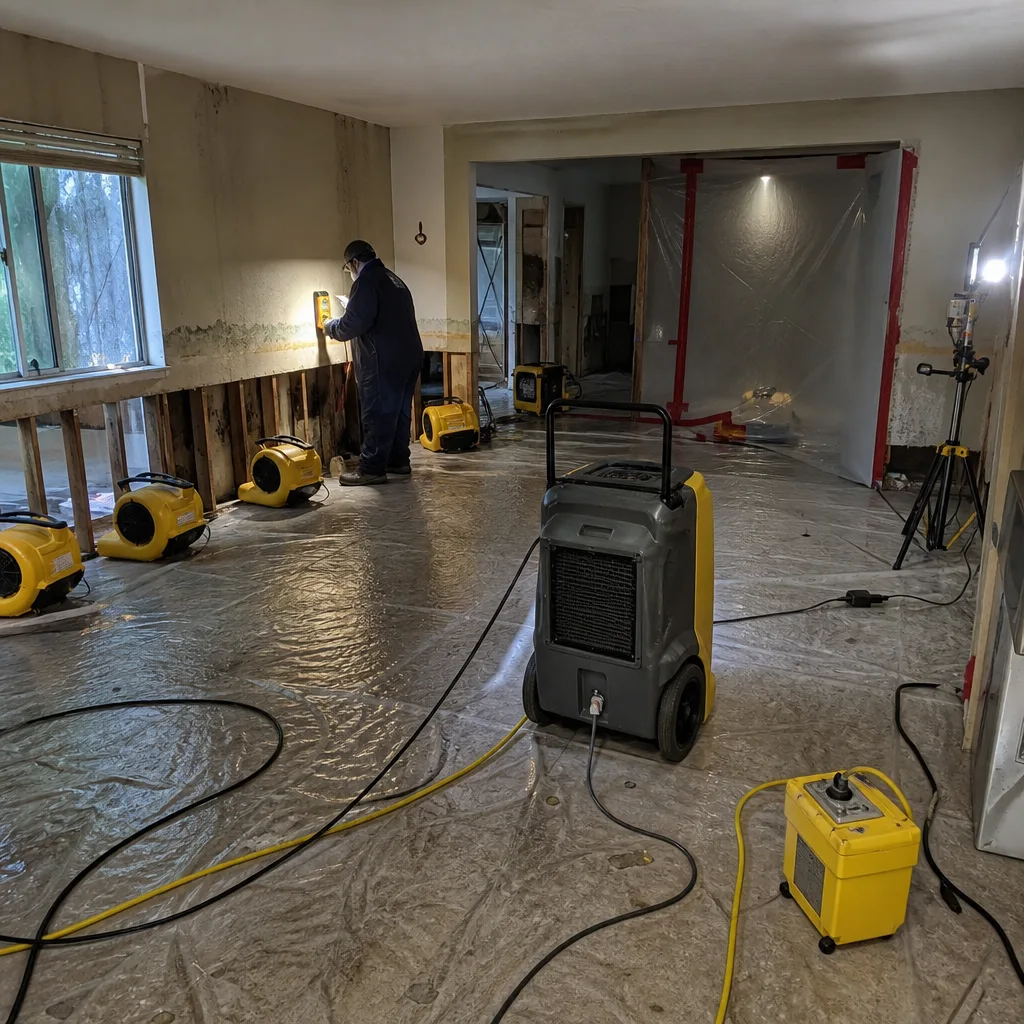
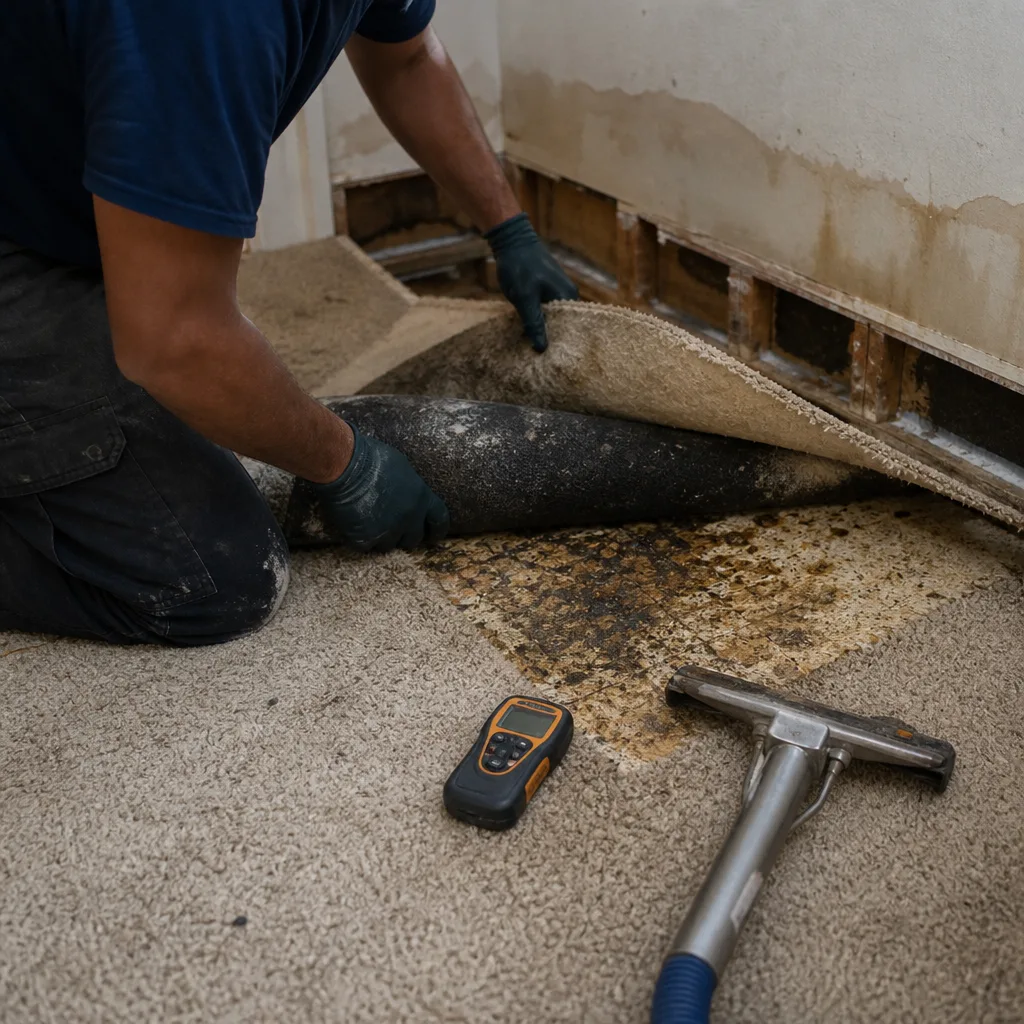
We arrive with moisture meters, thermal imaging cameras, and hygrometers to map the full extent of water migration. In San Diego’s stucco homes, we probe wall cavities at base plates and window headers where hairline cracks concentrate intrusion. You receive a written scope and price before any work starts.
2. Water Extraction & Stabilization
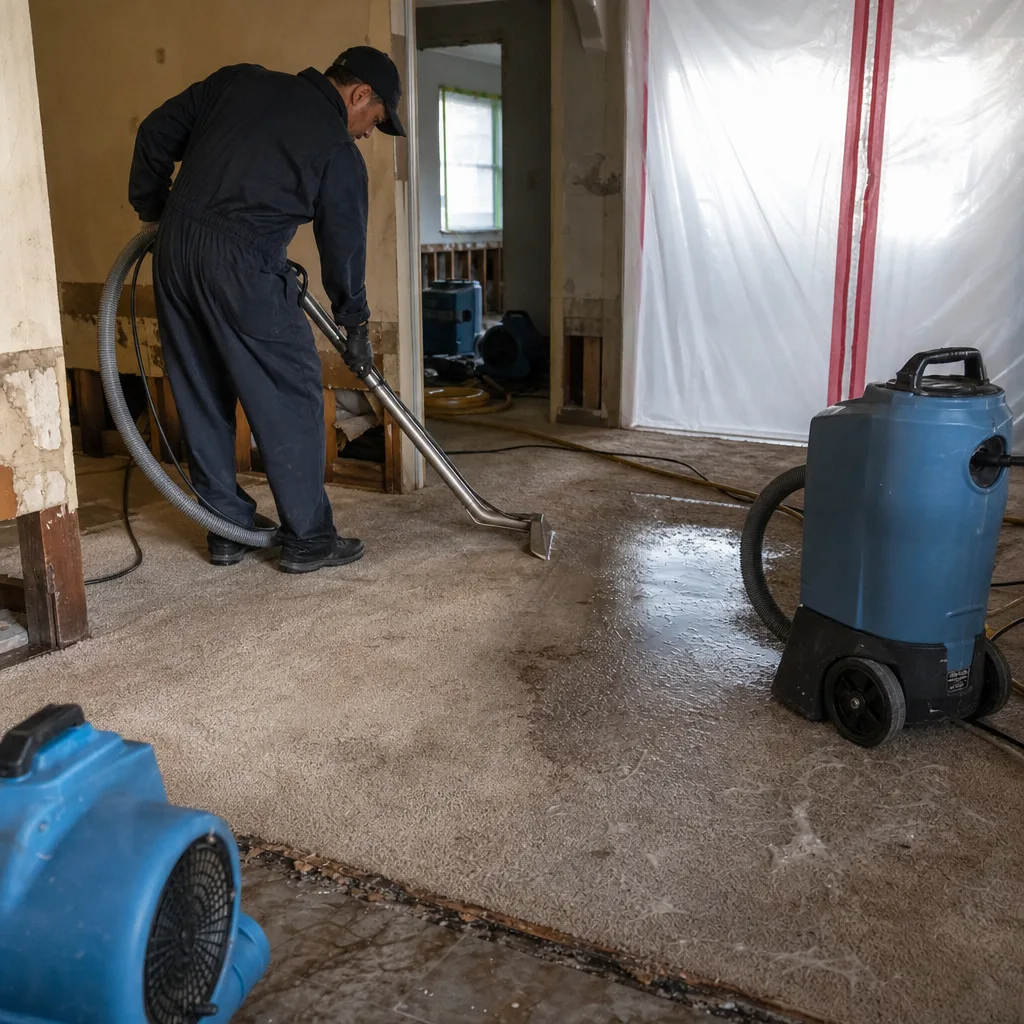
Truck-mounted extraction units remove standing water; weighted extraction tools compress carpet and pad to release trapped moisture. For Category 2 or 3 losses, we establish containment barriers and negative air pressure with HEPA-filtered air scrubbers to prevent cross-contamination.
3. Structural Drying & Dehumidification
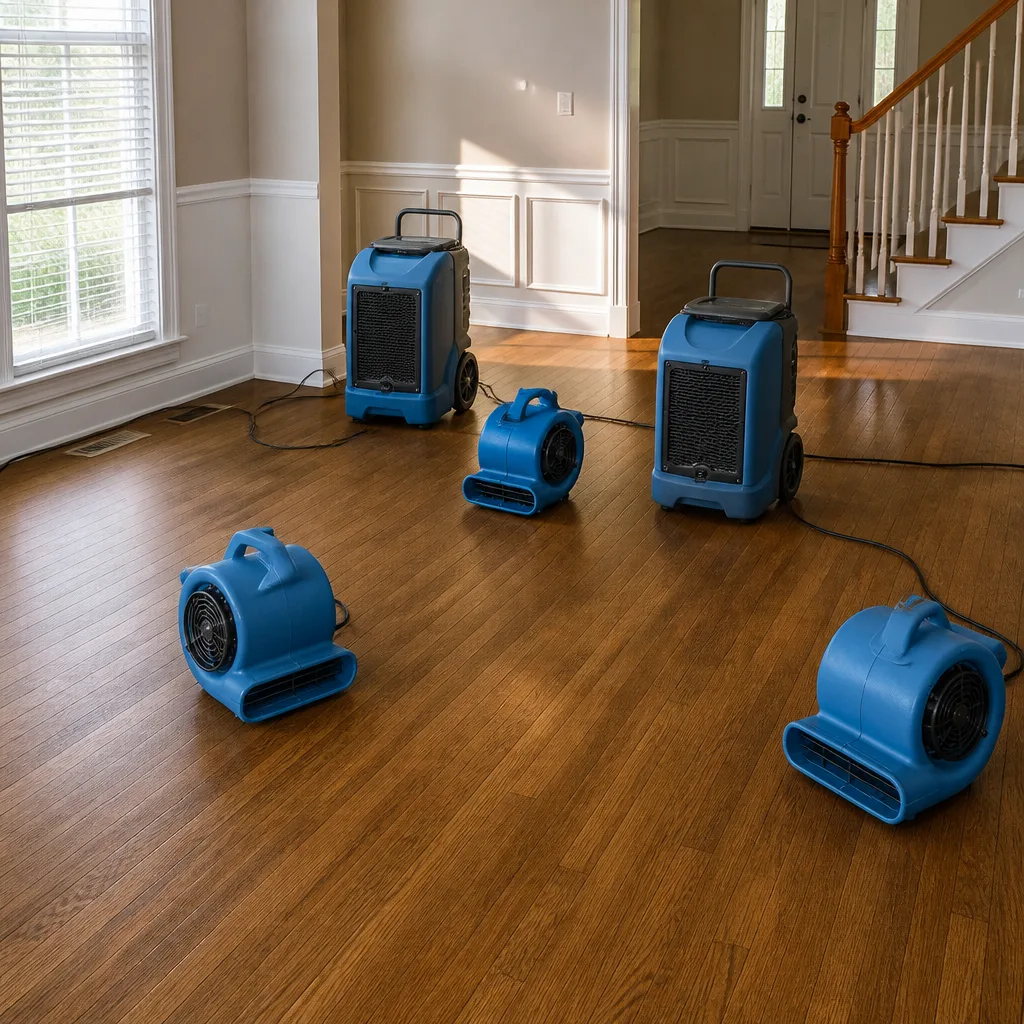
We deploy Dri-Eaz and Phoenix LGR dehumidifiers alongside Injectidry cavity-drying systems for wall voids and hardwood floors. Daily moisture logs track specific humidity, grains per pound, and material moisture content until readings return to pre-loss baselines documented to IICRC and RIA standards.
4. Cleaning & Sanitization
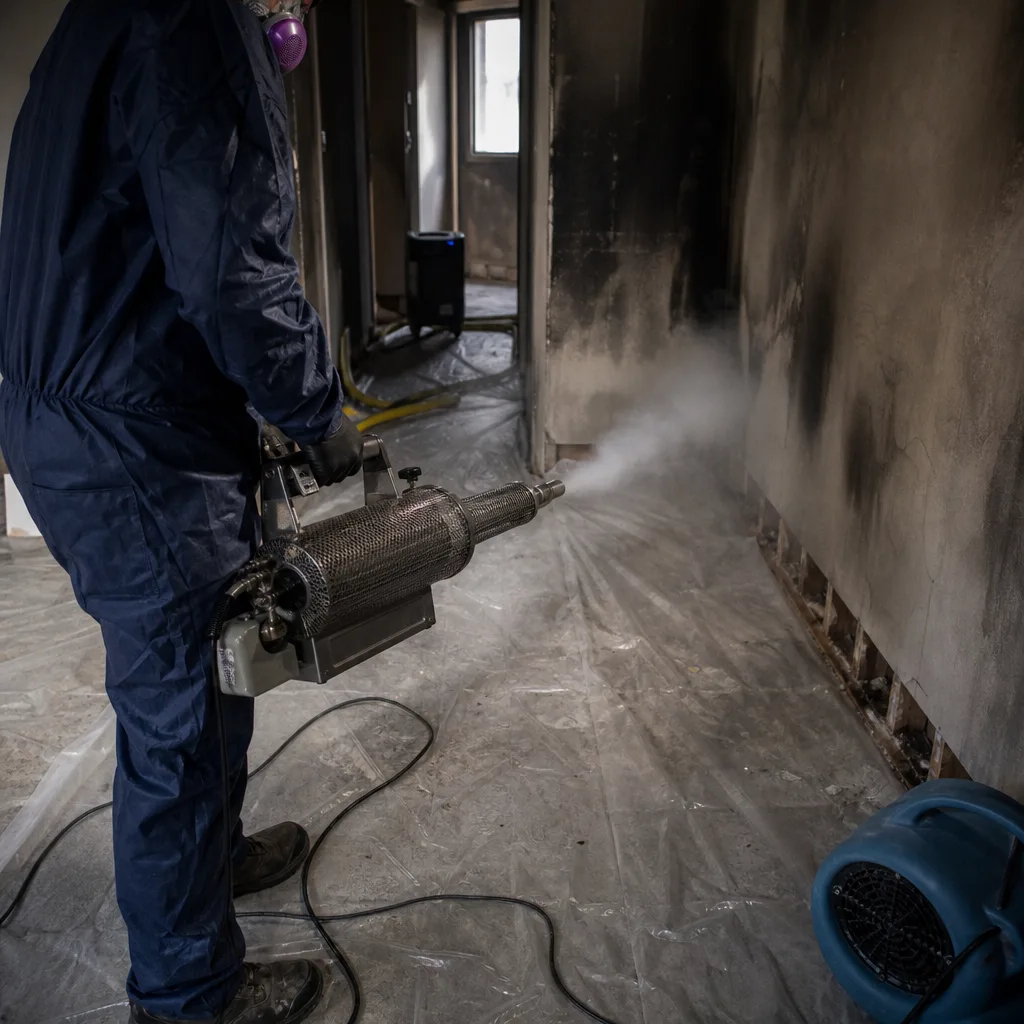
Antimicrobial application per IICRC S520 guidelines, HEPA vacuuming of all affected surfaces, and air scrubbing until particle counts meet clearance criteria. Category 3 losses receive full sewage remediation protocol with disposal of porous materials.
5. Mold Assessment & Remediation
San Diego’s marine layer sustains active mold colonies even without reported leaks. We sample cavity air and visible surfaces; if mold is present, containment and air scrubbing proceed under AMRT protocol before reconstruction begins. This step is non-negotiable in canyon-rim neighborhoods where humidity traps year-round.
6. Repairs & Restoration
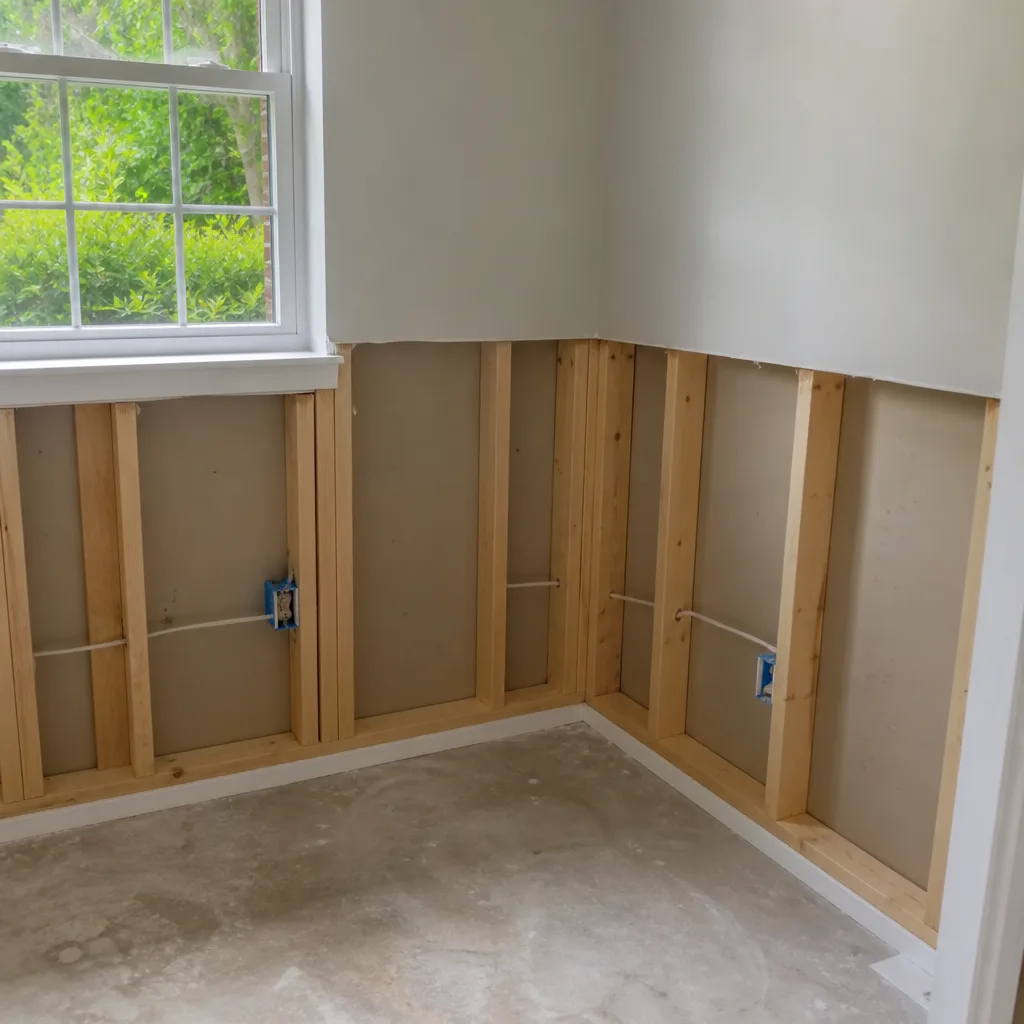
Drywall replacement, insulation installation, flooring repair, and paint finish to match existing. All work documented with photo record, drying logs, and signed 365-Day Done Right Promise under The Haven Standard. Reconstruction is scoped in writing, scheduled, and priced like a remodel - no same-day promises on rebuild work.
Need Emergency Water Damage Restoration in San Diego Now?
Crews minutes away, answering live 24 hours a day. The sooner we start, the less it costs.
Working With Your Insurance Company
Insurance claims fail on documentation gaps. We know because Alicia Brennan built this company in 2011 after watching homeowners lose legitimate claims over missing photos, incomplete moisture logs, and scopes that didn’t match the damage shown. Every DryMark Restoration San Diego job produces a claim-ready file from hour one.
Our team photographs every room, records moisture readings at each visit, maintains daily drying logs with psychrometric data, and writes line-item scopes in Xactimate format your adjuster recognizes. We coordinate directly with your carrier, attend inspections when requested, and provide the written proof that turns restoration invoices into payable claims. No charge for this documentation; it’s standard on every job.
What We Provide Your Insurer
- Thorough documentation of the loss
- Photos of all damage, room by room
- Moisture readings and drying logs
- A detailed, line-item scope of work
- Direct coordination with your carrier
Built for San Diego’s Loss Calendar
San Diego’s water damage season compresses into four intense months. From December through March, El Niño-driven storm systems deliver a year’s worth of rain in concentrated bursts. The other eight months? Near-total drought. That dry spell lulls homeowners into neglecting roof maintenance, gutter cleaning, and drainage clearance. Then the first December downpour arrives, and systems that haven’t carried water since March overflow or fail entirely.
Spanish Colonial and Mission Revival homes with tile roofs and parapeted flat sections are especially vulnerable. Their low-slope areas weren’t designed for sustained intense rainfall, only for the occasional light shower. When El Niño hits, water backs up at parapet walls, finds entry points through aged flashing, and saturates ceiling drywall and insulation before occupants notice staining. By then, the insulation is compromised and mold-friendly conditions have established.
Coastal slope homes from Point Loma to Pacific Beach face a second pattern: persistent marine layer humidity in crawl spaces and attics that sustains active mold colonies without any discrete leak event. We test for this on every water loss call because the visible damage is rarely the whole story.
Water Damage Restoration Across San Diego’s Neighborhoods
Each San Diego corridor presents distinct water damage patterns tied to its geography and building era.
In Clairemont, our crew responded to a 1958 stucco-over-wood-frame tract home where the homeowner found wet drywall after the first big December storm. We ran moisture mapping through the wall cavities, found hidden intrusion behind cracked stucco, and set up water extraction at the base plates. After structural drying and dehumidification with Dri-Eaz and Phoenix equipment, we confirmed the moisture readings returned to pre-loss condition and logged the drying data for the file.
Tierrasanta and Kensington sit along canyon rims where hillside soil expansion during wet winters generates foundation cracks and sub-slab moisture intrusion from below. Standard above-grade drying scopes miss this entirely. Our protocol includes sub-slab moisture testing and, when indicated, injection drying or crawl space dehumidification. The canyon microclimate traps humidity year-round, so mold remediation accompanies nearly every water restoration here.
Rancho Bernardo and Scripps Ranch, rebuilt after wildfire losses, feature newer construction but with a critical vulnerability: fire-resistant hardscape and reduced permeable surface area increase runoff velocity during intense rains. Water that would have absorbed into pre-fire landscaping now sheets toward foundations, overwhelming perimeter drains and producing basement and crawl space flooding that older neighborhoods rarely see.
Downtown and Hillcrest’s denser multifamily stock brings its own pattern: aging galvanized supply lines in buildings from the 1920s-1950s, shared wall assemblies where one unit’s leak propagates through three neighbors before anyone calls, and HOAs slow to approve emergency access. We coordinate directly with building management and document shared-area damage to prevent liability disputes.
Specialized Water Damage Restoration Services We Offer in San Diego
Emergency Water Extraction
Truck-mounted and portable extraction units remove standing water within hours of your call. In San Diego’s canyon-rim neighborhoods, we often extract water that has entered through foundation cracks rather than roof leaks - a different source requiring different documentation for your insurance file.
Structural Drying & Dehumidification
Our Dri-Eaz and Phoenix LGR dehumidifiers, paired with Injectidry cavity-drying systems and XPOWER air movers, achieve drying goals documented to IICRC S500. Daily moisture logs track progress; we don’t declare a job dry until readings match pre-loss baselines, not just when surfaces feel dry. In San Diego’s stucco homes, this often means 5-7 days of monitored drying rather than the 3-day quick-fix some competitors offer.
Flood Cleanup
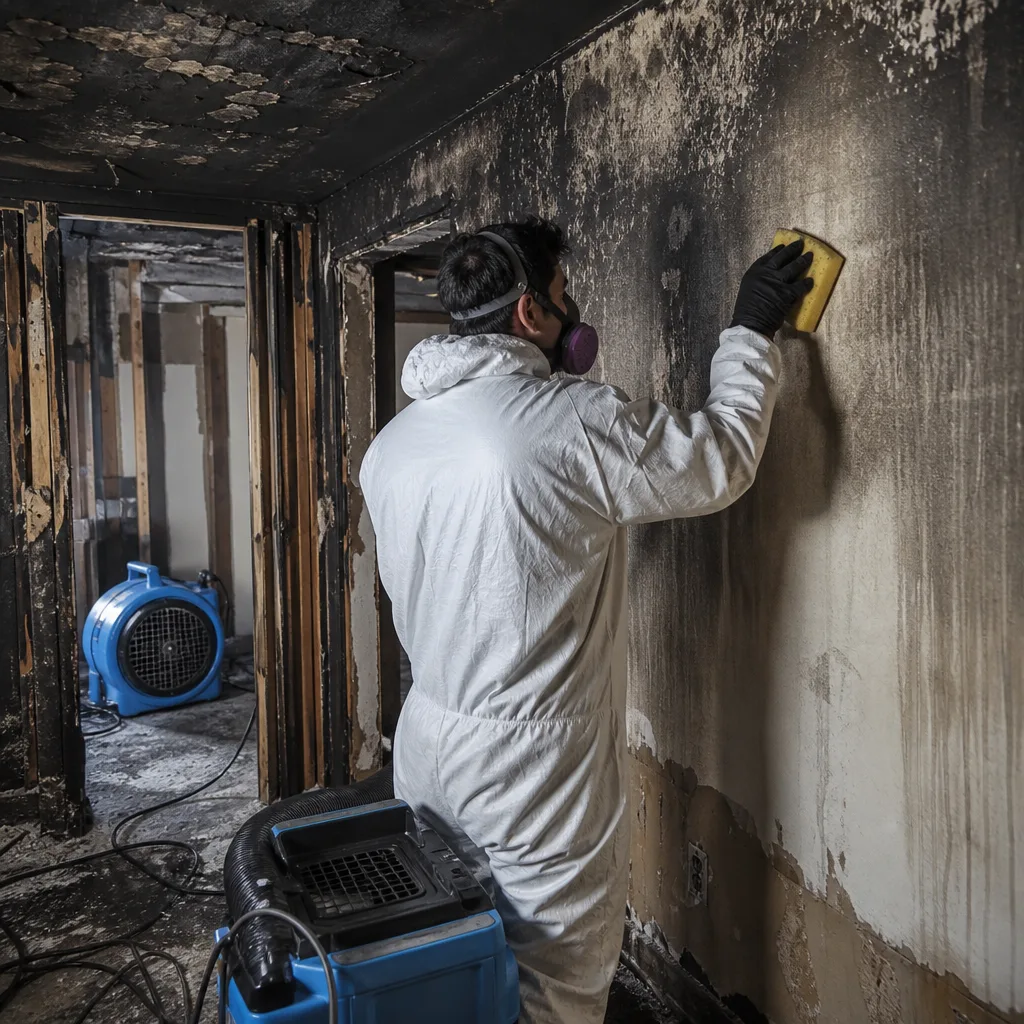
San Diego’s flash flood risk concentrates in canyon-adjacent neighborhoods and areas with hardscape-heavy recent development. Floodwater is Category 3 by definition - grossly contaminated with silt, chemicals, and biological material. Full PPE, antimicrobial treatment, and disposal of porous materials are non-negotiable. We document contamination levels with photos and lab samples when indicated for your claim.
Burst Pipe Restoration
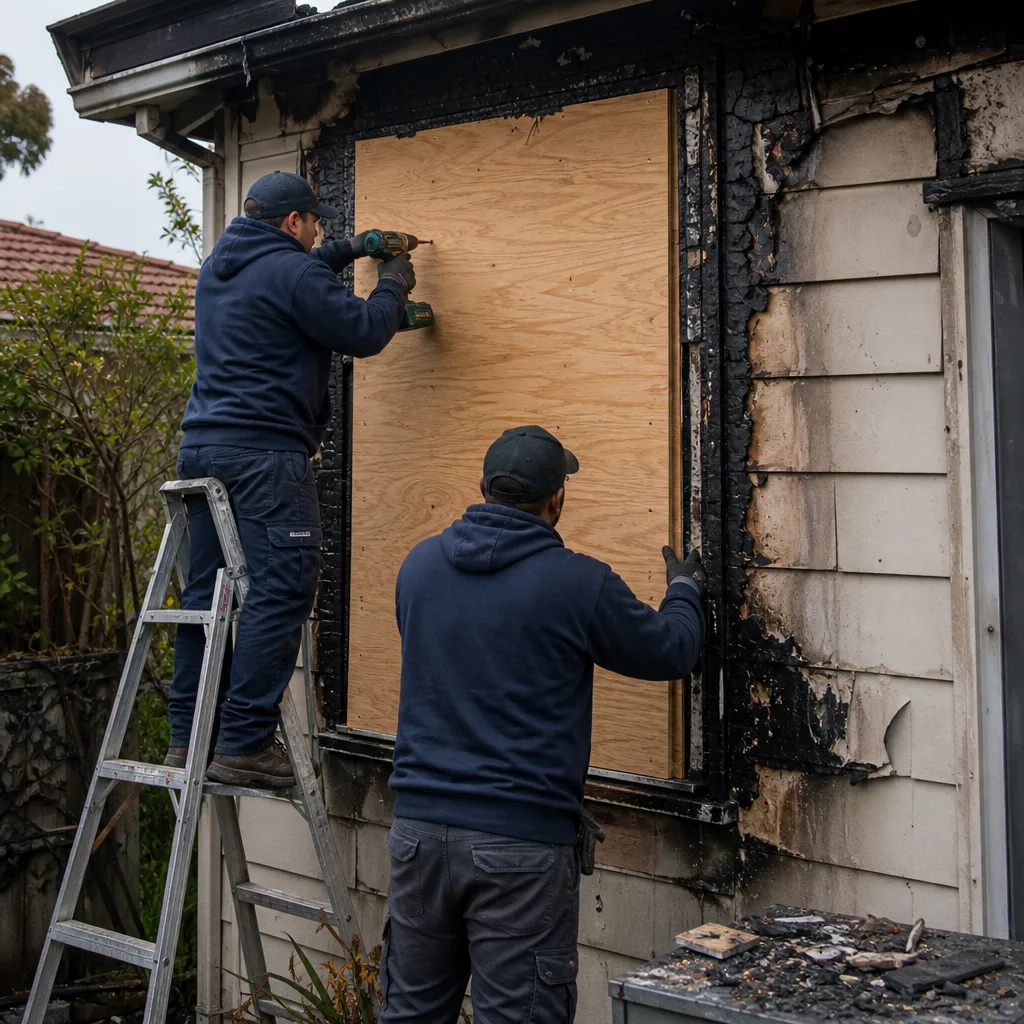
While freeze bursts are rare in San Diego, aging copper and galvanized supply lines in pre-1980 housing fail from corrosion and mineral buildup. We extract, dry, and document the line failure point for your insurance - the difference between covered sudden damage and excluded long-term leakage can hinge on our documentation.
Basement Water Removal
True basements are uncommon in San Diego, but below-grade living spaces in hillside homes function similarly. Sub-slab moisture intrusion, hydrostatic pressure, and failed perimeter drains require specialized extraction and drying protocols. We test slab moisture content and install vapor barriers where indicated.
Ceiling & Roof Leak Water Damage
Our most frequent San Diego call during wet season. Tile roof failures at parapet walls, degraded flashing at roof-to-wall intersections, and clogged valley drains send water into ceiling cavities where it pools in insulation before showing as stains. We remove saturated insulation, dry the cavity with Injectidry hose systems, and document roof repair needs for your adjuster. Quick air-mover setup without cavity access leaves moisture trapped and mold inevitable.
What happens when you call
- 1
A real person answersNo phone trees - you reach a local pro.
- 2
You get an upfront price rangeHonest numbers before anyone is dispatched.
- 3
A background-checked tech heads outLicensed & insured, dispatched right away.
- 4
You approve before work beginsNothing starts until you say go.
Water Damage Restoration Costs in San Diego, CA
San Diego water damage restoration pricing reflects local labor rates, equipment availability, and the complexity of accessing hidden moisture in stucco wall assemblies. These are actual ranges for our market:
| Service | Typical Range |
|---|---|
| Emergency water extraction (single room) | $350-$850 |
| Structural drying & dehumidification (per day) | $250-$450 |
| Cavity drying with Injectidry system | $800-$1,400 |
| Category 1 cleanup with drying (1,500 sq ft home) | $2,800-$5,500 |
| Category 2/3 cleanup with sanitization | $4,500-$9,000+ |
| Ceiling/roof leak damage repair (drywall, insulation, paint) | $1,200-$3,800 |
| Full basement/crawl space drying | $3,500-$7,500 |
What moves your price: square footage affected, water category (Category 3 requires more labor and disposal), accessibility of wall cavities, whether mold remediation is concurrent, and if reconstruction is included. Insurance typically covers sudden and accidental water damage; long-term leakage or maintenance-related issues may be excluded. We provide a written scope and price before work begins, and offer a Free Second Opinion on any competitor’s written estimate.
We Also Serve Cities Near San Diego
Our San Diego crews respond throughout the metro area and into adjacent communities: Coronado, National City, Chula Vista, and Bonita. Same documentation standards, same written-price guarantee, same live-answer dispatch.
Serving San Diego, CA - Our Local Coverage Area
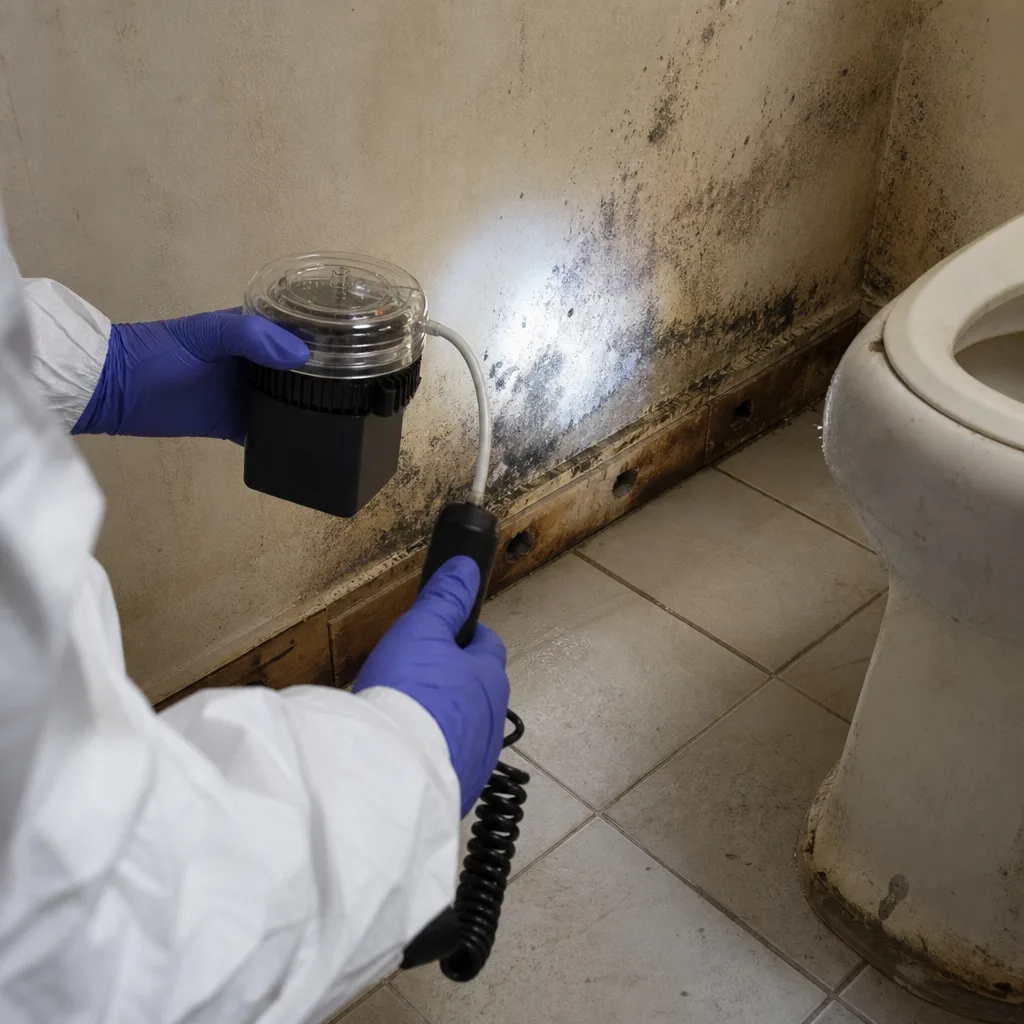
We’re based in the San Diego area and know this community well. Use the map below to see our service coverage - if you’re nearby, we can almost certainly help.
San Diego Water Damage Restoration Questions, Answered
How fast does mold grow in a San Diego home after a roof leak during the wet season?
Mold colonization begins 24-48 hours after moisture intrusion in San Diego’s typical indoor conditions, and the persistent marine layer on the coastal slope accelerates this timeline. In a wet-season roof leak, by the time you see ceiling staining, active mold growth is likely established in the insulation and upper wall cavities. We test for this on every leak call, not as an upsell but because skipping it leaves a latent problem that voids our 365-Day Done Right Promise. Call (619) 330-9541 for a free inspection with documented moisture mapping.
Why does my Clairemont stucco home keep getting hidden water damage after winter storms?
Your home’s stucco cladding has developed hairline cracks that are invisible from the ground but wide enough to admit wind-driven rain into the wall cavity. The post-WWII stucco-over-wood-frame construction in Clairemont used paper-based moisture barriers that degrade after 40-60 years, so water enters but cannot drain or dry. Moisture mapping with thermal imaging finds these pockets; surface-dry drywall often conceals wet studs and insulation. We document the full extent before proposing scope. Call (619) 330-9541 for a free visual inspection.
What is category 1, 2, or 3 water and why does it change my San Diego restoration scope?
Category 1 is clean water from a supply line; Category 2 is significantly contaminated (dishwasher, washing machine, sump pump); Category 3 is grossly contaminated sewage or floodwater. The category determines PPE requirements, antimicrobial intensity, disposal rules for porous materials, and whether your insurer requires specialized documentation. In San Diego, Category 1 water in an aging stucco home often becomes Category 2 within 24 hours as it picks up contaminants from degraded building materials. We test and document water category at arrival; if it has degraded, your scope and documentation must reflect this for claim accuracy. Call (619) 330-9541 for assessment.
Do you need to test for mold even if I haven’t had a reported leak in my San Diego home?
Yes, especially in coastal slope neighborhoods and canyon-rim communities like Tierrasanta and Kensington. San Diego’s marine layer maintains attic and crawl space humidity above 60% RH for months, which sustains active mold colonies without any discrete water event. During water restoration work, disturbing these colonies without containment spreads spores through the HVAC system. We test as standard protocol; finding nothing costs you nothing, and finding something protects your health and your claim. Call (619) 330-9541 to discuss your property’s specific risk profile.
What happens when a low-slope tile roof fails during an El Niño rain event in San Diego?
Water backs up at the parapet wall or low point, finds entry through degraded flashing or cracked mortar, and saturates ceiling drywall and insulation from above. The damage pattern is top-down and often extensive before visible staining appears. Quick air-mover setup without removing saturated insulation and accessing the cavity with Injectidry equipment leaves bound water that will produce mold within weeks. Our scope includes ceiling drywall removal, insulation disposal, cavity drying, and documented roof repair recommendations for your adjuster. Call (619) 330-9541 for emergency response during active rain events.
How fast can your crew actually get to my San Diego property?
We commit to 45-minute response across San Diego metro for emergency water losses, with crews staged for immediate dispatch. Live phone coverage 24/7 means no delay in activation. During major El Niño events, we scale crews and prioritize active water intrusion over cosmetic damage. Your call triggers immediate documentation protocol: photos begin at arrival, moisture mapping follows, and your written scope is prepared before equipment runs. Call (619) 330-9541 now if water is actively entering your structure.
Will my insurance cover water damage restoration, and how do you handle the claim?
Sudden and accidental water damage from supply line breaks, appliance failures, or storm intrusion is typically covered; long-term leakage, maintenance neglect, or flood damage from rising water may require separate flood insurance. We document the loss origin, photograph all affected areas, record moisture readings, maintain daily drying logs, and write Xactimate scopes that adjusters recognize. Direct carrier coordination is standard; we attend inspections when requested and provide supplemental documentation if the initial scope proves incomplete. Our founder’s claims background means we speak the language that gets invoices paid. Call (619) 330-9541 to discuss your specific policy and loss.
Can my family stay in the home during water damage restoration?
For Category 1 losses limited to one or two rooms, often yes, with containment barriers and air scrubbers maintaining livable conditions in unaffected areas. Category 2 or 3 losses, extensive demolition, or concurrent mold remediation typically require temporary relocation for health and safety. We tell you honestly at inspection, document this recommendation for your insurer (temporary housing is often a covered additional living expense), and coordinate containment to minimize disruption when partial occupancy is feasible. Call (619) 330-9541 to discuss your specific situation.
Water damage in San Diego doesn’t wait for business hours, and neither do we. Call (619) 330-9541 now for a free visual inspection, a written price before any work begins, and the documented restoration record that turns your claim into a paid invoice. The Haven Standard, Clause 1, applies to every job: written price, no exceptions.
Written by Alicia Brennan, Owner at DryMark Restoration San Diego, serving San Diego since 2011.
Water Damage Restoration in Nearby Areas