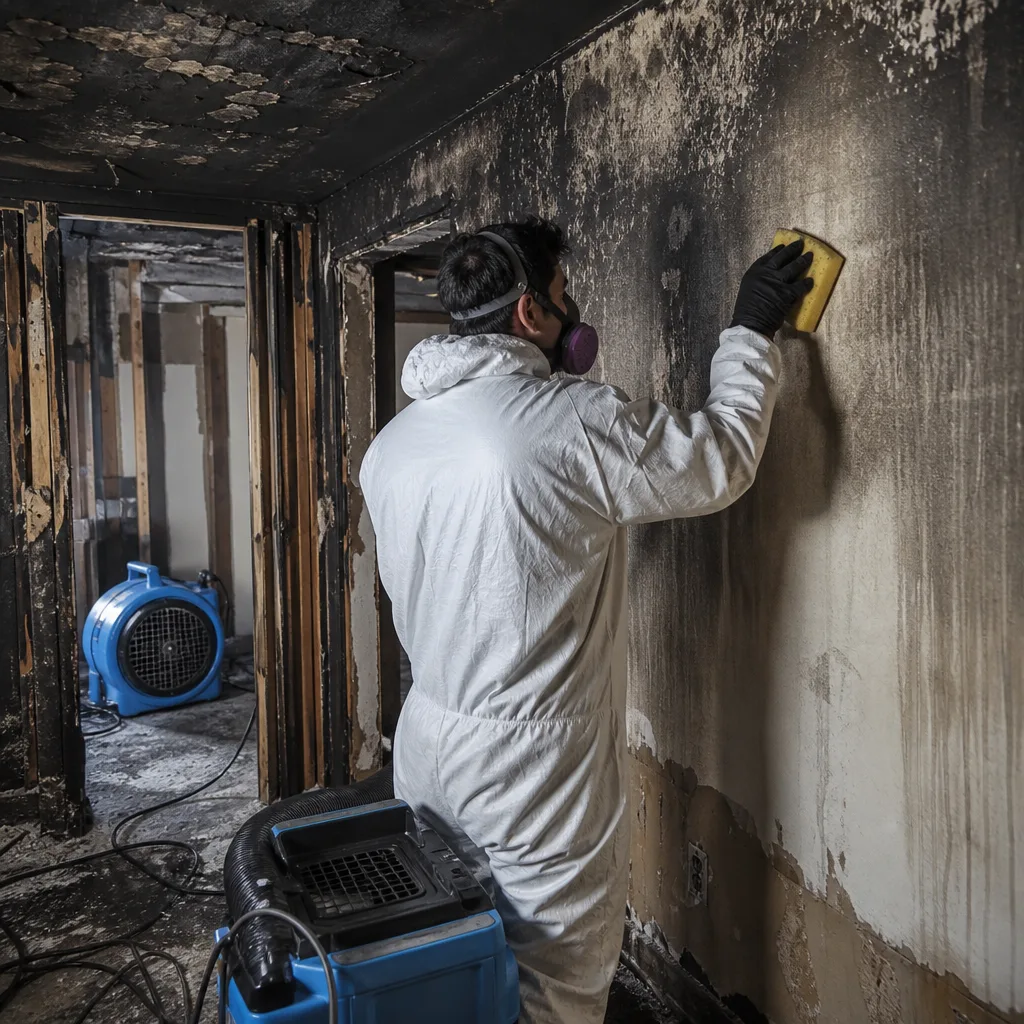
Free visual inspection and a written scope of work before any mitigation begins - photos, moisture readings, and drying logs go in your claim file
The scope we write is the scope we bill. Anything new gets shown to you, in writing, before we touch it.
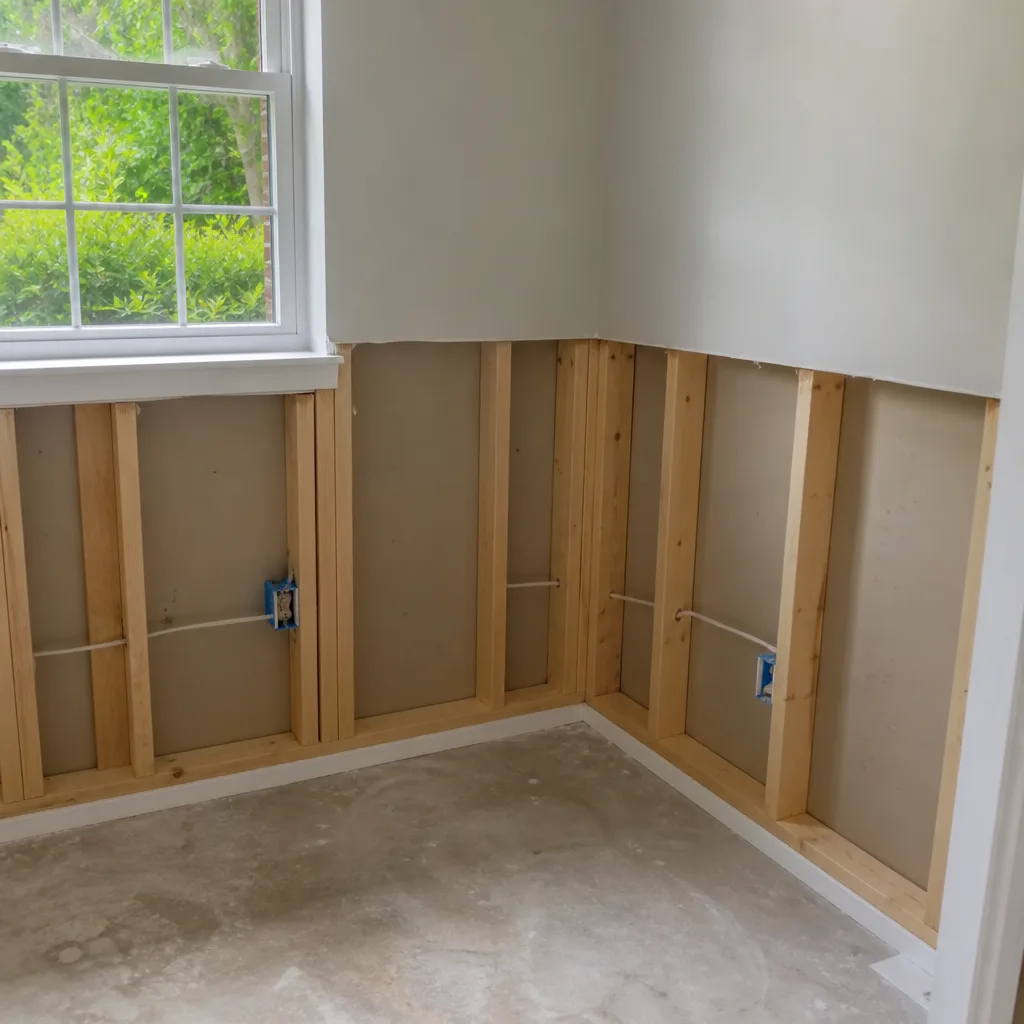
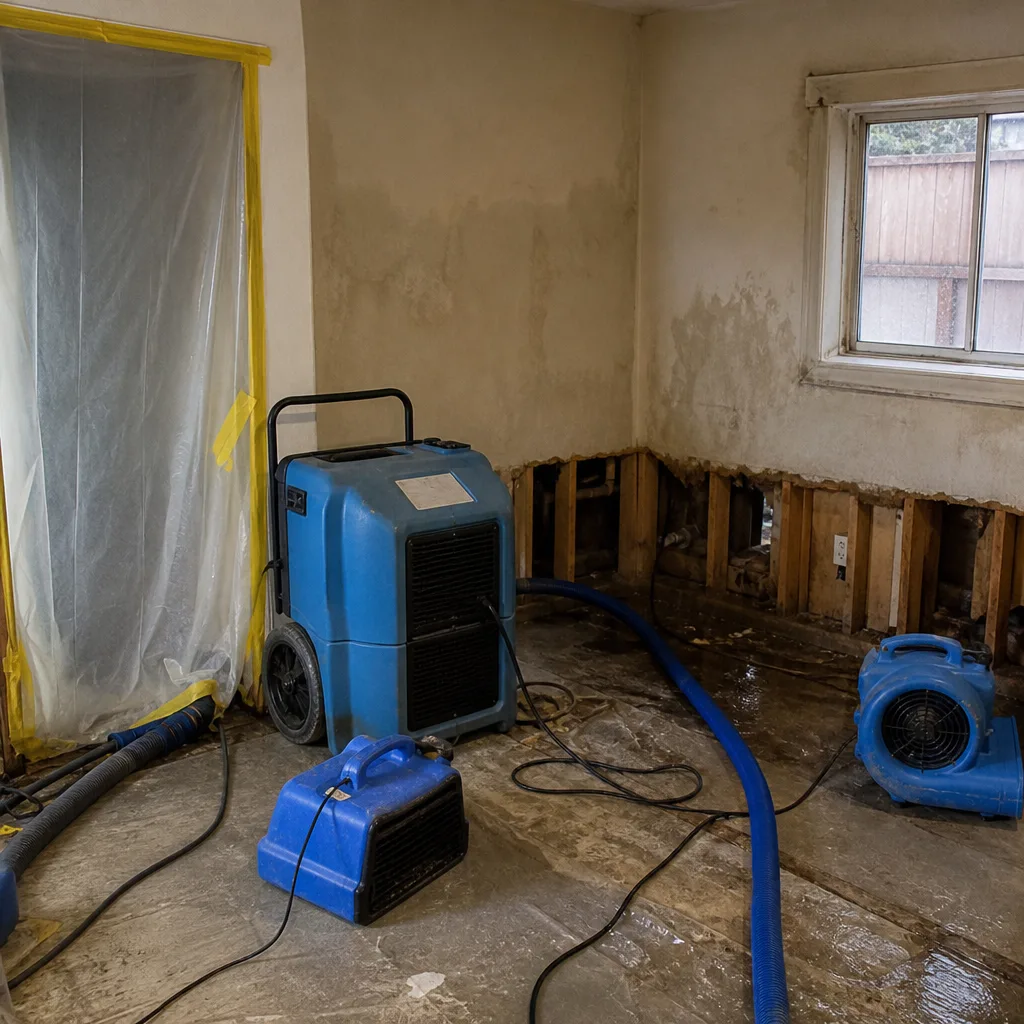 Before
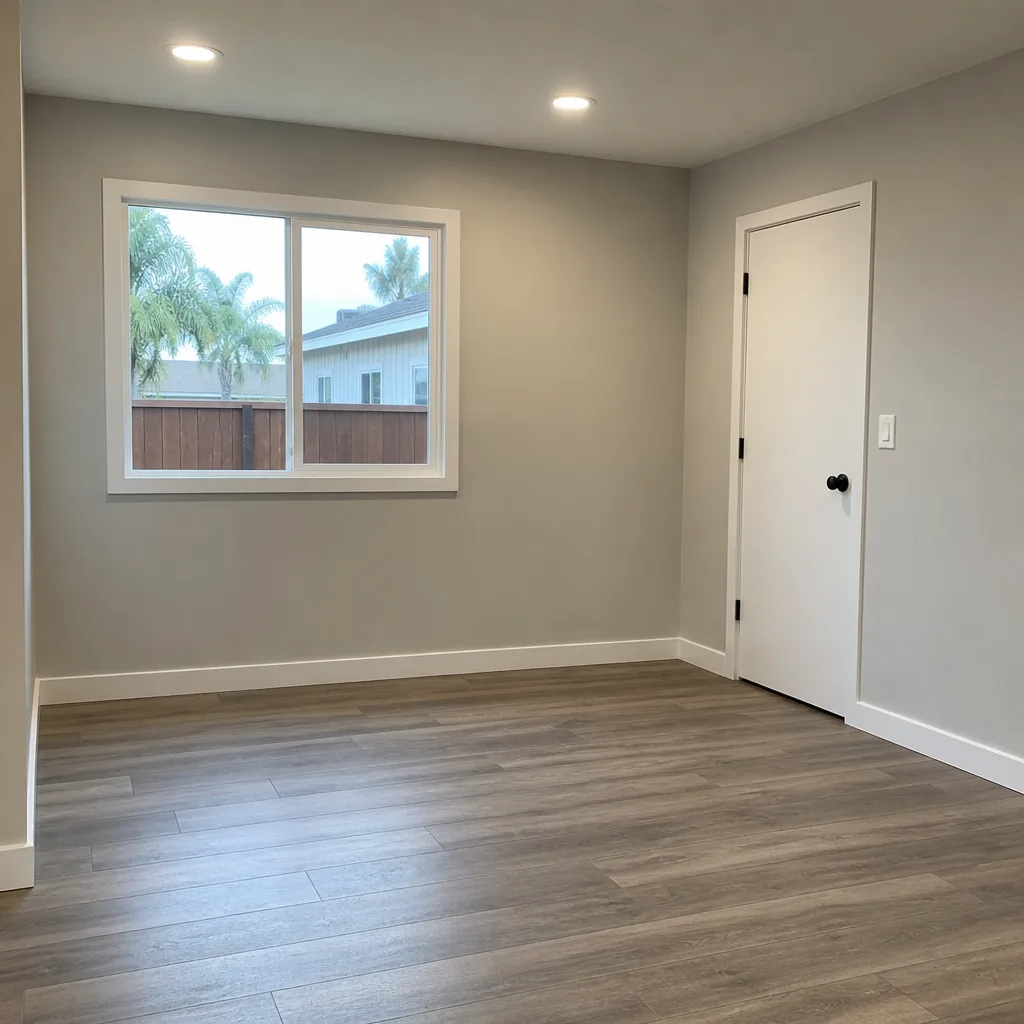 After
After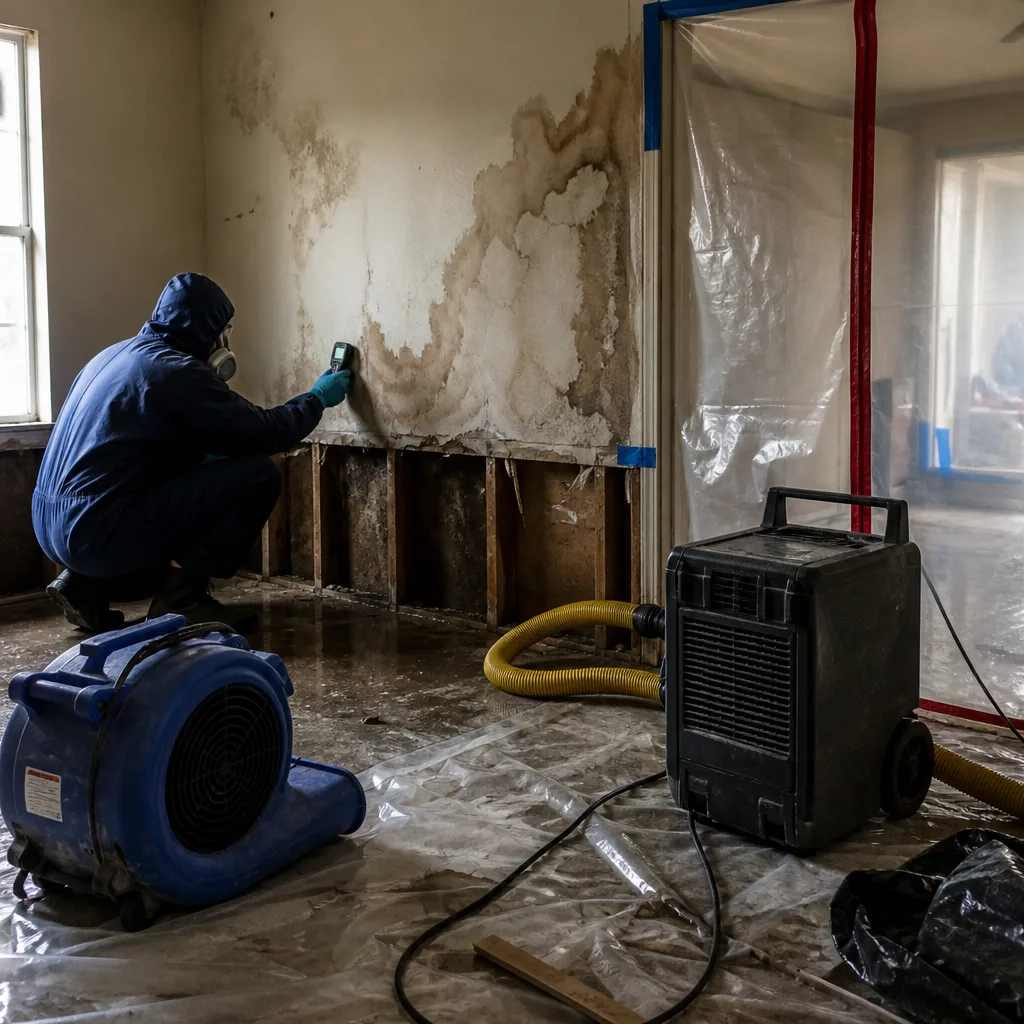 Before
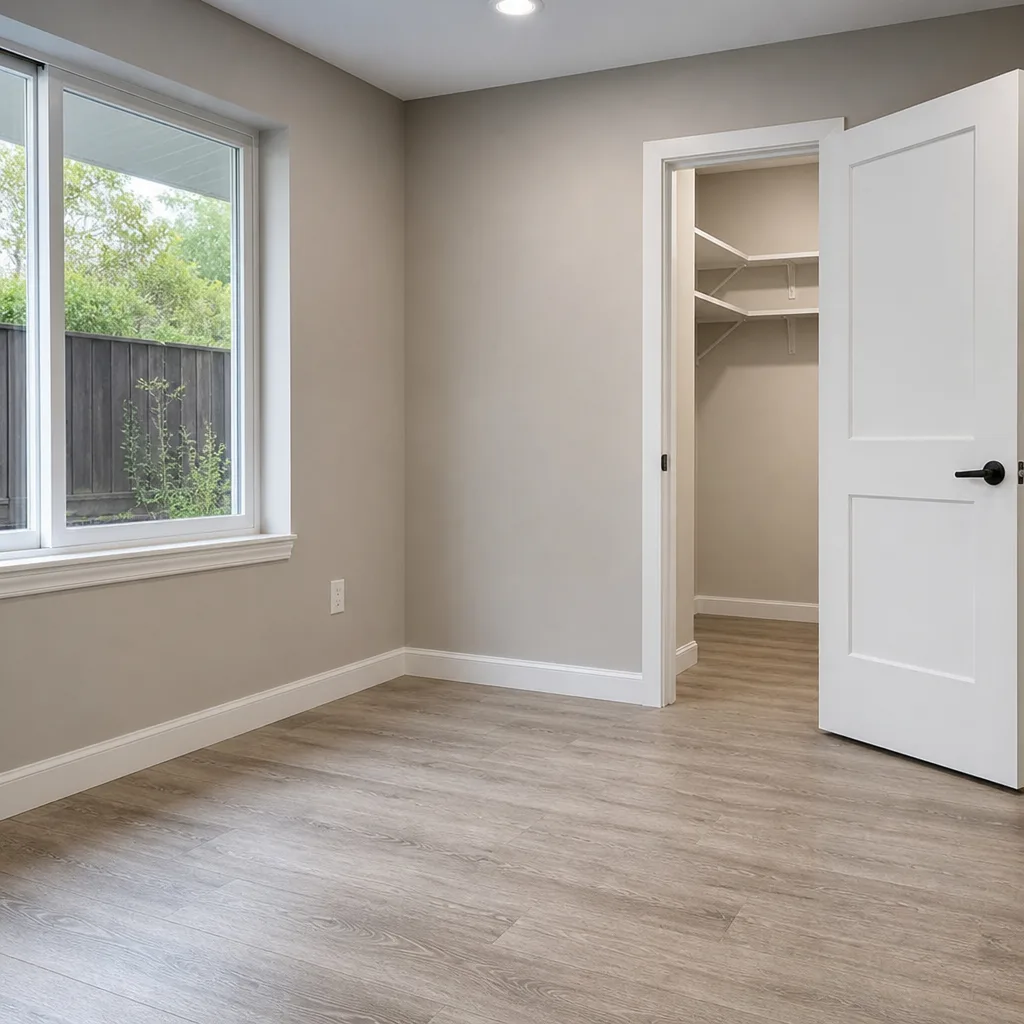 After
After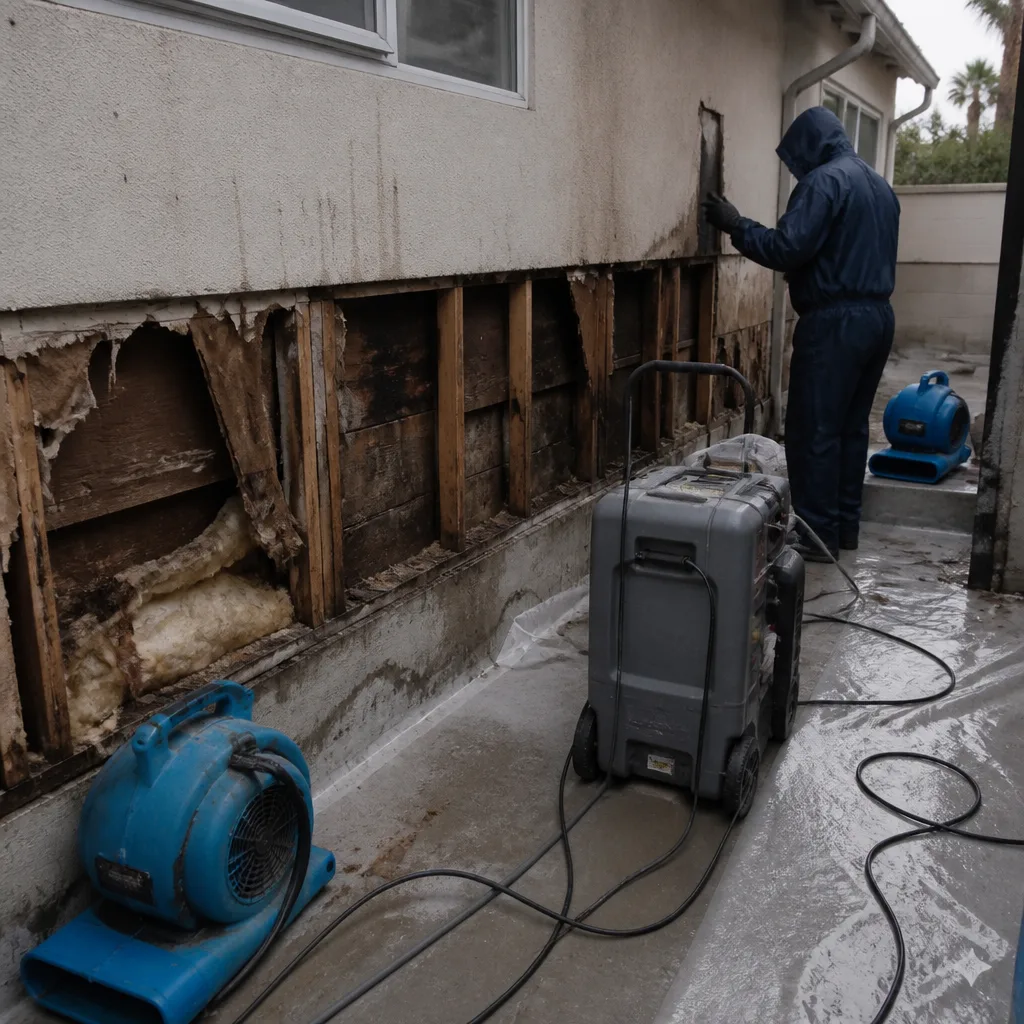 Before
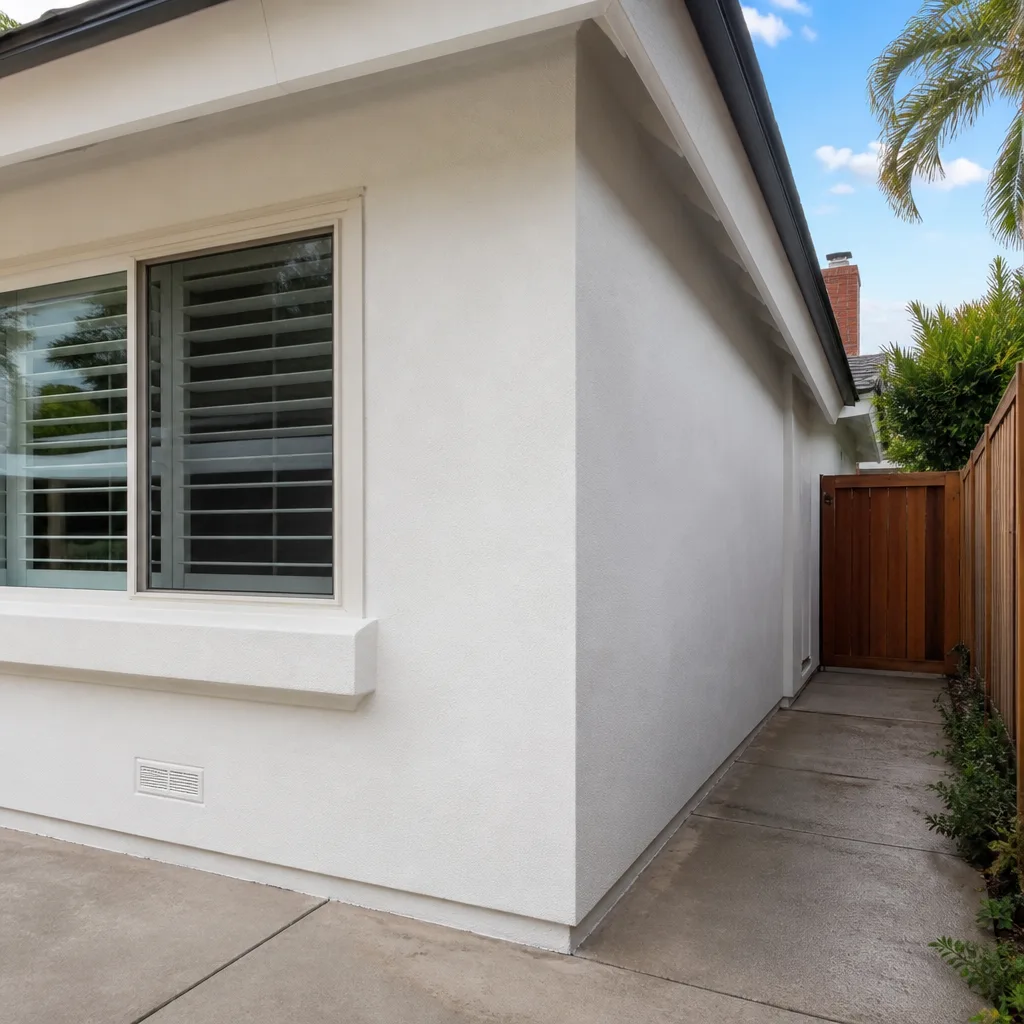 After
After24/7 Emergency Water Damage Restoration in Coronado
Water damage restoration in Coronado typically costs $2,800-$7,500 for a standard residential dry-out, with emergency extraction starting at $1,200-$2,400 and full structural drying running $180-$340 per affected room per day. Crews from our Water Damage Restoration in Coronado operation can be on-site anywhere on the island within 45 minutes when you call (619) 330-9541, and a live person answers that line at every hour - no voicemail, no callback queue while water keeps moving through your subfloor.
The first hour determines whether you’re looking at a three-day dry-out or a three-week rebuild. In Coronado’s marine environment, salt-laden air has already pre-corroded the metal fasteners and plumbing hidden behind your walls, so water intrusion finds weakened infrastructure fast. We start every emergency response with a free visual inspection, moisture mapping, and a written scope before any equipment runs - Haven Standard, Clause 1. Our dispatch and scheduling are coordinated from our San Diego office, with crews serving Coronado locally and pre-routing across the bridge to cut response time.
Understanding Water Damage Restoration Severity in Coronado Properties
Water damage breaks into three categories by contamination level, and Coronado’s coastal conditions add a fourth dimension: pre-existing infrastructure degradation from salt corrosion.
Category 1 - clean water from a supply line or faucet. Sounds simple. But in a 1930s Craftsman bungalow on C Avenue, that clean water hits original galvanized plumbing and joist hangers already thinned by galvanic corrosion. What reads as Category 1 on the surface often reveals Category 3-level structural compromise once we open the cavity.
Category 2 - gray water with chemical or biological load, typical of dishwasher or washing-machine discharge. The moisture mapping shows migration into wall cavities where humidity sits above 60 percent for days because Coronado’s marine air slows vapor pressure differential - the force that pulls moisture out of materials into the drier air stream.
Category 3 - black water: sewage, tidal surge, or storm-driven bay overwash. Low-lying parcels along the Silver Strand and the bay-facing perimeter see this during El Niño high-surf events, and FEMA flood zone designation means these losses carry specific documentation requirements for any insurance claim.
Our crews use thermal imaging, hygrometers, and psychrometric data - the measurement of temperature, humidity, and air movement that determines drying rate - to classify every affected material. Tertiary drying, the final phase where dense structural elements release bound moisture, takes 30-50 percent longer in Coronado than in inland San Diego due to persistent ambient humidity. We document every reading to IICRC S500 standards so your insurer sees why the equipment stayed longer.
Why Coronado Property Owners Choose DryMark Restoration San Diego
- 45-minute response commitment to any Coronado address, with crews pre-routing across the bridge to avoid the bottleneck that stalls unprepared contractors.
- 24/7 live answer - a real person, never an automated system or voicemail tree, because water doesn’t wait for business hours and neither do we.
- IICRC-certified crews holding WRT (Water Damage Restoration Technician) and AMRT (Applied Microbial Remediation Technician) certifications, with license numbers documented on every job file.
- Free visual inspection and moisture mapping before any equipment is deployed or any price is discussed - you know what you’re facing before committing.
- Direct insurance billing with photo-documented estimates, daily drying logs, and adjuster coordination handled by our in-house claims team.
- One team from extraction to reconstruction - no handoffs between mitigation and rebuild contractors, no gaps in documentation, no disputed scope between phases.
BeforeAfterOur Water Damage Restoration Process
1. Inspection & Assessment
We arrive with thermal imaging cameras, penetrating and non-penetrating moisture meters, and hygrometers to map every wet material. In Coronado’s older housing stock, we specifically probe for salt-corroded plumbing and fasteners that can turn a dry-out into a structural rebuild. You get a written scope and price before work starts - Haven Standard, Clause 1.
2. Water Extraction & Stabilization
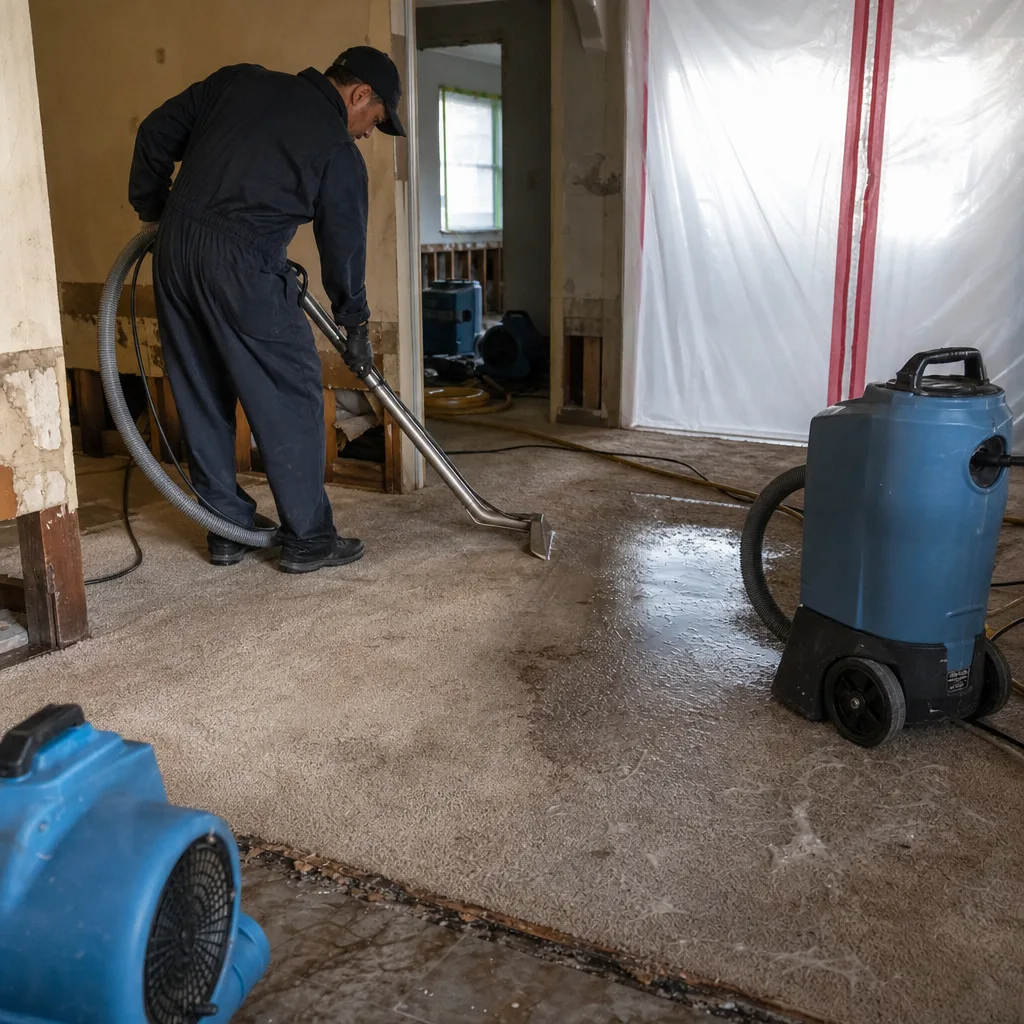
Truck-mounted extraction units pull standing water from flooring, followed by weighted extraction on carpet and pad. For hard surfaces, we deploy squeegee wands and portable extractors. On island jobs, we stage equipment and dumpster capacity before crossing the bridge so nothing waits on logistics.
3. Structural Drying & Dehumidification
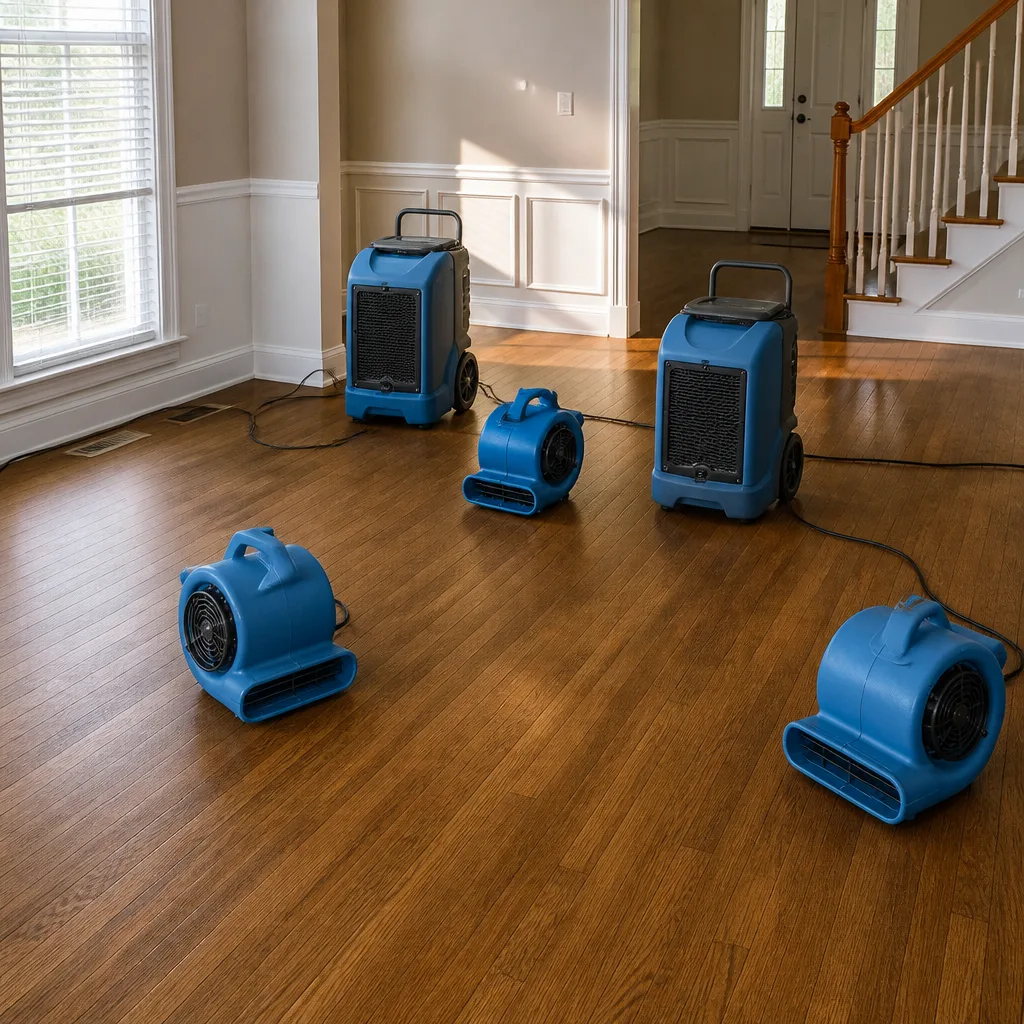
We calculate the exact cubic footage and material load, then deploy Dri-Eaz and Phoenix dehumidifiers with axial and centrifugal air movers positioned for optimal vapor pressure differential. Coronado’s marine humidity means we oversize dehumidifier capacity by 20-30 percent versus inland calculations, and we log psychrometric data twice daily.
4. Cleaning & Sanitization
All affected surfaces receive antimicrobial treatment to Category 1/2/3 protocol. HEPA air scrubbers run during this phase to capture airborne particulates. In flood zone properties, we test for bay-borne contaminants and document to IFA standards.
5. Corrosion Assessment & Specialty Treatment
This is where Coronado jobs diverge from mainland work. We inspect opened cavities for salt-corroded joist hangers, subfloor fasteners, HVAC components, and garage-door hardware - the hidden degradation that marine air causes. Galvanic corrosion between dissimilar metals is common; we document everything and build replacement into the rebuild scope, not as a surprise add-on.
6. Repairs & Restoration
Our reconstruction crew matches original materials and finishes, critical in Coronado’s historic district and architecturally significant properties. We provide a documented photo record of every phase, a signed drying log, and the 365-Day Done Right Promise under The Haven Standard.
Need Emergency Water Damage Restoration in Coronado Now?
Crews minutes away, answering live 24 hours a day. The sooner we start, the less it costs.
Working With Your Insurance Company
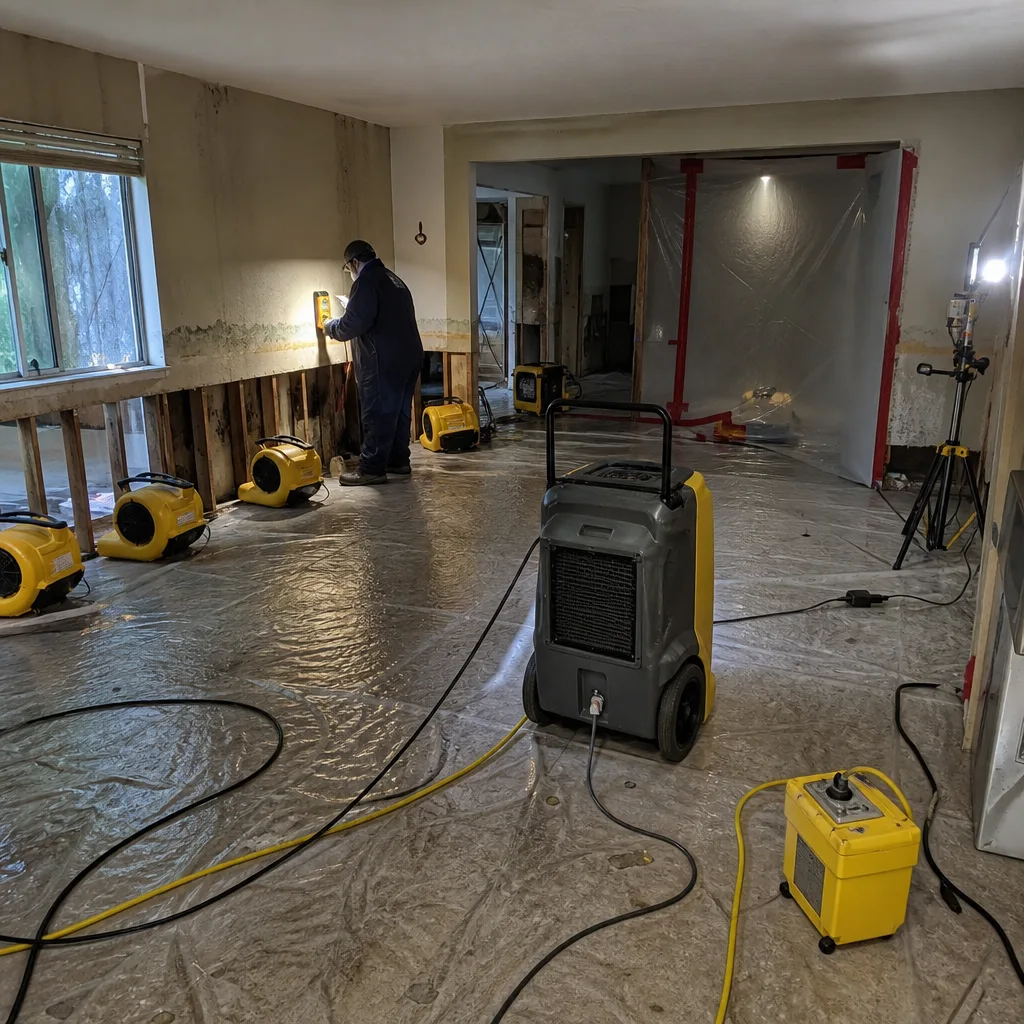
Every water damage claim lives or dies on documentation. We know this because Back to Dry Restoration was founded in 2011 by a former claims adjuster who watched homeowners lose coverage over missing photos, undocumented moisture readings, and scopes that didn’t match the estimate.
From the first hour on your Coronado property, we build a file that an adjuster can pay without a fight. Our estimates follow industry-standard Xactimate pricing. We speak directly with your carrier, provide line-item scopes, and flag any coverage issues before they become disputes. The photo record, drying log, and written scope are standard deliverables on every job - never upsells.
What We Provide Your Insurer
- Thorough documentation of the loss
- Photos of all damage, room by room
- Moisture readings and drying logs
- A detailed, line-item scope of work
- Direct coordination with your carrier
Built for Coronado’s Loss Calendar
January through March brings the heaviest rain months, with saturated ground and aging roof systems on 1920s-1950s housing stock yielding ceiling and roof leak water damage throughout the Coronado Cays and the village core. Galvanized plumbing in these decades of construction fatigues in cooler temperatures, and burst pipe restoration calls spike when nighttime lows dip into the 40s.
April through June shifts to supply-line failures and appliance ruptures as properties reopen after seasonal absence. The marine layer keeps humidity elevated, so any delay in detection turns Category 1 into Category 2 with microbial growth.
July through September is peak El Niño watch: high surf events drive tidal overwash onto Silver Strand properties in FEMA flood zones, and storm-driven bay water pushes into low-lying perimeter structures. These are Category 3 losses with specific documentation requirements.
October through December sees the highest concentration of “discovered” losses - homeowners returning to seasonal properties find slow leaks that have run for weeks, with mold colonization well past the 24-to-48-hour window. The salt-corroded infrastructure we find in these jobs is consistently worse than mainland equivalents of the same age.
Water Damage Restoration Across Coronado’s Neighborhoods
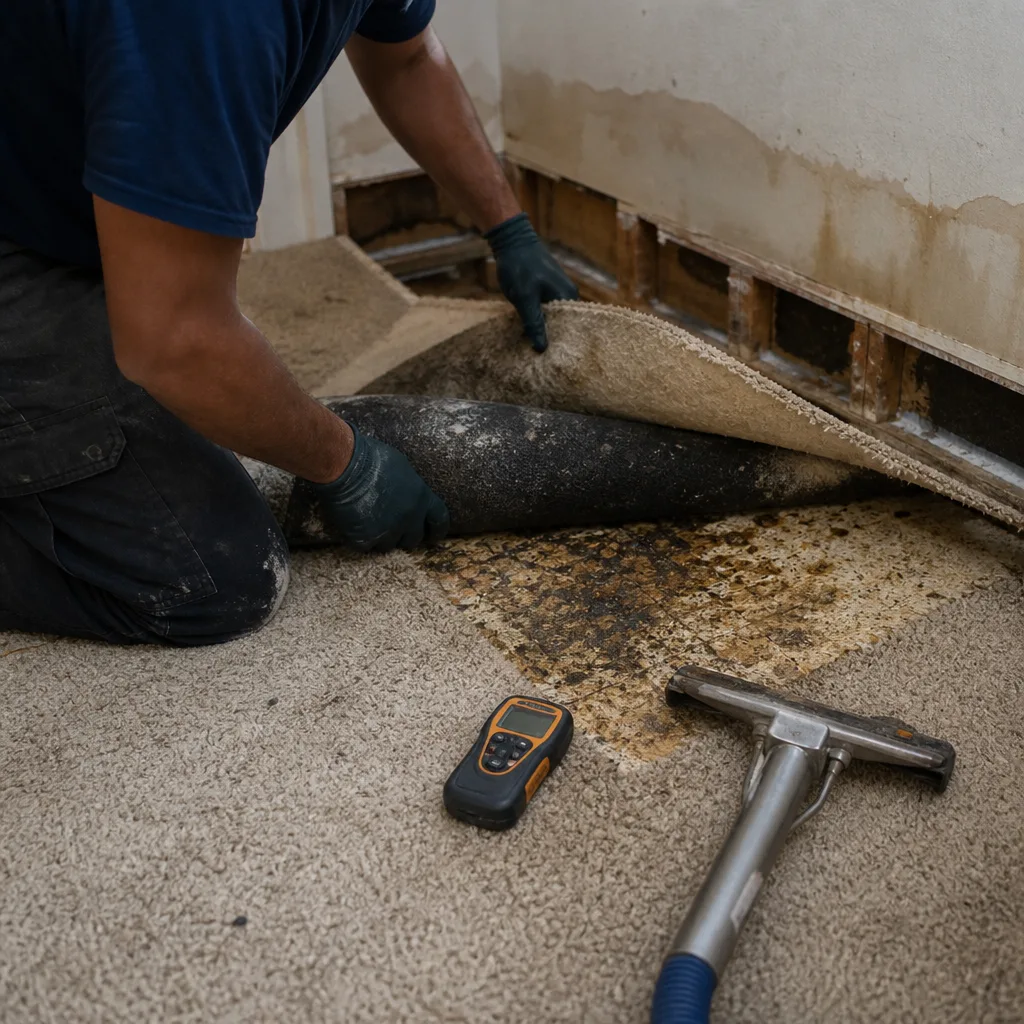
The Village and Historic District - surrounding the Hotel del Coronado, these blocks hold the island’s densest concentration of 1920s-1940s Spanish Colonial Revival and Craftsman bungalows. Original plaster, hardwood, and clay tile demand material-matched restoration, not contractor-grade swaps. We regularly find knob-and-tube remnants and early galvanized supply lines behind walls. Response routes from the bridge land us on Orange Avenue; we stage equipment on-site to avoid the narrow street parking that snags unprepared crews.
Coronado Cays - the waterfront condominium and townhouse community on the bay side. Multi-story buildings with shared walls mean water migration travels vertically through slab penetrations and chase walls. We coordinate with HOA management on access and document common-area damage separately from unit-specific scope. The Cays see the highest rate of seasonal-absence discoveries: a failed ice maker line runs for two weeks before anyone walks in.
Silver Strand - the narrow western corridor with beachfront and bayside properties, many at or below sea level. FEMA flood zone designation here is real, and El Niño high-surf events drive recurring tidal overwash damage. The soil is sandy and poorly draining, so slab-seepage after any significant water event is common. We deploy sub-slab extraction and specialized dehumidification in these properties.
Bayside streets near the Coronado Yacht Club - older cottages on compact lots with minimal setback. On a recent job here, a supply-line failure sent us into a 1940s Spanish Colonial Revival cottage where moisture mapping showed saturated original flooring, and when we opened the wall cavity we found joist hangers and subfloor fasteners already consumed by galvanic and salt corrosion - a partial structural rebuild the owner never expected from a “dry-out.” We set containment and air movers, ran structural drying and dehumidification on Dri-Eaz and Phoenix equipment with daily drying logs, applied antimicrobial treatment to the opened framing, and because the island’s only high-capacity access is the Coronado Bridge, we pre-routed our staging and dumpster drop before the crew rolled.
Specialized Water Damage Restoration Services We Offer in Coronado
Emergency Water Extraction
Standing water doesn’t wait. Our truck-mounted extraction systems pull thousands of gallons per hour, with portable units for multi-story Coronado Cays buildings where truck access is limited. We extract carpet, pad, and hard surfaces, then move immediately to stabilization. In Coronado’s humid air, every minute of standing water extends drying time and corrosion exposure.
Structural Drying & Dehumidification
This is where Coronado jobs differ most from mainland San Diego. Persistent marine humidity keeps ambient vapor pressure high, so moisture in your walls and subfloor has nowhere to go without aggressive mechanical dehumidification. We oversize Phoenix and Dri-Eaz dehumidifier capacity, run air movers on calculated intervals, and log psychrometric data twice daily. Tertiary drying - the slow release of bound moisture from dense framing - can run 5-8 days versus 3-5 inland. Pull equipment early and mold colonizes inside the cavity.
Flood Cleanup
Silver Strand and bayside perimeter properties in FEMA flood zones face tidal surge and storm-driven overwash, especially during El Niño cycles. These are Category 3 losses requiring full PPE, antimicrobial protocol, and documentation to IFA standards for insurance compliance. We handle bay-borne contaminant testing, debris removal, and coordination with flood insurance adjusters.
Burst Pipe Restoration
Coronado’s aging galvanized plumbing, pre-corroded by decades of salt air, fails catastrophically when stressed by temperature shift or pressure spike. We don’t just dry the damage; we locate the failure point, document corrosion extent, and build replacement scope into the rebuild. A burst pipe in a 1930s bungalow on I Avenue almost always reveals systemic plumbing degradation that a patch won’t fix.
Basement Water Removal
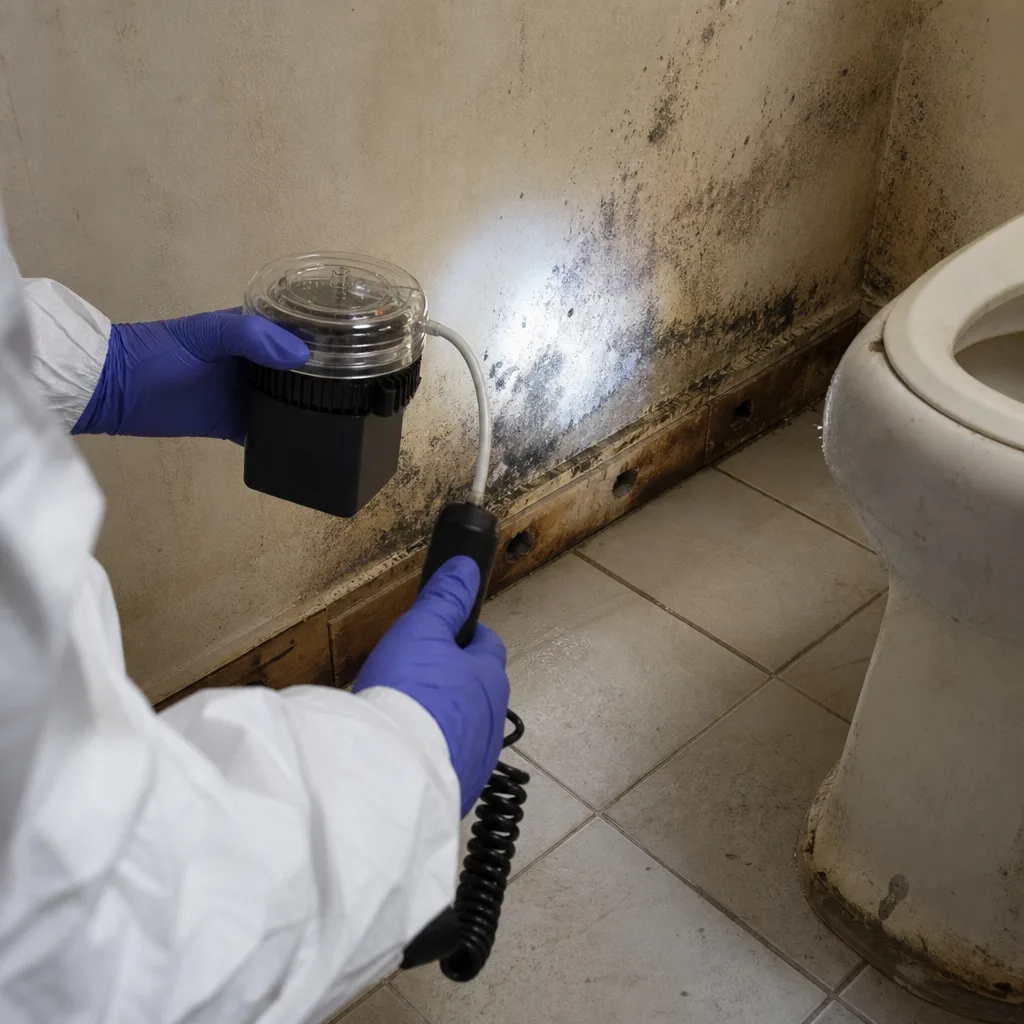
True basements are rare in Coronado’s coastal construction, but lower-level units in the Cays and below-grade spaces on the Silver Strand see slab seepage and hydrostatic pressure. We deploy submersible pumps, wet/dry extraction, and sub-slab depressurization where needed. The sandy, low-permeability soil here means water sits against foundations longer than in clay-based inland areas.
Ceiling & Roof Leak Water Damage
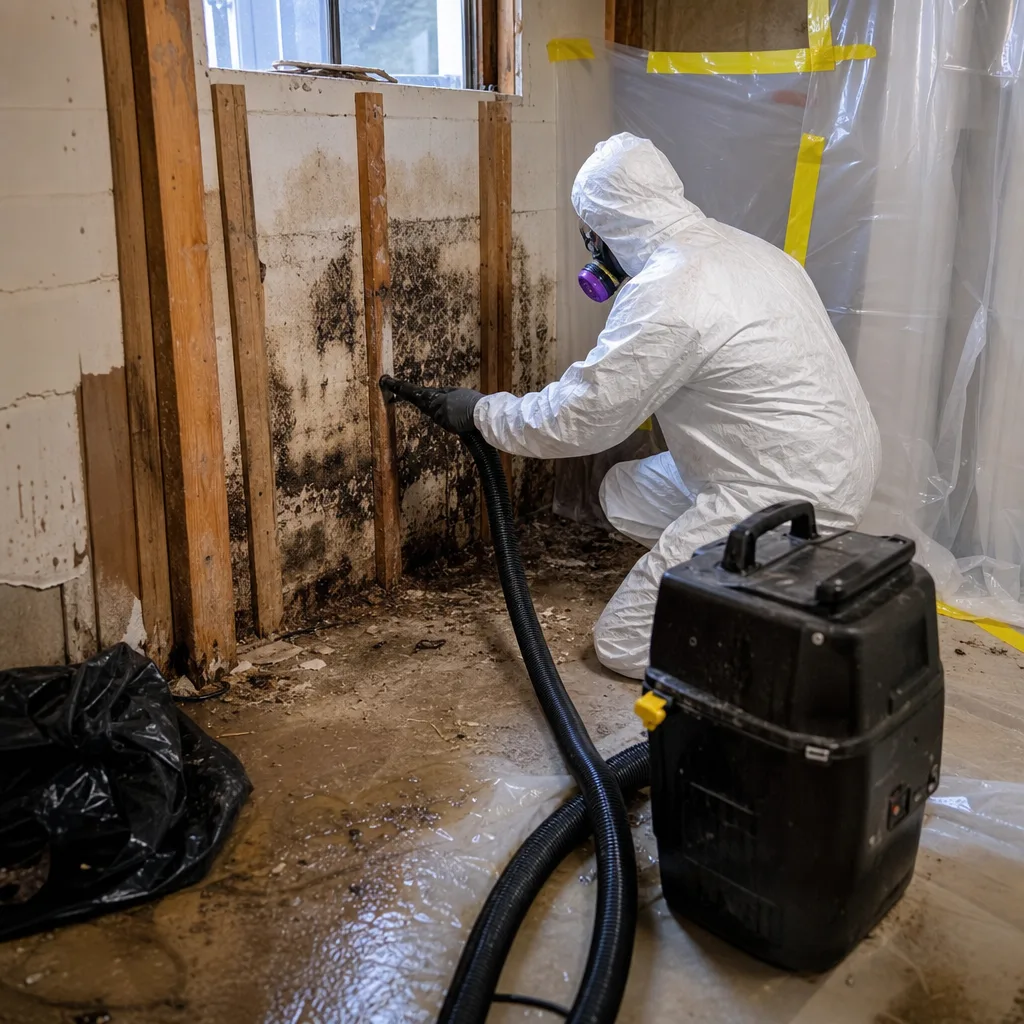
Flat and low-slope roofs on mid-century infill properties pool water during winter rain events. Original red clay tile on Spanish Colonial Revival homes cracks and displaces. We trace leak paths with thermal imaging, document roof system condition for your insurer, and dry affected plaster or drywall with contained air movement to prevent secondary damage to ornamental finishes.
What happens when you call
- 1
A real person answersNo phone trees - you reach a local pro.
- 2
You get an upfront price rangeHonest numbers before anyone is dispatched.
- 3
A background-checked tech heads outLicensed & insured, dispatched right away.
- 4
You approve before work beginsNothing starts until you say go.
Water Damage Restoration Costs in Coronado, CA
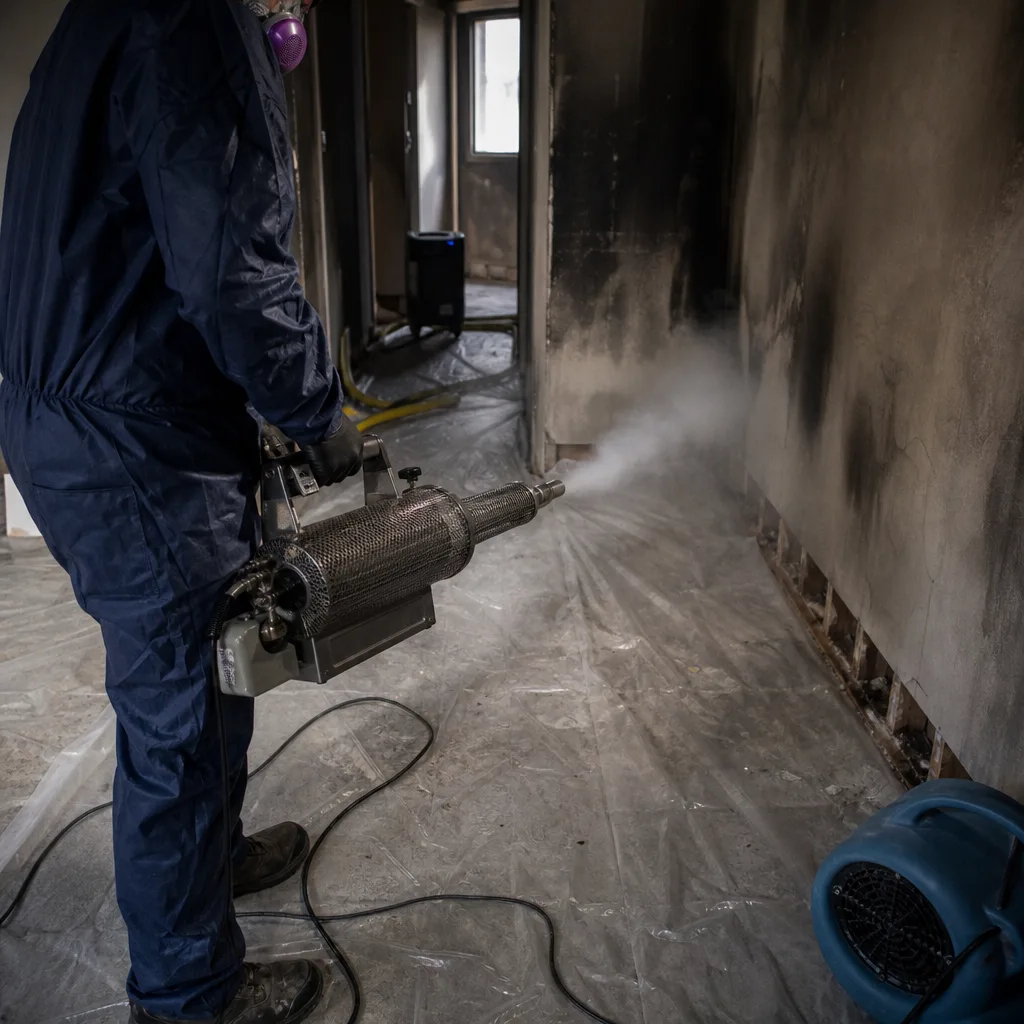
Here’s what we see on actual Coronado jobs, with prices reflecting the island’s specific conditions - longer drying times, corrosion-related rebuild scope, and bridge-access logistics.
| Service | Typical Range in Coronado |
|---|---|
| Emergency water extraction (up to 2,500 sq ft) | $1,200 - $2,400 |
| Structural drying & dehumidification (per room/day) | $180 - $340 |
| Full residential dry-out (Category 1, 1,500-2,500 sq ft) | $2,800 - $5,200 |
| Category 2-3 loss with contamination protocol | $4,500 - $7,500 |
| Corrosion-related structural rebuild (partial, per occurrence) | $3,200 - $8,000+ |
| Flood cleanup (Silver Strand/bayside, tidal surge) | $5,500 - $12,000 |
What moves the price: category of water, square footage affected, material type (hardwood and plaster cost more to dry and restore than carpet and drywall), and whether we find pre-existing salt corrosion requiring rebuild. Insurance typically covers sudden and accidental water damage; slow leaks and maintenance-related failures may be excluded. We review your policy, document the loss cause, and coordinate with your adjuster. Every job starts with a free visual inspection and written scope - no estimate-by-phone, no price revealed only after work begins. Call (619) 330-9541 for your exact quote.
We Also Serve Cities Near Coronado
Our Water Damage Restoration crews respond throughout the metro area, including San Diego proper across the bridge, National City to the southeast, Chula Vista for South Bay properties, and Bonita for eastern canyon and hillside homes. Each market has distinct building stock, climate exposure, and loss patterns; we adjust our drying calculations and corrosion assessments accordingly.
Serving Coronado, CA - Our Local Coverage Area
We’re based in the Coronado area and know this community well. Use the map below to see our service coverage - if you’re nearby, we can almost certainly help.
Coronado Water Damage Restoration Questions, Answered
Why does water damage take longer to dry in Coronado than in mainland San Diego?
Coronado’s persistent marine humidity keeps ambient vapor pressure high, so moisture in walls and subfloors releases more slowly into the air stream. We oversize dehumidifier capacity by 20-30 percent and extend equipment run times, with daily psychrometric logging to prove when materials actually reach dry standard, not just when they feel dry. Call (619) 330-9541 for a moisture assessment - estimates are free.
What hidden damage do you find behind Coronado walls that inland crews don’t?
Galvanic and salt corrosion of joist hangers, subfloor fasteners, HVAC sheet-metal, and plumbing - damage that marine air causes years before any water event. Inland crews open a cavity, see dry framing, and close it up. We inspect every opened wall for corrosion degradation and build replacement into the scope upfront. Call (619) 330-9541 for a free inspection with full cavity assessment.
How do tide and surf events affect flood cleanup on the Silver Strand?
El Niño high-surf and spring tide combinations drive bay water and wave overwash into FEMA flood zone properties, delivering Category 3 black water with bay-borne contaminants. These losses require full PPE, antimicrobial protocol, debris removal, and IFA-standard documentation for flood insurance compliance. We test for contaminants and coordinate directly with flood adjusters. Call (619) 330-9541 - we handle the documentation burden.
Does the Coronado Bridge actually affect how fast you can respond to a water emergency?
Yes. The bridge is the island’s sole high-capacity access point, and the Silver Strand corridor is narrow. Unprepared contractors hit bottlenecks with equipment trailers and dumpster trucks. We pre-route all staging, coordinate drop timing, and maintain dedicated Coronado response kits on the San Diego side ready to roll. Our 45-minute commitment accounts for bridge transit. Call (619) 330-9541 - we’re already planning the route.
What do you do about corroded garage-door hardware and fasteners after a water event?
We inspect garage-door springs, hinges, rollers, tracks, and opener chains for salt corrosion that accelerated during water exposure. Marine air pre-corrodes this hardware years faster than inland; combined with water intrusion, failure risk is immediate. We document condition with photos, recommend galvanized or coated spring replacement, stainless hardware, and nylon rollers where appropriate, and build this into the rebuild scope so you’re not facing a garage-door failure six months after the dry-out. Call (619) 330-9541 for a full-property assessment.
Will my insurance cover the full water damage restoration cost?
Sudden and accidental water damage - burst pipes, appliance failures, storm intrusion - is typically covered under standard homeowners policies. Slow leaks, maintenance neglect, and flood damage from tidal surge require separate flood coverage. We document cause and origin, provide line-item scopes in Xactimate format, and coordinate directly with your adjuster to maximize covered scope. Our photo record and drying logs are built for claim approval. Call (619) 330-9541 and we’ll review your situation.
How fast can someone actually get here for an emergency?
45 minutes to any Coronado address, 24 hours a day, with a live person answering (619) 330-9541 - no voicemail, no callback delays. We pre-stage equipment on the San Diego side and pre-route bridge crossing to cut transit time. The sooner we extract standing water and start dehumidification, the less corrosion exposure your hidden infrastructure suffers. Call now.
Can we stay in the home during drying?
Category 1 losses in limited areas often allow occupancy with equipment running, though noise and airflow disruption are significant. Category 2-3, whole-house drying, or any mold concern requires relocation for health and equipment efficiency. We assess containment needs, air quality, and your family’s situation, then give a direct recommendation - not a default “you’ll be fine.” Call (619) 330-9541 to discuss your specific layout.
Water damage in Coronado isn’t a mainland dry-out with a beach view. The salt-air corrosion hiding in your walls, the marine humidity that extends drying timelines, and the bridge logistics that separate prepared contractors from stalled ones - these conditions define every job we run on the island. We document what we find, quote in writing before work starts, and stand behind the result with a signed 365-Day Done Right Promise under The Haven Standard. That’s how a former adjuster built this company in 2011, and it’s how we’ve restored 12,000+ homes since.
Call (619) 330-9541 now. A live person answers. Your inspection is free. Your written scope and price come before any work begins - Haven Standard, Clause 1. And if you have a competitor’s estimate, we’ll review it at no charge.
Written by Alicia Brennan, Owner at Back to Dry Restoration, serving Coronado since 2011 under The Haven Standard.
Water Damage Restoration in Nearby Areas