

Free visual inspection and a written scope of work before any mitigation begins - photos, moisture readings, and drying logs go in your claim file
The scope we write is the scope we bill. Anything new gets shown to you, in writing, before we touch it.
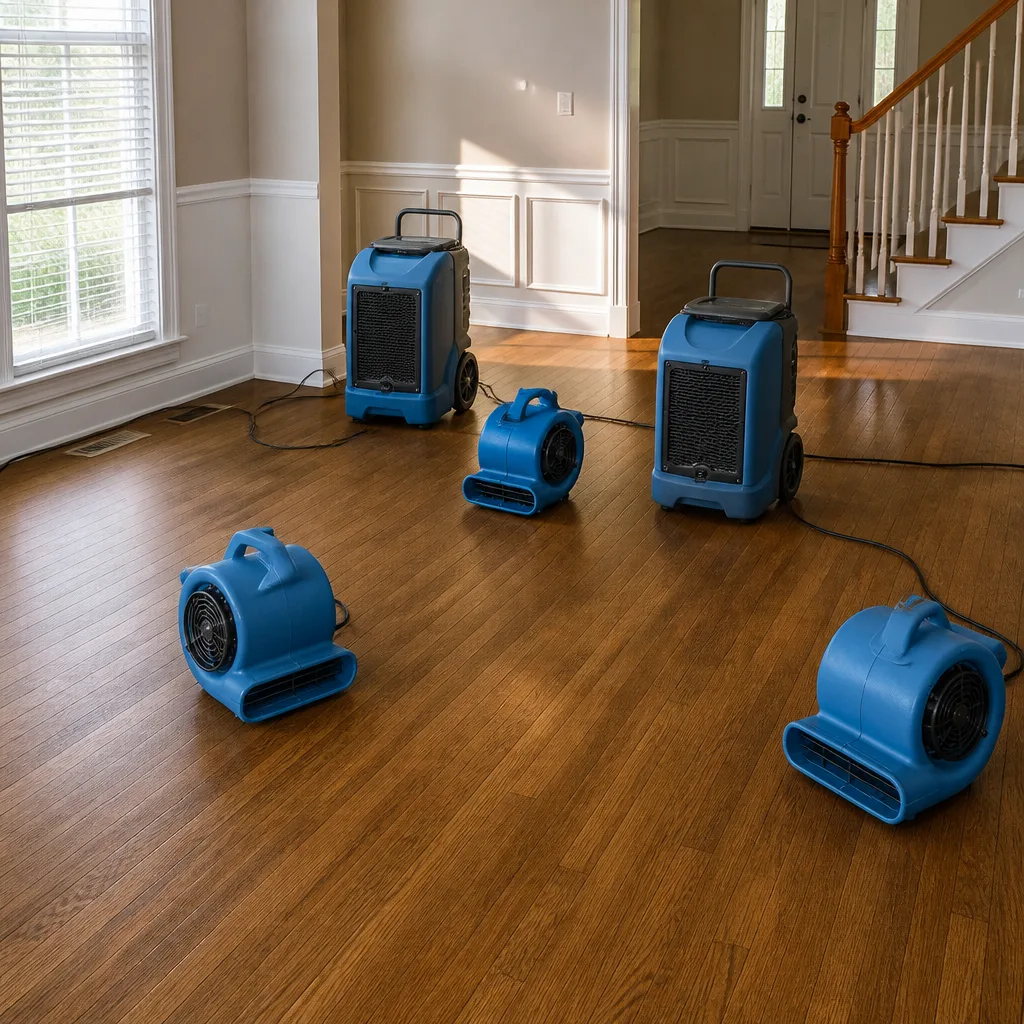
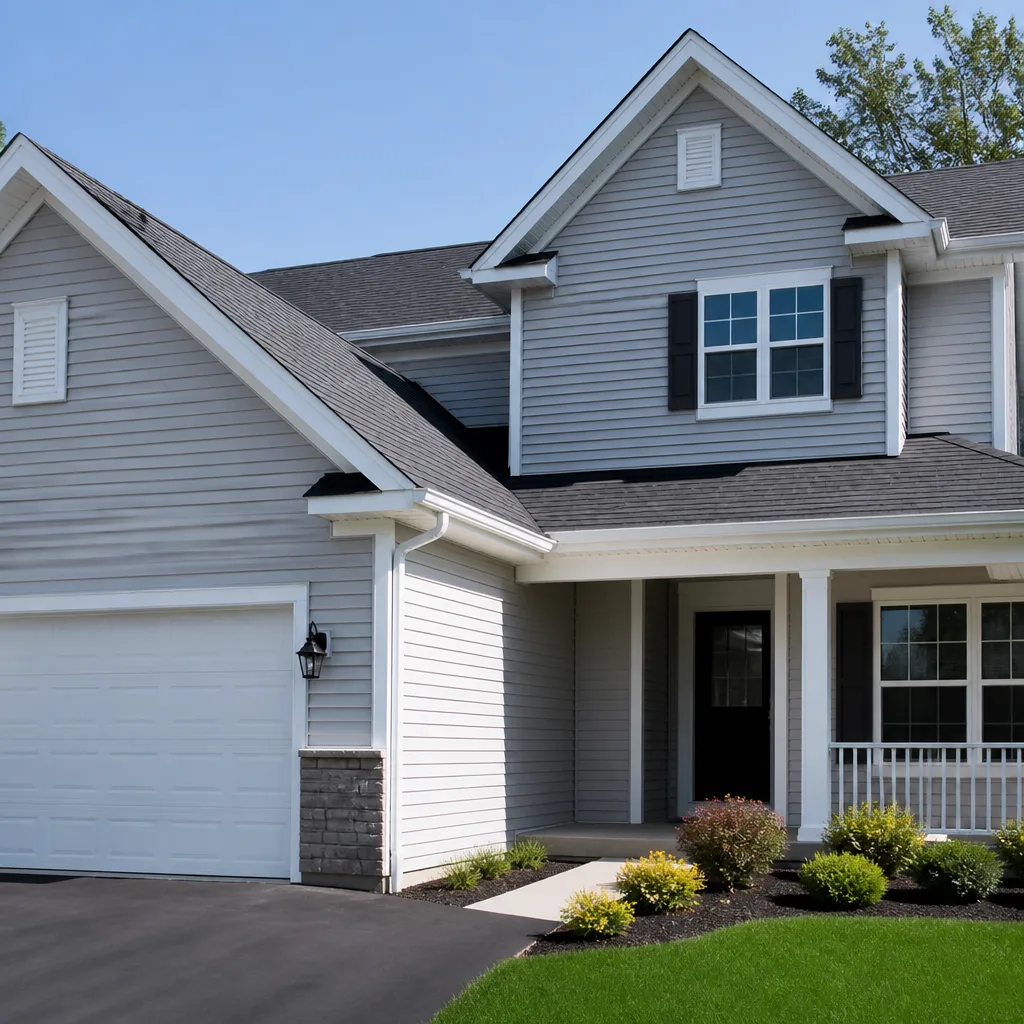
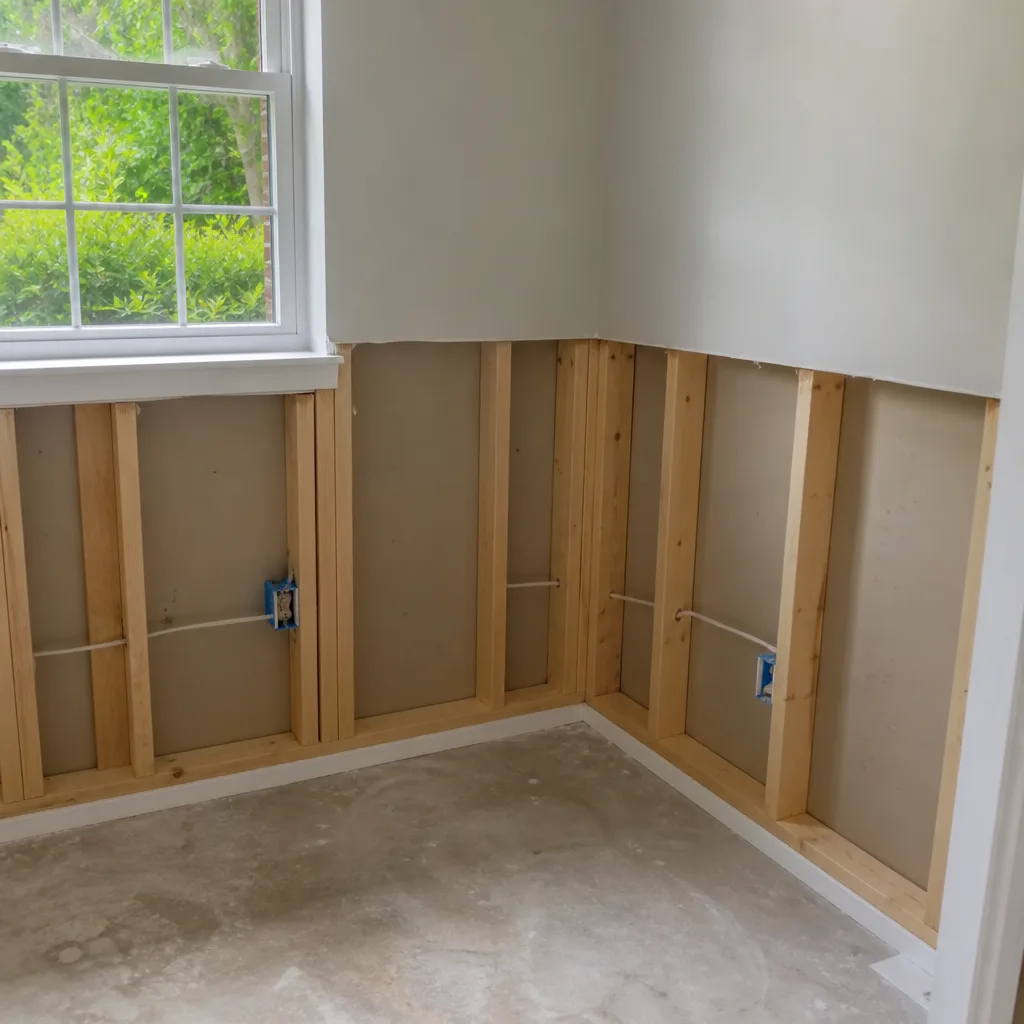

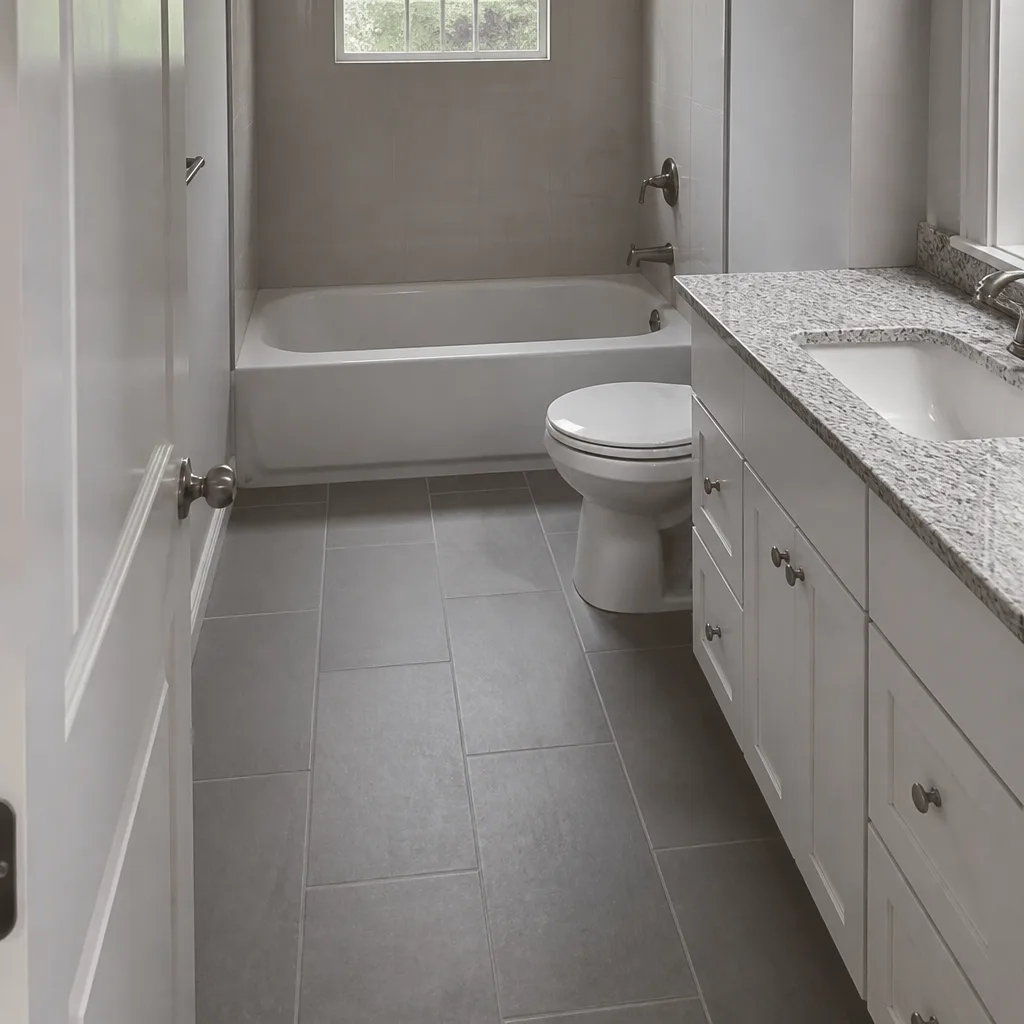
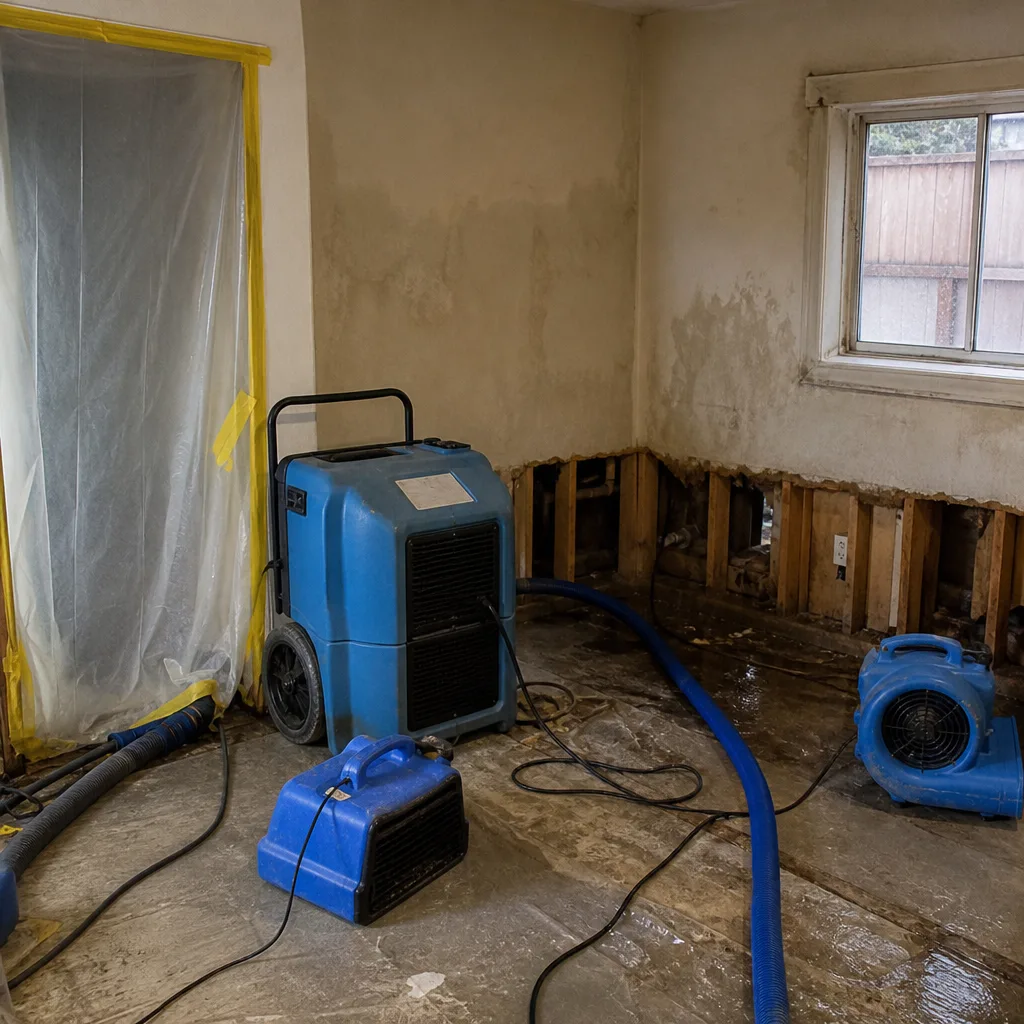 Before
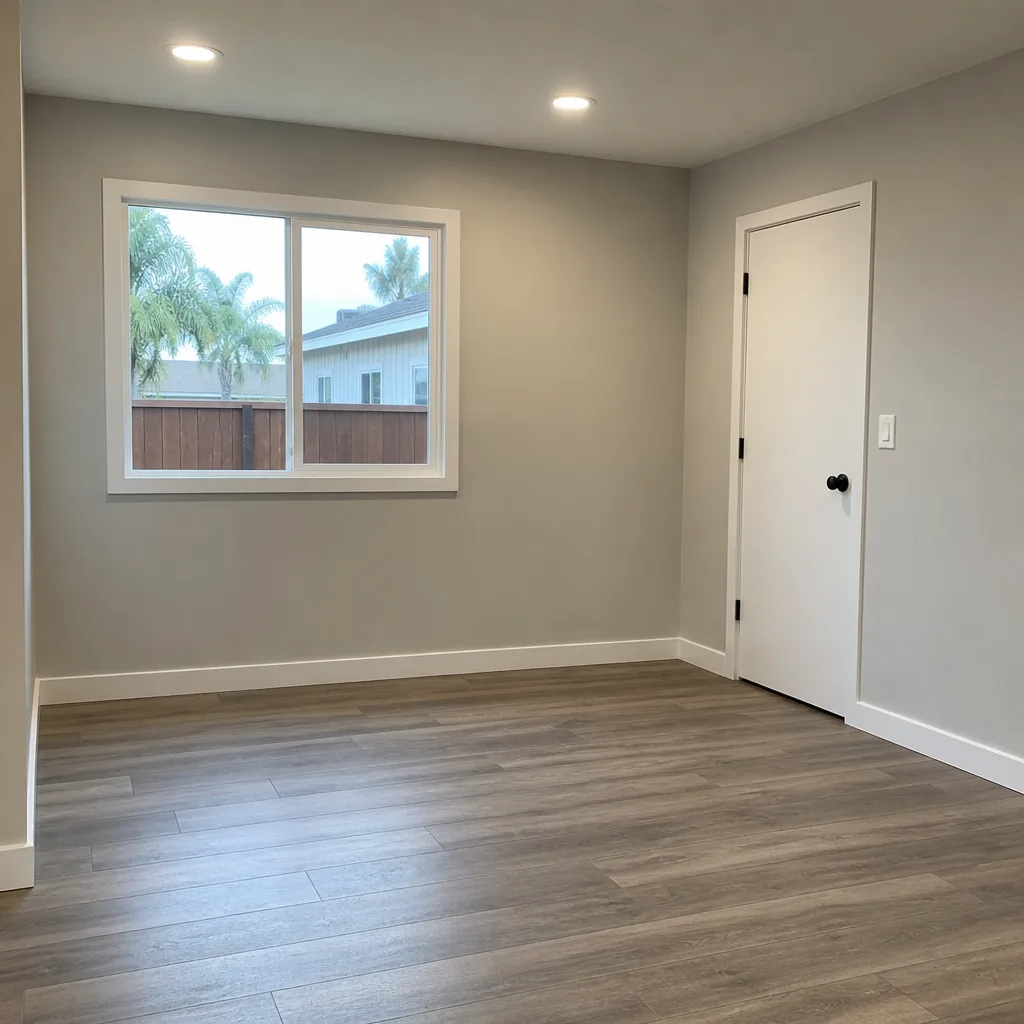 After
After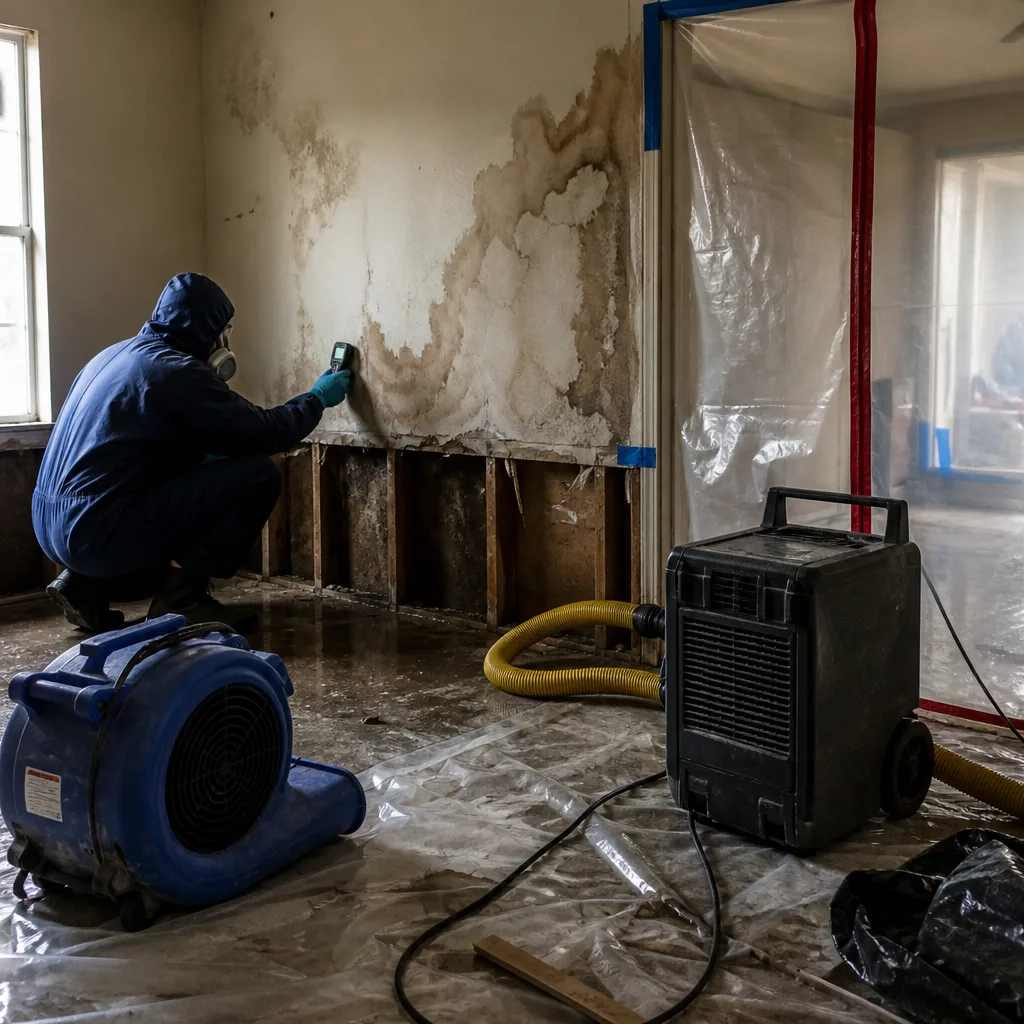 Before
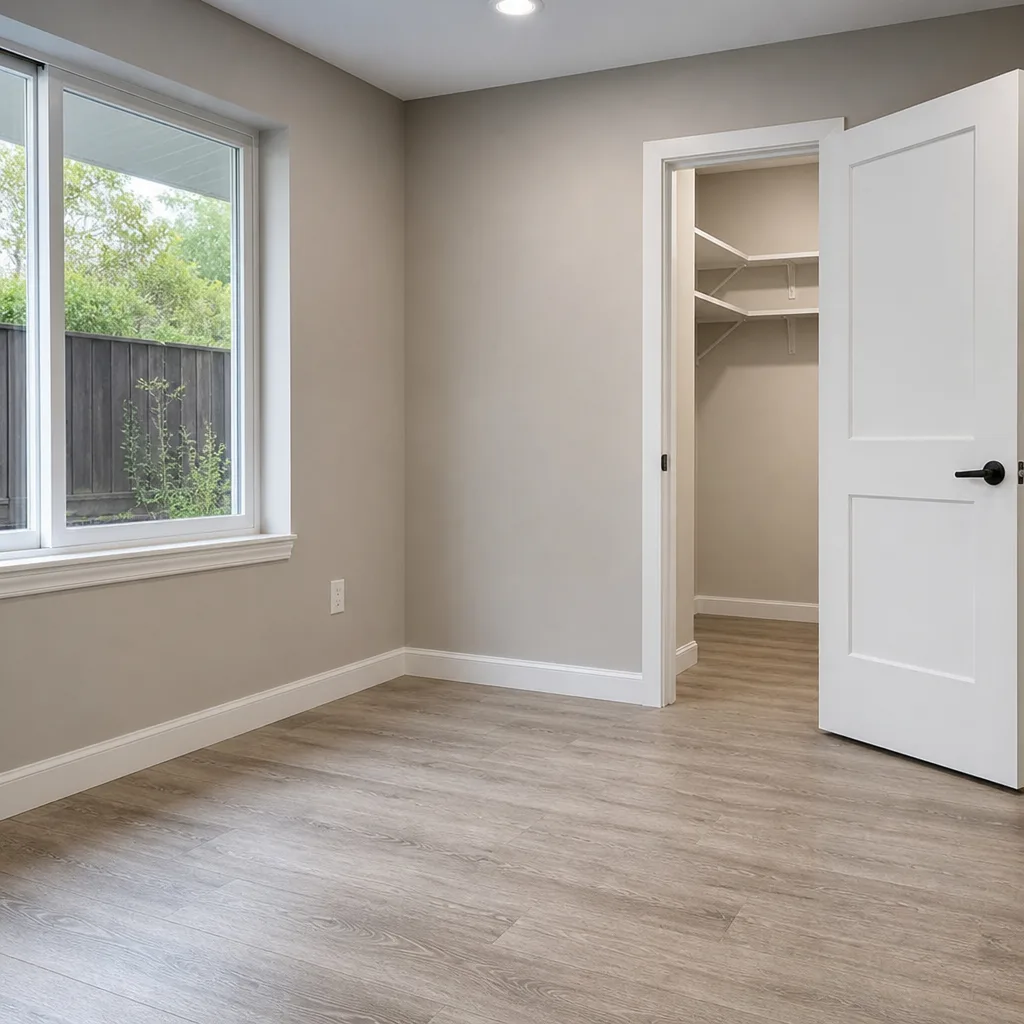 After
After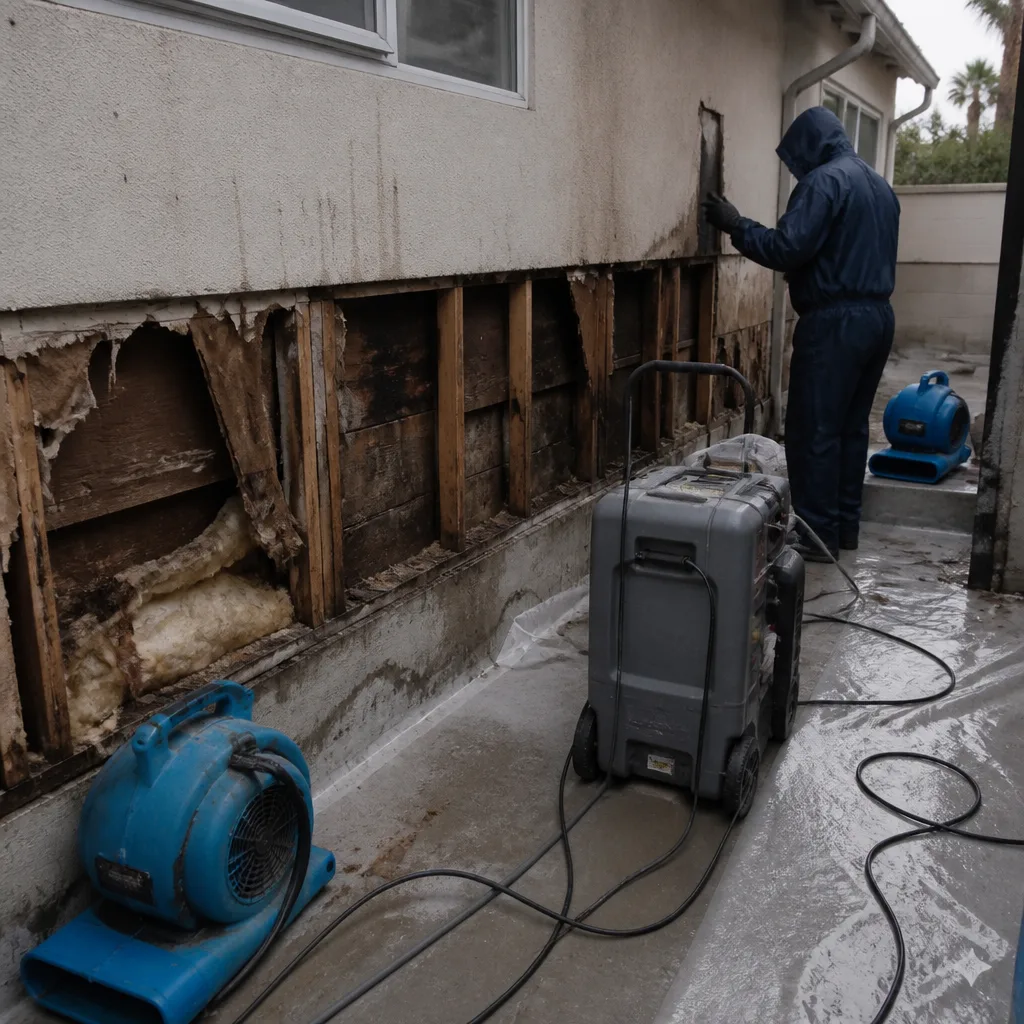 Before
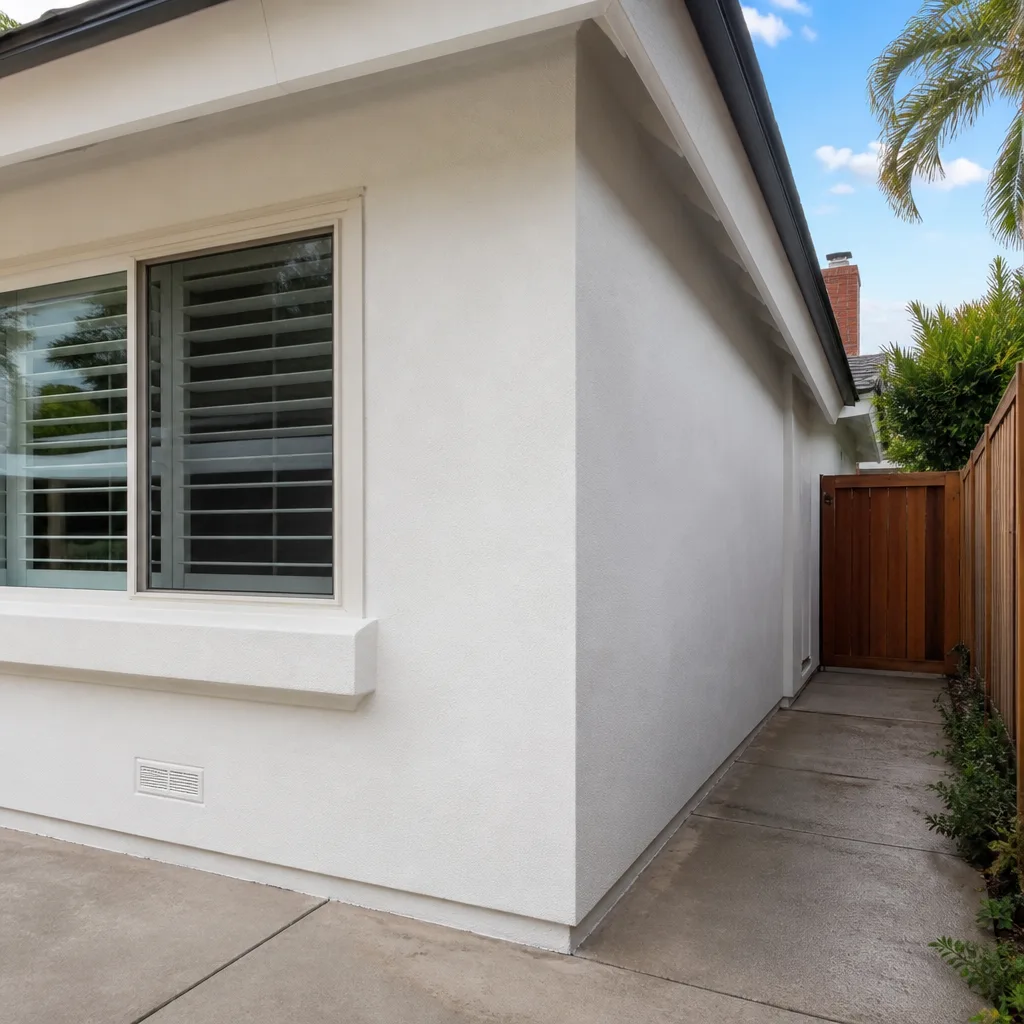 After
After24/7 Emergency Water Damage Restoration in National City
Water damage restoration in National City typically costs $2,800-$7,500 for a standard residential drying job, with emergency extraction starting at $450-$950 and full Category 3 flood remediation running $5,500-$12,000 due to contamination protocols. Most properties west of Highland Avenue near the bay require Category 3 handling from the first hour, which changes both the timeline and the documentation your insurer will need. Call (619) 330-9541 and a live person answers, 24 hours a day, every day. We dispatch crews throughout National City within 45 minutes of your call, and we do not charge for the initial visual inspection that produces your written scope.
The first hour is when water chooses its path through your building. In National City’s post-WWII bungalows, that path runs through unsealed wall cavities, under original linoleum, and into crawl spaces with no vapor barrier. The longer water sits, the more square footage it claims, the more materials classify as unsalvageable, and the closer mold moves to visible colonization. Our Water Damage Restoration team documents everything from arrival so your claim file starts complete.
Understanding Water Damage Restoration Severity in National City Properties
We classify every loss by water category and structural impact. Category 1 is clean supply-line water. Category 2 carries chemical or biological load. Category 3 is grossly contaminated, including storm drain backflow and any water that has passed through soil or building debris. In National City, the distinction matters more than in most markets because crews working west of Highland Avenue routinely encounter Category 3 conditions where inland contractors might assume Category 1.
Moisture mapping with thermal imaging and calibrated hygrometers tells us the actual affected square footage, not just what shows on the surface. Psychrometric data, vapor pressure differential readings, and specific humidity calculations drive our drying plan. Tertiary drying targets the bound moisture in structural materials after free water has been extracted. In National City’s 1940s-1960s bungalows, we often find original subfloor framing with moisture content above 20 percent even when surface materials read dry, because these homes were built without the drainage planes or ventilation gaps that modern code requires.
The building age also means asbestos-containing floor tiles, pipe insulation, and textured ceiling materials may be present. We test before invasive work begins. This is not a delay. It is documentation that protects your claim and your health.
Why National City Property Owners Choose DryMark Restoration San Diego
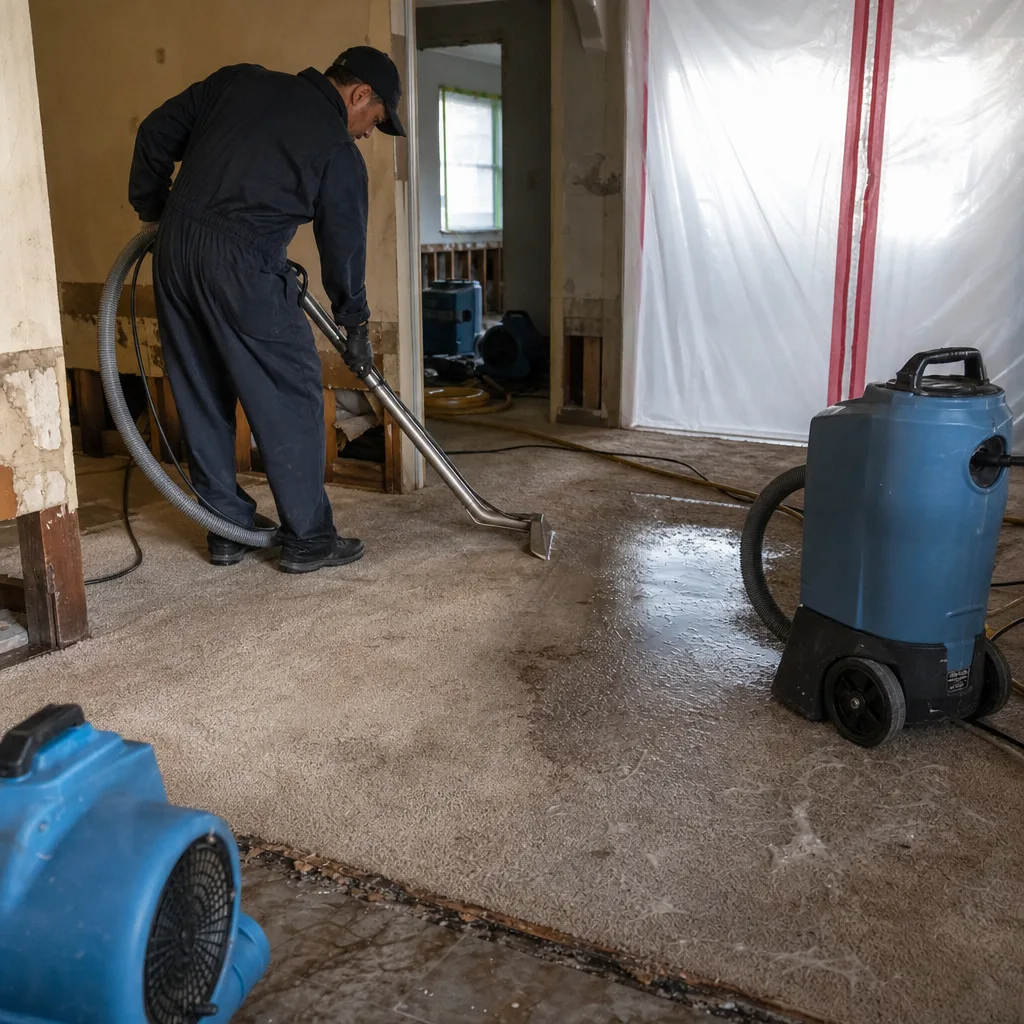
- 45-minute response commitment to National City addresses, with crews staged from our San Diego office for immediate dispatch.
- 24/7 live answer by a real person on every call, no voicemail trees, no next-business-day callbacks while water is still moving through your walls.
- IICRC-certified crews holding WRT (Water Damage Restoration Technician) and AMRT (Applied Microbial Remediation Technician) certifications, with license numbers verified before arrival.
- Free visual inspection that produces a written scope and firm price before any equipment is set or any demolition begins.
- Direct insurance billing with photo-documented estimates, daily drying logs, and adjuster coordination included as standard.
- One team from extraction to reconstruction, so your project file stays intact and no contractor blames the previous phase for missing documentation.
BeforeAfterOur Water Damage Restoration Process
1. Inspection & Assessment
We arrive with moisture meters, thermal imaging cameras, and borescopes to map the full extent of water migration. In National City’s older bungalows, we specifically check for original galvanized pipe corrosion, asbestos-era materials, and crawl space ventilation gaps that extend the moisture envelope beyond visible damage. You receive a written scope and firm price before work begins, Haven Standard, Clause 1.
2. Water Extraction & Stabilization
Truck-mounted extraction systems remove standing water at rates exceeding 25 gallons per minute. For Category 3 losses common west of Highland Avenue, we establish containment barriers and negative air pressure with HEPA filtration before extraction begins. This protects unaffected areas from cross-contamination.
3. Structural Drying & Dehumidification
We deploy Phoenix and Dri-Eaz LGR dehumidifiers, axial and centrifugal air movers, and Injectidry hardwood floor drying systems sized to the cubic footage and specific humidity load. Daily moisture logs track every room’s progress toward the dry standard, documented to IICRC S500 protocols.
4. Cleaning & Sanitization
Antimicrobial treatment follows extraction for all Category 2 and 3 losses. In National City’s flood-prone western neighborhoods, we address bay-adjacent silt and sediment contamination with specialized cleaning agents, not standard carpet extraction chemistry. Surfaces are HEPA-vacuumed before treatment.
5. Asbestos & Lead-Safe Remediation
When pre-1978 materials test positive, our crews implement EPA RRP containment and abatement protocols before any invasive restoration work. This is standard on National City jobs, not an upsell. Documentation includes chain-of-custody lab results and disposal manifests for your insurer.
6. Repairs & Restoration
Once drying targets are verified, our reconstruction team replaces subfloor, drywall, insulation, and finish materials to match existing conditions. The same project manager who scoped the loss oversees the rebuild, so nothing falls between documentation gaps that delay your claim.
Need Emergency Water Damage Restoration in National City Now?
Crews minutes away, answering live 24 hours a day. The sooner we start, the less it costs.
Working With Your Insurance Company
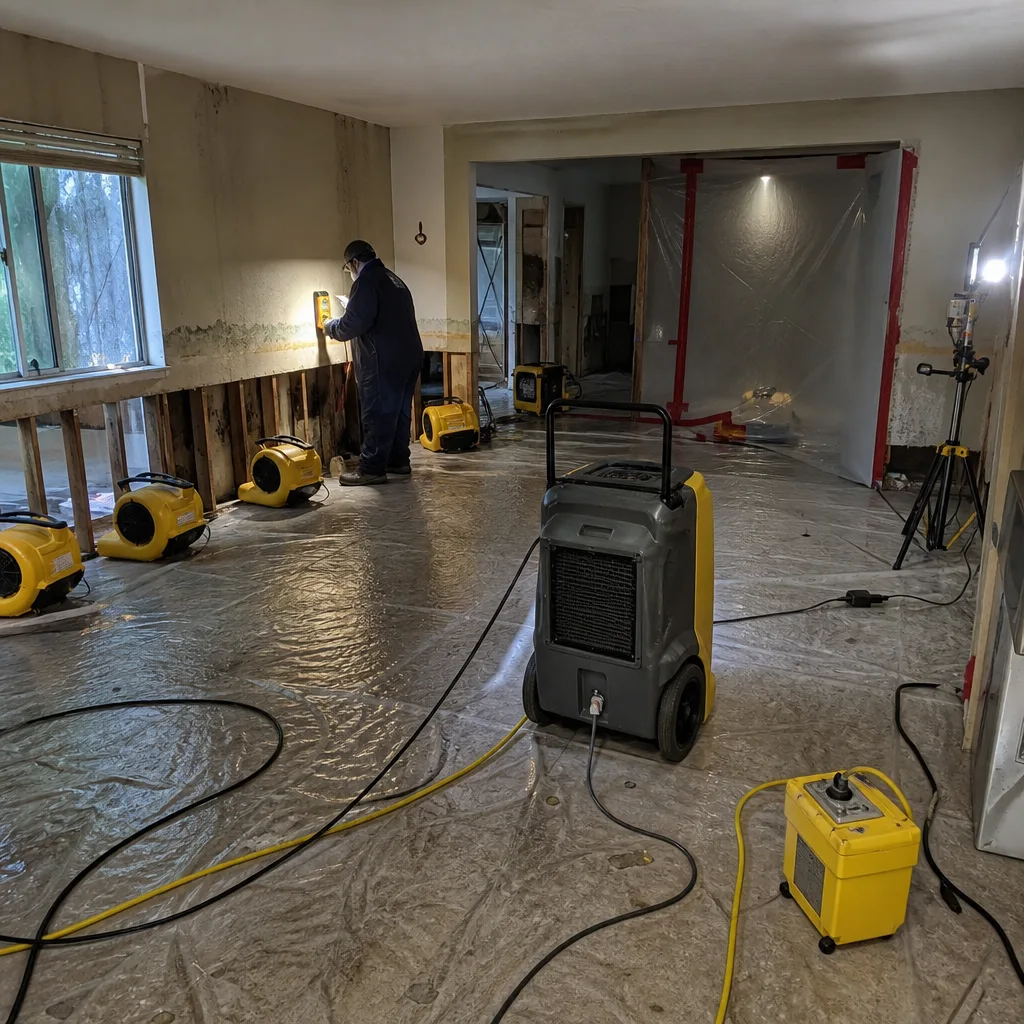
We built our documentation system around what claims adjusters actually need to approve an invoice without back-and-forth delay. Alicia Brennan founded this company in 2011 after working as an adjuster and watching homeowners lose thousands to incomplete photo records and scopes that lacked line-item detail. Every National City job we handle includes a documented photo record on every visit, daily moisture readings with psychrometric data, and a written scope with unit pricing before work begins.
We speak directly with your adjuster, provide Xactimate-compatible estimates, and flag coverage issues early so you are not surprised by a partial denial after the crew has left. Our 12,000-plus restored homes since 2011 include thousands where proper documentation turned a disputed claim into a paid claim.
What We Provide Your Insurer
- Thorough documentation of the loss
- Photos of all damage, room by room
- Moisture readings and drying logs
- A detailed, line-item scope of work
- Direct coordination with your carrier
Built for National City’s Loss Calendar
National City’s water damage calendar runs on three forces: the marine layer, El Niño rain cycles, and the aging infrastructure of a city built fast for naval workers during the 1940s-1960s.
January through March brings the heaviest Pacific storm systems, and during El Niño years these stall over San Diego County. National City’s flat western terrain, built on reclaimed marshland near the bay, cannot shed water as quickly as the mesas to the east. Storm drains along neighborhoods like the Pepper Park corridor and the blocks west of Highland Avenue back up when bay water levels rise, forcing contaminated water into ground-floor units and crawl spaces. This is not a clean roof leak. It is Category 3 black water with bay sediment, petroleum residue, and urban runoff.
Year-round, the marine layer keeps relative humidity above 70 percent on most mornings. In bungalows with original galvanized plumbing and no vapor barriers, a pinhole leak in a wall cavity can reach 16 percent wood moisture content, the threshold for mold colonization, within 24 to 48 hours. We respond to more secondary mold losses in July and August than in winter because summer leaks go unnoticed while homeowners run air conditioning that masks humidity problems.
Spring and fall bring the burst pipe season for corroded galvanized lines, particularly in the older housing stock near Kimball Park and the National City Boulevard corridor where original plumbing is now 70-plus years old.
Water Damage Restoration Across National City’s Neighborhoods
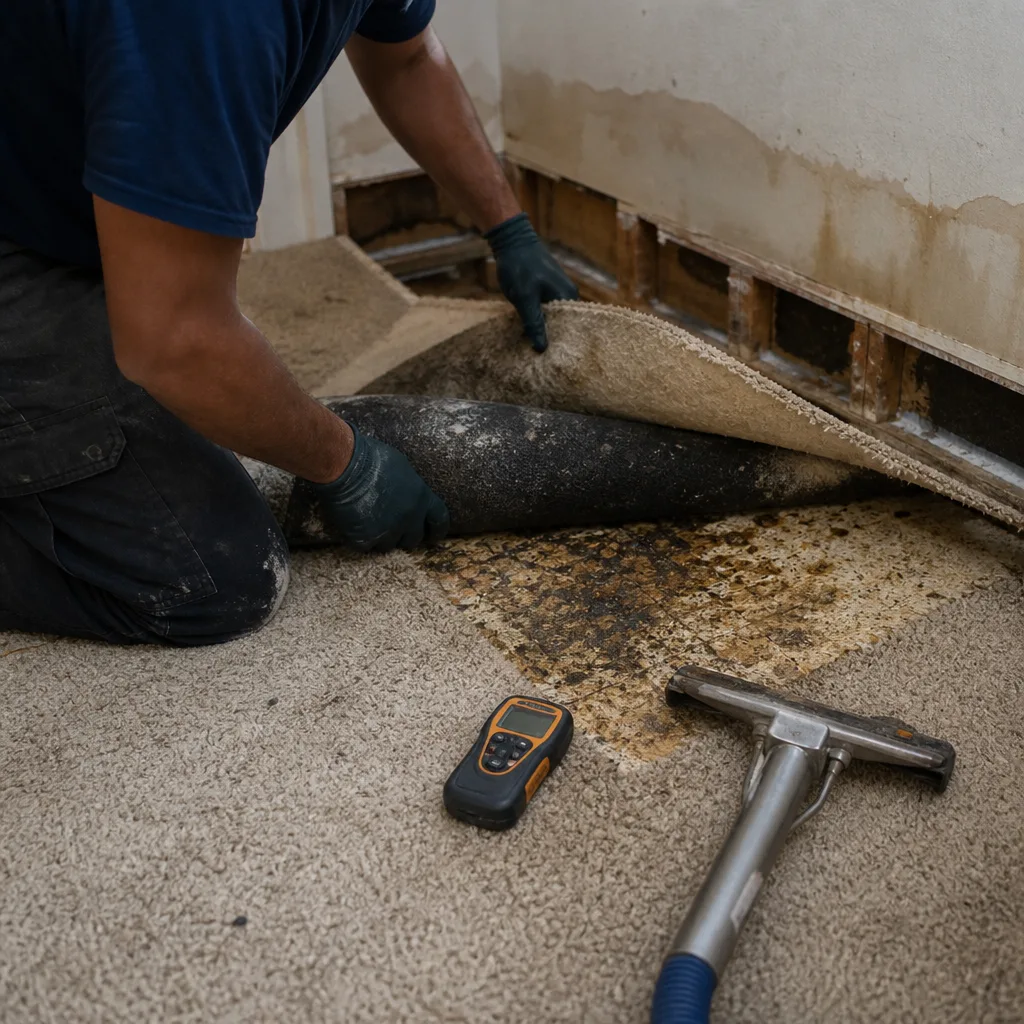
We have worked every National City neighborhood enough to know the building stock and the typical loss pattern.
West of Highland Avenue, the bayfront zone: This is where storm drain backflow creates Category 3 flooding in post-WWII bungalows built on compacted fill with no modern drainage. On a block just west of Highland Avenue near the bay, we responded to a post-WWII bungalow where a backed-up storm drain sent sediment-laden water into the crawlspace and a ground-floor bedroom. Our techs extracted the Category 3 water, set up containment, applied antimicrobial treatment, and ran structural drying with Phoenix dehumidifiers and air movers, while moisture mapping showed elevated readings in original subfloor framing. We completed the job with drying logs verified by an IICRC standards review, and the homeowner avoided a full mold abatement by catching it within 48 hours.
The Pepper Park and Pier 32 corridor: Mixed residential and light commercial with ground-floor units vulnerable to both storm backflow and tidal influence. We coordinate with marina management and Port of San Diego protocols when water damage extends to dock-adjacent properties.
Kimball Park and the National City Boulevard corridor: Dense 1940s-1950s bungalows with original galvanized plumbing, minimal attic insulation, and asbestos-era floor tiles. Burst pipe restoration here almost always requires lead and asbestos testing before wall or floor penetration.
The Highland Avenue corridor east toward I-805: Slightly newer 1960s-1970s construction on better-draining terrain, but still with the subfloor ventilation problems and marine-layer humidity that extend drying timelines. Category 1 supply-line leaks are more common here, but we still map for hidden migration into crawl spaces.
Specialized Water Damage Restoration Services We Offer in National City
Emergency Water Extraction
Truck-mounted and portable extraction units remove standing water within hours of your call. In National City’s Category 3 flood zones west of Highland Avenue, extraction includes sediment removal and preliminary contamination assessment before drying equipment is placed.
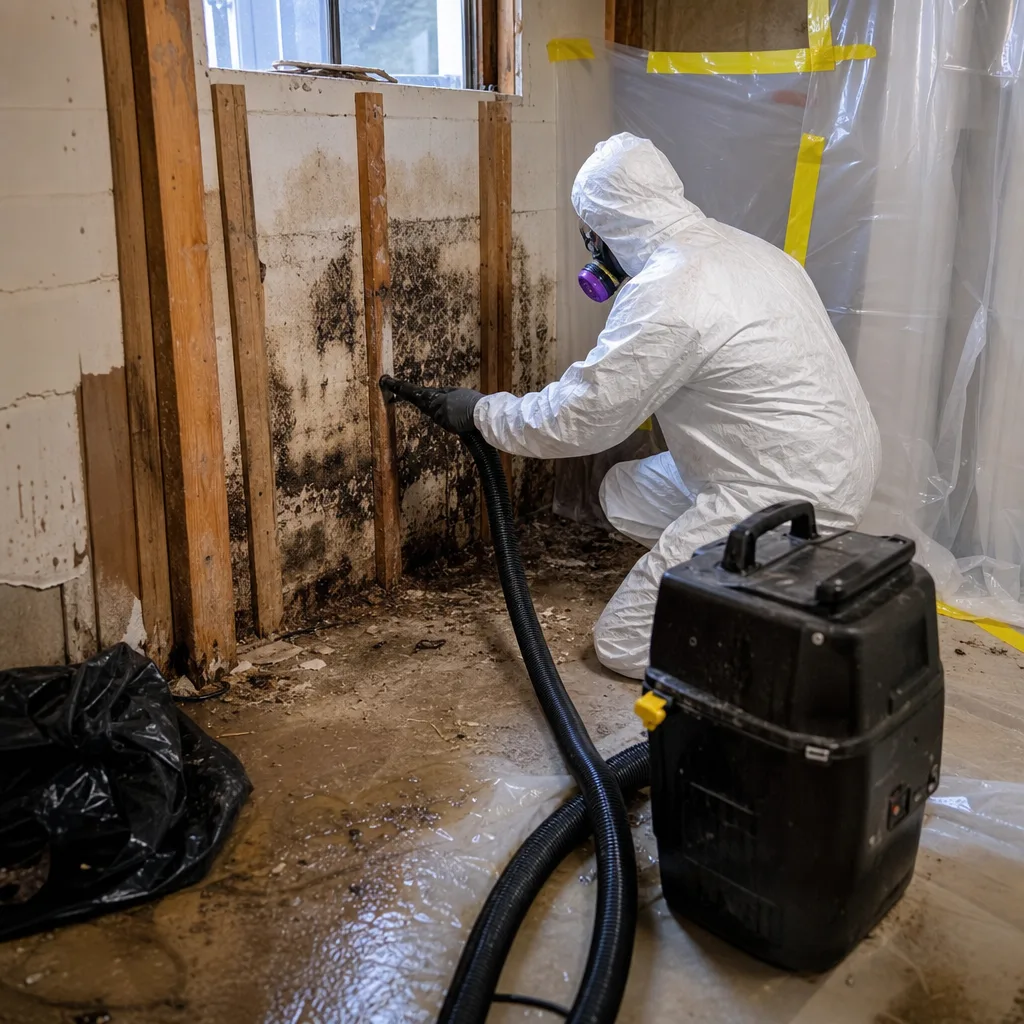
Structural Drying & Dehumidification
We size dehumidification to the specific humidity load, not square footage alone. National City’s marine-layer environment means outdoor air often exceeds 60 percent relative humidity, so we seal the drying chamber and use LGR dehumidifiers that perform at lower grains per pound. Injectidry systems dry hardwood floors and wall cavities without demolition where possible.
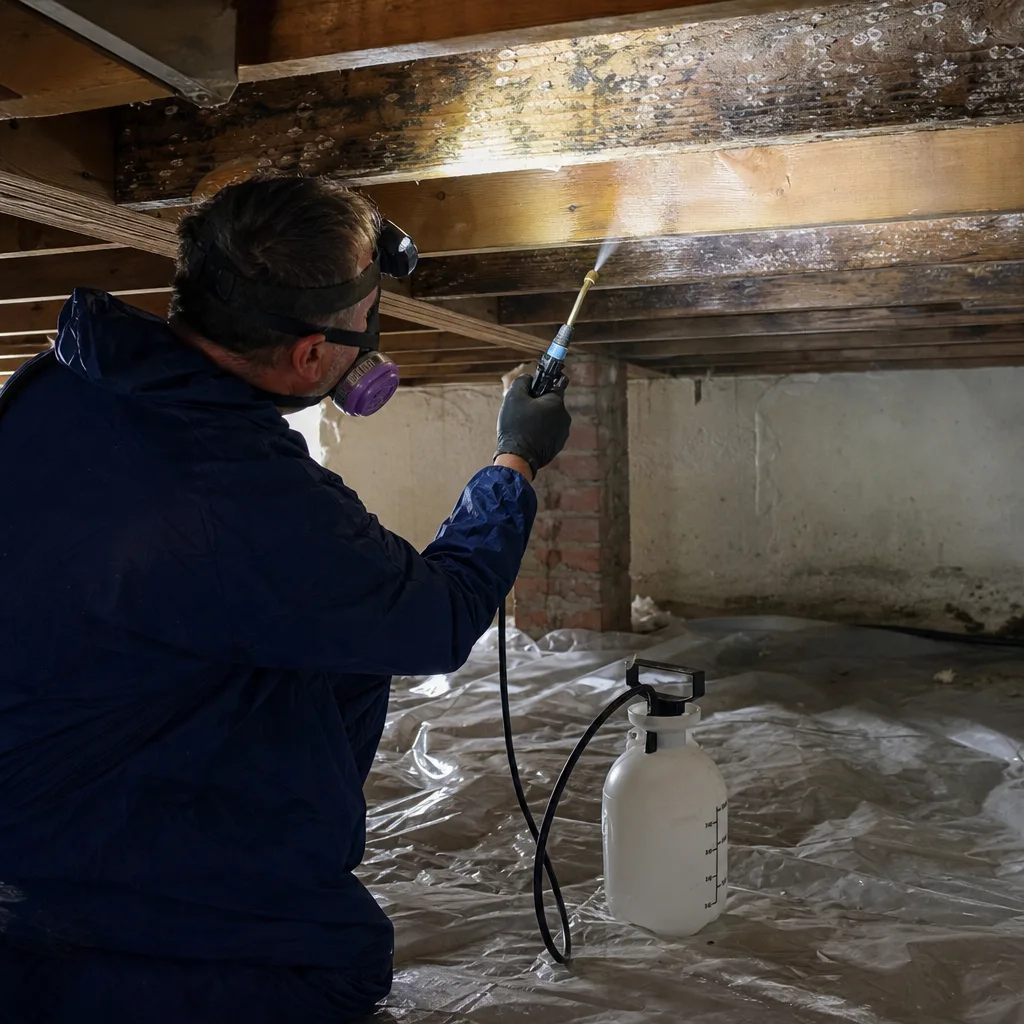
Flood Cleanup
Flood cleanup in National City is distinct from standard water damage because of the contamination profile. Storm drain backflow carries bay-adjacent silt, petroleum products, and biological load that requires Category 3 protocols from arrival. We document contamination classification in your initial scope so your insurer cannot later dispute coverage based on “clean water” assumptions.
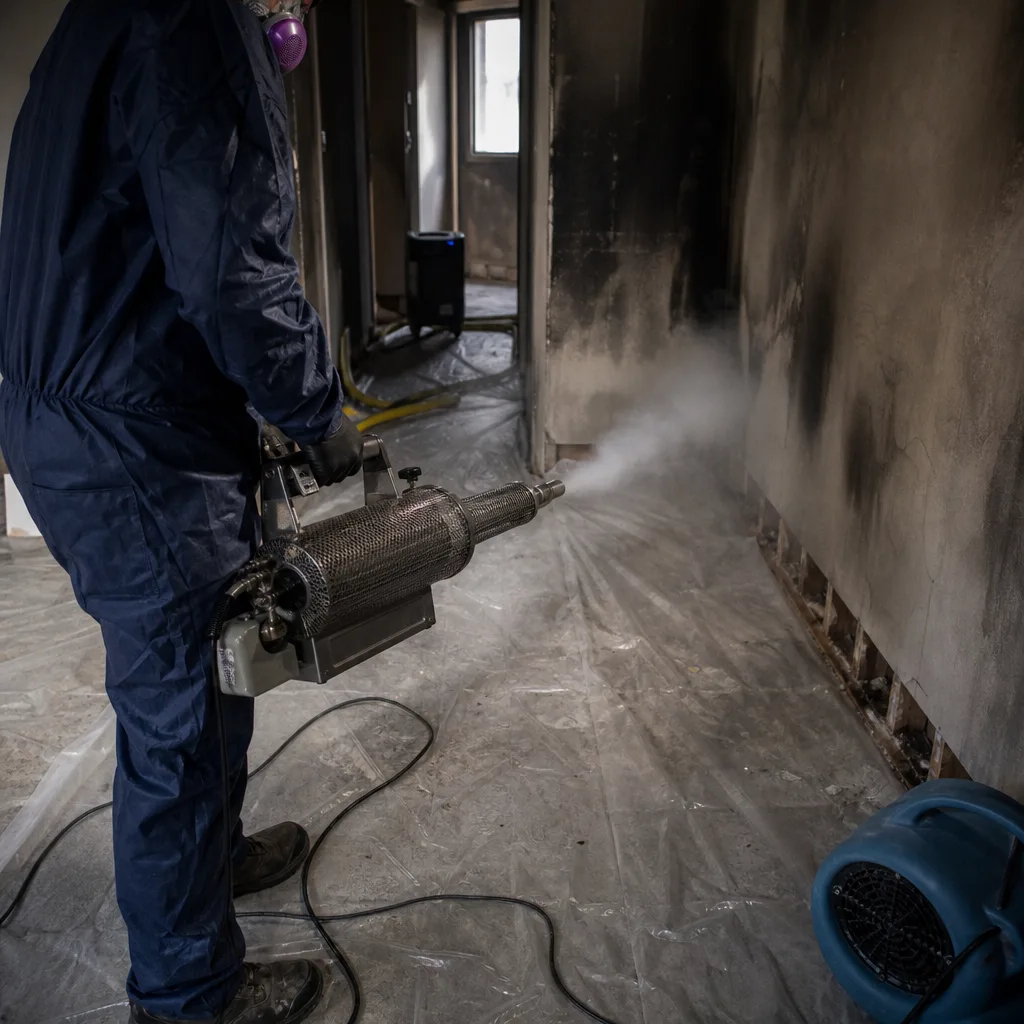
Burst Pipe Restoration
Original galvanized supply lines in National City’s 1940s-1960s housing stock corrode from the inside, producing pinhole leaks that spray Category 1 water into wall cavities with no vapor barrier. We extract, map moisture migration, and replace failed sections with modern PEX or copper, always testing surrounding materials for asbestos before opening walls.
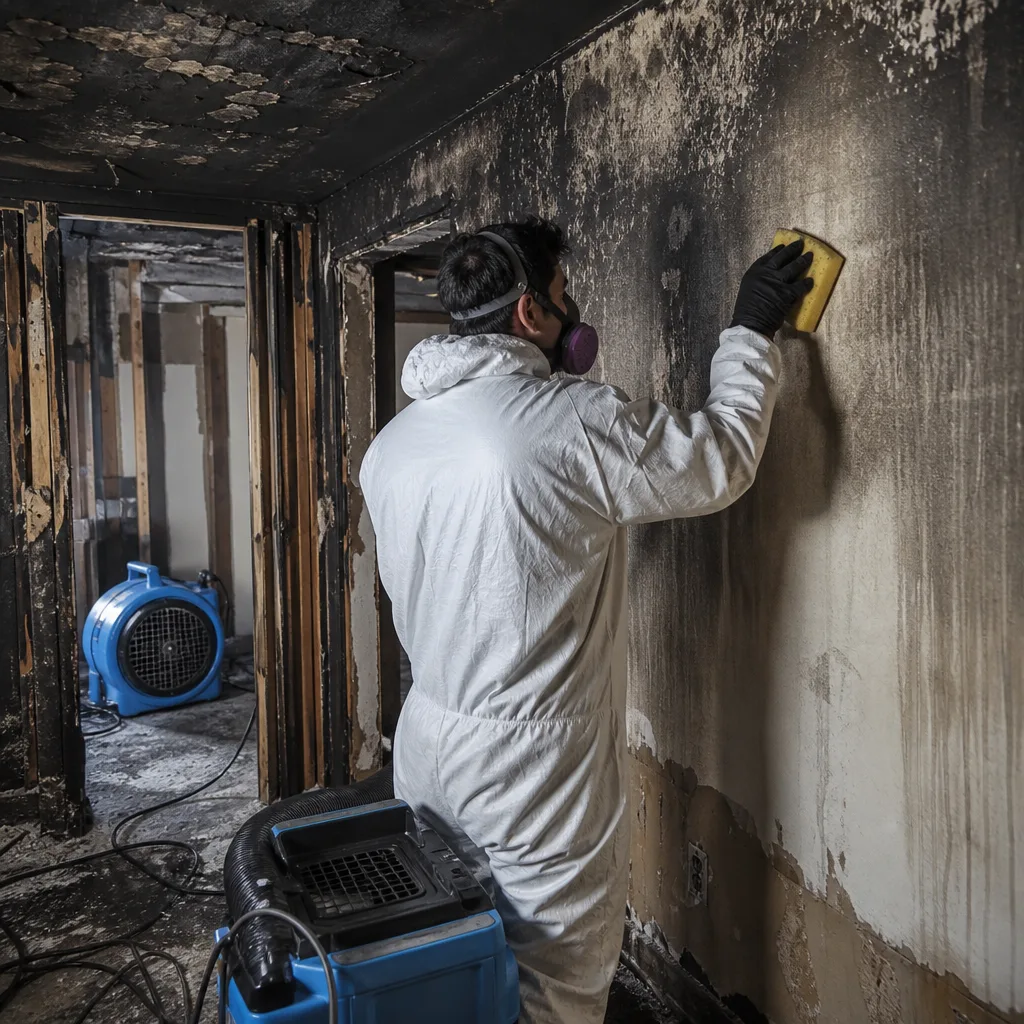
Basement Water Removal
True basements are rare in National City’s flat, high-water-table terrain, but partial below-grade rooms and crawl spaces are common. We use submersible pumps and specialized crawl space extraction tools, then address the chronic ventilation deficits that make these spaces mold-prone.
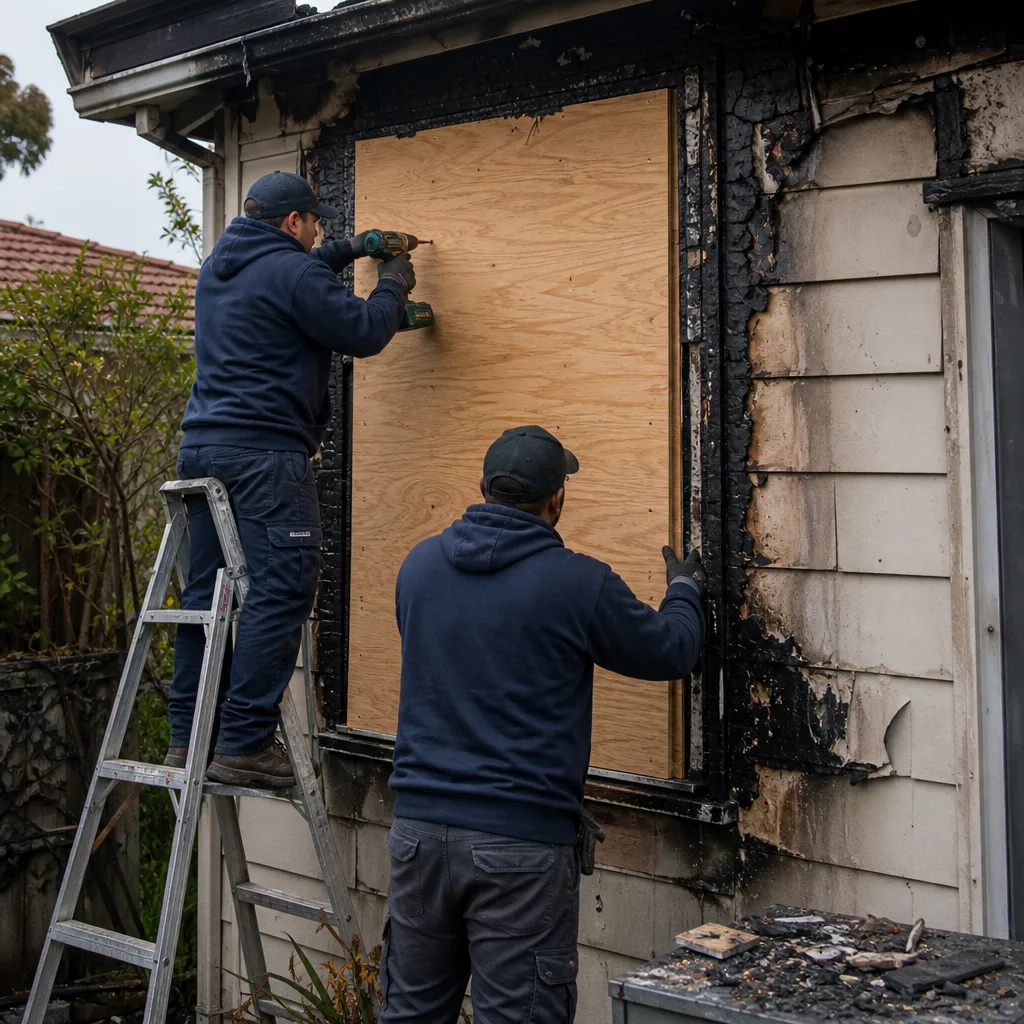
Ceiling & Roof Leak Water Damage
Roof leaks in National City often follow wind-driven rain through aging fascia and soffit assemblies. We trace water migration through attic spaces with minimal insulation, document affected drywall and insulation, and coordinate with roofing contractors for source repair before closing the restoration.
What happens when you call
- 1
A real person answersNo phone trees - you reach a local pro.
- 2
You get an upfront price rangeHonest numbers before anyone is dispatched.
- 3
A background-checked tech heads outLicensed & insured, dispatched right away.
- 4
You approve before work beginsNothing starts until you say go.
Water Damage Restoration Costs in National City, CA
A typical emergency water extraction in National City runs $450-$950 for the first two hours of truck-mounted extraction and setup. Structural drying for a standard 1,200-square-foot bungalow with Category 1 or 2 water runs $2,800-$5,200, including dehumidifiers, air movers, and daily moisture monitoring. Category 3 flood remediation, which is standard for storm drain backflow west of Highland Avenue, runs $5,500-$12,000 due to contamination handling, antimicrobial treatment, and hazmat testing protocols.
What moves the price: the water category, the affected square footage, whether asbestos or lead testing is required, and how many days of drying equipment are needed. A crawl space with standing water adds $800-$1,800 for specialized extraction and vapor barrier work. Hardwood floor drying with Injectidry systems adds $600-$1,400.
Most National City water damage claims are covered by standard homeowner’s insurance, though flood-specific losses may require separate NFRC flood coverage. We provide a free visual inspection that produces a written scope and firm price before any work begins, Haven Standard, Clause 1. Bring a competitor’s written estimate and we will review it at no charge.
We Also Serve Cities Near National City
Our crews respond throughout the South Bay from our San Diego office. We regularly handle Water Damage Restoration in National City and surrounding communities including Chula Vista to the east and south, Bonita to the northeast, Coronado across the bay, and San Diego proper to the north. Each city’s building stock and drainage infrastructure creates distinct loss patterns, and we adjust our documentation and drying protocols accordingly.
Serving National City, CA - Our Local Coverage Area
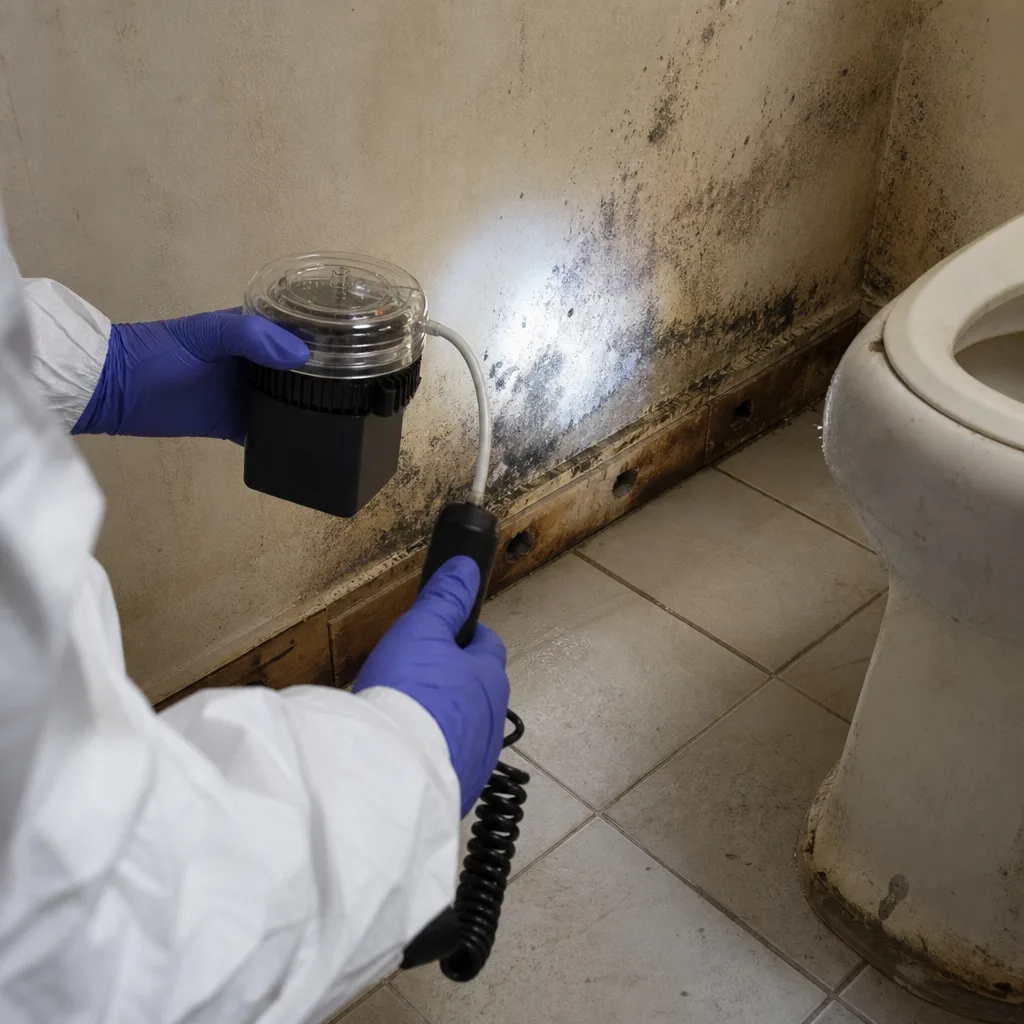
We’re based in the National City area and know this community well. Use the map below to see our service coverage - if you’re nearby, we can almost certainly help.
National City Water Damage Restoration Questions, Answered
Why does water damage in National City west of Highland Avenue require different handling than in Chula Vista?
West of Highland Avenue, storm drains cannot gravity-discharge into San Diego Bay during heavy rain, so floodwater arrives as silt-laden, contaminated Category 3 black water rather than clean supply-line water. This requires containment, HEPA filtration, antimicrobial treatment, and hazmat documentation from the first hour, whereas a similar-looking flood a mile inland in Chula Vista might be handled as Category 1 or 2. Call (619) 330-9541 for a free inspection and written scope.
How fast does mold grow in National City’s older bungalows after a leak?
Mold can begin colonizing within 24 to 48 hours in National City’s post-WWII bungalows because the marine layer keeps relative humidity persistently high, and these homes lack vapor barriers and adequate subfloor ventilation. Original wall cavities with lath-and-plaster or early drywall provide organic food sources once moisture content exceeds 16 percent in wood framing. Our moisture mapping catches these conditions before visible mold appears. Call (619) 330-9541 for emergency drying.
What should I do if my garage-door springs and tracks are corroding from salt air?
Coastal salt air near San Diego Bay corrodes garage-door springs, hinges, rollers, tracks, and opener chains years faster than inland hardware, and a water-damage call often reveals this corrosion damage that crews unfamiliar with bayfront conditions miss. We inspect hardware as part of our damage assessment and can coordinate replacement with galvanized or coated springs, stainless fasteners, and nylon rollers that resist salt corrosion. This is not a separate sales pitch; it is documentation of related damage for your insurer. Call (619) 330-9541 to schedule.
Does a burst pipe in a National City home count as Category 1 water?
A burst supply line initially releases Category 1 clean water, but in National City’s older bungalows that water often contacts asbestos-containing floor tiles, lead-soldered joints, or contaminated crawl space soil within minutes, upgrading the classification. We test and document the actual contamination level on arrival rather than assuming based on the source. This protects your claim from later coverage disputes. Call (619) 330-9541 for immediate assessment.
Why do you need to test for asbestos and lead before starting water damage restoration in National City?
National City’s residential core is overwhelmingly 1940s-1960s construction built with asbestos floor tiles, pipe insulation, textured ceiling materials, and lead-based paint, all of which EPA and Cal-OSHA regulate. Invasive restoration work that disturbs these materials without testing creates liability for the homeowner and contractor, and insurers increasingly deny claims where proper abatement documentation is missing. We include testing in our initial scope, with chain-of-custody lab results, as standard practice. Call (619) 330-9541 for a written estimate.
Will my insurance cover water damage restoration in National City?
Most sudden and accidental water damage from burst pipes, appliance failures, or wind-driven rain is covered by standard homeowner’s policies, though flood damage from storm drain backflow or tidal surge may require separate NFIP flood insurance. We document your loss to IICRC and RIA standards, provide Xactimate-compatible estimates, and coordinate directly with your adjuster to minimize coverage disputes. Our 12,000-plus documented jobs since 2011 include thousands where proper documentation turned contested claims into paid claims. Call (619) 330-9541 to start your file.
How long does structural drying take in National City’s humid climate?
Standard structural drying runs 3-5 days in most climates, but National City’s marine-layer humidity and older homes with poor ventilation often extend this to 5-7 days. We do not remove equipment until moisture readings in all affected materials reach the dry standard verified by IICRC protocols, documented in daily drying logs. Rushing this stage causes mold callbacks and claim disputes. Call (619) 330-9541 for a timeline specific to your property.
Can we stay in our home during water damage restoration?
For Category 1 losses limited to one or two rooms, most National City homeowners remain in place with containment barriers separating the work area. Category 2 or 3 contamination, or any loss affecting HVAC systems, typically requires temporary relocation for safety and to prevent cross-contamination. We tell you which category applies and why before work begins, with documentation your insurer can use for additional living expense coverage. Call (619) 330-9541 to discuss your situation.
Every job we take in National City is covered by our 365-Day Done Right Promise under The Haven Standard: if it’s not done right, we make it right. Not a verbal assurance. A signed guarantee.
Written by Alicia Brennan, Owner at DryMark Restoration San Diego, serving National City since 2011.
Water Damage Restoration in Nearby Areas