

Free visual inspection and a written scope of work before any mitigation begins - photos, moisture readings, and drying logs go in your claim file
The scope we write is the scope we bill. Anything new gets shown to you, in writing, before we touch it.

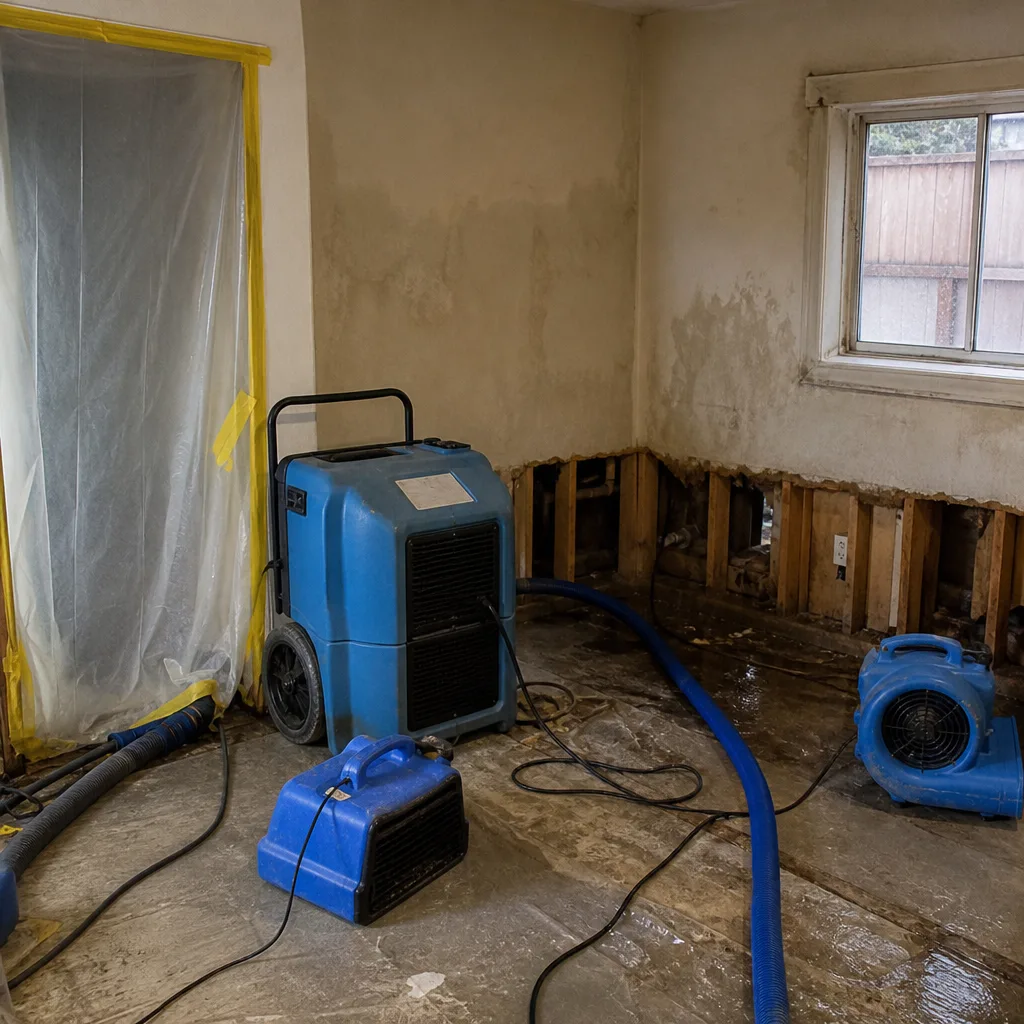 Before
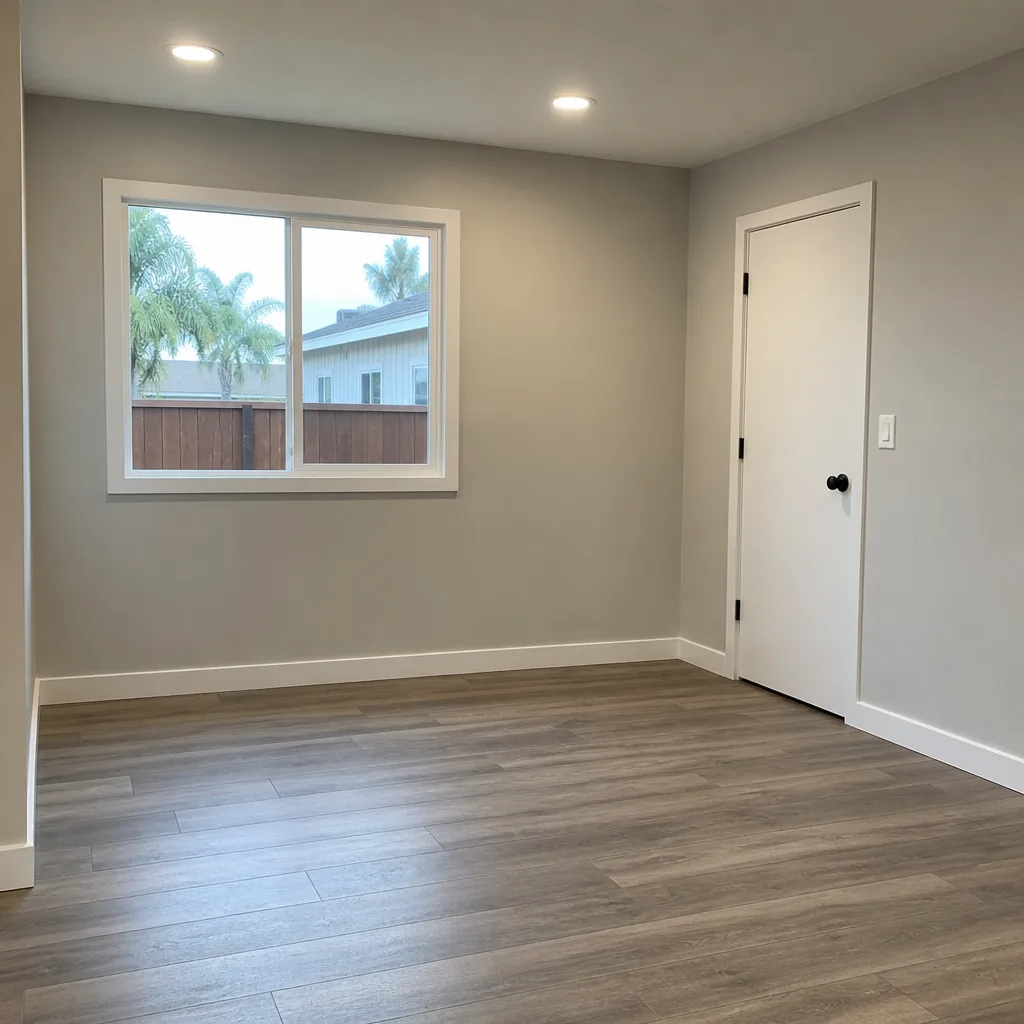 After
After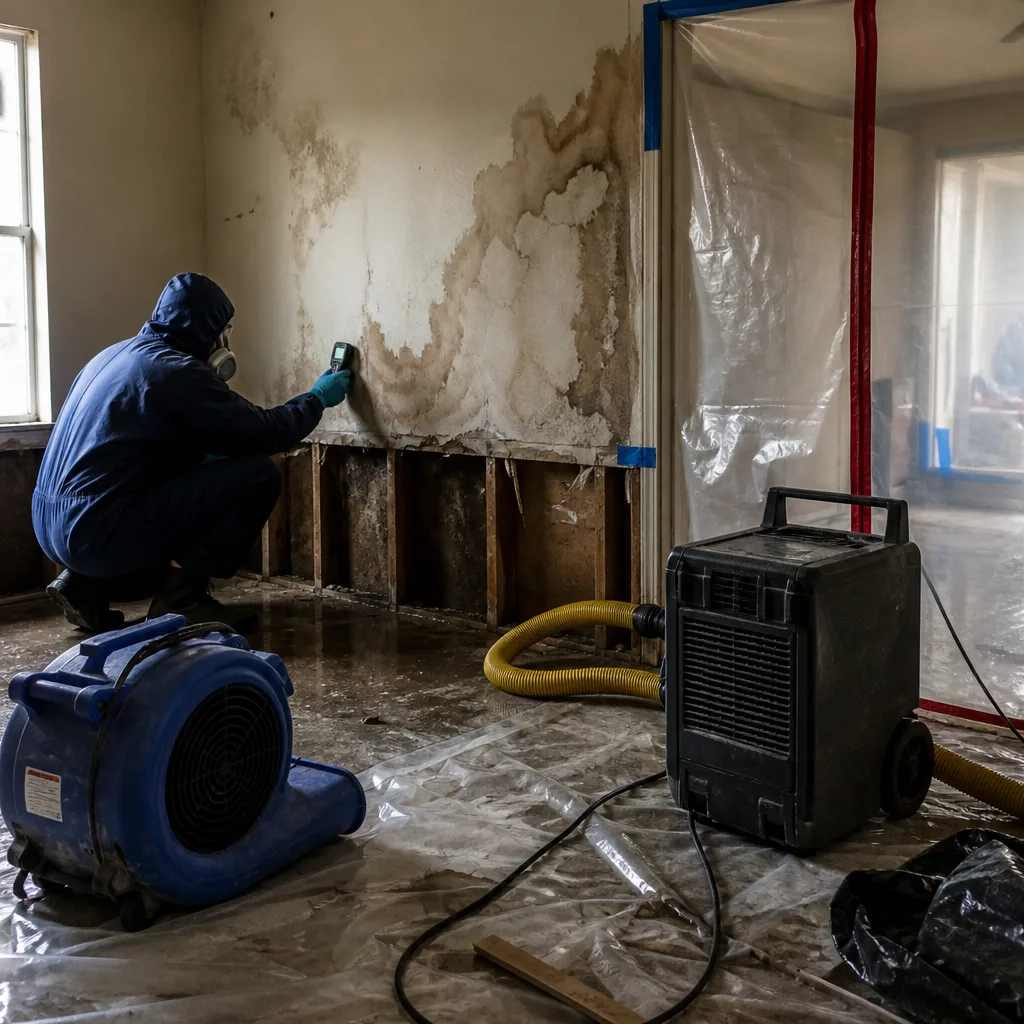 Before
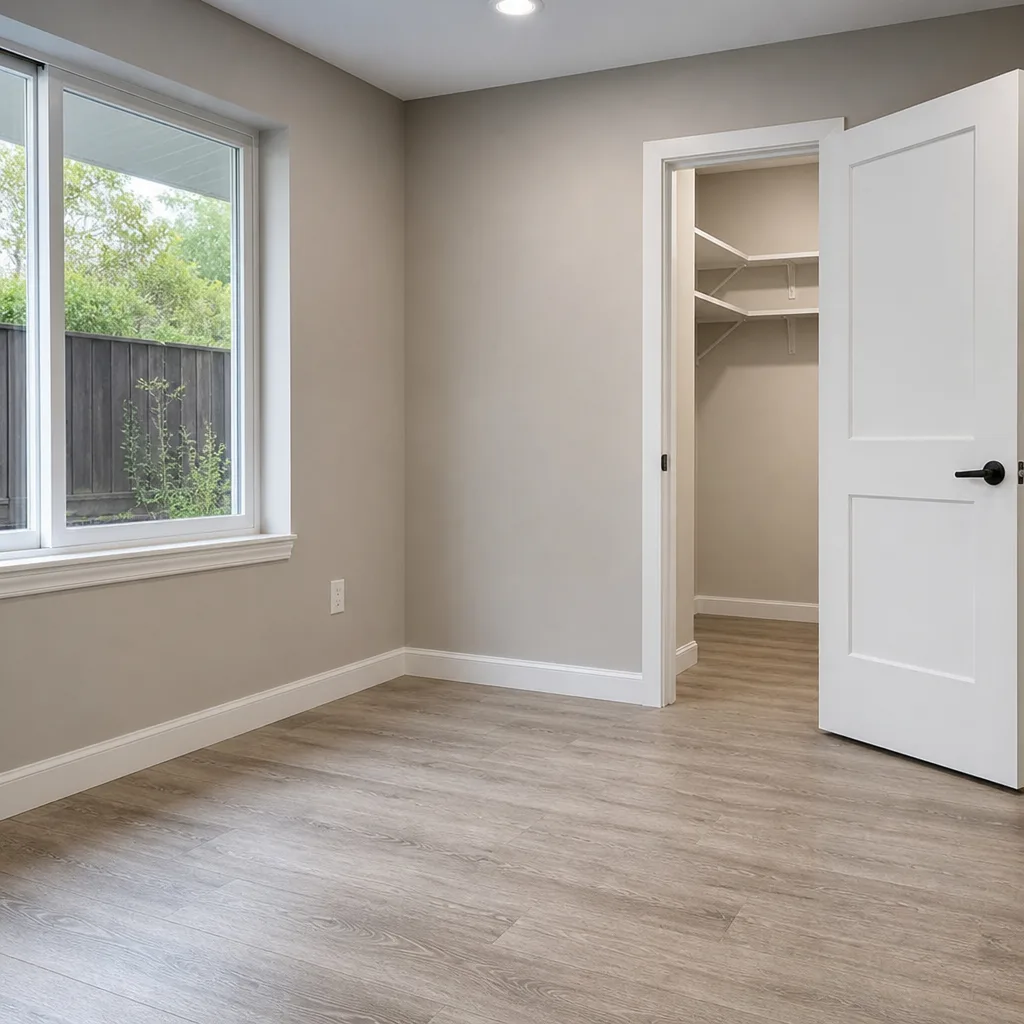 After
After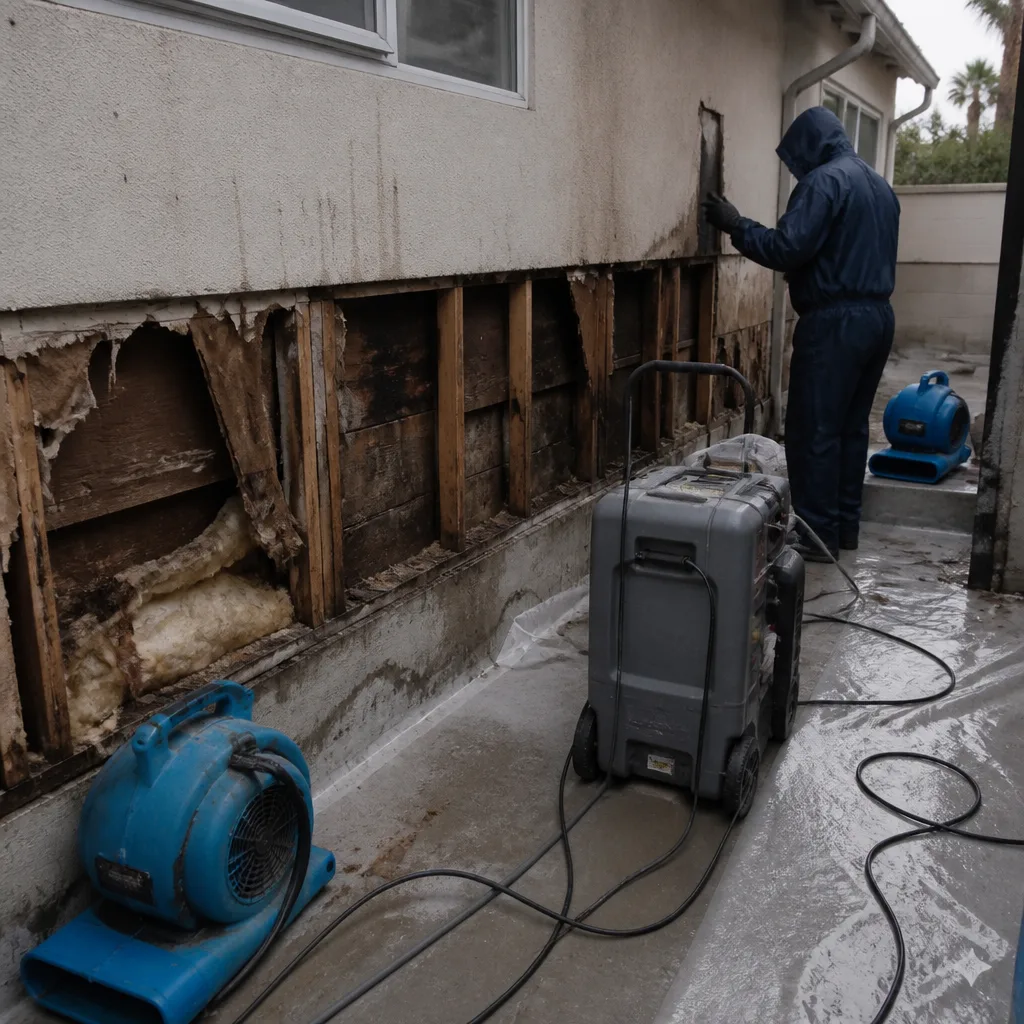 Before
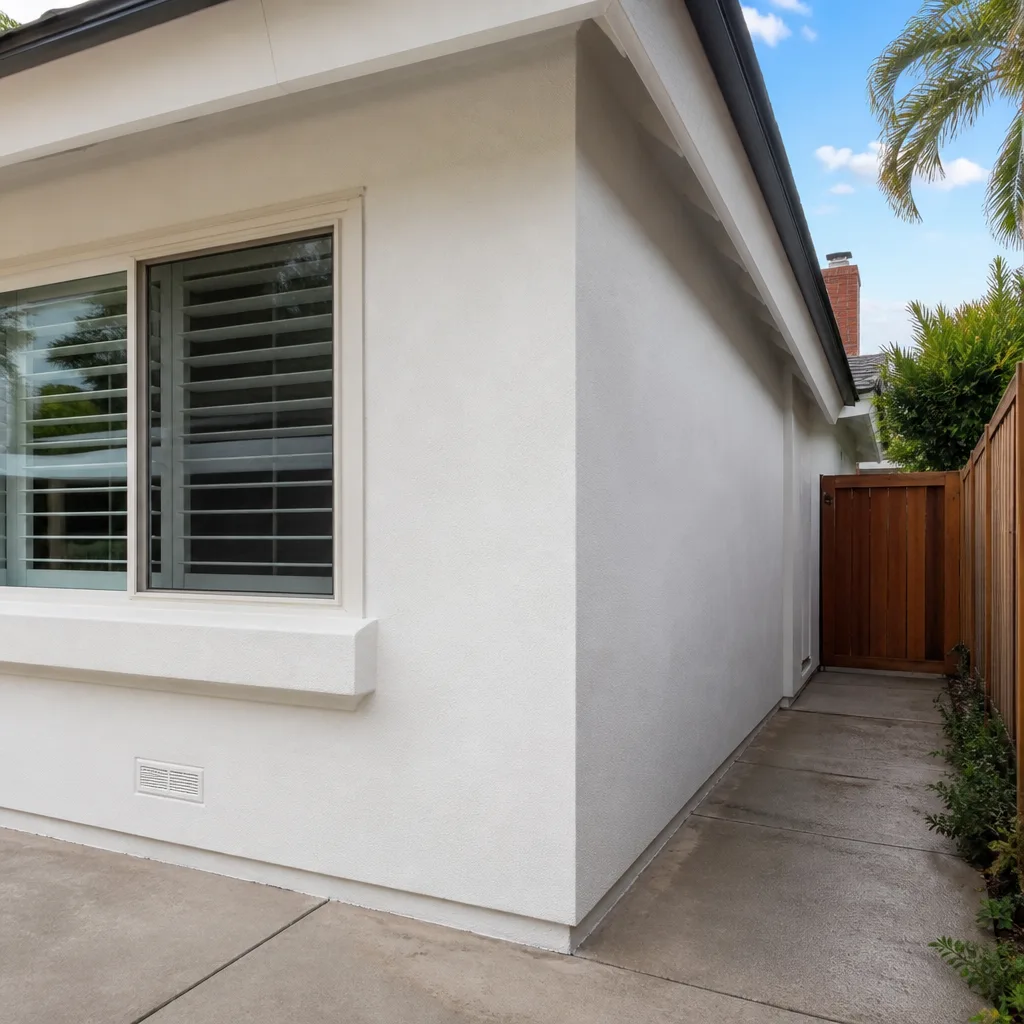 After
After24/7 Emergency Water Damage Restoration in La Mesa
Water damage in a La Mesa home can escalate from a contained leak to compromised subflooring in under six hours. Call (619) 330-9541 and you’ll reach a live person, not a voicemail tree, any hour of any day. Our crews dispatch from our San Diego office into La Mesa neighborhoods within 45 minutes of your call, and we provide a free visual inspection with moisture mapping before any equipment runs or any price is discussed.
The first hour determines whether you’re looking at extraction and drying, or full subfloor replacement. In La Mesa’s 1940s-1960s ranch homes, water that reaches the crawlspace encounters unsealed foundation vents and original building materials that absorb moisture faster than modern construction. We document everything from arrival so your insurer sees the timeline, not just the result.
Understanding Water Damage Restoration Severity in La Mesa Properties
Water damage restoration in La Mesa operates under IICRC categories that define what we’re dealing with and what safety protocols follow. Category 1 is clean water from a supply line. Category 2 carries contaminants, typically from storm runoff that has crossed soil, roofing material, or crawlspace debris. Category 3 is grossly contaminated, often from sewage backup or prolonged standing water.
La Mesa’s hillside geography pushes many storm events straight into Category 2 or 3. When winter runoff shears down a sloped Grossmont-area lot, it collects roof grit, soil sediment, and whatever sits in the crawlspace before it ever reaches your living room. We’ve tested runoff from canyon-bottom streets that arrived looking clear but registered high particulate and bacterial loads. Treating that as Category 1 skips the antimicrobial treatment and containment the job actually requires, and leaves you with a failed clearance down the line.
Our moisture mapping uses thermal imaging and hygrometers to establish a psychrometric baseline, vapor pressure differential, and drying goals specific to your structure’s materials. A 1950s ranch with original redwood subflooring dries differently than a 1980s tract home with OSB. We document both the category classification and the material-specific drying plan in your written scope before work begins.
Why La Mesa Property Owners Choose DryMark Restoration San Diego
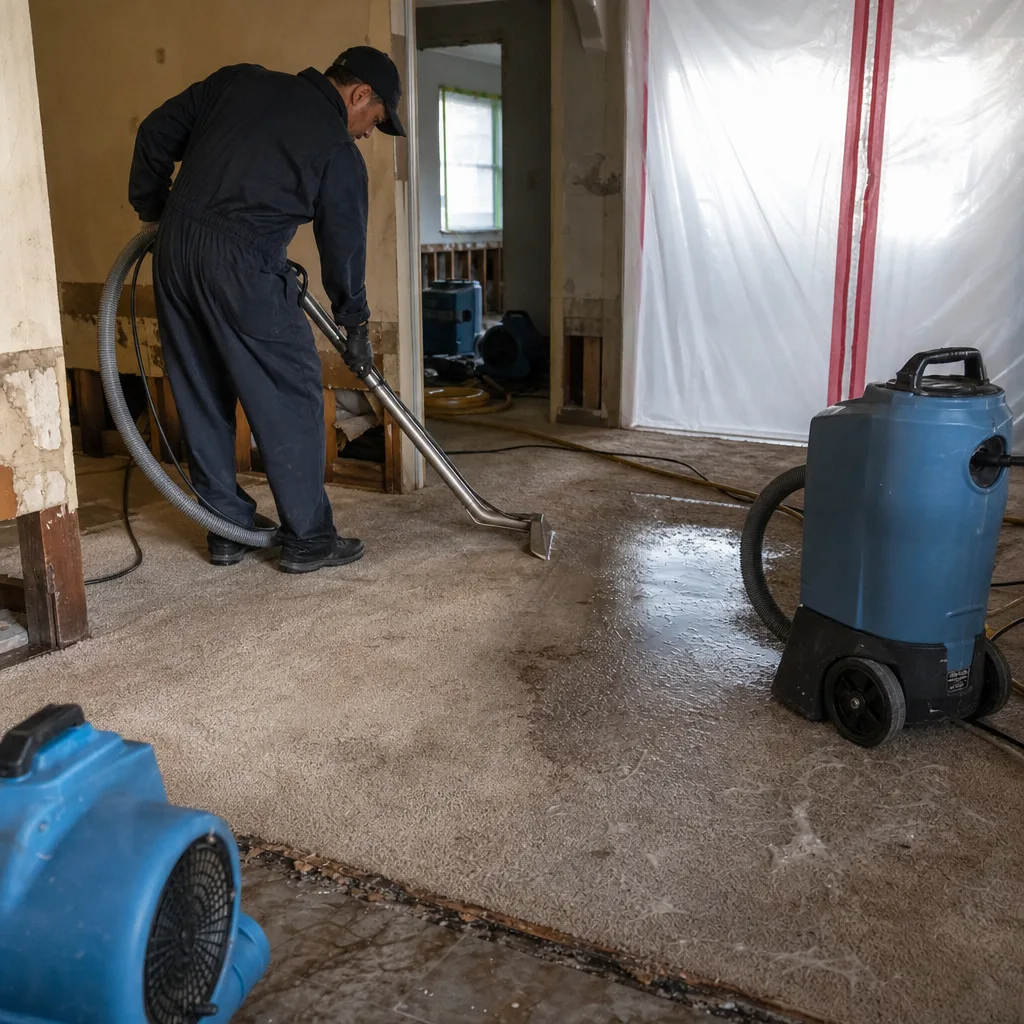
- 45-minute response commitment to La Mesa addresses, with crews staged for East County dispatch.
- 24/7 live answer by a real person, never an automated system or next-business-day callback while water is still moving.
- IICRC-certified crews holding WRT (Water Damage Restoration Technician) and AMRT (Applied Microbial Remediation Technician) certifications, with license numbers documented on every job.
- Free visual inspection with moisture readings, delivered with no obligation and no pressure to authorize work on the spot.
- Direct insurance billing and adjuster coordination, with photo documentation and drying logs formatted to carrier standards.
- One team from extraction through reconstruction, so the crew that wrote your scope finishes your repairs and honors the 365-Day Done Right Promise.
BeforeAfterOur Water Damage Restoration Process
1. Inspection & Assessment
We arrive with thermal imaging cameras, moisture meters, and hygrometers to map affected areas and identify the water category. In La Mesa’s older ranches, we specifically check unsealed attic chases and original ductwork, where hidden moisture reservoirs commonly survive initial detection. You receive a written scope and price before any work begins, Haven Standard, Clause 1.
2. Extraction & Stabilization
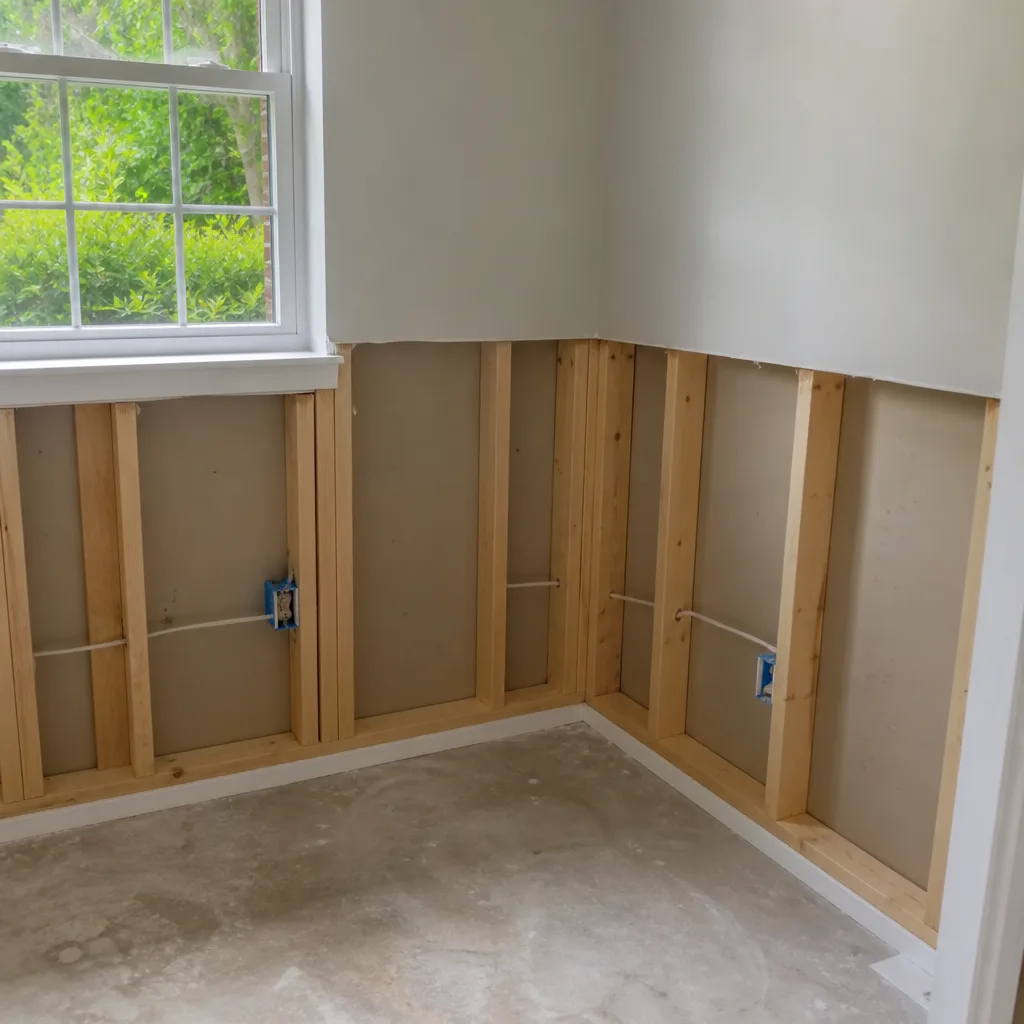
Standing water comes out first, using truck-mounted extraction systems and portable units for tight crawlspaces. On sloped La Mesa lots, we remove sediment and debris carried in by runoff before it becomes a secondary contamination source trapped against your subfloor.
3. Drying & Dehumidification
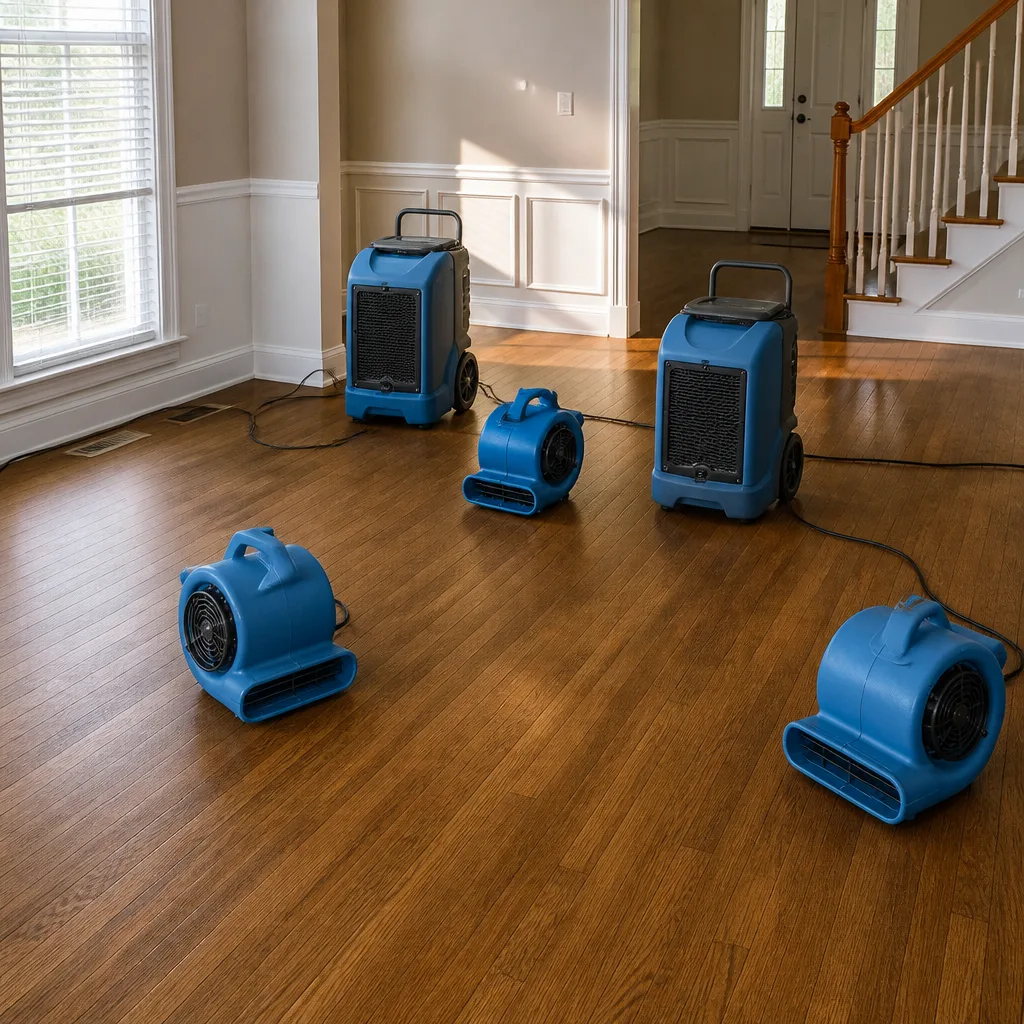
We deploy Dri-Eaz and Phoenix dehumidifiers with calculated air mover placement based on your home’s cubic footage and material density. Daily moisture logs track progress to the dry standard, documented to IICRC and RIA protocols for your adjuster.
4. Cleaning & Sanitization
Category 2 and 3 jobs receive antimicrobial treatment on affected framing and subflooring. HEPA air scrubbers run during this phase to capture airborne particulates, especially critical in La Mesa homes where wildfire smoke has previously loaded duct systems with fine particulate matter.
5. Duct & Air Quality Assessment
Because La Mesa’s 1940s-1960s housing stock shares unsealed attic chases and aging duct lining between water and smoke damage pathways, we inspect the HVAC system for trapped moisture and prior smoke loading. This step prevents the hidden moisture reservoir that surfaces as air-quality complaints weeks after a “finished” job.
6. Repairs & Restoration
Our crew returns affected areas to pre-loss condition, from subfloor replacement to finish carpentry. The same team that extracted the water completes the rebuild, with the 365-Day Done Right Promise stamped on every job under The Haven Standard.
Need Emergency Water Damage Restoration in La Mesa Now?
Crews minutes away, answering live 24 hours a day. The sooner we start, the less it costs.
Working With Your Insurance Company
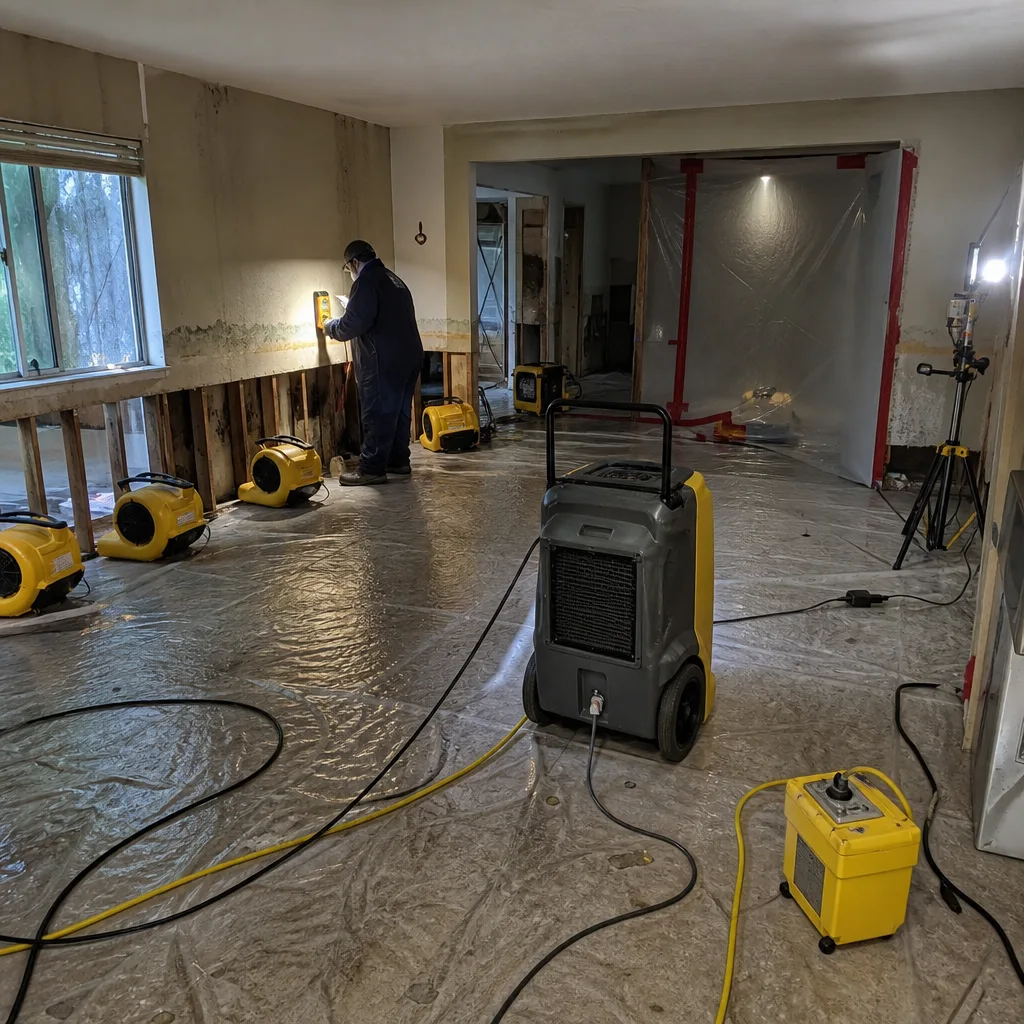
Insurance claims succeed or fail on documentation. We know this because our founder, Alicia Brennan, spent years as a claims adjuster watching homeowners lose coverage over incomplete files. From our first hour on your La Mesa property, we photograph every affected room, record moisture readings at multiple depths, and maintain daily drying logs that show your carrier exactly what was done and why.
Our estimates follow industry-standard Xactimate pricing with line-item detail. We communicate directly with your adjuster, provide the scope in their preferred format, and flag any code upgrades or material matching requirements that California law may trigger in older La Mesa homes. You don’t chase paperwork; we document so the claim pays without a fight.
What We Provide Your Insurer
- Thorough documentation of the loss
- Photos of all damage, room by room
- Moisture readings and drying logs
- A detailed, line-item scope of work
- Direct coordination with your carrier
Built for La Mesa’s Loss Calendar
La Mesa’s water damage season runs inverse to what most of the country expects. January through March brings concentrated winter storm cells that stall over East County, dumping rain on sloped lots where runoff has nowhere to go but through foundation vents and original aluminum-frame windows. The canyon-bottom neighborhoods near Lake Murray and along the San Diego River tributaries see fast-moving intrusion events that flat coastal cities in the county rarely experience.
April and May bring drier conditions, but Santa Ana wind events peak, driving wildfire risk and smoke damage calls that overlap with water season in complex ways. June through October is technically dry, but aging galvanized supply lines in La Mesa’s pre-1970 housing stock fail under decades of mineral buildup, producing burst pipe jobs in homes where the original plumbing has exceeded its design life. November and December bring the first winter storms, and with them, the year’s highest volume of combined water and smoke-related calls as homeowners discover what fire season left in their ducts.
Water Damage Restoration Across La Mesa’s Neighborhoods
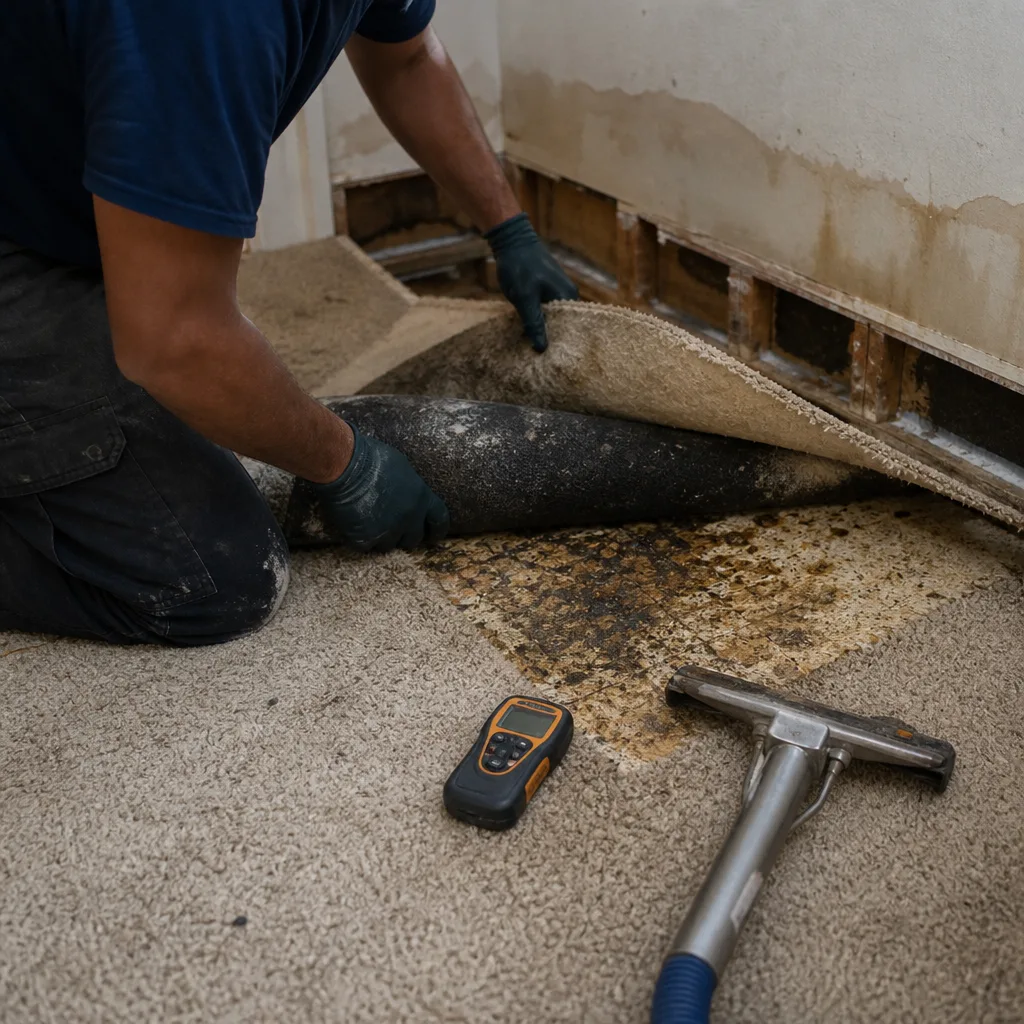
La Mesa’s geography creates distinct loss patterns by area, and our crews route accordingly.
Grossmont and hillside neighborhoods: These sloped lots concentrate runoff into crawlspaces and subflooring. After a January storm cell stalled over East County, we responded to a 1950s ranch on a sloped lot near Grossmont where runoff had sheared through an original aluminum-frame window and pooled under the subfloor. Our tech ran moisture mapping across the affected rooms, pulled standing water with extraction equipment, and found the water had carried enough roof grit and silt to classify it as Category 2, so we did antimicrobial treatment on the framing before setting Dri-Eaz air movers and a Phoenix dehumidifier for structural drying. Because the home’s duct system had also drawn in smoke from the previous fall’s East County fire, we documented both the moisture readings and the duct condition in a single scope of work so the homeowner’s adjuster could see the full picture in one trip.
La Mesa Village and central corridors: Older commercial and mixed-use buildings with flat roofs and original cast-iron drainage see ceiling collapses and supply line failures. The tighter lot lines mean equipment staging requires coordination, and we arrive with portable extraction units that fit through narrow accessways.
Lake Murray and canyon-bottom streets: Proximity to the reservoir and low-lying topography produces the fastest-moving intrusion events in the city. These jobs routinely test as Category 2 or 3 from arrival, and sediment removal becomes as critical as water extraction before structural drying can begin.
Rolando and eastern La Mesa: Postwar ranch homes on larger lots with detached garages and workshops. The expanded footprint means longer hose runs and more zones to dry, but also better equipment access. We see more burst pipe calls here in winter as exposed supply lines to outbuildings freeze during rare cold snaps.
Specialized Water Damage Restoration Services We Offer in La Mesa
Emergency Water Extraction
Standing water comes out first, always. In La Mesa’s hillside neighborhoods, we extract not just the visible pool but the sediment layer underneath, using truck-mounted systems for volume and portable units for crawlspace access. Category classification happens during extraction, not after, so the right sanitization protocol follows immediately.
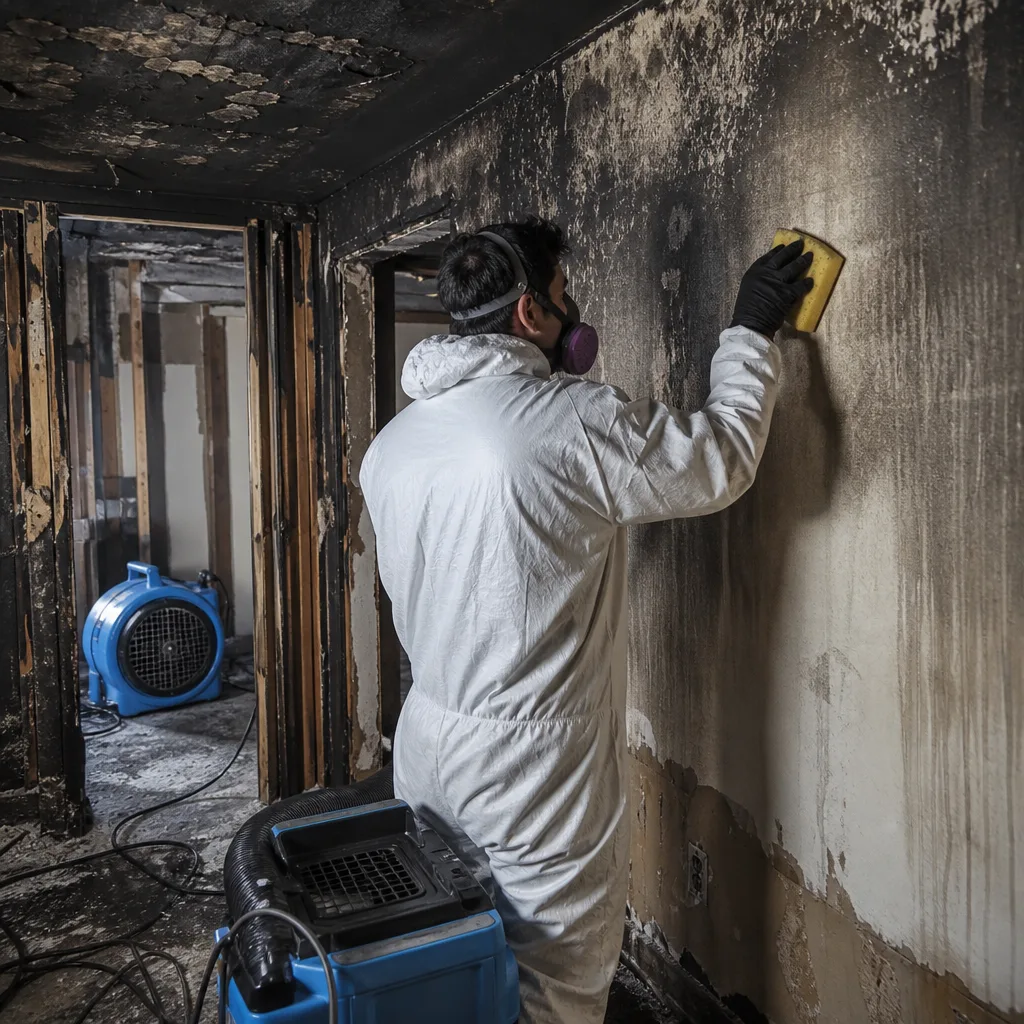
Structural Drying & Dehumidification
Air movers and dehumidifiers are positioned based on psychrometric calculations, not guesswork. In La Mesa’s 1940s-1960s ranches, we account for original redwood subflooring and uninsulated wall cavities that release moisture differently than modern assemblies. Daily moisture logs document progress to the dry standard, formatted to IICRC and RIA protocols your adjuster recognizes.
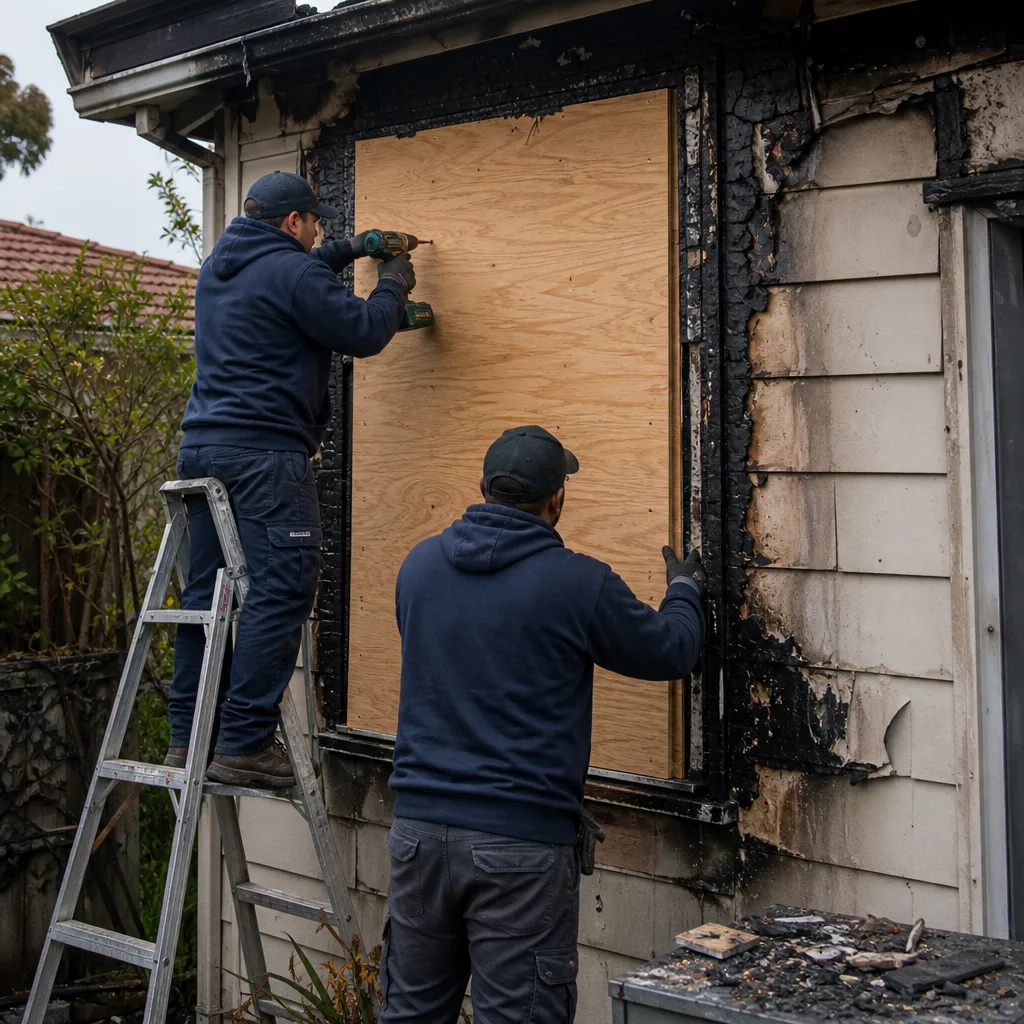
Flood Cleanup
La Mesa’s canyon-bottom floods carry debris, soil, and roof grit that change the job from a drying project to a contamination remediation. We remove sediment before setting drying equipment, test water category on arrival, and document the full chain for your insurer.
Burst Pipe Restoration
Aging galvanized and original copper in La Mesa’s pre-1970 housing stock fails without warning, often while homeowners are away. We extract, dry, and scope the full damage path, including wall cavities where pressurized spray has traveled far from the break point. The written price covers extraction through repair, Haven Standard, Clause 1.
Basement Water Removal
True basements are rare in La Mesa, but converted crawlspaces and below-grade additions in hillside homes present similar challenges. We access tight spaces with portable extraction, address hydrostatic pressure issues, and dry to the same standard as full basements.
Ceiling & Roof Leak Water Damage
La Mesa’s Santa Ana wind events drive rain through compromised roofing and original flashing. We trace the water path through attic spaces, document insulation saturation, and scope repairs that address both the leak source and the interior damage.
What happens when you call
- 1
A real person answersNo phone trees - you reach a local pro.
- 2
You get an upfront price rangeHonest numbers before anyone is dispatched.
- 3
A background-checked tech heads outLicensed & insured, dispatched right away.
- 4
You approve before work beginsNothing starts until you say go.
Water Damage Restoration Costs in La Mesa, CA
Water damage restoration in La Mesa typically runs $2,800-$6,500 for a standard residential extraction and drying job, with burst pipe repairs adding $1,200-$3,800 depending on material access and wall repair scope. Category 2 or 3 jobs, common in hillside runoff events, add $800-$2,400 for antimicrobial treatment, containment, and disposal protocols. Full reconstruction of affected drywall, flooring, and trim ranges $4,500-$12,000 based on square footage and material matching requirements in older La Mesa homes.
What moves the price: water category, affected square footage, whether sediment removal is required before drying, and whether asbestos-containing materials trigger mandatory abatement. Many La Mesa homes built 1940-1970 contain asbestos floor tile, popcorn ceilings, or pipe insulation that must be tested and, if positive, abated before remediation proceeds.
Insurance typically covers sudden and accidental water damage from burst pipes or storm intrusion, less the deductible. Gradual leaks and maintenance issues are usually excluded. We provide a free visual inspection that produces a written scope and firm price you can submit to your carrier before authorizing work. Call (619) 330-9541 for your free estimate.
We Also Serve Cities Near La Mesa
Our crews respond throughout East County from our San Diego office, with regular dispatch to Water Damage Restoration in La Mesa and surrounding communities including Spring Valley, El Cajon, Santee, and Bonita. Each area receives the same documented process, written price before work begins, and 365-Day Done Right Promise under The Haven Standard.
Serving La Mesa, CA - Our Local Coverage Area
We’re based in the La Mesa area and know this community well. Use the map below to see our service coverage - if you’re nearby, we can almost certainly help.
La Mesa Water Damage Restoration Questions, Answered
Why does water damage in La Mesa’s hillside neighborhoods get classified differently than a coastal San Diego leak?
Runoff on La Mesa’s sloped lots crosses soil, roof grit, and crawlspace debris before entering the home, routinely producing Category 2 or 3 water that requires antimicrobial treatment and containment. Coastal leaks from supply lines or roof failures typically arrive as Category 1. We test and classify on arrival, not by appearance, so the right protocol follows. Call (619) 330-9541 for a free inspection and written scope.
How fast do we need to start drying after a water intrusion in a 1950s La Mesa ranch home?
Within 24 hours, and preferably within 6. Original redwood subflooring and uninsulated wall cavities in 1950s La Mesa construction absorb moisture faster than modern assemblies and release it slower. Delayed drying means subfloor replacement instead of restoration. Our 45-minute response commitment exists precisely for this timeline. Call (619) 330-9541 for immediate dispatch.
Does a water damage job in La Mesa require asbestos testing before remediation?
Homes built 1940-1970 in La Mesa commonly contain asbestos floor tile, popcorn ceilings, or pipe insulation. Disturbing these materials without testing violates California law and creates liability for both homeowner and contractor. We coordinate testing as part of our initial scope when the structure’s age indicates risk, and we never begin demolition until clearance is documented. Call (619) 330-9541 to discuss your property’s specific requirements.
Can a burst pipe job in La Mesa be finished in one visit?
Extraction and emergency stabilization happen in one visit. Structural drying requires multiple days with daily moisture logging. The full job, including repairs, is scoped in writing before work begins with a clear timeline by phase, Haven Standard, Clause 1. You’ll know exactly what happens when before authorizing. Call (619) 330-9541 for your written scope.
Why would a water damage crew in La Mesa also check the duct system?
La Mesa’s 1940s-1960s ranches share unsealed attic chases and aging duct lining between water and smoke damage pathways. The same gaps that let wildfire smoke settle in for months also trap humid air after a water job, creating a hidden moisture reservoir that surfaces as air-quality complaints weeks later. We inspect and document duct condition so your scope addresses both the immediate water loss and the pre-existing condition that could compromise the result. Call (619) 330-9541 for a full assessment.
Will my insurance cover water damage restoration in La Mesa?
Sudden and accidental damage from burst pipes or storm intrusion is typically covered, less your deductible. Gradual leaks and maintenance issues are usually excluded. We document the cause, timeline, and extent in a format your adjuster recognizes, and we coordinate directly with your carrier. Our photo records and drying logs are built to turn restoration invoices into payable claims. Call (619) 330-9541 to start your documentation file.
How long does structural drying take in a La Mesa home?
Three to five days for most residential jobs, with daily moisture readings to confirm the dry standard is met. Older La Mesa homes with original materials, unsealed crawlspaces, or sediment trapped under subflooring may extend to seven days. We never declare a job complete until the logs prove it, and we share those logs with your insurer. Call (619) 330-9541 for a timeline specific to your loss.
Can we stay in the home during water damage restoration?
Sometimes, for Category 1 jobs limited to one area with contained equipment. Category 2 and 3 jobs, common in La Mesa hillside runoff events, typically require temporary relocation due to antimicrobial treatment, air scrubber noise, and containment barriers. We discuss this during your free inspection and include any relocation need in your written scope. Call (619) 330-9541 to assess your specific situation.
Back to Dry Restoration, led by Alicia Brennan, has operated under The Haven Standard since 2011. Our Water Damage Restoration team serves La Mesa with documented processes, written prices before work begins, and the 365-Day Done Right Promise on every job. Call (619) 330-9541 for a free inspection and written scope.
Written by Alicia Brennan, Owner at Back to Dry Restoration, serving La Mesa since 2011.
Water Damage Restoration in Nearby Areas