
Free visual inspection and a written scope of work before any mitigation begins - photos, moisture readings, and drying logs go in your claim file
The scope we write is the scope we bill. Anything new gets shown to you, in writing, before we touch it.

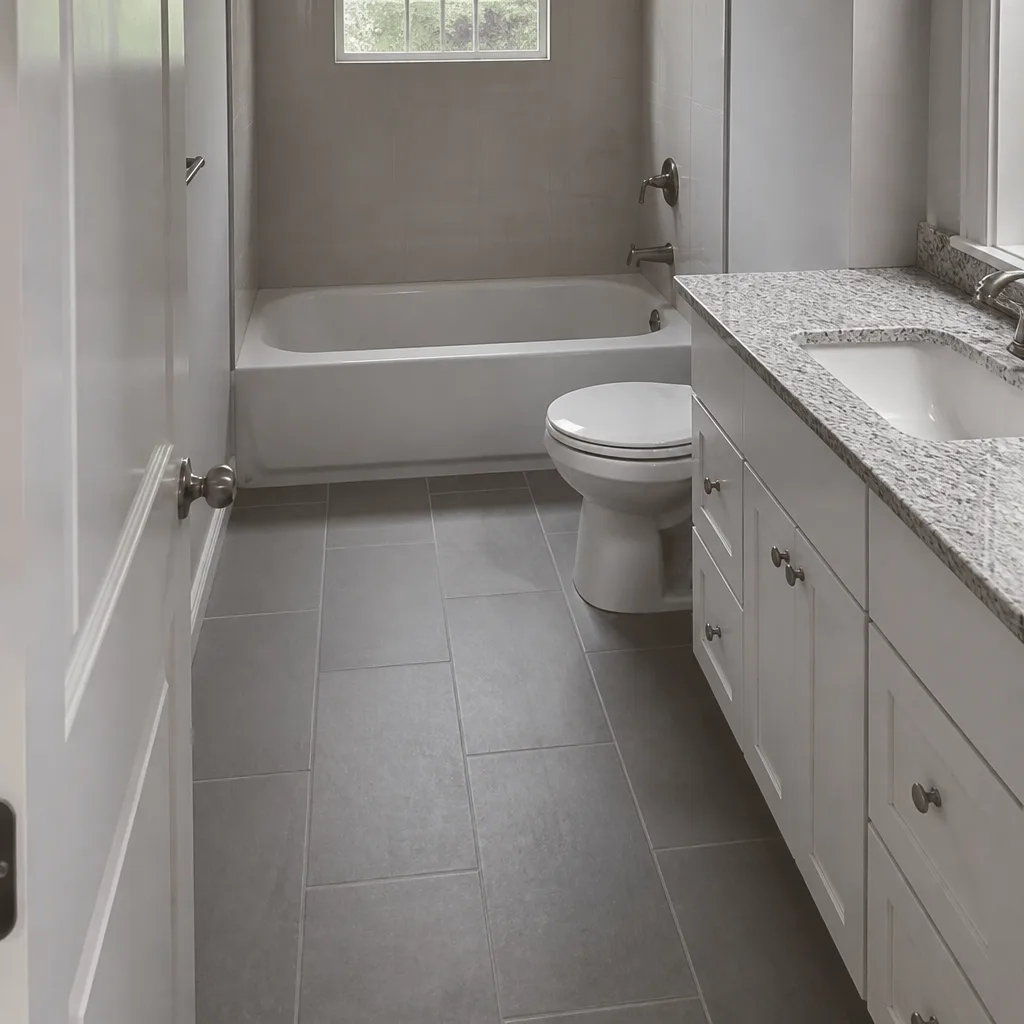
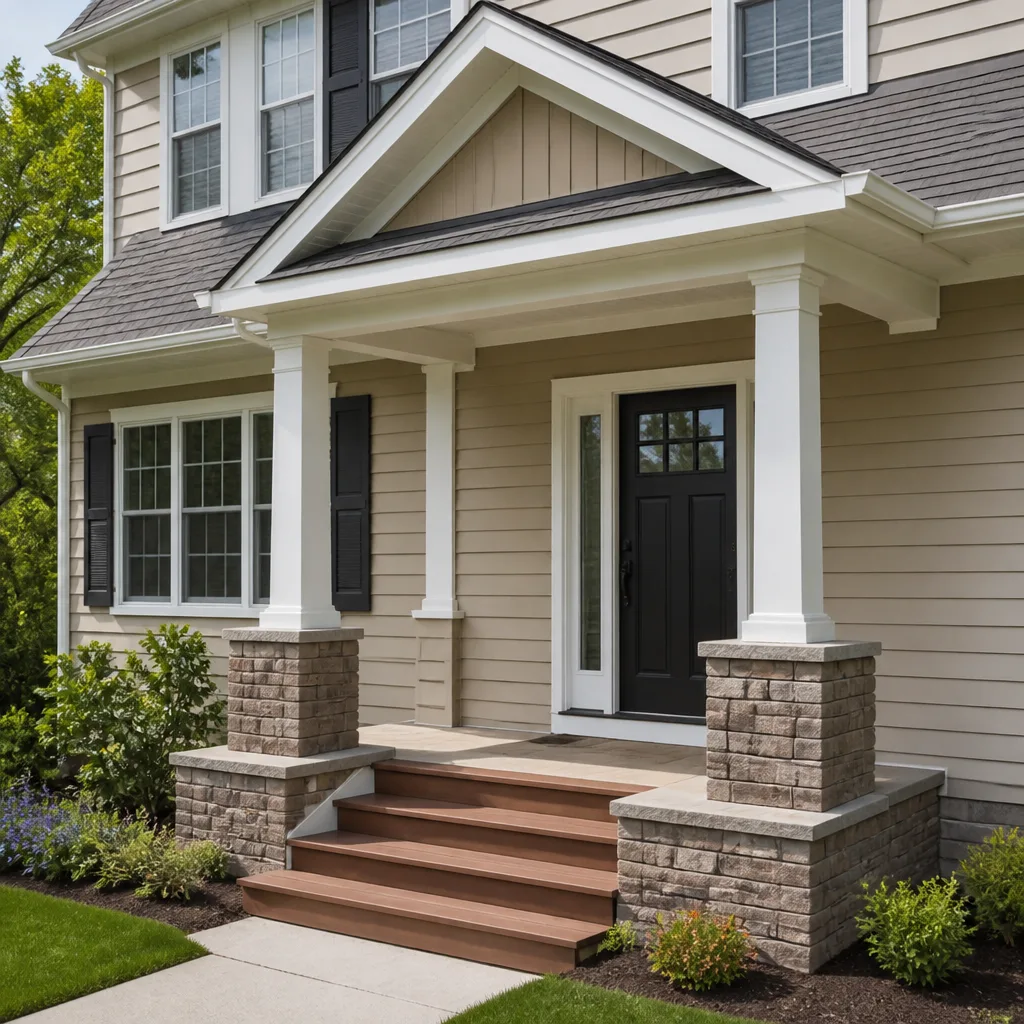
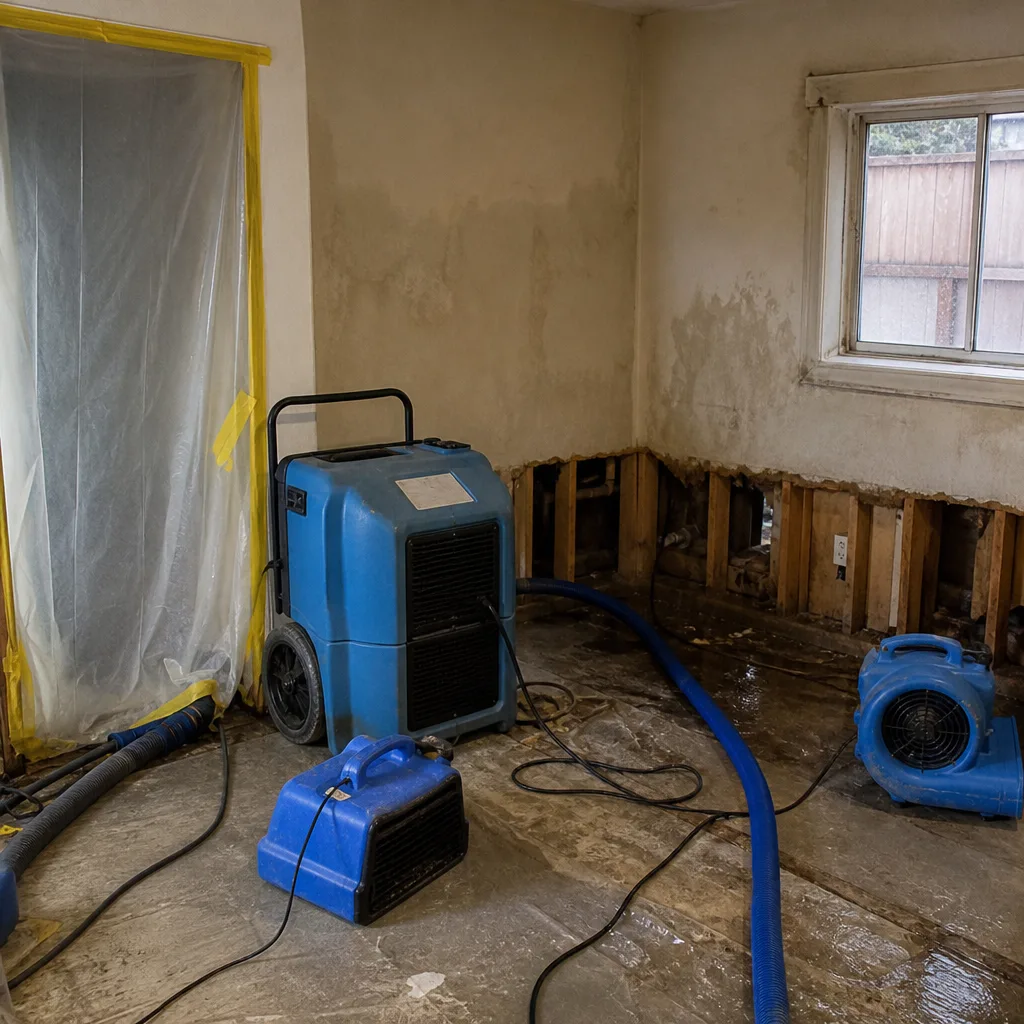 Before
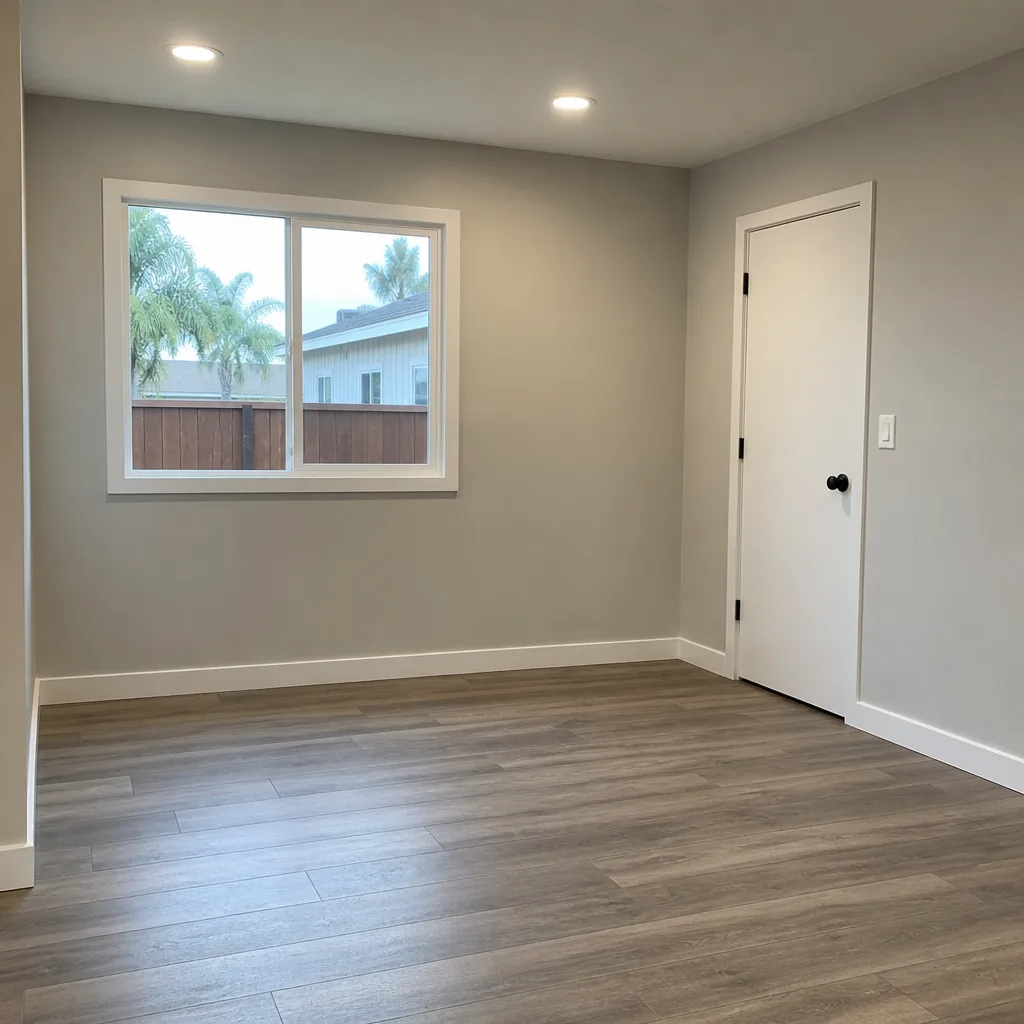 After
After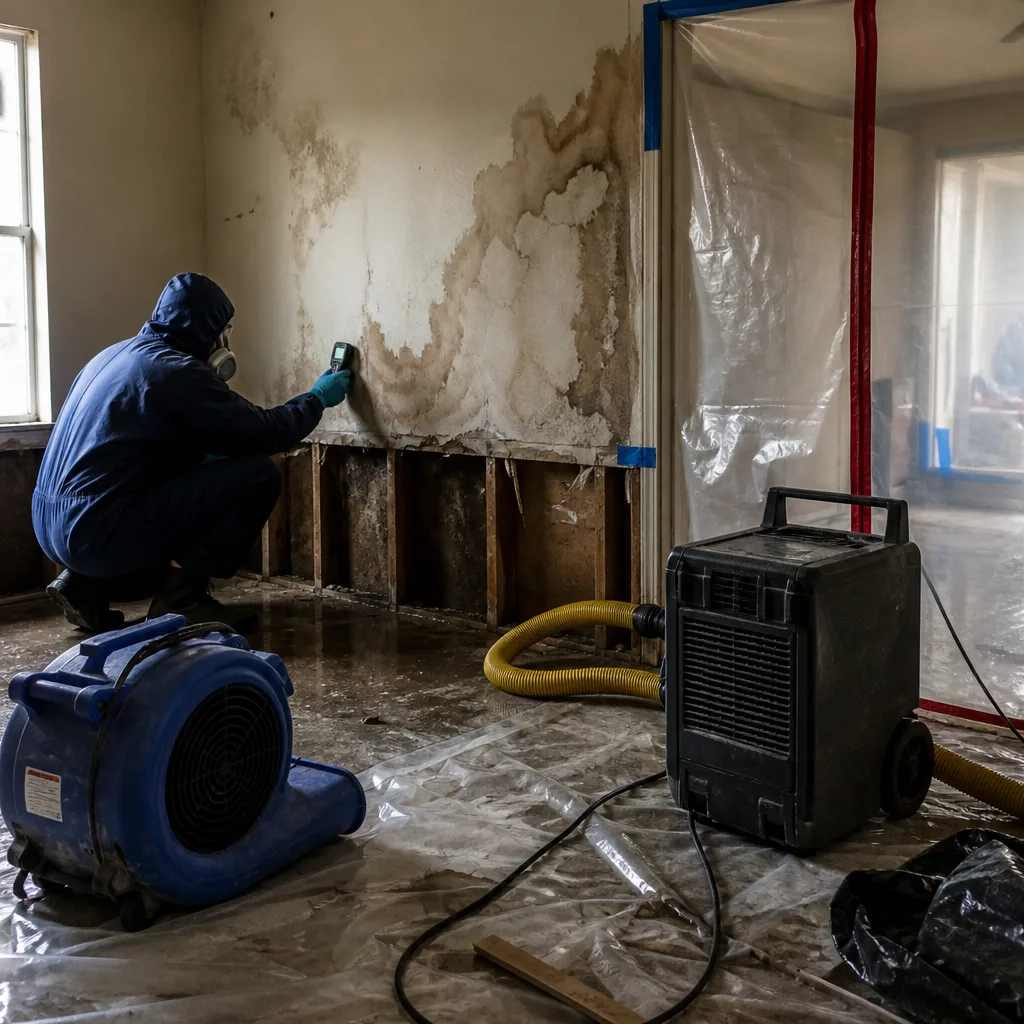 Before
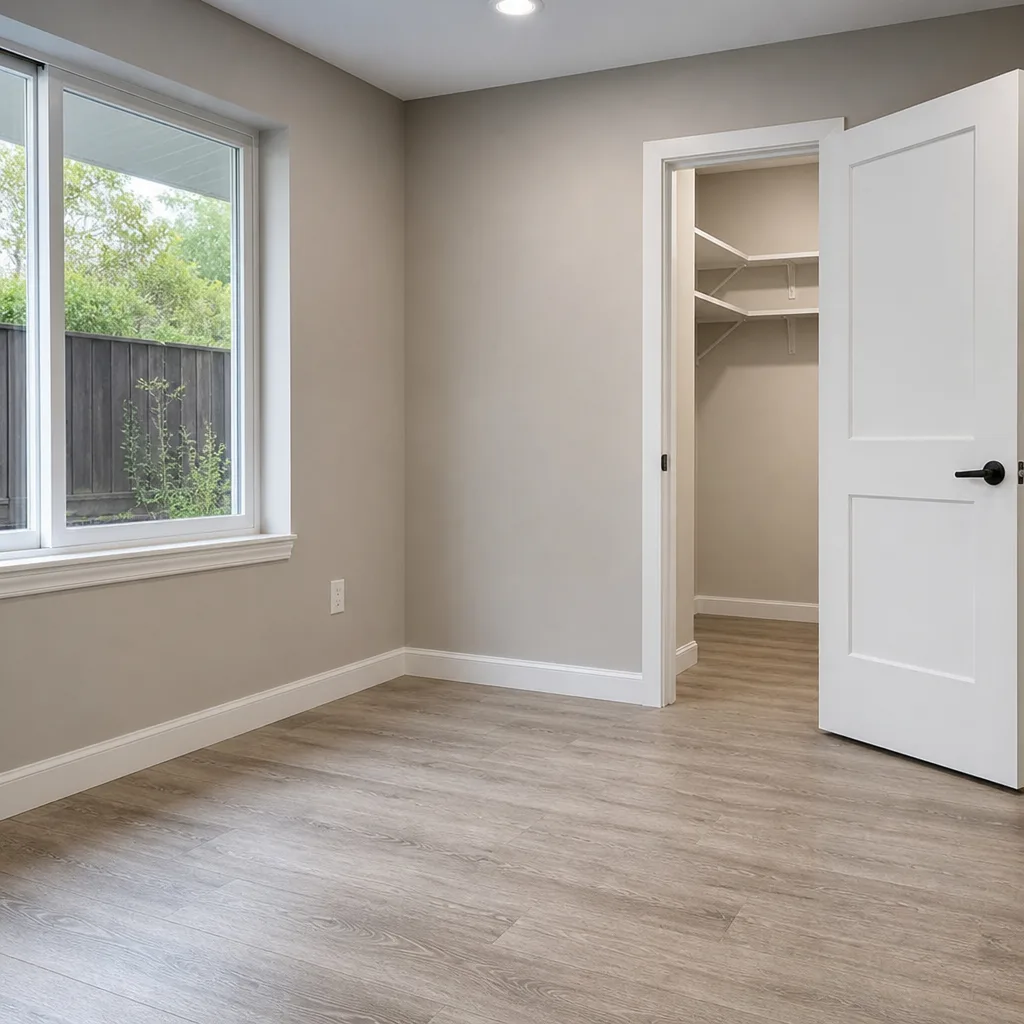 After
After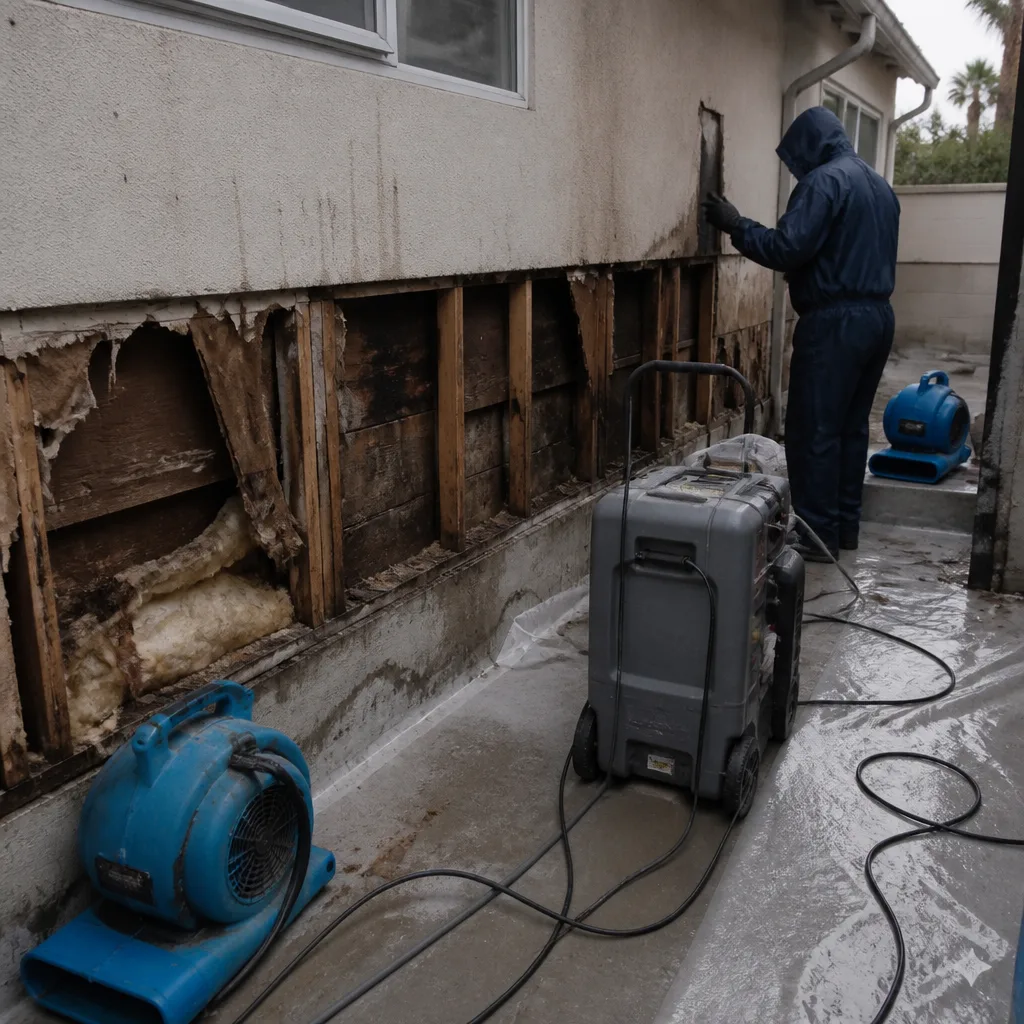 Before
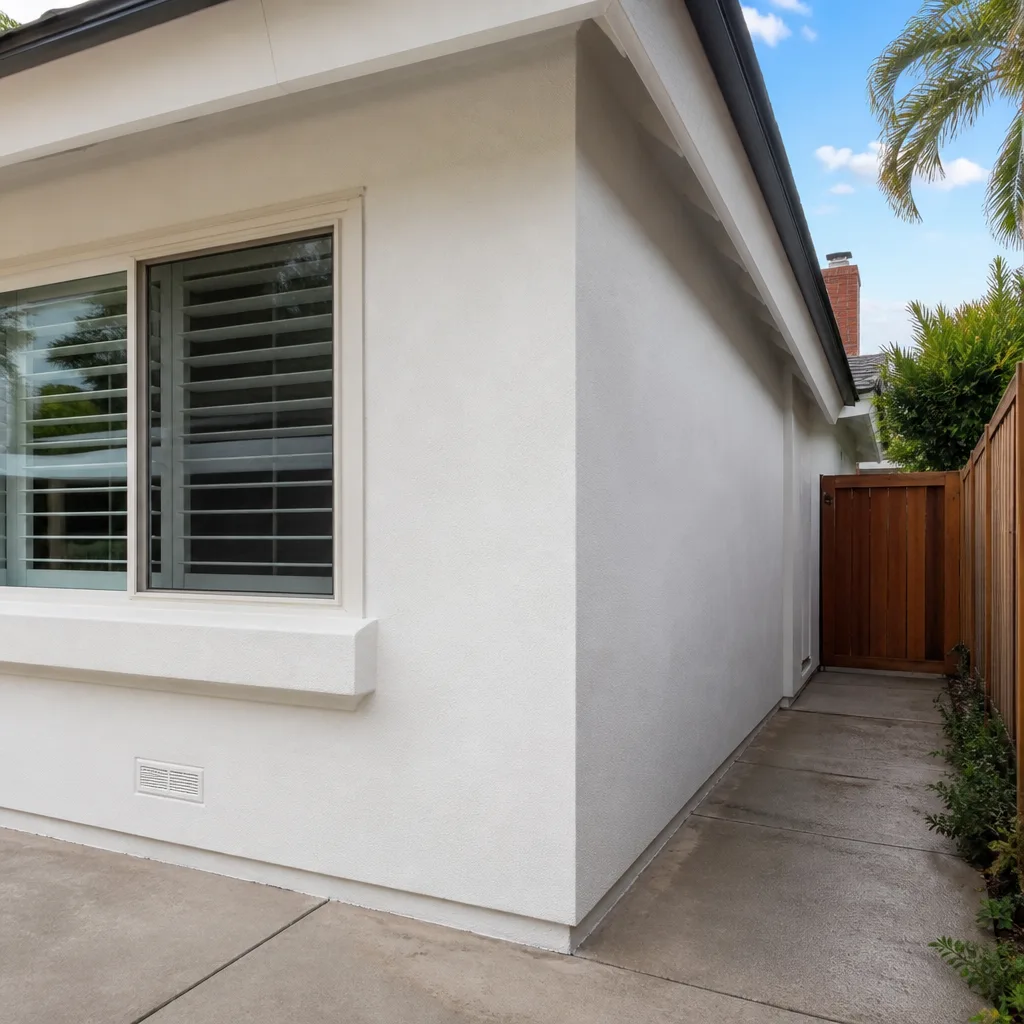 After
After24/7 Emergency Water Damage Restoration in Chula Vista
Water damage in Chula Vista spreads fast. A burst pipe or slab leak can saturate drywall, warp flooring, and trigger mold inside 24 to 48 hours. Call (619) 330-9541 now and you’ll reach a live person, not a voicemail tree. Our crews dispatch throughout Chula Vista from our San Diego office, and we arrive with extraction equipment, moisture meters, and thermal imaging ready to work.
The first hour determines how much of your structure we can dry in place versus what must be removed. Water follows gravity until it hits a barrier, then it wicks upward into wall cavities and insulation. In Chula Vista’s older western neighborhoods near Third Avenue, that often means galvanized pipe failures in crawl spaces. In eastern Otay Ranch and Eastlake, under-slab copper lines on shifting clay soils are the culprit. Either way, we start with a free visual inspection, document everything with photos, and give you a written price before any work begins. Haven Standard, Clause 1.
Understanding Water Damage Restoration Severity in Chula Vista Properties
Water damage gets classified by contamination level, and that classification drives every decision we make. Category 1 is clean water from a supply line. Category 2 carries significant contamination, think dishwasher discharge or washing machine overflow. Category 3 is grossly contaminated, sewage intrusion or floodwater carrying silt and debris. Each category demands different protection levels for our crews, different disposal protocols, and different drying strategies for your Chula Vista home.
Moisture mapping with thermal imaging and penetrating hygrometers tells us where the water actually traveled, not just where it pooled. In western Chula Vista’s post-WWII bungalows near the bay, we often find water migrating through single-wall construction with no vapor barrier, saturating redwood sill plates that were never pressure-treated. Eastern Chula Vista’s 2000s-era tract homes present the opposite problem: tight stucco-over-wood-frame assemblies with low permeability that trap moisture inside wall cavities. Air movers alone won’t dry those assemblies. We calculate vapor pressure differential, the force that drives moisture from wet materials into dry air, to determine whether we can dry in place or need controlled demolition. Tertiary drying, the final phase where we chase bound moisture out of dense materials like concrete subfloors, often takes longest in Otay Ranch homes with slab-on-grade construction over that expansive clay.
Why Chula Vista Property Owners Choose DryMark Restoration San Diego
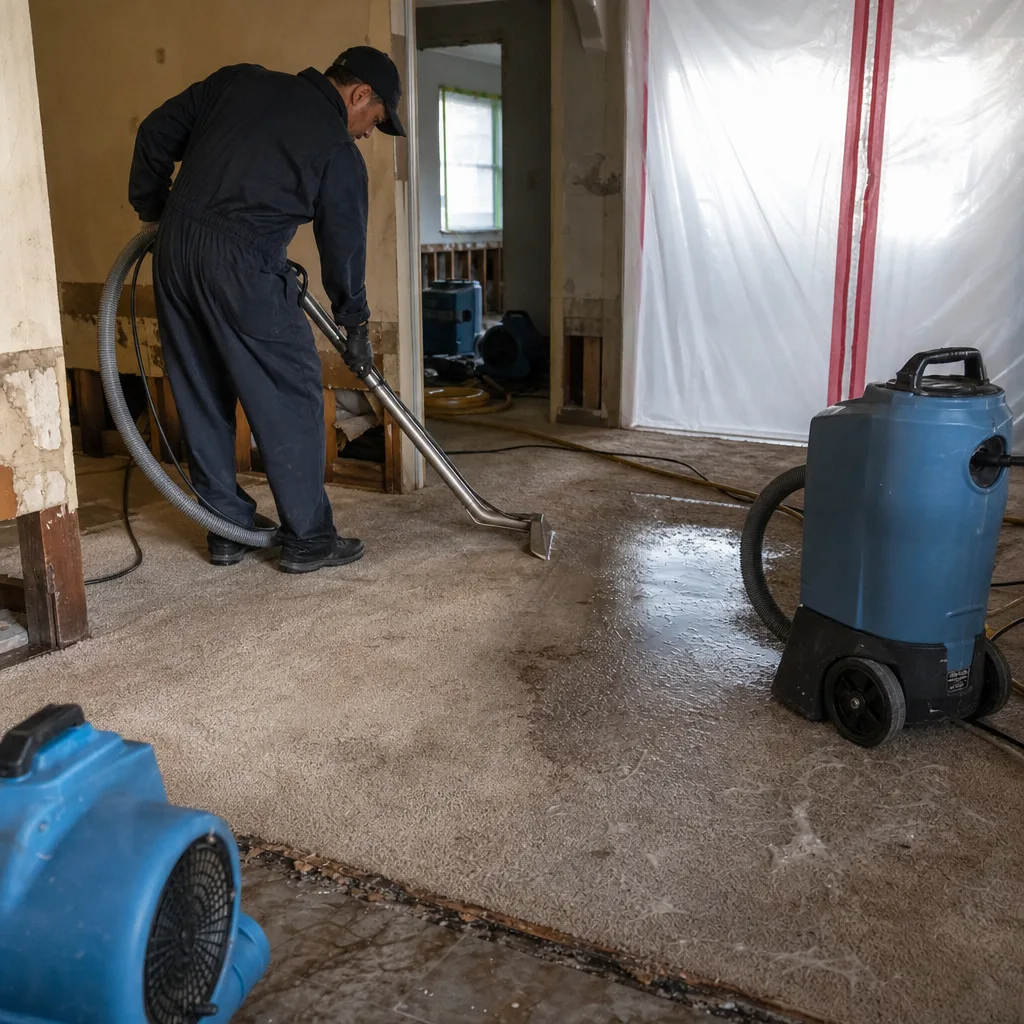
- 45-minute response commitment to Chula Vista addresses during business hours, with after-hours dispatch through our 24/7 live emergency line.
- A real person answers every call, 24 hours a day, 7 days a week. No automated attendant, no “press 1 for water damage,” no callback queue while your floor buckles.
- IICRC-certified crews hold WRT (Water Damage Restoration Technician), ASD (Applied Structural Drying), and AMRT (Applied Microbial Remediation Technician) credentials, documented and current.
- Free visual inspection with moisture readings and thermal imaging before any commitment or contract.
- Direct insurance billing with photo-documented estimates formatted to carrier standards, plus direct adjuster coordination on request.
- One team from emergency extraction through final reconstruction. No handoffs to unknown subcontractors mid-job.
BeforeAfterOur Water Damage Restoration Process
1. Inspection & Assessment
We arrive with FLIR thermal cameras, Tramex moisture meters, and penetrating probes to map the full extent of water migration. You get a photo record of every affected area and a written scope with line-item pricing before any equipment runs. Haven Standard, Clause 1.
2. Water Extraction & Stabilization
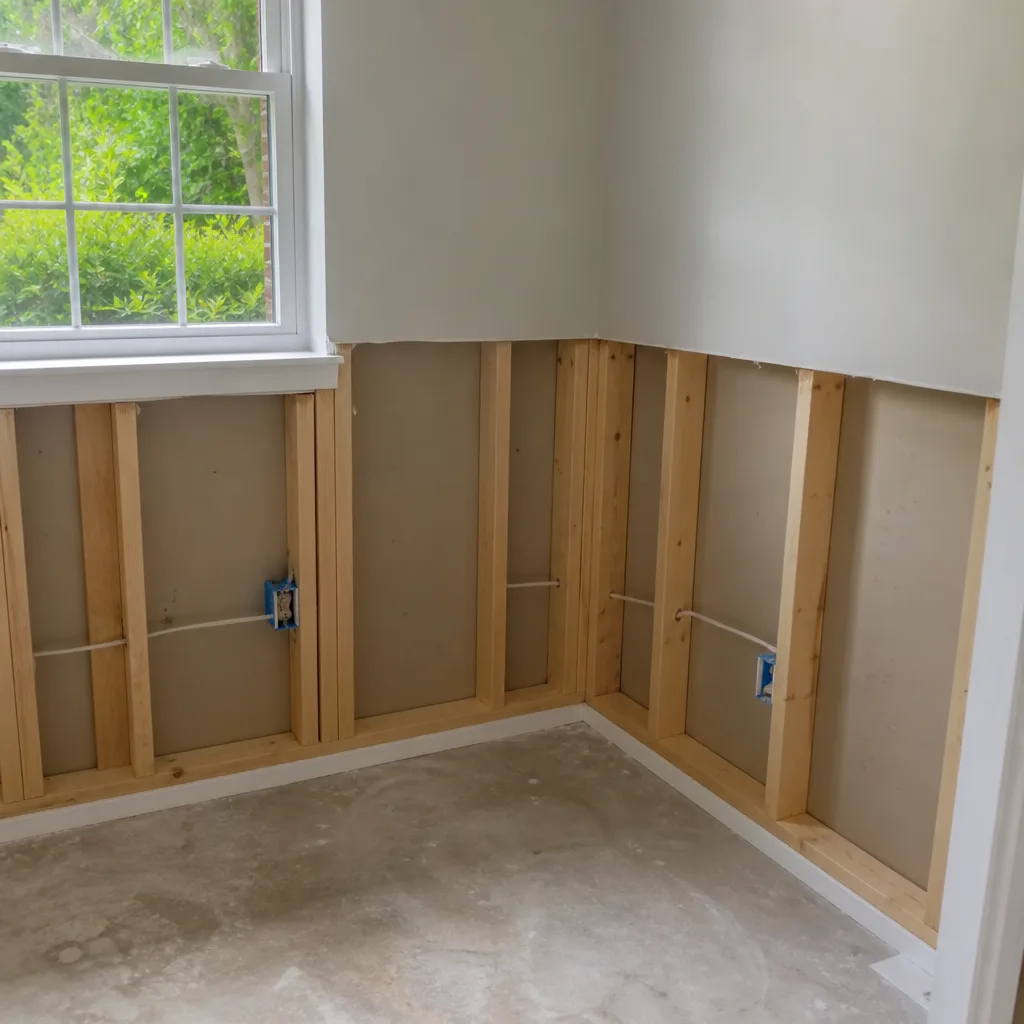
Truck-mounted extraction units remove standing water from hard surfaces and carpet. For deeper saturation, we deploy weighted extraction tools or remove unsalvageable materials to access the subfloor. Category 2 or 3 losses get immediate containment to prevent cross-contamination.
3. Structural Drying & Dehumidification
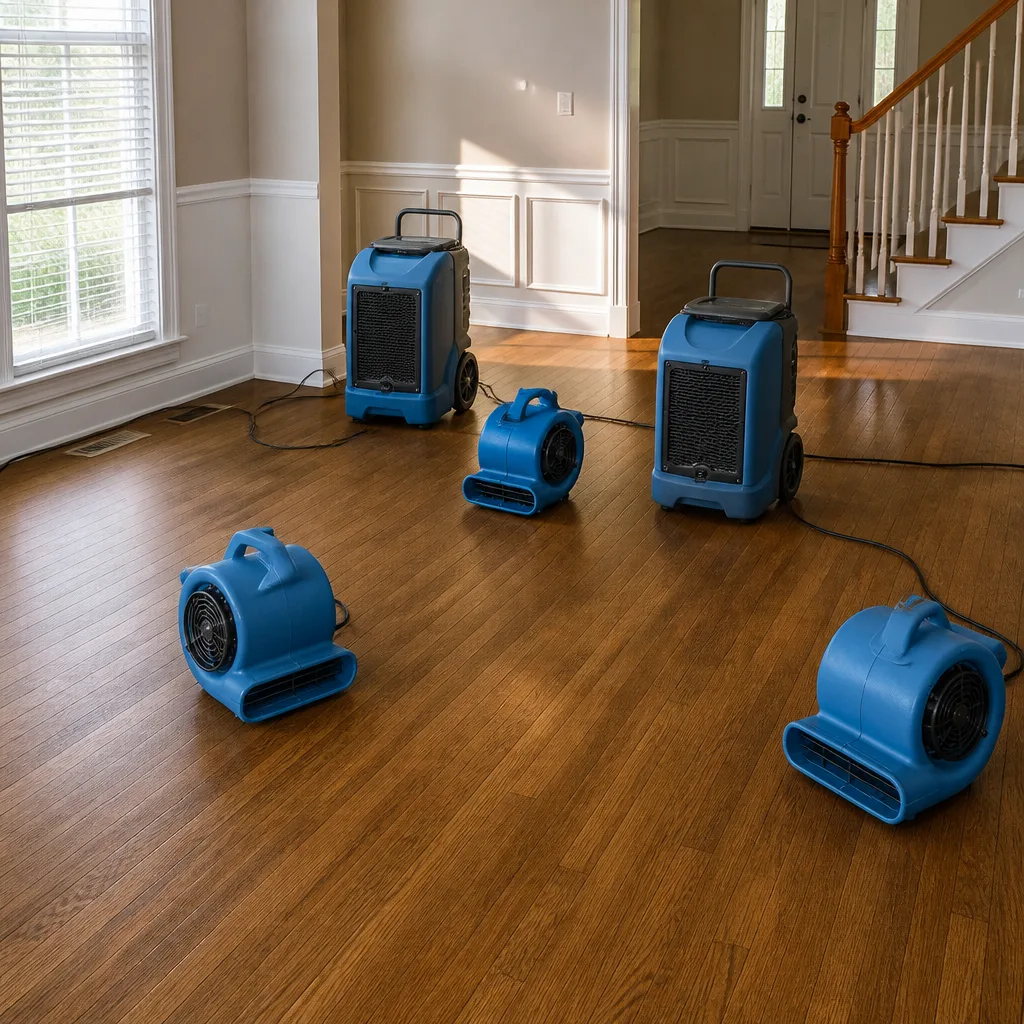
We position Dri-Eaz and Phoenix low-grain refrigerant dehumidifiers alongside XPOWER and B-Air axial air movers calculated to the cubic footage of each affected space. Injectidry systems dry inside wall cavities and under cabinets without full demolition where vapor pressure readings support it.
4. Cleaning & Sanitization
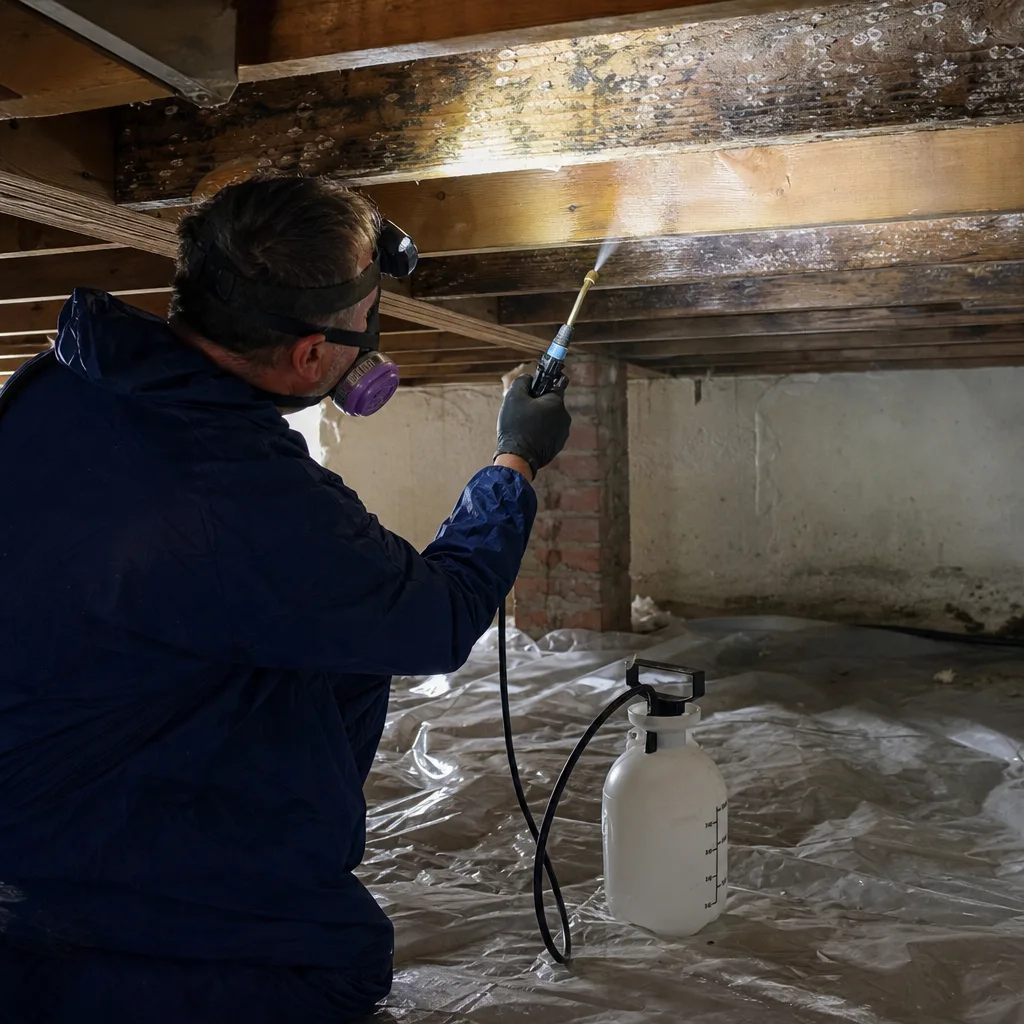
Antimicrobial treatment follows IICRC S520 standards for water-damaged structures. HEPA air scrubbers run continuously during this phase to capture airborne particles. We document application areas with photos for your insurer and our drying log.
5. Moisture Verification & Clearance
We don’t guess when drying is complete. Daily moisture readings go into your drying log until affected materials return to within 4 percentage points of dry standard for that material and your geographic zone. Psychrometric data, temperature, relative humidity, and grain depression are recorded at each visit.
6. Repairs & Restoration
Our reconstruction crew repairs or replaces removed materials to match existing finishes. In Chula Vista’s HOA-governed communities, we file all required architectural review notices before exterior work begins so your rebuild proceeds without interruption.
Need Emergency Water Damage Restoration in Chula Vista Now?
Crews minutes away, answering live 24 hours a day. The sooner we start, the less it costs.
Working With Your Insurance Company
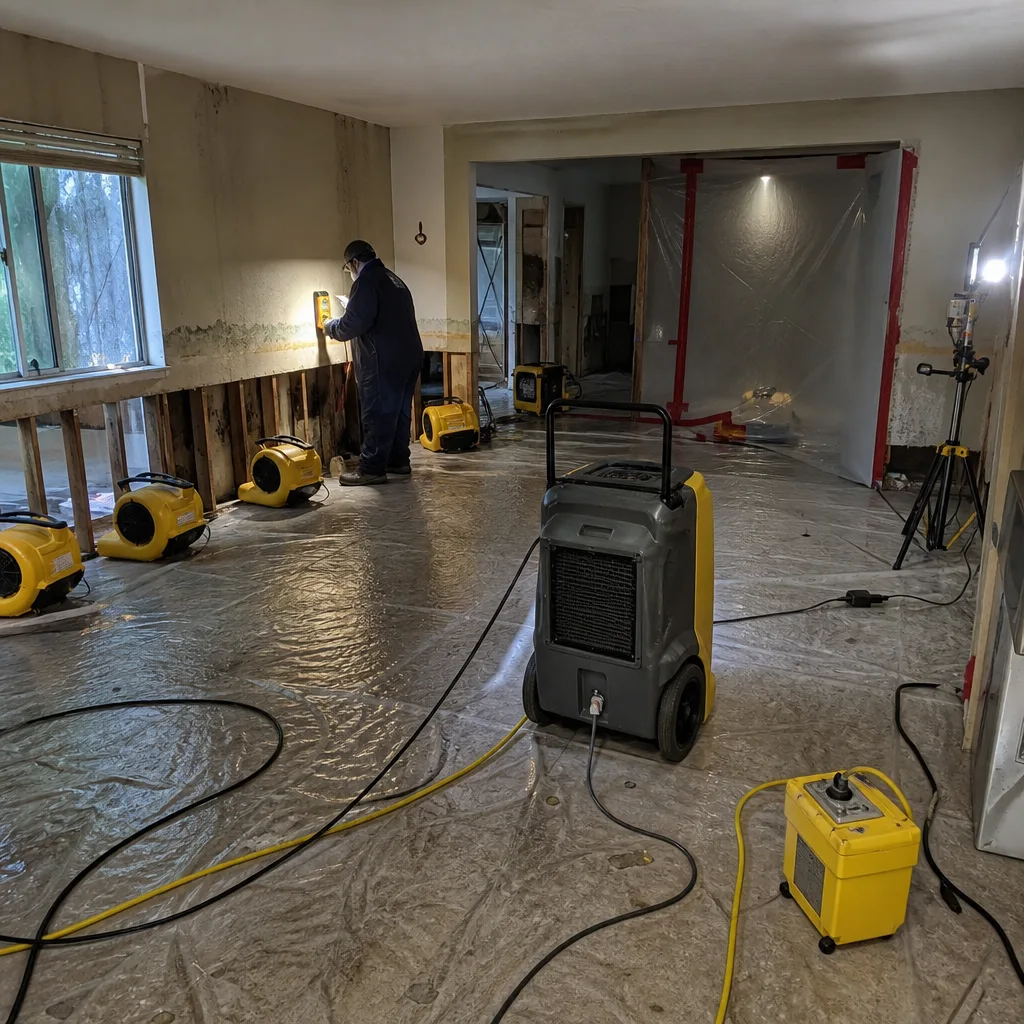
Insurance claims fail for two reasons: insufficient documentation and scope disputes. We eliminate both. From the first hour on your Chula Vista property, we photograph every affected room, surface, and material. Our estimates follow Xactimate or Symbility pricing standards your adjuster recognizes. We provide daily drying logs with moisture readings, equipment placement diagrams, and psychrometric data. Direct adjuster coordination is available on request; many carriers prefer to work with us because our documentation closes claims faster.
What We Provide Your Insurer
- Thorough documentation of the loss
- Photos of all damage, room by room
- Moisture readings and drying logs
- A detailed, line-item scope of work
- Direct coordination with your carrier
Built for Chula Vista’s Loss Calendar
Chula Vista’s water damage patterns split by geography and season. Western neighborhoods near San Diego Bay see marine layer humidity year-round, often masking slow leaks in poorly ventilated mid-century homes until mold becomes visible. Summer rarely brings relief; that moisture just hangs in the air.
Eastern Chula Vista faces different timing. Santa Ana wind events, typically September through January, heighten fire risk across the Otay River watershed. When rain follows, burned slopes shed debris-laden water into Otay Ranch subdivisions built with inadequate drainage for post-fire runoff. January through March brings the heaviest regional rainfall, and with it, the seasonal clay soil expansion that stresses under-slab plumbing in Eastlake and Rolling Hills Ranch. Spring is when we see the highest volume of discovered slab leaks: homeowners notice warm spots on tile, hear water running when fixtures are off, or find baseboard discoloration that started weeks earlier.
Water Damage Restoration Across Chula Vista’s Neighborhoods
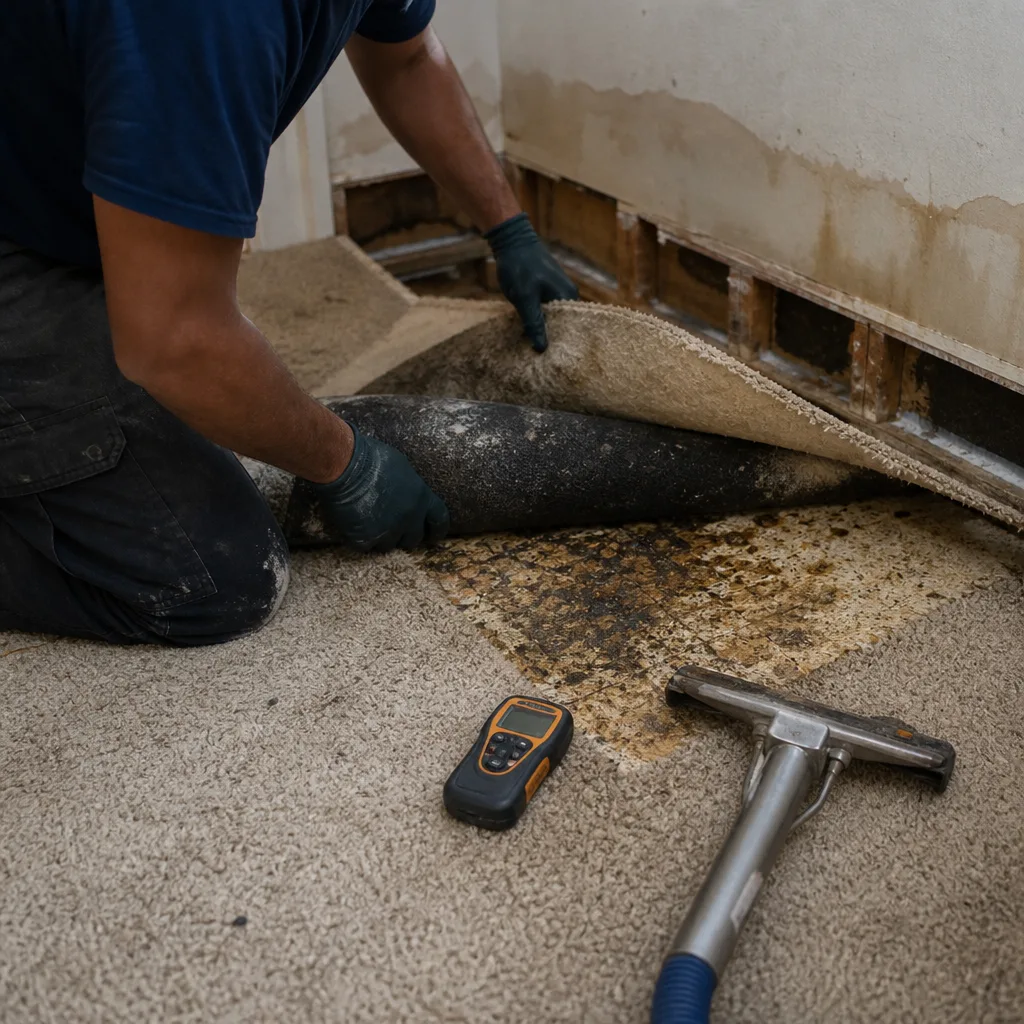
Chula Vista’s two halves might as well be different cities for restoration purposes.
Western Chula Vista, along the Third Avenue corridor and toward the bay, holds post-WWII through 1970s wood-framed stucco bungalows and ranch homes. Many still run original galvanized or early copper plumbing that corrodes in hard South Bay water. We respond regularly to pinhole failures in crawl space supply lines here, where water pools in dirt crawl spaces and wicks into subflooring before owners notice musty odors. These homes often lack vapor barriers or adequate foundation ventilation, so our drying strategy includes sealing the crawl and deploying dedicated dehumidification.
Otay Ranch, Eastlake, and Rolling Hills Ranch dominate eastern Chula Vista with one of California’s largest concentrations of late-1990s through 2000s master-planned tract development. The construction-defect litigation wave of that era left known vulnerabilities at stucco penetrations, window flanges, and slab perimeters. But the bigger issue is geological. These homes sit on Otay Mesa’s expansive clay-heavy soils that shift seasonally and crack under-slab supply and drain lines. Plumbing-failure water damage, not storm flooding, is the dominant loss pattern here. Every mitigation and rebuild in these communities must also run through Otay Ranch Master Community Association HOA claim protocols and architectural review processes. Experienced local crews file HOA notices on day one, even while emergency mitigation is still running. Skip this step and you risk stop-work orders and fines with water still active in your walls.
We got a call from a 2004-built Otay Ranch two-story where a pinhole failure in an under-slab copper supply line had been weeping for weeks. Our techs did moisture mapping along the slab perimeter and found elevated moisture readings climbing the first-floor walls, then set containment and ran Dri-Eaz and Phoenix air movers with dehumidification to dry the cavity before antimicrobial treatment. Because the loss touched an exterior wall assembly, we filed the Otay Ranch Master Community Association notice the same day as emergency water extraction so the rebuild scope of work wouldn’t hit a stop-work order.
National City and Bonita, our nearby service areas, share some of these patterns but lack the concentrated HOA governance layer that defines Otay Ranch work.
Specialized Water Damage Restoration Services We Offer in Chula Vista
Emergency Water Extraction
Standing water gets worse every minute. Our truck-mounted extraction systems remove thousands of gallons per hour from Chula Vista homes, with portable units for multi-story buildings where truck access is limited. We extract from carpet, hard surfaces, and light structural cavities before secondary damage sets in.
Structural Drying & Dehumidification
We calculate drying science to your specific structure, not a generic equipment list. In Chula Vista’s tight 2000s tract wall assemblies, that often means Injectidry cavity drying systems and targeted dehumidification rather than brute-force air movement that can drive moisture deeper. Daily moisture logs track progress to dry standard.
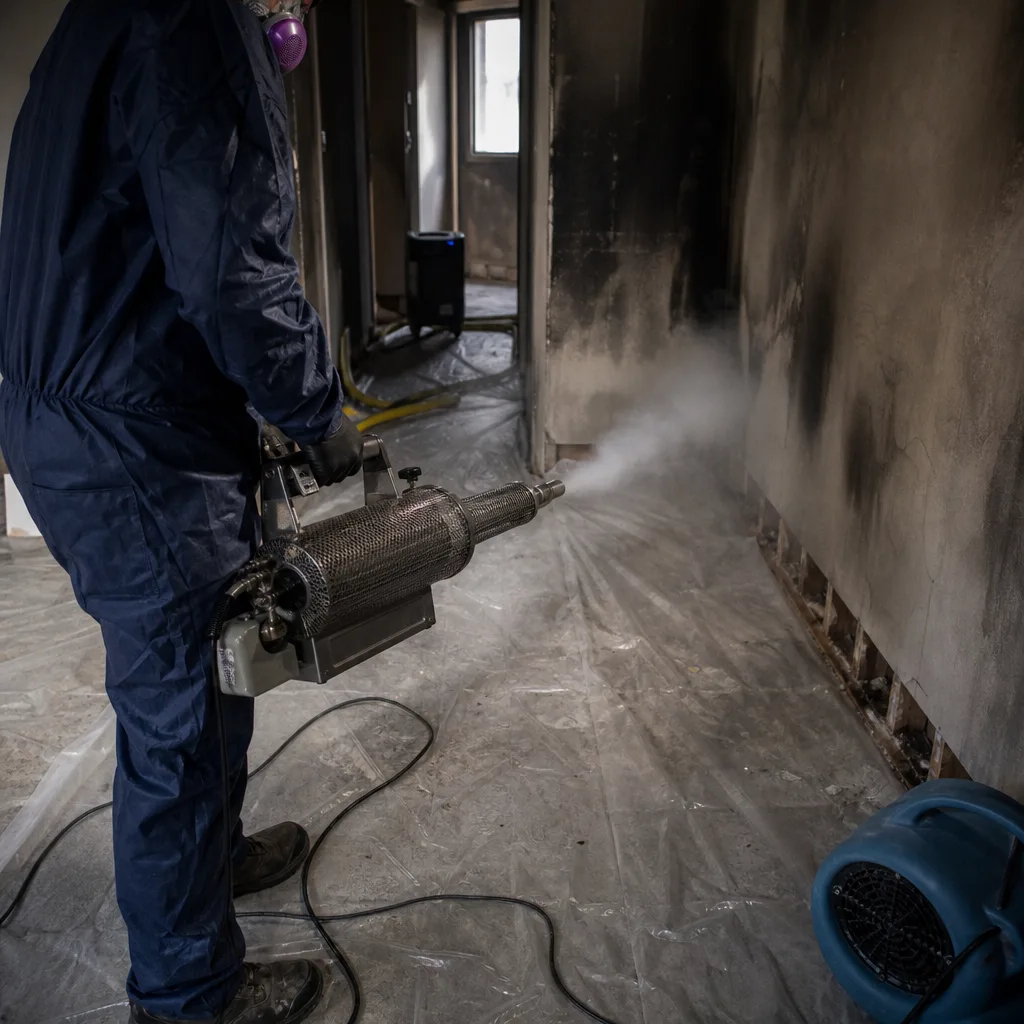
Flood Cleanup
Post-fire debris flows and regional storm flooding bring Category 3 contamination into Chula Vista homes. We handle hazardous silt removal, pressure washing of structural elements, and full sanitization to IICRC S500 standards for grossly contaminated water losses.
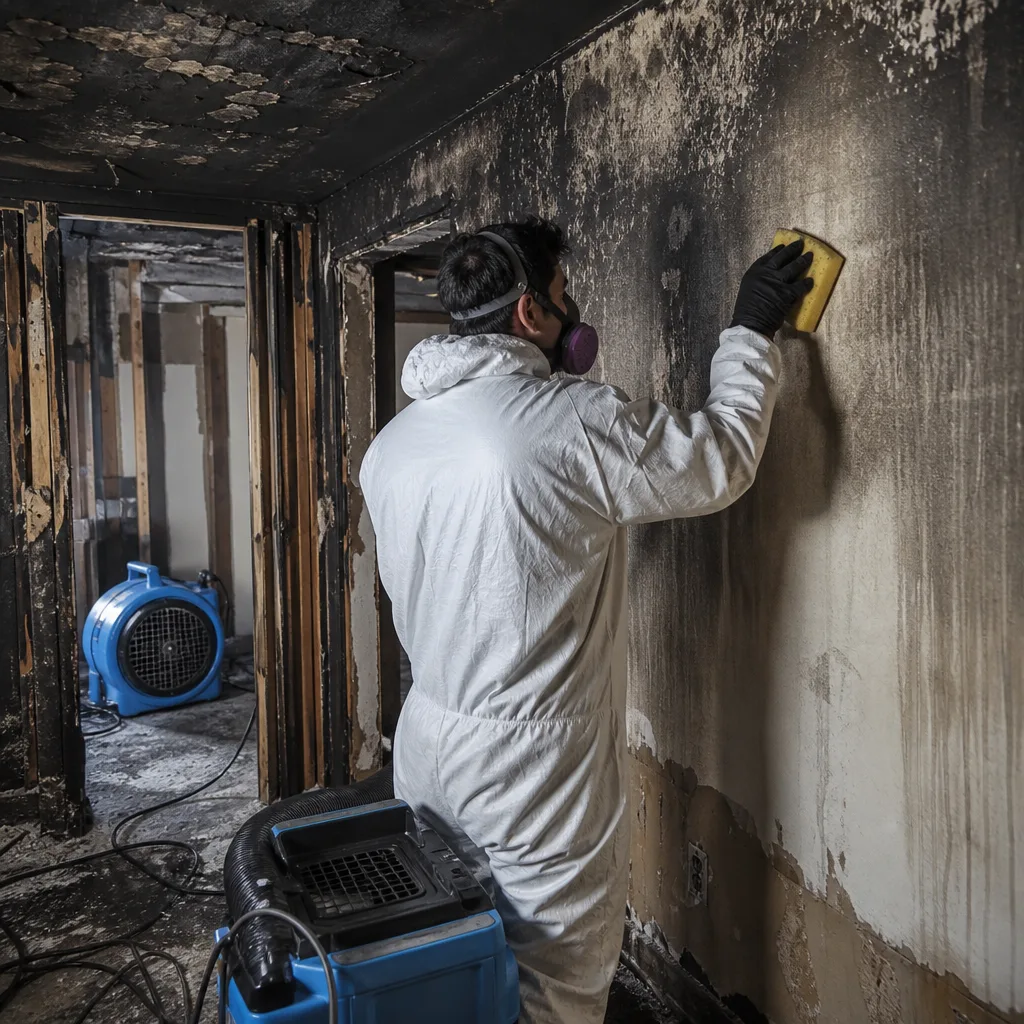
Burst Pipe Restoration
From corroded galvanized lines in western Chula Vista bungalows to under-slab copper failures in Otay Ranch, we extract, dry, and document the full scope for insurance. Our reconstruction crew replaces accessible plumbing and repairs all affected finishes.
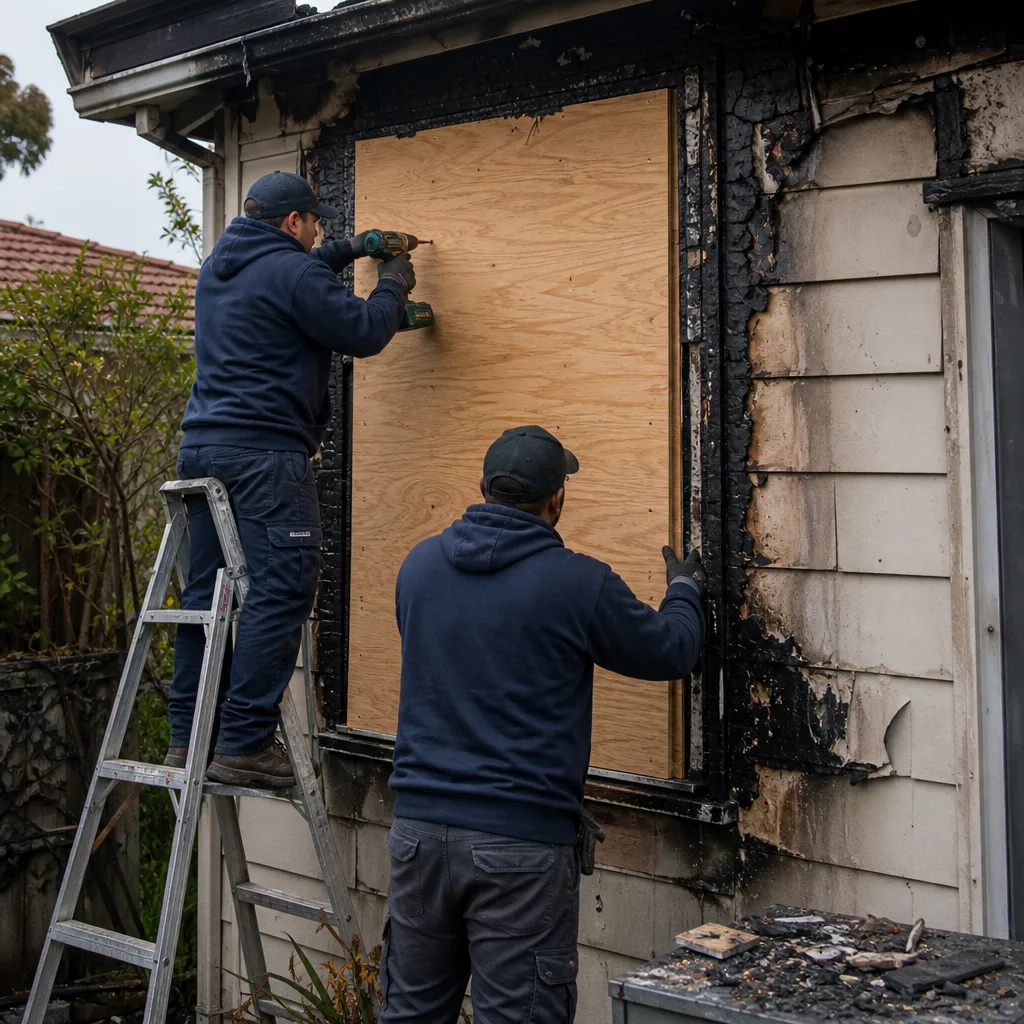
Basement Water Removal
Few Chula Vista homes have true basements, but where they exist, typically in older western properties, we handle submersible pump deployment, perimeter drainage assessment, and sump system recommendations to prevent recurrence.
What happens when you call
- 1
A real person answersNo phone trees - you reach a local pro.
- 2
You get an upfront price rangeHonest numbers before anyone is dispatched.
- 3
A background-checked tech heads outLicensed & insured, dispatched right away.
- 4
You approve before work beginsNothing starts until you say go.
Water Damage Restoration Costs in Chula Vista, CA
Most emergency water extraction jobs in Chula Vista run $500-$1,800 depending on volume and access. Structural drying with professional dehumidification and air movement typically costs $1,200-$3,400 for a standard residential loss, with larger homes or multi-room damage reaching $4,500-$7,500. Category 3 sewage or flood losses add sanitization and disposal costs, often $2,000-$5,000 above clean-water pricing. Reconstruction, when needed, is scoped separately with line-item pricing.
What moves your price: square footage affected, contamination category, whether we can dry in place or must remove materials, and whether the loss involves HOA-governed exterior assemblies requiring architectural review. Insurance typically covers sudden and accidental water damage from plumbing failures; gradual leaks and maintenance issues are often excluded. We document cause and origin for your adjuster from day one. Call (619) 330-9541 for a free visual inspection and written scope. Haven Standard, Clause 1: the price you approve is the price you pay.
We Also Serve Cities Near Chula Vista
Our crews respond throughout the South Bay region, including Water Damage Restoration in Chula Vista and surrounding communities: National City, Bonita, Coronado, and San Diego. Dispatch and scheduling are coordinated from our San Diego office with local crews serving each area.
Serving Chula Vista, CA - Our Local Coverage Area
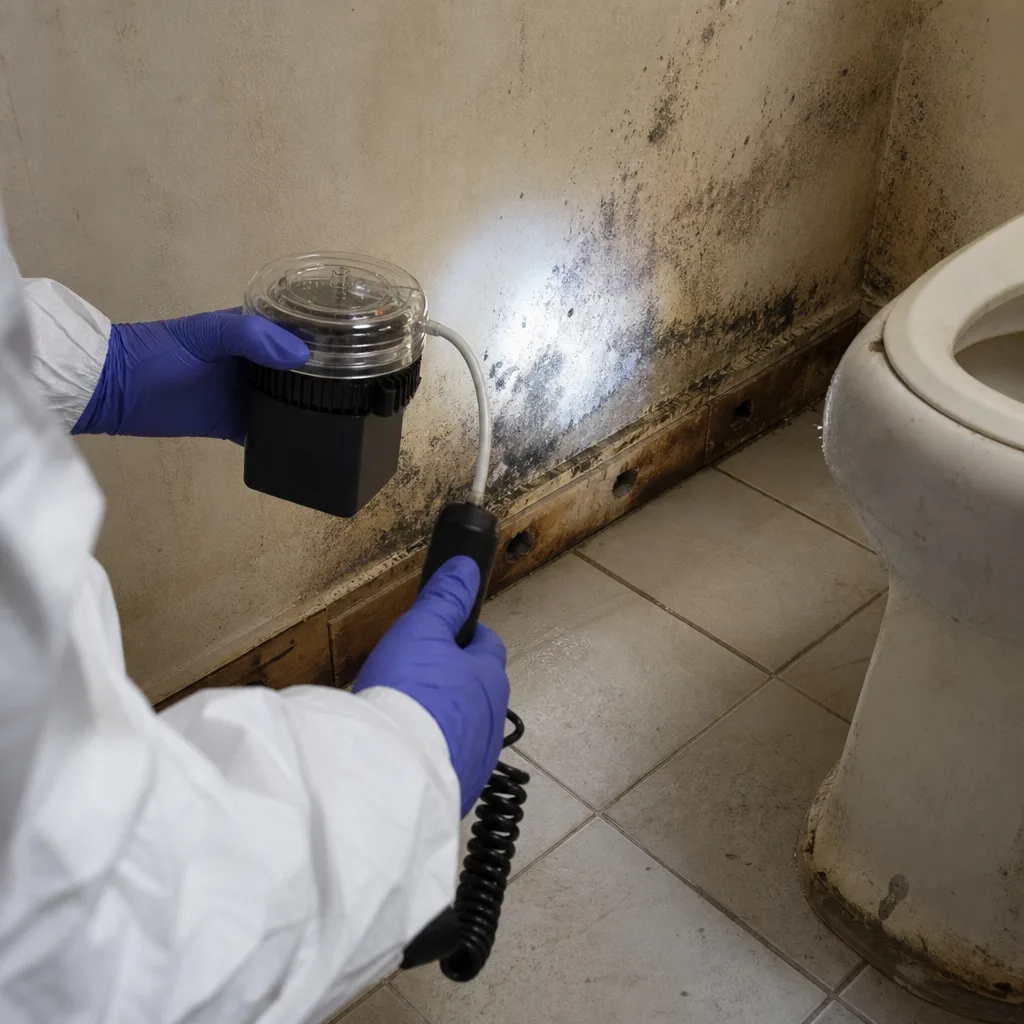
We’re based in the Chula Vista area and know this community well. Use the map below to see our service coverage - if you’re nearby, we can almost certainly help.
Chula Vista Water Damage Restoration Questions, Answered
How fast can you get to my Chula Vista home?
We typically arrive within 45 minutes for Chula Vista addresses during business hours, with 24/7 live dispatch for after-hours emergencies. Call (619) 330-9541 and a real person answers, never an automated system.
Do I need to notify the Otay Ranch Master Community Association before water damage mitigation starts?
Yes, if your property is within Otay Ranch, Eastlake, or Rolling Hills Ranch HOA boundaries and the loss touches exterior walls, roofing, or visible from common areas. We file the notice on day one, even while emergency extraction is running, to prevent stop-work orders during rebuild. Our field teams carry the current Otay Ranch Master Community Association contact protocol and submit notices as part of every job in these neighborhoods.
Why is under-slab plumbing failure so common in eastern Chula Vista homes?
Otay Mesa’s clay-heavy soils expand when wet and contract during dry periods, creating seasonal ground movement that stresses under-slab copper and PVC lines. That cyclic loading causes fatigue cracks at joints and pinhole failures in older copper. Water travels along the slab perimeter into wall cavities before visible damage appears. Moisture mapping along baseboards and thermal imaging of slab edges catches it early.
How fast does mold start after water damage in a Chula Vista home?
Mold colonization begins 24 to 48 hours after water intrusion in the warm, humid conditions common to Chula Vista’s coastal climate. In low-permeability 2000s tract wall assemblies, moisture stays trapped longer, accelerating growth. We deploy HEPA air scrubbers and antimicrobial treatment during drying to prevent colonization, with clearance testing available on request.
Will my insurance cover water damage restoration?
Sudden and accidental water damage from burst pipes or appliance failures is typically covered under standard homeowners policies in California. Gradual leaks, maintenance neglect, and flood damage from outside rising water usually require separate flood coverage. We document cause and origin with photos and written scope to support your claim, and coordinate directly with your adjuster. Call (619) 330-9541 for a free inspection and we’ll review your coverage scenario.
Do you handle pack-out and contents during a Chula Vista water loss?
Yes, when structural drying requires clearing affected rooms, we inventory, photograph, and transport salvageable contents to our climate-controlled storage facility. Non-salvageable items are documented for insurance with photos and descriptions. Your contents return when reconstruction is complete.
What equipment do you use for structural drying in Chula Vista?
We deploy Dri-Eaz and Phoenix LGR dehumidifiers, XPOWER and B-Air axial and centrifugal air movers, and Injectidry cavity drying systems for inside-wall work. Moisture verification uses Tramex non-invasive meters and Delmhorst penetrating probes. All equipment is documented to IICRC, RIA, and IFA standards with daily drying logs.
How long does the drying process take?
Most residential water losses in Chula Vista reach dry standard in 3 to 5 days with proper equipment. Complex losses involving slab moisture, trapped wall cavity water, or Category 3 contamination may extend to 7 to 10 days. We don’t remove equipment until moisture readings confirm materials are within 4 points of dry standard, documented in your daily log.
Back to Dry Restoration has operated under The Haven Standard since 2011, founded by a former claims adjuster who built the company around the documentation gap that costs homeowners their claims. Our Water Damage Restoration team has restored 12,000+ homes, every one with a written price before work started and a documented record when the crew left. The 365-Day Done Right Promise, backed by The Haven Standard, means if it’s not done right, we make it right. A Free Second Opinion on any competitor’s written estimate is always available at no charge.
Written by Alicia Brennan, Owner at Back to Dry Restoration, serving Chula Vista since 2011.
Water Damage Restoration in Nearby Areas