

Free visual inspection and a written scope of work before any mitigation begins - photos, moisture readings, and drying logs go in your claim file
The scope we write is the scope we bill. Anything new gets shown to you, in writing, before we touch it.

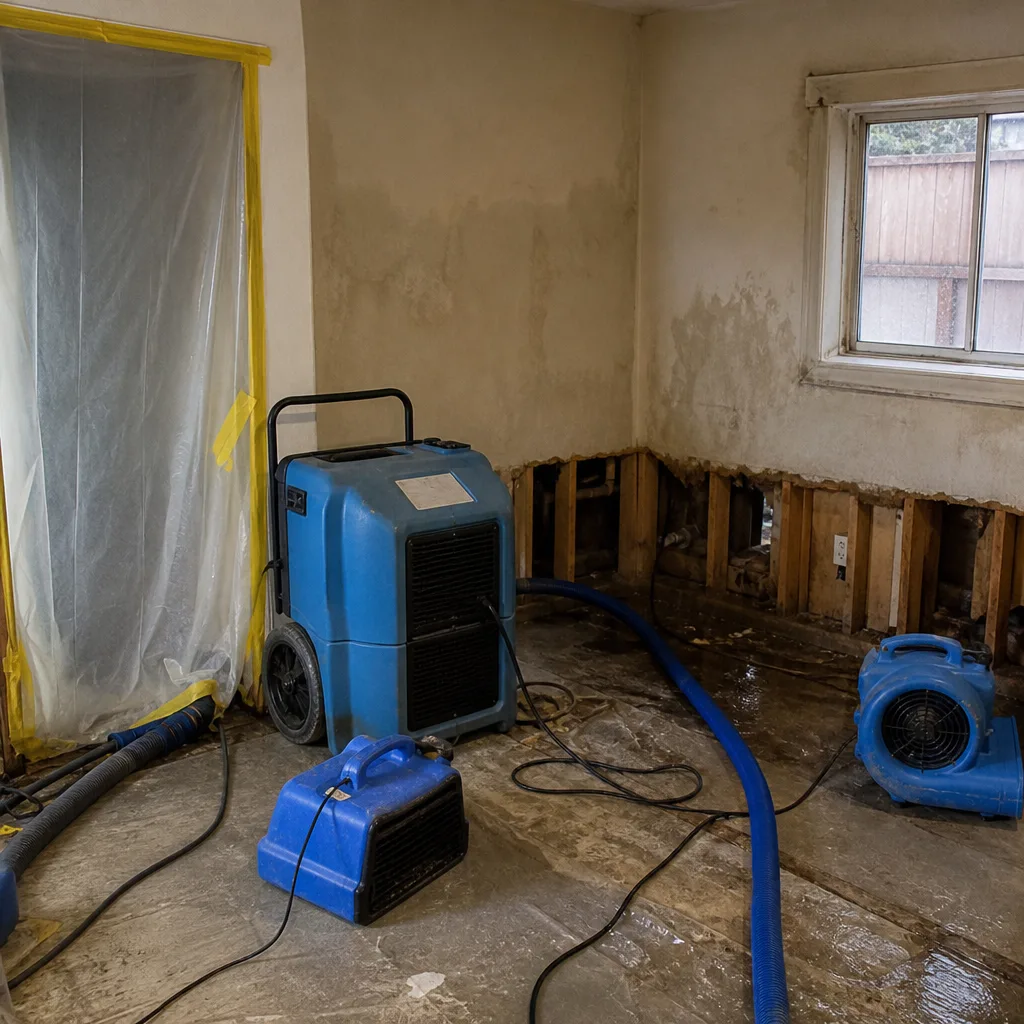 Before
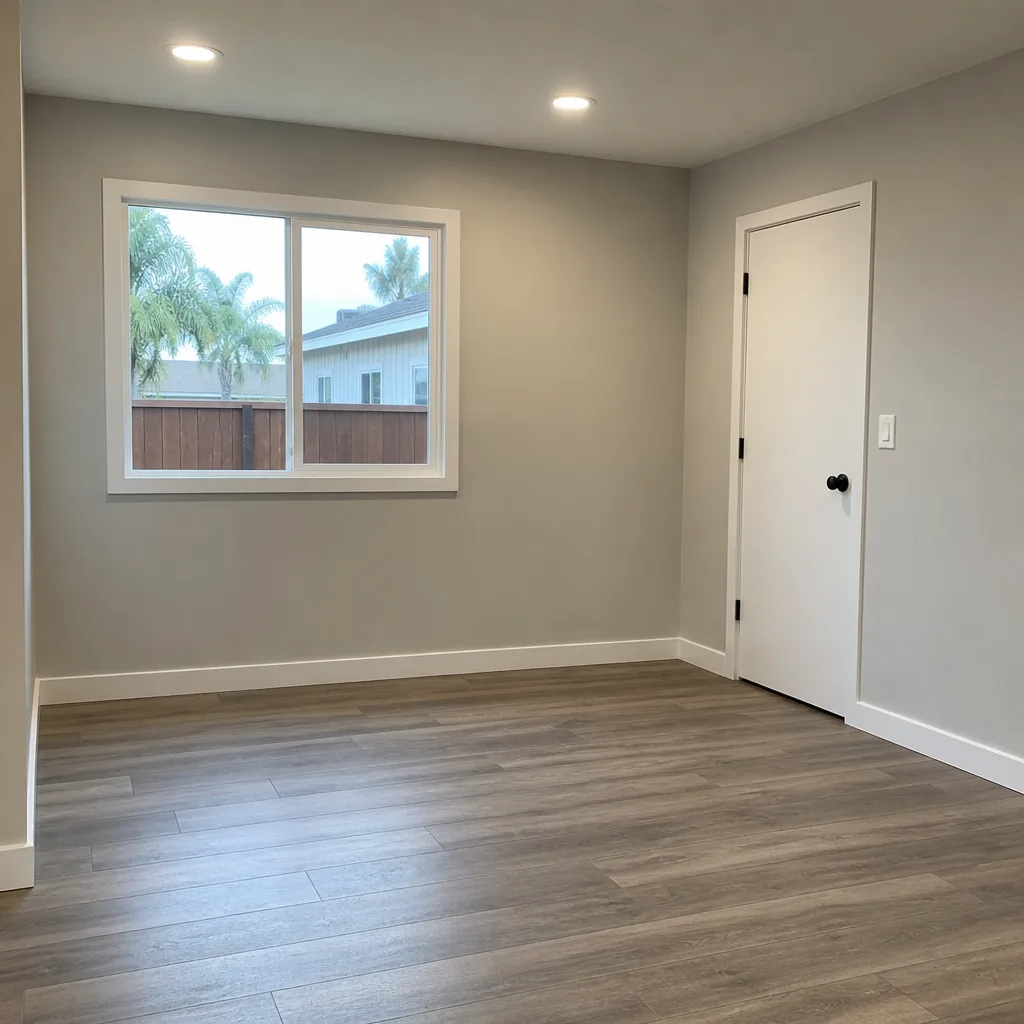 After
After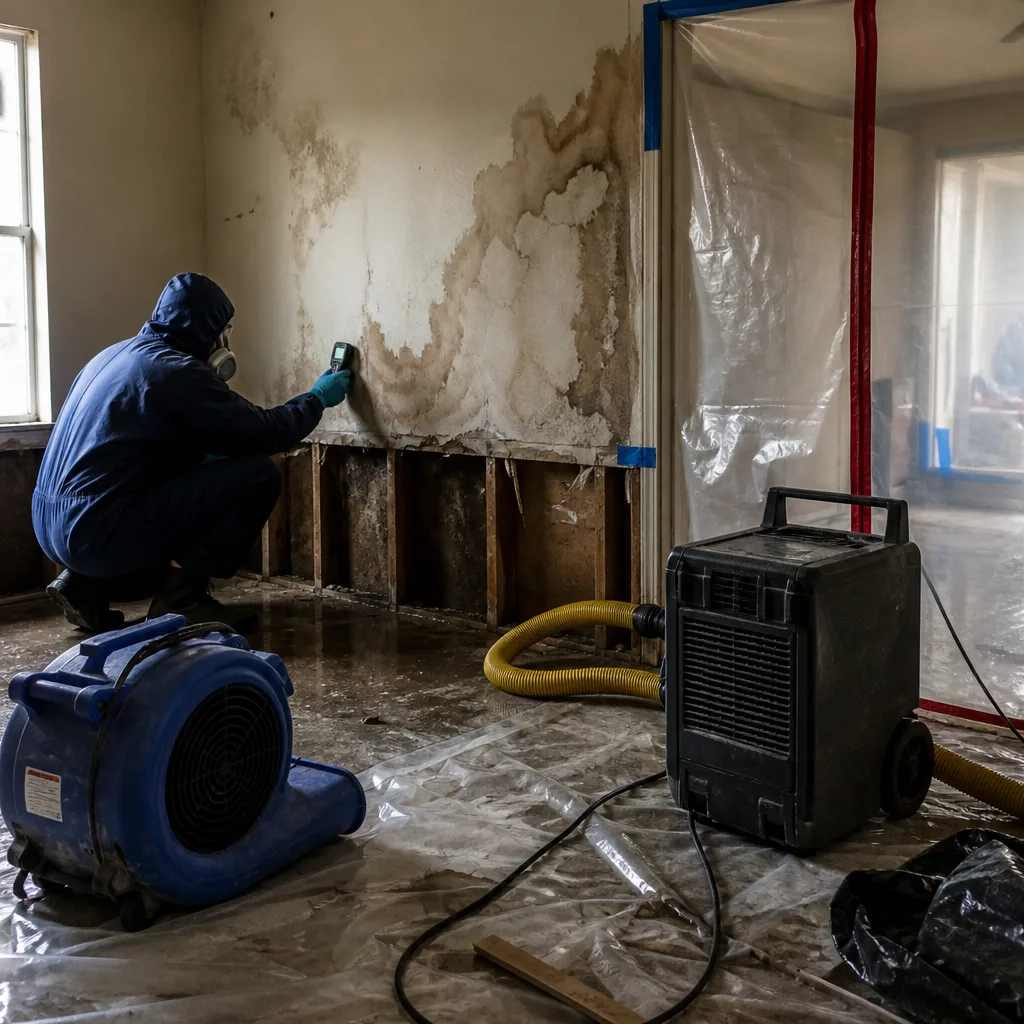 Before
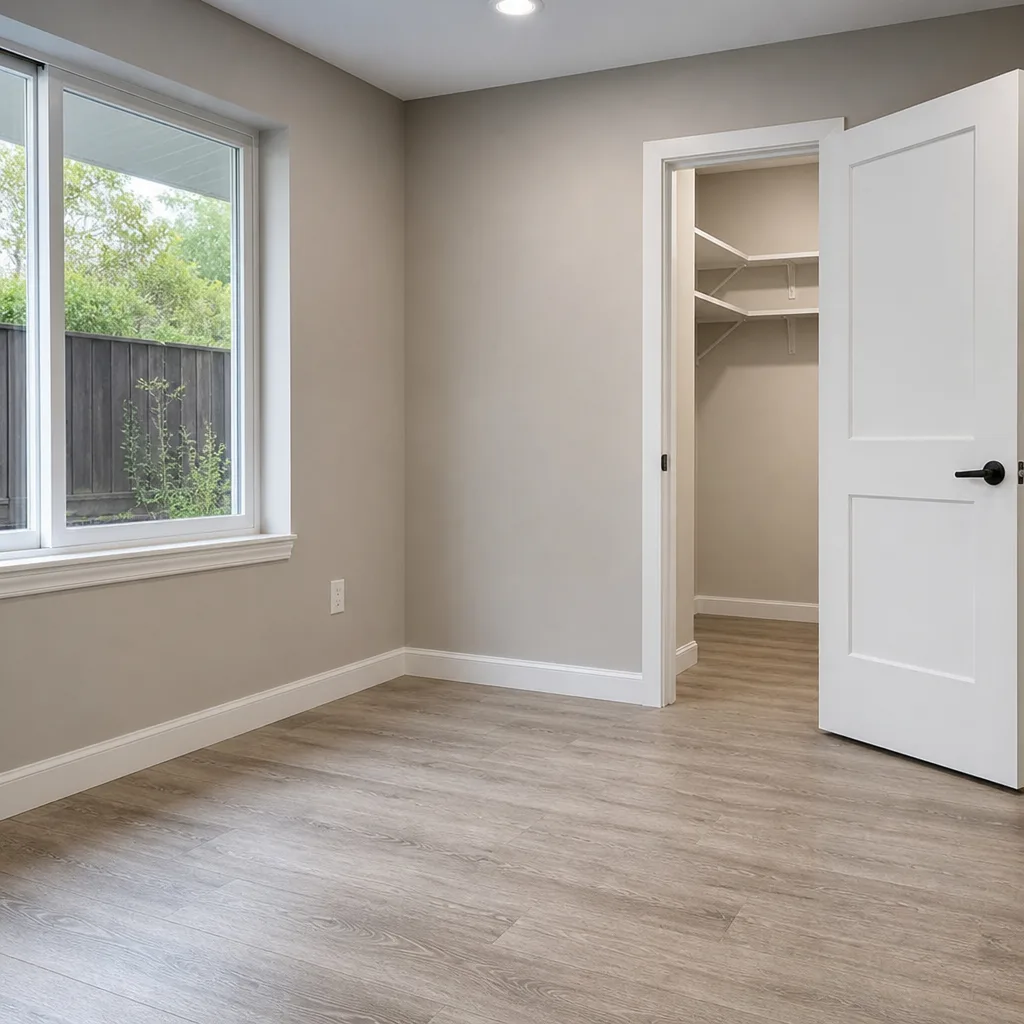 After
After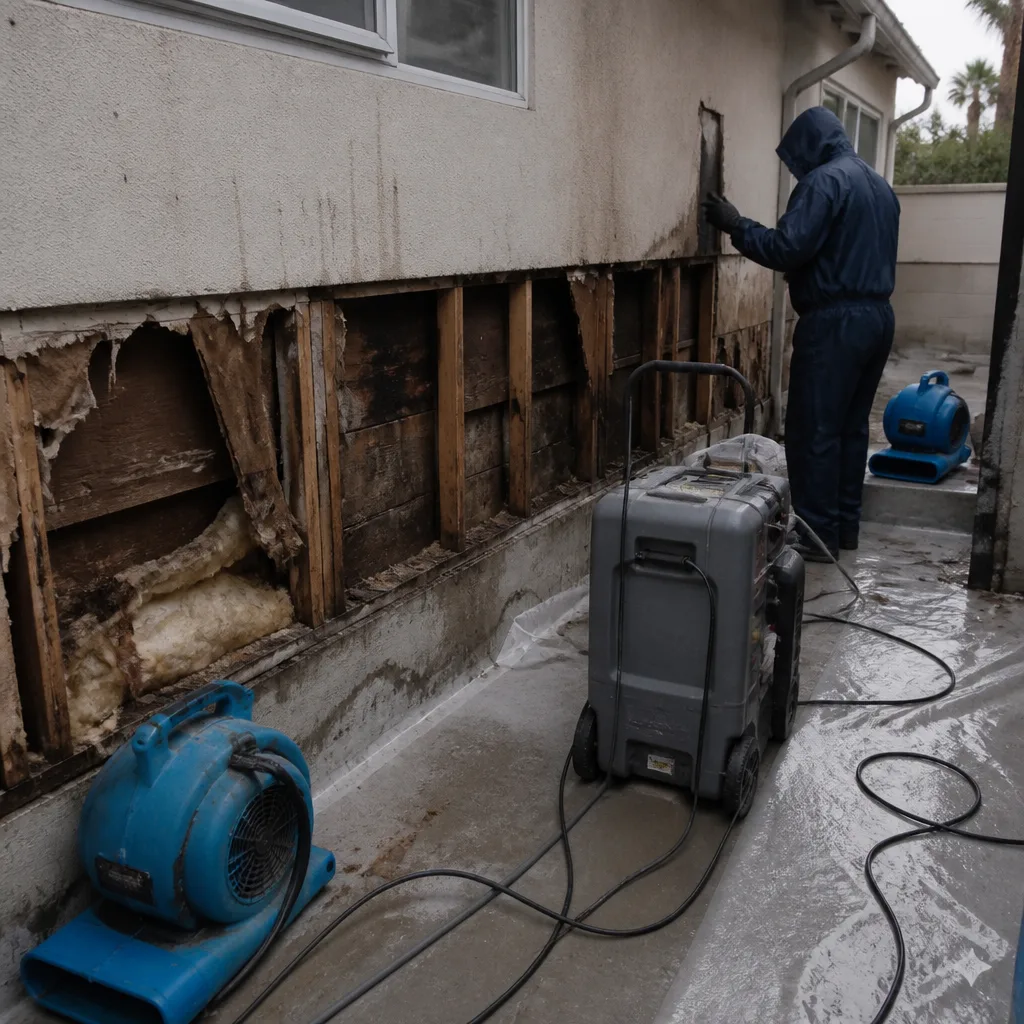 Before
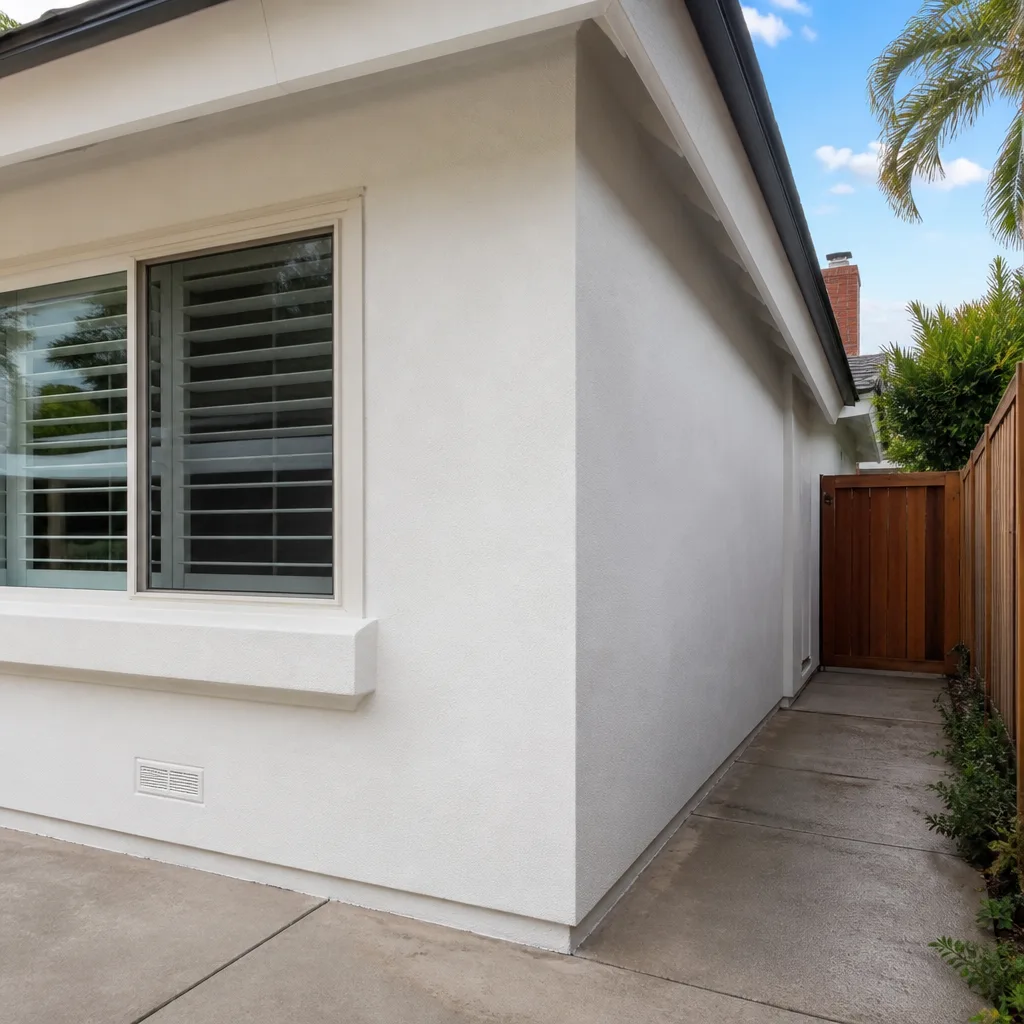 After
After24/7 Emergency Mold Remediation in Poway
Mold remediation in Poway typically costs $1,800-$4,500 for contained crawl space or wall-cavity jobs, with full-structure treatments running higher depending on square footage and whether HVAC ductwork requires treatment. Most Poway properties we serve need same-day containment started within 4-6 hours of call-in to prevent Category 2 or 3 water from advancing past the 24-hour mold colonization window. Call (619) 330-9541 now - a live person answers, no voicemail, and we dispatch crews from our San Diego office directly to Poway properties without next-day delays.
The first hour matters because mold doesn’t wait. In Poway’s hillside homes with slab-on-grade foundations, water from winter storm seepage or overwhelmed drainage on sloped lots moves laterally through perimeter seams faster than it surfaces. By the time you smell it, colonies are often established in wall cavities. Our crews carry thermal imaging and moisture meters on every truck to find what you can’t see yet.
Understanding Mold Remediation Severity in Poway Properties
Mold severity in Poway falls into three practical categories that determine containment strategy, equipment load, and whether occupants can remain in place during work.
Category 1 - Limited growth, typically under 10 square feet: Surface mold on drywall or baseboards from a single, recent water event. We establish localized containment with poly sheeting, run HEPA air scrubbers at negative pressure, remove affected materials, and treat substrates with antimicrobial agents. Most Category 1 jobs in Poway’s 1970s-1990s ranch homes complete in 1-2 days with occupants staying elsewhere briefly.
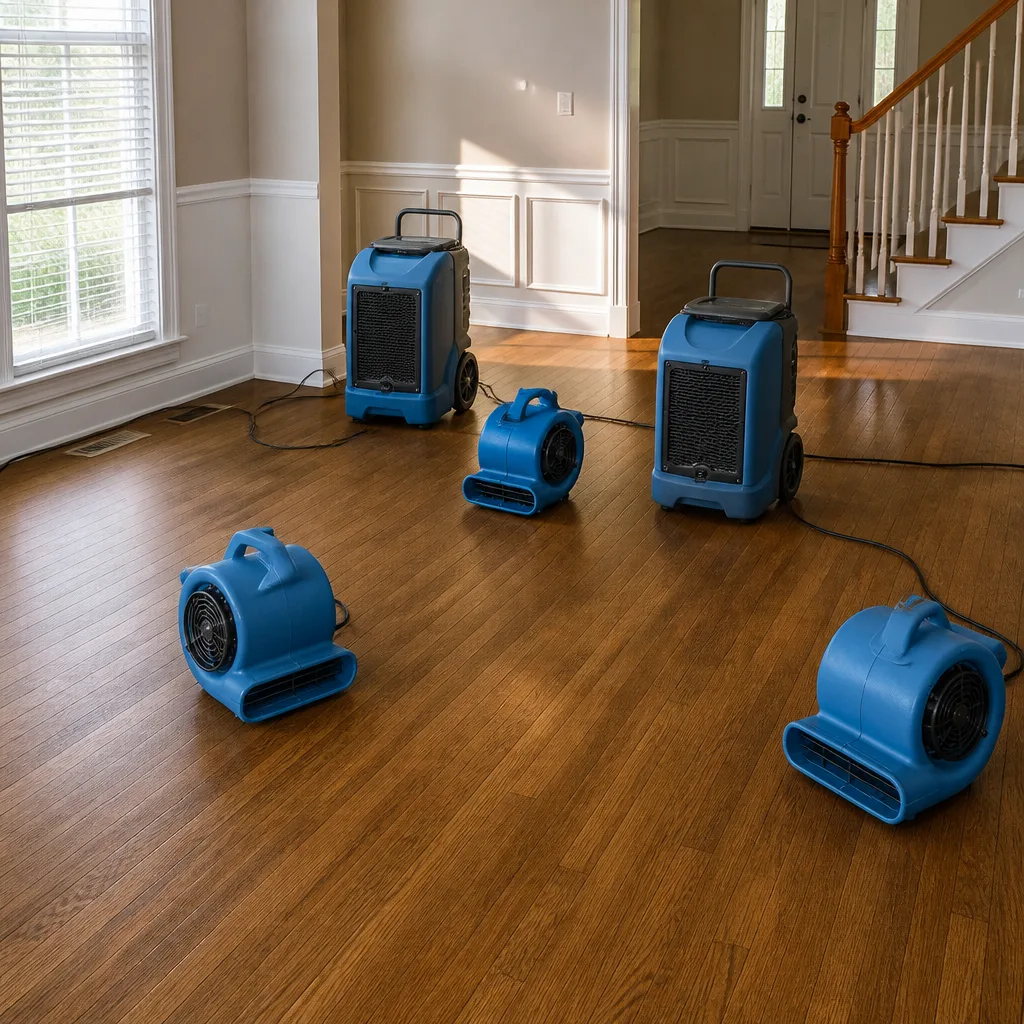
Category 2 - Moderate colonization, 10-100 square feet, often in crawl spaces or behind finishes: This is where Poway’s geography becomes the job. Hillside properties on graded pads, particularly off Espola Road and corridors near Blue Sky Ecological Reserve, experience crawl space saturation from winter storm seepage that wicks up wall cavities through slab perimeter gaps. We deploy full containment, multiple air scrubbers, and structural drying with Dri-Eaz and Phoenix dehumidification systems sized to the cubic volume. Moisture mapping documents every reading; without it, surface-dry cavities stay wet past the mold window.
Category 3 - Extensive colonization, over 100 square feet or HVAC-integrated: Here we find the Poway-specific complication our competitors miss. Because these hillside tracts sit in multi-event Santa Ana smoke plume corridors, our techs routinely find layered smoke residue from two or more fire seasons inside HVAC ductwork. Mold spores colonize on that residue. Full remediation requires duct cleaning and deodorization as part of the scope, not an afterthought. Category 3 jobs mean temporary relocation, multiple drying days, and clearance testing before reoccupancy.
Why Poway Property Owners Choose DryMark Restoration San Diego
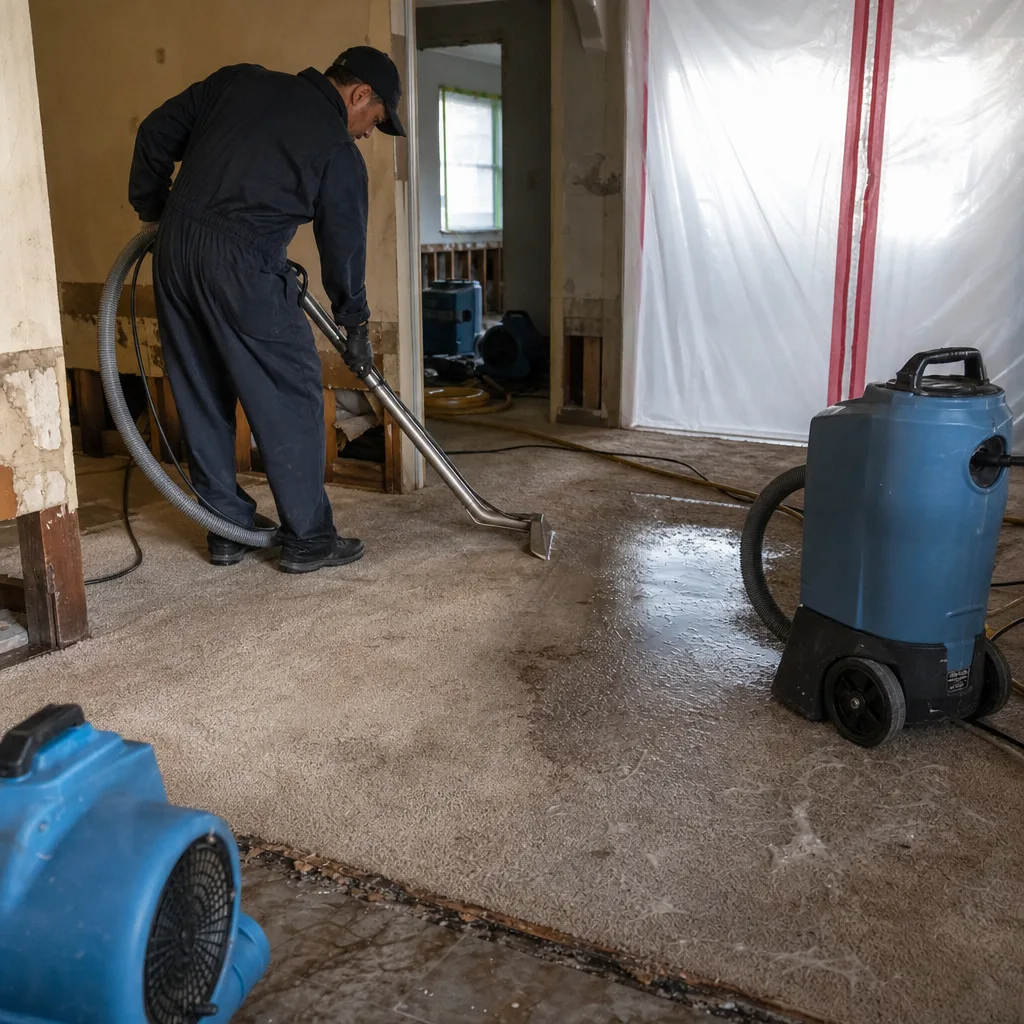
- 45-minute response commitment to Poway from dispatch - our San Diego office coordinates crews who know the Espola Road corridors and hillside access routes without GPS delays.
- 24/7 live answer by a real person, never an automated system; emergency lines have no voicemail trees and no next-business-day callbacks while moisture is still moving.
- IICRC-certified crews holding WRT (Water Damage Restoration Technician), AMRT (Applied Microbial Remediation Technician), and FSRT (Fire & Smoke Restoration Technician) certifications - the last one matters more in Poway than most places.
- Free visual inspection with moisture readings and thermal imaging included; we document pre-loss condition before proposing any scope.
- Direct insurance billing with photo-documented drying logs and written scopes that adjusters recognize and pay without dispute.
- One team from extraction to reconstruction - no handoffs between contractors, no conflicting documentation, no gaps in the record your adjuster needs.
BeforeAfterOur Mold Remediation Process
1. Inspection & Assessment
We arrive with thermal imaging cameras, penetrating and non-penetrating moisture meters, and hygrometers. In Poway’s slab-on-grade homes, we map moisture at perimeter seams and wall cavities, not just visible surfaces. Every reading is logged. We document pre-loss condition with photos room by room, then deliver a written scope and price before any work begins - Haven Standard, Clause 1.
2. Containment & Air Quality Control
We establish poly sheeting containment and run HEPA air scrubbers at negative pressure to prevent cross-contamination. For Poway jobs near Blue Sky Ecological Reserve, we also pressurize and test HVAC systems for smoke residue that could harbor recontamination.
3. Structural Drying & Dehumidification
We deploy Dri-Eaz and Phoenix LGR dehumidifiers with calculated air changes per hour, plus axial and centrifugal air movers positioned for vapor pressure differential - the measurable force that pulls moisture from materials into the air stream. Daily moisture logs track progress to IICRC and RIA standards.
4. Cleaning & Antimicrobial Treatment
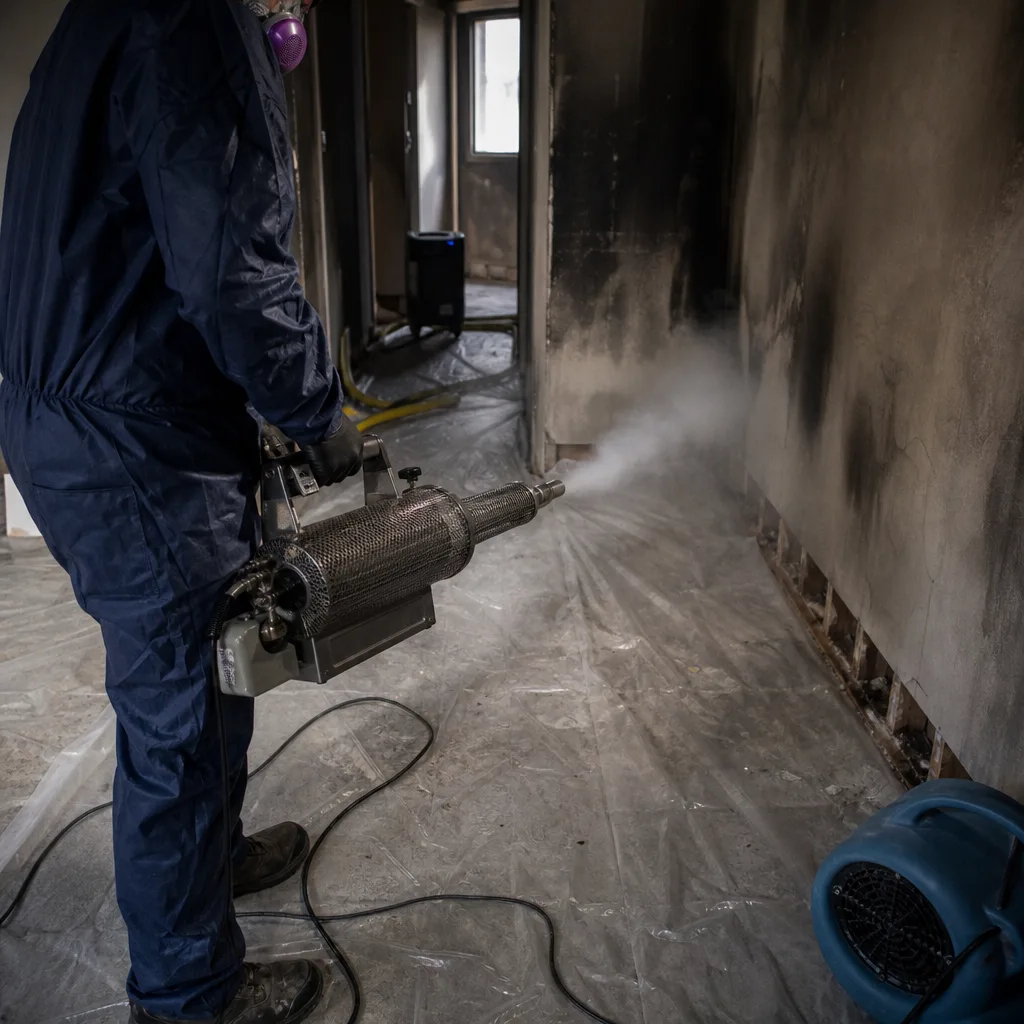
Affected porous materials are removed; non-porous surfaces are HEPA-vacuumed and treated with antimicrobial agents selected for the material classification - wood framing, concrete, or finished drywall each get appropriate chemistry.
5. HVAC & Duct Deodorization
This is the step most competitors skip in Poway. We inspect ductwork for layered smoke residue from prior Santa Ana events, then clean and deodorize as needed. Without it, mold returns because the reservoir stays intact.
6. Repairs, Restoration & Clearance
We rebuild what we removed - drywall, insulation, flooring - with the same crew, same documentation standard. Post-remediation clearance testing confirms airborne spore counts meet industry benchmarks. The 365-Day Done Right Promise applies to all work.
Need Emergency Mold Remediation in Poway Now?
Crews minutes away, answering live 24 hours a day. The sooner we start, the less it costs.
Working With Your Insurance Company
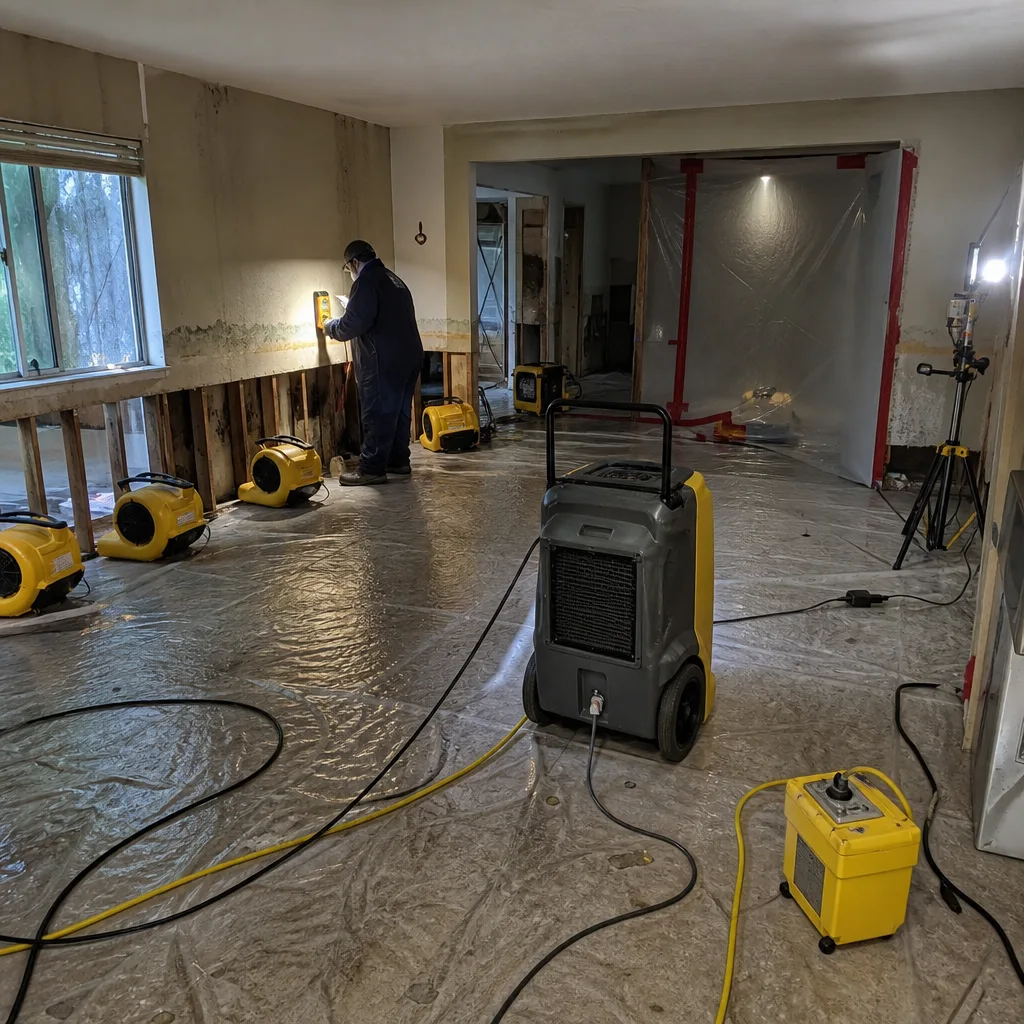
Insurance claims for mold in Poway fail for one reason: documentation gaps. Adjusters deny what they can’t verify. We close that gap from the first hour.
Our estimates follow industry-standard formats - Xactimate or equivalent - with line-item detail adjusters recognize. More importantly, we communicate directly with your carrier, not through you as intermediary. Our Mold Remediation team has handled claims with every major insurer writing policies in San Diego County, and we know what documentation triggers payment versus what triggers a request for more information.
The photo record starts at arrival, not after work begins. Moisture readings are time-stamped. Drying logs show daily psychrometric data - temperature, relative humidity, and specific humidity - that proves the structure was returned to pre-loss equilibrium. This is the documentation difference that turns a disputed invoice into a paid claim.
What We Provide Your Insurer
- Thorough documentation of the loss
- Photos of all damage, room by room
- Moisture readings and drying logs
- A detailed, line-item scope of work
- Direct coordination with your carrier
Built for Poway’s Loss Calendar
Poway’s mold season doesn’t follow the coastal pattern. Summer is dry - too dry, with Santa Ana winds and wildfire smoke that sets up the ductwork problems we find later. The real water events come January through March, when Pacific storms meet inland orographic lift and drop concentrated rainfall on hillsides with limited absorption capacity.
Properties off Espola Road and along the Blue Sky corridors see hillside saturation that overwhelms French drains installed in the 1980s and 1990s. Water enters through slab perimeter gaps, foundation cracks from seasonal expansion-contraction, and failed waterproofing on below-grade walls. Crawl spaces that were dry in November are wet by February.
The secondary pattern: post-wildfire mold spikes. After the 2003 Cedar Fire and subsequent regional events, homes that survived direct flame exposure often had smoke-compromised HVAC systems. Homeowners cleaned surfaces but missed ductwork. Mold colonized on smoke residue over subsequent wet seasons. We see this layered damage most often in homes built 1975-1995, which is most of Poway’s housing stock.
Mold Remediation Across Poway’s Neighborhoods
Espola Road and Blue Sky Ecological Reserve corridors: These hillside tracts get our most complex mold jobs. Sloped pads, older slab-on-grade construction, and multi-season smoke residue in ductwork mean we arrive with full equipment loads - dehumidifiers sized for larger crawl spaces, duct inspection cameras, and AMRT-certified techs who understand both microbial and smoke restoration protocols. Service drives are longer; we confirm truck access before dispatch to avoid the second-visit problem.
Old Poway and downtown-adjacent ranches: The original 1970s ranch homes here have simpler footprints but original HVAC systems and no vapor barriers in crawl spaces. Mold tends to be Category 1 or 2, limited by smaller square footage, but the age of materials means more aggressive removal and replacement rather than surface treatment.
South Poway and Sabre Springs-adjacent areas: Slightly newer construction (late 1980s-1990s) with more consistent slab work, but these neighborhoods still see winter seepage during heavy events. Detached workshops and pool houses are common; we scope these as separate structures with their own moisture profiles.
Rancho Bernardo border tracts: Larger lots, more acreage properties, and a higher incidence of detached structures that complicate moisture control. Homeowners here typically want single-visit resolution; we plan equipment loads and crew size accordingly.
Specialized Mold Remediation Services We Offer in Poway
Mold Inspection & Testing
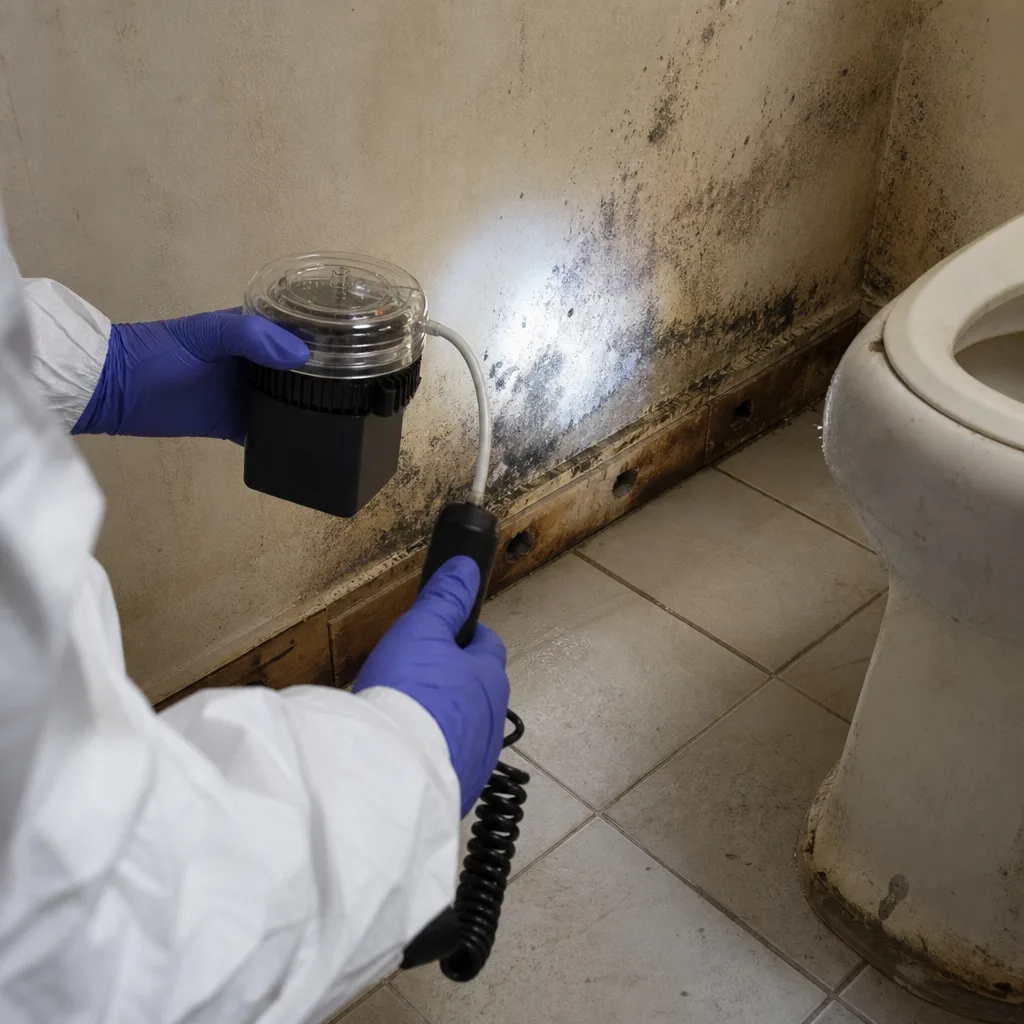
Our inspections include air sampling and surface sampling where visual evidence is ambiguous, but we don’t sell testing as a standalone product. In Poway, we often find that homeowners who’ve had “mold testing” from other companies still don’t know where the moisture source is. We find the source first, then test if needed to establish baseline and clearance. Air quality readings in hillside homes near Blue Sky frequently show elevated particulates from smoke residue as well as mold - we report both so the scope addresses both.
Mold Removal
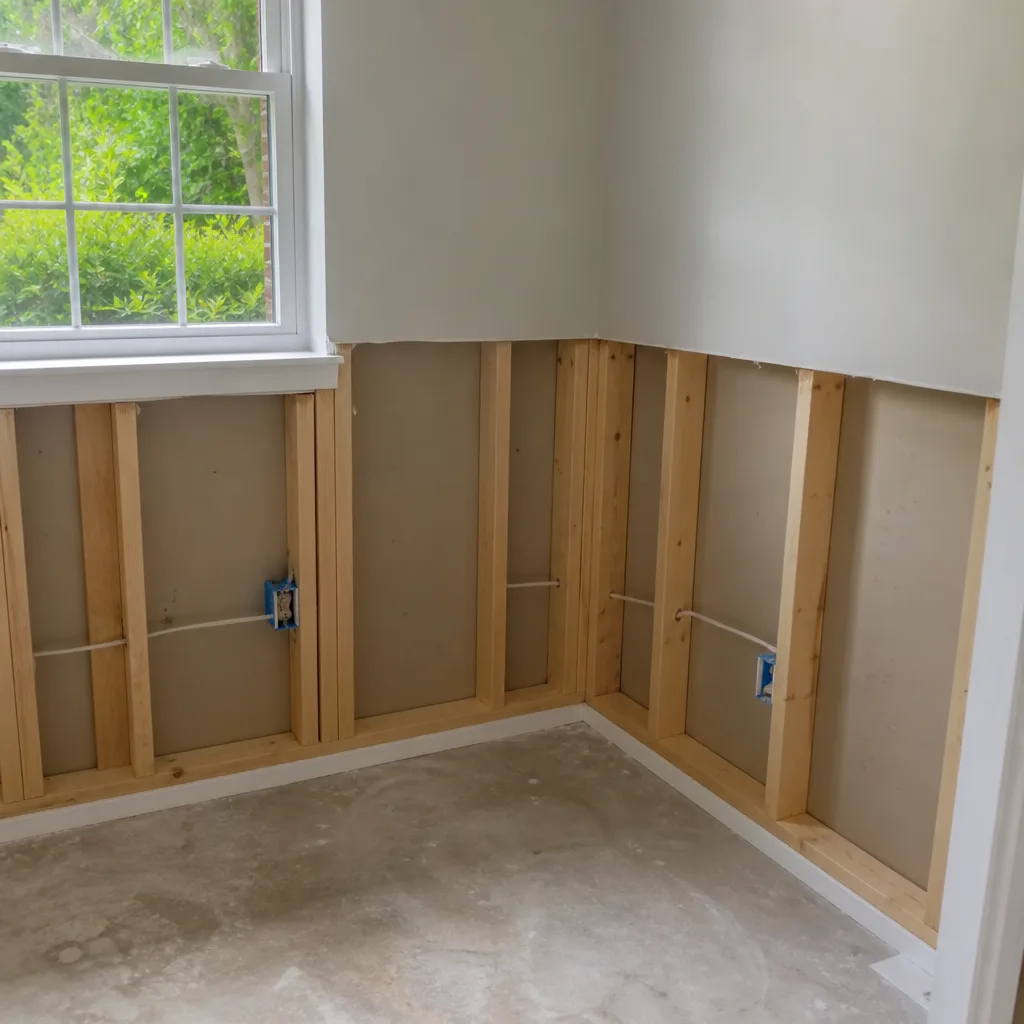
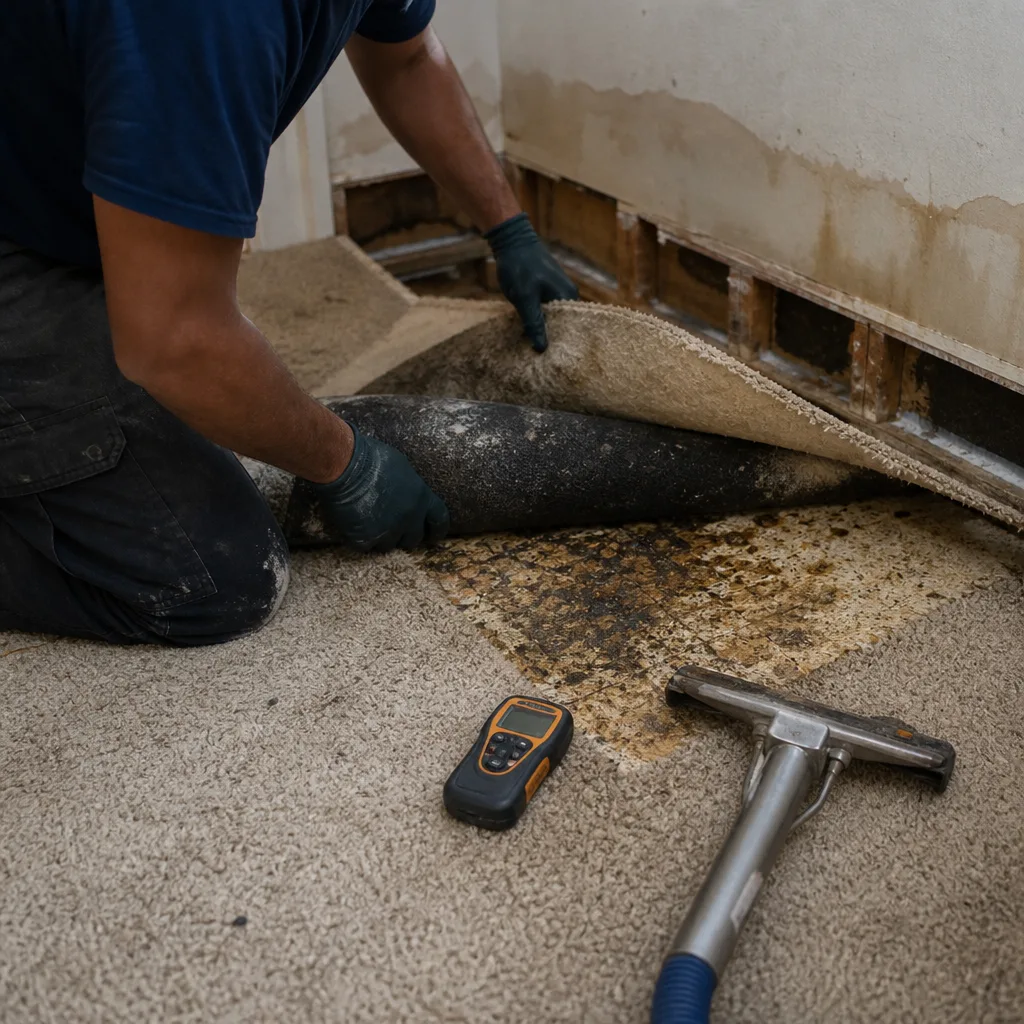
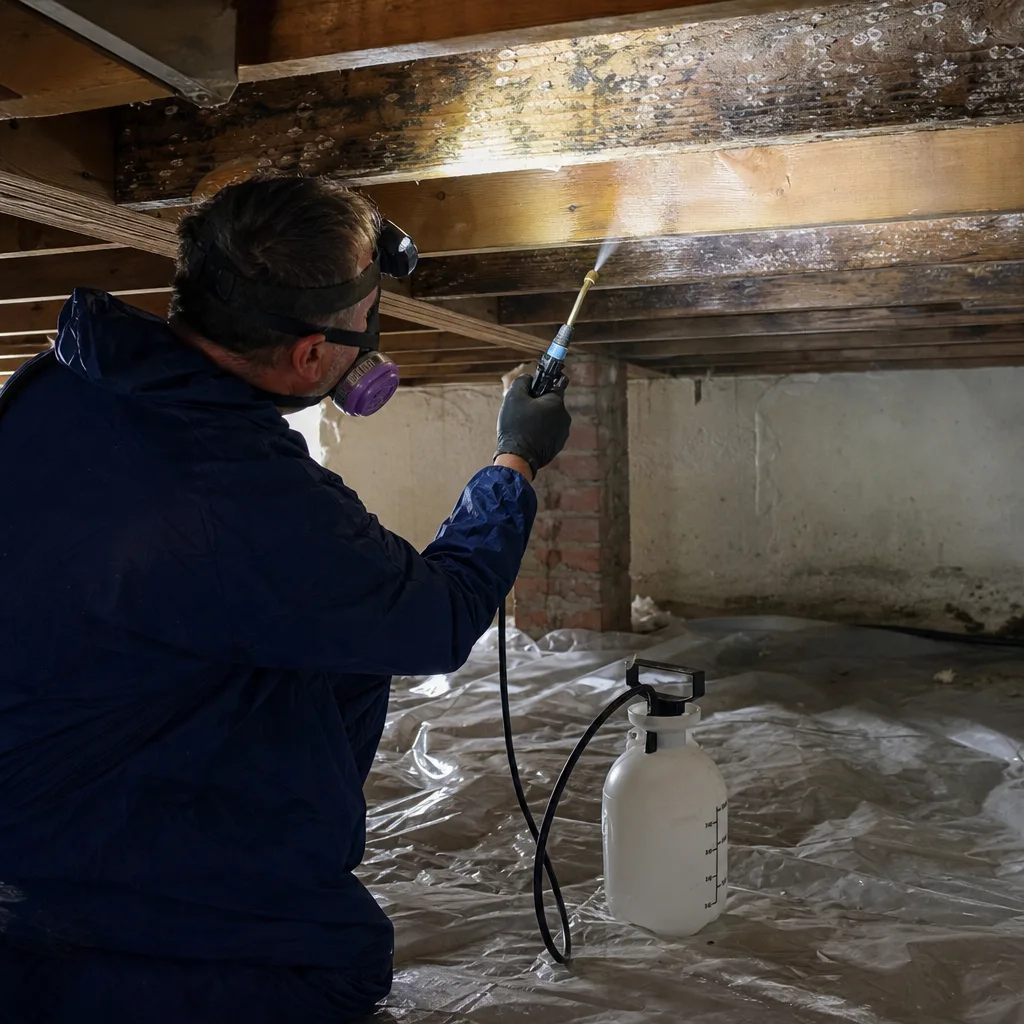
Removal means controlled demolition of non-salvageable materials under containment, with HEPA filtration running continuously. In Poway’s older ranch homes, this often means removing baseboards, lower drywall sections, and insulation in affected cavities. We don’t spray bleach on visible mold and call it done - that approach leaves hyphae in porous materials and guarantees return growth.
Black Mold Remediation
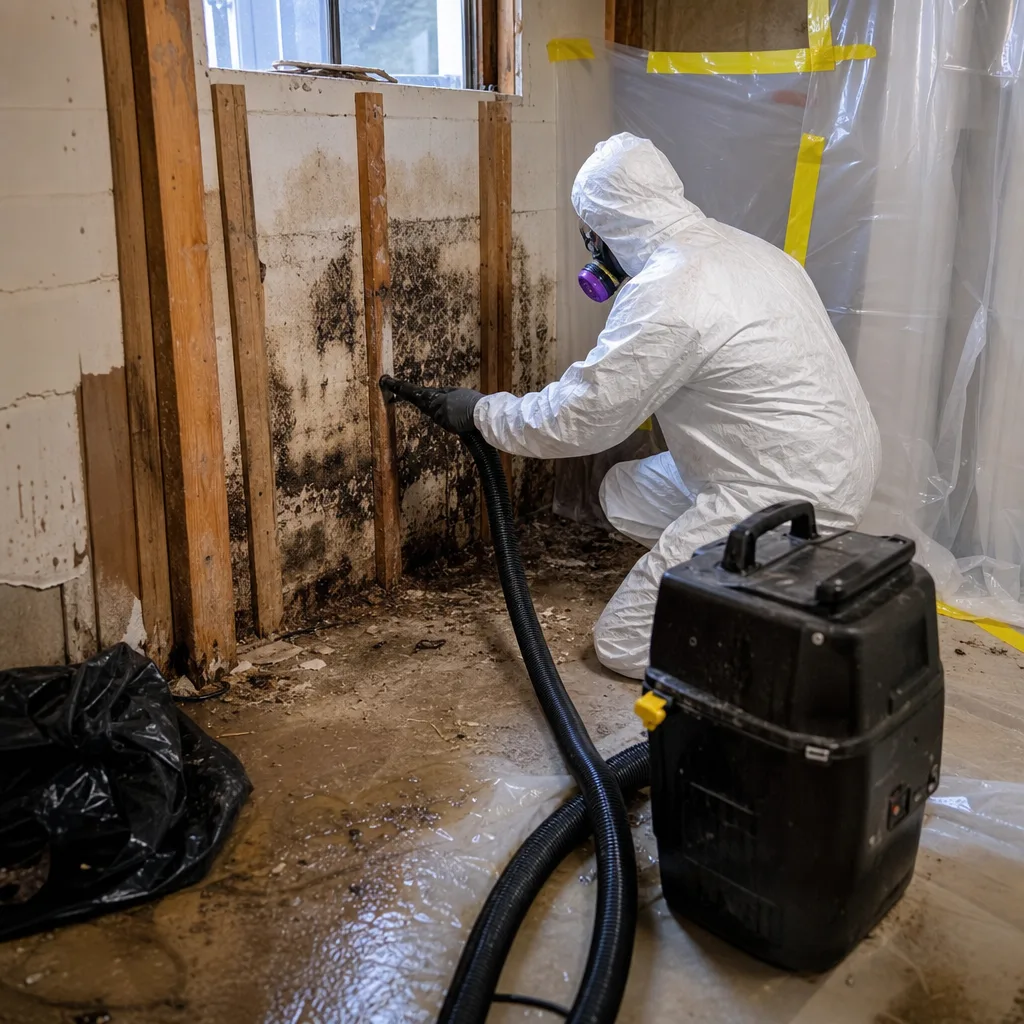
Stachybotrys chartarum and similar toxigenic species require the same containment and air quality protocols as other molds, with additional PPE and disposal requirements. The critical factor is moisture source elimination, not species identification. We treat all significant colonization with equivalent rigor; if you need species confirmation for medical or legal reasons, we coordinate third-party lab analysis.
Air Quality Restoration
This is where Poway’s wildland-urban interface becomes central. Our air quality work addresses both microbial contamination and smoke particulate residue. We deploy HEPA scrubbing, duct cleaning with rotary brush and contact vacuum systems, and activated carbon filtration where odor persists. For homes in multi-event smoke corridors, this is rarely optional - it’s the difference between remediation that holds and mold that returns.
Crawl Space Treatment
Poway’s hillside crawl spaces are our most frequent mold location. We install temporary containment access, remove contaminated vapor barriers and insulation, dry structural members to specified moisture content (typically below 16% for wood framing), treat with antimicrobial, and install new barriers. Without addressing drainage and ventilation, mold returns; we document conditions and recommend permanent solutions where indicated.
Moisture & Humidity Control
Post-remediation humidity management prevents recurrence. We assess ventilation, grade drainage, and foundation waterproofing, then specify dehumidification or ventilation improvements. In Poway’s dry climate, many homeowners assume humidity isn’t a problem - but enclosed crawl spaces with soil contact and limited airflow can sustain 70%+ relative humidity year-round, well above the 60% threshold for mold growth.
What happens when you call
- 1
A real person answersNo phone trees - you reach a local pro.
- 2
You get an upfront price rangeHonest numbers before anyone is dispatched.
- 3
A background-checked tech heads outLicensed & insured, dispatched right away.
- 4
You approve before work beginsNothing starts until you say go.
Mold Remediation Costs in Poway, CA
These are actual ranges for Poway properties based on jobs we’ve scoped and completed under Haven Standard, Clause 1 pricing:
| Service | Typical Range in Poway |
|---|---|
| Category 1 limited surface mold (under 10 sq ft) | $1,200 - $2,400 |
| Category 2 crawl space or wall cavity (10-100 sq ft) | $2,800 - $5,500 |
| Category 3 extensive colonization with HVAC treatment | $6,000 - $12,000+ |
| HVAC duct cleaning & deodorization (add-on) | $1,500 - $3,200 |
| Post-remediation clearance testing | $400 - $800 |
What moves the price: square footage of affected area, whether containment requires temporary relocation, accessibility of crawl spaces (some hillside properties have 18-inch clearances that slow work), and whether ductwork treatment is indicated. Insurance typically covers mold resulting from a covered water loss - sudden pipe break, storm intrusion, appliance failure - but may exclude long-term maintenance-related moisture. We review your policy language and document the loss origin to support covered-peril arguments.
Every job starts with a free visual inspection and written scope. No estimate without seeing the property - Haven Standard, Clause 1 requires a written price before work begins, and that price comes from actual measurement, not phone guesswork. Call (619) 330-9541 to schedule.
We Also Serve Cities Near Poway
Our crews respond throughout northeastern San Diego County from the same dispatch base that serves Poway. We regularly handle mold remediation in Santee’s canyon-adjacent properties, Lakeside’s rural-acreage homes with well water and septic systems, Del Mar’s coastal humidity challenges, and La Mesa’s older hillside construction with similar slab-on-grade issues. Same documentation standard, same written-price-first protocol, same 365-Day Done Right Promise.
Serving Poway, CA - Our Local Coverage Area
We’re based in the Poway area and know this community well. Use the map below to see our service coverage - if you’re nearby, we can almost certainly help.
Poway Mold Remediation Questions, Answered
Why do Poway hillside homes near Blue Sky Ecological Reserve need duct cleaning with mold remediation?
Because these properties sit in active Santa Ana smoke plume corridors, HVAC ductwork accumulates layered residue from multiple fire seasons - our techs find two or more distinct deposits in roughly half the hillside jobs we inspect. Mold colonizes on that organic residue. Cleaning ducts without addressing mold leaves spore reservoirs; remediating mold without cleaning ducts leaves growth substrates. We scope both together when inspection indicates. Call (619) 330-9541 for a free visual inspection that includes duct assessment.
How fast does mold grow after a winter storm seeps into a Poway crawl space or slab-on-grade foundation?
Mold colonization typically begins 24-48 hours after materials reach sustained moisture content above 20%. In Poway’s January-March storm pattern, hillside seepage hits slab perimeters and crawl spaces overnight; by the time homeowners notice musty odors, colonies are often established in wall cavities. Our 45-minute response commitment exists to start drying before that window closes. The sooner we deploy dehumidification and air movement, the less material requires removal. Call (619) 330-9541 for immediate dispatch.
Can you handle a Poway mold job in one trip instead of scheduling a return visit?
We plan for single-visit completion on Category 1 and most Category 2 jobs by confirming equipment loads, crew size, and access before dispatch. For Poway’s larger crawl spaces and detached workshops, we bring heavy-duty Dri-Eaz and Phoenix dehumidification with capacity to spare, not minimum equipment that stalls drying. One-trip completion requires accurate initial scope - which is why our free inspection includes full moisture mapping, not surface readings. Call (619) 330-9541 to schedule assessment and scope.
What water category does a hillside seep or Poway Creek flooding fall under, and does it change the remediation?
Hillside seepage and creek overflow are Category 3 water - groundwater containing soil contaminants, possible agricultural runoff, and undefined microbial content. Category 3 requires more aggressive removal of porous materials, longer drying protocols, and antimicrobial treatment beyond what Category 1 (clean water) demands. Insurance coverage for Category 3 events varies by policy; we document water origin and path to support your claim. Call (619) 330-9541 for immediate assessment and documentation.
Do you treat detached workshops and oversized doors in Poway’s rural/acreage properties as part of the mold scope?
Yes - we scope detached structures as separate moisture environments with their own drying plans. Poway’s acreage properties often have workshops, barns, or ADUs with independent HVAC or no climate control at all, creating different mold pressures than the main residence. We inspect and document each structure, then deliver a consolidated scope and single written price covering all affected buildings. Call (619) 330-9541 to schedule multi-structure assessment.
How do I know if my mold problem is insurance-covered or out-of-pocket?
Coverage depends on the water origin and your policy language. Sudden, accidental water events - pipe breaks, appliance failures, storm intrusion through damaged roofing - typically trigger mold coverage as secondary damage. Long-term seepage from maintenance issues often does not. We inspect, document the loss origin with photos and moisture mapping, and communicate directly with your adjuster to establish covered-peril arguments where supportable. Our documentation standard is built for this conversation. Call (619) 330-9541 to start the inspection and documentation process.
Will my family need to move out during mold remediation?
Category 1 jobs usually allow occupants to stay with temporary containment isolation. Category 2 and all Category 3 jobs require temporary relocation during active work - typically 2-5 days for moderate jobs, longer for extensive colonization with HVAC treatment. We specify reoccupancy criteria in the written scope, including post-remediation clearance testing with airborne spore counts meeting industry benchmarks. No guesswork about when it’s safe to return. Call (619) 330-9541 to discuss your specific situation.
What certifications do your mold technicians hold?
Our lead technicians hold IICRC WRT (Water Damage Restoration Technician), AMRT (Applied Microbial Remediation Technician), and FSRT (Fire & Smoke Restoration Technician) certifications. The AMRT credential is specifically required for mold containment, antimicrobial application, and clearance protocol. FSRT matters disproportionately in Poway because of the smoke-mold interaction we find in hillside ductwork. All technicians are background-checked, licensed, and insured, with license numbers documented on every job. Call (619) 330-9541 to verify credentials before scheduling.
We were called to a ranch home off Espola Road backing to Blue Sky Ecological Reserve where a hillside seep during a winter storm had soaked the crawl space and fed mold up the wall cavity; our techs ran moisture mapping and moisture readings, set containment and air movers with Dri-Eaz dehumidification, applied antimicrobial treatment, and then found two seasons of smoke residue layered in the ductwork from prior Santa Ana events. Because the homeowner wanted it handled in one trip, we pulled the scope of work together - crawl space treatment, structural drying, and duct deodorization - and documented pre-loss condition with drying logs for the adjuster. By the time we finished, the cavity was dry, the ductwork was clean, and the homeowner had a single report instead of a second contractor’s visit.
Ready for your inspection? Call (619) 330-9541. A live person answers. We’ll schedule your free visual inspection, deliver a written price before any work begins, and document everything your insurer needs to pay the claim without a fight. Haven Standard, Clause 1. Every job. No exceptions.
Written by Alicia Brennan, Owner at DryMark Restoration San Diego, serving Poway since 2011 under The Haven Standard.
Mold Remediation in Nearby Areas