Free visual inspection and a written scope of work before any mitigation begins - photos, moisture readings, and drying logs go in your claim file
The scope we write is the scope we bill. Anything new gets shown to you, in writing, before we touch it.
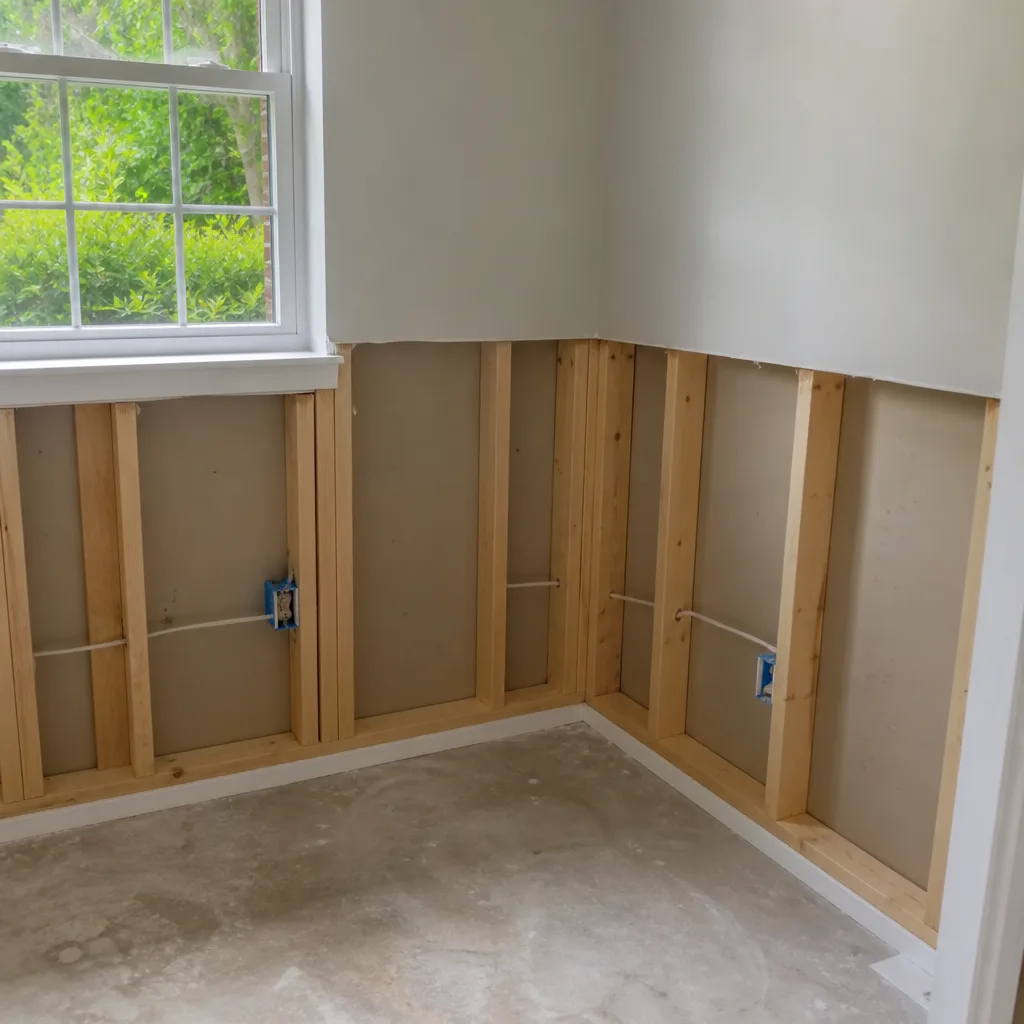

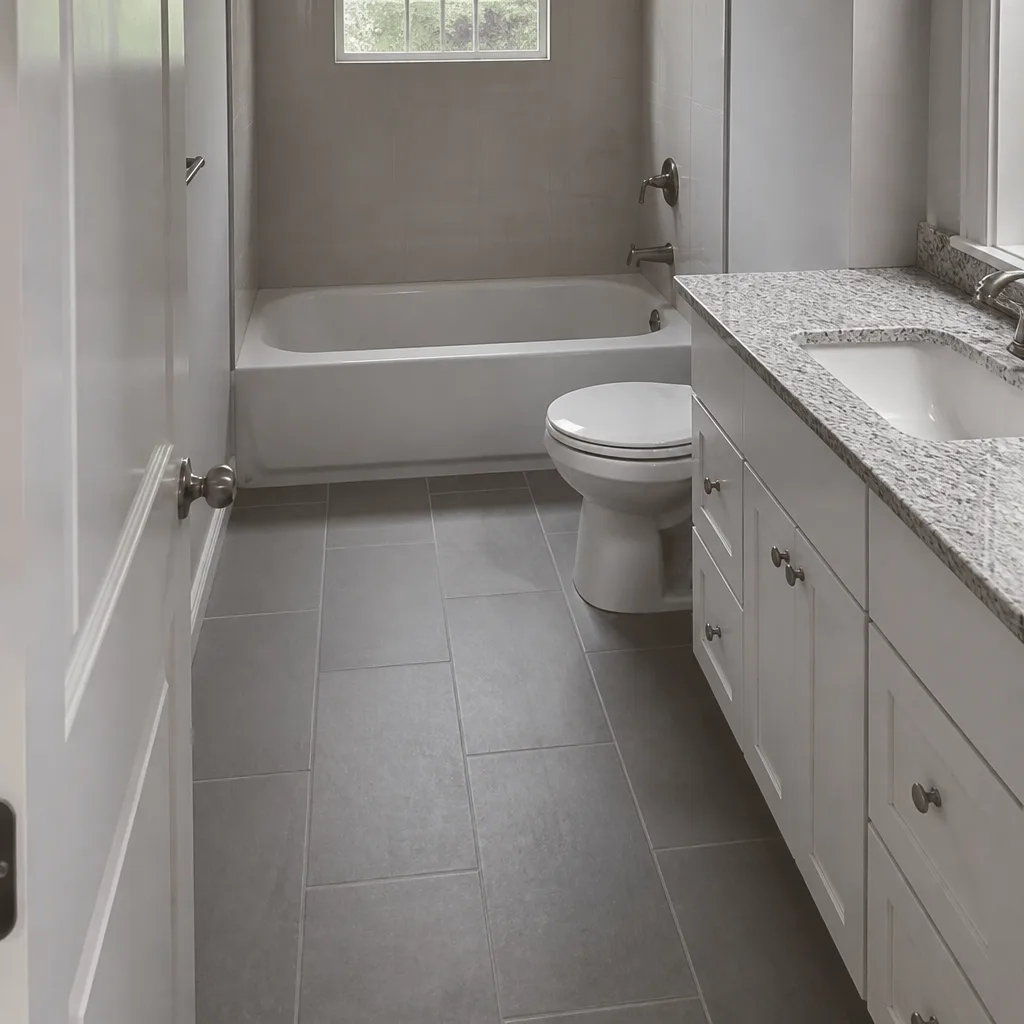
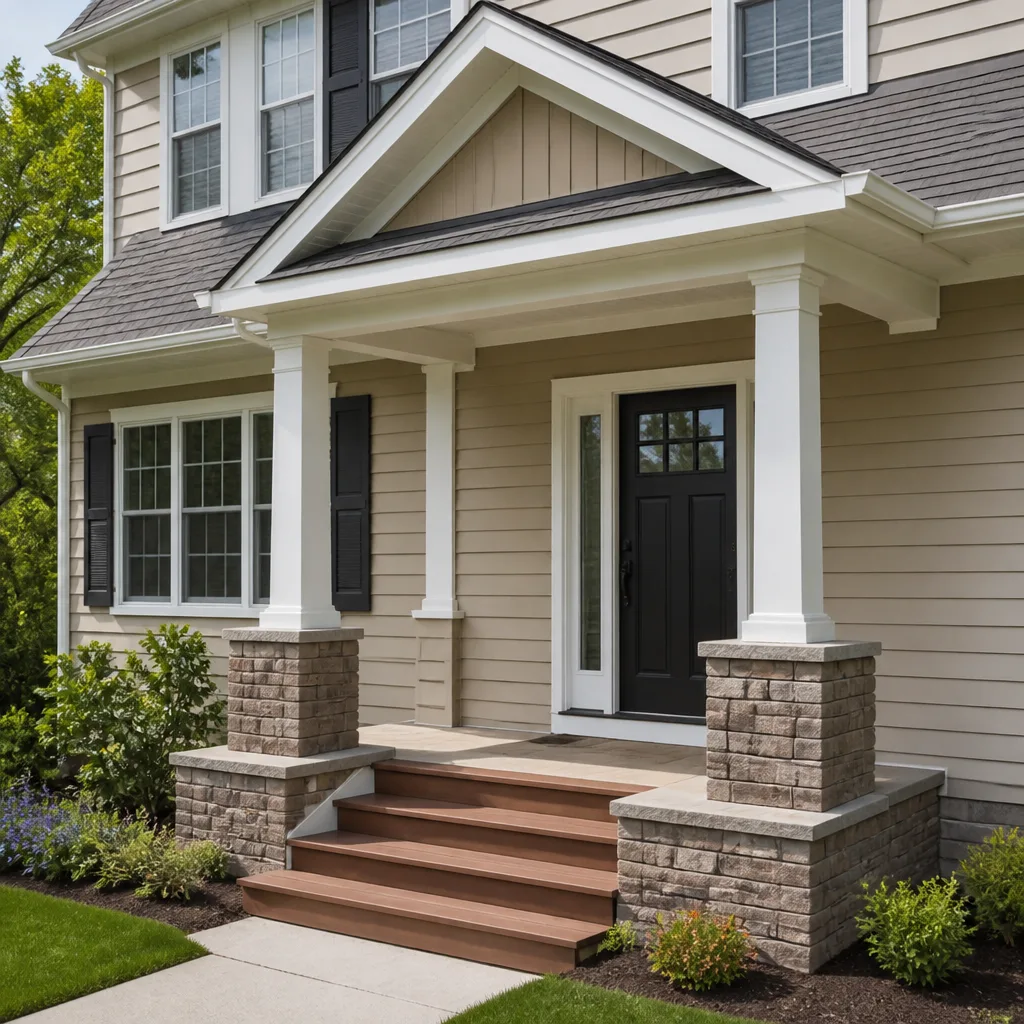
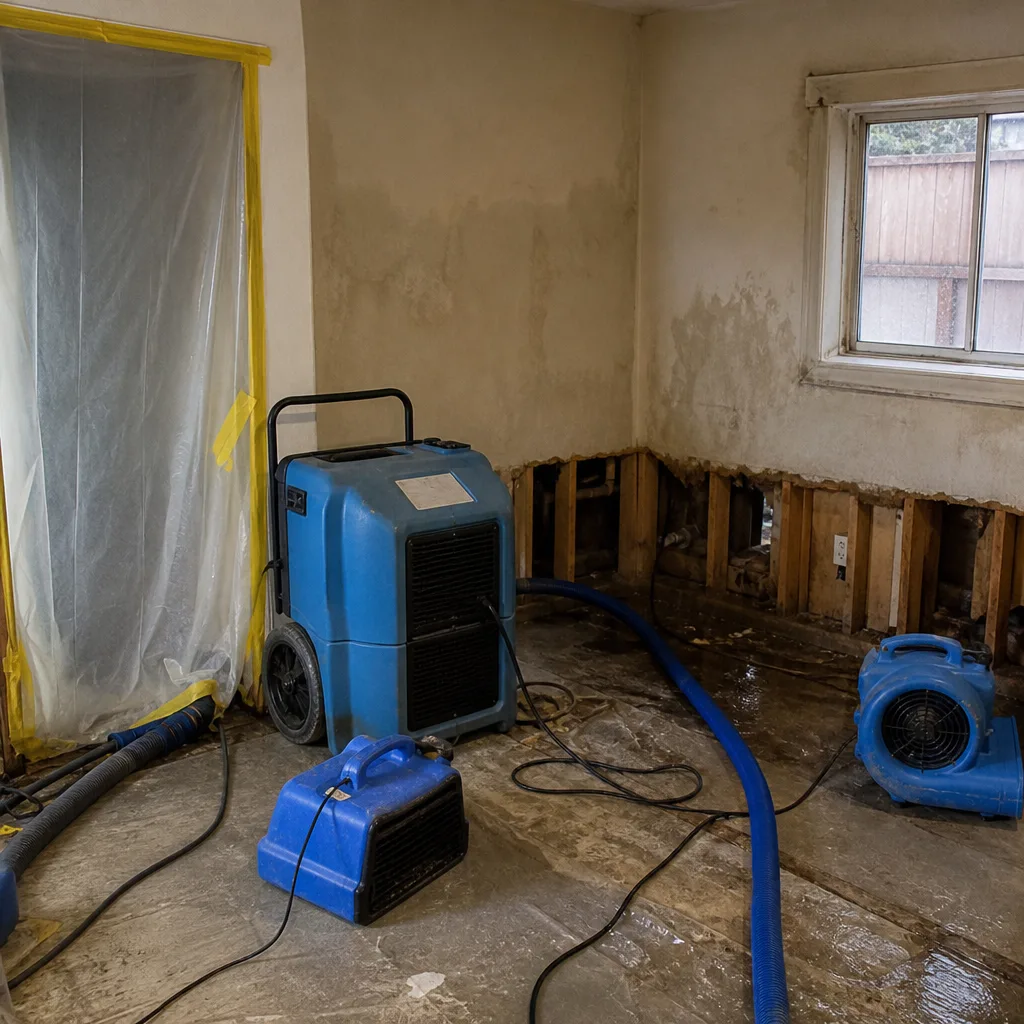 Before
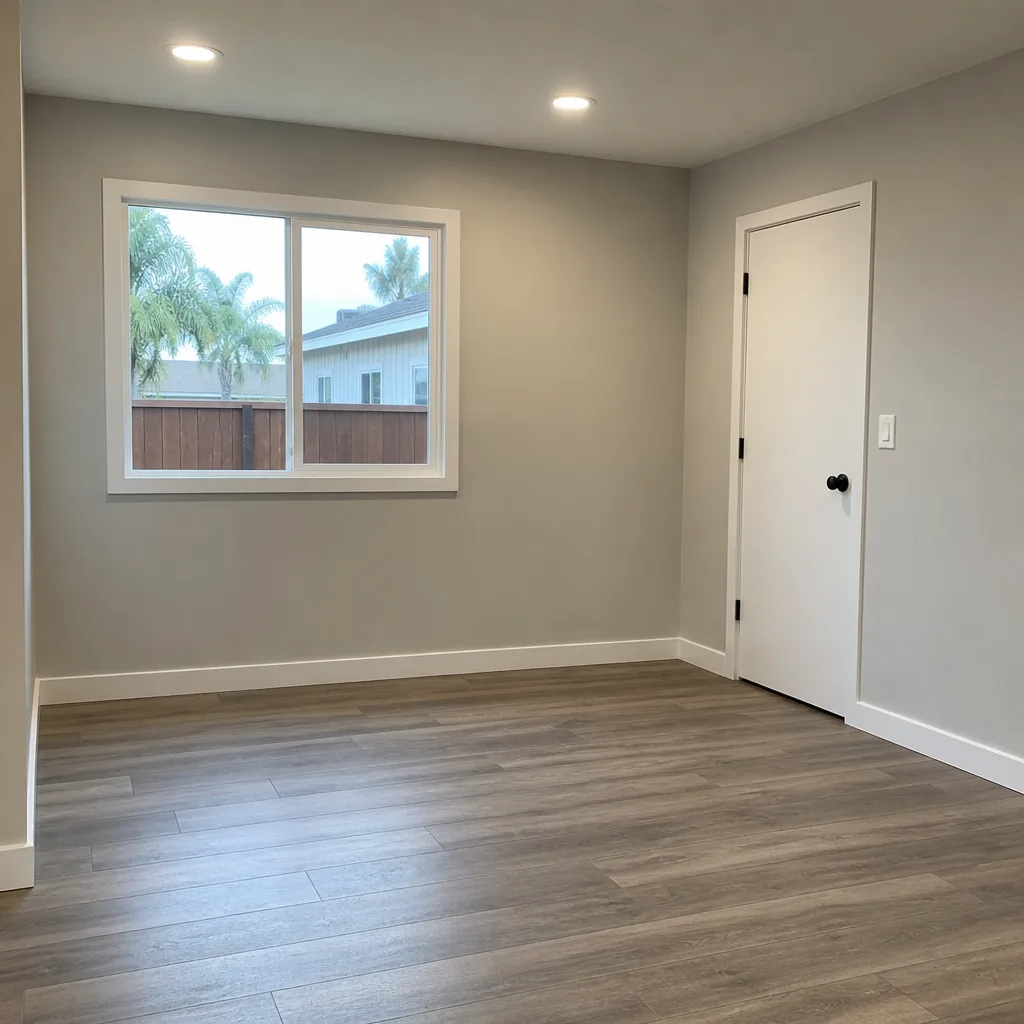 After
After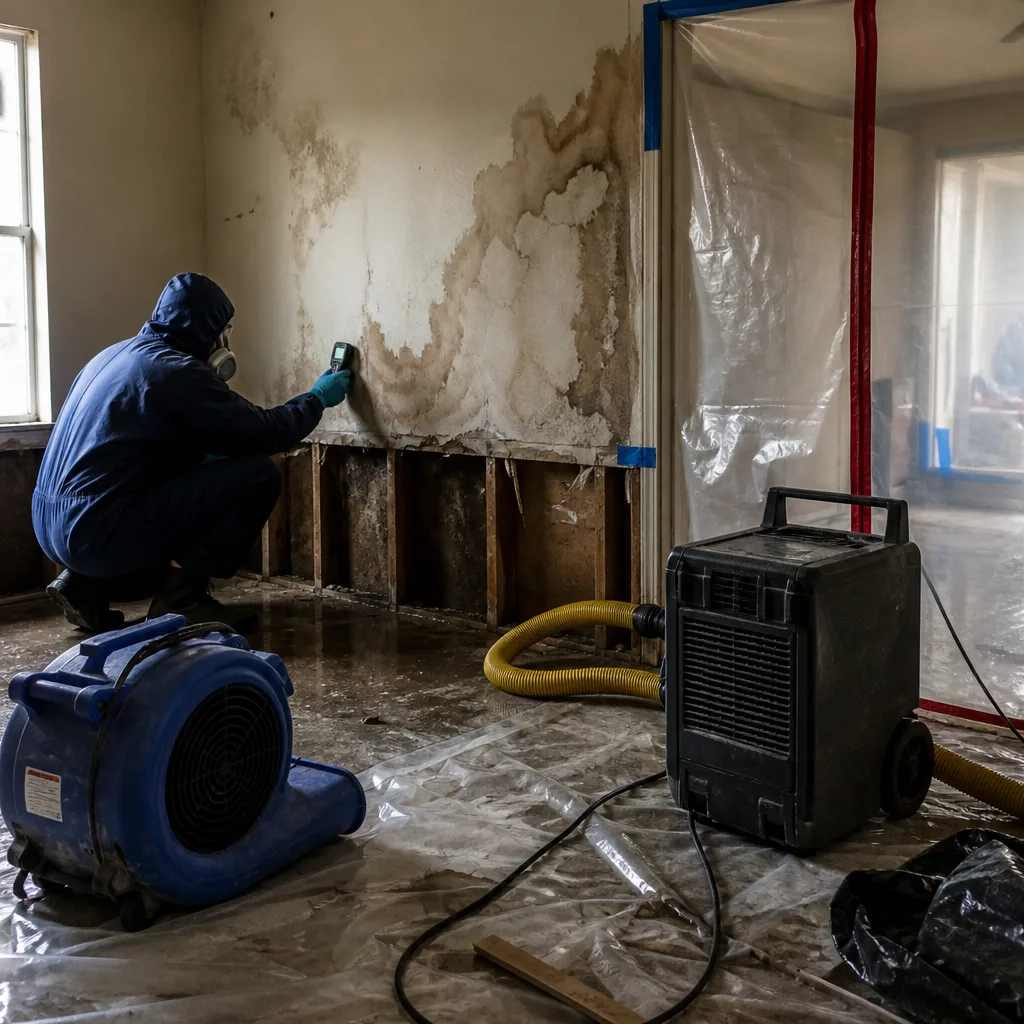 Before
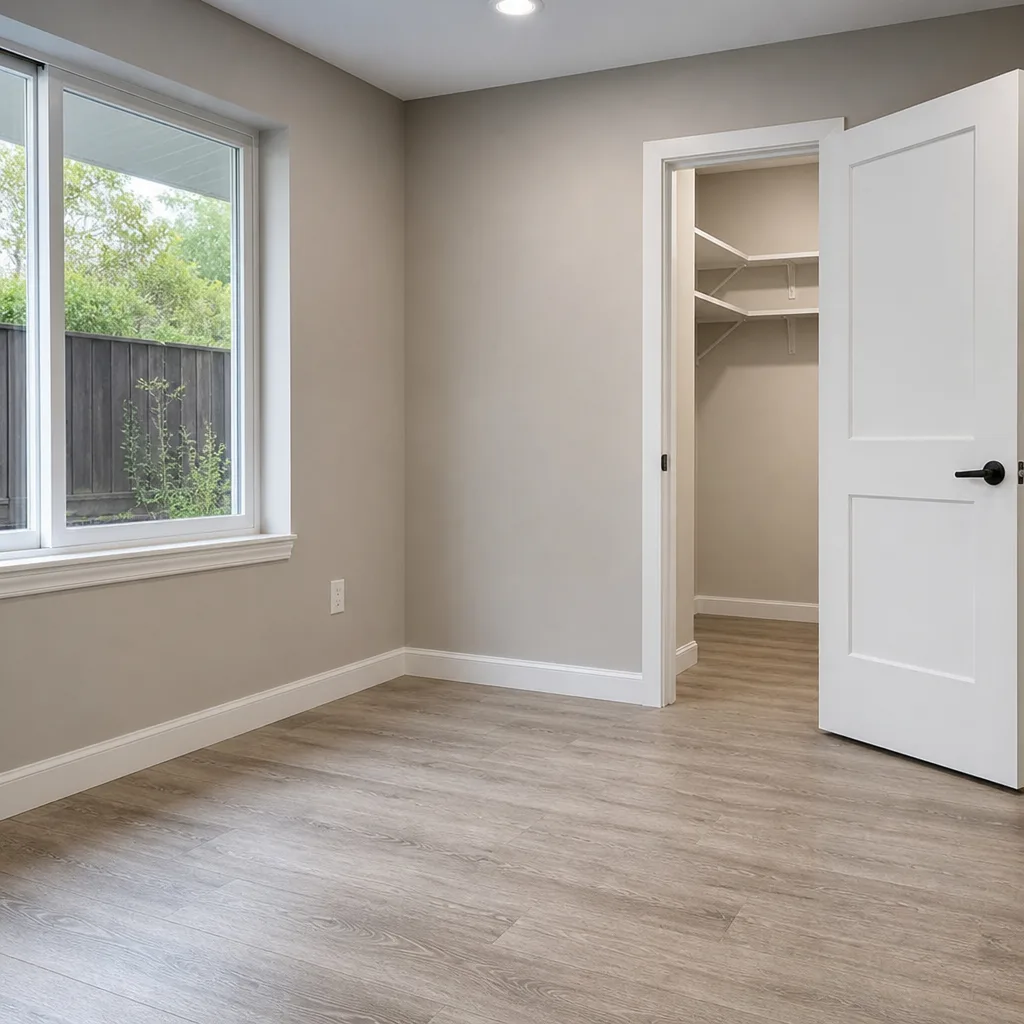 After
After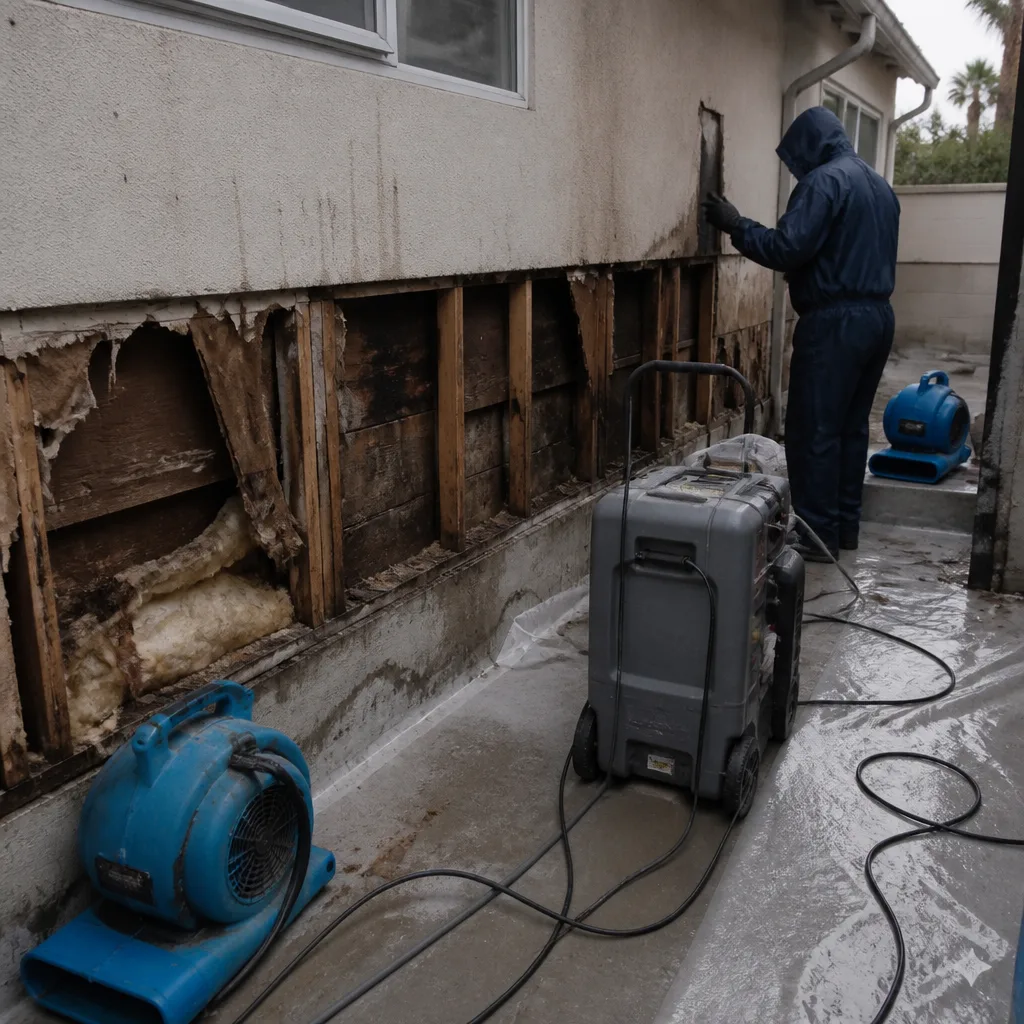 Before
 After
After24/7 Emergency Fire & Smoke Damage Restoration in Lakeside
Fire and smoke damage in Lakeside typically runs $3,200-$8,500 for cleanup and deodorization of a single-family home, with full structural restoration reaching $15,000-$45,000 depending on square footage and materials affected. Most Lakeside properties need same-day board-up and stabilization to prevent secondary damage from Santa Ana wind-driven ash reintrusion. Call (619) 330-9541 now - we answer live, 24 hours a day, 7 days a week, and crews are dispatched from our San Diego office to reach Lakeside properties within 45 minutes.
The first hour after a fire determines how much of your structure can be saved. Smoke migrates through every opening, duct, and wall cavity it can find. In Lakeside’s older ranch homes with wood siding and shake roofs, that migration happens faster than in stucco-clad new construction. Ash left on metal surfaces starts corrosion within hours. Synthetic materials release acidic residues that etch glass and pit chrome. Waiting until morning means replacing what could have been restored.
Our Fire & Smoke Damage Restoration team provides a free visual inspection on arrival, documents every room with photos before anything is touched, and delivers a written price before work begins - Haven Standard, Clause 1. No exceptions.
Understanding Fire & Smoke Damage Restoration Severity in Lakeside Properties
Fire damage breaks into three categories that determine scope, equipment, and timeline. Dry smoke residue comes from fast-burning, high-temperature fires - paper, wood, dry grasses. It powders easily but migrates deep into porous surfaces. Wet smoke residue forms from slow, smoldering burns - plastics, rubber, synthetic fabrics - and carries a sticky, smeary film that bonds to surfaces and requires solvent-based cleaning. Protein residue, nearly invisible but pungent, comes from kitchen fires and etches painted surfaces and varnishes.
Lakeside’s housing stock amplifies certain residues. Mid-century ranch homes built from the 1950s through 1970s used more natural wood trim, cedar closet liners, and exposed beam ceilings than coastal construction - all surfaces that trap dry smoke particulate. The attached wooden decks common on Wildcat Canyon Road and Riverford Drive properties act as ember catchers that generate their own localized smoke loads. Manufactured homes and mobile units, which make up a meaningful share of Lakeside’s inventory, use lighter-gauge materials that warp and off-gas faster under heat stress, changing the cleaning protocol entirely.
Smoke migration follows pressure differentials and temperature gradients. Hot smoke rises, cools, and settles into wall cavities and attic spaces - what restoration techs call “smoke webs” in corners and along ceiling joints. In Lakeside’s walk-in attics and the oversized garage door pockets on ranchette workshops, those webs can extend 30 feet from the fire origin. Tertiary smoke damage, the odor that reactivates months later when humidity rises, is what coastal crews miss when they wipe surfaces and call the job done.
Why Lakeside Property Owners Choose DryMark Restoration San Diego
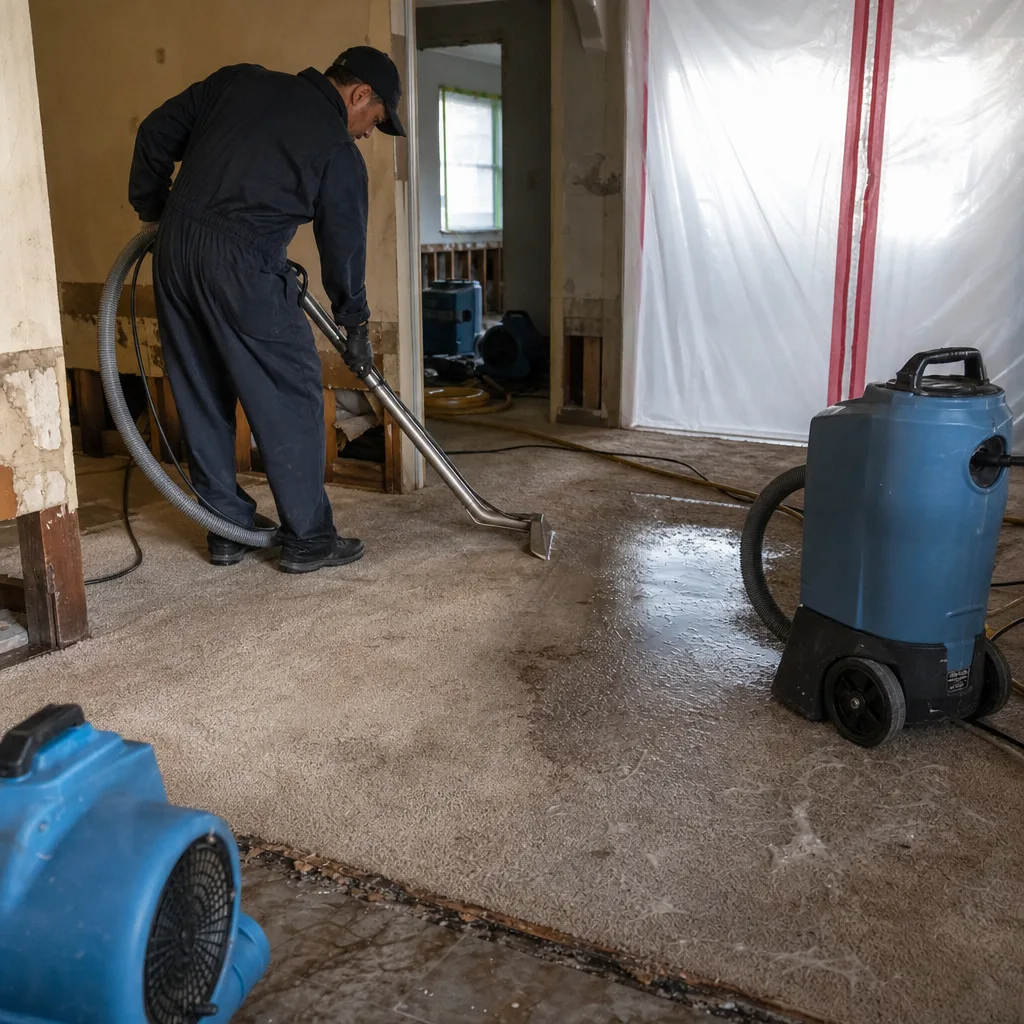
- 45-minute response commitment to Lakeside from our San Diego dispatch center - crews carry board-up materials, HEPA filtration, and moisture-mapping tools on every truck.
- 24/7 live answer - a real person, never an automated system or voicemail tree, picks up every call to our emergency line.
- IICRC-certified crews holding FSRT (Fire & Smoke Restoration Technician) and WRT (Water Damage Restoration Technician) certifications, with AMRT (Applied Microbial Remediation Technician) cross-training for the mold and Category 3 water scenarios common to post-fire Lakeside properties.
- Free visual inspection - we document damage with photos before any work begins, and the written scope is delivered before you sign.
- Direct insurance billing - we coordinate with your adjuster, submit line-item estimates in Xactimate format, and handle documentation so your claim processes without dispute.
- One team from board-up to reconstruction - no handoffs between mitigation contractors and rebuild crews, no gaps in the photo record or drying log.
BeforeAfterOur Fire & Smoke Damage Restoration Process
1. Inspection & Assessment
We walk the property with thermal imaging cameras and moisture meters to map smoke migration and any fire-suppression water intrusion. Every room is photographed before anything is moved. In Lakeside’s older ranches, we pay special attention to walk-in attics, crawlspaces, and detached outbuildings where smoke travels farther than owners expect.
2. Emergency Board-Up & Stabilization
Broken windows, compromised roofing, and damaged doors are sealed with plywood and weatherproof tarps to prevent Santa Ana wind-driven ash reintrusion and rain entry. For properties on larger parcels with multiple structures, we establish separate containment zones so cross-contamination doesn’t spread the smoke load.
3. Water Extraction & Structural Drying
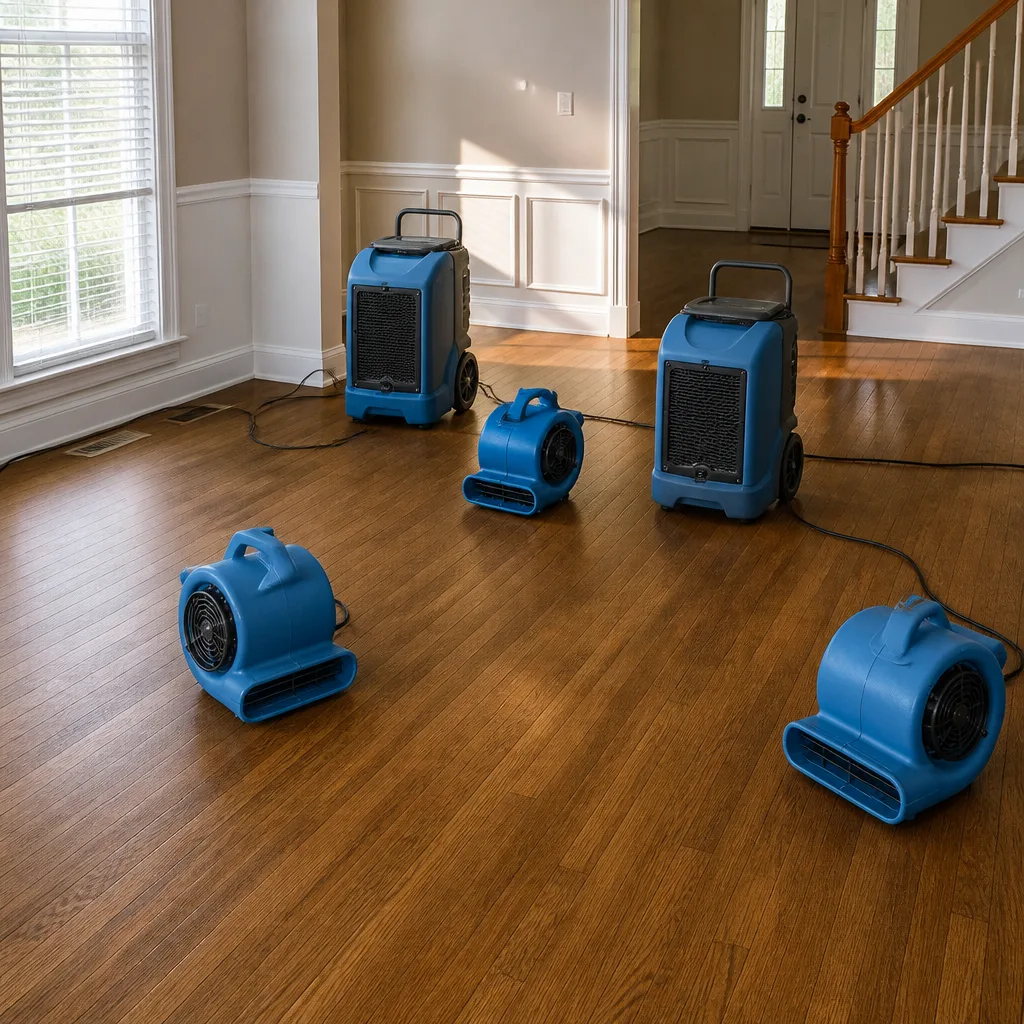
Fire suppression leaves Category 1 or Category 2 water in wall cavities, subfloors, and insulation. We extract standing water, then deploy Dri-Eaz dehumidifiers and XPOWER air movers with calculated air-changes-per-hour based on room volume and material porosity. Daily moisture logs track specific humidity, temperature, and vapor pressure differential until materials reach dry standard.
4. Smoke & Soot Removal
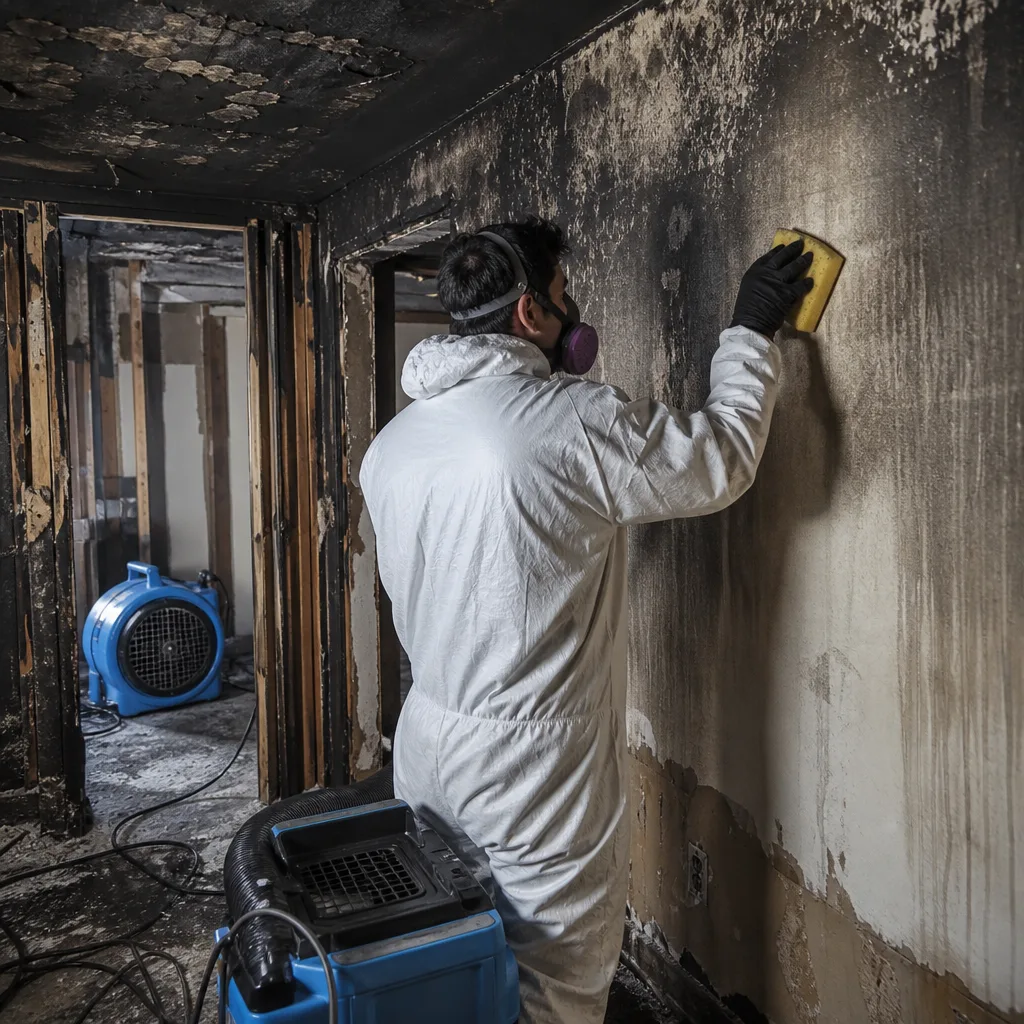
Dry smoke gets HEPA vacuumed before wet-cleaning; wet smoke requires solvent-based cleaners matched to the surface - alkaline cleaners for painted drywall, oil-based solvents for unfinished wood, ultrasonic cleaning for non-porous contents. We clean from top to bottom, structural to decorative, so settled particulate isn’t redeposited on finished surfaces.
5. Odor Removal & Deodorization
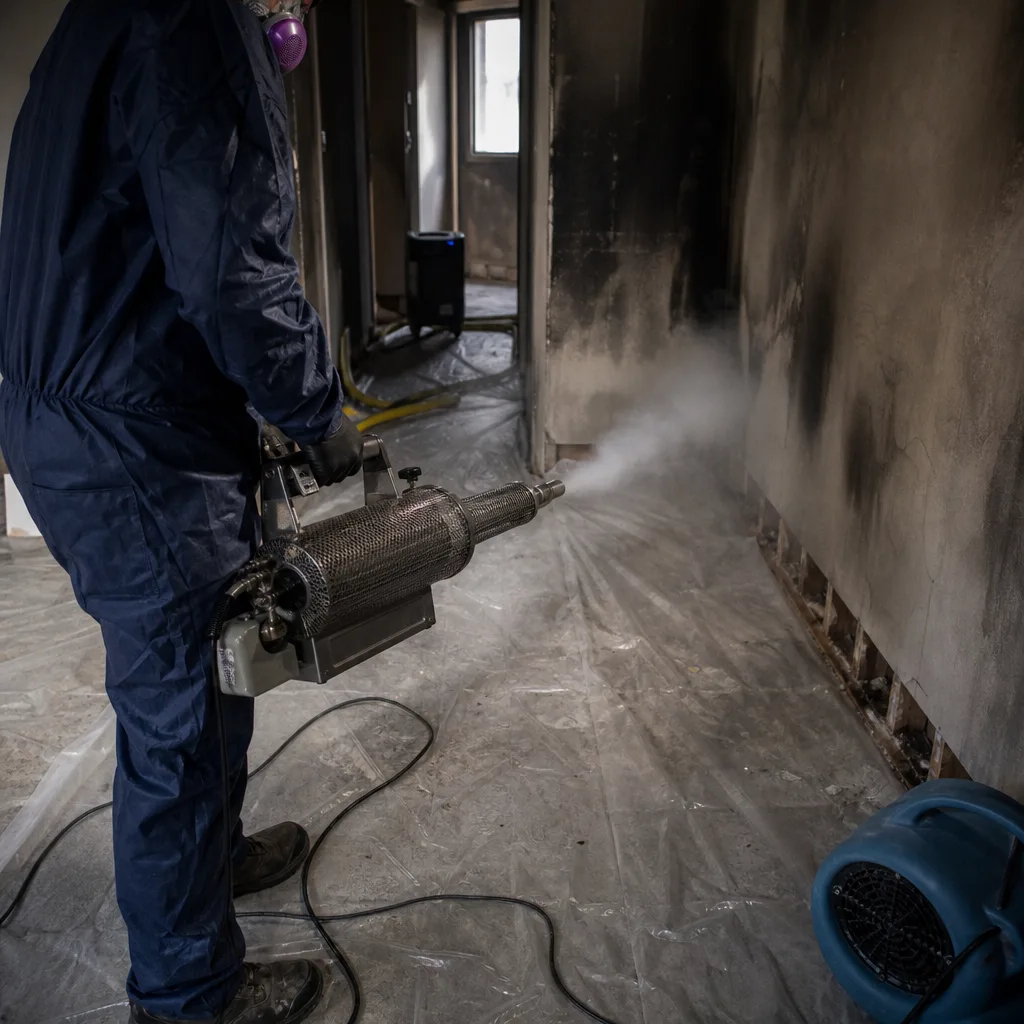
Surface cleaning removes visible residue; odor removal requires reaching what cleaning can’t touch. We deploy thermal fogging for porous structural materials, ozone treatment for contents in our controlled chamber, and hydroxyl generators for occupied spaces. In Lakeside’s wood-heavy construction, multiple passes are standard - one treatment rarely neutralizes tertiary odor in cedar closets or exposed beam ceilings.
6. Repairs & Restoration
Charred framing is sistered or replaced per structural engineering review. Drywall, insulation, flooring, and finishes are restored to pre-loss condition. The 365-Day Done Right Promise under The Haven Standard covers every repair: if odor returns, if finish cracks, if anything isn’t right, we make it right - in writing, not verbally.
Need Emergency Fire & Smoke Damage Restoration in Lakeside Now?
Crews minutes away, answering live 24 hours a day. The sooner we start, the less it costs.
Working With Your Insurance Company
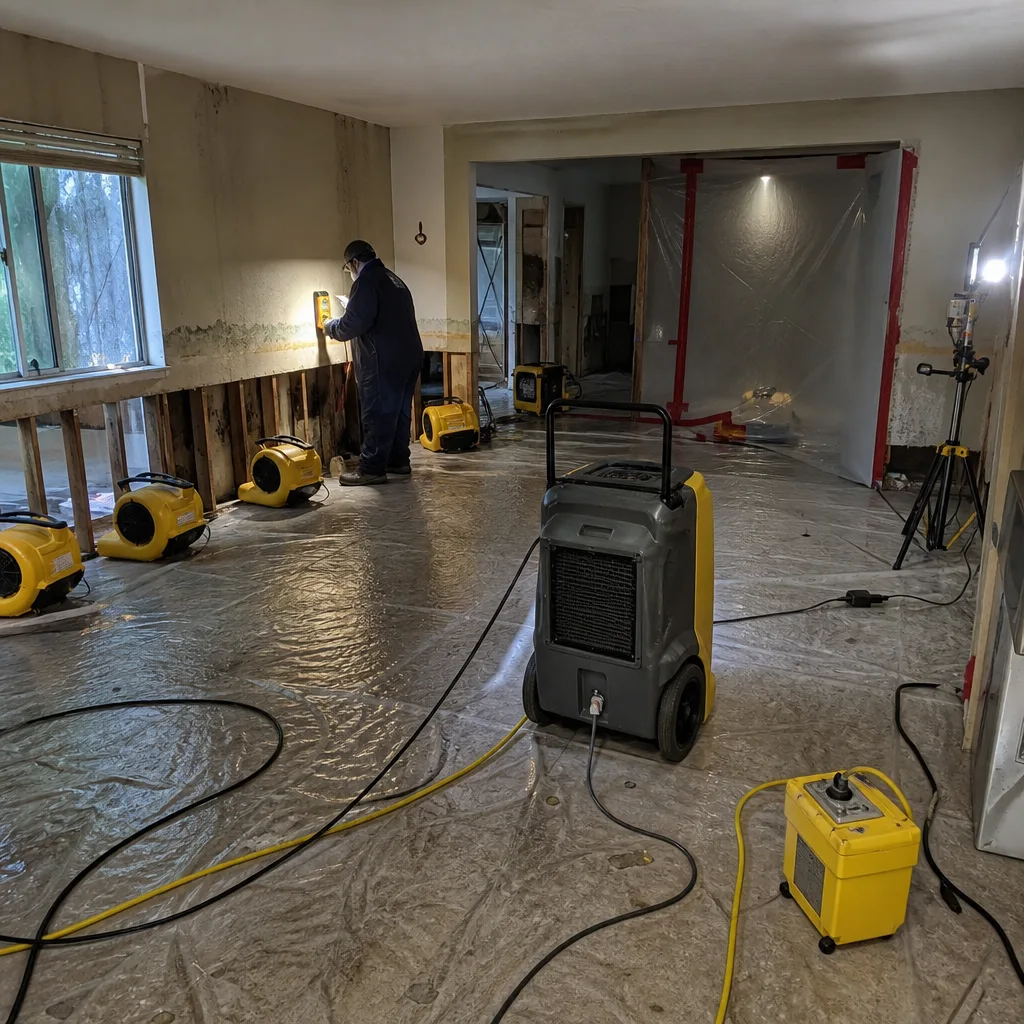
Insurance claims for fire damage fail most often on documentation gaps - the adjuster can’t see what was there before the loss, can’t verify the scope was necessary, or disputes the line items because no photo record exists. We close those gaps from the first hour.
Our team documents every room before anything is moved, generates moisture readings and drying logs in IICRC-standard format, and produces a detailed, line-item scope of work in Xactimate - the same estimating platform carriers use. We coordinate directly with your adjuster, attend site visits when requested, and provide the photo record as a standard deliverable, never an upsell. If you’ve received a written estimate from another contractor, we offer a Free Second Opinion - we’ll review their scope at no charge and flag anything that doesn’t match the actual damage we see.
What We Provide Your Insurer
- Thorough documentation of the loss
- Photos of all damage, room by room
- Moisture readings and drying logs
- A detailed, line-item scope of work
- Direct coordination with your carrier
Built for Lakeside’s Loss Calendar
Lakeside’s fire damage calendar runs on two overlapping cycles that coastal San Diego contractors rarely see together.
September through January brings Santa Ana wind events that accelerate down East County valleys, driving relative humidity into the single digits and turning any ignition source into a fast-moving brush fire. The Cedar Fire corridor that includes Lakeside has burned repeatedly - 2003, 2007, and near-misses in most years since. These wind-driven fires push fine ash and smoke particulate deep into attic insulation and wall cavities, and the same winds that sparked the fire keep reintruding ash through any compromised envelope until board-up is complete.
Then comes the wet-season compound risk. Once chaparral hillsides burn bare, the hydrophobic soil left behind sheds water instead of absorbing it. The San Diego River corridor and the slopes above Wildcat Canyon Road, Lake Jennings, and the El Monte Valley funnel debris flows toward the same properties that just took smoke damage. We’ve restored Lakeside homes that needed FSRT fire protocols in October and WRT water protocols with Category 3 mud intrusion by February. A scope of work that doesn’t account for both sequences leaves the homeowner exposed to a second claim - and often a second deductible.
Fire & Smoke Damage Restoration Across Lakeside’s Neighborhoods
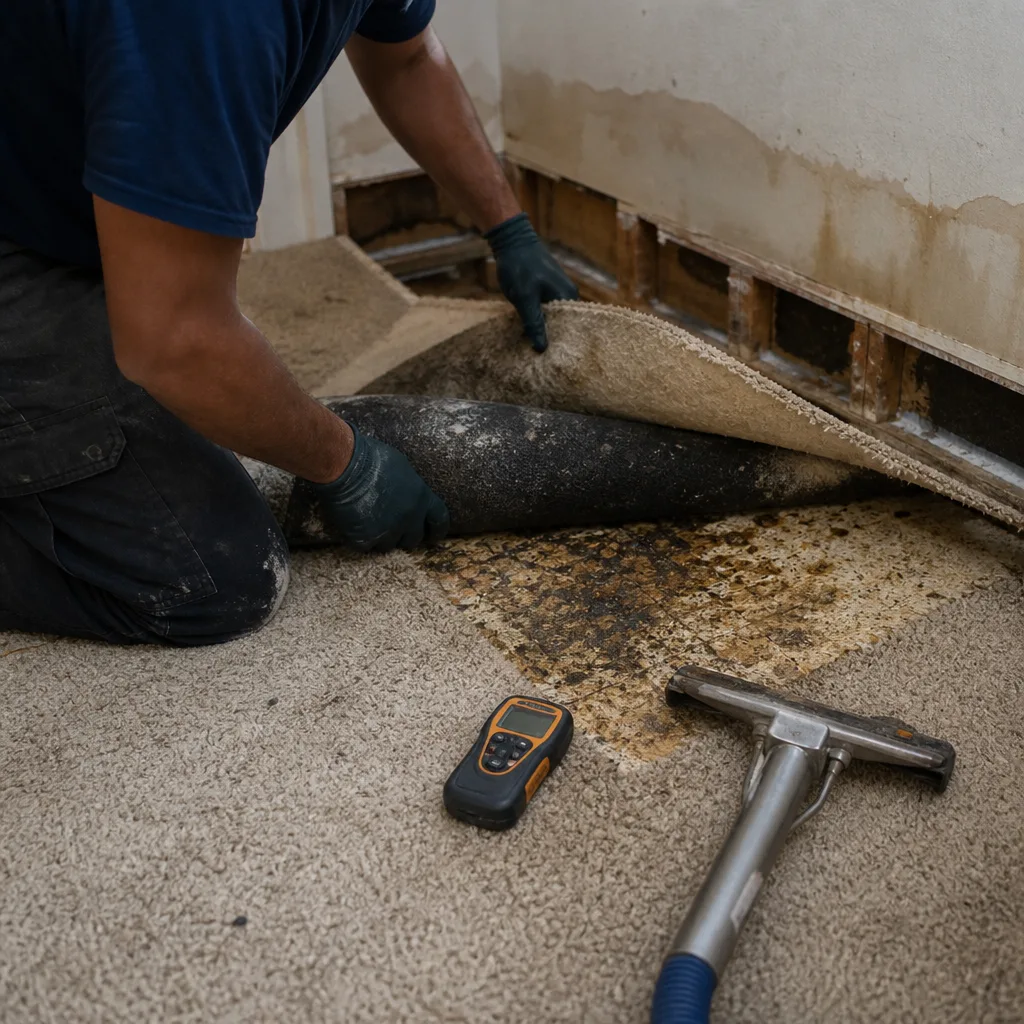
On Wildcat Canyon Road and the ranchette parcels off it, properties sit on larger lots with detached workshops, horse barns, and equipment sheds. Smoke doesn’t respect property lines - a brush fire on the slope above can push ash through a main house’s eave vents even when the house itself never saw flame. Our crews establish separate containment per structure and pack out smoke-loaded contents for off-site deodorization rather than trying to treat everything in place.
Riverford Drive and the neighborhoods near Lake Jennings include mid-century ranches on quarter-acre to half-acre lots, many with original wood siding and attached decks that trap ember residue. The crawlspaces under these homes are often unsealed, allowing smoke to settle in floor insulation that standard surface cleaning never reaches. We pull and replace compromised insulation rather than deodorizing it - the cost difference is minimal, and the odor guarantee is real.
Downtown Lakeside along Maine Avenue and Woodside Avenue has a denser mix of older commercial buildings and residential units, some with shared walls and limited access for equipment staging. Board-up here requires coordination with neighboring property owners, and smoke migration through common attics means we inspect adjacent units even when the fire was contained to one address.
The El Monte Valley area east of town includes manufactured homes and agricultural outbuildings on larger parcels. Manufactured home construction uses lighter-gauge materials that warp and off-gas under heat stress, and the skirting and belly wraps common to these units trap moisture from fire suppression. We treat these as hybrid fire-water jobs from the start, not as straightforward smoke cleanup.
Specialized Fire & Smoke Damage Restoration Services We Offer in Lakeside
Fire Damage Cleanup
Structural cleanup after fire involves removing charred materials, treating salvageable framing with antimicrobial and odor-counteractant applications, and preparing the envelope for rebuild. In Lakeside’s older ranch homes with wood siding and exposed beams, we often find that “salvageable” extends further than owners expect - and that char depth on structural members requires engineering review before we call them sound.
Smoke & Soot Removal
Smoke residue type determines cleaning chemistry. Dry smoke from fast grass fires powders off with HEPA vacuuming and dry sponges; wet smoke from smoldering synthetics needs solvent-based cleaners that won’t damage the substrate. Lakeside’s windy, open-parcel layout drives soot deeper into outbuilding framing, walk-in attics, and oversized garage door pockets than a single air scrubber and wipe-down can reach. We map migration paths with thermal imaging and clean to the full extent of the residue, not just the visible stain.
Odor Removal & Deodorization
Tertiary odor - the smell that returns when humidity rises - is what separates professional restoration from surface cleaning. We deploy thermal fogging for porous structural materials, ozone treatment for contents in our controlled chamber, and hydroxyl generators for spaces that must remain occupied during treatment. In Lakeside’s cedar-lined closets and wood-trimmed ranches, multiple treatment passes are standard. One pass is never enough.
Contents Cleaning & Pack-Out
Smoke-damaged contents are inventoried, photographed, and packed out to our facility for ultrasonic cleaning, ozone treatment, or textile restoration. Non-salvageable items are documented for insurance replacement with make, model, and condition notes. On ranchette properties with workshop tools, horse tack, and equipment, the contents scope often exceeds the structural scope - and we treat both with the same documentation rigor.
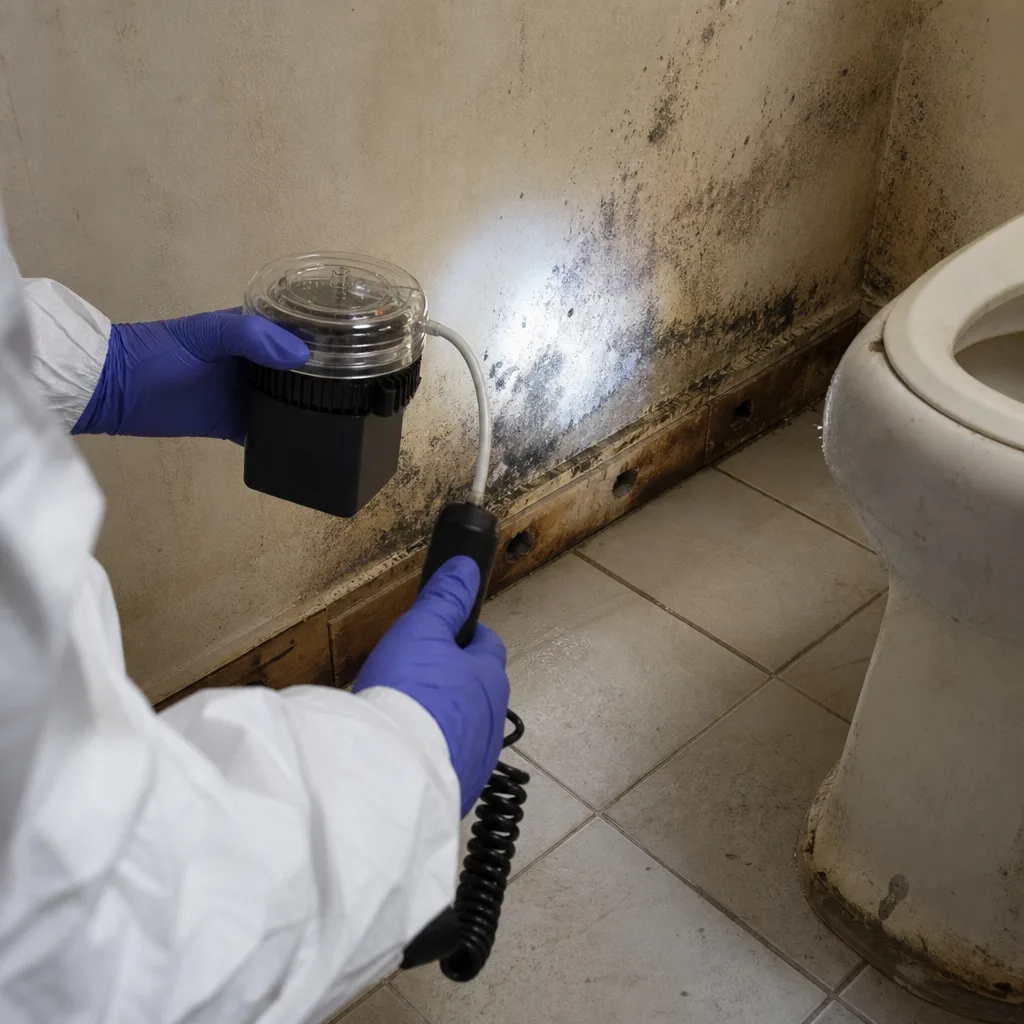
Emergency Board-Up & Tarping
Broken windows, compromised roofing, and damaged overhead doors are sealed with plywood and weather-resistant tarps to prevent weather intrusion and unauthorized entry. For properties with multiple structures or oversized openings - barn doors, RV bays, equipment sheds - we fabricate custom board-ups on site rather than forcing standard panels to fit.
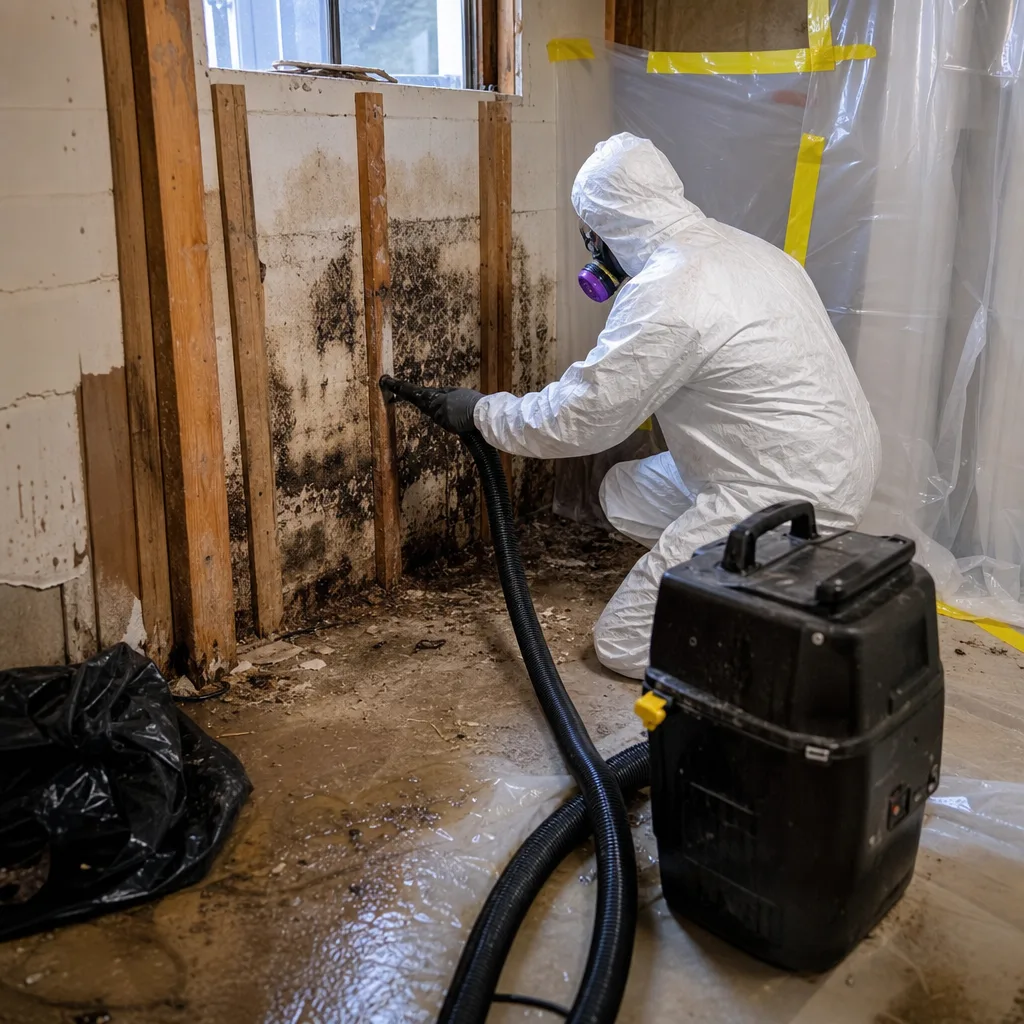
What happens when you call
- 1
A real person answersNo phone trees - you reach a local pro.
- 2
You get an upfront price rangeHonest numbers before anyone is dispatched.
- 3
A background-checked tech heads outLicensed & insured, dispatched right away.
- 4
You approve before work beginsNothing starts until you say go.
Fire & Smoke Damage Restoration Costs in Lakeside, CA
These ranges reflect actual Lakeside-area jobs we’ve scoped and completed. Every job is quoted in writing before work begins - Haven Standard, Clause 1 - and the free visual inspection is how we determine where your property falls in these ranges.
| Service | Typical Range in Lakeside |
|---|---|
| Smoke & soot cleanup, single room | $1,800 - $4,200 |
| Whole-home smoke remediation (2,000 sq ft ranch) | $3,200 - $8,500 |
| Odor removal & deodorization (thermal fogging + ozone) | $2,400 - $5,800 |
| Contents pack-out, cleaning & storage | $1,500 - $6,000 |
| Emergency board-up & tarping | $800 - $2,200 |
| Structural repair & reconstruction (partial rebuild) | $15,000 - $45,000 |
| Full reconstruction after major fire | $75,000 - $250,000+ |
What moves the price: square footage affected, smoke residue type (wet smoke requires more labor hours than dry), structural materials that need replacement versus cleaning, and whether fire suppression water created secondary damage. Insurance typically covers direct fire and smoke damage plus reasonable mitigation; our documentation package is built to justify every line item to your adjuster. Call (619) 330-9541 for an exact quote - estimates are free.
We Also Serve Cities Near Lakeside
Our crews respond throughout East County from the same San Diego dispatch center. If you’re in Santee, El Cajon, La Mesa, or Spring Valley, the same 45-minute response commitment, live-answer dispatch, and documentation-first approach applies. Fire & Smoke Damage Restoration in Lakeside is our core East County service, and we extend coverage to surrounding communities without extending response time.
Serving Lakeside, CA - Our Local Coverage Area
We’re based in the Lakeside area and know this community well. Use the map below to see our service coverage - if you’re nearby, we can almost certainly help.
Lakeside Fire & Smoke Damage Restoration Questions, Answered
Why does my Lakeside smoke smell keep coming back after the walls were wiped?
Surface wiping removes visible soot, not the odor trapped in porous materials behind the surface.
In Lakeside’s older ranch homes with wood siding, cedar closet liners, and unsealed crawlspaces, smoke particulate migrates deep into structural materials where wipes and standard cleaners can’t reach. Tertiary odor reactivates when humidity rises - common in East County’s winter wet season - releasing compounds that were never neutralized. Professional deodorization requires thermal fogging, ozone, or hydroxyl treatment targeted to the full migration path, not just the stained areas. If a previous contractor wiped and left, the residue is still there. Call (619) 330-9541 and we’ll map the full extent.
A fire burned the slope behind my house - do I also need to worry about water damage in Lakeside?
Yes. Burned chaparral slopes create hydrophobic soil that sheds water and debris directly toward downslope structures.
Lakeside sits in the Cedar Fire corridor where this exact sequence has repeated for decades: fire strips vegetation, winter rains hit bare slopes, and mud plus Category 3 water enters crawlspaces and foundations that were never designed for that load. We moisture-map every fire job before sign-off specifically to flag this risk, and we document the condition so if water intrusion follows later, the connection to the fire loss is already established for insurance. Call (619) 330-9541 for a post-fire property assessment that includes wet-season risk documentation.
Do horse barns and workshops on Lakeside properties get treated differently than the main house?
Yes. Outbuildings have different construction, contents, and smoke migration patterns that require separate protocols.
Lakeside ranchettes often include detached workshops with oversized door openings, uninsulated framing, and heavy-duty hardware that standard residential crews don’t recognize. Smoke migrates differently in unconditioned spaces - temperature differentials drive it into ridge beams and wall cavities that aren’t present in the main house. We establish separate containment zones, pack out tools and equipment for off-site deodorization, and scope structural repairs with outbuilding-specific materials. Treating a 30-by-40 workshop like a standard garage misses half the damage. Call (619) 330-9541 for outbuilding-specific assessment.
How fast do I need to act after a fire in Lakeside before it gets worse?
Within the first hour for stabilization, and within 24 hours for full mitigation to prevent secondary damage.
Ash is corrosive to metal surfaces and acidic to finishes - etching starts in hours, not days. Santa Ana winds common in Lakeside’s fire season reintrude ash through any compromised window, door, or vent. Fire suppression water left standing becomes Category 2 or Category 3 within 48 hours as it picks up soot and structural contaminants. Our 45-minute response commitment exists because we’ve seen what delayed stabilization costs in additional replacement versus restoration. Call (619) 330-9541 - we answer live and crews are dispatched immediately.
Will a coastal San Diego restoration company understand my Lakeside property?
Coastal contractors often underestimate East County fire behavior and the compound risks specific to Lakeside’s terrain.
Coastal crews working standard stucco tract homes may not account for Lakeside’s wood-sided ranches, walk-in attics, detached outbuildings, or the fire-then-flood sequence that follows Cedar Fire corridor burns. We’ve been called to redo jobs where coastal contractors wiped surfaces, ran one air scrubber, and missed smoke in attic insulation that reactivated three months later. Our crews are FSRT-certified and cross-trained in WRT water damage specifically because Lakeside properties routinely need both. Call (619) 330-9541 for a scope built for your parcel, not a coastal template.
How long does fire and smoke restoration take in Lakeside?
Cleanup and deodorization typically takes 3-7 days; full reconstruction adds 2-8 weeks depending on material availability and permit timing.
The initial mitigation - board-up, water extraction, soot removal, and deodorization - moves fast because every hour of delay increases secondary damage. Reconstruction is scoped, scheduled, and priced in writing like any structural repair, with permits through San Diego County when structural members are replaced. We provide a written timeline with the scope, and the 365-Day Done Right Promise covers any rework if schedules shift. Call (619) 330-9541 for a timeline specific to your damage.
Can my family stay in the home during smoke restoration?
Usually not during the initial cleanup phase, and sometimes not during full deodorization depending on residue type and HVAC contamination.
Wet smoke residues from synthetic fires release volatile organic compounds during cleaning that make occupancy unsafe until air scrubbing completes. If the HVAC system was running during the fire, duct contamination spreads residues to unaffected rooms and requires separate cleaning. We test air quality before authorizing re-occupancy and document the readings for your records. For phased projects, we can sometimes establish clean zones with HEPA containment while work proceeds in damaged areas. Call (619) 330-9541 to discuss your specific situation.
What certifications should a fire restoration company have?
IICRC FSRT (Fire & Smoke Restoration Technician) is the baseline; WRT (Water Damage Restoration Technician) cross-training is essential for Lakeside’s compound fire-water scenarios.
Our technicians hold FSRT, WRT, and AMRT (Applied Microbial Remediation Technician) certifications, with all work documented to IICRC, RIA, and IFA standards. Certification matters because it determines whether the crew understands smoke chemistry, residue identification, and the psychrometric principles behind structural drying - or whether they’re following a checklist they don’t understand. We provide certification numbers on request. Call (619) 330-9541 to verify credentials before any work begins.
Written by Alicia Brennan, Owner at DryMark Restoration San Diego, serving Lakeside since 2011.
Fire & Smoke Damage Restoration in Nearby Areas