

Free visual inspection and a written scope of work before any mitigation begins - photos, moisture readings, and drying logs go in your claim file
The scope we write is the scope we bill. Anything new gets shown to you, in writing, before we touch it.
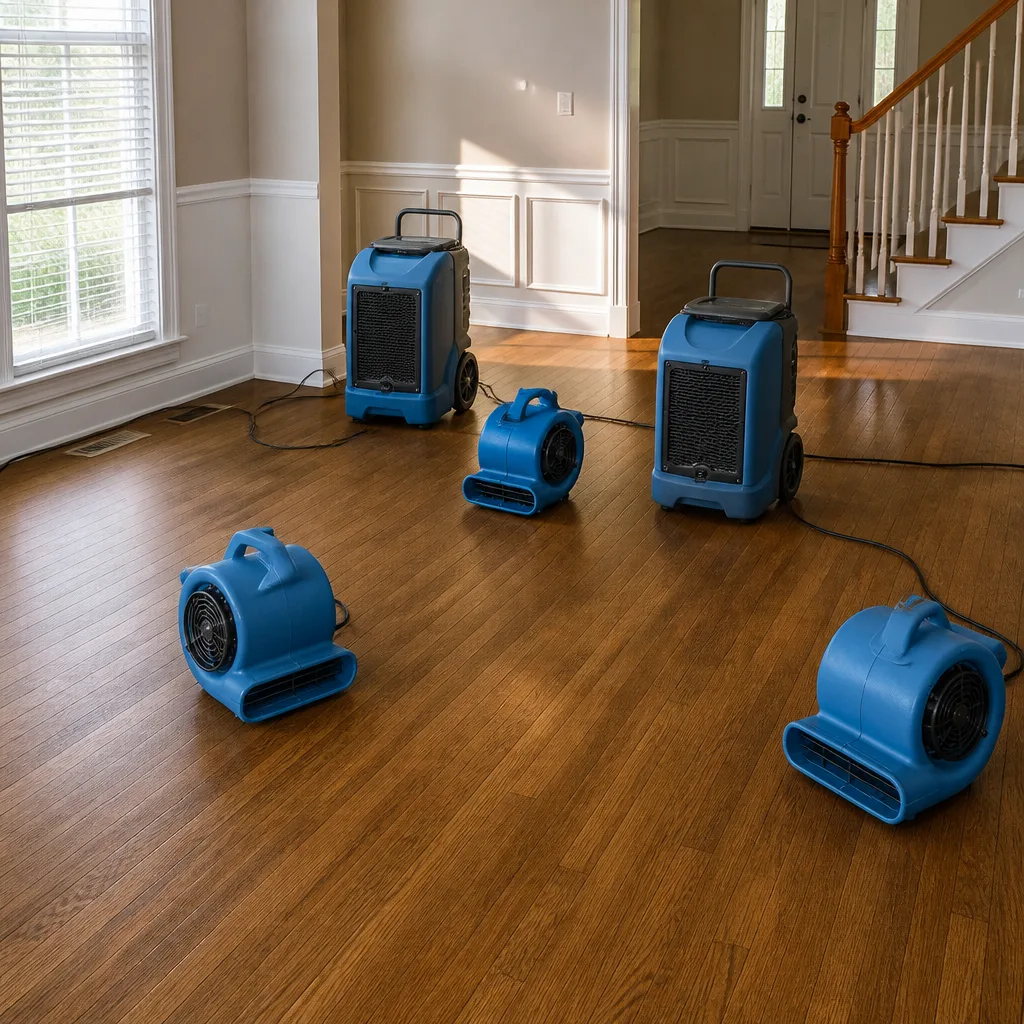
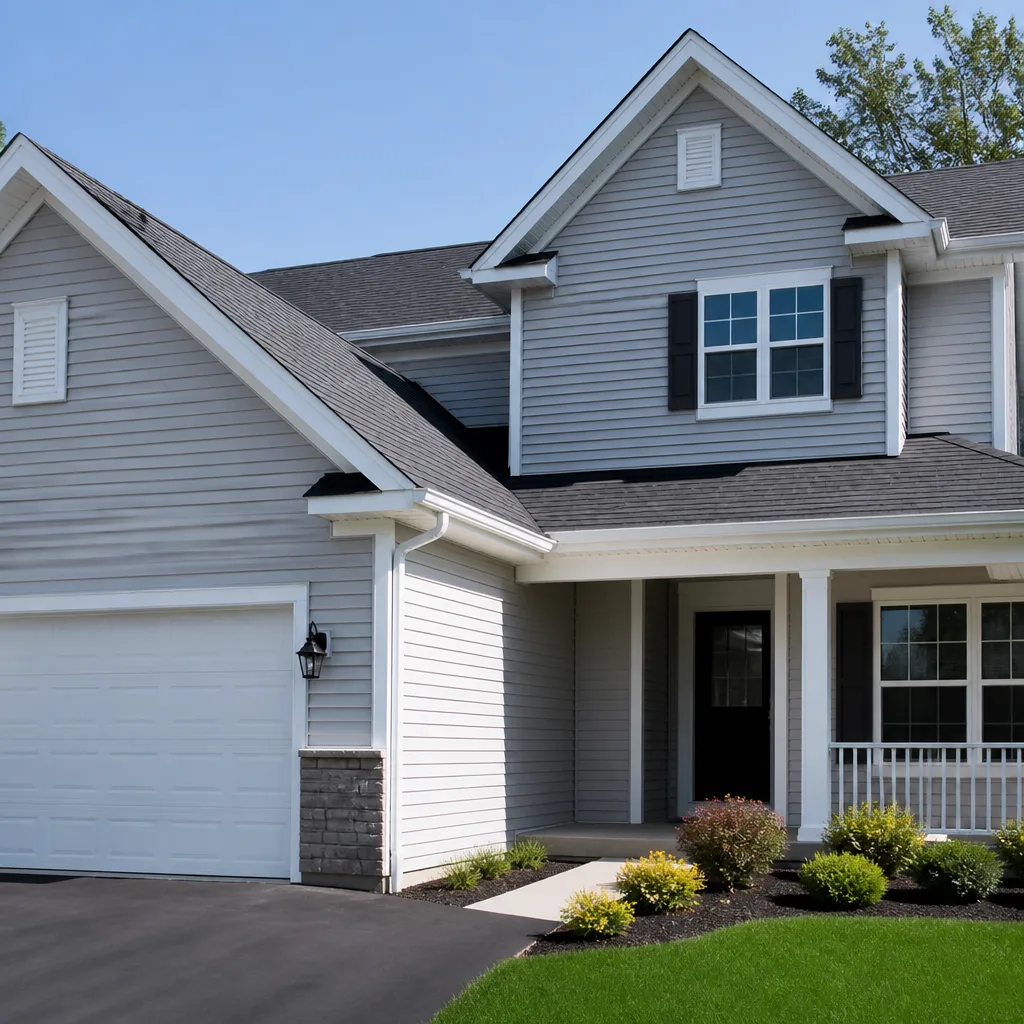
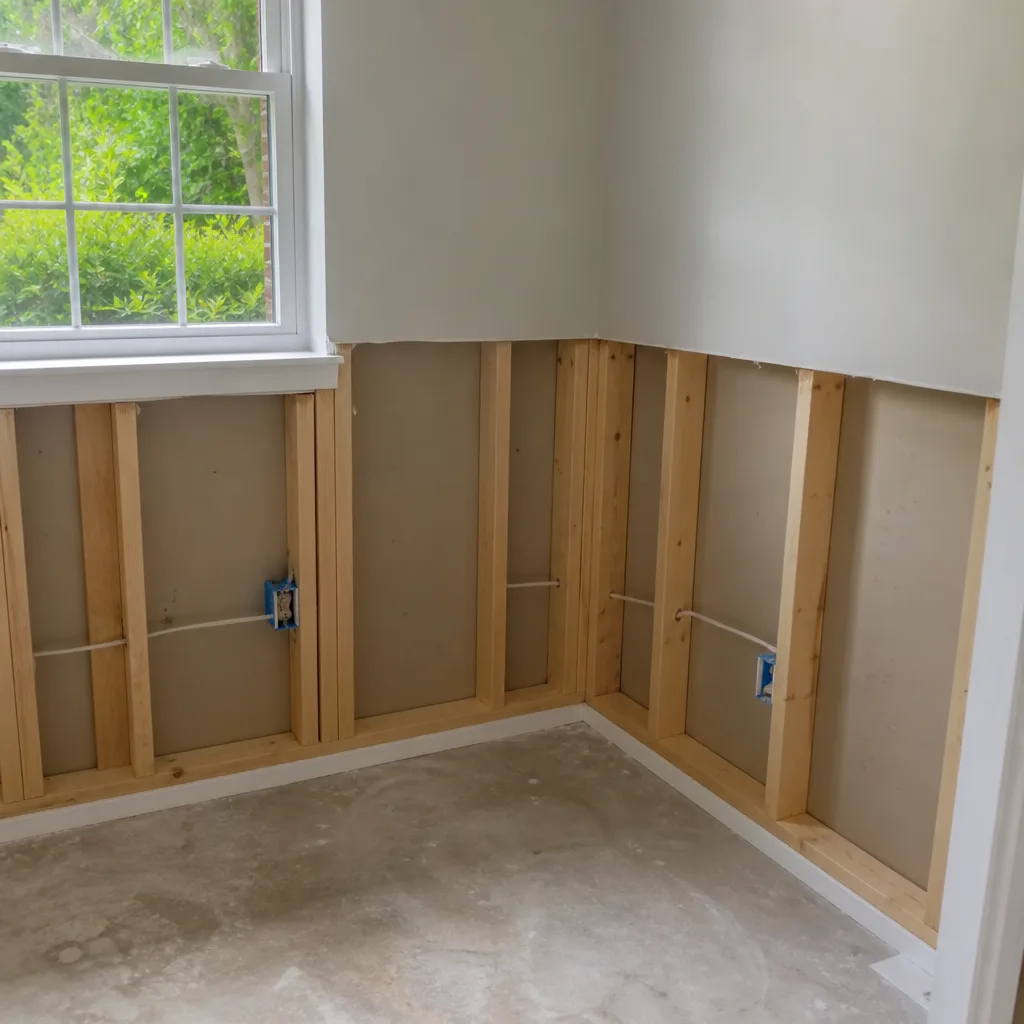

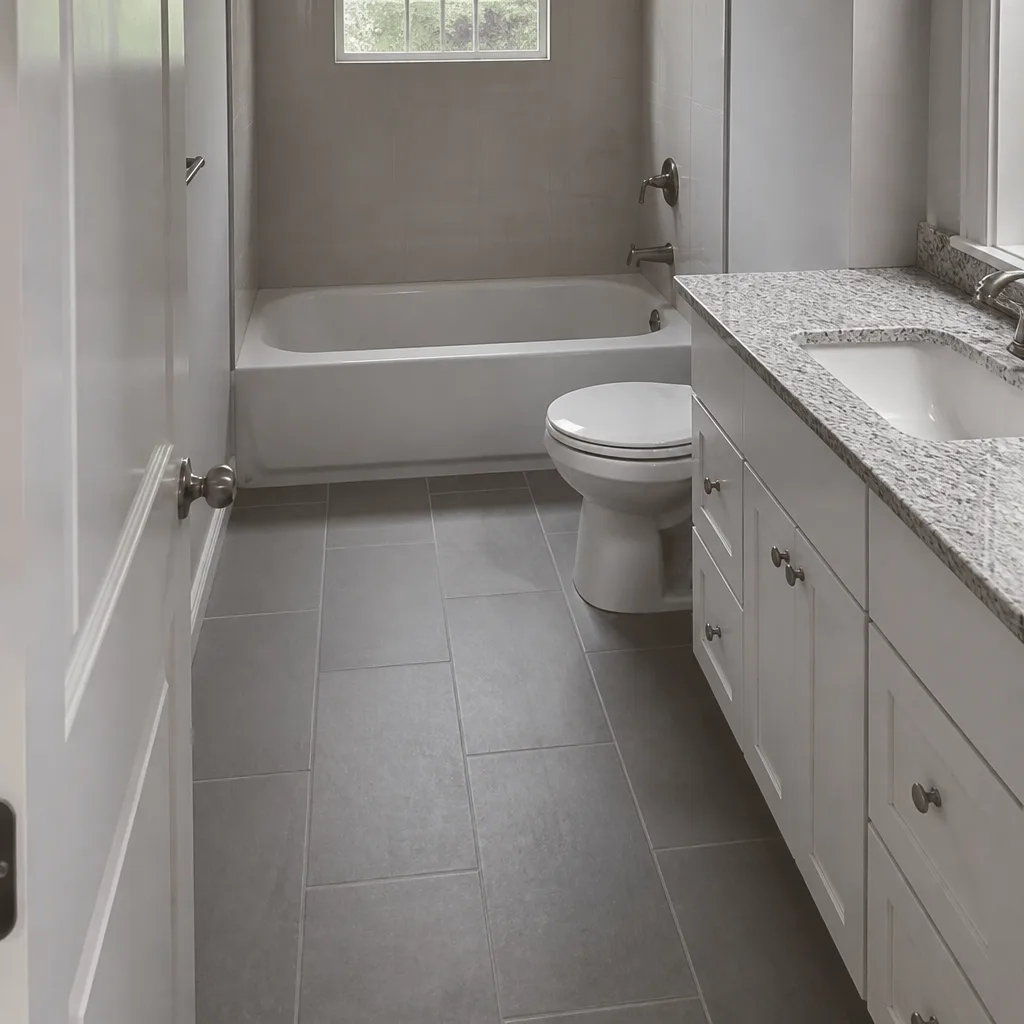

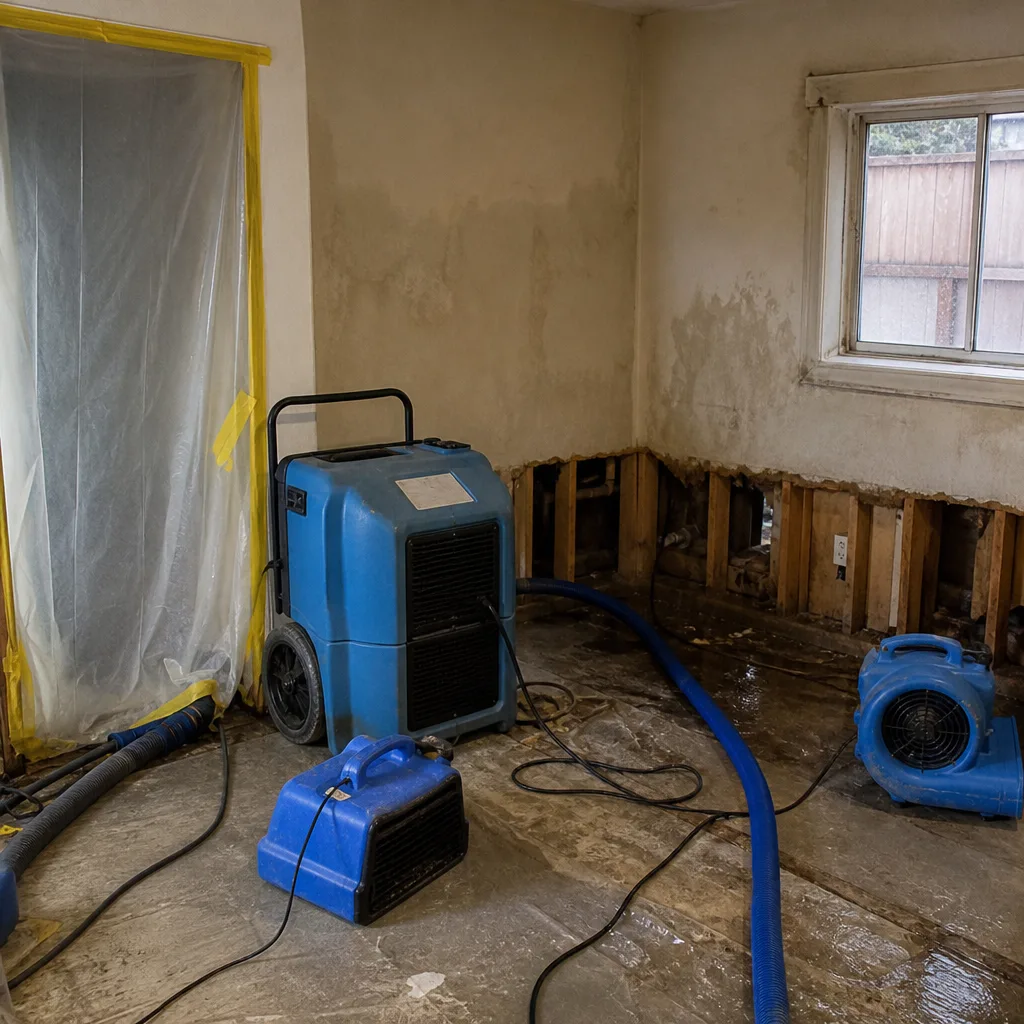 Before
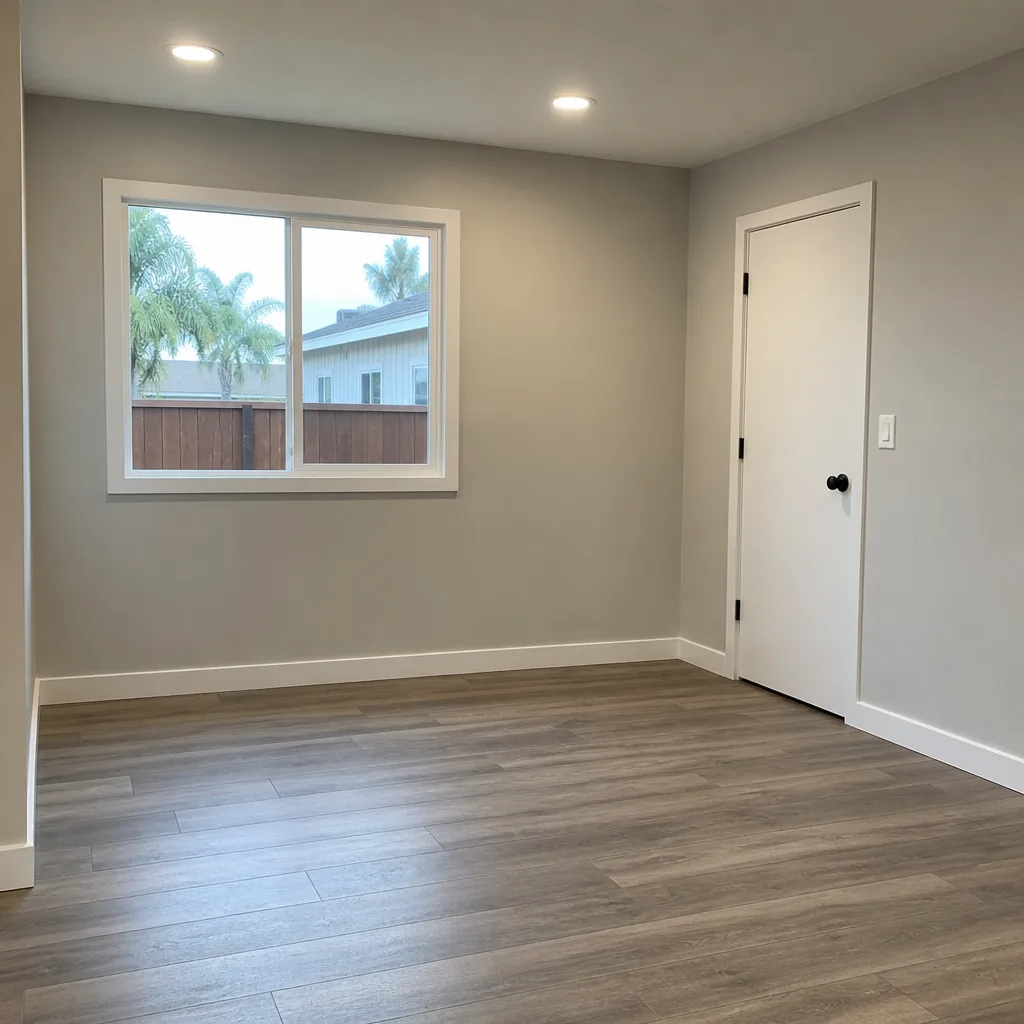 After
After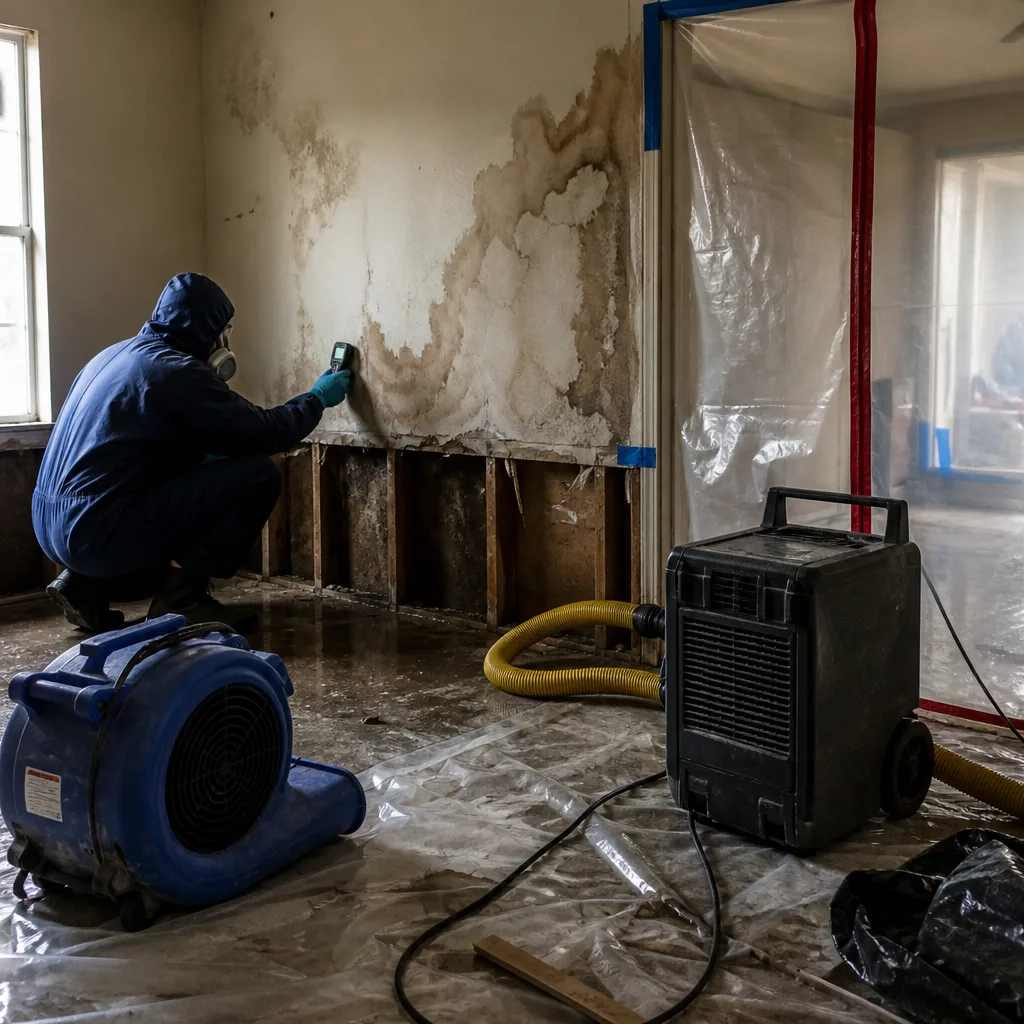 Before
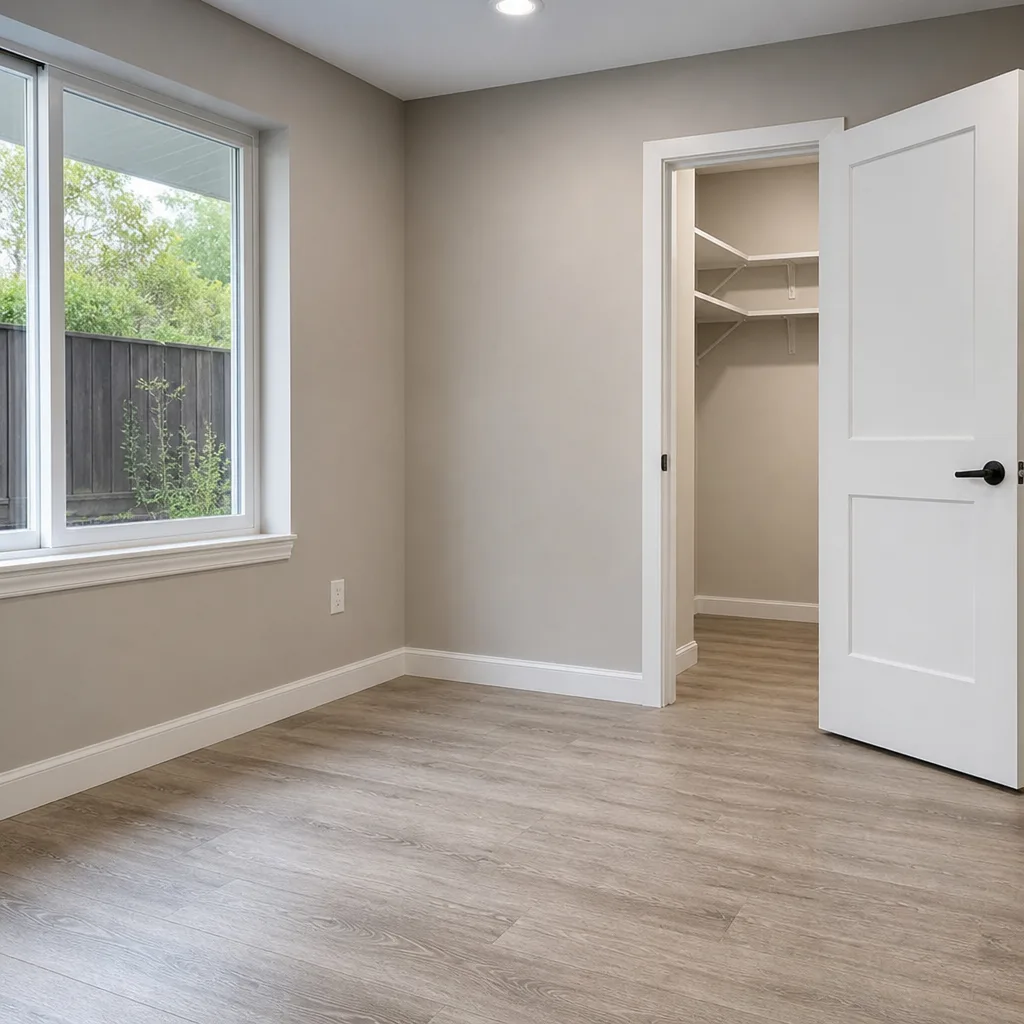 After
After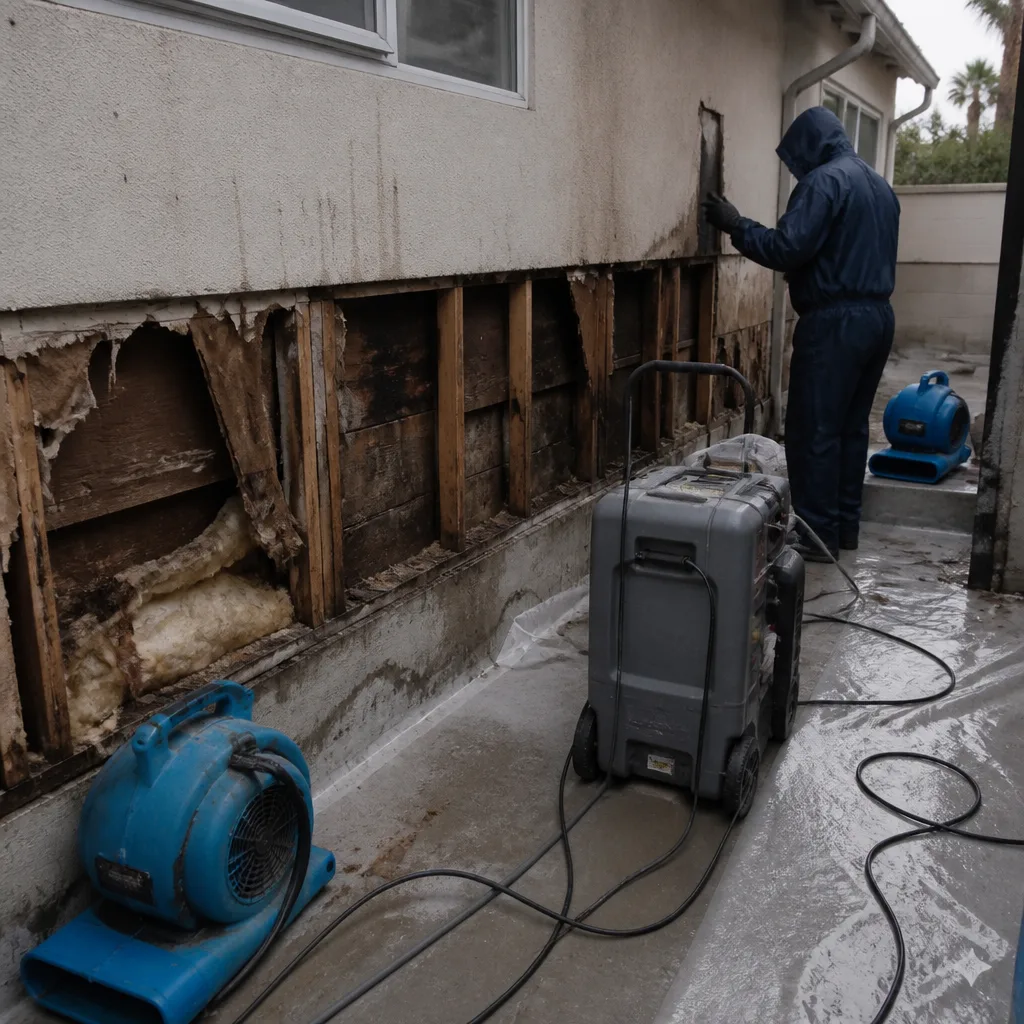 Before
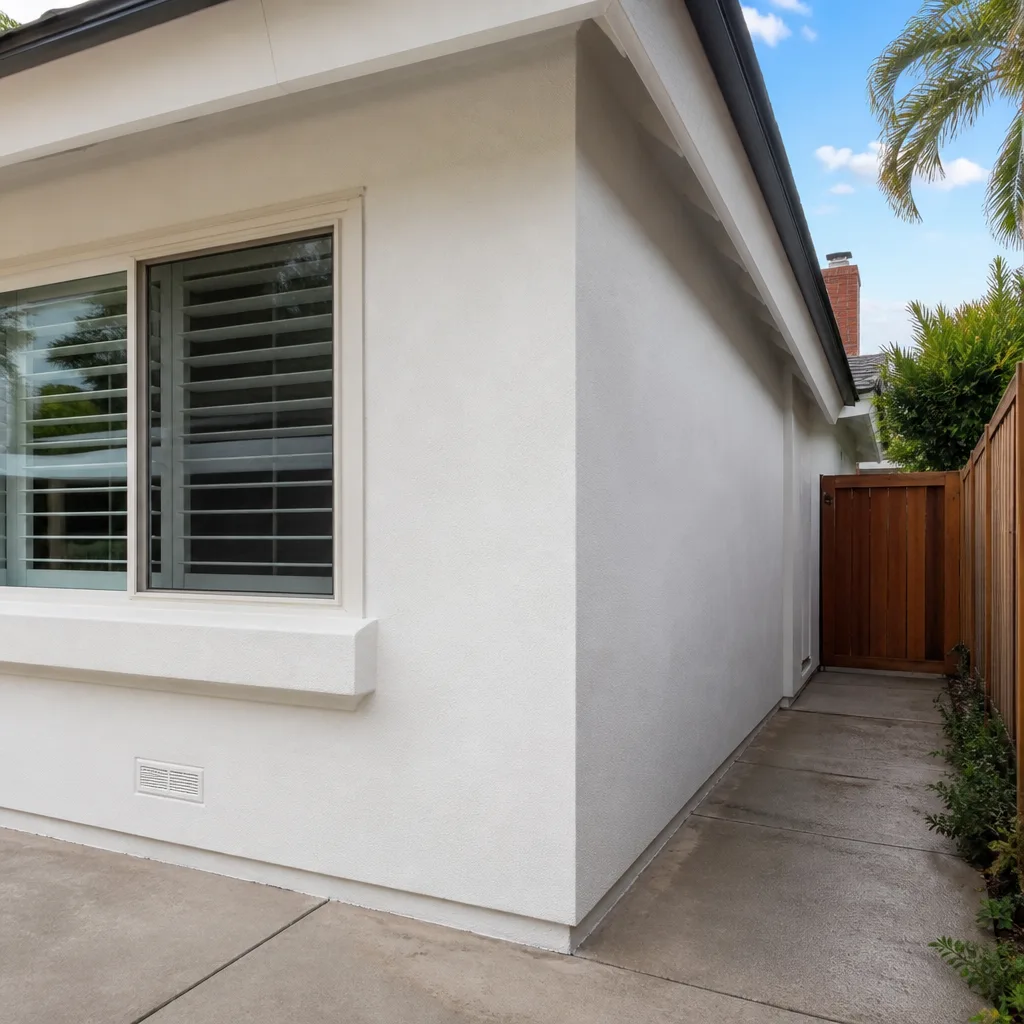 After
After24/7 Emergency Fire & Smoke Damage Restoration in El Cajon
Fire and smoke damage restoration in El Cajon typically costs $4,200-$18,500 depending on square footage, soot type, and whether structural repairs are needed. Most emergency board-ups and stabilization begin within 45 minutes of your call, and crews are dispatched from our San Diego office with direct routes to El Cajon neighborhoods. Call (619) 330-9541 now - a live person answers, 24 hours a day, every day, with no voicemail trees.
The first hour after a fire determines how much of your home can be saved. Heat opens pores in drywall and wood framing; once those materials cool, smoke and soot particles lock in permanently. Acidic soot residue begins etching glass and metal within hours. Our crews carry HEPA vacuums, hydroxyl generators, and thermal imaging equipment on every truck, so stabilization starts the moment we arrive, not after a second trip for gear.
El Cajon’s box-canyon geography creates a restoration environment unlike anywhere else in San Diego County. Santa Ana winds funnel through the valley, driving wildfire smoke and ash into homes miles from any flame line. We’ve documented heavy smoke infiltration in east-side neighborhoods like Fletcher Hills and Bostonia while coastal cities remained clear. That same geography channels intense runoff from hillside chaparral into valley-floor streets during atmospheric river events - meaning the same crew, the same week, may be running smoke remediation and emergency water extraction on the same block.
Understanding Fire & Smoke Damage Restoration Severity in El Cajon Properties
Fire damage restoration follows a severity scale tied directly to what burned and how long combustion lasted. Protein fires from kitchen grease leave nearly invisible but pungent residues that require enzyme-based cleaners and thermal fogging. Natural substance fires - wood, paper, cotton - produce dry, powdery soot that responds to HEPA vacuuming and dry-cleaning sponges. Synthetic fires from plastics and petroleum products create thick, oily soot that smears on contact and demands solvent-based cleaning agents.
Smoke migration follows pressure differentials and temperature gradients, not logic. Hot smoke rises, cools in attic spaces, and settles into wall cavities through electrical outlets and plumbing chases. In El Cajon’s 1950s-1970s ranch homes, this pattern is amplified by original construction: minimal wall insulation, unsealed top plates, and single-pane windows that create constant thermal cycling. Popcorn ceilings installed during original construction trap soot particles in their irregular surface; vinyl-asbestos floor tiles may be intact but thermally stressed, requiring abatement assessment before any restoration work begins.
The Fire & Smoke Damage Restoration team at DryMark Restoration San Diego documents every surface with ultraviolet light inspection to identify protein residues invisible to standard lighting, then classifies damage by the RIA’s fire-loss matrix: light, medium, heavy, or major structural. That classification determines equipment deployment, timeline, and - under Haven Standard, Clause 1 - the written price you receive before any work starts.
Why El Cajon Property Owners Choose DryMark Restoration San Diego
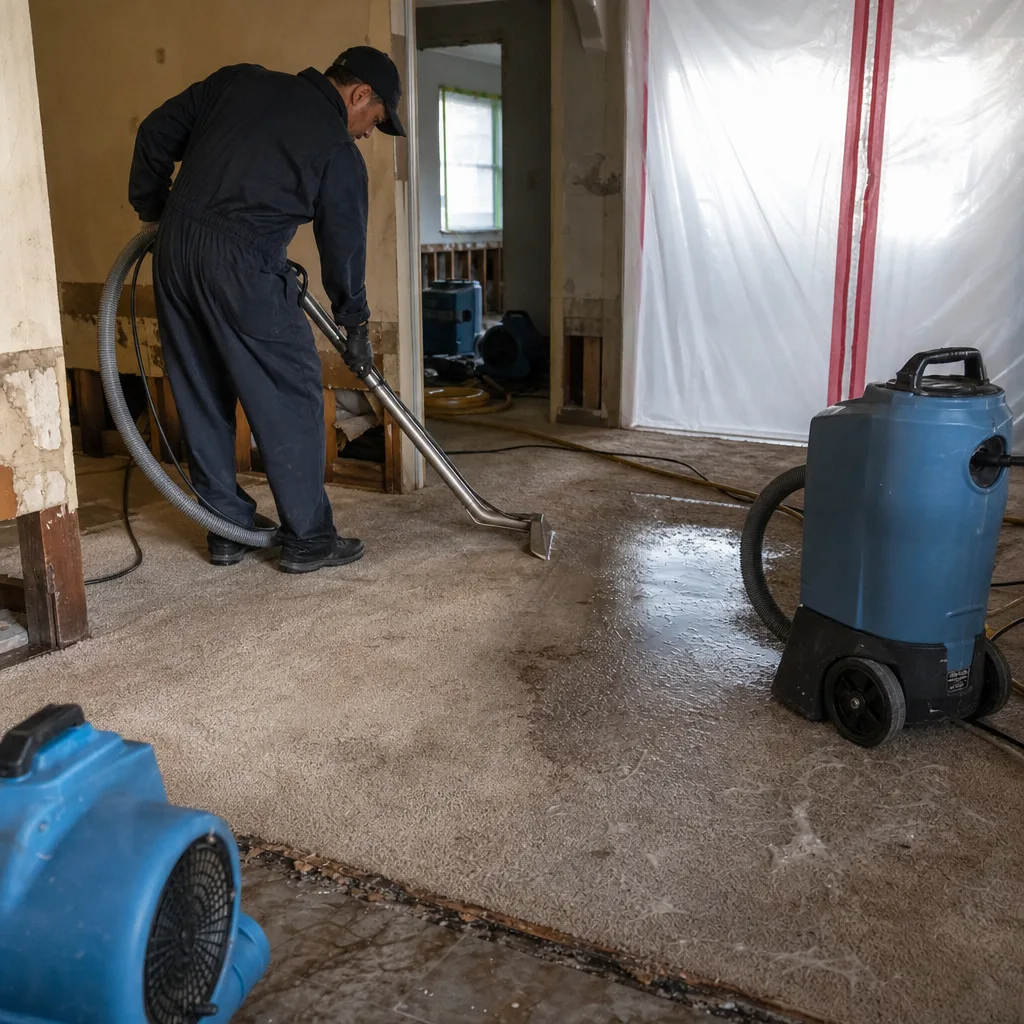
- 45-minute response commitment to El Cajon addresses, with crews staging equipment at our San Diego dispatch center for immediate valley access via I-8 or SR-94.
- 24/7 live answer - a real person, never an automated system or callback queue, because smoke damage doesn’t wait for business hours.
- IICRC-certified crews holding FSRT (Fire & Smoke Restoration Technician) and WRT (Water Damage Restoration Technician) certifications, with AMRT (Applied Microbial Remediation Technician) cross-training for the mold conditions that follow fire suppression.
- Free visual inspection with written scope and line-item pricing delivered before any equipment is powered on, per Haven Standard, Clause 1.
- Direct insurance billing with photo-documented estimates formatted to Xactimate standards, plus direct adjuster coordination that eliminates back-and-forth delays.
- One team from stabilization to reconstruction - no handoffs between mitigation and rebuild contractors, no gaps in documentation, no disputed change orders.
BeforeAfterOur Fire & Smoke Damage Restoration Process
1. Inspection & Assessment
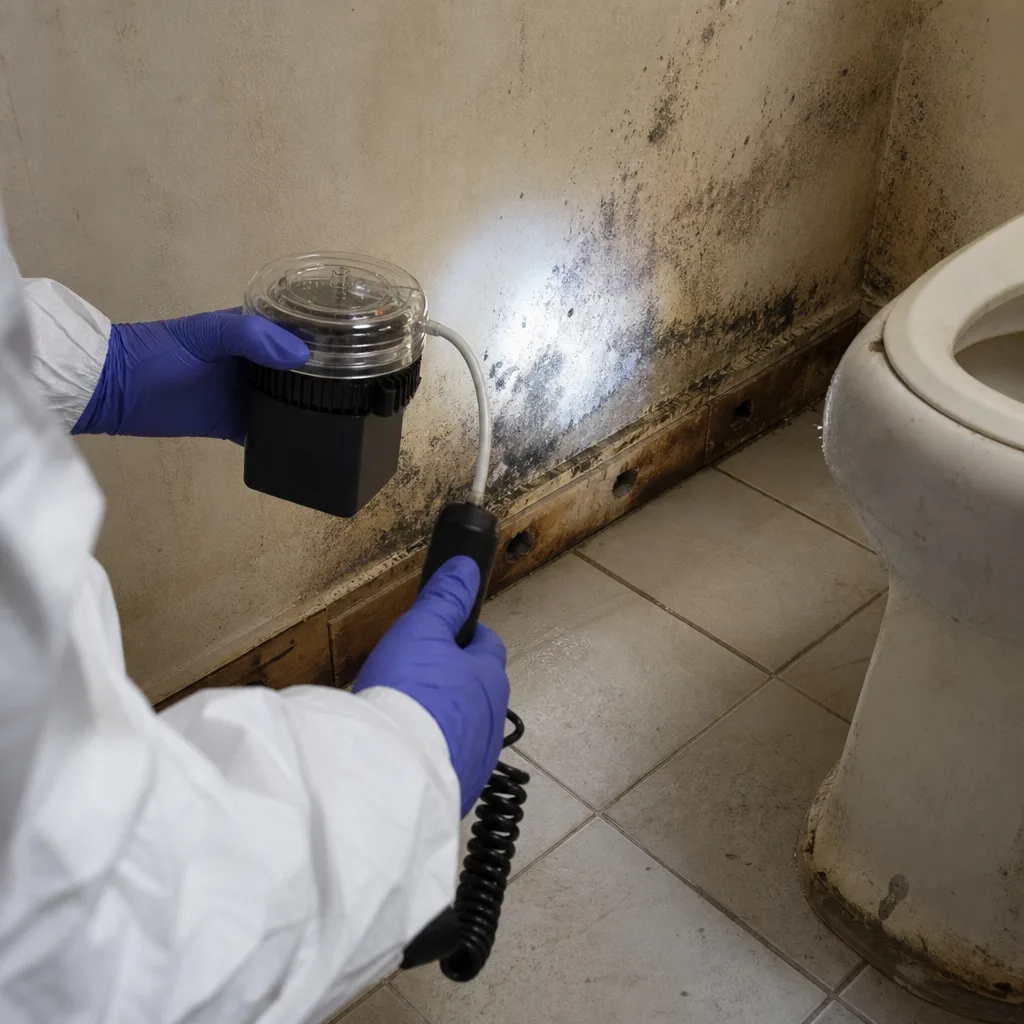
We arrive with thermal imaging cameras, moisture meters, and UV lamps to map every affected surface, including hidden smoke migration into wall cavities and HVAC ductwork. In El Cajon’s older ranch homes, we specifically inspect attic bypasses and original roof vents where ember-cast ash infiltration commonly occurs during nearby wildfires. Every finding is photographed and logged before any equipment runs.
2. Emergency Board-Up & Stabilization
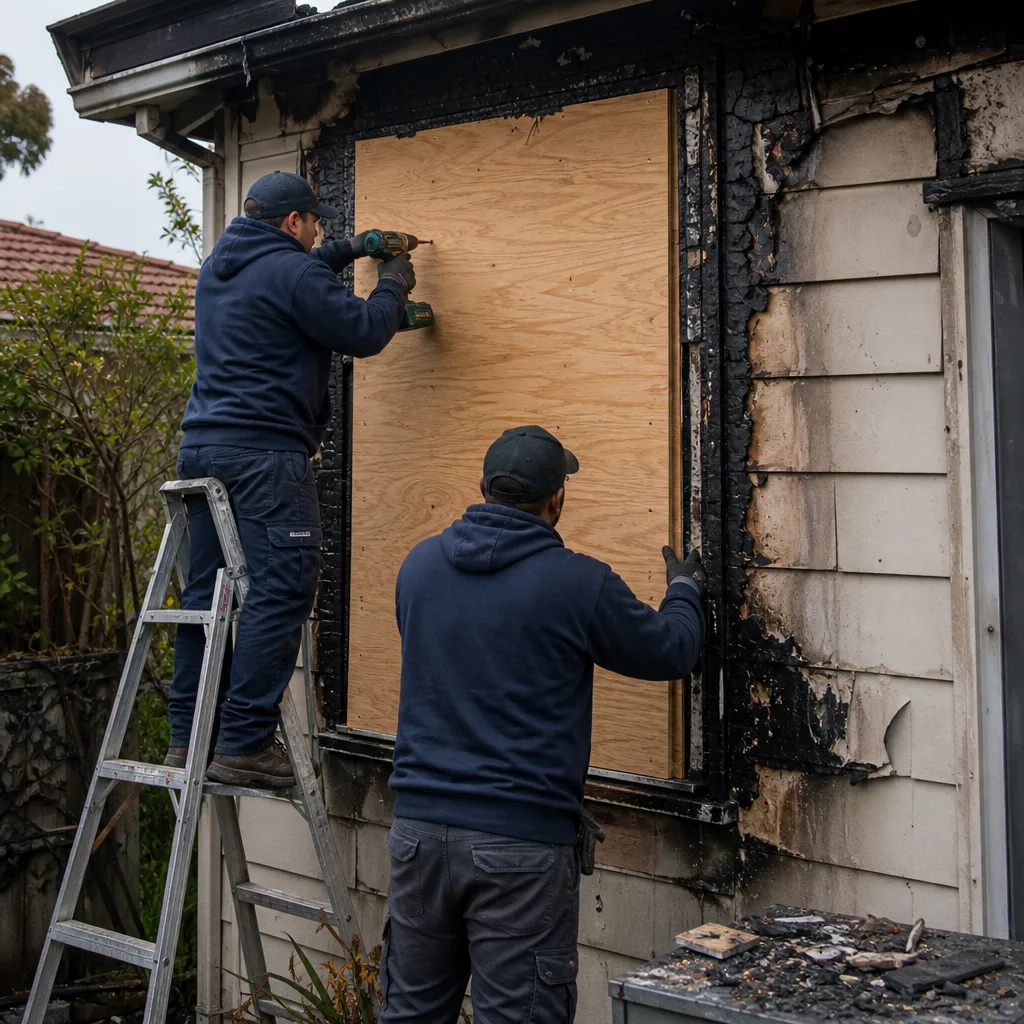
Broken windows, compromised doors, and damaged roofing receive temporary weatherproofing to prevent secondary damage. For homes in El Cajon’s hillside-adjacent neighborhoods, we also assess drainage paths that may channel runoff from fire-suppression efforts or subsequent rain into the structure. Tarps, plywood, and structural bracing are installed and documented with timestamped photos.
3. Soot & Ash Removal
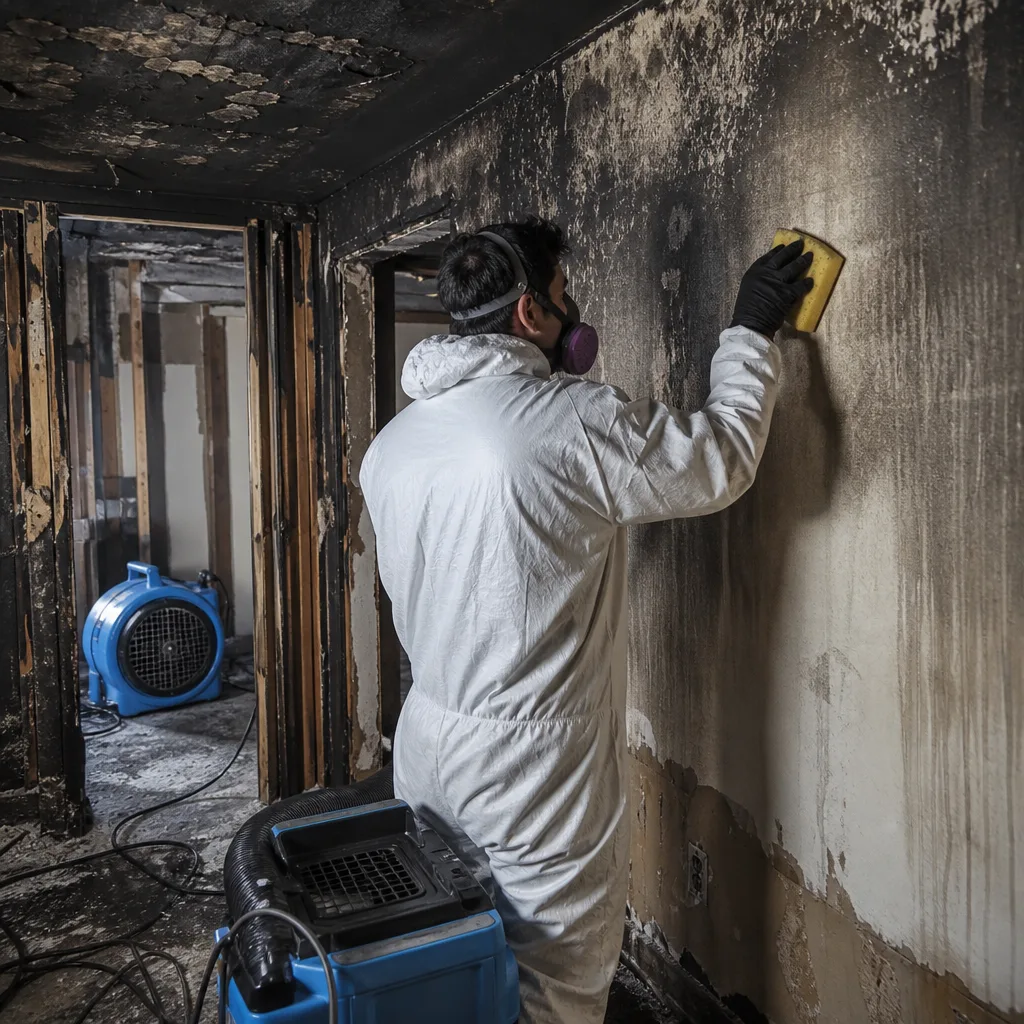
HEPA vacuums and dry-cleaning sponges remove loose particulate before any liquid cleaning agents are introduced - wetting dry soot creates irreversible staining. Crews work from top to bottom, starting with popcorn ceilings and light fixtures where ash settles thickest. Phoenix axial air movers and Dri-Eaz HEPA air scrubbers establish negative air pressure to prevent cross-contamination during removal.
4. Cleaning & Deodorization
Surfaces receive pH-appropriate cleaning: alkaline cleaners for protein residues, solvent-based agents for synthetic soot, enzyme treatments for organic combustion byproducts. Hydroxyl generators break odor molecules at the structural level without the evacuation requirements of ozone treatment, allowing partial occupancy during restoration in some cases. Every room is re-tested with a thermal hygrometer to confirm vapor pressure differential has normalized.
5. HVAC & Duct Cleaning
This step is non-negotiable in El Cajon. Santa Ana-driven smoke infiltration routinely contaminates entire duct systems in homes with no visible fire damage. We seal registers, establish negative pressure, and mechanically brush and HEPA-vacuum all supply and return lines, then apply antimicrobial treatment to prevent mold colonization in residual moisture. Post-cleaning particulate testing confirms <0.03 mg/m³ before reconnection.
6. Repairs & Restoration
Structural repairs, drywall replacement, flooring restoration, and finish carpentry are scoped in writing with material specifications and timeline. For El Cajon’s legacy housing stock, we coordinate abatement-certified subcontractors when original popcorn ceilings or vinyl-asbestos tiles require removal. The 365-Day Done Right Promise, stamped under The Haven Standard, covers all workmanship.
Need Emergency Fire & Smoke Damage Restoration in El Cajon Now?
Crews minutes away, answering live 24 hours a day. The sooner we start, the less it costs.
Working With Your Insurance Company
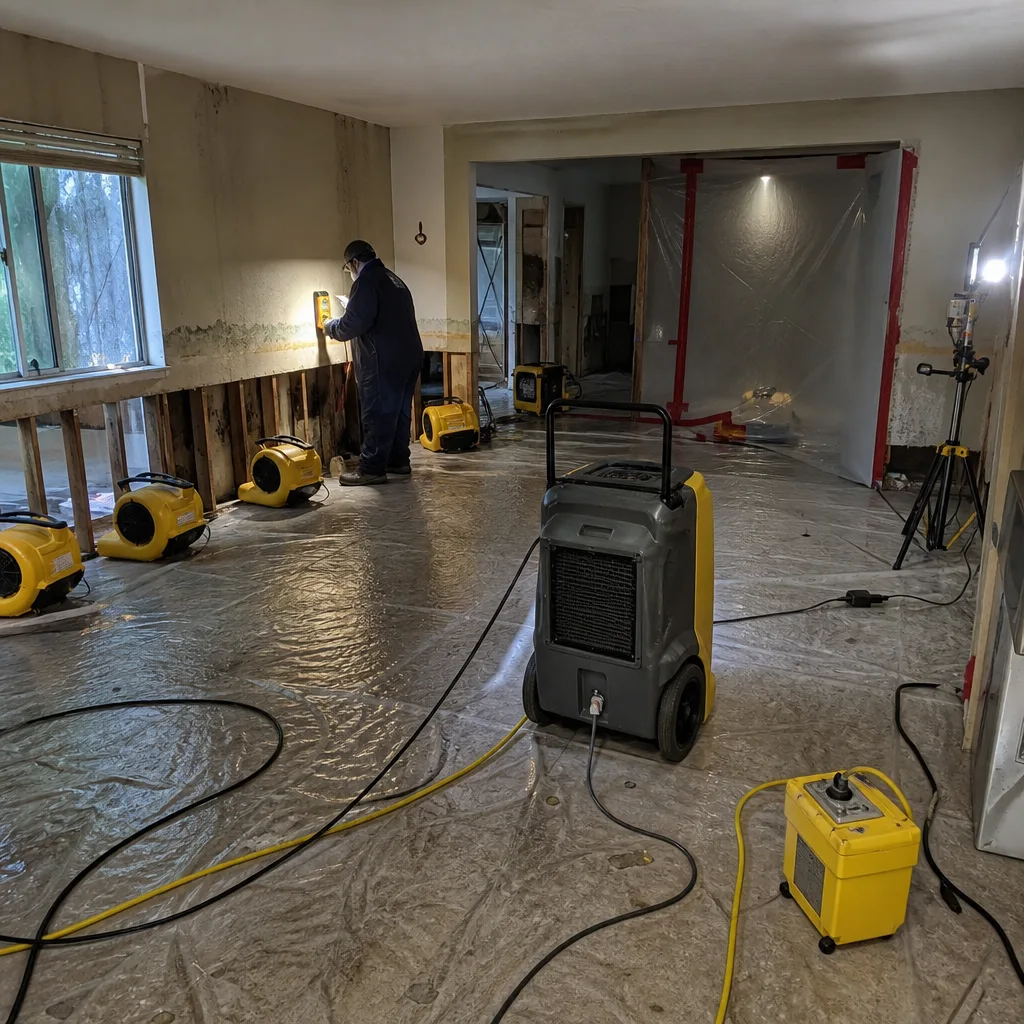
Insurance claims for fire and smoke damage fail most often on documentation gaps: photos that don’t show pre-loss condition, scopes that omit hidden damage discovered mid-restoration, or drying logs that don’t prove equipment ran long enough to achieve structural dryness. We eliminate those gaps systematically. From the first hour on site, we photograph every room from four angles, record moisture readings on a grid pattern, and maintain daily equipment logs with psychrometric data - temperature, relative humidity, and vapor pressure differential - that adjusters recognize as evidence, not opinion.
Our estimates are built to Xactimate standards and delivered with line-item transparency. Direct adjuster communication means your claim moves without the delays of phone-tag or disputed scope. We also provide direct billing to most major carriers, so you’re not floating restoration costs while waiting for claim resolution.
What We Provide Your Insurer
- Thorough documentation of the loss
- Photos of all damage, room by room
- Moisture readings and drying logs
- A detailed, line-item scope of work
- Direct coordination with your carrier
Built for El Cajon’s Loss Calendar
El Cajon’s fire and smoke damage season runs October through April, when Santa Ana wind events peak and humidity drops into single digits. January and February bring the most intense conditions: dry northeast winds, temperatures 15-20°F above coastal readings, and the chaparral-covered hills surrounding the valley at their most combustible. During these months, our El Cajon crews run continuous rotation, because smoke infiltration claims hit entire ZIP codes simultaneously when a hillside fire ignites.
March and April introduce the secondary threat: atmospheric river storms that follow dry spells, dumping intense rainfall on fire-compromised hillsides. Burn scars from winter brush fires create flash-flood pathways directly into valley-floor neighborhoods. We’ve responded to homes on Madison Avenue and Mollison Avenue where smoke remediation was still in progress when runoff entered through foundation vents and damaged garage areas. Crews equipped for both damage types prevent the scheduling delays and documentation gaps that occur when separate contractors handle sequential losses.
May through September brings lower fire risk but higher heat - El Cajon regularly records San Diego County’s highest temperatures. Soot residues left untreated during cooler months begin off-gassing more aggressively in summer warmth, making delayed restoration increasingly costly. We recommend inspection within 72 hours of any suspected smoke infiltration, regardless of season.
Fire & Smoke Damage Restoration Across El Cajon’s Neighborhoods
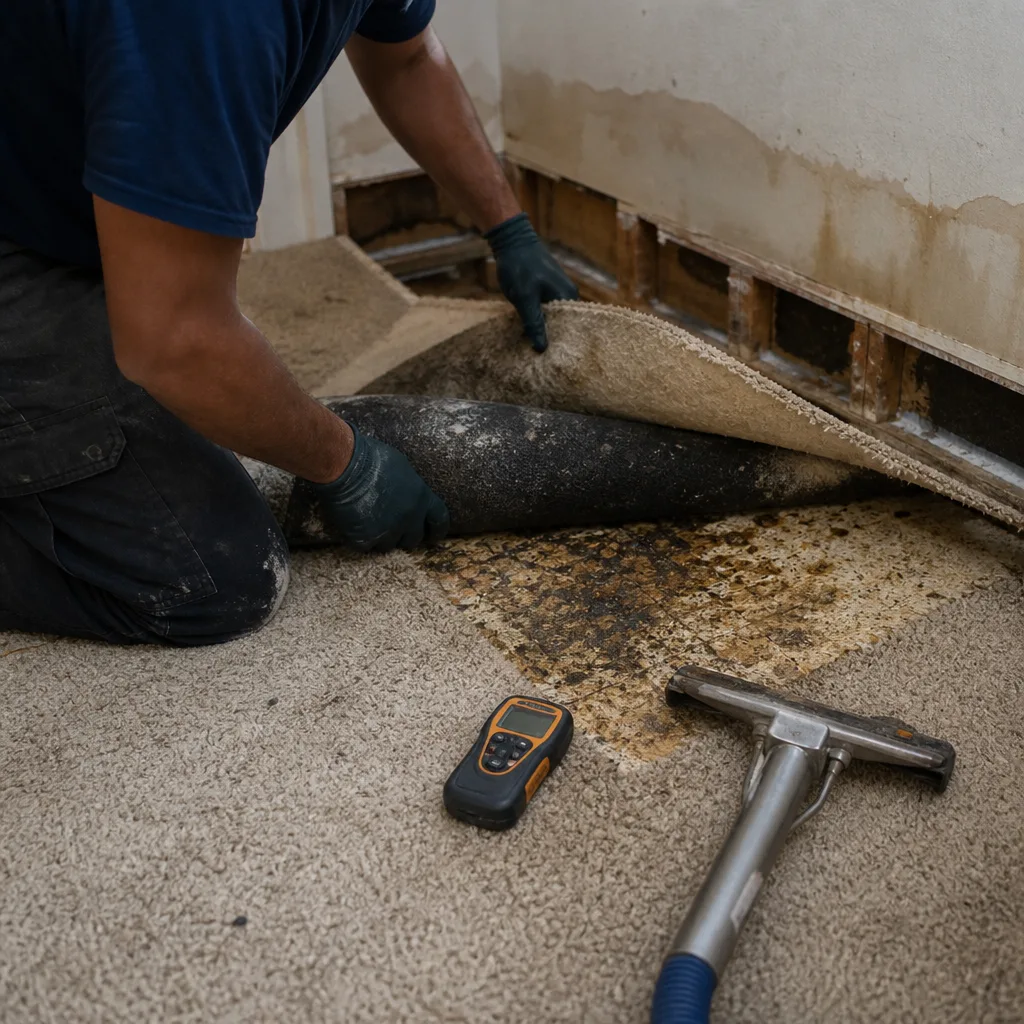
Each El Cajon corridor presents distinct restoration challenges tied to construction era and geography.
Fletcher Hills sits at the northeast edge where the valley meets the foothills, making it ground zero for Santa Ana smoke infiltration. Homes here cluster on sloped lots with original 1960s ranches and split-levels, many with unconverted one-car garages and original composition shingle roofs that vent ember-cast ash directly into attic spaces. After a Santa Ana-driven brush fire in the hills above Fletcher Hills, our crew responded to a 1962 ranch home on Marlinda Lane where ash had infiltrated the HVAC and settled on every horizontal surface - despite the fire never cresting the ridge. We set containment, HEPA-vacuumed the ductwork and popcorn ceilings, performed antimicrobial treatment on affected framing, and ran hydroxyl generators for odor removal while documenting pre-loss condition for the adjuster. The homeowner was shocked that a fire miles away required a full smoke remediation with pack-out of contents.
Bostonia and the East Main Street corridor contain some of El Cajon’s oldest postwar tracts, with 1950s ranches that often retain original galvanized plumbing, ungrounded electrical, and vinyl-asbestos floor tiles in kitchens and baths. Fire damage in these homes almost always triggers abatement assessment before standard restoration can proceed; we’ve learned to bring certified asbestos inspectors on the initial call rather than discovering legacy materials mid-demolition.
Granite Hills properties on larger lots with detached garages and accessory structures face extended response routes on winding hillside streets. Smoke damage here frequently affects outbuildings and guest quarters that carry lower coverage limits on standard policies, requiring careful scope documentation to avoid homeowner out-of-pocket surprises.
The valley floor between I-8 and SR-94 - neighborhoods along Madison, Mollison, and Second Avenue - sees the highest concentration of flood-follows-fire claims. Flat terrain and aging storm drains overflow when hillside runoff arrives, and homes with foundation-level HVAC returns ingest contaminated water along with smoke particulate.
Specialized Fire & Smoke Damage Restoration Services We Offer in El Cajon
Fire Damage Cleanup
Structural stabilization, debris removal, and surface cleaning for direct-burn and heat-damaged areas. In El Cajon’s legacy housing stock, we prioritize abatement assessment for original popcorn ceilings and vinyl-asbestos tiles before any demolition begins, preventing regulatory holds that extend timeline and cost.
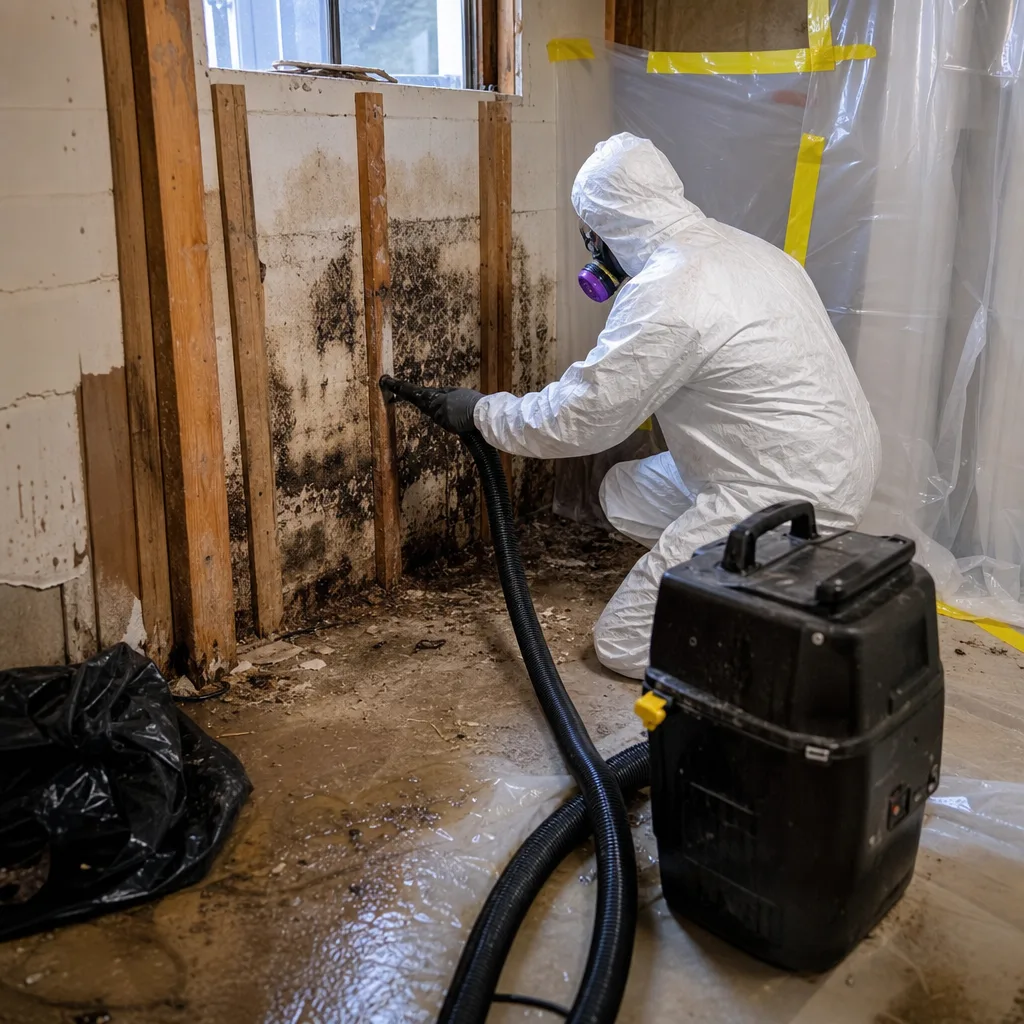
Smoke & Soot Removal
Complete particulate removal from all surfaces, including the invisible protein residues that standard cleaning misses. We deploy UV inspection on every El Cajon job, because smoke migration through this valley’s wind-pressured homes routinely affects rooms far from the source. HEPA vacuuming, dry-sponge cleaning, and pH-specific chemical treatments are selected by residue type, not guesswork.
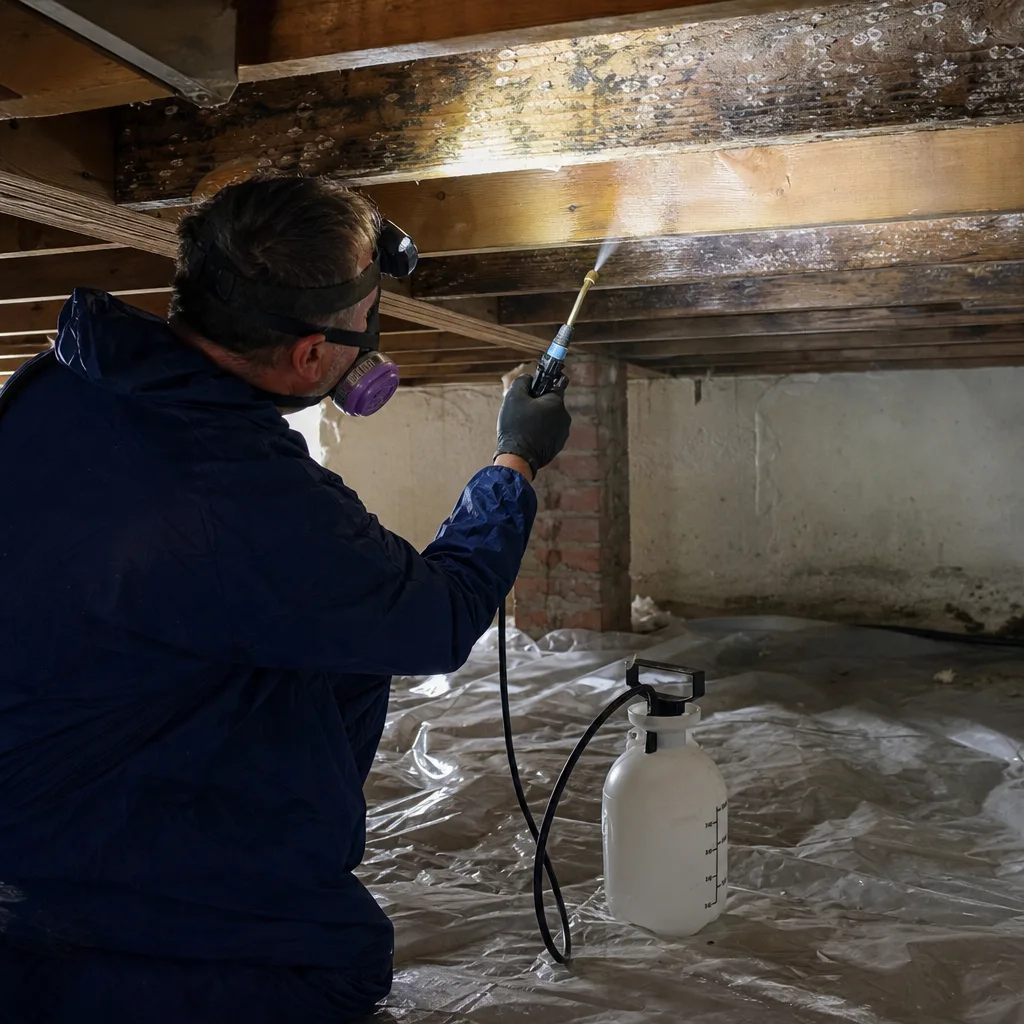
Odor Removal & Deodorization
Hydroxyl generators and thermal fogging break odor molecules at their source rather than masking them. Older El Cajon ranch homes with minimal wall insulation and original one-piece garage doors present unique challenges: smoke-driven humidity pockets linger in cavities that standard moisture mapping misses, causing odor recurrence weeks after surface cleaning appears complete. We verify elimination with particulate testing, not nose-checks.
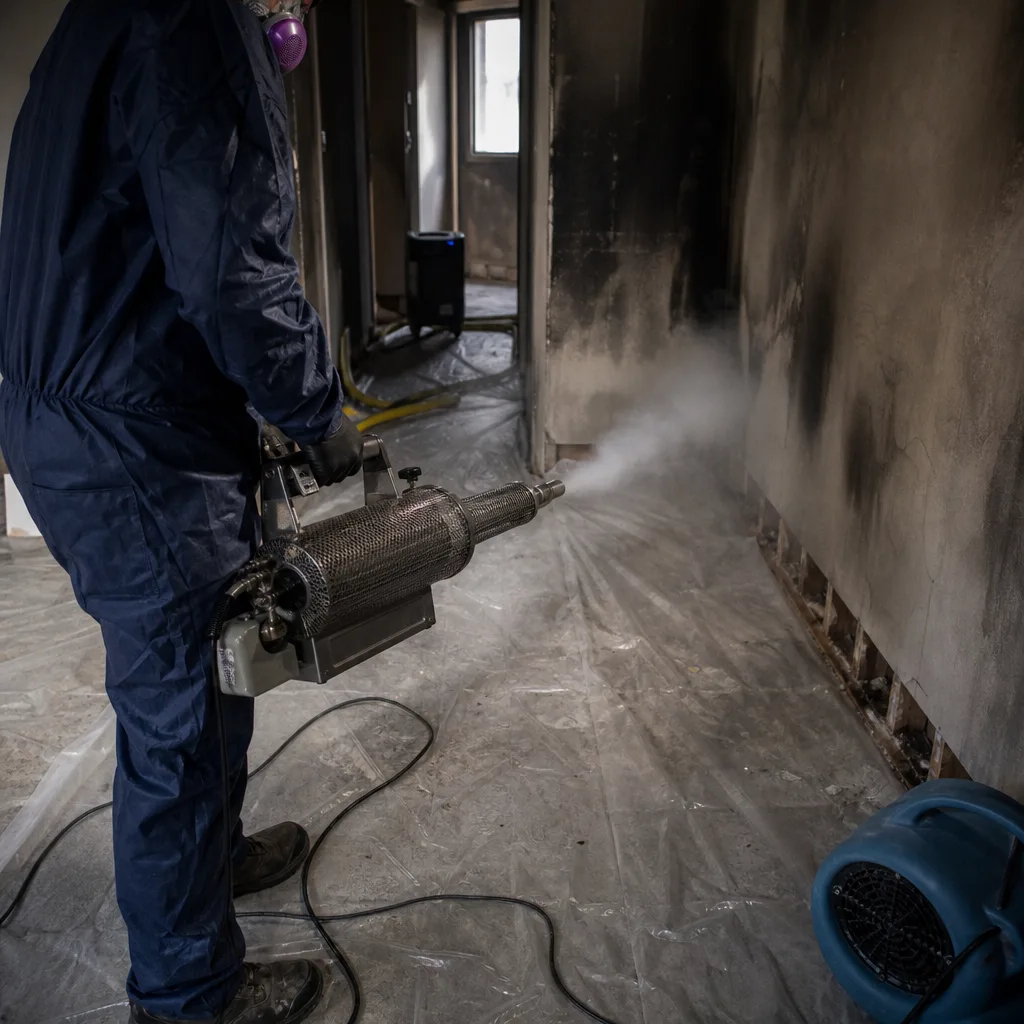
Contents Cleaning & Pack-Out
On-site cleaning where conditions allow; off-site facility processing for heavily affected items. Every piece is photographed, inventoried, and condition-documented for insurance replacement valuation. For the Fletcher Hills job on Marlinda Lane, full pack-out was necessary because ash had penetrated textile fibers and electronic housings beyond on-site recovery capacity.
Emergency Board-Up & Tarping
Temporary weatherproofing and security for compromised structures, with particular attention to El Cajon’s hillside-adjacent homes where subsequent runoff or wind-driven rain threatens secondary damage. Board-up materials and methods are photographed and logged for insurance documentation.
What happens when you call
- 1
A real person answersNo phone trees - you reach a local pro.
- 2
You get an upfront price rangeHonest numbers before anyone is dispatched.
- 3
A background-checked tech heads outLicensed & insured, dispatched right away.
- 4
You approve before work beginsNothing starts until you say go.
Fire & Smoke Damage Restoration Costs in El Cajon, CA
Actual pricing for El Cajon’s market, based on 2024-2025 job data:
| Service | Typical Range |
|---|---|
| Emergency board-up & stabilization | $850 - $2,400 |
| Smoke & soot cleanup (light, per 1,000 sq ft) | $1,800 - $3,200 |
| Smoke & soot cleanup (heavy/structural, per 1,000 sq ft) | $4,500 - $8,000 |
| HVAC & duct cleaning | $1,200 - $3,800 |
| Odor removal & hydroxyl treatment | $900 - $2,600 |
| Contents pack-out & cleaning | $2,400 - $6,500 |
| Structural repairs & reconstruction | $8,500 - $35,000+ |
What moves the price: square footage affected, soot type (dry natural vs. oily synthetic), whether HVAC contamination requires full duct cleaning, presence of asbestos-containing materials requiring abatement, and structural repairs beyond surface restoration. Most homeowner policies cover direct fire and smoke damage; coverage for wildfire-related smoke infiltration without structural fire varies by carrier and endorsement. We review your policy language and coordinate directly with your adjuster to clarify coverage before work begins. Call (619) 330-9541 for a free visual inspection and written scope - estimates are free, and Haven Standard, Clause 1 applies to every job.
We Also Serve Cities Near El Cajon
Our crews respond throughout the eastern San Diego County corridor, including Spring Valley to the southwest, Lakeside to the northwest, La Mesa to the west, and Santee to the northwest. Each city presents distinct geography - Santee’s flatter terrain sees less smoke funneling than El Cajon’s box canyon, while Lakeside’s wildland-urban interface brings its own ember-cast patterns. We adjust equipment and scope accordingly, with the same documentation standards and written pricing on every job.
Serving El Cajon, CA - Our Local Coverage Area
We’re based in the El Cajon area and know this community well. Use the map below to see our service coverage - if you’re nearby, we can almost certainly help.
El Cajon Fire & Smoke Damage Restoration Questions, Answered
How does El Cajon’s box-canyon geography affect fire and smoke damage even if the fire never reaches my street?
Santa Ana winds compress and accelerate as they pass through the narrow valley, carrying smoke particulate and ash miles beyond the fire perimeter into homes with no direct line of sight to flames.
We’ve documented heavy HVAC contamination and surface ash deposition in Fletcher Hills and Bostonia homes while Santee and La Mesa - just miles away on flatter terrain - remained clear. This valley-funnel effect means smoke damage claims routinely hit entire ZIP codes from a single hillside ignition. If you smell smoke or see ash after any regional fire, call (619) 330-9541 for inspection - even distant fires can require full remediation.
My El Cajon home was built in the 1960s with popcorn ceilings and original vinyl-asbestos floor tiles - can you start restoration right away?
Not immediately - abatement assessment comes first, and it’s the step that separates competent restoration from costly mid-project stops.
Original popcorn ceilings and vinyl-asbestos tiles in El Cajon’s postwar ranches require certified inspection and, if positive, licensed abatement before standard demolition or aggressive cleaning can proceed. Starting without assessment triggers regulatory holds, change orders, and timeline extensions that homeowners bear. We bring asbestos inspectors on the initial call when legacy materials are suspected, document findings with photos, and build abatement into the written scope from day one. Call (619) 330-9541 and we’ll coordinate the full sequence.
After a nearby wildfire, my HVAC smells like smoke even though I closed all the windows. What’s happening?
Smoke infiltration through roof vents, attic bypasses, and exterior air intakes pressurizes your duct system regardless of window closure.
El Cajon’s Santa Ana winds force smoke through every building envelope gap, and HVAC systems - especially the original designs in 1950s-70s ranch homes - actively draw from attic and crawlspace air. Closing windows has minimal effect on duct contamination. We seal registers, establish negative pressure, and mechanically clean all lines with HEPA filtration and antimicrobial treatment, then verify particulate levels below 0.03 mg/m³ before restart. Call (619) 330-9541 - this is not a filter-change fix.
A fire in the hills above El Cajon was contained, but my house flooded from the runoff a week later - can one crew handle both?
Yes, and in El Cajon it’s increasingly necessary.
The same chaparral hills that burn in Santa Ana conditions shed intense runoff during subsequent atmospheric river storms, especially on burn-scarred slopes. We’ve run fire/smoke remediation and emergency water extraction on the same block within days - most recently along Madison Avenue after a February 2024 sequence. Dual-certified crews with FSRT and WRT credentials prevent the documentation gaps and scheduling conflicts that occur when separate contractors handle sequential losses. One team, one photo record, one written scope. Call (619) 330-9541 for immediate response.
How do you confirm smoke odor is actually gone in older El Cajon ranch homes with original one-piece garage doors?
We verify with instruments, not noses - and we specifically address the cavity moisture that causes recurrence.
Original one-piece garage doors in El Cajon’s 1950s-60s ranches create unsealed wall cavities where smoke-driven humidity lingers after surface cleaning appears complete. Standard moisture mapping often misses these pockets. We deploy thermal imaging and pinless moisture meters on garage-adjacent walls, run targeted air movement with Phoenix axial fans and Dri-Eaz dehumidifiers until vapor pressure differential normalizes, then confirm with third-party particulate and VOC testing. The 365-Day Done Right Promise covers any recurrence. Call (619) 330-9541 for inspection.
How fast can someone actually get to my El Cajon home?
Our commitment is 45 minutes from call to on-site for El Cajon addresses, with crews staging at our San Diego dispatch center for immediate valley access.
During regional Santa Ana events when multiple ZIP codes activate simultaneously, we deploy additional crews from rotation and maintain live phone updates on ETA. The phone is answered by a person, not a system, so you get real information, not a queue position. Call (619) 330-9541 - we’re already loading trucks.
Will insurance cover smoke damage from a wildfire that never touched my property?
Most standard homeowner policies cover smoke damage as a covered peril regardless of fire proximity, but wildfire-specific endorsements and coverage limits vary significantly by carrier.
Some insurers in California’s high-risk zones have added separate wildfire deductibles or sub-limits that apply to smoke-related claims even without structural fire. We review your policy declarations, document all damage with the photo record and written scope that adjusters require, and coordinate directly with your carrier to establish coverage before work begins. Our estimates are formatted to Xactimate standards to minimize disputes. Call (619) 330-9541 - we’ll examine your coverage at no charge.
Do I really need full remediation, or can I just clean the visible soot myself?
Surface cleaning misses the migration pattern - and in El Cajon’s wind-pressured homes, that miss is costly.
Smoke travels through wall cavities, HVAC systems, and attic spaces far beyond visible staining. Acidic soot residues etch glass and metal within hours; protein residues become permanent without enzyme treatment. DIY cleaning also eliminates your ability to document pre-loss condition for insurance, and most carriers require professional mitigation to honor subsequent claims for hidden damage. We provide a free visual inspection with written scope - no obligation, no pressure. Call (619) 330-9541 and decide with actual information.
Fire and smoke damage in El Cajon demands restoration contractors who understand this valley’s unique geography, its legacy housing stock, and the documentation standards that turn insurance claims into paid invoices. Every job we take carries a written price before work begins, a photo record on every visit, and the 365-Day Done Right Promise backed by The Haven Standard. No voicemail trees. No scope creep. No surprises.
Call (619) 330-9541 now. A live person answers 24 hours a day, and crews are minutes from El Cajon neighborhoods including Fletcher Hills, Bostonia, Granite Hills, and the full valley floor.
Written by Alicia Brennan, Owner at DryMark Restoration San Diego, serving El Cajon since 2011 under The Haven Standard.
Fire & Smoke Damage Restoration in Nearby Areas