
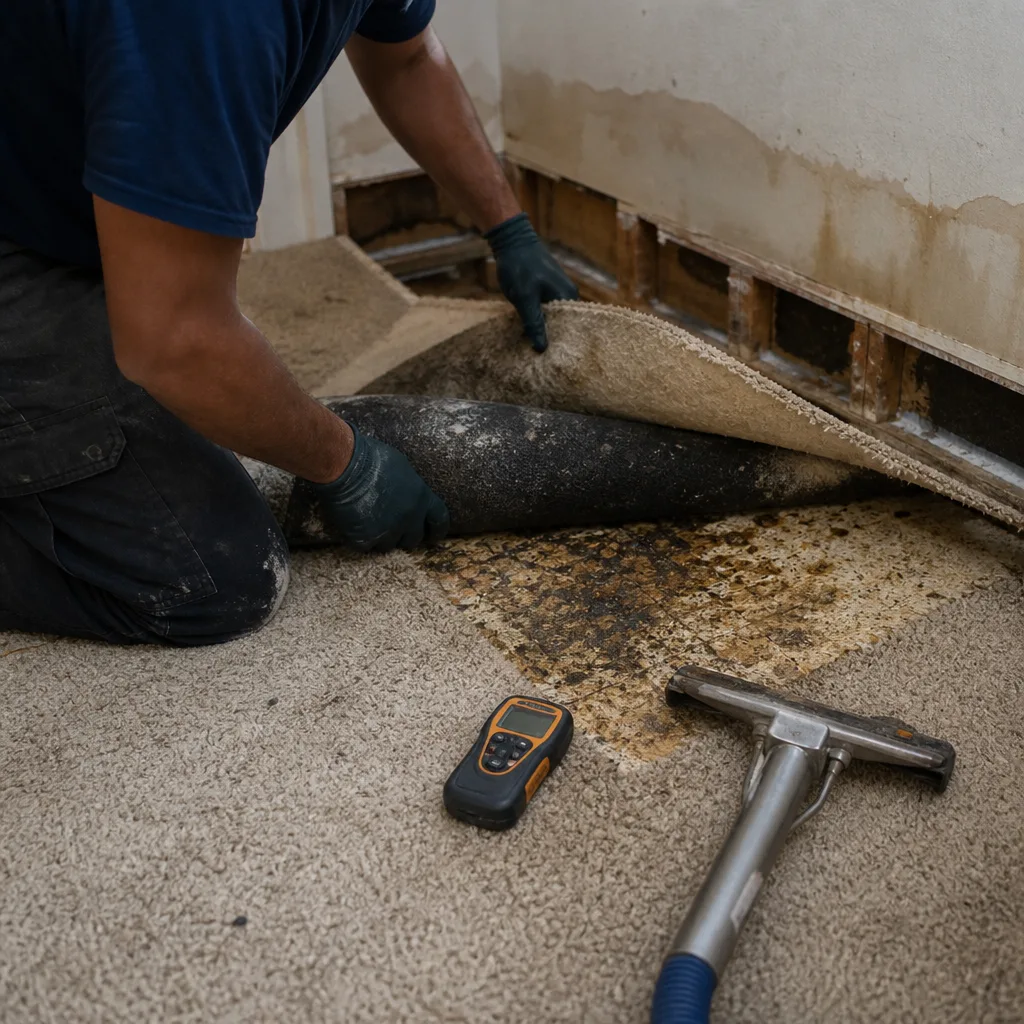
Free visual inspection and a written scope of work before any mitigation begins - photos, moisture readings, and drying logs go in your claim file
The scope we write is the scope we bill. Anything new gets shown to you, in writing, before we touch it.
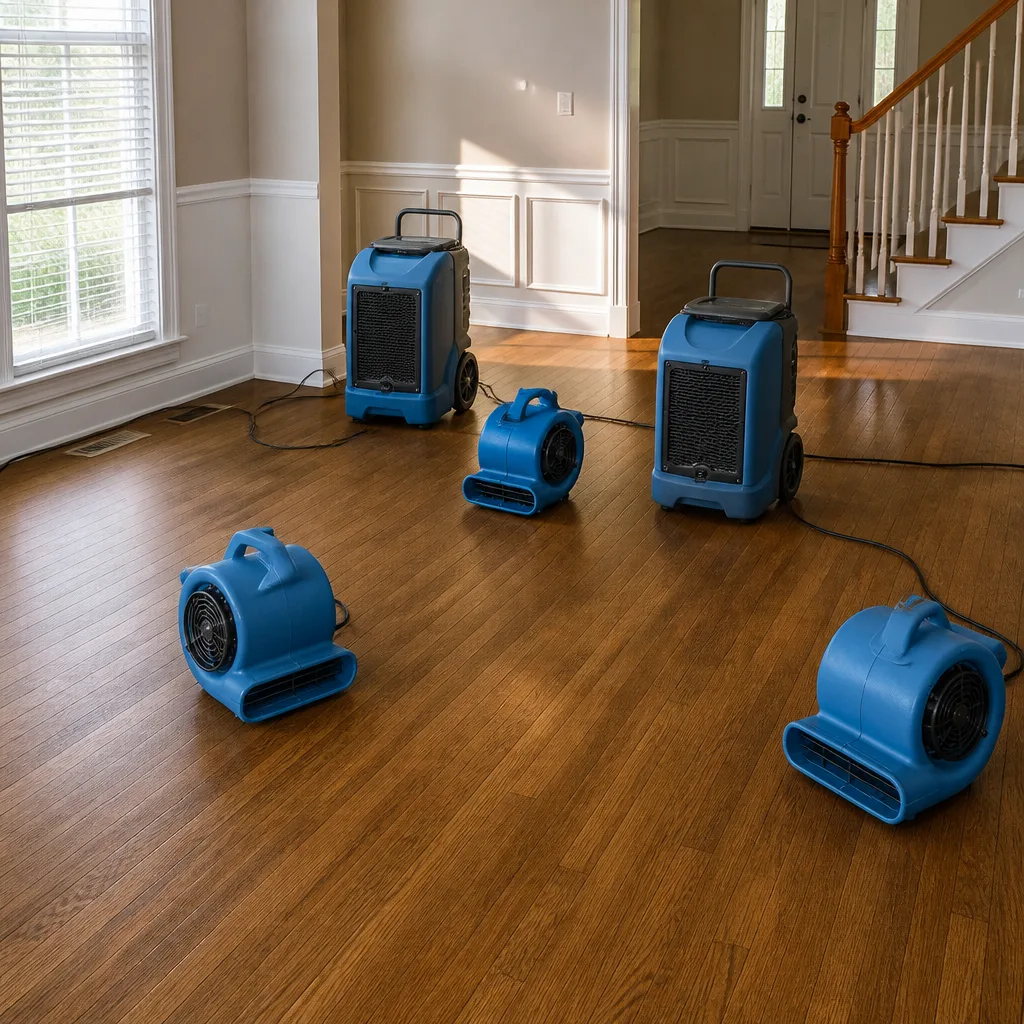
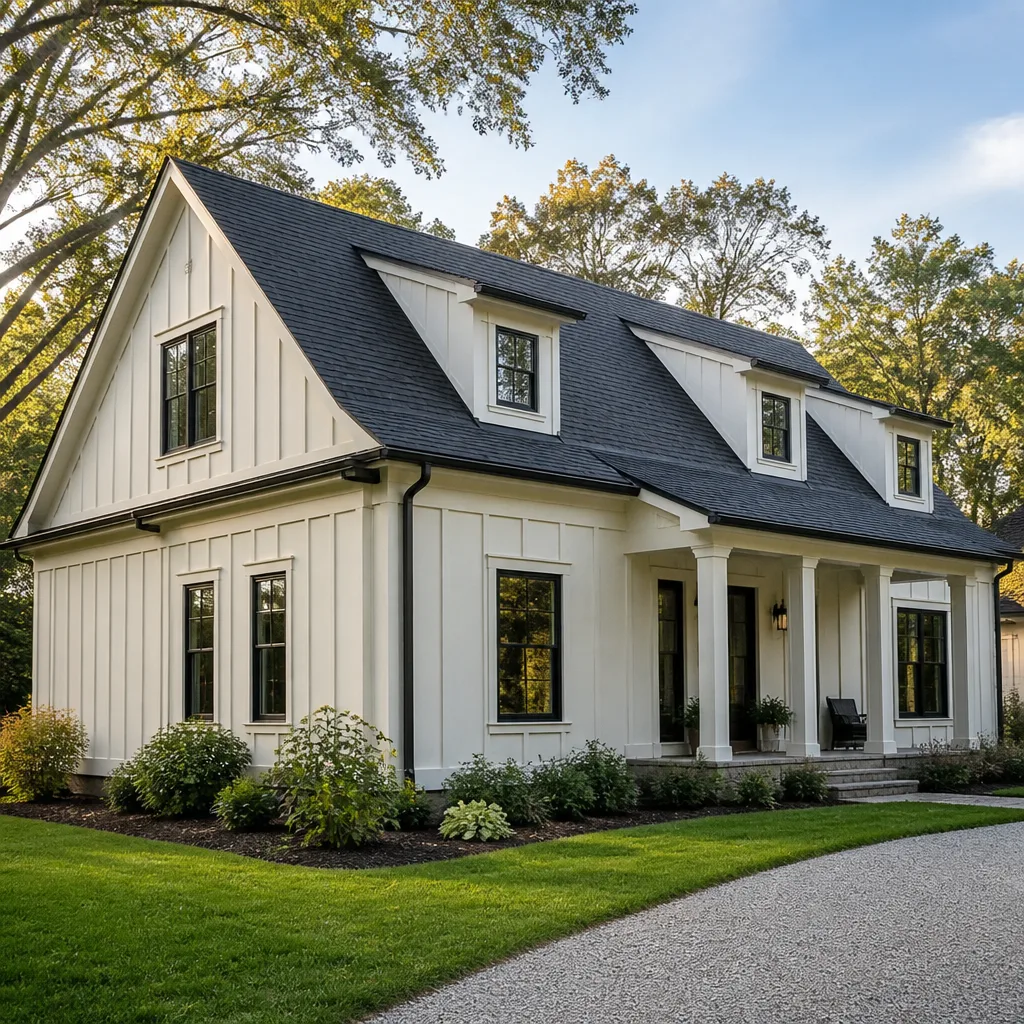
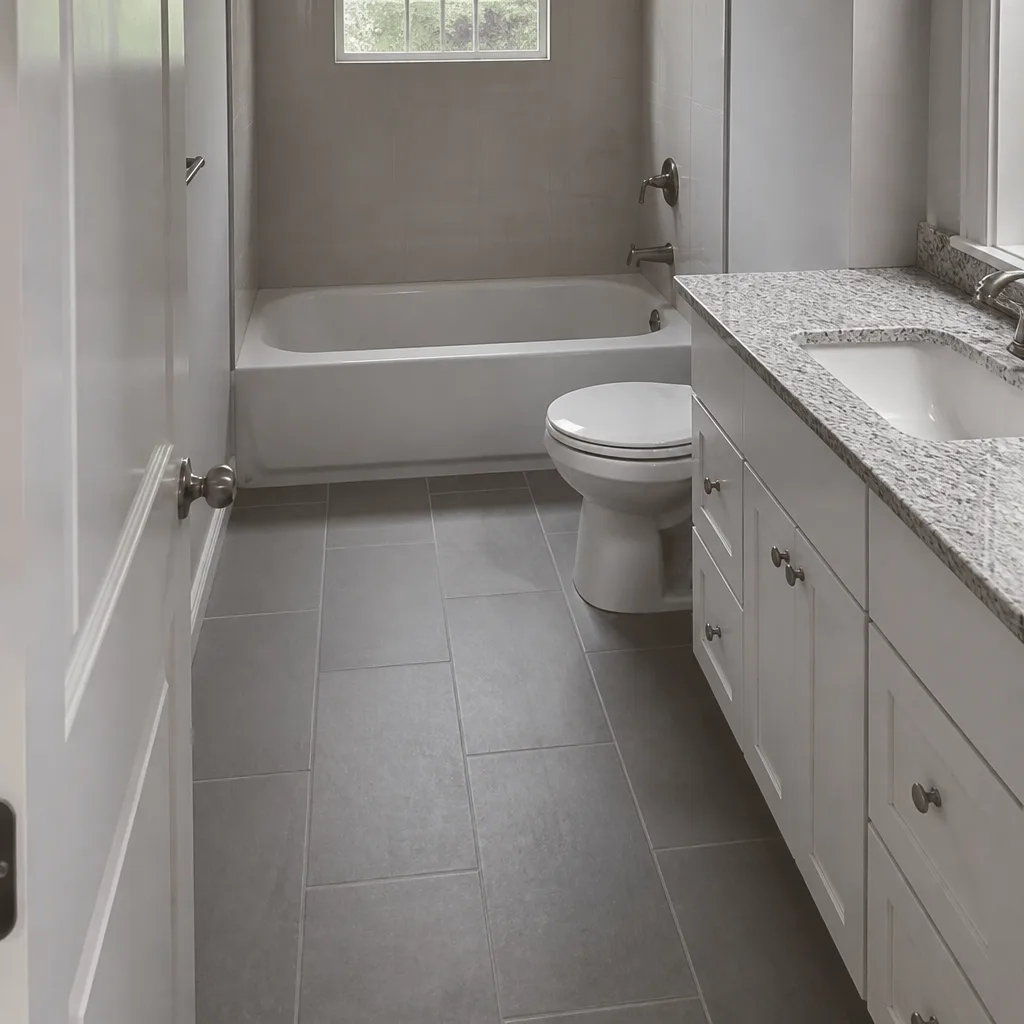
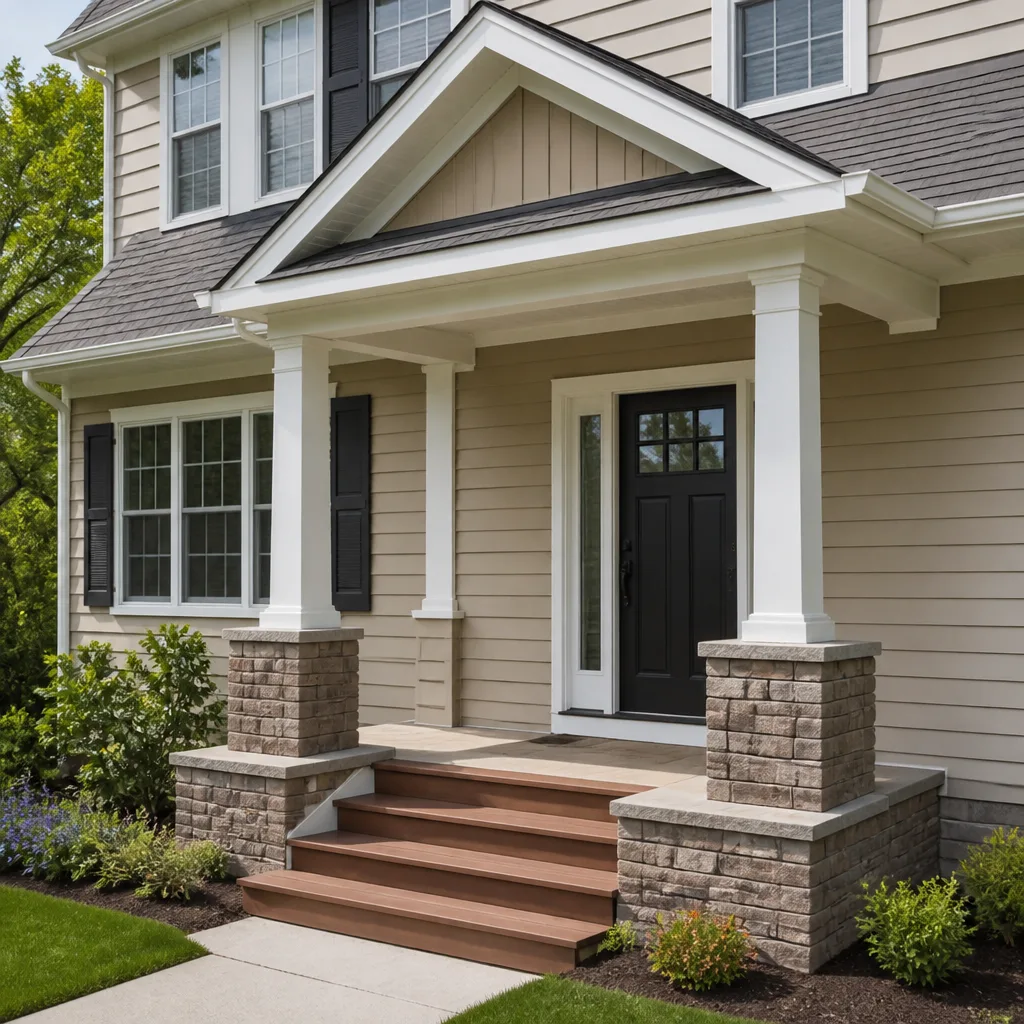
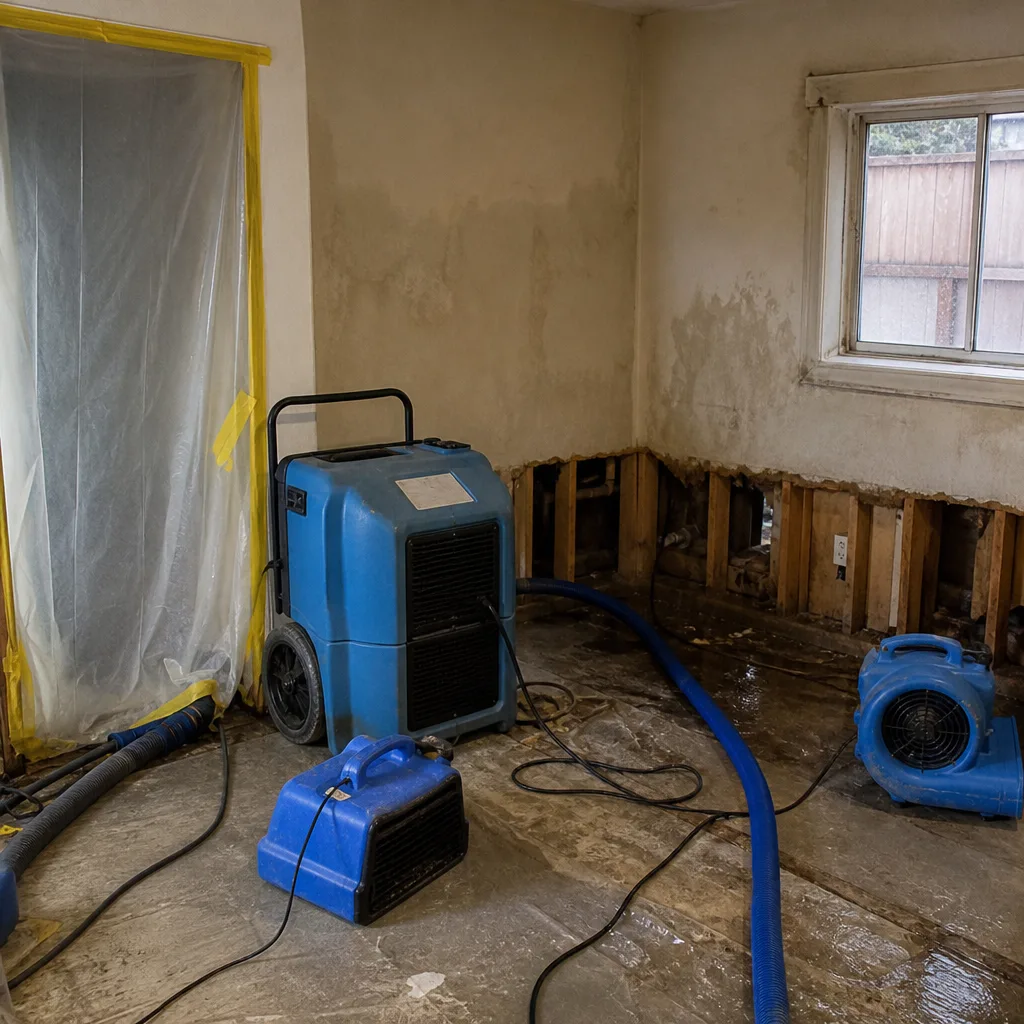 Before
 After
After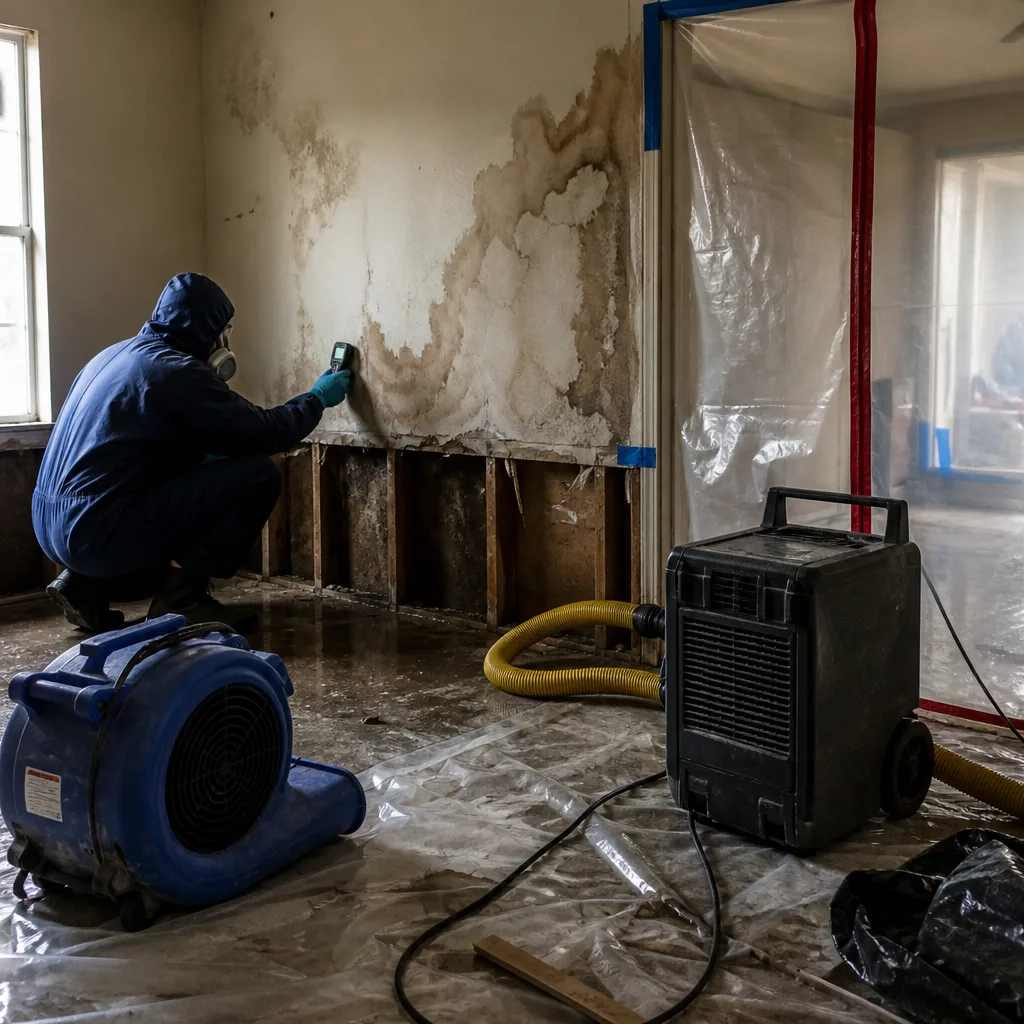 Before
 After
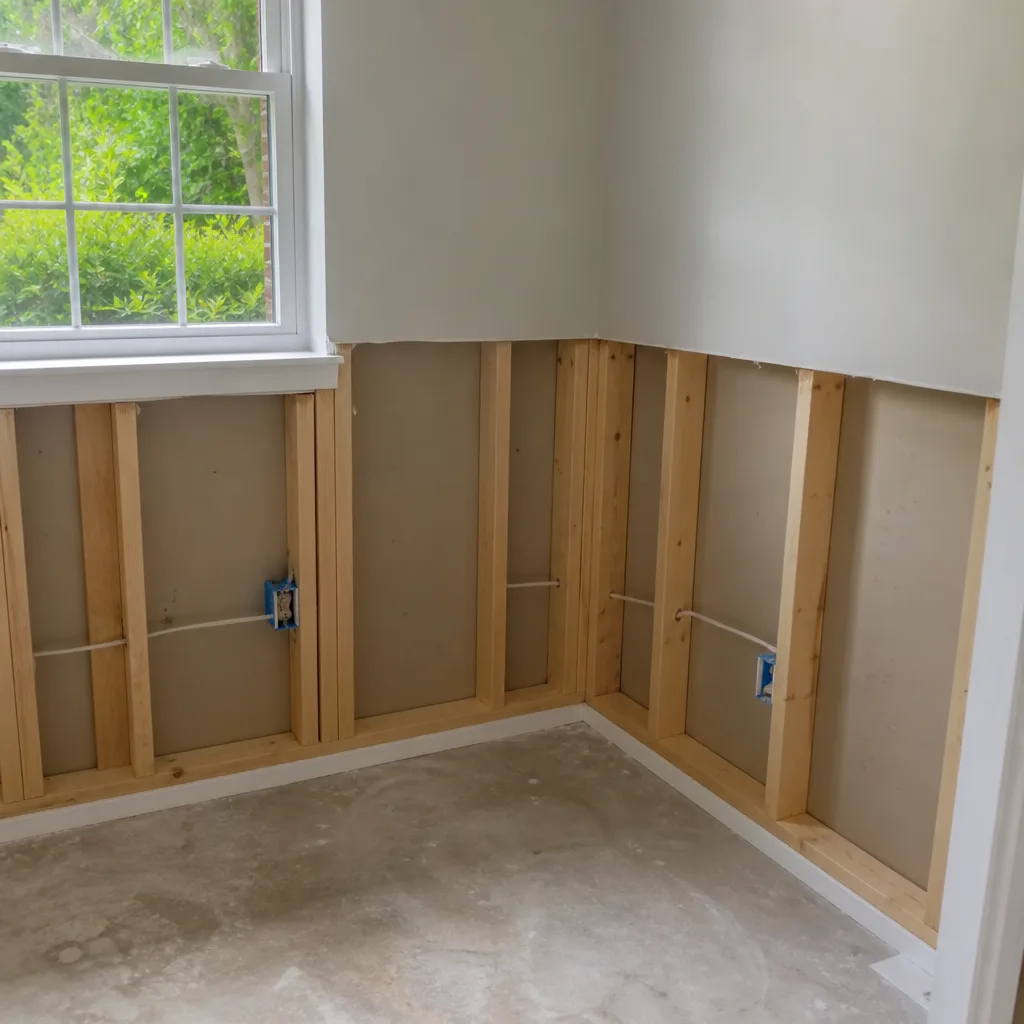
After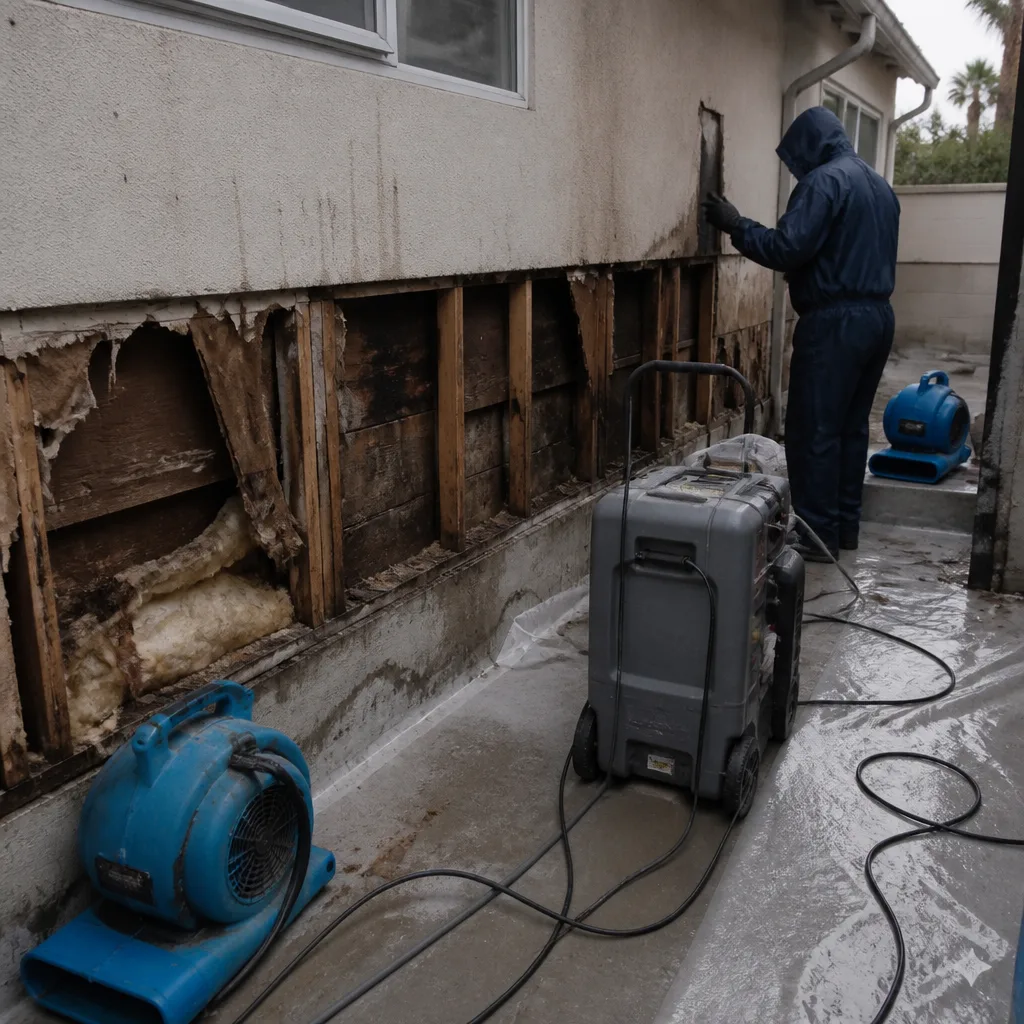 Before
 After
AfterTrusted Storm & Disaster Restoration for San Diego Homeowners
See our Storm & Disaster Restoration cost guide for typical pricing in San Diego - projects generally run $2,800-$18,500 depending on damage severity, with emergency board-up and roof tarping starting at $450-$1,200. Most storm-related calls in San Diego County involve water intrusion from compromised roofing or wind-driven rain through aging stucco, and our crews are dispatched with written scopes and photo documentation from the first visit. Call (619) 330-9541 - a live person answers, 24 hours a day, 7 days a week, and we deliver a written price before any work begins, every time, under Haven Standard, Clause 1.
Since 2011, Alicia Brennan has led Back to Dry Restoration through more than 12,000 home restorations, building the company around the documentation gap that costs homeowners their insurance claims. We are independently owned and operated under The Haven Standard, not a franchise. Our technicians arrive in uniform, background-checked, with license numbers documented on every job. When a Santa Ana wind event tears roofing membrane in Scripps Ranch or a winter storm pushes water through degraded flashing in La Jolla, we don’t sell urgency. We sell evidence: a written price before work starts, a photo record on every visit, and daily moisture logs that turn restoration invoices into payable claims.
San Diego’s mild climate creates a specific risk profile. Homeowners often delay maintenance because storms seem rare, which means when a Pacific winter storm or microburst hits, the damage penetrates deeper into wall cavities and subfloors. In neighborhoods like Mission Hills and Kensington, we’ve found original clay tile roofing with deteriorated underlayment that channels water directly into attic insulation. In coastal areas from Del Mar to Storm & Disaster Restoration - Coronado, salt-laden wind accelerates corrosion on flashing and fasteners. We document each finding with moisture readings, material classifications, and square-footage calculations that your adjuster can read without calling back for clarification.
Our emergency response includes immediate board-up, roof tarping, and debris removal to prevent secondary damage, followed by full water damage restoration, mold remediation if needed, and reconstruction to return your property to pre-loss condition. Every phase is scoped in writing with line-item pricing before work begins. No exceptions. Haven Standard, Clause 1.
What Our Storm & Disaster Restoration Service Includes
Storm Damage Cleanup
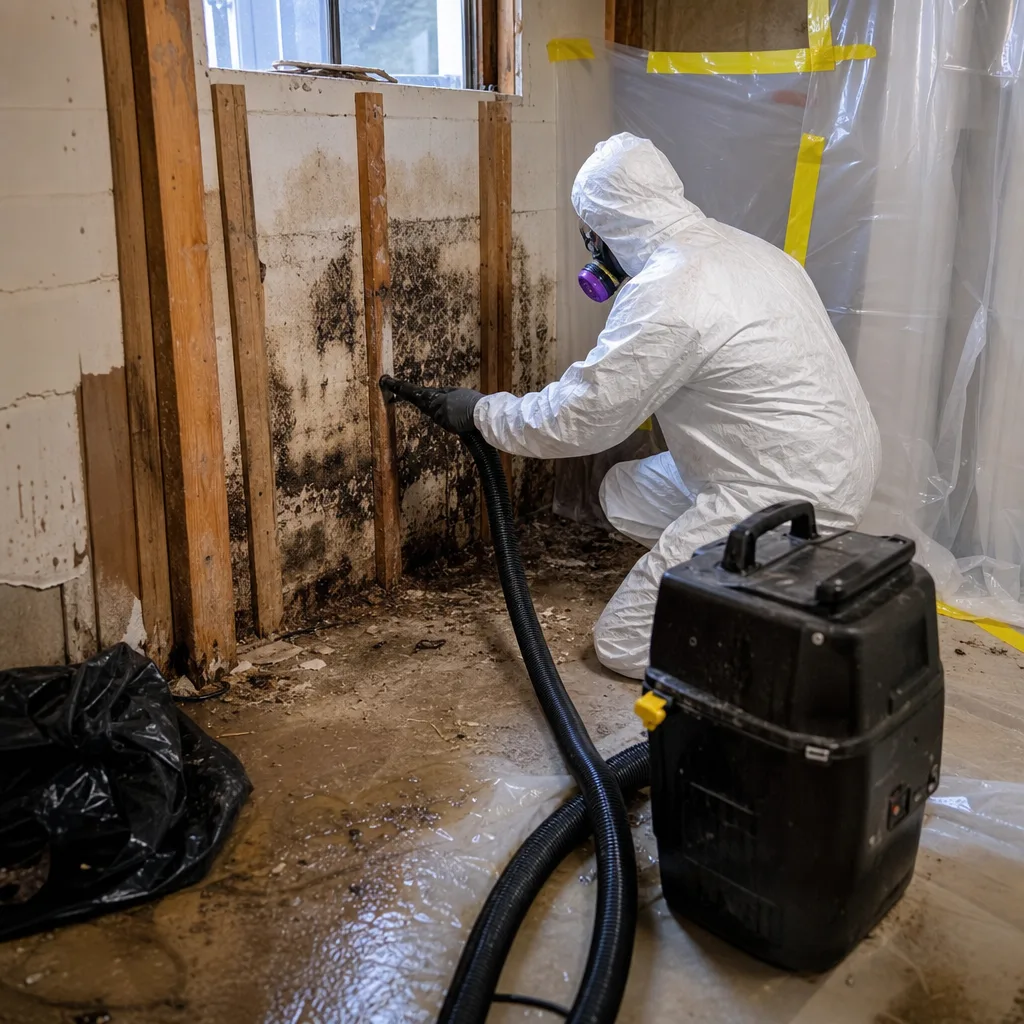
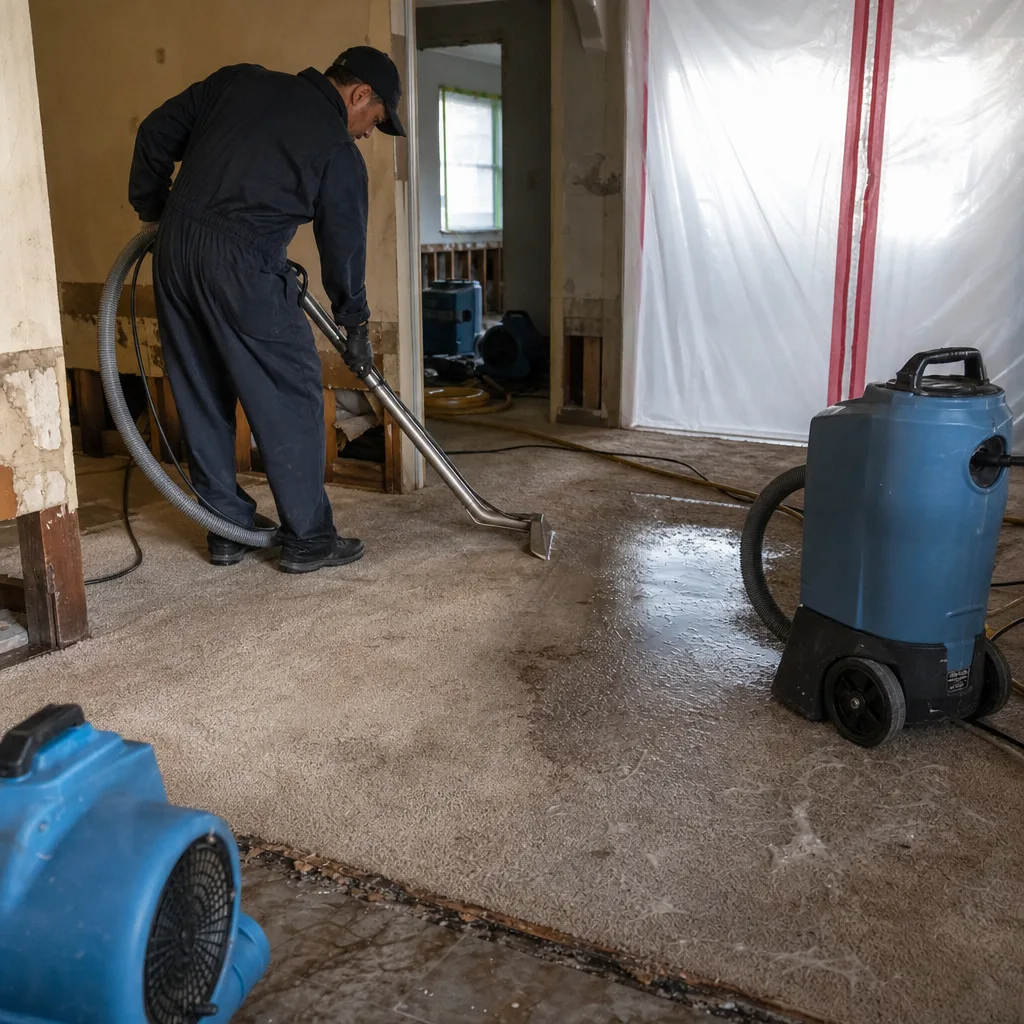
Storm damage cleanup addresses the immediate aftermath of weather events: waterlogged drywall, saturated insulation, fallen trees on structures, and contaminated debris. In San Diego, this often means clearing wind-driven palm fronds and branches that compromise tile roofing, then extracting standing water from attic spaces before it reaches ceiling drywall. Our crews arrive with truck-mounted extraction units, portable containment systems, and the documentation tools to photograph every affected room before anything is moved. We classify materials by porosity (non-porous, semi-porous, porous) and log moisture content percentages at each structural layer, producing the daily drying records that support your claim.
Flood Damage Restoration
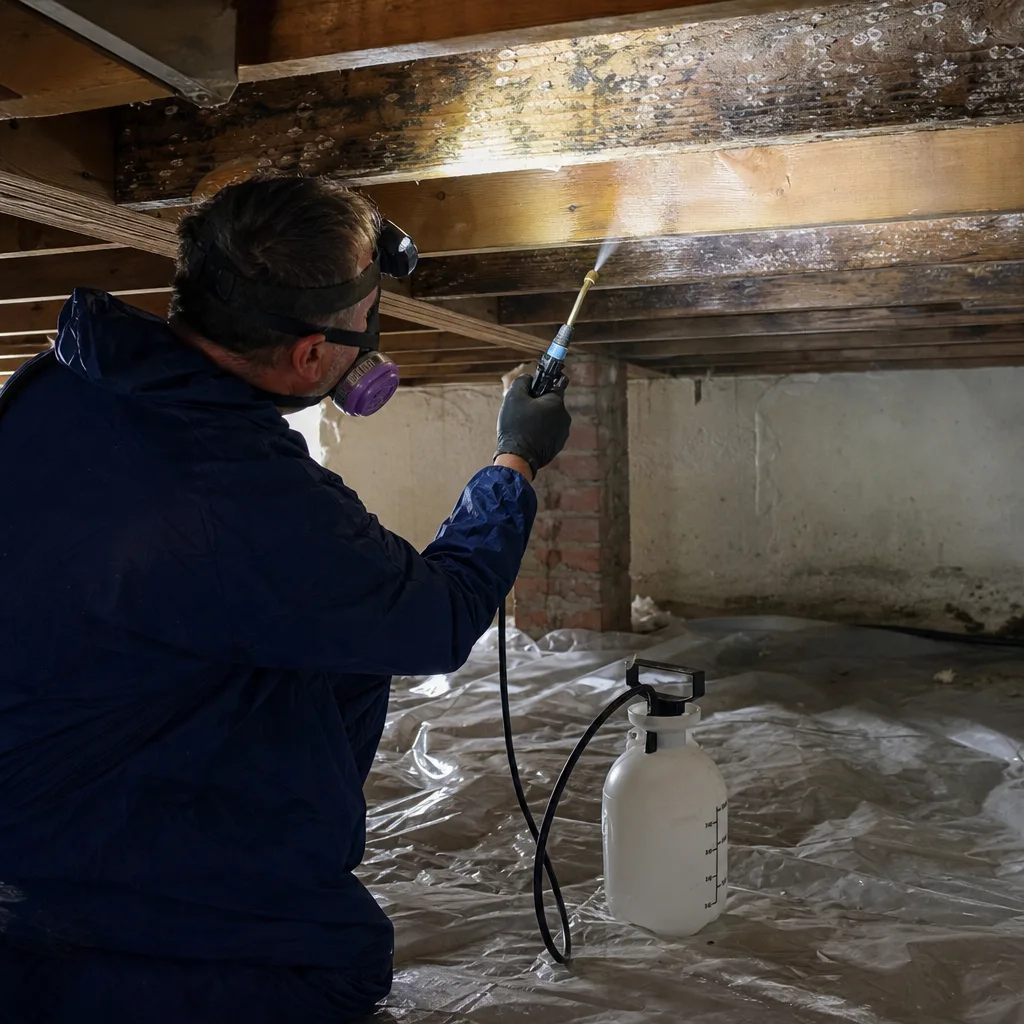
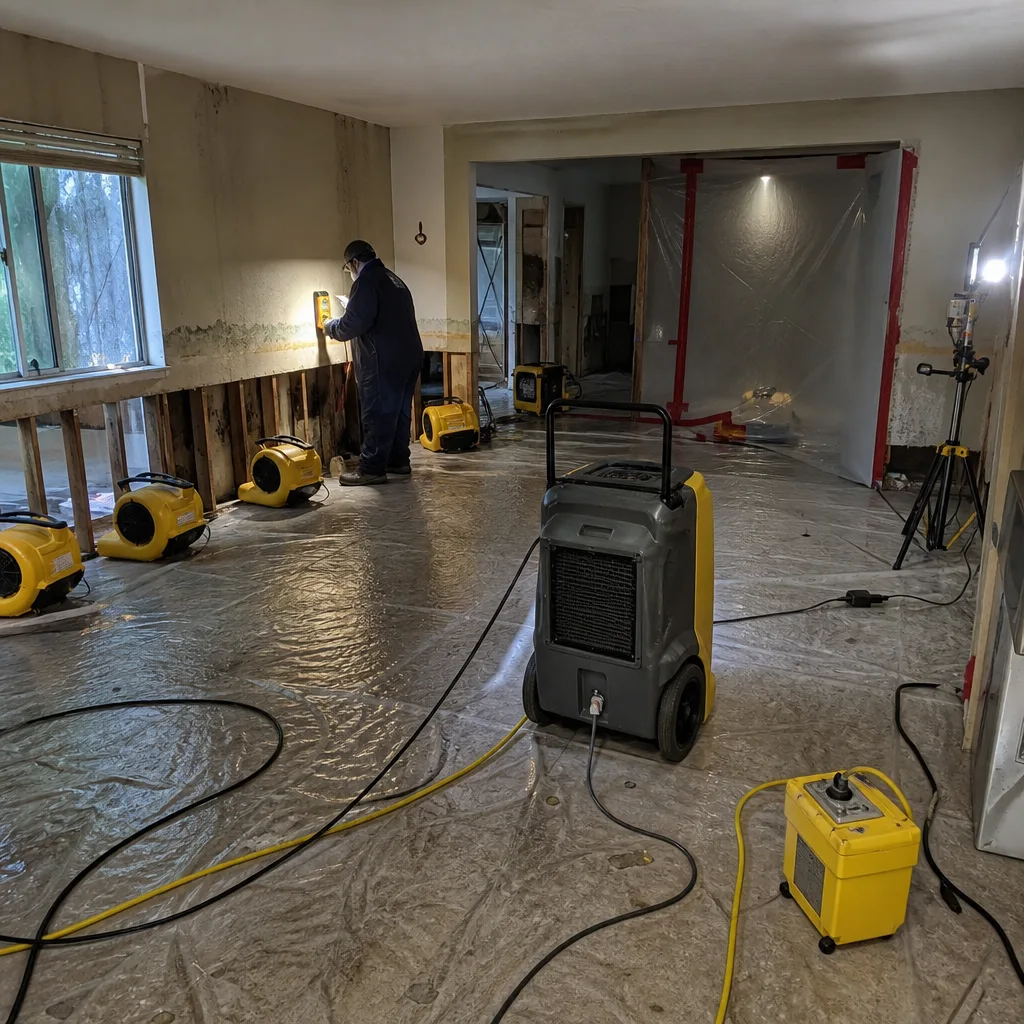
Flood damage restoration goes beyond water extraction to address contamination categories, structural drying, and material replacement. San Diego flood events typically involve Category 2 (gray water) from compromised roofing or Category 3 (black water) when storm surge or hillside runoff enters ground-floor spaces in canyon-adjacent neighborhoods like Mission Valley and Tierrasanta. We deploy professional-grade drying systems from Dri-Eaz, Phoenix, and Injectidry to establish vapor pressure differentials that pull moisture from within wall cavities, not just surface drying. Psychrometric data - temperature, relative humidity, and specific humidity readings - is logged every 24 hours to document progress toward dry standard, typically 12-16% moisture content for wood framing in San Diego’s coastal climate.
Emergency Board-Up
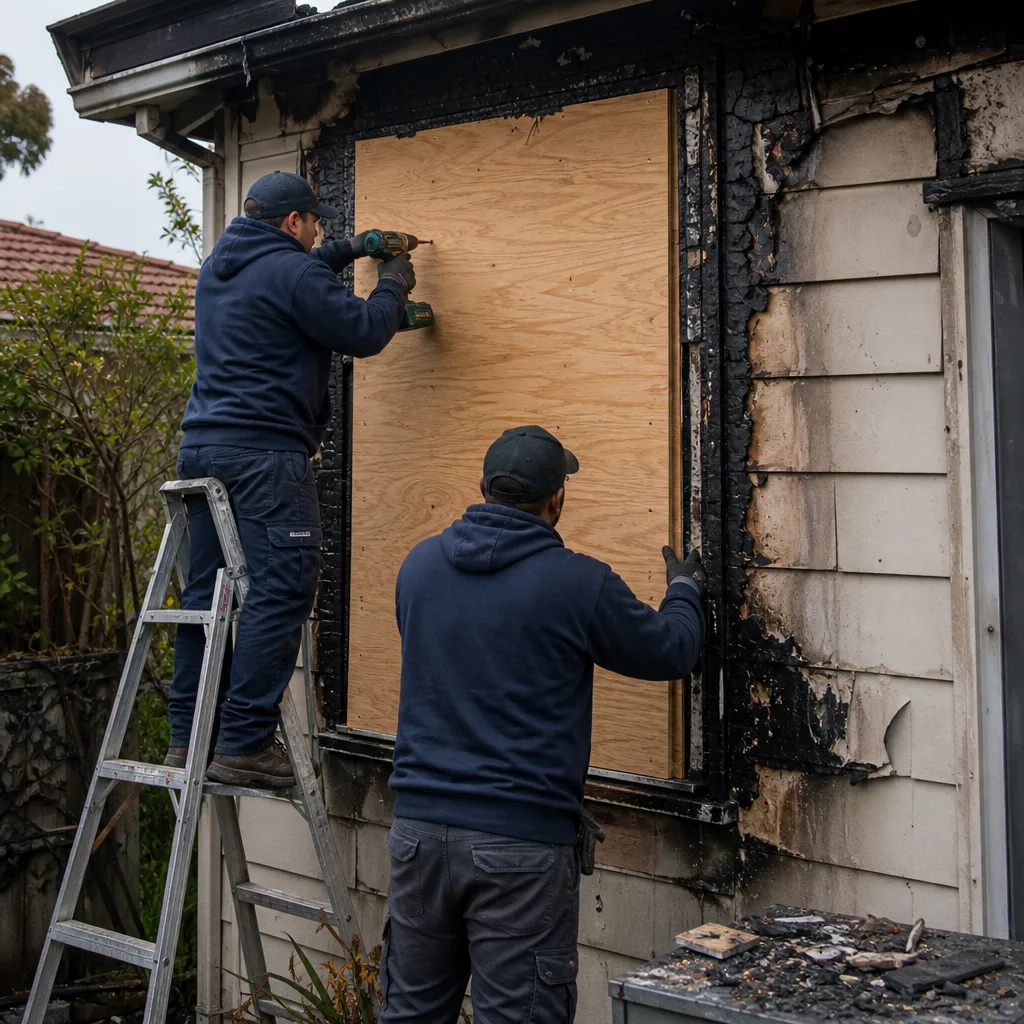
Emergency board-up secures compromised openings within hours of a storm event to prevent additional water intrusion, vandalism, and liability exposure. In San Diego, we most often board up broken windows from wind-thrown debris, damaged sliding glass doors in canyon-view homes, and garage door failures where wind pressure has buckled panels. Our crews carry pre-cut plywood inventory in multiple thicknesses, tempered glass sheeting, and security fastening systems that meet local wind-load requirements. We photograph the pre-existing damage, install temporary barriers, and provide a written scope for permanent repairs with pricing before any reconstruction begins.
Roof Tarping
Roof tarping provides temporary weather protection when roofing materials are displaced or compromised before permanent repairs can be scheduled. San Diego’s clay and concrete tile roofing requires specialized tarping techniques - standard blue tarps shred against sharp tile edges, so we use reinforced polyethylene with foam edging and weighted ballast systems that won’t void your roofing warranty. In wind-prone areas like Poway and Rancho Bernardo, we anchor tarps to structural members, not just fascia boards, and document the installation with photos showing water diversion paths. Every tarping job includes a written scope for permanent repair with material specifications and line-item pricing.
Debris Removal
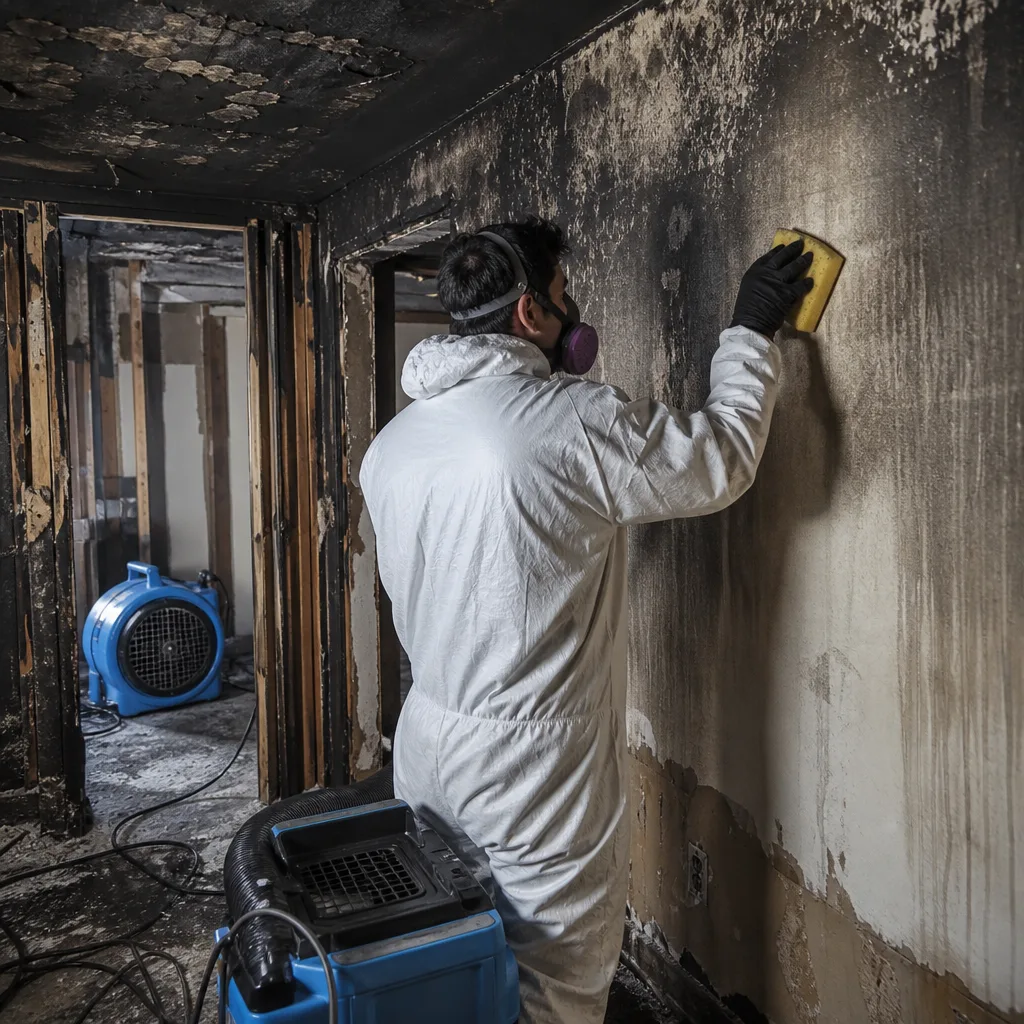
Debris removal after a storm event involves more than hauling fallen branches; it includes contaminated building materials, saturated insulation, and compromised personal property that cannot be restored. In San Diego, we regularly remove waterlogged cellulose insulation from Rancho Santa Fe estates, mold-affected drywall from Del Mar oceanfront properties, and wind-damaged patio structures from hillside homes in Spring Valley. We sort debris by disposal category - general construction waste, hazardous materials, electronic waste - and document volumes with weight tickets and disposal receipts that support your claim. Our crews are trained in proper lifting and containment protocols to prevent cross-contamination during removal.
Wind Damage Repair
Wind damage repair addresses structural and cosmetic damage from sustained high winds or microburst events, which are increasingly common in San Diego County during Santa Ana conditions. We repair or replace damaged siding, soffits, fascia, and roofing components, with particular attention to the water intrusion paths that wind creates - lifted shingles, separated flashing, and pressurized window seals. In older San Diego neighborhoods like North Park and South Park, we frequently find original single-pane windows with deteriorated glazing that fails under wind load, allowing driven rain into wall cavities. Our repairs include moisture mapping of surrounding structure to identify hidden damage, documented with thermal imaging and moisture meter readings.
What happens when you call
- 1
A real person answersNo phone trees - you reach a local pro.
- 2
You get an upfront price rangeHonest numbers before anyone is dispatched.
- 3
A background-checked tech heads outLicensed & insured, dispatched right away.
- 4
You approve before work beginsNothing starts until you say go.
Brands We Service for Storm & Disaster Restoration
Our documentation standards align with the equipment and certification requirements of major restoration industry organizations. We maintain active membership and technician certification through IICRC (Institute of Inspection, Cleaning and Restoration Certification), the body that sets the water damage restoration standard (S500) and mold remediation standard (S520) that most insurers require for claim approval. Our drying logs follow IICRC documentation protocols, recording equipment placement, psychrometric readings, and daily moisture content measurements that adjust the drying plan based on actual data, not estimates.
We also document to RIA (Restoration Industry Association) and IFA (Indoor Air Quality Association) standards for projects involving complex contamination or health-sensitive occupants. Whether your insurer requires IICRC, RIA, or IFA documentation formats, we produce records in the specified structure. If your policy references a standard we haven’t named, call (619) 330-9541 - Alicia Brennan or a member of our team will review your policy language and confirm our documentation meets the requirement before work begins.
BeforeAfterSigns You Need Storm & Disaster Restoration Right Now
- Visible water staining on ceilings or walls - even small discolorations indicate water has breached the roofing or exterior envelope and is traveling through structural cavities. In San Diego’s stucco construction, water often migrates laterally from the entry point, so the stain location may not match the roof damage location. We trace the water path with moisture meters and thermal imaging to identify the true source.
- Sagging or bulging drywall - this indicates saturation behind the surface, with the gypsum core absorbing water and the paper facing losing adhesion. Saturated drywall will not dry in place; it requires removal to expose framing for proper drying and to prevent mold colonization, which can begin within 48-72 hours in San Diego’s moderate temperatures.
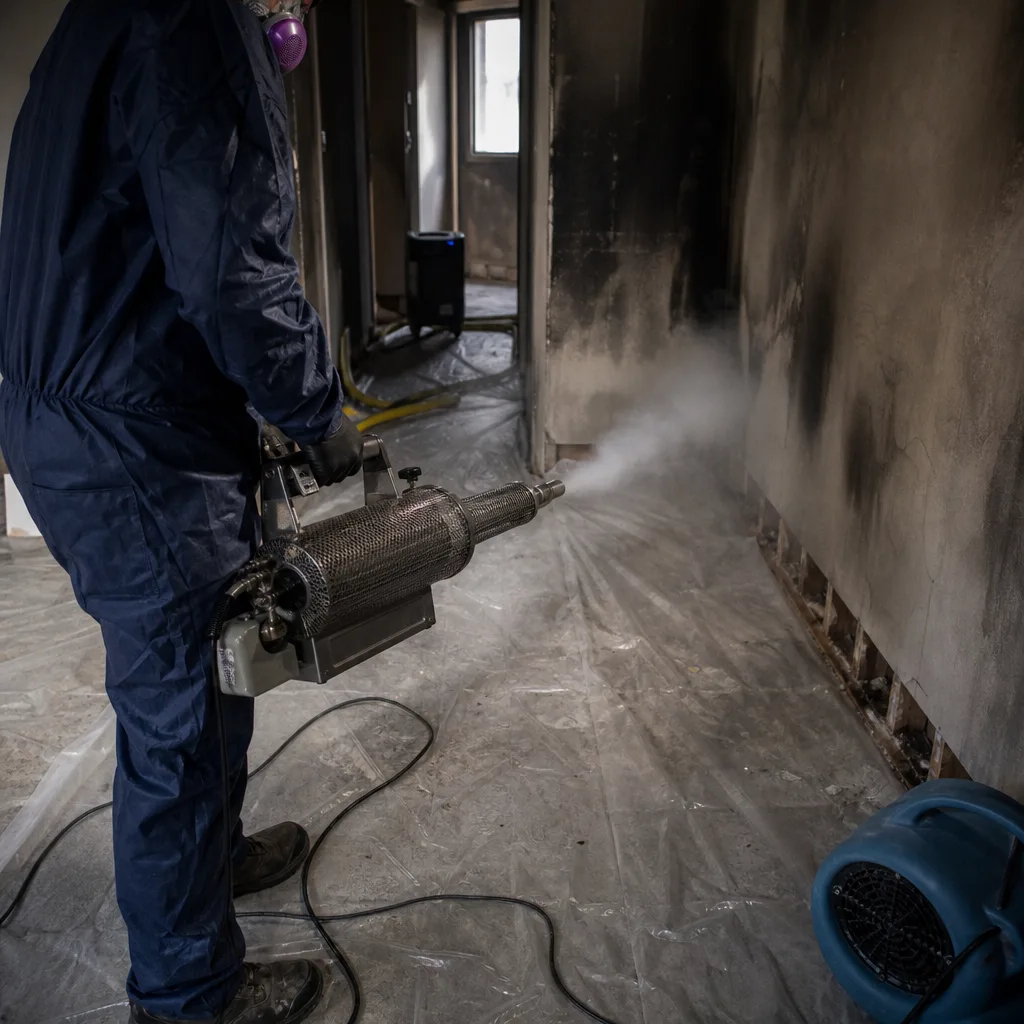
- Musty odors after a storm event - musty smells signal active microbial growth, typically mold in wall cavities, subflooring, or HVAC ductwork. San Diego homeowners often dismiss these odors because the climate feels dry, but interior wall cavities can maintain elevated humidity for weeks after water intrusion. We measure airborne spore counts and surface contamination to determine if remediation is required.
- Missing, lifted, or damaged roofing materials - even a single displaced tile or lifted shingle tab creates a water entry point that worsens with each subsequent rain. Post-storm roof inspections from ground level miss most damage; we document with pole cameras and, when safe, direct inspection to identify compromised areas before the next weather event.
- Broken windows, damaged doors, or compromised garage doors - these openings expose interior spaces to additional water, wind, and security risks. Temporary protection is time-sensitive, particularly if rain is forecast. Our board-up crews carry inventory for standard residential openings and can fabricate custom barriers for oversized or architecturally unique openings common in San Diego’s custom home market.
Our Storm & Disaster Restoration Process - Step by Step
- 1
Emergency Contact and Dispatch - When you call (619) 330-9541, a live person answers, 24 hours a day, 7 days a week. We gather your location, describe the visible damage, and dispatch a crew with the appropriate equipment inventory. For San Diego addresses, typical response time is under 90 minutes for emergency board-up and roof tarping; water extraction crews carry enough equipment to begin work immediately upon arrival.
- 2
Site Assessment and Documentation - Before touching anything, our technicians photograph the entire affected area, record moisture readings at multiple depths and locations, and classify all materials by porosity and contamination level. You receive a copy of this initial documentation. We identify safety hazards - compromised electrical systems, structural instability, gas line damage - and secure the site before proceeding.
- 3
Written Scope and Price Delivery - Haven Standard, Clause 1 requires a written price before any work begins, every time, with no exceptions. Your scope lists each task with line-item pricing: extraction, demolition, drying equipment, debris removal, material replacement, and reconstruction. We review the scope with you, answer questions, and obtain written authorization before any work starts. No scope-creep additions once the crew is inside.
- 4
Mitigation and Stabilization - We execute the authorized scope: board-up, roof tarping, water extraction, contaminated material removal, and drying system deployment. Daily moisture logs track progress, with equipment repositioned based on psychrometric data. For insurance claims, we coordinate directly with your adjuster, providing documentation in the format their system requires and responding to requests within one business day.
- 5
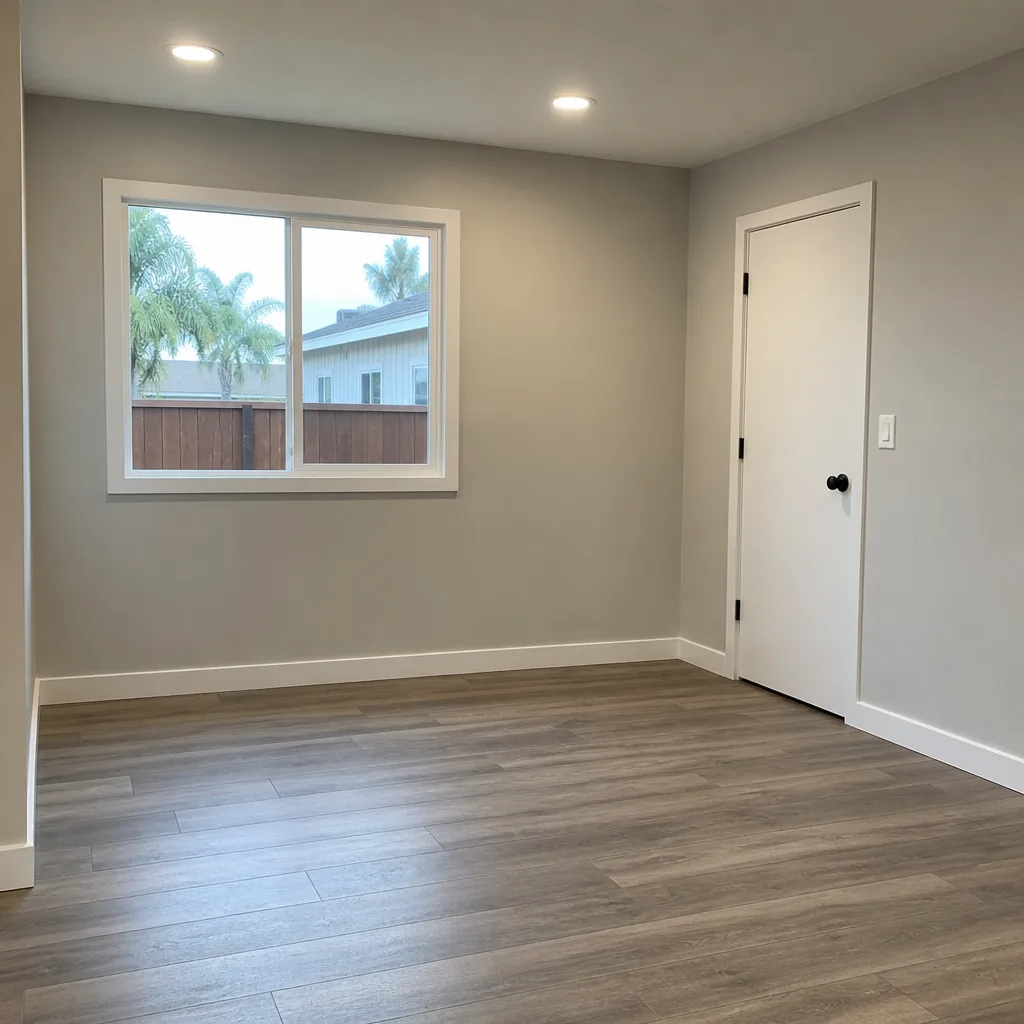
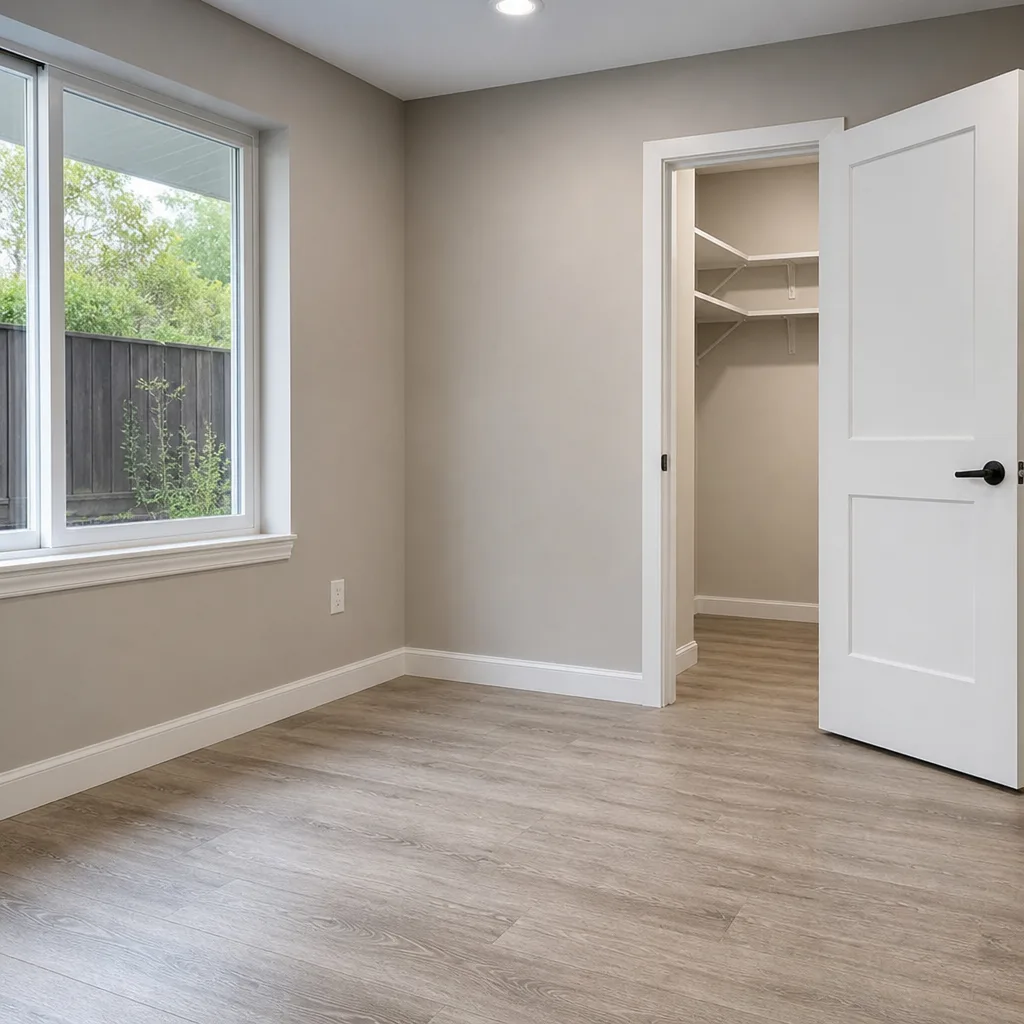
Reconstruction and Final Documentation - Once structural materials reach dry standard, we restore or replace finishes to pre-loss condition. Final documentation includes before-and-after photos, complete drying logs, equipment usage records, and a signed 365-Day Done Right Promise under The Haven Standard. If any issue arises within 365 days, we return to make it right - a written guarantee, not a verbal assurance.
How Much Does Storm & Disaster Restoration Cost in San Diego?
Storm and disaster restoration pricing in San Diego depends on damage extent, contamination category, and required reconstruction scope. Based on our work across San Diego County since 2011, here are typical ranges:
| Service | Typical Range | Factors Affecting Price |
|---|---|---|
| Emergency board-up (single opening) | $450-$950 | Opening size, height access, security requirements |
| Roof tarping (up to 500 sq ft) | $650-$1,400 | Roof pitch, tile type, wind-load anchoring needed |
| Water extraction and initial drying (per affected room) | $1,800-$4,200 | Standing water volume, material porosity, contamination category |
| Storm damage cleanup (partial home) | $3,500-$8,500 | Debris volume, hazardous materials, access constraints |
| Full flood damage restoration (single-story home) | $8,500-$18,500 | Square footage, Category 2 vs. 3 water, mold remediation required |
| Wind damage repair (siding, soffit, fascia) | $2,200-$6,800 | Material matching, structural damage extent, paint finish |
What drives price variation: San Diego’s older neighborhoods often contain original materials - clay tile, plaster, custom millwork - that cost more to match than standard replacements. Canyon and hillside homes require specialized access equipment. Contamination category is critical: Category 1 (clean water) drying costs roughly 40% less than Category 3 (black water) remediation with full antimicrobial treatment and protective equipment protocols.
How to avoid overpaying: Obtain multiple written estimates and use our Free Second Opinion service - bring any competitor’s written estimate and Back to Dry will review it at no charge. We frequently find scope gaps (inadequate drying equipment, missed contamination) and scope bloat (unnecessary demolition, premium charges for standard materials). Haven Standard, Clause 1 protects you from both: our written price is fixed before work begins, with no additions once the crew is inside.
What’s included in our free estimate: complete moisture mapping, photo documentation, material classification, and a written scope with line-item pricing. The estimate itself costs nothing and carries no obligation. Call (619) 330-9541 to schedule.
Storm & Disaster Restoration Near San Diego - Our Service Area
Back to Dry Restoration serves San Diego and surrounding communities with consistent response times and documentation standards. From downtown high-rises to coastal estates, we maintain equipment staging points to reach most addresses within 90 minutes for emergency services. We also provide Storm & Disaster Restoration in La Mesa and Storm & Disaster Restoration in Santee, with the same Haven Standard documentation protocols and written pricing guarantees.
Additional service areas include El Cajon, our Storm & Disaster Restoration in National City, Spring Valley, Coronado, Bonita, Del Mar, Poway, Lakeside, and Chula Vista. Response times to outlying areas like Ramona and Julian may extend to two hours for initial dispatch; we communicate expected arrival precisely when you call. For properties in multiple-jurisdiction areas - such as those near the San Diego-La Mesa border - we confirm applicable permit requirements and coordinate with local building departments as part of our standard scope documentation.
Serving San Diego, CA - Our Local Coverage Area
We’re based in the San Diego area and know this community well. Use the map below to see our service coverage - if you’re nearby, we can almost certainly help.
Frequently Asked Questions - Storm & Disaster Restoration in San Diego
Storm and disaster restoration is the professional process of returning a property to pre-loss condition after weather-related damage, including water extraction, structural drying, debris removal, temporary protection, and reconstruction. In San Diego, this most commonly addresses wind-driven rain intrusion, flood damage from compromised drainage, and structural damage from falling trees or wind pressure. Unlike simple cleanup, restoration includes documentation of moisture readings, material classifications, and drying progress that insurance claims require for approval.
Minor board-up and tarping is completed in 2-4 hours; water extraction and initial drying typically require 3-5 days; full restoration including reconstruction averages 2-6 weeks depending on damage extent and material availability. San Diego’s mild climate accelerates drying compared to humid regions, but original materials like clay tile and plaster extend reconstruction timelines due to specialized labor requirements. We provide a written timeline with your scope and update it if inspections or material deliveries shift the schedule.
Typical projects range from $2,800 for limited water extraction and drying to $18,500 for full flood restoration with reconstruction, with emergency services like board-up starting at $450-$1,200. Your specific price depends on square footage affected, contamination category, material types, and reconstruction scope - all itemized in our written estimate before work begins. Call (619) 330-9541 for an exact quote; estimates are free under Haven Standard, Clause 1.
Yes, all our drying logs, moisture readings, and equipment placement records follow IICRC S500 (water damage restoration) and S520 (mold remediation) documentation protocols. We also produce records to RIA and IFA standards when insurers or environmental consultants require alternative formats. If your policy specifies a documentation standard, we confirm compliance before work begins and structure our records accordingly.
Yes, a live person answers every call, 24 hours a day, 7 days a week, with no voicemail trees or next-business-day callbacks. Emergency dispatch for board-up, roof tarping, and water extraction operates continuously; reconstruction and non-urgent services are scheduled during standard hours with written confirmation. When you call, we tell you exactly when a crew will arrive, not “as soon as possible.”
Every job carries the 365-Day Done Right Promise under The Haven Standard: if it’s not done right, we make it right, documented in writing and signed by both parties. This covers workmanship, material defects we supplied, and any moisture-related issues that arise from incomplete drying. The warranty is transferable if you sell the property within the coverage period, with documentation provided to the new owner.
If safe to do so, turn off electrical power to affected areas at the breaker panel, remove valuable items from the damage zone, and photograph the scene for your records - though our crew will document comprehensively upon arrival. Do not enter spaces with sagging ceilings, exposed electrical wiring, or standing water where power may be active. Your safety is the priority; our crew will secure hazards as their first task upon arrival.
Schedule Your Storm & Disaster Restoration Service in San Diego Today
Call (619) 330-9541 now - a live person answers, 24 hours a day, 7 days a week. We’ll schedule your free estimate with written pricing before any work begins, document every visit with a photo record, and back the result with our 365-Day Done Right Promise under The Haven Standard. Bring a competitor’s written estimate for a Free Second Opinion at no charge. Back to Dry Restoration, independently owned and operated since 2011.
Written by Alicia Brennan, Owner at Back to Dry Restoration, serving San Diego since 2011.