
Free visual inspection and a written scope of work before any mitigation begins - photos, moisture readings, and drying logs go in your claim file
The scope we write is the scope we bill. Anything new gets shown to you, in writing, before we touch it.
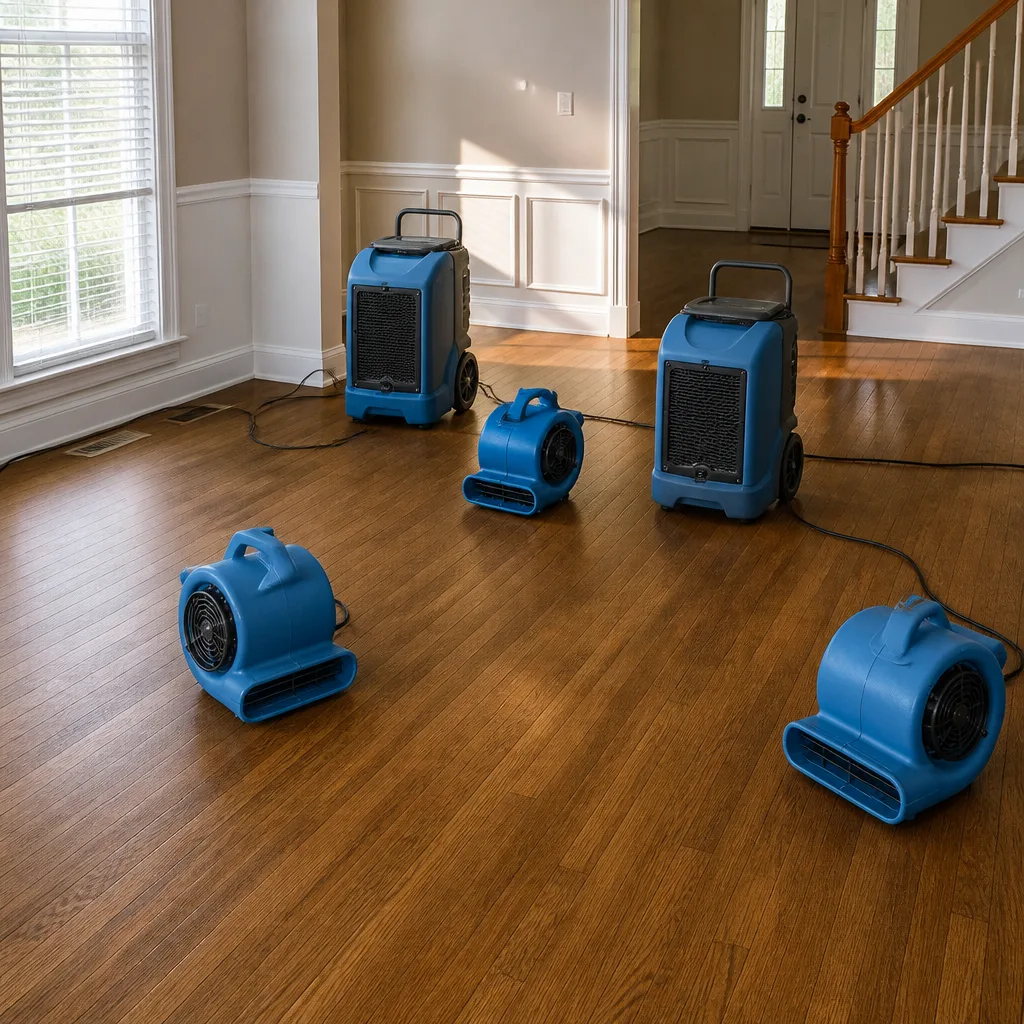
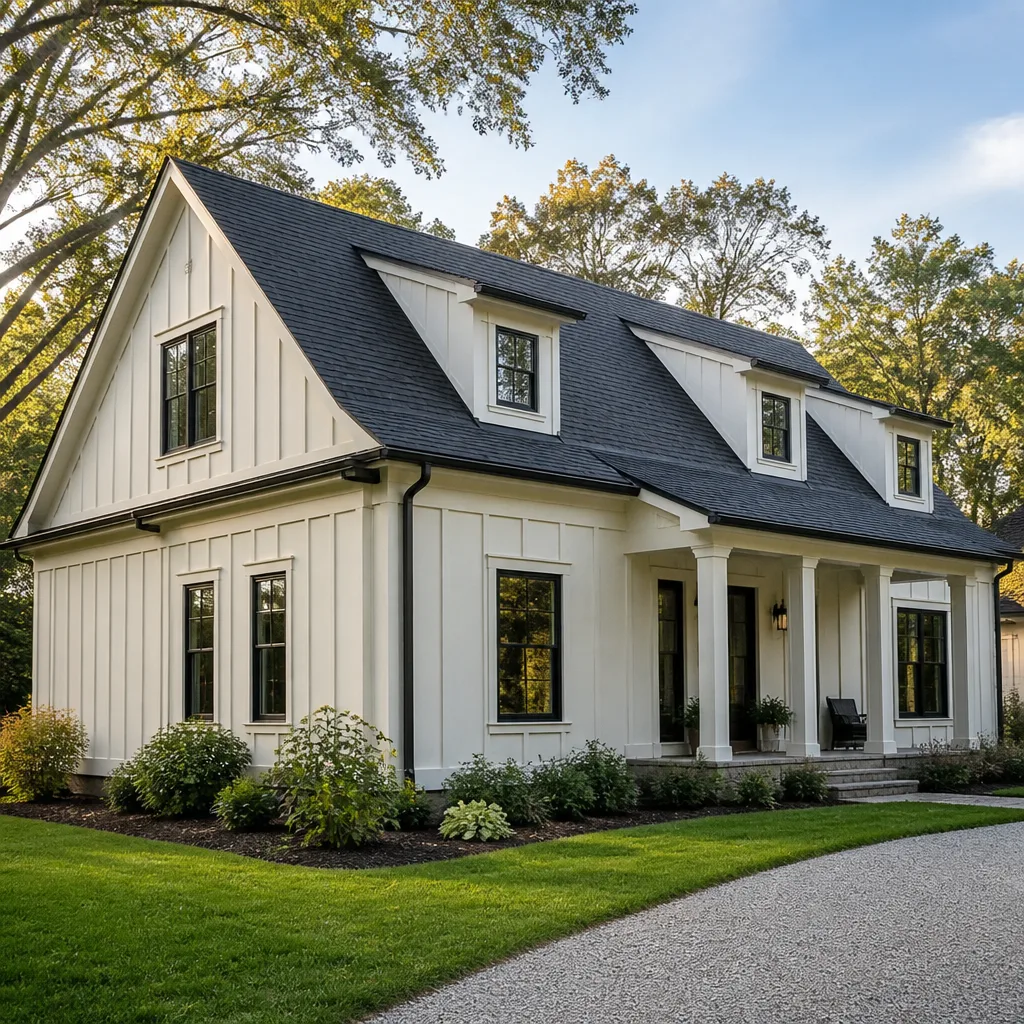
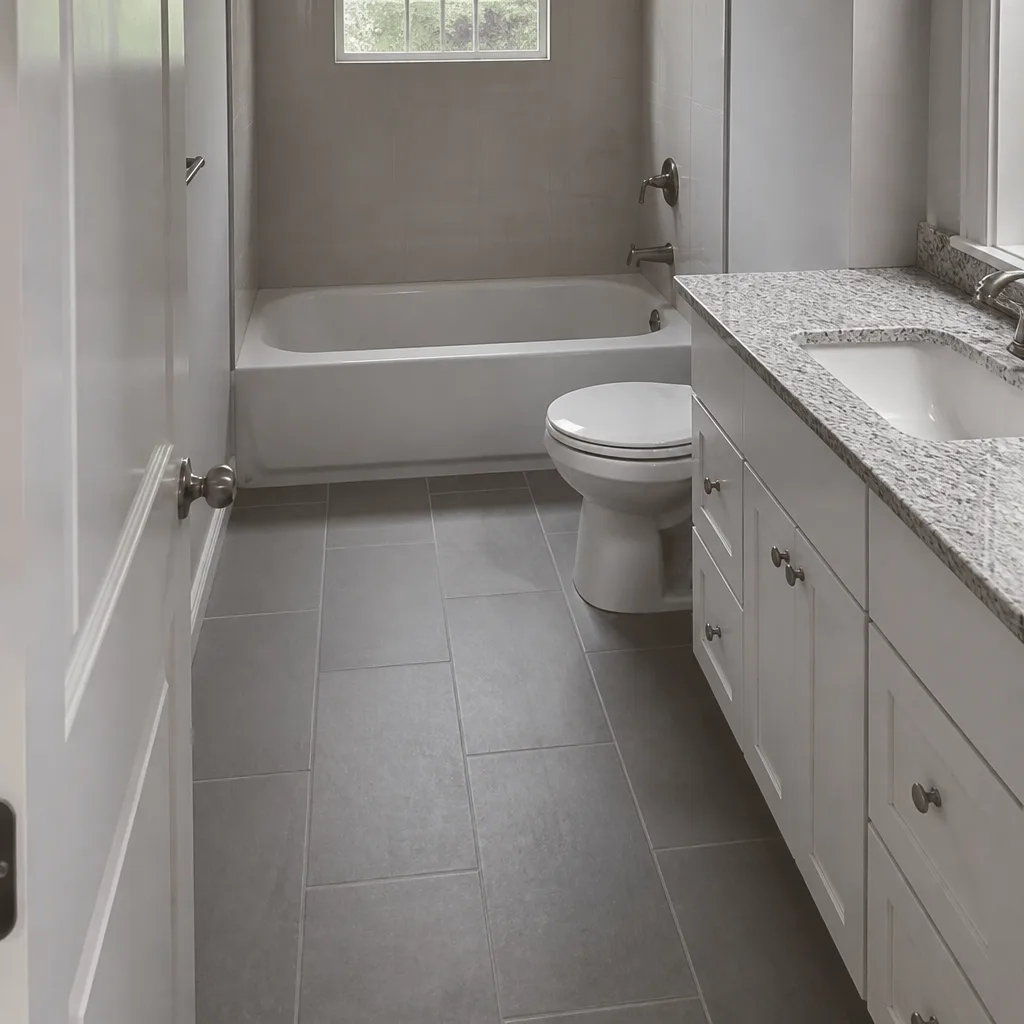
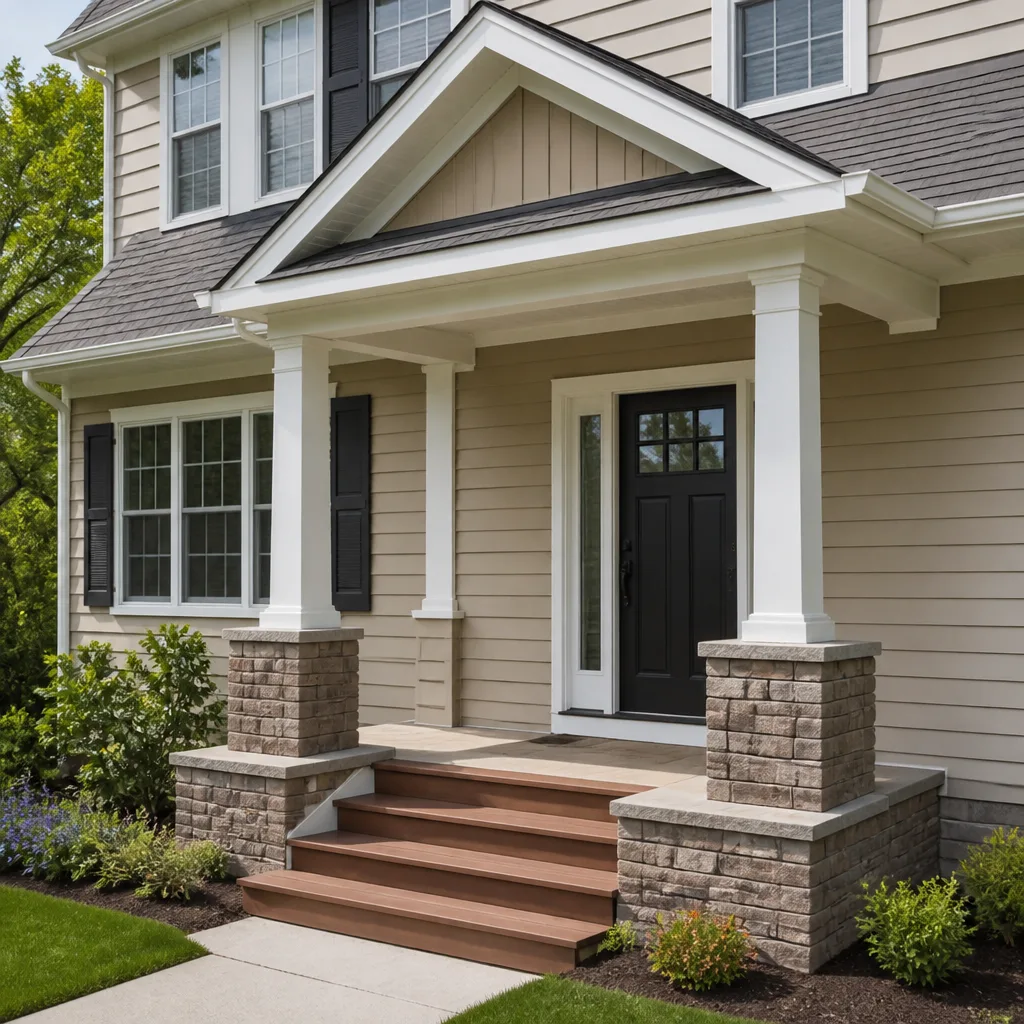
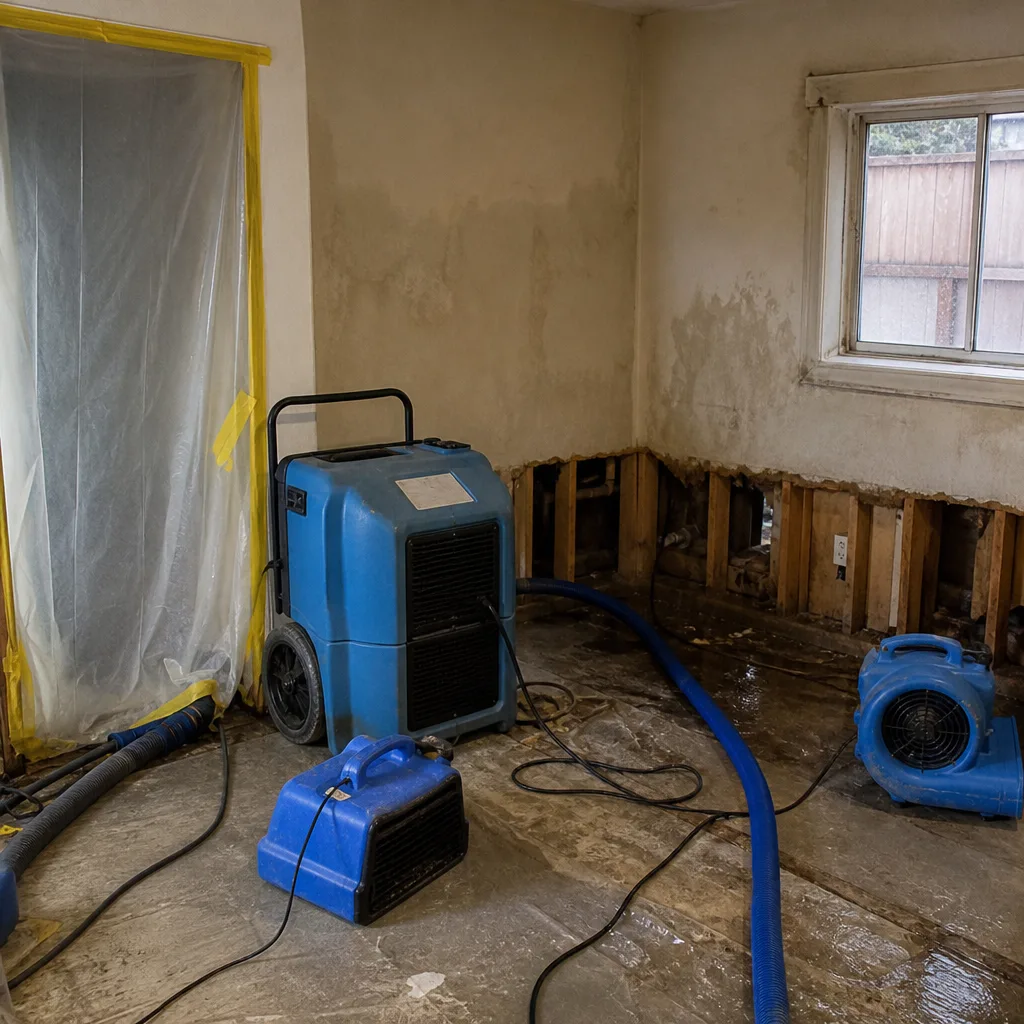 Before
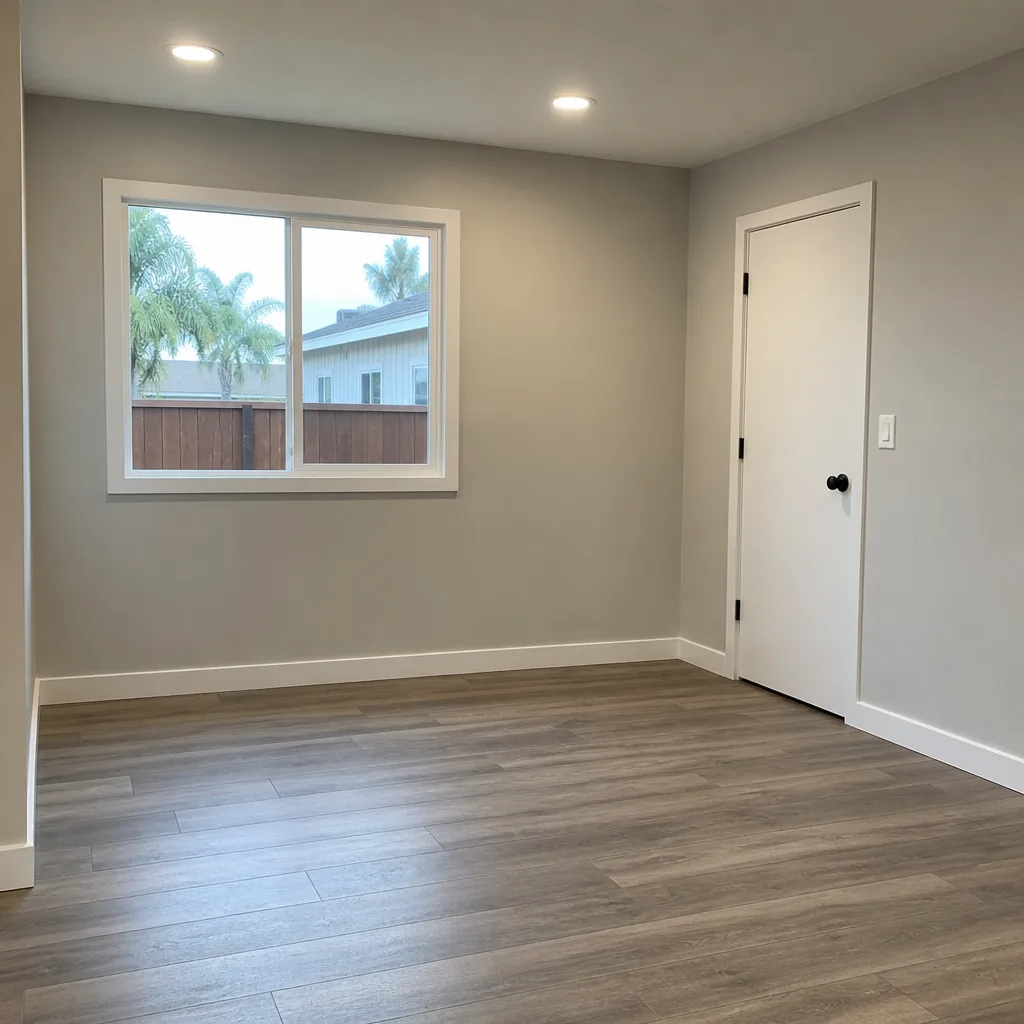 After
After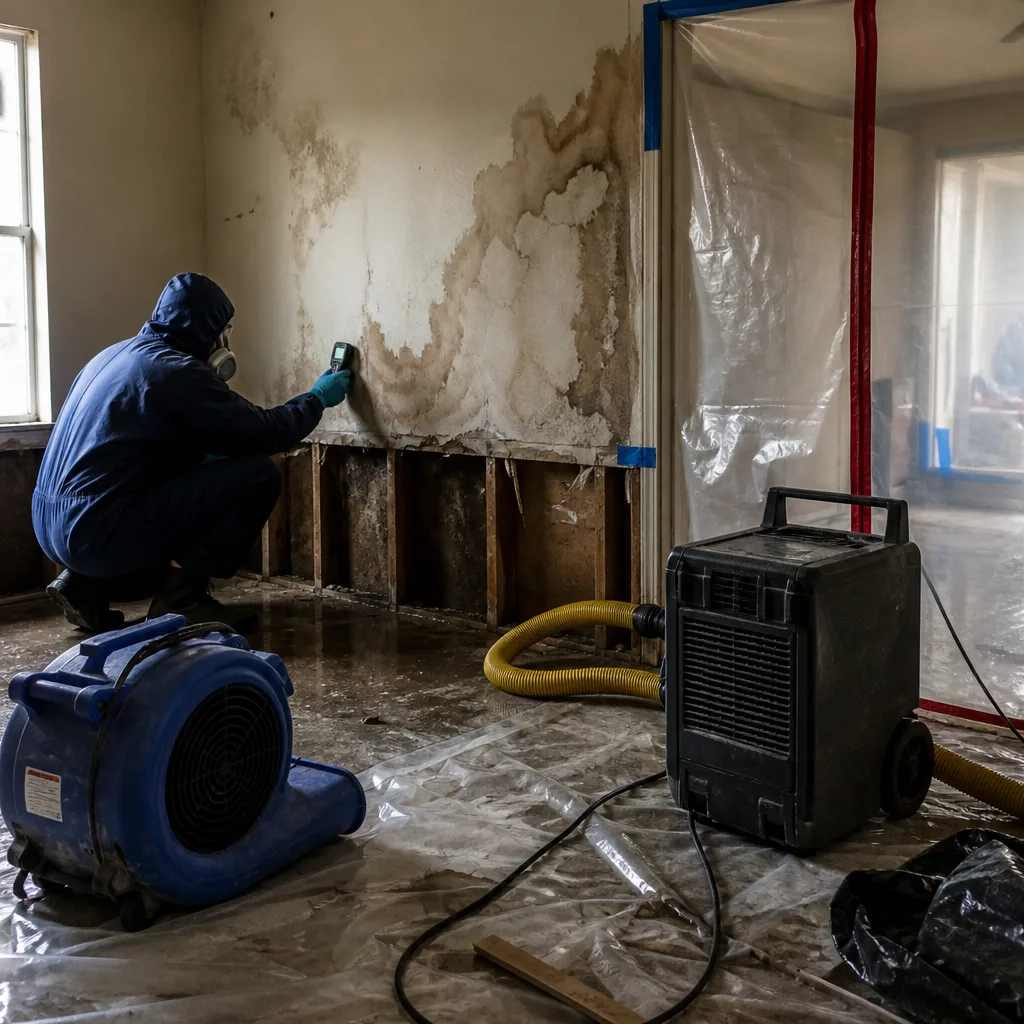 Before
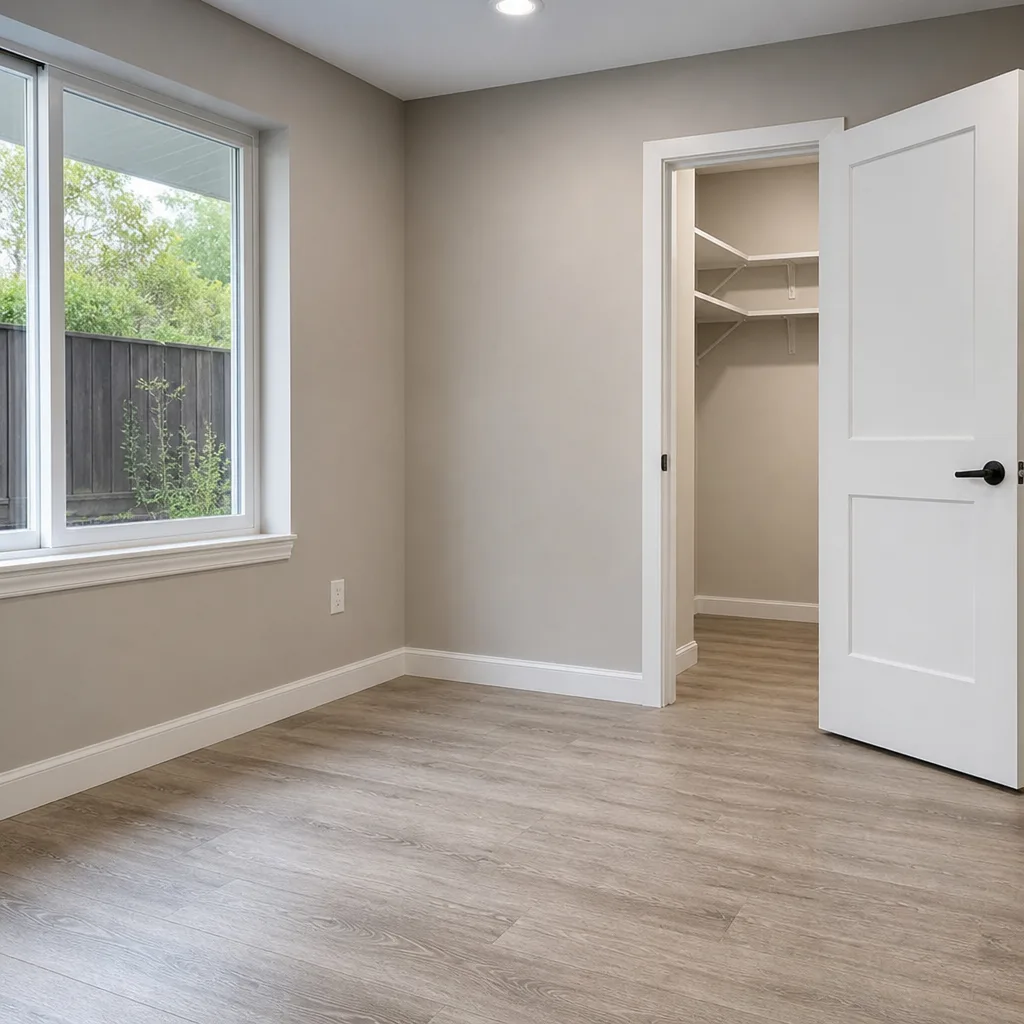 After
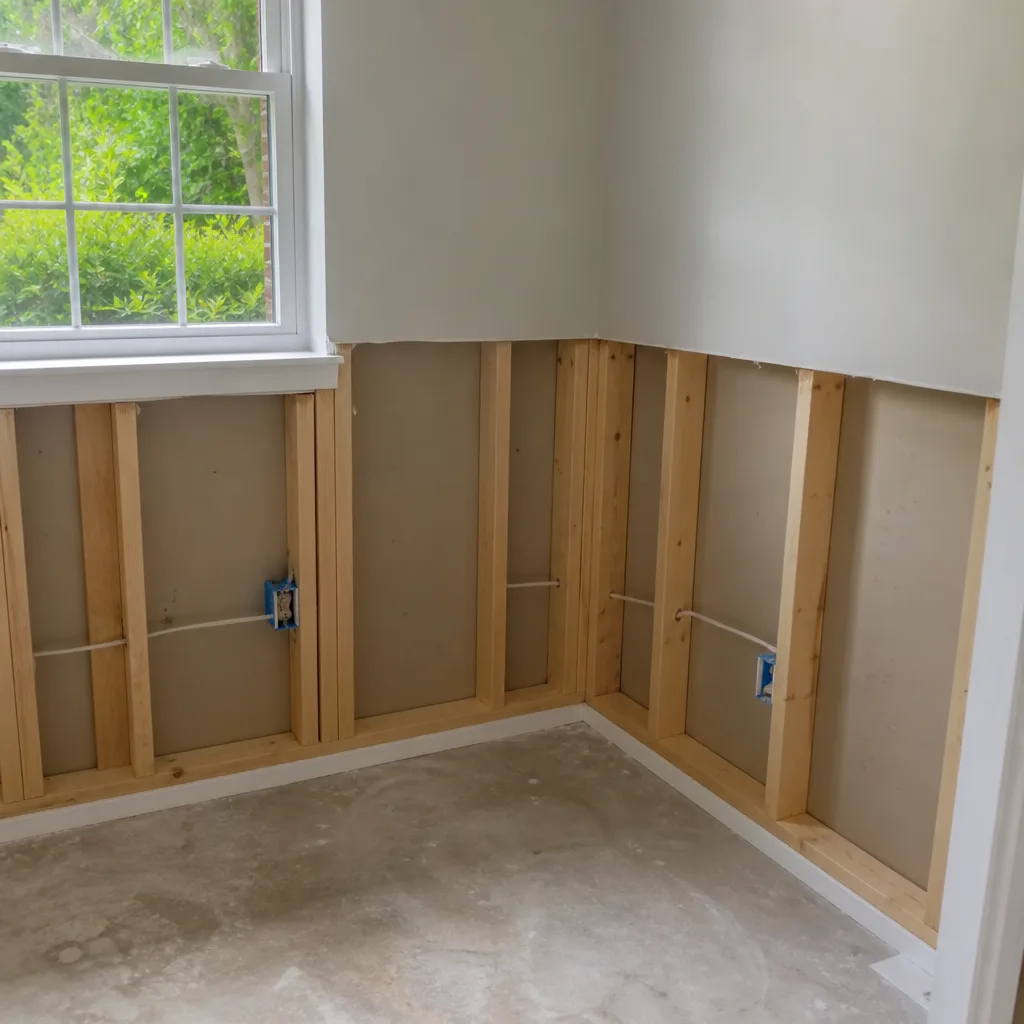
After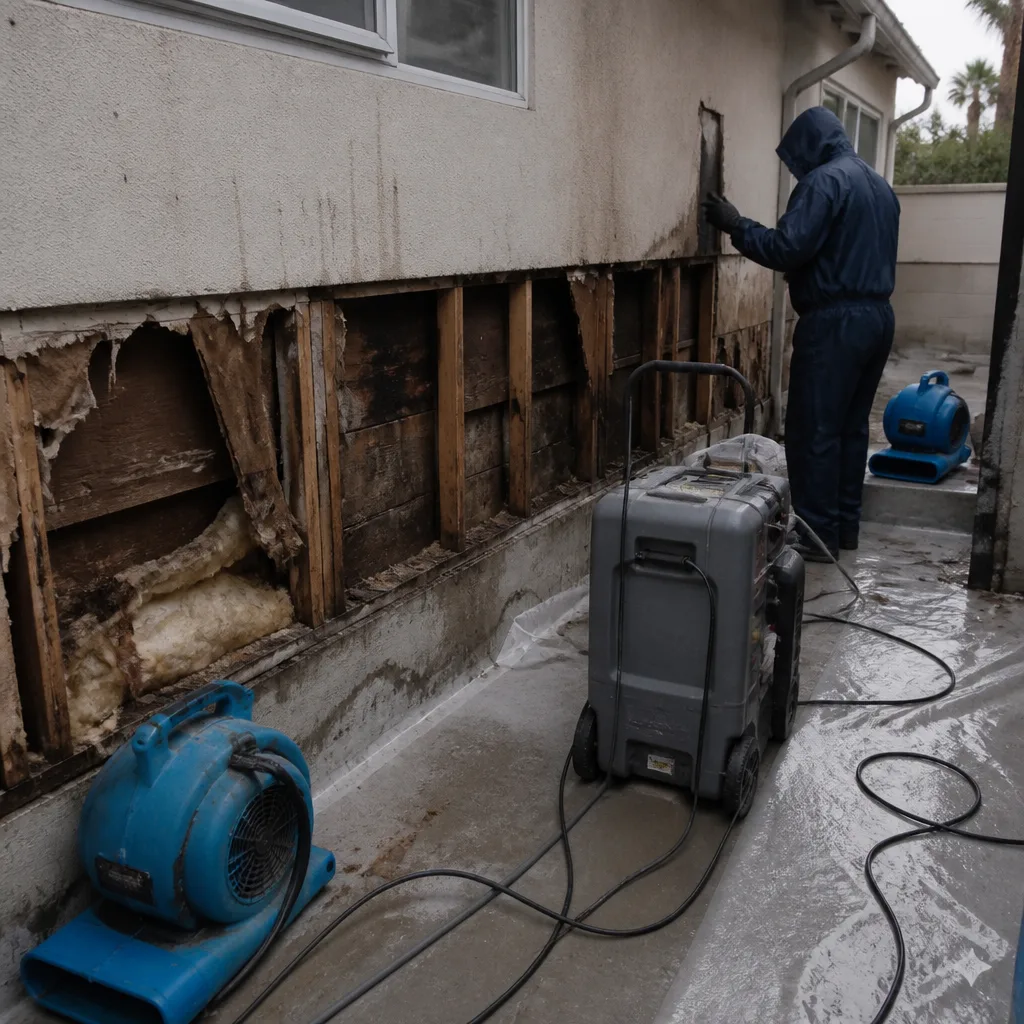 Before
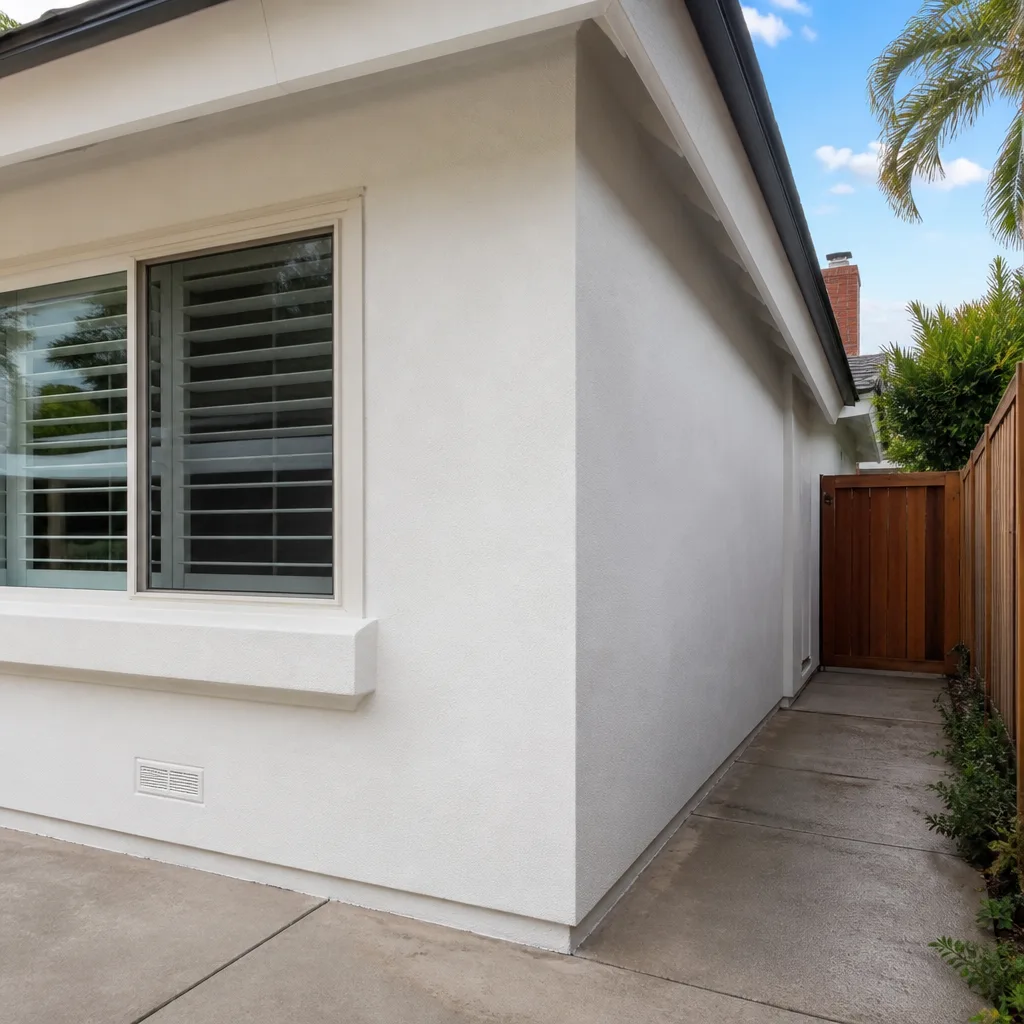 After
AfterTrusted Fire & Smoke Damage Restoration for San Diego Homeowners
If you’re wondering how much Fire & Smoke Damage Restoration costs, San Diego projects typically run $3,500-$18,000 depending on scope, with emergency board-up and stabilization available within 60-90 minutes of your call. Most residential fire restoration projects in San Diego County take 3-10 days for mitigation and 2-6 weeks for full reconstruction, with every job starting with a written price before any work begins. Since 2011, Back to Dry Restoration has restored more than 12,000 homes across Southern California, including hundreds in San Diego neighborhoods from Pacific Beach to Rancho Bernardo, with every project documented to IICRC standards and backed by our 365-Day Done Right Promise under The Haven Standard.
San Diego’s coastal climate creates specific challenges for fire damage recovery. Salt air accelerates corrosion on exposed metal framing and electrical components, while our mild winters mean homeowners often delay full restoration until moisture trapped behind charred drywall breeds secondary mold issues in spring. We’ve documented this pattern repeatedly in Clairemont and University City homes where partial cleanup led to $8,000-$14,000 in additional remediation six months later. Our crews arrive with thermal imaging cameras to locate hidden heat damage in wall cavities, moisture meters to detect secondary water intrusion from fire suppression, and written scopes that itemize every square foot of affected material. Call (619) 330-9541 - a live person answers, 24 hours a day, 7 days a week, with no voicemail trees.
What Our Fire & Smoke Damage Restoration Service Includes
Fire Damage Cleanup
Fire damage cleanup removes charred building materials, compromised insulation, and structural elements that have lost their load-bearing integrity after heat exposure. In San Diego, we see this most often after kitchen grease fires in older Mission Valley condos and electrical panel fires in 1970s-era Scripps Ranch homes with original aluminum wiring. Our crew sections off the work area with HEPA-filtered containment, removes damaged materials by trade name and classification (Type X gypsum, fiberglass batt insulation, OSB sheathing), and documents every item with photo evidence for your adjuster. The written scope specifies exactly what comes out, what stays, and what gets tested - no surprises once demolition begins.
Smoke & Soot Removal
Smoke and soot removal addresses the acidic residue that travels far beyond the fire’s origin, etching glass, corroding metal, and embedding into porous surfaces within hours. San Diego’s Santa Ana wind events can drive smoke through entire HVAC systems in single-story ranch homes from La Jolla to Del Mar, distributing acidic particulate into closets and behind baseboards the homeowner never sees. We use dry sponging for light soot, ultrasonic cleaning for non-porous contents, and chemical sponges for oil-based residues - each method chosen after testing the soot’s pH and composition. Every surface gets documented before and after treatment, with moisture readings taken to ensure cleaning solutions don’t introduce new water damage.
Odor Removal & Deodorization
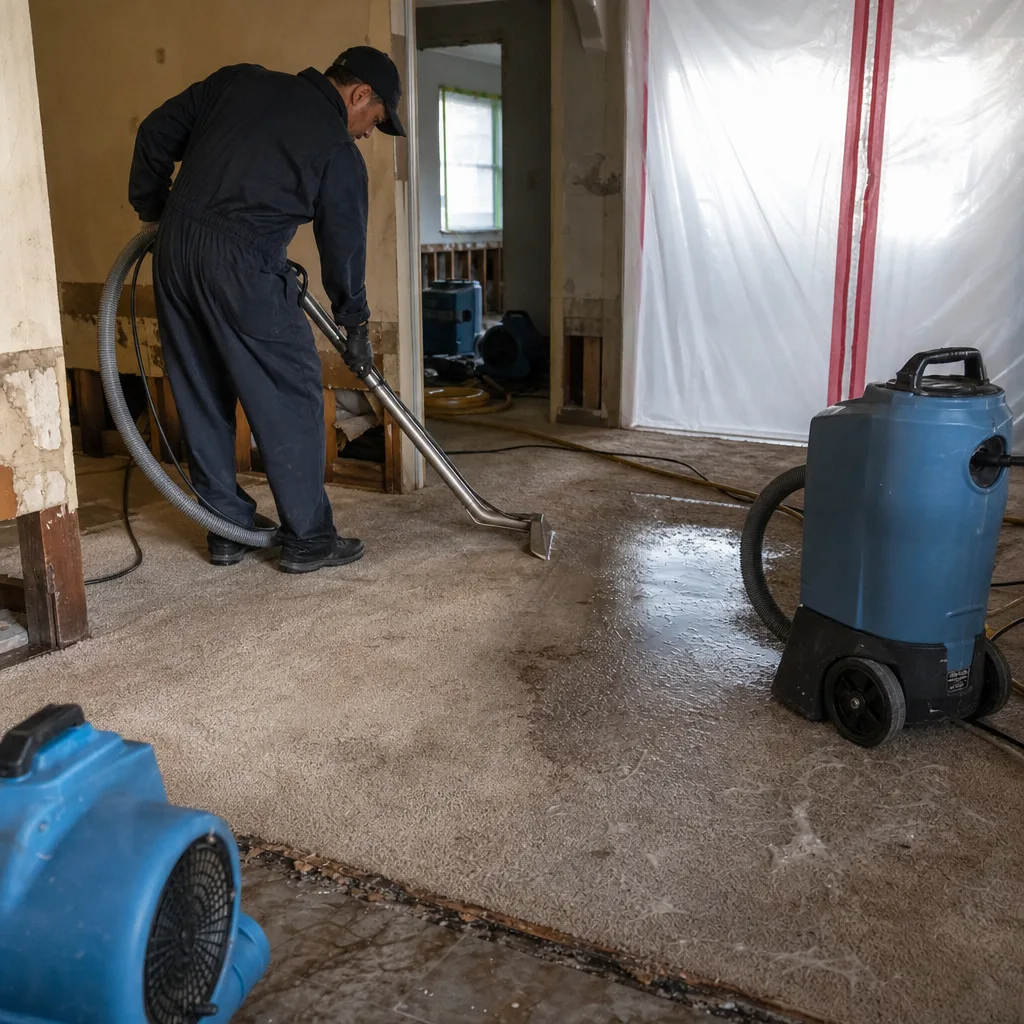
Odor removal and deodorization eliminates the volatile organic compounds that linger in porous materials after visible soot is gone, the source of that “something still smells wrong” complaint we hear three weeks after inadequate cleanups. Thermal fogging, ozone treatment, and hydroxyl generation each address different odor molecules; we select the method based on the fire’s fuel source (protein fires from kitchen grease respond poorly to ozone, for example). In San Diego’s humid coastal zones like Imperial Beach and Fire & Smoke Damage Restoration - Coronado homes, we often find odor trapped in crawl space soil and concrete slab edges where smoke settled during cooling. Our process includes sealing exposed framing with shellac-based primer when odor penetration exceeds salvageable levels, with that decision documented in your written scope.
Contents Cleaning & Pack-Out
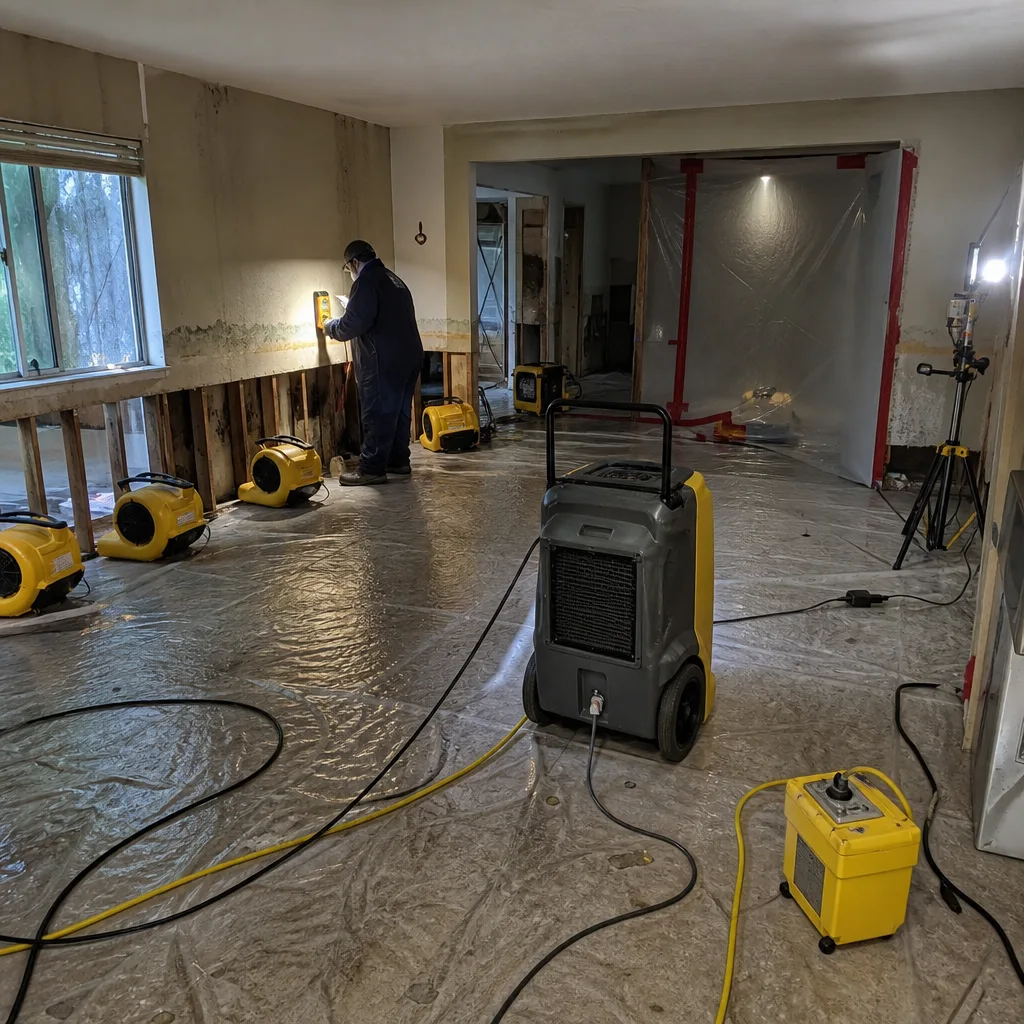
Contents cleaning and pack-out removes salvageable personal property from the affected structure for off-site restoration, protecting items from ongoing exposure while structural work proceeds. We inventory each item with photo documentation, classify it by restoration potential (salvageable, questionable, non-salvageable per IICRC criteria), and provide you and your adjuster with a written inventory before anything leaves the property. Our San Diego warehouse includes dedicated ultrasonic cleaning stations for electronics and soft contents, Esporta wash systems for textiles, and sealed storage vaults with climate control for items awaiting return. The Haven Standard requires that pack-out inventories include replacement cost estimates for every non-salvageable item, so your contents claim isn’t underpaid due to vague descriptions.
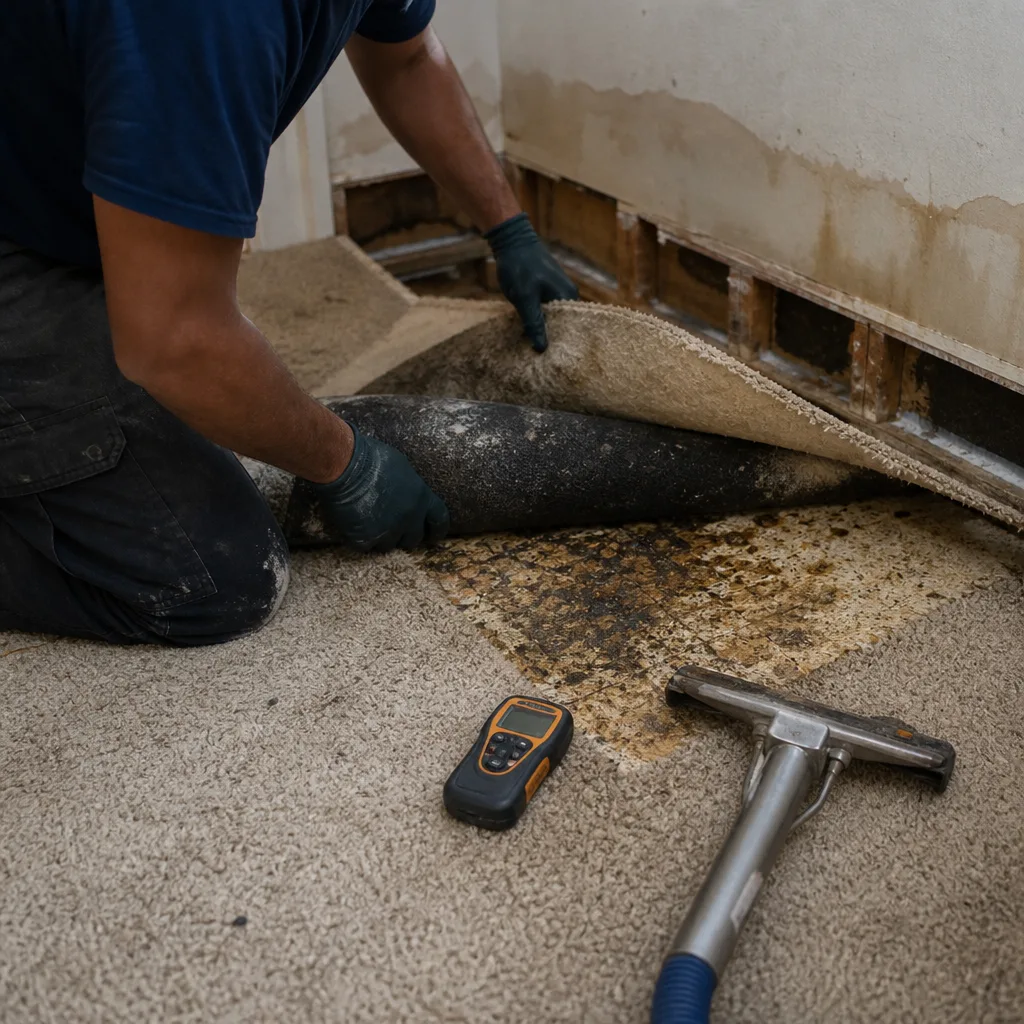
Emergency Board-Up & Tarping
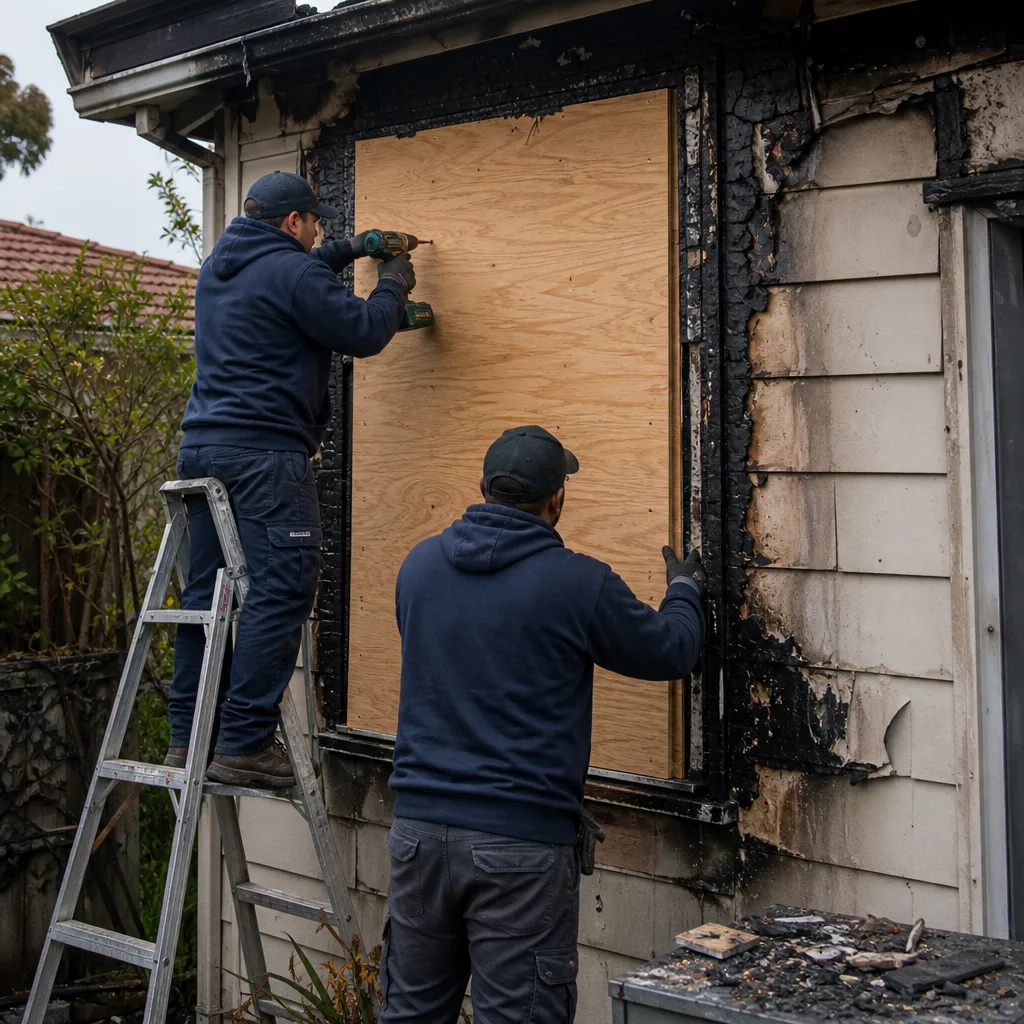
Emergency board-up and tarping secures the structure against weather intrusion, vandalism, and liability exposure in the critical hours after the fire department releases the property. We use 5/8-inch plywood for window and door openings, reinforced with 2×4 framing anchored to structural members - not the cosmetic screw-into-siding approach that fails in the first windstorm. For roof damage, we deploy reinforced polyethylene tarps with 2×4 battens fastened to rafters, not shingles, so the temporary protection doesn’t create new leaks. In San Diego’s canyon-fire zones like Scripps Ranch and Rancho Bernardo, we’ve boarded homes at 2:00 a.m. while embers were still active in adjacent brush; our crews carry pre-cut plywood inventory for standard opening sizes to speed deployment.
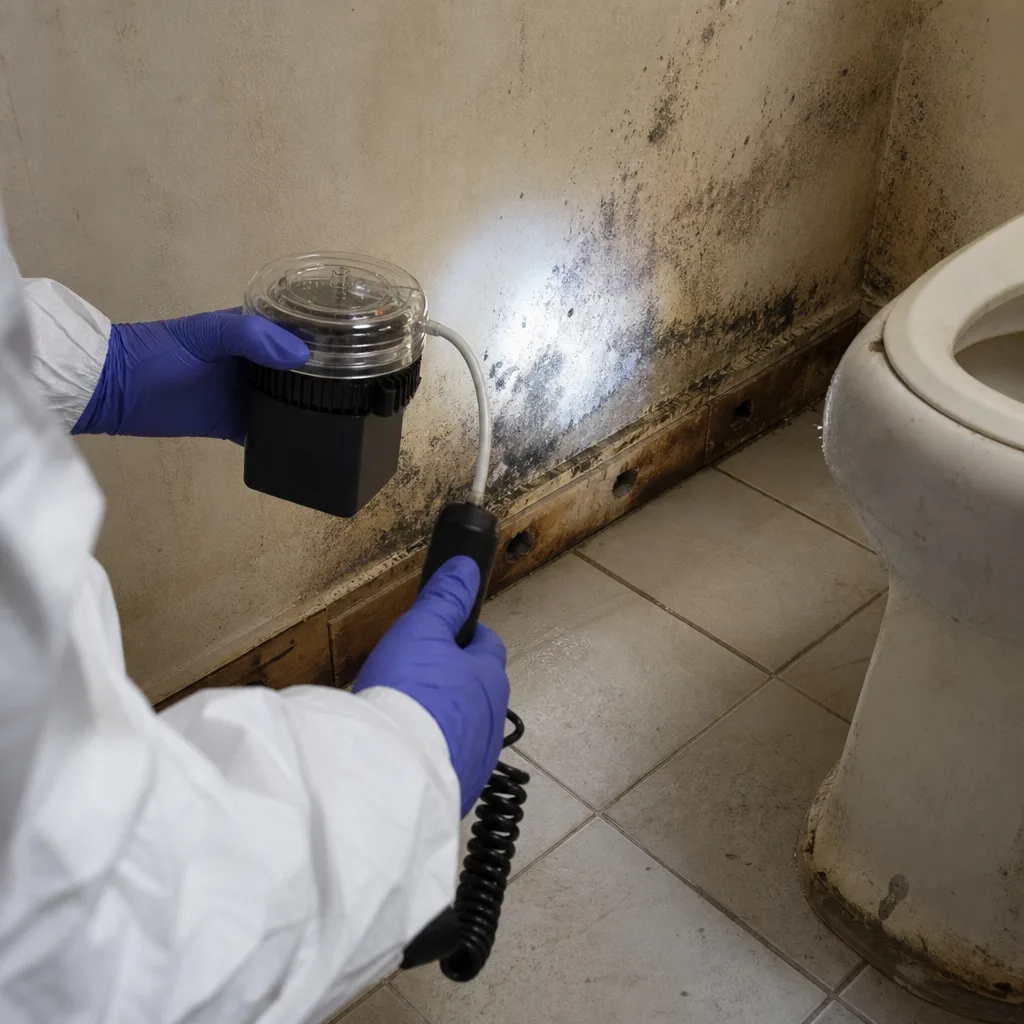
Structural Fire Repair
Structural fire repair rebuilds load-bearing elements, floor systems, and roof assemblies that heat has compromised, following engineered repair plans when required by San Diego County building officials. We don’t guess at structural integrity: our assessment includes moisture content readings of charred timbers (anything above 16% requires extended drying or replacement), visual inspection of truss plate connections for heat deformation, and referral to a structural engineer for any member showing more than 1/4-inch char depth. Reconstruction work is scoped, scheduled, and priced in writing like a remodel - not dispatched as emergency service - with permits pulled through the City of San Diego Development Services Department or relevant municipal authority. Your written scope specifies material grades, fastening schedules, and inspection milestones; no work proceeds without your signed authorization.
What happens when you call
- 1
A real person answersNo phone trees - you reach a local pro.
- 2
You get an upfront price rangeHonest numbers before anyone is dispatched.
- 3
A background-checked tech heads outLicensed & insured, dispatched right away.
- 4
You approve before work beginsNothing starts until you say go.
Brands We Service for Fire & Smoke Damage Restoration
We restore fire-damaged homes built with materials and systems from every major manufacturer serving the San Diego market. For HVAC systems, we’ve serviced hundreds of Carrier, Trane, and Lennox units where smoke infiltration required duct cleaning or full replacement; we stock compatible flex duct and register boots to restore airflow balance without extended lead times. For electrical panels, we regularly replace fire-damaged Square D, Siemens, and Eaton load centers, with our electricians licensed to pull permits and coordinate inspections with San Diego Gas & Electric for reconnection. Our contents cleaning operation handles furniture from Restoration Hardware, Room & Board, and Ethan Allen with cleaning protocols matched to each manufacturer’s finish specifications - lacquer, conversion varnish, and oil-rubbed surfaces each require different approaches.
Whether your San Diego home has Andersen windows with smoke-etched glass, Kohler fixtures with soot-damaged chrome, or a Sub-Zero refrigerator that survived the fire but needs ozone deodorization, we document the manufacturer’s specifications and warranty requirements before beginning any restoration work. Our documentation package includes manufacturer data sheets for all replacement materials, so your adjuster’s depreciation calculations start from accurate replacement cost figures. If you have a brand not mentioned here - or a custom-built system unique to your property - we research its restoration requirements before the written scope is finalized. Haven Standard, Clause 1: written price before work begins, with no scope-creep additions once the crew is inside.
BeforeAfterSigns You Need Fire & Smoke Damage Restoration Right Now
- Visible soot staining on walls or ceilings appears as black or brown discoloration that spreads in irregular patterns following air currents, often reaching rooms far from the fire’s origin. This residue is acidic and begins etching painted surfaces within 24-72 hours; in San Diego’s sunny climate, UV exposure accelerates the chemical reaction, making stains permanent on surfaces that could have been saved with prompt cleaning.
- Persistent smoke odor that returns after airing out indicates that odor molecules have penetrated porous materials - drywall, insulation, unfinished wood, carpet padding - where surface cleaning can’t reach. We’ve traced “mystery odors” in Point Loma homes to smoke-impacted crawl space soil and in Carmel Valley properties to HVAC duct lining that absorbed odor during the fire event.
- Corroded metal fixtures or tarnished jewelry shows that acidic soot is active in the environment, attacking ferrous and non-ferrous metals at different rates. Chrome bathroom fixtures may show pitting within a week; sterling silver tarnishes overnight. This corrosion continues until the acidic residue is fully removed, and it signals that electrical contacts and HVAC components are deteriorating invisibly inside walls.
- Water staining or buckling materials below the fire location reveals secondary damage from fire suppression - sprinkler activation, hose streams, or automatic extinguisher discharge - that compounds the fire damage with moisture intrusion. In multi-story San Diego condos and townhomes, we regularly find water-damaged drywall and saturated insulation in units below the fire floor, sometimes with mold growth beginning within 48-72 hours in our coastal climate.
- Cracked or crazed window glass results from thermal shock during the fire event and indicates that temperatures exceeded 500°F in that area, a threshold where structural materials may have experienced hidden damage. Even if the glass hasn’t failed completely, the thermal history it records suggests that adjacent framing, sheathing, and insulation require inspection beyond visible char assessment.
Our Fire & Smoke Damage Restoration Process - Step by Step
- 1
Emergency response and site stabilization. We arrive within 60-90 minutes in San Diego proper, sooner in adjacent communities like La Mesa and National City. The crew secures utilities, deploys emergency board-up and tarping as needed, and establishes HEPA-filtered containment zones to prevent cross-contamination. You receive a photo record of the initial condition before any work begins, and a live dispatcher remains available by phone throughout the project.
- 2
Damage assessment and documentation. Our project manager conducts a room-by-room inspection using thermal imaging to locate hidden heat damage, moisture meters to identify fire suppression water intrusion, and borescopes to examine wall cavities where smoke traveled. We test soot samples for pH and composition to determine appropriate cleaning chemistry, and we document all findings with dated photos and written notes. This assessment produces the written scope and price that Haven Standard, Clause 1 requires before any restoration work starts.
- 3
Contents inventory and pack-out. Salvageable items are inventoried, photographed, and packed with protective materials for transport to our climate-controlled facility. Non-salvageable items are documented with replacement cost research from comparable retail sources, not depreciated guesses. You receive a copy of the complete inventory within 48 hours, and your adjuster receives the same documentation in the format their claim system requires.
- 4
Structural cleaning, deodorization, and drying. We execute the written scope methodically: demolition of unsalvageable materials, soot removal with chemistry matched to residue type, odor treatment with equipment selected for the specific odor molecules present, and structural drying with psychrometric data logged daily. Moisture readings, equipment placement maps, and progress photos are updated on every visit, building the documentation that turns your restoration invoice into a payable claim.
- 5
Reconstruction, final inspection, and warranty delivery. Structural repair work is scheduled after mitigation completion, with permits pulled and inspections coordinated by our team. Upon completion, we conduct a walkthrough with you, deliver the final photo documentation package, and provide the signed 365-Day Done Right Promise under The Haven Standard. If anything isn’t right, we make it right - in writing, not as a verbal assurance.
How Much Does Fire & Smoke Damage Restoration Cost in San Diego?
Fire and smoke damage restoration in San Diego follows predictable cost ranges based on the fire’s scope and the materials involved. A contained kitchen grease fire with limited smoke travel typically runs $3,500-$7,500 for cleanup, deodorization, and minor reconstruction. Moderate damage affecting multiple rooms with significant soot distribution and contents cleaning usually falls between $8,000-$15,000. Major structural fires requiring extensive demolition, engineered repairs, and full reconstruction commonly range from $15,000-$45,000 or more, depending on square footage and finish quality.
| Service Category | Typical San Diego Range | What Drives the Price |
|---|---|---|
| Emergency board-up and tarping | $800-$2,500 | Number of openings, roof access difficulty, after-hours mobilization |
| Smoke and soot removal (per affected room) | $1,200-$3,500 | Soot type (dry vs. protein vs. oil-based), surface porosity, ceiling height |
| Odor removal and deodorization | $1,500-$5,000 | Treatment method (thermal fog, ozone, hydroxyl), HVAC system involvement, crawl space access |
| Contents pack-out and cleaning | $2,000-$8,000 | Volume of items, specialty cleaning requirements (electronics, textiles, art), storage duration |
| Structural demolition and disposal | $3,000-$10,000 | Material type, hazardous material testing (lead, asbestos in pre-1978 homes), disposal fees |
| Structural repair and reconstruction | $8,000-$35,000+ | Engineered repair requirements, permit complexity, finish materials matching existing |
Several factors specific to San Diego affect these ranges. Homes in older neighborhoods like North Park, South Park, and Golden Hill often contain asbestos-containing materials or lead-based paint that require abatement contractors and extended timelines, adding $2,000-$6,000 to demolition costs. Coastal properties in Del Mar, Encinitas, and Coronado face salt-air corrosion that accelerates damage to exposed metal components, while those needing our Fire & Smoke Damage Restoration in National City and nearby inland areas sometimes salvage electrical panels or HVAC equipment that coastal fires require replacing. Multi-story buildings and hillside homes with limited access increase labor costs for material handling and debris removal.
How to avoid overpaying: demand a written scope that itemizes labor, materials, and equipment separately rather than lump-sum pricing; verify that your contractor carries general liability and workers compensation insurance with certificates available on request; and get a second opinion on any estimate that seems vague or substantially higher than these ranges. Back to Dry provides free second opinions on any competitor’s written estimate - bring us their scope and we’ll review it at no charge, identifying missing items or inflated line items we’ve seen in hundreds of San Diego claims. Every estimate we provide is written, detailed, and fixed before work begins: Haven Standard, Clause 1.
Fire & Smoke Damage Restoration Near San Diego - Our Service Area
Back to Dry Restoration responds to fire and smoke damage throughout San Diego County with crews positioned for 60-90-minute arrival in central San Diego, La Mesa, Santee, El Cajon, National City, and Chula Vista. Response to outlying communities including Spring Valley, Coronado, Bonita, Del Mar, Poway, and Lakeside typically runs 90-120 minutes depending on traffic and bridge access. We maintain relationships with building departments in each jurisdiction to expedite permit processing, and our documentation meets the specific requirements of adjusters serving each market. For homeowners in La Mesa and Santee, we offer the same written-price guarantee and 365-Day Done Right Promise that applies in central San Diego. If your property is outside these areas, call (619) 330-9541 to confirm coverage and response time.
Serving San Diego, CA - Our Local Coverage Area
We’re based in the San Diego area and know this community well. Use the map below to see our service coverage - if you’re nearby, we can almost certainly help.
Frequently Asked Questions - Fire & Smoke Damage Restoration in San Diego
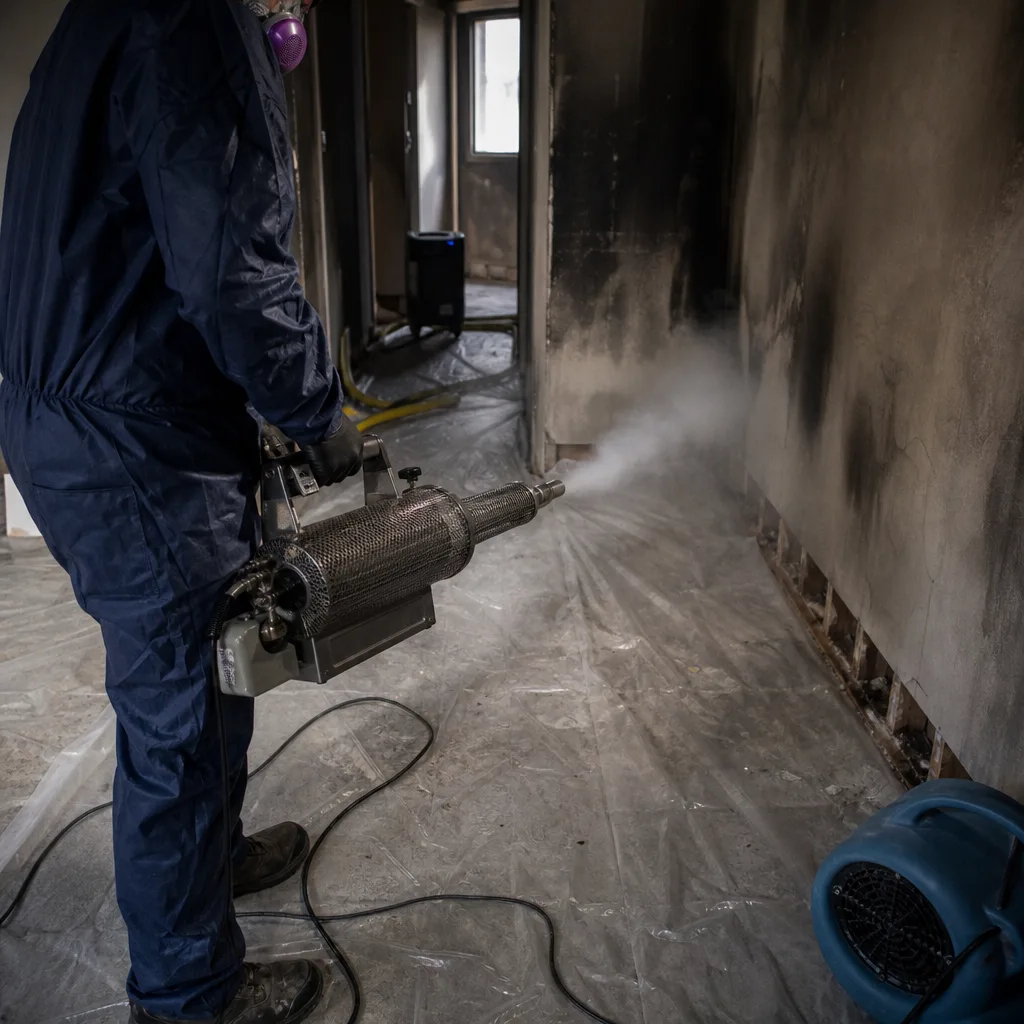
Fire and smoke damage restoration is the professional process of cleaning, deodorizing, repairing, and reconstructing a property after fire, smoke, or soot damage, with documentation that supports insurance claim payment. It includes emergency stabilization, assessment of structural and contents damage, removal of unsalvageable materials, treatment of affected surfaces and air spaces, and rebuilding to pre-loss condition. Back to Dry performs every phase with IICRC-documented methods and delivers a written scope, daily photo records, and a signed 365-Day Done Right Promise under The Haven Standard.
Most residential fire restoration projects in San Diego take 3-10 days for the mitigation phase (cleanup, deodorization, drying) and 2-6 weeks for structural reconstruction, depending on permit timelines and material availability. Kitchen fires with limited smoke travel may complete mitigation in 2-4 days; whole-house fires requiring engineered structural repairs can extend to 8-12 weeks. We provide a written schedule with your scope, updated if inspections or material deliveries cause changes - no open-ended timelines. Call (619) 330-9541 for a project-specific estimate.
Typical residential fire restoration in San Diego ranges from $3,500 for contained, single-room fires to $45,000 or more for major structural damage, with most projects falling between $8,000-$18,000. The final price depends on square footage affected, soot type and distribution, structural damage extent, contents cleaning volume, and whether hazardous materials require abatement. Back to Dry delivers a written, itemized price before any work begins - Haven Standard, Clause 1 - with no additions once the crew is inside; call (619) 330-9541 for your specific estimate.
Yes, we regularly restore fire-damaged homes with custom finishes, imported materials, and designer fixtures throughout San Diego’s premium markets including Rancho Santa Fe, Del Mar, and La Jolla. Our documentation includes manufacturer specifications, finish samples for adjuster review, and replacement cost research from comparable sources - not generic depreciation tables. We coordinate with specialty subcontractors for plaster, stone, and custom millwork restoration when standard trade skills don’t match the original craftsmanship. Your written scope specifies exactly how each finish will be matched or restored.
Yes, our emergency lines are answered by a live person 24 hours a day, 7 days a week - no voicemail trees, no next-business-day callbacks while your home remains exposed to weather and vandalism. Emergency board-up and stabilization typically arrives within 60-90 minutes in San Diego proper, with crews carrying pre-cut plywood, reinforced tarps, and HEPA containment materials. The dispatcher gathers essential information, confirms your insurance carrier if applicable, and mobilizes the nearest available crew immediately.
Every fire and smoke damage restoration project is covered by our 365-Day Done Right Promise under The Haven Standard: if any aspect of our work isn’t done right, we make it right at no additional cost. This is a written, signed guarantee - not a marketing line - and it covers both our labor and the materials we install. Warranty claims are handled directly with Alicia Brennan’s office, not routed through a call center, and response is within 24 hours of notification.
Ensure the fire department has released the property for entry, secure or remove any pets, and gather your insurance policy and claim number if you’ve initiated a claim. Don’t attempt to clean or disturb damaged areas - improper cleaning can set soot stains permanently and complicate insurance documentation. Our crew brings everything needed for emergency stabilization and initial assessment; your only preparation is ensuring safe access and having any relevant property information available. We’ll handle documentation, photography, and adjuster coordination from that point forward.
Schedule Your Fire & Smoke Damage Restoration Service in San Diego Today
Fire damage doesn’t wait, and neither should your restoration. Call (619) 330-9541 now - a live person answers, 24 hours a day, 7 days a week - to schedule your free assessment and written estimate. Every project starts with Haven Standard, Clause 1: a detailed, itemized price before any work begins, backed by documented photo records and our 365-Day Done Right Promise. Bring us a competitor’s written estimate and we’ll provide a free second opinion at no charge. Back to Dry Restoration has served San Diego homeowners since 2011 with the documentation-first approach that turns restoration invoices into paid claims.
Written by Alicia Brennan, Owner at Back to Dry Restoration, serving San Diego since 2011.