
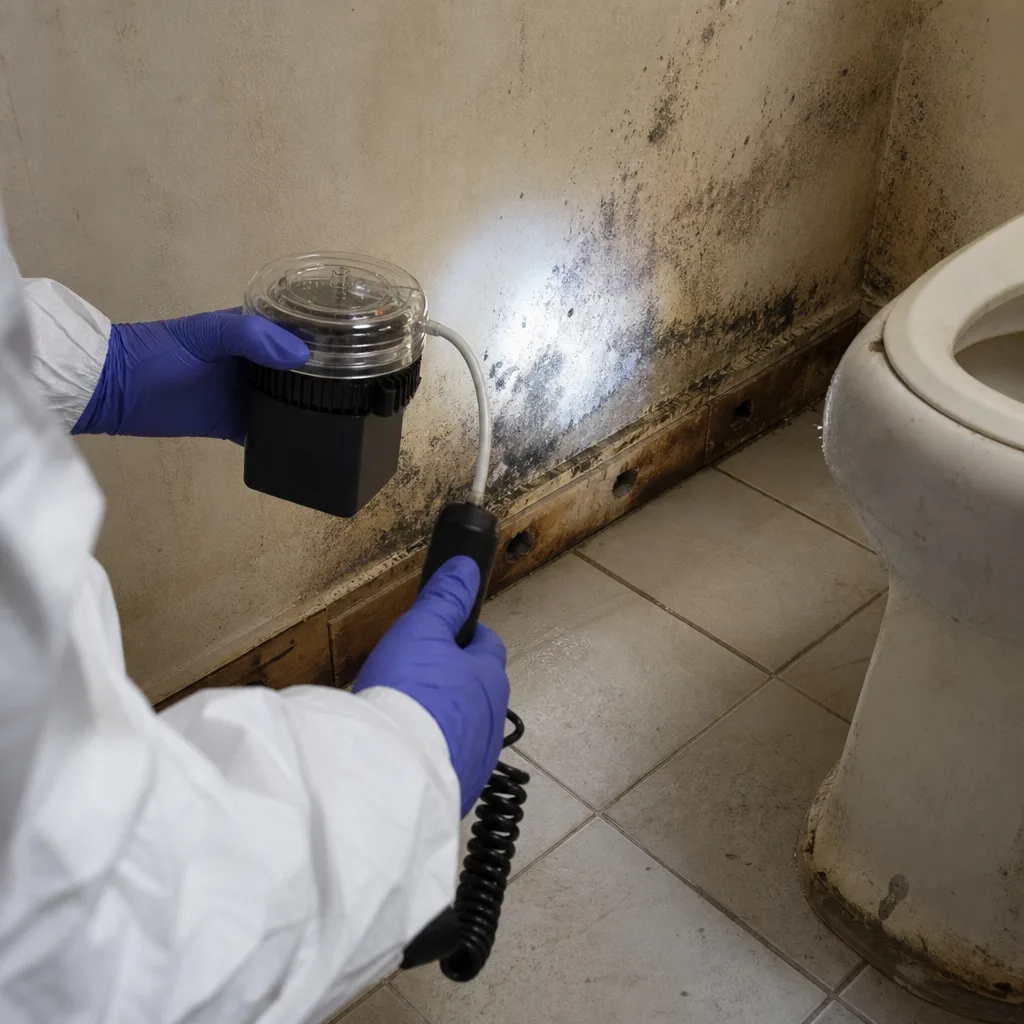
Free visual inspection and a written scope of work before any mitigation begins - photos, moisture readings, and drying logs go in your claim file
The scope we write is the scope we bill. Anything new gets shown to you, in writing, before we touch it.

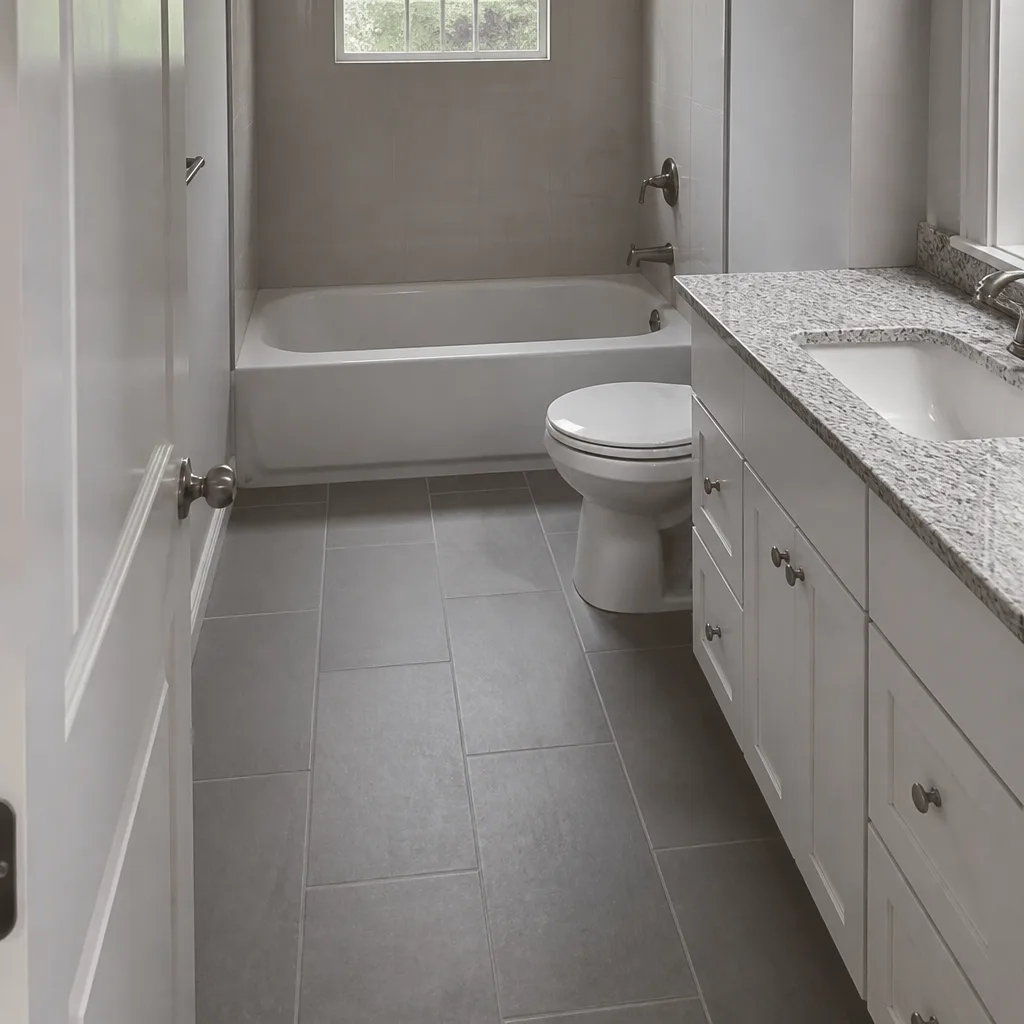
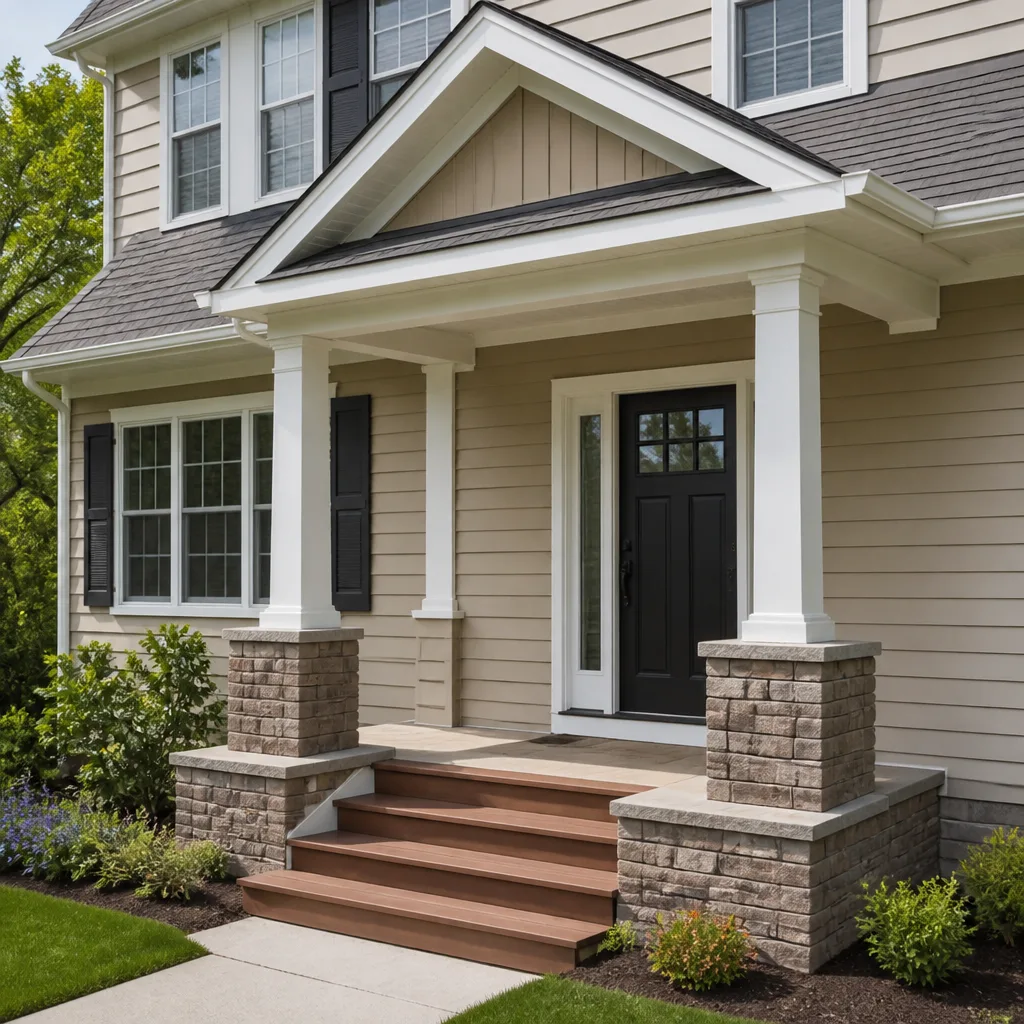
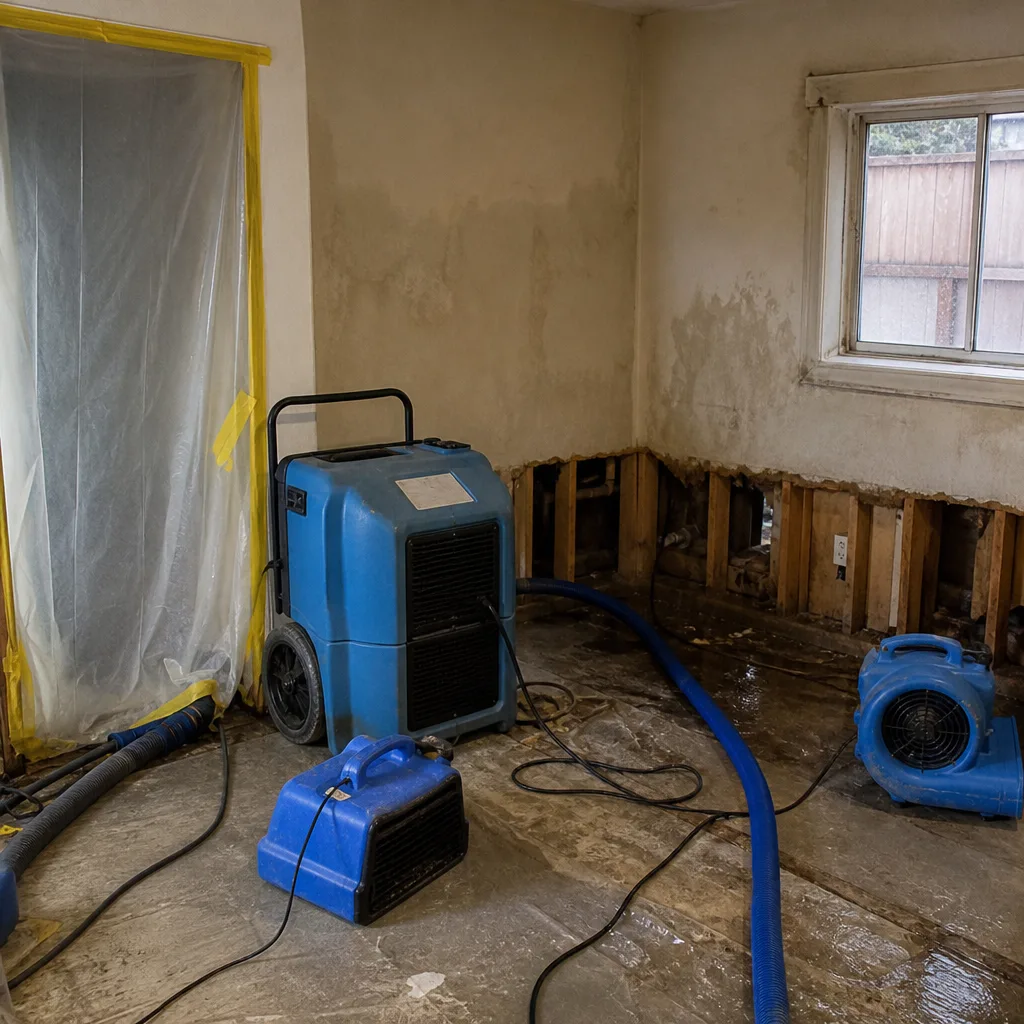 Before
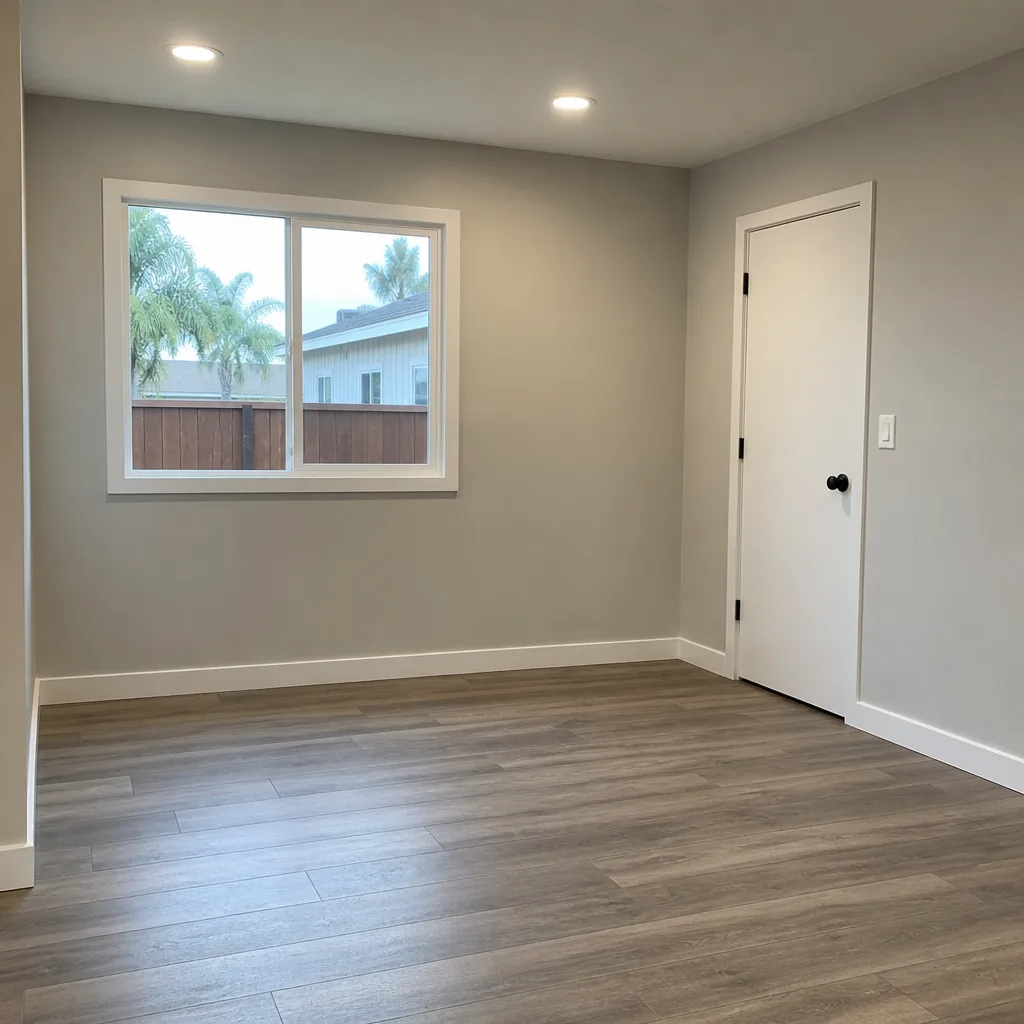 After
After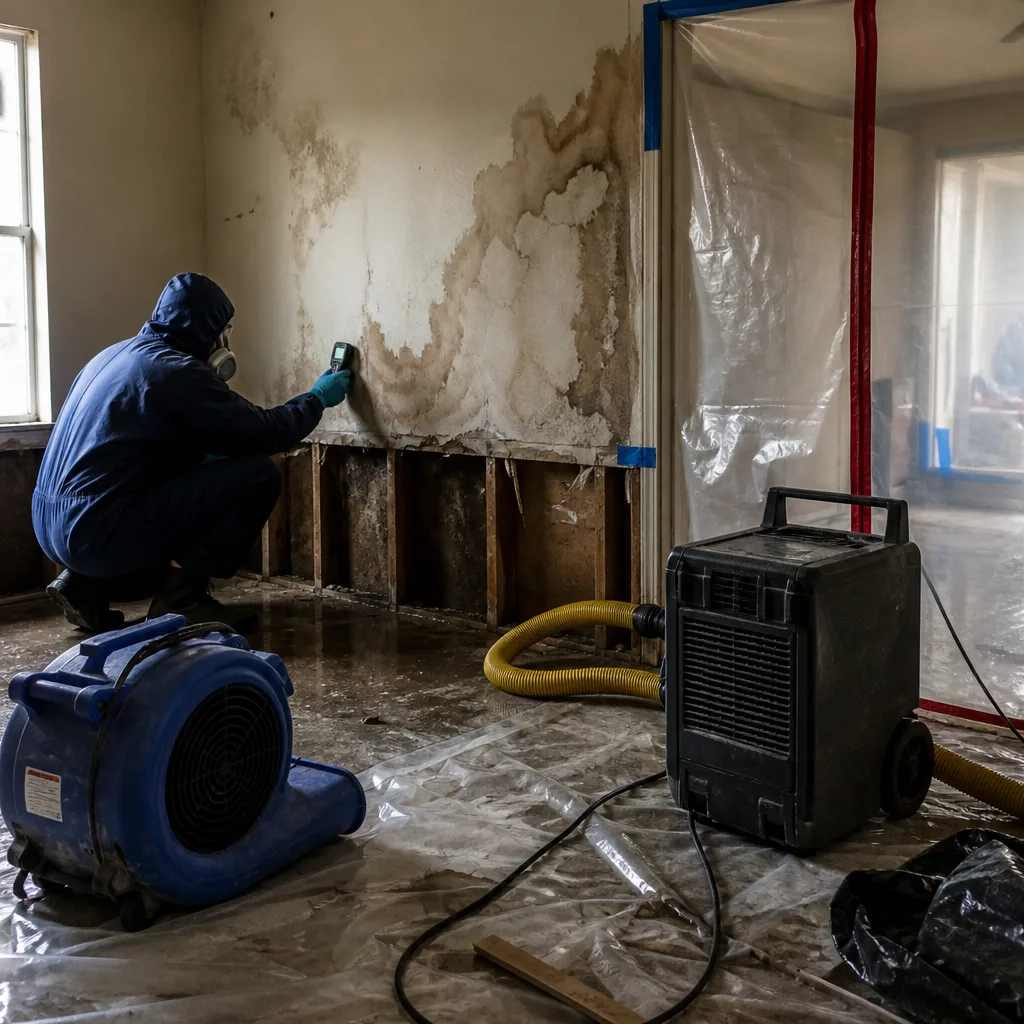 Before
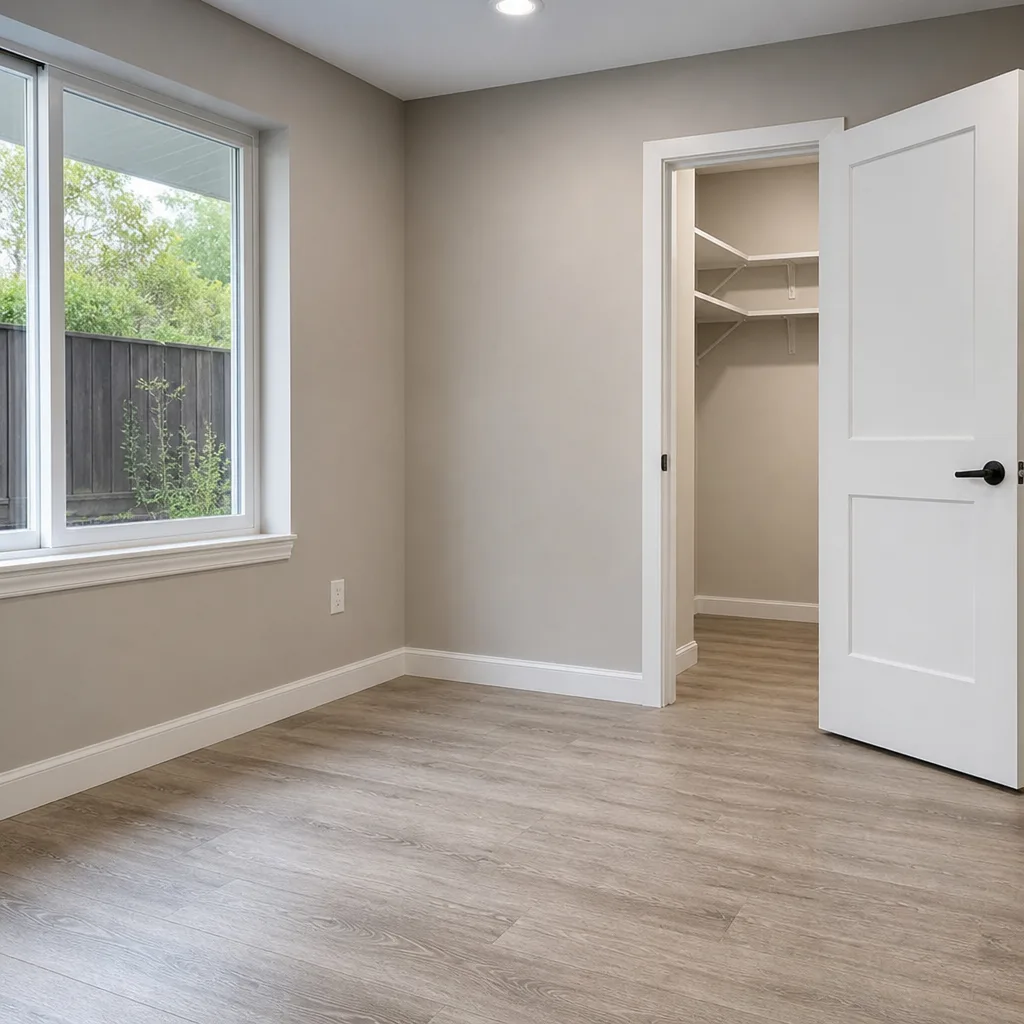 After
After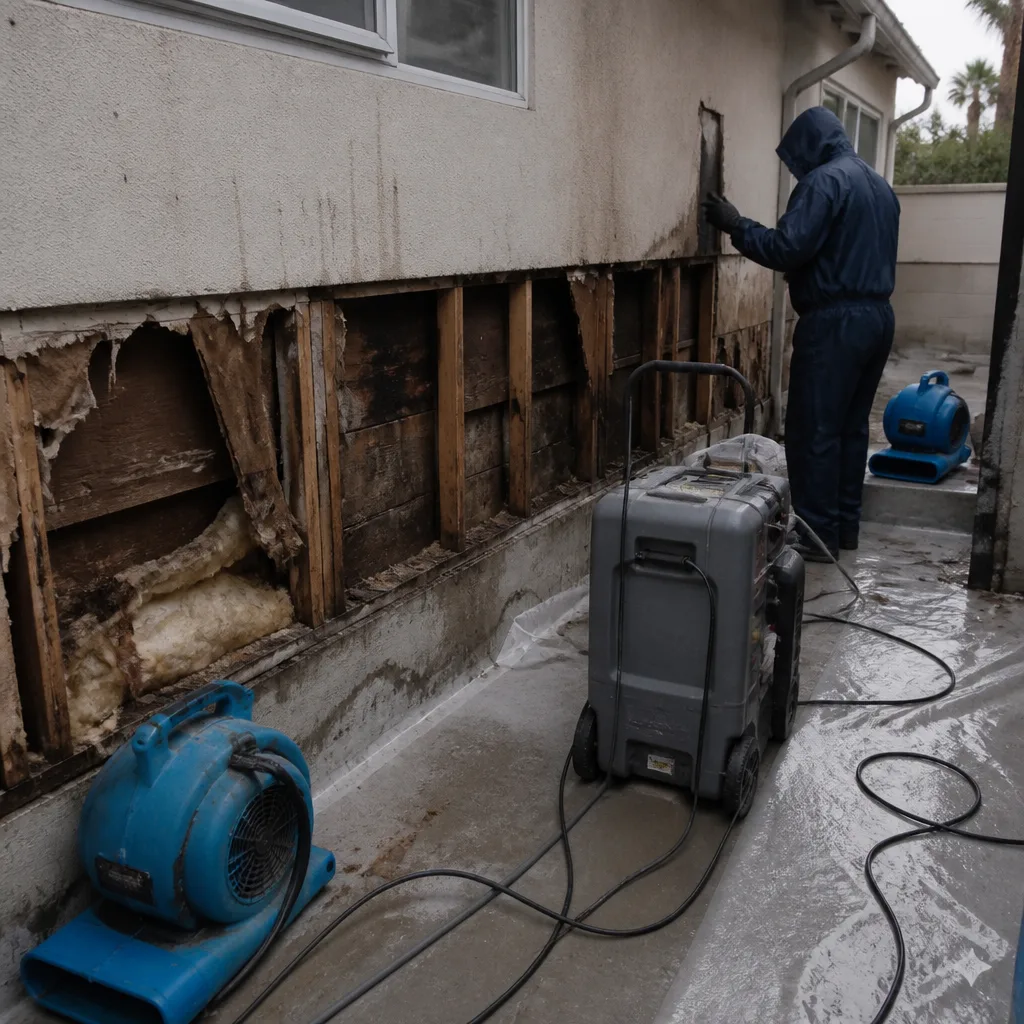 Before
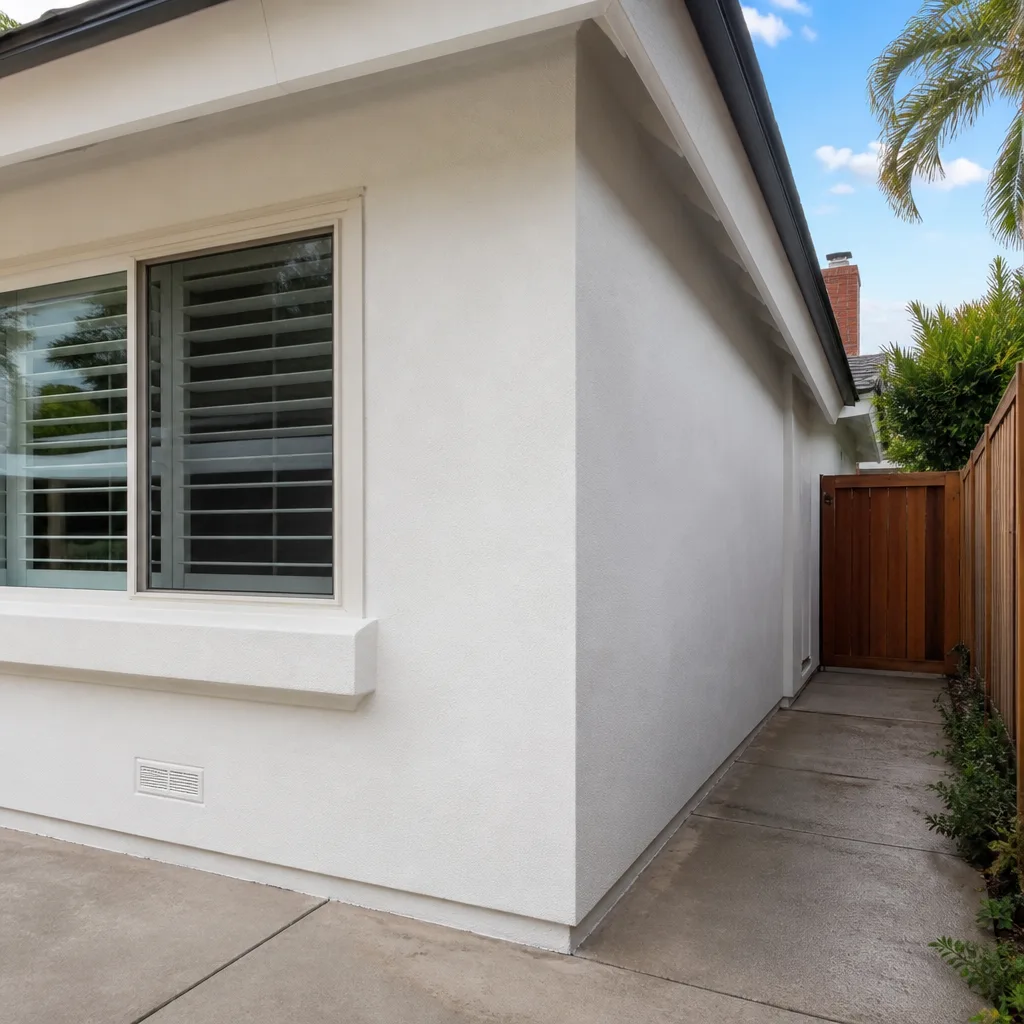 After
After24/7 Emergency Water Damage Restoration in Encinitas
Water damage restoration in Encinitas typically costs $2,800-$7,500 for a whole-home drying project, with emergency extraction running $800-$1,800 depending on affected square footage. Our crews answer live at (619) 330-9541 twenty-four hours a day, seven days a week, and we dispatch to Encinitas properties from our San Diego office with a forty-five-minute response commitment for active water losses. The first hour determines whether Category 1 clean water becomes Category 2 gray water, whether hardwood floors can be saved through rapid extraction, and whether mold colonization begins in the crawl spaces and wall cavities that define this city’s housing stock. We provide a free visual inspection on arrival, a written price before any equipment runs, and a photo-documented record that your adjuster can read without calling us back for clarification.
Understanding Water Damage Restoration Severity in Encinitas Properties
Water damage in Encinitas sorts into three categories under IICRC S500 standards, and misidentifying the category is where most restoration failures start. Category 1 water originates from a clean source: a broken supply line, an overflowing sink, a malfunctioning water heater. Category 2 carries significant contamination: dishwasher discharge, washing machine overflow, or groundwater seepage through coastal sandstone. Category 3 is grossly contaminated: sewage backup, flooding from the street, or any water that has passed through soil or building cavities.
The distinction matters in Encinitas because our Encinitas housing stock skews old and porous. Leucadia and Old Encinitas hold thousands of 1940s-1960s beach bungalows built without vapor barriers, with galvanized plumbing at end-of-life, and with crawl spaces so tight that a technician cannot enter without dismantling the access hatch. When a burst pipe floods one of these structures, water travels under the slab, wicks into unsealed framing, and pools in the salt-ravaged crawl space. Category 1 becomes Category 2 within hours. New Encinitas presents the opposite problem: 1980s-90s stucco-clad tract homes with cracks from minor ground movement that admit the persistent marine layer into wall cavities, creating slow, hidden saturation that reads as Category 1 at the surface but carries Category 2 contamination deeper in the assembly.
Moisture mapping with thermal imaging and calibrated penetrating meters tells us the real extent. Structural drying then requires psychrometric control: managing temperature, humidity, and airflow to drive vapor pressure differential, the force that moves moisture from wet materials into the air where dehumidifiers capture it. In Encinitas, the near-constant marine layer means ambient humidity rarely drops below 60% along the coast. Passive drying fails here. Mechanical dehumidification is not optional.
Why Encinitas Property Owners Choose DryMark Restoration San Diego
- Forty-five-minute response commitment to active water losses in Encinitas, because Category 1 water becomes Category 2 in under four hours in this climate.
- Twenty-four-hour live answer by a real person, never an automated system or voicemail tree, because water does not wait for business hours.
- IICRC-certified crews holding WRT (Water Damage Restoration Technician) and ASD (Applied Structural Drying) certifications, with AMRT (Applied Microbial Remediation Technician) on call for secondary mold concerns.
- Free visual inspection on arrival, documented with photos before any equipment touches your property.
- Direct insurance billing and adjuster coordination, with every invoice supported by daily drying logs, moisture readings, and room-by-room photo records.
- One team from extraction through reconstruction: no handoffs to unknown subcontractors, no gaps in documentation between phases.
BeforeAfterOur Water Damage Restoration Process
1. Inspection & Assessment
We arrive with thermal imaging cameras, penetrating moisture meters, and hygrometers to map the full extent of water migration. In Encinitas bluff-top properties, we specifically probe for groundwater seepage and foundation intrusion that initial visual inspection misses. You receive a written scope and price before any work begins, Haven Standard, Clause 1.
2. Extraction & Stabilization
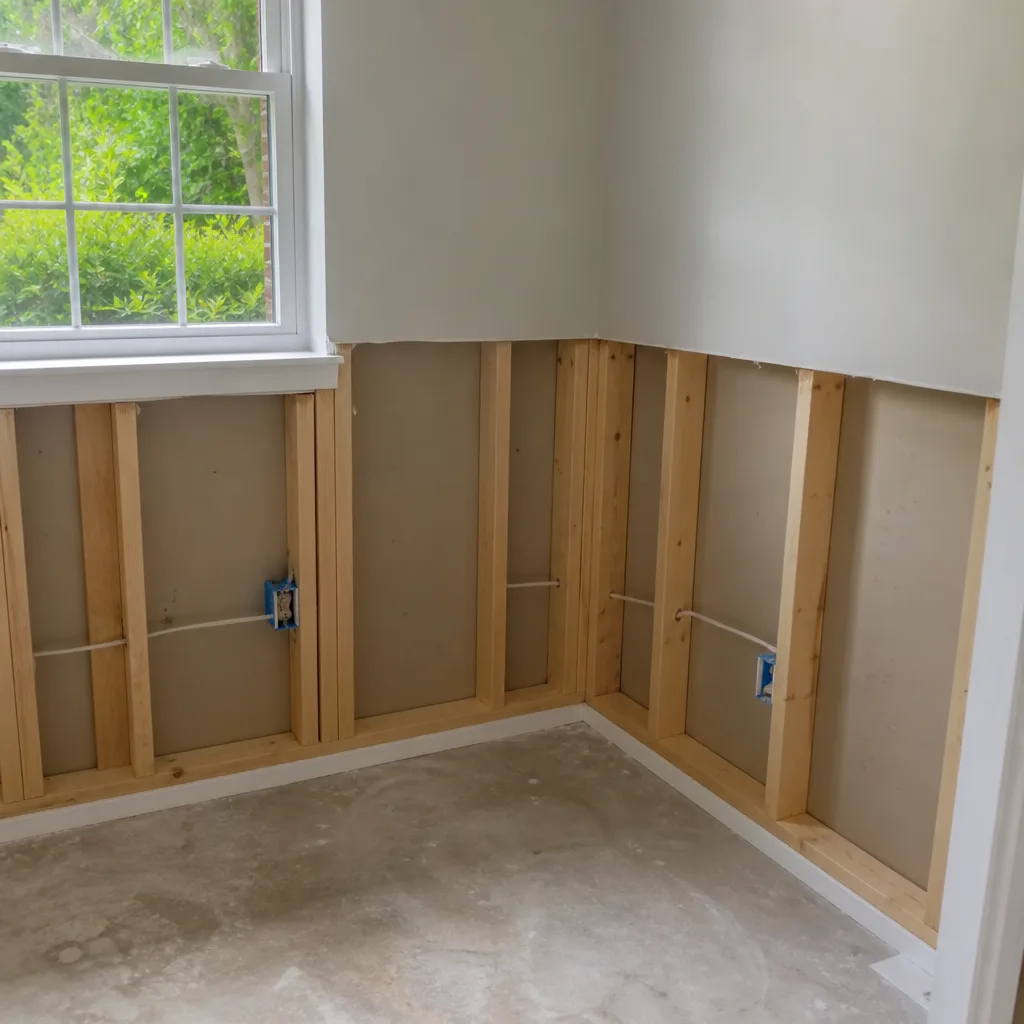
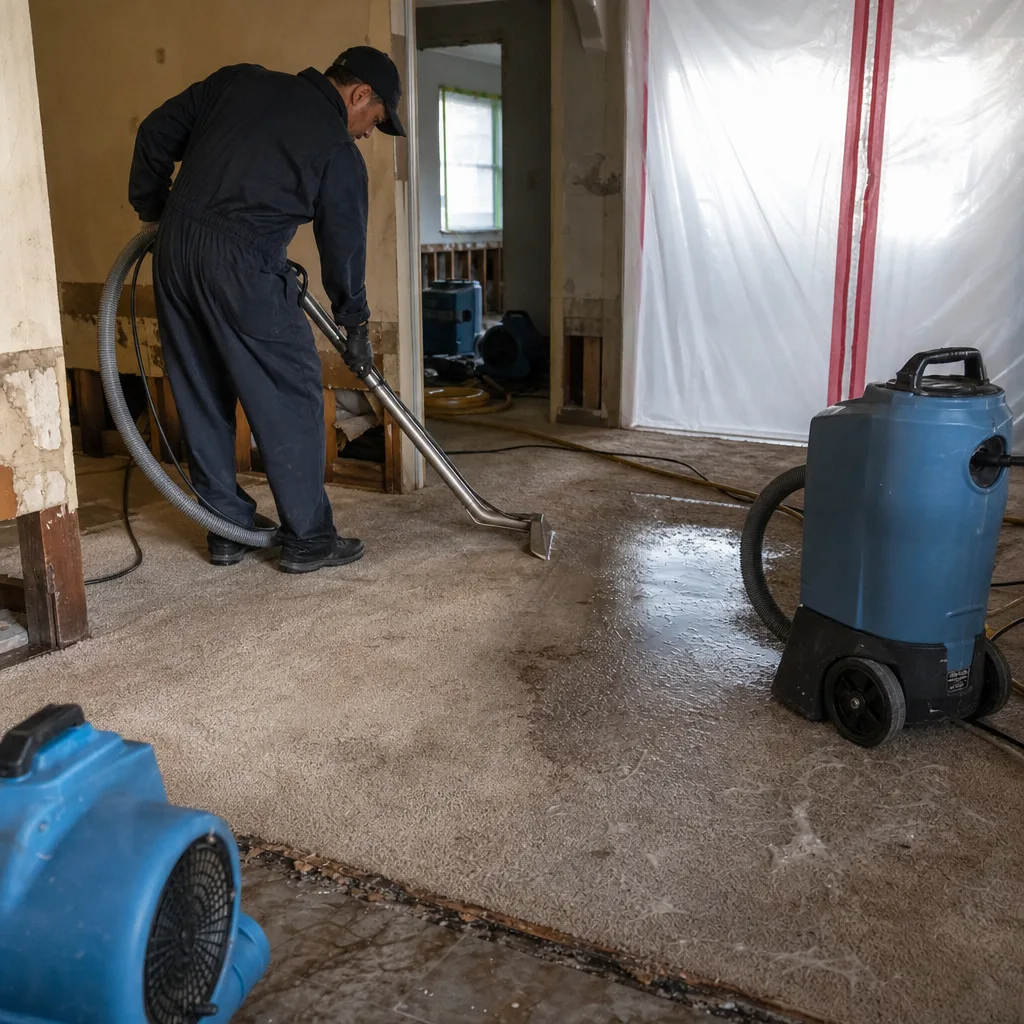
Truck-mounted extraction systems remove standing water from floors, carpets, and pad. For Encinitas’s tight coastal alleys and limited street parking, we deploy portable extraction units when the truck mount cannot reach. We remove compromised materials that cannot be dried in place, especially category 2 or 3 affected drywall and insulation.
3. Drying & Dehumidification
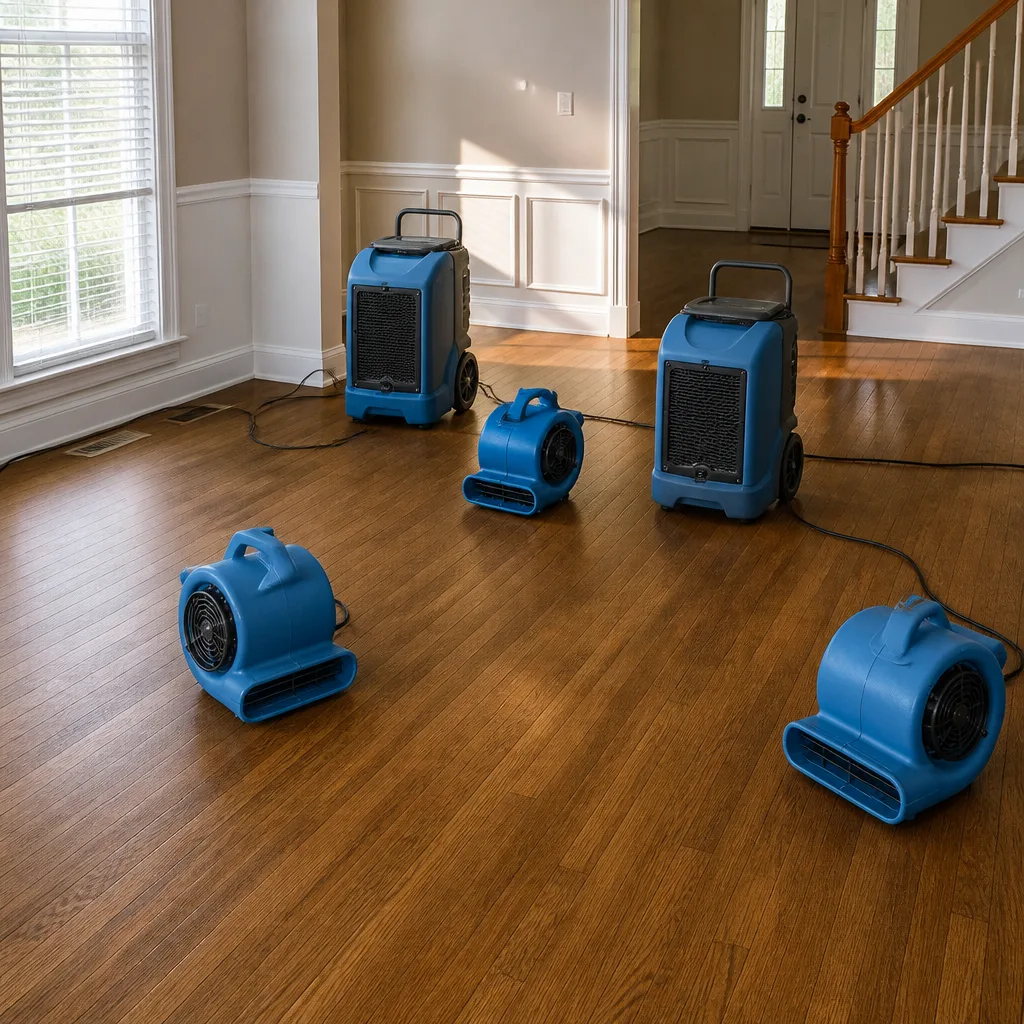
We establish a drying chamber with Dri-Eaz and Phoenix LGR dehumidifiers, XPOWER and B-Air air movers, and continuous hygrometer monitoring. In Encinitas, the marine layer makes passive drying impossible; we run mechanical dehumidification until daily moisture readings confirm materials have returned to dry standard per IICRC S500.
4. Cleaning & Sanitization
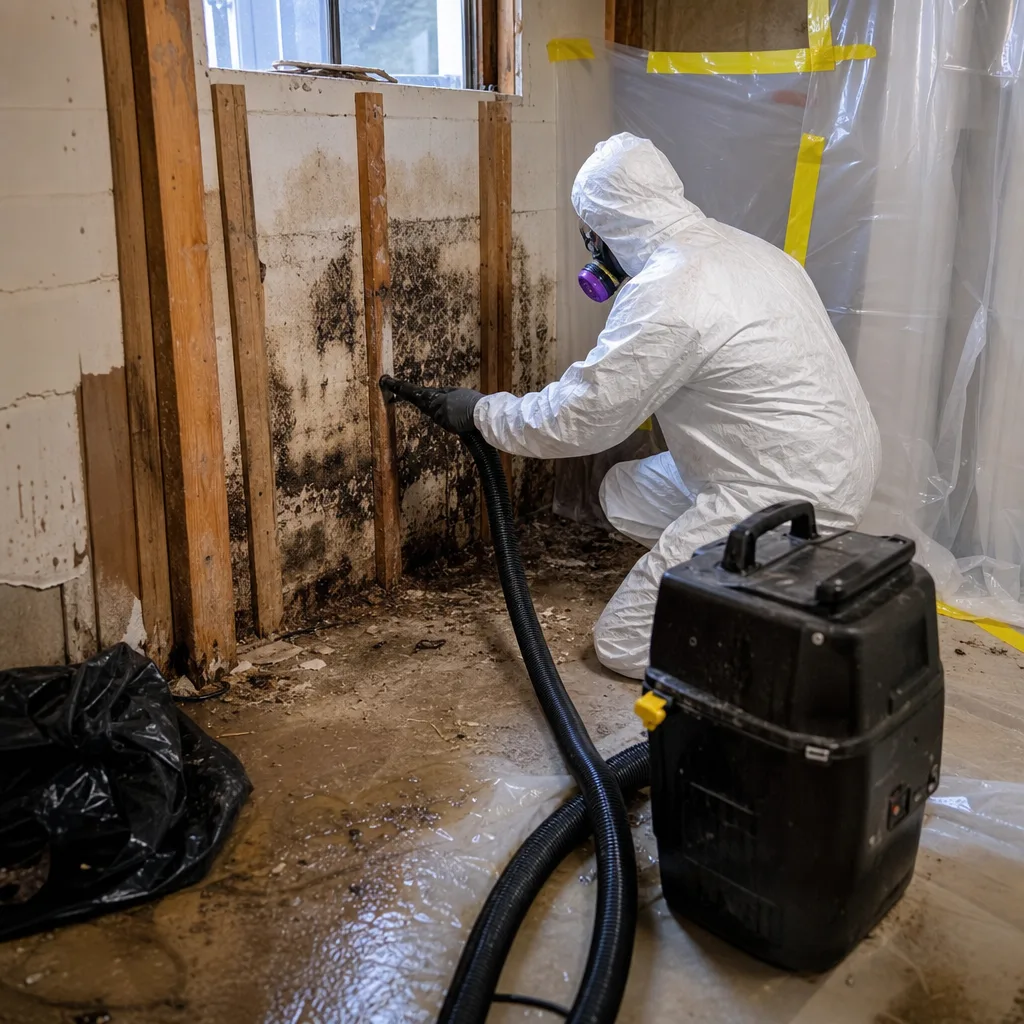
All affected surfaces receive antimicrobial treatment appropriate to the water category. For category 2 and 3 losses, we apply EPA-registered disinfectants and HEPA vacuum to capture particulate. We document every product and application in your file for adjuster review.
5. Moisture Verification & Documentation
We do not call a job complete until moisture readings meet or fall below the dry standard for each material class: wood, drywall, concrete, insulation. Daily drying logs track temperature, relative humidity, and specific humidity. This documentation is what turns your restoration invoice into a payable claim.
6. Repairs & Restoration
Our reconstruction crew replaces removed materials to pre-loss condition: drywall, insulation, flooring, trim, paint. In Encinitas’s older bungalows, we match period-appropriate materials where code permits. The 365-Day Done Right Promise covers all work under The Haven Standard.
Need Emergency Water Damage Restoration in Encinitas Now?
Crews minutes away, answering live 24 hours a day. The sooner we start, the less it costs.
Working With Your Insurance Company
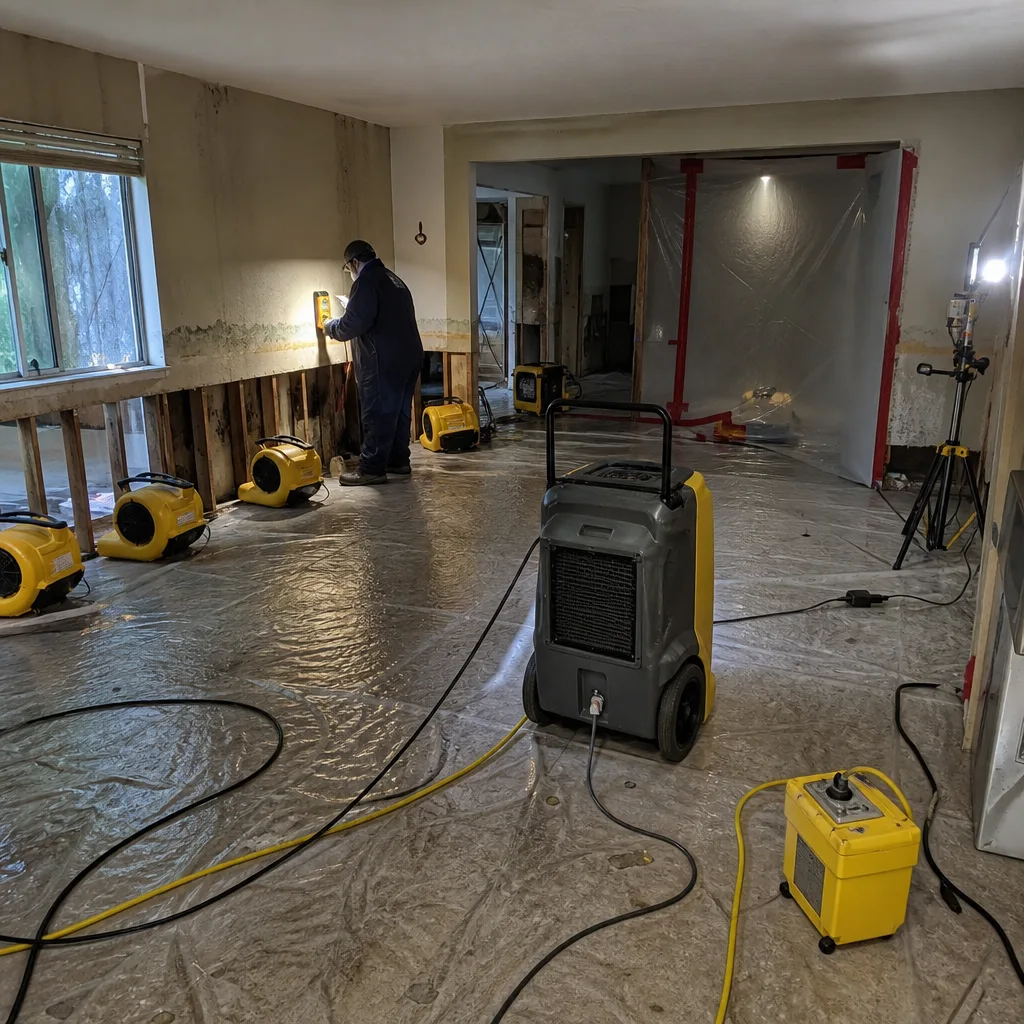
Insurance claims fail for two reasons: insufficient documentation at the front end, and scope disputes at the back end. We built our process to prevent both. From the first hour on your Encinitas property, we photograph every affected room, record moisture readings at multiple depths, and maintain daily drying logs that track equipment placement, psychrometric conditions, and material progress toward dry standard.
Our estimates follow Xactimate or Symbility industry standards, line-itemed so your adjuster can verify every charge without a callback. We coordinate directly with your carrier, provide supplemental documentation when hidden damage extends the scope, and never ask you to pay out of pocket and wait for reimbursement. The photo record, drying log, and written scope are standard deliverables on every job, not upsells.
What We Provide Your Insurer
- Thorough documentation of the loss
- Photos of all damage, room by room
- Moisture readings and drying logs
- A detailed, line-item scope of work
- Direct coordination with your carrier
Built for Encinitas’s Loss Calendar
Encinitas receives roughly twelve inches of rain annually, almost all between November and March in concentrated winter storms. This is not enough rain to keep drainage systems clear or to justify robust roof engineering on mid-century coastal homes. When El Niño-driven atmospheric rivers arrive, flat and low-slope roofs fail in clusters across Leucadia and Old Encinitas. Simultaneous claims overwhelm contractors who do not maintain reserve capacity.
We staff for this concentration. January through March is our peak dispatch period for burst pipes and roof leaks. April brings the secondary mold calls from winter losses that were dried inadequately or not at all. June through October, the marine layer dominates: no rain, but persistent humidity that keeps wall cavities wet after minor plumbing failures and creates condensation in under-ventilated crawl spaces. Year-round, bluff-top properties in Leucadia carry the geotechnical wildcard: groundwater seepage that reactivates after remediation, requiring documentation protocols that anticipate reopening.
Water Damage Restoration Across Encinitas’s Neighborhoods
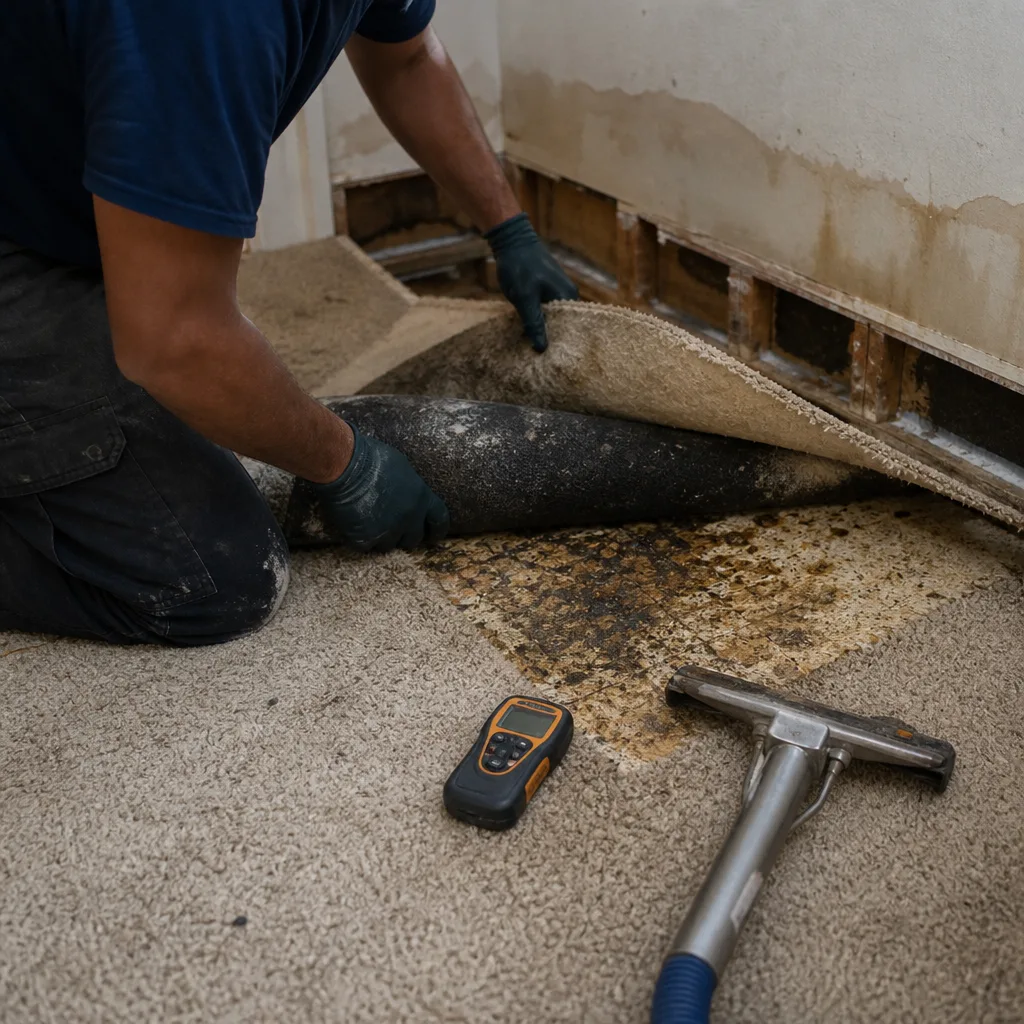
Leucadia’s beach bungalows on tight alleys present access challenges that determine equipment choice. We got a call from a 1950s beach bungalow on a tight Leucadia alley where a burst galvanized supply line had pushed Category 2 water under the slab and into a salt-ravaged crawl space. After moisture mapping and extraction, we set Dri-Eaz and Phoenix LGR dehumidifiers with XPOWER air movers, logged moisture readings daily, and finished with an antimicrobial treatment, but we also flagged the bluff-side foundation seep because the next atmospheric river could reopen the same assembly. The homeowner got a dry, documented structure and a heads-up on the geotechnical liability before the winter storms returned.
Old Encinitas, along Highway 101 and the commercial corridor, mixes retail and residential with aging infrastructure. Water losses here often involve shared walls and multiple policies, requiring documentation that separates affected areas by unit and by coverage. New Encinitas, east of El Camino Real, holds the 1980s-90s stucco tracts where ground movement cracks admit marine moisture. We treat these differently: more invasive inspection of wall cavities, longer drying timelines, and explicit documentation of pre-existing stucco condition to prevent scope disputes. Cardiff-by-the-Sea, technically part of Encinitas, carries the same bluff geology as Leucadia with denser, newer construction that traps water differently when failures occur.
Specialized Water Damage Restoration Services We Offer in Encinitas
Emergency Water Extraction
Standing water begins degrading materials within minutes. Our truck-mounted and portable extraction systems remove water from carpet, pad, hardwood, tile, and concrete substrates. In Encinitas’s tight coastal alleys where truck access is limited, portable units maintain extraction capacity without the setup constraints.
Structural Drying & Dehumidification
Encinitas’s marine layer makes this the critical phase. We establish drying chambers with LGR dehumidifiers and air movers sized to the affected cubic footage, monitored daily with hygrometers and moisture meters until materials reach dry standard. Without mechanical dehumidification, wall cavities in coastal Encinitas stay wet for weeks.
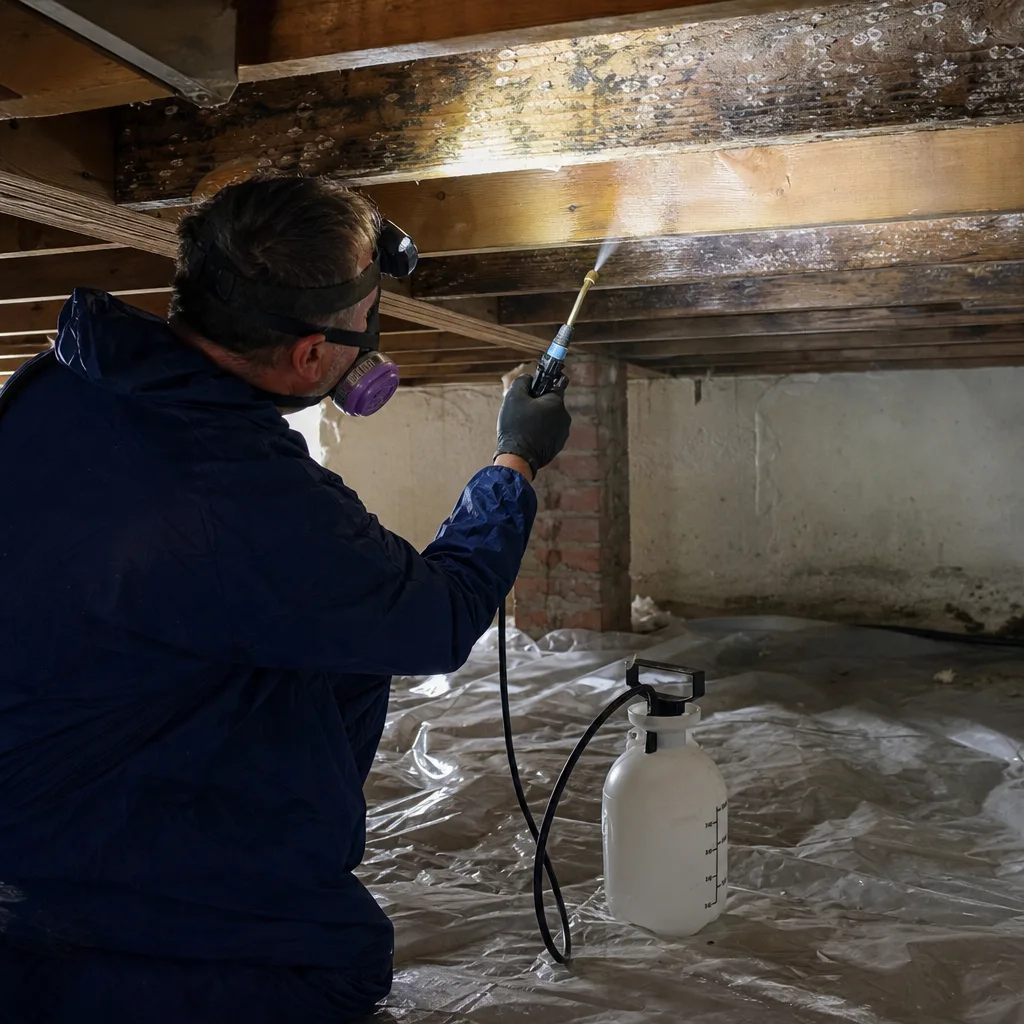
Flood Cleanup
Street flooding and storm surge, rare but concentrated in winter, bring Category 3 contamination. We remove all affected porous materials, apply EPA-registered disinfectants, and document contamination extent for adjuster review. Bluff-top properties may also see groundwater intrusion that mimics flood conditions.
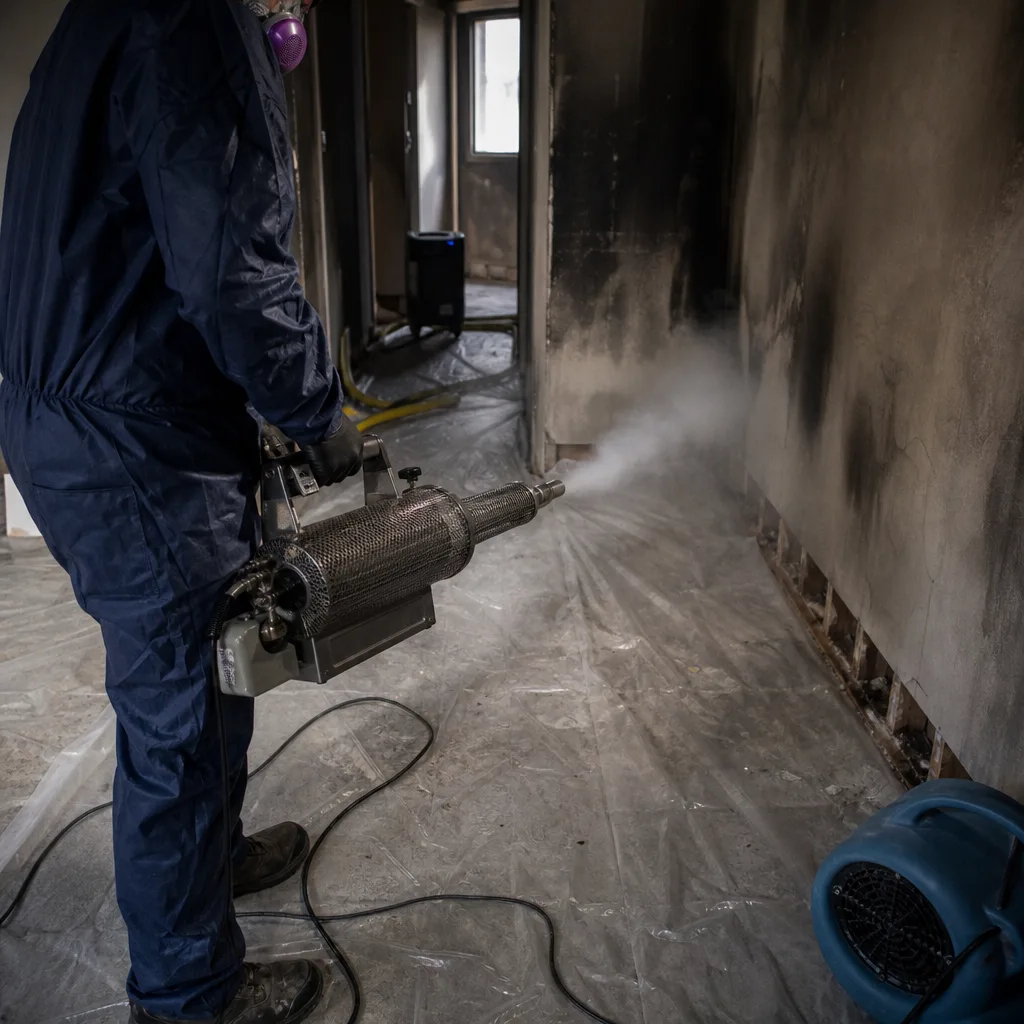
Burst Pipe Restoration
Galvanized supply lines in Leucadia and Old Encinitas bungalows fail catastrophically at end-of-life, often while owners are away. We extract, dry, and document the full migration path, including under-slab and crawl space intrusion that initial visual inspection misses. The written scope includes plumbing referral for line replacement.
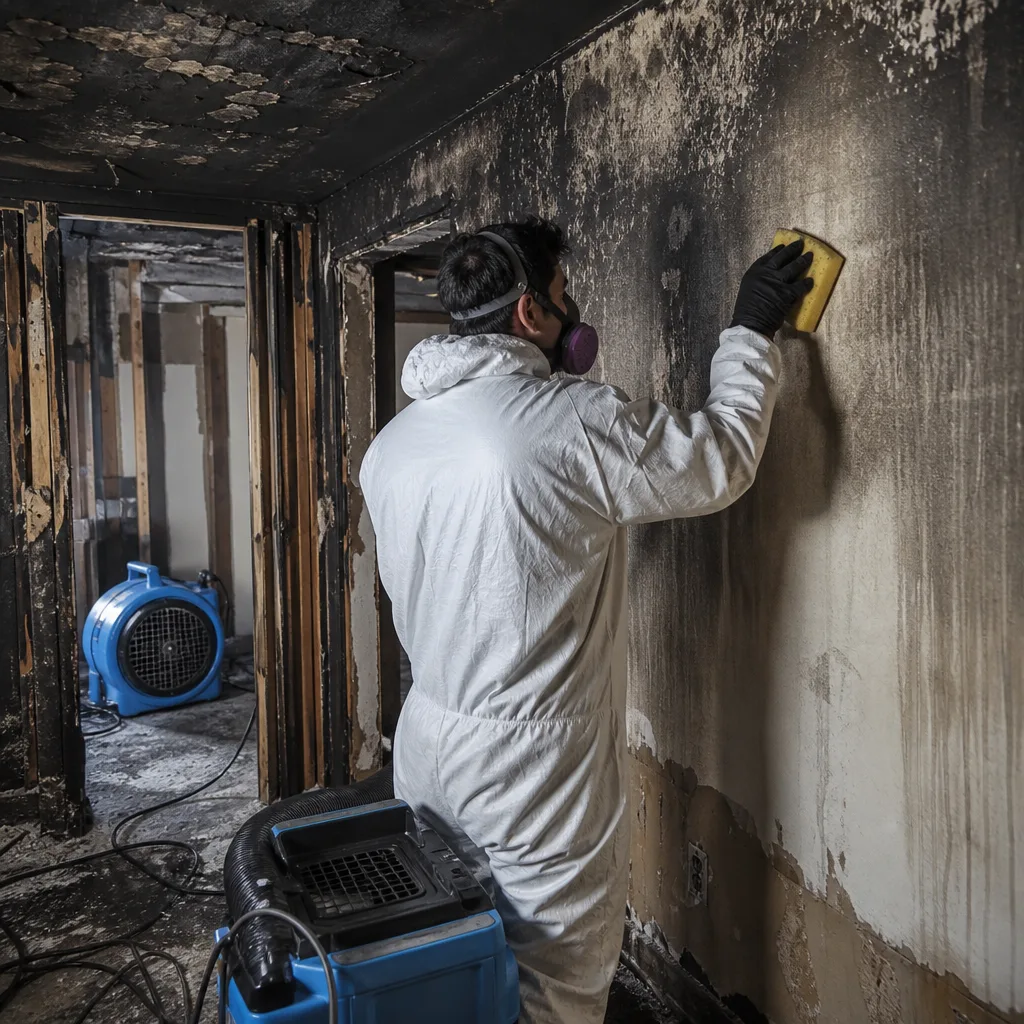
Basement Water Removal
True basements are rare in Encinitas, but converted crawl spaces and below-grade additions in older properties function similarly. We extract standing water, address vapor barrier failures, and dry to standard with equipment sized for confined spaces and limited ventilation.
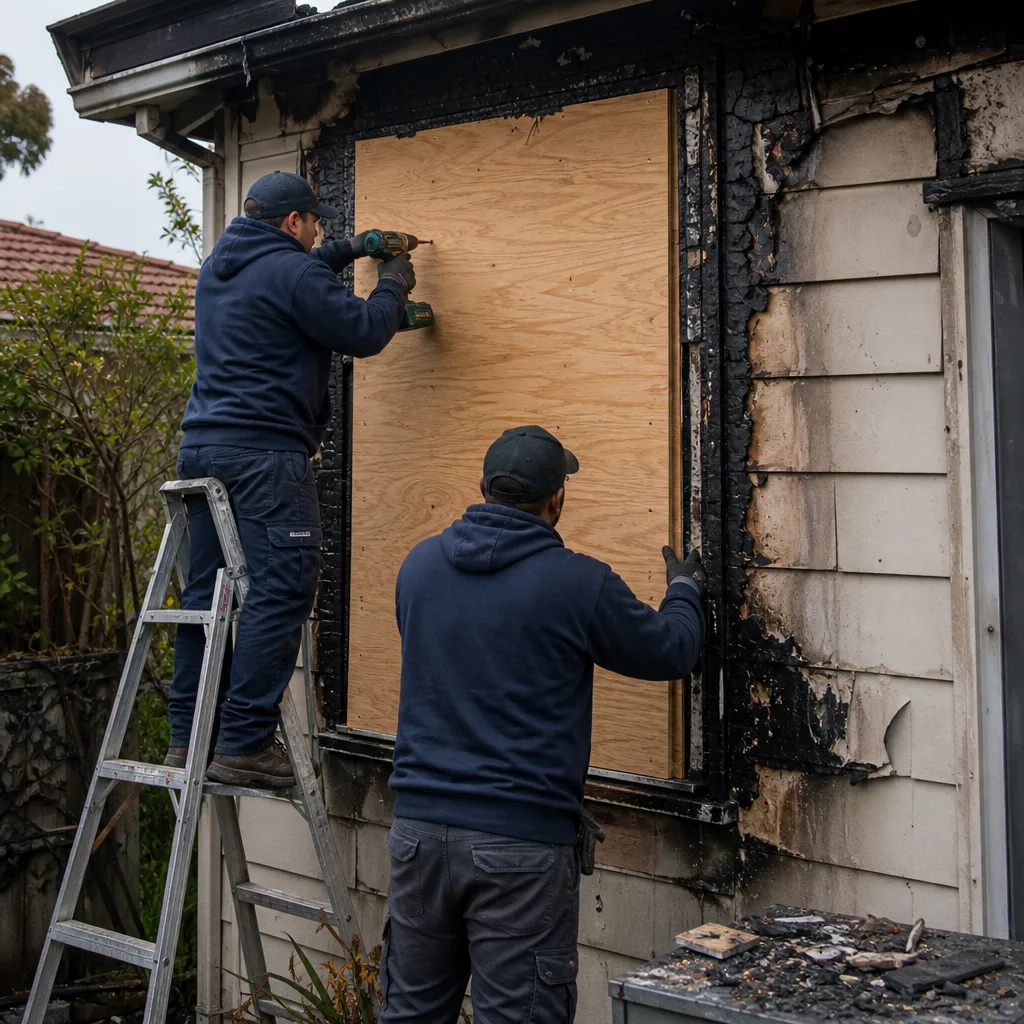
Ceiling & Roof Leak Water Damage
Winter atmospheric rivers overwhelm flat and low-slope roofs on mid-century coastal homes. We trace water migration through insulation and framing, remove compromised ceiling materials, and dry the cavity before mold colonizes. Documentation includes roof condition photos for adjuster scope.
What happens when you call
- 1
A real person answersNo phone trees - you reach a local pro.
- 2
You get an upfront price rangeHonest numbers before anyone is dispatched.
- 3
A background-checked tech heads outLicensed & insured, dispatched right away.
- 4
You approve before work beginsNothing starts until you say go.
Water Damage Restoration Costs in Encinitas, CA
Emergency water extraction in Encinitas runs $800-$1,800 for a typical residential loss, depending on affected square footage and access constraints. Whole-home structural drying with dehumidification and daily monitoring runs $2,800-$5,200 for a standard three-bedroom home. Category 3 losses requiring material removal, antimicrobial treatment, and reconstruction start at $4,500 and range to $12,000+ for extensive contamination.
What moves the price: water category (Category 1 vs. Category 3), affected square footage, whether materials can be dried in place or must be removed, and whether bluff-top groundwater seepage extends the scope beyond the initial loss. Insurance typically covers sudden and accidental water damage from plumbing failures and storm intrusion, but not long-term seepage or maintenance-related issues. We provide a written price before work begins, Haven Standard, Clause 1, and offer a Free Second Opinion on any competitor’s written estimate.
We Also Serve Cities Near Encinitas
Our Water Damage Restoration crews respond throughout North County San Diego and inland, including Del Mar to the south, Poway and Santee to the east, and the broader San Diego metro area. Dispatch and scheduling are coordinated from our San Diego office; crews serve Encinitas locally with the same documentation standards and response commitments.
Serving Encinitas, CA - Our Local Coverage Area
We’re based in the Encinitas area and know this community well. Use the map below to see our service coverage - if you’re nearby, we can almost certainly help.
Encinitas Water Damage Restoration Questions, Answered
How fast can you get to Encinitas for an emergency water damage call?
We commit to a forty-five-minute response time for active water losses in Encinitas, with crews dispatched from our San Diego office and live phone coverage twenty-four hours a day. Call (619) 330-9541 and a real person answers, never a voicemail tree.
Will my insurance cover water damage restoration in Encinitas?
Most homeowner policies cover sudden and accidental water damage from burst pipes, appliance failures, and storm intrusion, but exclude long-term seepage or maintenance issues. We document the loss from hour one, provide line-item scopes in industry-standard format, and coordinate directly with your adjuster to maximize covered recovery. Call (619) 330-9541 for a free inspection and written scope you can submit to your carrier.
Do I need full restoration or just water cleanup?
Cleanup removes standing water; restoration returns the structure to pre-loss condition. If water has reached wall cavities, insulation, or subflooring, drying and material replacement are necessary to prevent mold and structural degradation. Our inspection determines which applies, documented in a written scope with pricing before any work begins.
Why does water damage in Encinitas cost more than in inland San Diego?
Encinitas’s marine-layer humidity extends drying timelines, requiring longer dehumidifier runs and more intensive monitoring. Bluff-top properties may need additional foundation and groundwater assessment. Labor and equipment costs in coastal North County run 10-15% above inland markets. We provide exact pricing in writing after inspection, not estimates over the phone.
How long does structural drying take in Encinitas?
Standard residential drying takes three to five days in Encinitas, but the marine layer can extend this to seven days or more without aggressive dehumidification. We log moisture readings daily and do not remove equipment until materials meet dry standard per IICRC S500. Rushing this phase causes mold callbacks and claim disputes.
Can we stay in the house during water damage restoration?
Occupancy depends on water category, affected areas, and equipment noise. Category 1 losses confined to non-sleeping areas often allow occupancy; Category 2 or 3 losses, or drying equipment in bedrooms, typically require temporary relocation. We discuss this during inspection and coordinate with your adjuster if displacement coverage applies.
Are your technicians certified for water damage restoration?
Yes. Our crews hold IICRC WRT (Water Damage Restoration Technician) and ASD (Applied Structural Drying) certifications, with AMRT (Applied Microbial Remediation Technician) available for secondary mold concerns. All work is documented to IICRC, RIA, and IFA standards. License numbers are available on request.
What should I do in the first 30 minutes after discovering water damage?
Shut off the water source if identifiable and safe to access. Do not enter standing water if electrical outlets are submerged. Call (619) 330-9541 immediately; the first hour determines whether floors can be saved and whether contamination spreads. Do not start DIY extraction on Category 2 or 3 water, and do not delay waiting for your insurance company to respond.
Why does water damage in Encinitas take longer to dry than in inland San Diego?
The near-constant marine layer along Encinitas’s coast keeps ambient humidity elevated year-round, often above 60% relative humidity. Passive drying, which relies on dry air to absorb moisture, fails in these conditions. Mechanical dehumidification with LGR units is essential, and drying timelines typically run 20-40% longer than in drier inland climates like Poway or Santee.
Can bluff erosion or groundwater seepage affect a water damage claim in Leucadia?
Yes. Groundwater seepage from Encinitas’s eroding coastal sandstone bluffs can re-wet previously remediated wall assemblies months after initial drying, creating coverage disputes if the original scope did not document pre-loss foundation condition and geotechnical risk. We flag this liability during inspection and build re-inspection documentation into the file to protect your claim position.
How fast do we need to act after a burst pipe in a 1950s Encinitas bungalow?
Within four hours. These homes have minimal vapor barriers, aging galvanized plumbing that releases sediment and elevates water category, and crawl spaces that trap moisture. Category 1 becomes Category 2 quickly, and mold colonization begins in 24-48 hours in Encinitas’s humid coastal climate. Call (619) 330-9541 for immediate dispatch.
Do you handle water damage in New Encinitas stucco tract homes differently?
Yes. Stucco cracks from minor ground movement create hidden moisture pathways into wall cavities. We use more invasive moisture mapping, including interior wall cavity probes, and extend drying timelines to account for the slower release rate of trapped moisture. Pre-existing stucco condition is documented to prevent scope disputes with adjusters.
What does a typical water damage restoration scope include in Encinitas?
A complete scope covers moisture mapping and inspection, water extraction, removal of non-salvageable materials, structural drying with mechanical dehumidification, antimicrobial treatment, moisture verification to dry standard, and reconstruction to pre-loss condition. In Encinitas, we also assess for marine-layer humidity complications and bluff-top groundwater seepage. Every scope is written and priced before work begins, Haven Standard, Clause 1. Call (619) 330-9541 for your specific property.
Written by Alicia Brennan, Owner at DryMark Restoration San Diego, serving Encinitas since 2011.
Water Damage Restoration in Nearby Areas